Best technique for winter smallmouth bass
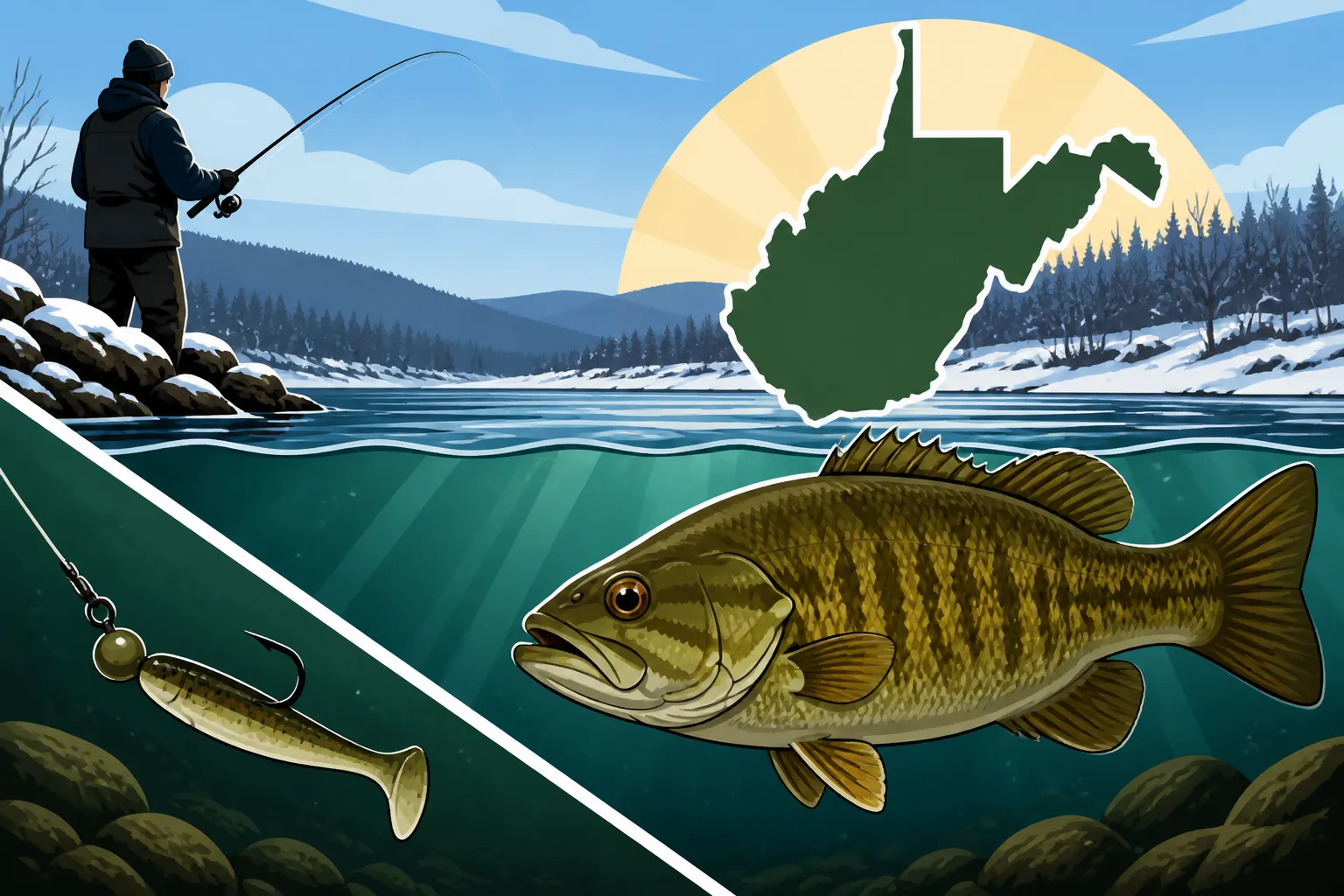
When the crisp air of a West Virginia winter settles in, many anglers pack away their gear, assuming the smallmouth bass bite has completely shut down. It's a common misconception, leading to a long, fish-less off-season for some. But for those of us who brave the cold, we know that winter smallmouth fishing can actually be incredibly rewarding, offering a unique challenge and often the chance at some truly chunky bronzebacks. This guide is all about equipping you with the knowledge and the nuanced techniques to coax those cold-water smallmouth into biting, even when the mercury drops.
The Winter Smallmouth Bass Mindset in West Virginia
Understanding how smallmouth bass behave when water temperatures plummet is absolutely crucial. They aren't going to be chasing down fast-moving baits like they do in the summer, nor will they be scattered across vast shallow flats. Their survival instincts kick in, leading to very specific patterns and locations. Ignoring these biological truths is a surefire way to come home empty-handed.
Understanding Cold Water Behavior
Imagine yourself in a cold environment; you conserve energy, move slower, and seek comfort. Smallmouth bass are no different. As water temperatures fall below 50 degrees Fahrenheit, their metabolism slows significantly. They become lethargic, their digestion takes longer, and their need to feed decreases. This isn't to say they don't eat – they absolutely do – but their feeding windows are shorter, and they're far less willing to expend energy chasing a meal. Instead, they become ambush predators, waiting for an easy opportunity. This means your presentation needs to be agonizingly slow, often right in front of their face. Any sudden, erratic movements from your lure might trigger their predatory instinct, but more often than not, it will just scare them off. Think subtle nudges and long pauses.
Furthermore, their fight changes. A summer smallmouth will jump, pull, and dive with incredible power. A winter smallmouth, while still strong, will fight deeper, with heavy, head-shaking tugs rather than acrobatic leaps. This difference in fight can sometimes make you think you've hooked a bigger fish than you have, but it's often just the cold water damping their usual high-energy antics. You'll also notice their skin color might be darker, more muted, as they blend into deeper, often rockier winter environments.
Locating Winter Haunts
Finding smallmouth in winter is less about covering water quickly and more about pinpointing specific, high-percentage areas. They're looking for thermal stability and easy access to deep water, often congregating in large schools. This schooling behavior is key – if you find one, you'll likely find more.
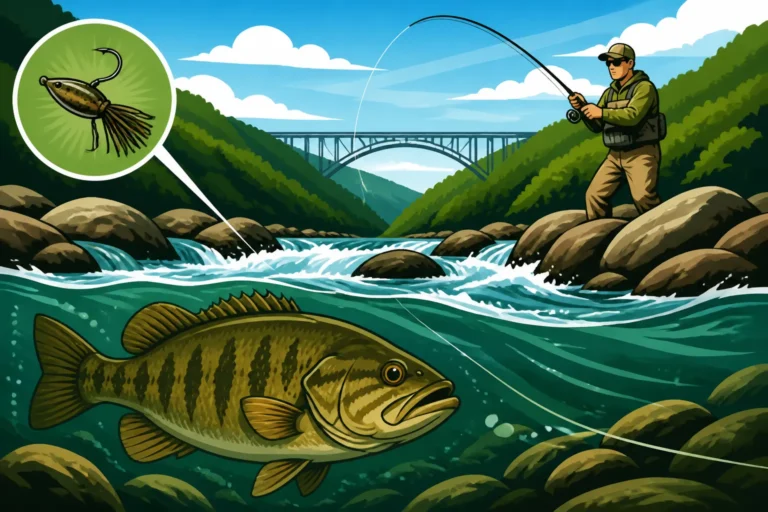
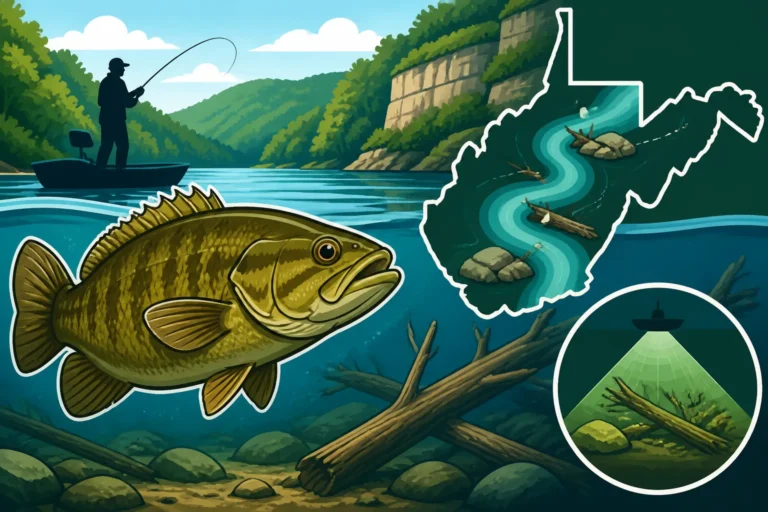
In rivers, look for the deepest pools, especially those with slower current. Think about areas where a significant bend in the river creates a scour hole, or where large bedrock ledges offer cover and a break from the flow. Confluences, where two rivers meet, can also be dynamite, as they often create deep pockets and current breaks. Bridges and bridge pilings are also prime real estate, as they provide current breaks and deep water. The larger rivers in West Virginia, like the New River and parts of the South Branch Potomac, will hold these deeper wintering holes. Structure is vital: large boulders, submerged timber (though be careful of snags!), and ledges that provide a refuge from the current and offer a slight temperature break are all places these fish will hunker down. Don't be afraid to fish areas that might seem unproductive in warmer months; smallmouth have completely different needs in the winter. Think about accessing these spots, perhaps with a smaller, maneuverable boat or even by focusing on Best Shore Fishing Spots in West Virginia if safe access exists to deep eddies.
On West Virginia lakes and reservoirs, smallmouth will often move to deep main lake points, channel swings, and steep bluff walls. They'll relate to structure like submerged humps, old roadbeds, and standing timber that drops off into significant depth. The key is "deep access." They want to be able to move up to feed on warmer days without having to travel far from their deep-water sanctuaries. So, a point that gradually tapers into 30-40 feet of water is often less productive than a point that drops sharply into 50-plus feet right off the bank. Focus your efforts on the deeper ends of these structures. Good examples would be places on Summersville Lake or Stonewall Jackson Lake that feature steep drop-offs.
Essential Gear for Cold Water Smallmouth
When the temperatures are freezing and the fish are finicky, your gear choices become even more critical. Comfort and efficiency are paramount, not just for your success but for your enjoyment and safety on the water. Trying to fish with inadequate cold-weather gear is a recipe for a miserable, short day.
Rods, Reels, and Line Choices
For winter smallmouth, finesse is the name of the game, and your rod and reel setup needs to reflect that. You'll generally want lighter gear to handle delicate presentations and detect subtle bites.
- Rods: A medium-light to medium power spinning rod, typically 6'6" to 7'6" in length, is ideal. The longer length helps with casting lighter baits and managing line, especially when fishing from a boat or kayak. A fast action tip is critical for detecting those barely-there "thump" bites and for quick hooksets without overpowering the lighter line. A good quality graphite rod will offer the sensitivity needed to feel light bites in cold water, something less sensitive rods just can't do. For recommendations, check out our guide on Best Spinning Rods for Smallmouth Bass.
- Reels: Pair your rod with a high-quality spinning reel in the 2000-3000 size range. Look for smooth drag performance, as winter smallmouth, though less acrobatic, can still make strong runs, and you don't want to break off on light line. A good retrieve ratio (around 5.2:1 to 6.2:1) is versatile, allowing for slow retrieves while still having the speed to pick up slack quickly if a fish swims towards you. Cold conditions can also affect reel performance, so a reel known for its robust construction is a wise investment.
- Line: This is where things get really specific for winter.
- Main Line: 6-10 lb braided line is a great choice for your main line due to its incredible sensitivity and lack of stretch. This helps you feel those light bites even in deep water or slight current.
- Leader: Always, always use a fluorocarbon leader. Fluorocarbon is nearly invisible underwater, crucial for wary winter smallmouth, and it has excellent abrasion resistance for fishing around rocky structure. A 6-8 lb fluorocarbon leader is typically sufficient. The length can vary from 3 to 10 feet, depending on water clarity and depth. For more on this, see Best Fluorocarbon Line for Clear River Water. The key is to connect your braid to your fluoro leader with a strong, reliable knot like an FG knot or an Albright knot. Investing in high-quality line from reputable brands can make a significant difference in cold, clear conditions.
Lure Selection for Lethargic Bass
Winter smallmouth aren't interested in a chase. They want an easy meal. This means your lure selection should focus on smaller, subtle presentations that mimic their natural forage, like crayfish or baitfish, but in a slow, struggling manner.
- Hair Jigs: These are classic winter smallmouth baits for a reason. Their subtle, breathing action in the water is incredibly enticing to lethargic fish. Sizes typically range from 1/8 to 1/4 ounce. Colors like black, brown, olive, and gray are excellent choices, mimicking crawfish or sculpins. You can tip them with a small piece of soft plastic, like a tiny grub tail, for added appeal. The key is to fish them slowly, just barely hopping or dragging them along the bottom. We have a whole guide dedicated to the Best Hair Jig Technique for Winter Smallmouth.
- Blade Baits: While they can be fished faster, blade baits like the Silver Buddy or Vibrato work wonders with a yo-yo retrieve in deep water. Drop them to the bottom, lift them a foot or two, and let them fall on a semi-slack line. The vibration and flash on the lift, followed by the erratic fall, can trigger a reaction strike.
- Jerkbaits: On slightly warmer winter days, or when fish are suspended, a suspending jerkbait can be deadly. Cast it out, twitch it a few times, and then PAUSE it for an incredibly long time – sometimes 10, 20, or even 30 seconds. The suspending action keeps the bait in the strike zone, and the long pause gives the fish ample time to decide to strike. Natural baitfish colors are usually best.
- Ned Rigs: This finesse presentation is a smallmouth killer year-round, but it shines in winter. A light mushroom-head jig (1/16 to 1/8 ounce) paired with a small, buoyant soft plastic (often called a "TRD" style bait) creates a subtle, standing-up presentation on the bottom. Fish it with short drags and long pauses. The buoyancy of the plastic keeps the tail slightly elevated, mimicking a feeding or dying baitfish.
- Dropshot Rigs: When smallmouth are hugging the bottom or suspended in deep water, a dropshot rig allows you to present a small plastic worm or creature bait directly in their strike zone. A small hook tied a foot or two above a weight keeps your bait perfectly still and visible to hesitant fish. This is particularly effective when you've located fish on your sonar. Learn more about the Best Drop Shot Rig for River Current.
- Soft Plastic Grubs/Swimbaits: Small grubs on a lightweight jig head (1/8 to 1/4 ounce) or tiny paddle tail swimbaits retrieved painstakingly slowly, often just barely crawling on the bottom, can be very effective. Again, natural colors are key.
When purchasing gear, especially specialized items like sensitive rods or specific lure types, checking retailers like Amazon can often provide a wide selection and competitive pricing, making it easier to acquire exactly what you need for a successful winter outing.
Master Techniques for Winter Smallmouth Bass Success
Now that we understand the smallmouth mindset and have our gear dialed in, it's time to talk about how to actually fish for them. This isn't a power-fishing game; it's a patient, methodical, and often agonizingly slow dance with elusive fish.
Slow and Low: The Finesse Approach
The cornerstone of winter smallmouth fishing is the finesse approach, characterized by slow retrieves and presentations that hug the bottom.
- Dragging and Hopping Jigs: Whether it's a hair jig, a Ned rig, or a small grub on a jig head, the technique is similar: cast out, let it sink to the bottom, and then slowly drag it a few inches with your rod tip, then pause. Then drag again. Or give it a very subtle hop, barely lifting it off the bottom, and let it settle. The pauses are critical. Many strikes will occur on the fall or during the pause as the lure settles. You're trying to imitate a crawfish scuttling along or a dying baitfish. Pay close attention to your line; a twitch, a jump, or a sudden slackening can all indicate a bite. Sometimes it feels like nothing more than your line getting heavy.
- Reading the Bottom: With such a slow retrieve, you'll start to "feel" the bottom composition. Pay attention to changes from rock to sand, or when your jig bumps against a larger boulder or log. These transition areas and pieces of cover are often where smallmouth will be holding. Mentally map out these spots and make repeated casts to them.
- Current Considerations: In rivers, always try to work your bait with the current, or slightly quartered to it. Casting upstream and letting your bait drift down naturally, while maintaining just enough tension to feel the bottom, can be incredibly effective. Avoid casting directly across strong current, as it makes controlling your lure and feeling bites much harder.
Vertical Jigging and Dropshotting
When fish are tightly schooled and holding in deep water, or when you can pinpoint them on your fish finder, vertical presentations become your most potent weapon.
- Vertical Jigging: This is particularly effective from a boat or kayak when you can position yourself directly over a school of fish or a piece of deep structure. Drop a blade bait, a heavy hair jig, or even a spoon straight down to the bottom. Once it hits, lift your rod tip sharply a foot or two, then immediately let it fall back on a semi-slack line, maintaining just enough contact to feel for bites. The lift creates flash and vibration, and the erratic fall often triggers a reaction. Again, pauses are key at the bottom and sometimes mid-water column. Repeat, repeat, repeat.
- Dropshotting: The dropshot is a masterclass in subtlety and precision. The beauty of this rig is that your weight is on the bottom, allowing your bait to suspend motionless at a specific depth above it. This is invaluable when fish are suspended just off the bottom, or when they're extremely finicky.
- Setup: Tie a Palomar knot (or similar), leaving a long tag end (1-3 feet). Thread your hook onto the tag end and pass it back through the eye of the hook to make it stand out horizontally. Then, tie your dropshot weight to the very end of the tag.
- Presentation: Drop the rig to the bottom. Once the weight hits, reel up the slack. Now, by simply shaking your rod tip gently, you can make your soft plastic bait dance in place without moving the weight or making the fish chase it. This minimal movement is often all it takes to entice a cold, inactive smallmouth. This technique is often discussed in detail when learning How to Catch Smallmouth Bass in West Virginia Rivers.
River vs. Lake Strategies
While the core principles of slow and low apply everywhere, there are nuanced differences between river and lake fishing in winter.
- River Strategies:
- Focus on Deep Pools and Eddies: As mentioned, current breaks and the deepest holes are paramount. Look for areas downstream of rapids or ledges where the water churns and then settles into a deep, slow pool. These are natural congregating points.
- Work the Seams: The "seam" where fast water meets slow water is always a prime target. Smallmouth will sit in the slow water, waiting for baitfish to be swept past them from the faster current.
- Access: Many of the Best Fishing Rivers in West Virginia require careful planning for winter access. Wading can be an option in smaller, shallower rivers, but extreme caution is needed due to cold water and slippery rocks. A stable drift boat or specialized river kayak, like those discussed in Best Kayaks for West Virginia Fishing, might be necessary for larger rivers.
- Lake Strategies:
- Main Lake Structure: Focus on the main lake points, bluff ends, and channel swings that offer quick access to very deep water. Smallmouth will often school up on the steepest break lines.
- Sonar is Your Friend: A good fish finder is almost essential for winter lake smallmouth. Use it to locate schools of baitfish and, more importantly, the smallmouth themselves. Once you mark them, deploy your vertical jigging or dropshot techniques. You can often find excellent fish finders for various budgets on Amazon.
- Slow Trolling: On larger lakes, a very slow trolling presentation with deep-diving crankbaits or even dropshots can be effective if you're struggling to locate schools. Use your trolling motor to move at a snail's pace, constantly watching your electronics.
Safety and Comfort: Staying on the Water Longer
Winter fishing is not just about catching fish; it's also about staying safe, warm, and comfortable. West Virginia winters can be unforgiving, and overlooking safety can turn a fun day into a dangerous situation very quickly.
Dressing for Success: Layering and Cold-Weather Apparel
Hypothermia is a real threat in cold weather, especially when near water. Dressing in layers is absolutely non-negotiable.
- Base Layer: Start with a moisture-wicking synthetic or merino wool base layer. This pulls sweat away from your skin, keeping you dry. Cotton is a definite no-go as it retains moisture and chills you.
- Mid-Layers: Add insulating layers like fleece jackets or down vests. Multiple thinner layers are better than one thick one, as they allow you to adjust to changing temperatures throughout the day.
- Outer Layer: Your outermost layer needs to be waterproof and windproof. A good quality fishing bib and jacket designed for foul weather will protect you from rain, snow, and bone-chilling winds. Brands often offer specific "fishing" rain gear that is durable and allows for a full range of motion.
- Extremities: Don't forget your head, hands, and feet. A warm beanie or wool hat is essential, as a significant amount of body heat is lost through the head. Waterproof, insulated gloves or mittens are a must, ideally with flip-back fingers for knot tying and lure changes. Wear thick wool socks (again, no cotton!) and insulated, waterproof boots. You might even consider insulated waders if you plan on standing in cold water, especially when exploring some of West Virginia's renowned trout streams, as mentioned in Best Trout Streams in West Virginia.
- Hand Warmers: These are a game-changer! Keep a few disposable hand warmers in your pockets or gloves. They can provide much-needed relief when your fingers start to get numb. You can easily find these in bulk on Amazon.
Boat and Wading Safety
Cold water drastically reduces survival time if you fall in. Always prioritize safety.
- Life Jackets: This isn't just a suggestion; it's a legal and common-sense necessity. Always wear a PFD (Personal Flotation Device) when on a boat or kayak in cold water. Even if you're a strong swimmer, the shock of cold water can incapacitate you. Inflatable PFDs are comfortable and allow for free movement. Familiarize yourself with Life Jacket Requirements for West Virginia Boaters.
- Boating Precautions:
- Check the Weather: Don't even think about going out if high winds, heavy precipitation, or extreme cold is forecast.
- Tell Someone: Always let someone know where you're going and when you expect to return.
- Buddy System: Fishing with a friend is always safer in winter.
- Emergency Gear: Carry a dry bag with spare warm clothes, a first-aid kit, a fully charged cell phone (in a waterproof case), a whistle, and a throw rope.
- Boat Maintenance: Ensure your boat's engine, battery, and safety equipment are in top working order. Cold weather can be tough on equipment. Be mindful of West Virginia Boating Laws for Anglers.
- Wading Precautions:
- Know Your Limits: Never wade in water that's too deep or has too strong a current. Cold water saps your strength quickly.
- Wading Staff: A sturdy wading staff provides essential balance and helps you probe unknown depths and slippery bottoms.
- Felt Soles: While rubber soles are popular, felt soles often provide better grip on slick, algae-covered rocks in rivers, though be aware of regulations regarding felt soles in some areas due to invasive species concerns.
- Emergency Change of Clothes: Always have a complete, dry change of clothes waiting in your vehicle.
Winter smallmouth bass fishing in West Virginia is a rewarding pursuit that tests your patience, skill, and dedication. It's not for the faint of heart, but those who embrace the challenge are often met with some of the most memorable fishing experiences and, quite often, some of the biggest smallmouth of the year. By understanding their winter behavior, selecting the right gear, employing deliberate techniques, and prioritizing safety, you'll discover a whole new dimension to angling in the Mountain State.
Winter Smallmouth Lure Quick Reference
| Lure Type | Best Use Case | Retrieve Style | Ideal Conditions | Notes |
|---|---|---|---|---|
| Hair Jig | Bottom-hugging fish, subtle bites | Slow drag, subtle hop-and-fall, long pauses | Clear to slightly stained water, 40-50°F water | Mimics crawfish or sculpins, often tipped with plastic |
| Blade Bait | Vertical jigging, reaction strikes | Yo-yo retrieve: sharp lift, controlled fall on slack line | Deep water, locating schooled fish | High vibration, triggers aggressive strikes on inactive fish |
| Jerkbait | Suspended fish, slightly warmer winter days | Twitch-twitch-PAUSE (long pause!), erratic darting | Clear water, 45-55°F water, sunny days | Suspending models are key to staying in the strike zone |
| Ned Rig | Ultra-finesse, tough bites, bottom dwelling | Short drags, long pauses, minimal movement, 'stand-up' action | Any water clarity, very cold water (<45°F) | Very subtle, buoyant plastic keeps tail up |
| Dropshot Rig | Pinpointing suspended or bottom-hugging fish | Minimal rod tip shakes, bait held motionless above weight | Deep clear water, precise depth presentation | Excellent for fish found on sonar, highly sensitive |
| Soft Plastic Grub | All-around finesse, imitating baitfish/crawfish | Slow roll, crawl on bottom, slight hops | Any water clarity, versatile | Simple yet effective, can be tipped with scent |
Disclaimer
This article is for general informational purposes only and does not constitute professional advice. Laws, prices and regulations vary by location and change over time. Consult a qualified professional for guidance on your specific situation.