Best Spinning Rods for Smallmouth Bass
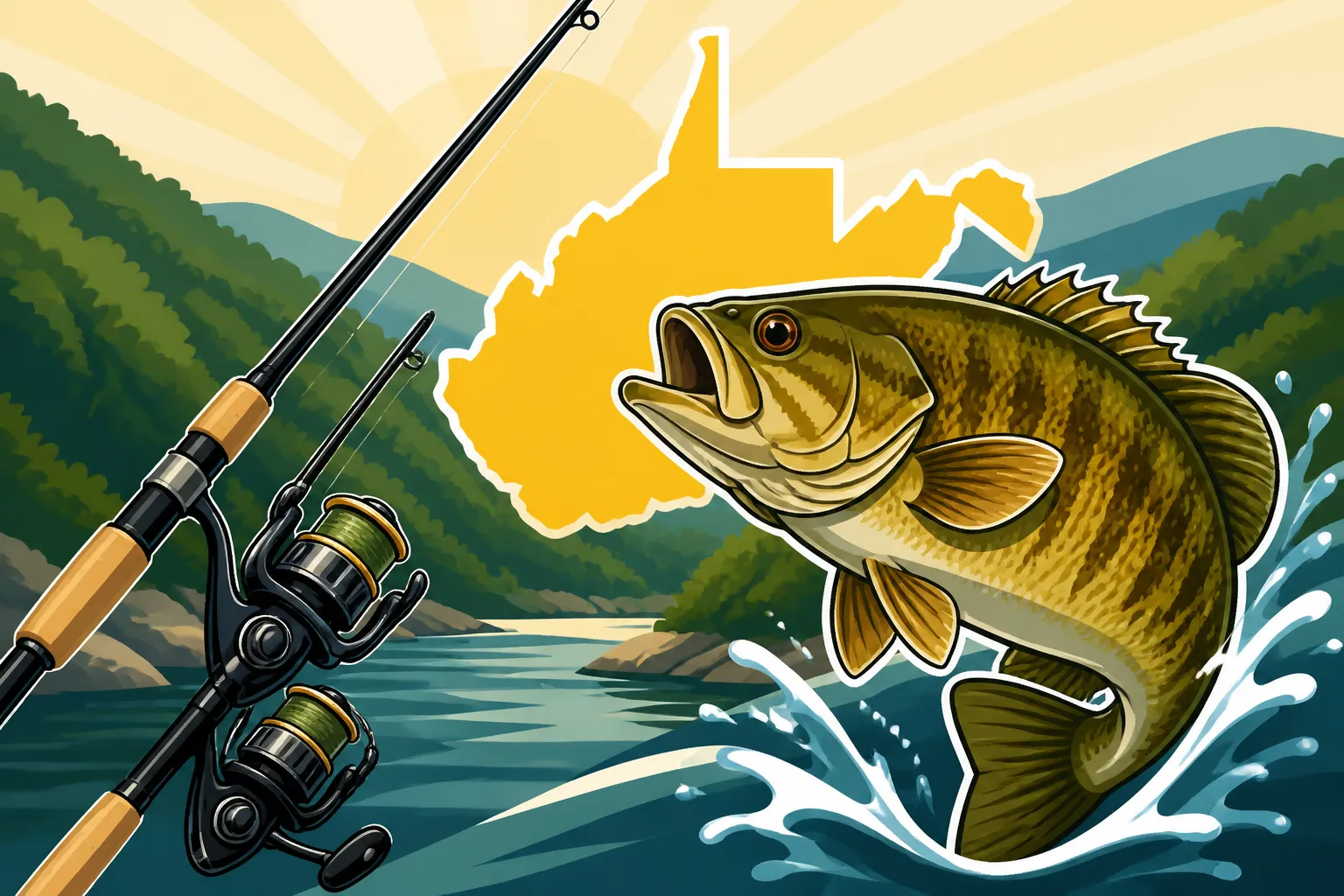
If you've ever tried to tackle the feisty smallmouth bass in West Virginia's incredible rivers and lakes, you know they're not your average fish. These bronzebacks are powerful, acrobatic, and demand a specific approach, especially when it comes to your gear. Nothing is more frustrating than feeling a subtle tick and setting the hook into thin air, or having a big one spit the lure because your rod didn't have the right backbone. This comprehensive guide is here to help you cut through the confusion and find the absolute best spinning rod to elevate your smallmouth bass fishing game in the Mountain State.
The Unique Appeal and Challenge of West Virginia Smallmouth Bass
West Virginia is a smallmouth bass paradise, offering some of the most dynamic and rewarding fishing experiences you can find. But these fish aren't just handed to you on a silver platter; catching them consistently requires understanding their nature and their environment.
Understanding the Smallmouth's Ferocious Fight
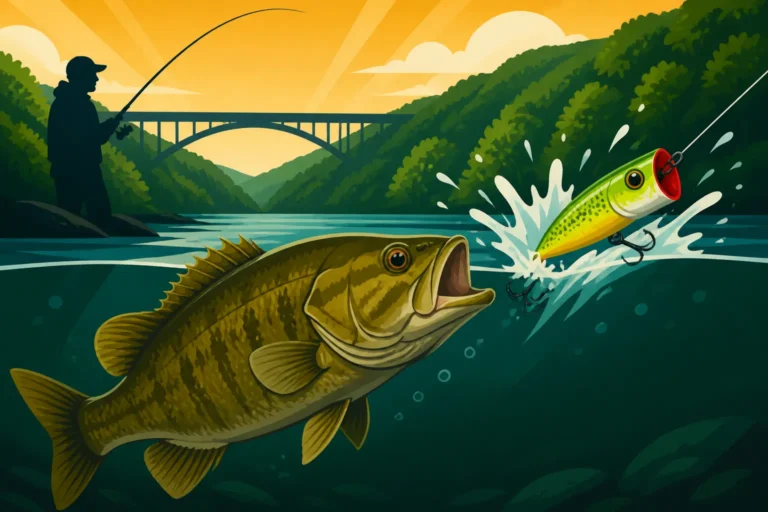
Smallmouth bass are often revered as one of the hardest-fighting freshwater fish, dollar for dollar. Unlike their largemouth cousins who often head for cover, smallmouth tend to make long, powerful runs and explosive aerial jumps, especially in current. This aggressive nature means your gear needs to be up to the task. A flimsy rod might feel great for casting tiny lures, but when a two-pound smallmouth decides to go airborne in the middle of a swift current on the New River, you'll quickly find yourself outmatched. Their fight isn't just about raw power; it's about agility and persistence. They'll try to use every rock, eddy, and current seam to their advantage, testing your rod's ability to absorb shock, maintain tension, and steer them away from trouble.
The vibrations you feel through the rod during a fight, the way it loads up during a cast, and its ability to protect light line are all critical. A quality spinning rod designed for smallmouth will have a blend of sensitivity in the tip for detecting those subtle bites, yet plenty of backbone to turn a fish when it tries to dive under a log or break off on a jagged rock. It's a delicate balance that separates a good rod from a great one when you're battling West Virginia's bronzebacks. You'll truly appreciate a well-matched rod when you hook into that trophy smallmouth. For more insights on their behavior, check out our guide on Smallmouth Bass Fishing in West Virginia.
West Virginia's Diverse Smallmouth Habitats
West Virginia's smallmouth bass thrive in a variety of environments, each presenting its own set of challenges and requiring slightly different approaches to rod selection. Our state is blessed with incredible smallmouth rivers, from the iconic New River Smallmouth Bass Fishing opportunities to the sprawling waters of the Ohio River, and the clear, rocky flows of the South Branch Potomac. In these moving water environments, smallmouth often hug current breaks, submerged boulders, gravel beds, and eddies. The water can range from crystal clear to stained, and the current can be gentle or roaring. A shorter, more powerful rod might be ideal for pinpoint casting around tight river structure, while a longer rod could be an advantage for making long drifts with subtle baits in wider, more open stretches.
Then you have the lakes and reservoirs, like Summersville Lake or Bluestone Lake, which also hold healthy populations of smallmouth. While still loving rocky structure, the presentation might change here. You might be targeting deeper humps, ledges, or main lake points. The absence of strong current might allow for slightly lighter rods, but the need for casting distance or working baits at depth remains. Understanding where you plan to target these fish will directly influence the optimal length, power, and action of the spinning rod you choose. Knowing the specific conditions you'll encounter is paramount when piecing together your fishing strategy. If you're looking for general river knowledge, our Best Fishing Rivers in West Virginia article can provide more context.
Deconstructing the Ideal Smallmouth Spinning Rod: Key Attributes
Choosing the right spinning rod isn't just about grabbing the first one off the rack; it's about understanding the nuances of its design and how those features translate into on-the-water performance. For West Virginia smallmouth, these details really make a difference.
The Critical Role of Rod Length
Rod length for smallmouth bass fishing is a surprisingly impactful variable, influencing everything from casting distance and accuracy to fish-fighting leverage. Generally, spinning rods for smallmouth range from about 6 feet to 7 feet 6 inches. Shorter rods, typically in the 6 to 6'6" range, excel in situations where pinpoint accuracy and close-quarters combat are key. Think about navigating tight stretches of a mountain stream with overhanging trees, or flipping small jigs into specific eddies on the Cheat River. Their shorter stature makes them easier to manage in cramped spaces, and they often offer a bit more leverage when a fish tries to dive directly under your kayak or boat. However, their shorter length can limit casting distance, which might be a disadvantage on wider rivers or lakes where you need to cover more water.
On the other hand, longer rods, often 6'9" to 7'6", provide significant advantages in different scenarios. The extra length inherently increases casting distance, allowing you to reach distant current seams, submerged rock piles, or cover more ground on expansive lakes. This added reach also aids in line management, making it easier to mend your line in current or keep it off obstructions. Furthermore, longer rods tend to provide better leverage when fighting a fish, distributing the stress across a greater blank length and often resulting in better hook-setting power from a distance. The choice largely depends on your predominant fishing locations and techniques. If you're primarily fishing from a kayak or canoe on a medium-sized river, a 6'6" to 7' rod often strikes a great balance. For open water bank fishing or large river applications, pushing towards the longer end of the spectrum could be a huge asset.
Unpacking Rod Power and Action Explained
Understanding rod power and action is fundamental to selecting the right spinning rod for smallmouth bass. Rod power refers to the amount of pressure required to bend the rod, indicating its stiffness or strength. For smallmouth, you'll typically be looking at light (L), medium-light (ML), or medium (M) powers.
- Light power rods are incredibly sensitive and excel with the lightest baits, like tiny jigs or micro-spinners, and very light lines (2-6 lb test). They provide an unparalleled feel for subtle bites but can be underpowered for larger fish or heavier cover.
- Medium-light power rods are arguably the most versatile for smallmouth, handling a wider range of lures (1/16 to 3/8 oz) and lines (4-10 lb test). They offer a fantastic blend of sensitivity and backbone, making them suitable for most smallmouth techniques and average-sized fish.
- Medium power rods provide more backbone for heavier baits (3/16 to 5/8 oz), larger fish, and fishing around denser cover. They're great for throwing small crankbaits or larger swimbaits, and can handle slightly heavier lines (6-12 lb test). While less sensitive than lighter rods, they offer more control over bigger fish.
Rod action, on the other hand, describes where along the blank the rod bends.
- Fast action rods bend primarily in the tip section. This allows for quick, powerful hooksets and excellent sensitivity, transmitting even the slightest bite directly to your hand. They're ideal for single-hook presentations like jigs and worms where immediate hook penetration is key.
- Moderate-fast action rods bend in the upper third to half of the blank. This provides a good balance of hooksetting power and a more forgiving bend, which is excellent for treble-hook baits like crankbaits or topwaters, as it helps prevent hooks from pulling out during the fight.
- Moderate action rods bend more uniformly through the entire blank. They offer the most forgiving action, absorbing head shakes and protecting lighter lines. While less sensitive for bite detection, they excel with moving baits that often get inhaled, ensuring solid hookups and minimizing lost fish. For West Virginia smallmouth, many anglers find a medium-light power with a fast or moderate-fast action to be the sweet spot, providing enough backbone for the fight yet enough sensitivity for those often-subtle strikes.
Material and Construction
The materials and construction of a spinning rod play a pivotal role in its overall performance, dictating its weight, sensitivity, durability, and even its price point. The vast majority of quality smallmouth spinning rods today are made from graphite. Graphite (or carbon fiber) is prized for its exceptional sensitivity and lightweight properties. Higher modulus graphite typically means a lighter, stiffer, and more sensitive rod, allowing you to feel the faintest peck of a smallmouth or the subtlest change in bottom composition. However, these rods can also be more brittle and susceptible to breakage if mishandled. Some rods incorporate composite materials, blending graphite with fiberglass. These offer a more moderate action and increased durability, making them more forgiving for certain moving baits and less prone to snapping, though at a slight trade-off in sensitivity.
Beyond the blank material, the quality of components is equally crucial. The reel seat, where your spinning reel attaches, should be secure and comfortable, providing a seamless connection between you and the rod. Guide rings, typically made from ceramic (like Alconite or SiC) or stainless steel, need to be smooth and durable to reduce line friction, allow for long casts, and resist grooving from braided lines. Handles are usually made from cork or EVA foam. Cork is traditional, lightweight, and offers good grip and aesthetics, while EVA foam is often more durable, easier to clean, and provides excellent grip even when wet. Paying attention to these construction details ensures that your spinning rod is not only sensitive enough to detect bites but also durable enough to withstand the rigors of West Virginia's rugged fishing conditions.
Matching Your Spinning Rod to Popular Smallmouth Techniques
Smallmouth bass anglers employ a wide array of techniques, from finessing a subtle presentation to aggressively working moving baits. The beauty of selecting the right spinning rod lies in understanding which rod attributes best complement your preferred fishing style and the baits you'll be using.
Finesse Fishing: When Light is Right
Finesse fishing for smallmouth bass is incredibly effective, especially in clear water, during tough bites, or when fish are pressured. Techniques like drop-shotting, Ned rigs, shaky heads, and tiny marabou jigs rely on subtle presentations and feeling delicate bites. For these methods, a spinning rod that is incredibly sensitive and has a fast action is paramount. You want to feel every pebble, every twig, and especially that barely-there "tick" that signals a smallmouth has inhaled your bait. A medium-light power rod, typically between 6'6" and 7'2", with a fast or extra-fast tip, is the weapon of choice here. The sensitive tip allows for maximum feel and provides a precise delivery for small lures.
The fast action means the rod primarily bends in the upper section, allowing you to quickly load the tip and set the hook with minimal slack, driving a small wire hook into the smallmouth's bony mouth. This combination also helps protect lighter lines (often 4-8 lb fluorocarbon or monofilament) by absorbing sudden lunges from a hard-fighting fish. Imagine you're drop-shotting a small grub on a clear, cold day on the South Branch Potomac; that sensitive rod tip will be the only thing telling you a fish is mouthing your bait before it commits. Without that level of feel, you'd miss countless opportunities. Many anglers consider these light, sensitive rods their "bread and butter" for consistent smallmouth catches. This type of setup pairs beautifully with light tackle; our guide on Best Tackle for West Virginia Smallmouth Bass explores more.
Moving Baits: Covering Water with Precision
When smallmouth are aggressive and actively feeding, or when you need to cover a lot of water to find them, moving baits are incredibly effective. This category includes small crankbaits, spinnerbaits, inline spinners, twitch baits, and topwater lures. For these presentations, your spinning rod needs a different set of characteristics. While sensitivity is still important, the emphasis shifts slightly towards casting efficiency, control over the lure, and a more forgiving action for better hooksets with treble hooks. A medium-light to medium power rod, typically 6'6" to 7'6" in length, with a moderate-fast or moderate action, is often ideal.
The slightly heavier power provides the necessary backbone to cast larger, heavier lures long distances and to impart the right action to them. A longer rod can also help achieve those extended casts, especially crucial when fishing wider rivers or lakes. The moderate-fast or moderate action is key for treble-hook baits. When a smallmouth strikes a crankbait or topwater lure, they often engulf it, and a softer rod tip allows the fish to fully take the bait before the rod loads up. This more parabolic bend also acts as a shock absorber, preventing treble hooks from tearing free during the powerful head shakes and jumps of a smallmouth, especially important for fish hooked on multiple trebles. Whether you're ripping a small lipless crankbait through current breaks or twitching a popper on a calm morning, the right rod will make all the difference in presentation and hookup ratios. To dive deeper into lure selection, consider reading Best Baits for Smallmouth Bass on the New River.
Versatile All-Around Options
For many anglers, especially those who like to experiment with different techniques throughout the day or who are just starting out, a truly versatile "all-around" spinning rod is incredibly appealing. This rod needs to be competent across a range of applications, allowing you to switch from a jig to a small crankbait without feeling completely under-gunned or over-gunned. The sweet spot for a do-it-all smallmouth spinning rod in West Virginia is often a 6'9" to 7' medium-light power rod with a fast action.
Why this combination? The medium-light power provides enough sensitivity for most finesse applications while still having enough backbone to handle average-sized smallmouth on moving baits. The length offers a good balance between casting distance and accuracy, making it suitable for both river and lake environments. The fast action, while excellent for single-hook presentations, is also adaptable enough for treble hooks, especially if you pair it with a line that has a bit of stretch, like monofilament, to create a more forgiving system. While it might not be perfect for every single specific technique (a dedicated drop-shot rod will always be more sensitive, and a dedicated crankbait rod might have a more ideal moderate action), it will perform admirably across the board. This versatility is particularly valuable for anglers who prefer to carry fewer rods or those who fish a wide variety of waters and conditions within West Virginia. Think of it as your reliable workhorse, ready for whatever the smallmouth decide to hit next.
Building a Balanced System: Rod, Reel, and Line Harmony
A spinning rod is only one part of the equation; to truly optimize your smallmouth fishing setup, you need to consider how the rod, reel, and line work together as a cohesive system. Harmony between these components enhances performance and makes your time on the water more enjoyable and effective.
Pairing Your Rod with the Perfect Spinning Reel
Matching your spinning rod with the correct spinning reel is crucial for overall balance and performance. For most West Virginia smallmouth spinning rods, you'll be looking at reel sizes in the 1000 to 3000 series.
- 1000 Series: These are typically reserved for ultra-light setups, ideal for the lightest finesse baits and smallest smallmouth, often paired with light power rods and 2-4 lb line. They are incredibly light and sensitive but have limited line capacity and drag power.
- 2000 Series: This is a very popular and versatile size for smallmouth. It balances well on medium-light rods, offers good line capacity for 4-8 lb test, and provides sufficient drag for handling respectable smallmouth.
- 2500 Series: Often considered the workhorse for smallmouth, the 2500 series reels offer increased line capacity and usually a slightly stronger drag system than the 2000, making them suitable for 6-10 lb lines and medium-light to medium power rods. This size is particularly good for longer casting or when targeting larger fish.
- 3000 Series: While sometimes used for smallmouth, especially if you're throwing heavier baits or fishing in strong current with heavier line, these start to feel a bit large on most dedicated smallmouth spinning rods. They excel with 8-12 lb lines and medium power rods.
Beyond size, consider the reel's gear ratio. A higher gear ratio (e.g., 6.0:1 or faster) is excellent for quickly retrieving slack, working topwater baits, or burning spinnerbaits. A moderate gear ratio (e.g., 5.0:1 to 5.5:1) is more versatile, providing a good balance for jigs, worms, and crankbaits. Ensure the reel has a smooth, consistent drag system, as this is vital for protecting light lines during the powerful runs of a smallmouth. A high-quality reel makes a huge difference in the overall feel and effectiveness of your setup.
Selecting the Right Line for Smallmouth Success
The fishing line you spool onto your reel is the only direct connection between you and the fish, so choosing wisely for West Virginia smallmouth is essential. Each line type has distinct advantages and disadvantages.
- Monofilament (Mono): This is a classic for a reason. Monofilament is stretchy, which acts as a shock absorber during fish fights, helping to prevent hooks from tearing out, especially with treble-hooked baits. It's also relatively inexpensive and easy to tie knots with. However, its stretch can reduce sensitivity, making it harder to detect subtle bites or feel bottom contact, and it has more memory, leading to line coil. Use 4-8 lb test for most smallmouth applications.
- Fluorocarbon (Fluoro): Fluorocarbon is quickly becoming a favorite for smallmouth. Its key advantage is its near invisibility underwater, making it ideal for clear West Virginia rivers and lakes where fish can be line-shy. It has much less stretch than mono, providing excellent sensitivity and direct feel for bite detection and bottom composition. It's also more abrasion-resistant than mono, which is a huge plus when fishing around rocky river bottoms. The main downsides are its higher cost and stiffer nature, which can lead to more memory on spinning reels. Try 6-10 lb test, often as a main line or as a leader connected to braided line. Our guide Best Fluorocarbon Line for Clear River Water offers more detail.
- Braided Line (Braid): Braid offers incredible strength-to-diameter ratio, zero stretch for maximum sensitivity, and exceptional casting distance. It's fantastic for feeling everything happening at the end of your line. However, it's highly visible underwater and has no stretch to absorb shock, which can lead to pulled hooks or broken lines on sudden strikes, especially with treble hooks. The common solution is to use 10-20 lb braided line as your main line, and then tie a 6-10 lb fluorocarbon leader (3-6 feet long) to it. This combination gives you the best of both worlds: the sensitivity and casting distance of braid with the invisibility and abrasion resistance of fluorocarbon at the business end.
The Art of Balance: Why it Matters
When we talk about a "balanced" fishing system, we're referring to the synergistic relationship between your rod, reel, and line. It's not just about aesthetics; it profoundly impacts your casting, retrieval, and overall feel. A perfectly balanced setup feels light in your hand and pivots effortlessly when you hold it just in front of the reel seat. This equilibrium means the rod doesn't feel tip-heavy or butt-heavy, reducing fatigue over long hours of casting and retrieving. Imagine spending a full day on the New River, constantly casting to structure. An unbalanced setup will quickly wear you out, diminish your casting accuracy, and reduce your sensitivity to bites.
Furthermore, balance directly translates to improved sensitivity. When your hand isn't fighting an imbalanced rod, you're more attuned to the subtle vibrations transmitted through the blank. This means you'll feel more bites, detect more bottom structure, and have a better understanding of what your lure is doing. It also allows for smoother, more controlled casting, leading to better lure presentation. Investing a little time to ensure your chosen spinning rod, reel, and line complement each other will pay dividends in comfort, effectiveness, and ultimately, more smallmouth in the net. Don't underestimate the power of a perfectly balanced outfit; it's a game-changer for serious anglers.
Where to Find and What to Look for in a Quality Smallmouth Rod
Once you understand the technical aspects of spinning rods for smallmouth, the next step is finding one that meets your needs and budget. There are many excellent options available, but knowing where to look and what qualities to prioritize will help you make a smart investment.
Reputable Rod Manufacturers
The fishing tackle industry is brimming with manufacturers, but a handful have consistently earned a reputation for producing high-quality spinning rods favored by smallmouth anglers. Brands like St. Croix, G. Loomis, Shimano, Daiwa, Fenwick, and Ugly Stik are often lauded for their craftsmanship, use of advanced materials, and comprehensive warranties. These companies invest heavily in research and development, constantly striving to produce lighter, more sensitive, and more durable blanks. For example, a St. Croix Legend Tournament Bass rod is known for its incredible sensitivity and lightweight design, making it a dream for finesse applications. Shimano's Zodias series offers a great balance of sensitivity and power, often at a more accessible price point. Ugly Stik rods, while not as sensitive as high-end graphite, are legendary for their nearly indestructible blanks, making them a fantastic choice for anglers who prioritize durability above all else, especially when fishing rough, rocky rivers.
When considering a brand, look beyond just the name. Research specific rod series within their lineup that are designed for bass fishing, or even better, specifically for finesse techniques often used for smallmouth. Read reviews from other anglers who target similar species in similar conditions. A good manufacturer will stand behind their product with a solid warranty, which provides peace of mind, especially when investing in a higher-priced rod. Ultimately, while brand loyalty is common, choosing a rod based on its specific attributes—length, power, action, and component quality—will lead to the best decision for your smallmouth pursuits.
Smart Shopping Strategies
Finding the perfect spinning rod for West Virginia smallmouth involves a mix of hands-on experience and savvy online shopping. There's no substitute for visiting a local tackle shop. Here, you can physically hold different rods, feel their balance, test their action, and compare various lengths and powers side-by-side. Many local shops have knowledgeable staff who can offer personalized recommendations based on the specific rivers and lakes you plan to fish, drawing on their own local expertise. This "try before you buy" approach is invaluable, as the subtle feel of a rod can make or break your comfort and confidence on the water. You can even bring your own reel to see how it balances on different rods.
However, online retailers offer an unparalleled selection and often competitive pricing. Large outdoor retailers like Bass Pro Shops or even general e-commerce giants like Amazon provide a vast array of rods from virtually every manufacturer. When shopping online, pay close attention to the detailed specifications of each rod, especially the power, action, and recommended lure/line weights. Read customer reviews carefully, looking for feedback from anglers who target smallmouth bass specifically. While you miss the tactile experience, the sheer volume of choices and the ability to compare prices easily can lead to a great deal. Just remember that rods can be fragile, so ensure the retailer has a good shipping policy and packaging for delicate items. Many anglers use a combination of these approaches: getting a feel for rods in person, then finding the best deal online.
| Rod Power | Rod Action | Lure Weight (approx.) | Line Weight (approx.) | Ideal Techniques | West Virginia Applications |
|---|---|---|---|---|---|
| Light (L) | Fast/X-Fast | 1/32 – 1/8 oz | 2 – 6 lb | Micro Jigs, Tiny Spinners, Nymphing | Ultra-finesse, clear mountain streams, light pressured bites |
| Medium-Light (ML) | Fast/Mod-Fast | 1/16 – 3/8 oz | 4 – 10 lb | Jigs, Shaky Heads, Drop Shot, Small Cranks | Most versatile, New River, South Branch Potomac, most finesse |
| Medium (M) | Mod-Fast/Moderate | 3/16 – 5/8 oz | 6 – 12 lb | Small Crankbaits, Spinnerbaits, Topwaters | Covering water, heavier current, larger river smallmouth |
Protecting Your Investment: Rod Care and Maintenance
Your spinning rod is a finely tuned instrument, and like any valuable piece of equipment, it performs best and lasts longest with proper care and maintenance. Neglecting your rod can lead to premature failure, loss of sensitivity, and an overall diminished fishing experience.
Essential Post-Trip Cleaning and Inspection
After every fishing trip, especially if you've been on a river like the New River where mud and grit are common, or fishing in inclement weather, it's crucial to give your spinning rod a quick cleaning. Start by wiping down the entire blank with a damp cloth to remove any dirt, mud, or grime. Pay particular attention to the reel seat, where grit can accumulate and cause wear to your reel. Rinse the guides gently with fresh water to remove any salt, dirt, or abrasive particles that can wear down your line and the guide inserts over time. A soft brush, like an old toothbrush, can be useful for getting into tight spots around the guides and reel seat.
Once clean, take a moment to inspect your rod thoroughly. Check the guide inserts for any chips, cracks, or grooves; damaged inserts can quickly fray or cut your line. Run a cotton swab through each guide—if any fibers catch, the guide is likely damaged and needs repair. Inspect the guide wraps for any signs of fraying or loosening. Check the ferrules (the joints where rod sections connect) for wear or looseness, as a poor connection can impact sensitivity and even lead to breakage. Finally, ensure the reel seat is clean and functioning correctly. This quick post-trip routine not only keeps your rod looking good but also prevents small issues from turning into major problems down the line, ensuring it's ready for your next adventure. You'll find that taking care of your gear helps you perform better, just as understanding various fishing techniques helps you catch more fish, as explained in How to Catch Smallmouth Bass in West Virginia Rivers.
Proper Storage and Transportation
How you store and transport your spinning rod is just as important as how you clean it. Improper handling is a leading cause of rod breakage, often from seemingly innocuous bumps or pressure points. When storing your rod at home, avoid leaning it against walls or in corners where it can be easily knocked over or have pressure applied to a single point. Ideally, store rods vertically in a rod rack or horizontally in a rod tube or on a wall-mounted hanger, ensuring the blank is supported evenly and not under stress. Keeping them out of direct sunlight and extreme temperatures (like a hot attic or freezing garage) can also help prolong the life of the blank and components.
For transportation, especially in a vehicle, always use rod sleeves or a hard rod case. Rod sleeves, typically made of mesh or fabric, protect the blank from scratches and prevent guides from getting tangled with other rods. Hard rod cases offer superior protection against impact and bending, essential when traveling to distant fishing spots or when packing multiple rods. Never jam a rod into a tight space, lay it unprotected on the floor of a truck bed, or allow it to be stepped on. When carrying a rod, avoid grabbing it by the tip or putting undue stress on any single section. Treating your rod with respect during storage and transport will ensure it remains in peak condition, ready to tackle West Virginia's challenging smallmouth for many seasons to come. Using proper gear, whether it's the right rod or a specialized vessel like those discussed in Best Kayak for the New River, always extends your enjoyment and success on the water.
Disclaimer
This article is for general informational purposes only and does not constitute professional advice. Laws, prices and regulations vary by location and change over time. Consult a qualified professional for guidance on your specific situation.