Best Fishing Rivers in West Virginia
Oh, the rivers of West Virginia! If you've ever stood on a bridge overlooking one of our beautiful waterways, you know that feeling of wonder mixed with a touch of intimidation. Where do you even begin to cast your line with so many incredible options, each holding its own secrets and specialties? This guide is here to untangle that question, taking you on a journey through some of West Virginia's very best fishing rivers, detailing what makes them special, what you can catch, and how to make the most of your time on the water.
The Mighty New River: Smallmouth and Muskie Mecca
When folks talk about fishing in West Virginia, the New River almost always comes up first. And for good reason! It’s one of the oldest rivers in the world, flowing north through an ancient, rugged landscape that just begs to be explored. This river isn't just scenic; it's a world-class fishery, offering some truly exceptional opportunities for anglers.
New River Smallmouth Bass Action
The New River is legendary for its smallmouth bass. These bronze beauties thrive in the river's rocky, oxygen-rich waters, making for some incredibly exciting fishing. You’ll find them tucked behind boulders, in swift current breaks, and along ledges.
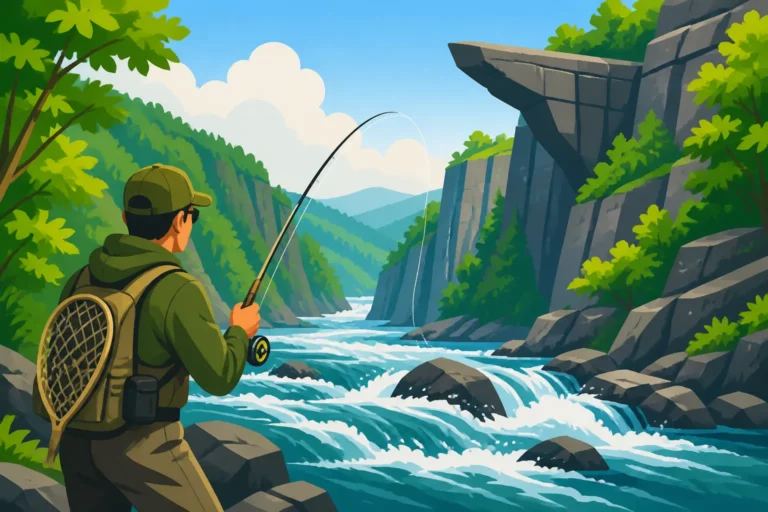
Picture this: you're wading through a section of the river, the water cool against your legs, casting a topwater popper near a submerged log. Suddenly, there's an explosion on the surface, a smallmouth leaps, and the fight is on! It's that kind of adrenaline rush that keeps anglers coming back. Targeting smallmouth here often involves using crankbaits, spinnerbaits, tube jigs, and a variety of soft plastics. For those who love fly fishing, poppers and streamer patterns that imitate crawfish or baitfish are incredibly effective. The smallmouth here are fighters, and even average-sized fish feel like giants in the current. During the warmer months, especially from late spring through early fall, the action can be non-stop. For more on specific tactics, you might want to check out our guide on how to Catch Smallmouth Bass in West Virginia Rivers.
Trophy Muskie in the New River Gorge
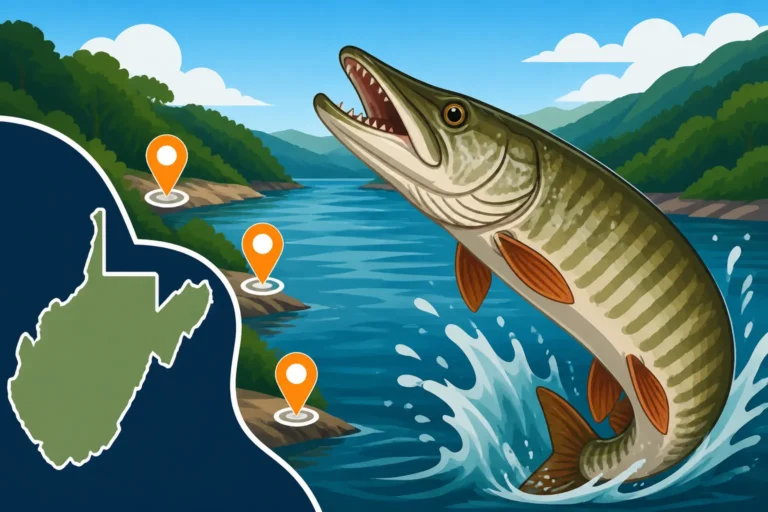
Beyond smallmouth, the New River is also renowned for its muskie fishing. These elusive "fish of 10,000 casts" grow to impressive sizes in the New, making it a bucket-list destination for muskie enthusiasts. The deeper pools, rocky ledges, and extensive cover provide ideal habitat for these apex predators.
While challenging, landing a New River muskie is an unforgettable experience. Anglers often spend full days throwing large bucktails, glide baits, and crankbaits, patiently working prime areas. It's a game of persistence and precision. These fish are powerful, and hooking into one will test your gear and your grit. The lower stretches of the river, especially within the New River Gorge National Park, are particularly productive. Remember to bring a large net and practice proper handling for a quick and safe release if you're lucky enough to hook into one of these beasts. If you're planning a trip to the park, our comprehensive New River Gorge Fishing Guide offers even more detailed advice.
Access and Challenges on the New
Access to the New River can range from relatively easy to quite challenging, depending on the section. Several public access points and boat ramps are available, particularly along the New River Gorge National Park. Destinations like Fayette Station, Glade Creek, and Grandview Sandbar offer good opportunities for wading or launching smaller craft.
However, the river's sheer size and powerful currents mean that having the right boat – often a jet boat or raft – is a huge advantage for covering water and safely navigating rapids. If you're new to the area or river, considering a guided trip is a fantastic way to learn the ropes. Services found through platforms like FishingBooker can connect you with experienced local guides who know the river's nuances. Always be mindful of fluctuating water levels, especially after heavy rains, as the river can rise quickly and become dangerous.
The Greenbrier River: A Scenic Smallmouth Haven
Flowing through some of West Virginia's most picturesque landscapes, the Greenbrier River is another incredible destination, especially for smallmouth bass and panfish. This free-flowing river, a tributary of the New, offers a more serene fishing experience compared to some of the larger, more powerful waterways.
Abundant Smallmouth and Panfish
The Greenbrier River is famous for its healthy population of smallmouth bass, though they tend to be a bit smaller on average than those in the New River. What they lack in size, however, they make up for in sheer numbers and aggressive strikes. It's a fantastic river for consistent action, making it ideal for beginners and experienced anglers alike.
Beyond smallmouth, the Greenbrier also boasts excellent fishing for various panfish, including rock bass, bluegill, and sunfish. These smaller species are perfect for younger anglers or anyone looking for a relaxed day of catching. Light tackle, small spinners, and live bait like worms or crickets are incredibly effective. Imagine floating down the river in a canoe, casting to shady spots under overhanging trees, and having a blast with frequent bites. It’s a perfect family-friendly fishing destination.
Paddling and Wading Opportunities
One of the Greenbrier's biggest draws is how accessible it is for paddling and wading. Its relatively gentle currents in many sections, coupled with numerous public access points, make it ideal for kayak, canoe, or float tube fishing. You can easily spend a day drifting downstream, stopping to fish promising riffles and pools.
The Greenbrier River Trail, a rails-to-trails project, runs alongside much of the river, providing fantastic bank access and numerous points to put in or take out a boat. This accessibility is a huge plus, allowing anglers to explore miles of river without needing a high-powered motorboat. Early mornings or late evenings often yield the best results, especially during the summer months when the water is warmer. Just be sure to wear appropriate wading shoes and bring a wading staff if you plan to venture into deeper or faster sections.
Elk River: Premier Trout and Smallmouth Opportunities
The Elk River, particularly its upper and middle sections, is a jewel among West Virginia's fishing rivers, known for its superb trout fishing and, further downstream, quality smallmouth bass. It offers a diverse range of environments, from cold, clear mountain streams to wider, more meandering flows.
Tailwater Trout Fishing
The section of the Elk River below Sutton Dam is arguably one of the best tailwater trout fisheries in the eastern United States. This cold-water release from the dam creates an ideal environment for trout, including rainbow, brown, and even some native brook trout in its headwaters. This area is heavily stocked by the West Virginia Division of Natural Resources (WVDNR), providing year-round opportunities.
Fly fishing here is exceptional, with anglers often employing nymphing techniques, dry flies during hatches, and streamer patterns. The crystal-clear water demands a stealthy approach and precise presentations. It’s a place where you can truly hone your fly-fishing skills, and the reward of a beautiful, feisty brown or rainbow trout in this stunning setting is unmatched. Even spin anglers can find success with small spinners, spoons, and powerbait, especially right after stocking. For detailed information on specific trout regulations, you’ll want to consult the West Virginia Trout and Stocking Rules.
Mid-River Smallmouth and Muskie
As the Elk River flows downstream from the colder tailwater section, its character changes, becoming warmer and more suitable for warm-water species. Here, you'll find excellent smallmouth bass fishing, similar to the Greenbrier, with good numbers and decent sizes.
Further downstream, especially as it widens and approaches its confluence with the Kanawha River, the Elk also holds a respectable population of muskie. While not as famous for muskie as the New or Little Kanawha, anglers who put in the time can be rewarded with impressive catches. The fishing here is a blend of river and reservoir techniques, with a mix of current and deeper pools. Look for structure like fallen trees, rock piles, and current seams to target these fish.
Navigating the Elk River
Access along the Elk River is generally good, with several public boat ramps and bridge access points. The upper, colder sections are often best fished by wading, while the middle and lower sections are more conducive to kayak, canoe, or small boat fishing.
Be aware that certain sections, particularly the tailwater, might have special regulations regarding tackle and catch limits, so always consult the latest West Virginia Fishing Regulations Explained before heading out. Fishing pressure can be high, especially during peak trout stocking seasons, but if you're willing to walk a bit or explore less obvious access points, you can often find solitude and productive water.
South Branch of the Potomac: Trophy Trout and Bass
The South Branch of the Potomac River, winding through the eastern panhandle of West Virginia, is a diverse and productive fishery. It's especially celebrated for its "Trophy Trout" section, alongside excellent smallmouth bass fishing that draws anglers from far and wide.
Trophy Trout Section
One of the most unique features of the South Branch is its designated "Trophy Trout" section. This stretch of river, managed for quality rather than quantity, boasts some of the largest trout you'll find in the state. While catch-and-release is often encouraged or required in these areas, the opportunity to hook into a truly magnificent rainbow or brown trout is a powerful draw.
These special regulation waters demand skill and patience. Fly fishing is popular here, with anglers often using larger streamer patterns to mimic baitfish, or carefully presenting nymphs and dry flies to finicky fish. Spin anglers might opt for small, single-hook lures. The thrill of seeing a large trout rise to your fly or smash a lure is an experience etched into memory. Understanding the specific regulations for these sections, including specific gear restrictions, is crucial before you go.
Excellent Smallmouth Bass Fishing
Outside of its trophy trout sections, the South Branch of the Potomac is an outstanding smallmouth bass fishery. The river's varied habitat, from rocky riffles to deep pools and undercut banks, provides perfect cover for smallmouth to ambush prey.
Anglers can expect consistent action with smallmouth that average a good size, with the potential for true trophy fish. Topwater action can be explosive during low light conditions, while soft plastics, crankbaits, and spinnerbaits are productive throughout the day. Kayak and canoe fishing are popular methods for covering water, allowing anglers to drift silently through prime habitat. Many public access points are available, making it relatively easy to plan a float trip or bank fish. For general regulations that apply to all species, you can consult the West Virginia Bag and Possession Limits by Species guide.
Scenic Beauty and Accessibility
The South Branch flows through some truly stunning scenery, including the famous Smoke Hole Canyon. The combination of incredible fishing and natural beauty makes it a highly sought-after destination.
Access points are available along its length, with many designated areas for boat launches and bank access. While some sections can be shallow and rocky, others are perfect for small boats. The river can be quite popular, especially on weekends, so early mornings often provide the best solitude. If you're planning a trip, consider looking into local guide services through platforms like FishingBooker, which can offer insights into the best spots and techniques, ensuring you make the most of your time on this beautiful river.
Cheat River: Diverse Fishing in a Wild Setting
The Cheat River, particularly its upper reaches and the Cheat Canyon, offers a wild and rugged fishing experience, appealing to anglers seeking solitude and a variety of species. From cold-water trout in its headwaters to smallmouth and muskie further downstream, the Cheat is a river of contrasts.
Headwater Trout and Wild Character
The tributaries and upper sections of the Cheat River, particularly within the Monongahela National Forest, provide excellent opportunities for trout fishing. These are typically smaller, colder streams that often hold wild brook trout, West Virginia's state fish.
Fishing these wild trout waters is a true wilderness experience. It often involves hiking into remote areas, navigating dense rhododendron thickets, and making delicate presentations with light tackle or fly gear. Small dry flies, nymphs, and tiny spinners are effective. The fish might not be large, but catching a wild, vividly colored brook trout in its native habitat is a profound reward. This kind of fishing demands respect for the environment and an appreciation for untouched nature.
Smallmouth and Muskie in the Main Stem
As the Cheat River gathers volume and flows downstream, its character shifts to a warm-water fishery, supporting healthy populations of smallmouth bass and muskie. The Cheat Canyon, in particular, is a rugged and remote section that holds some impressive fish.
Smallmouth bass fishing is strong here, with fish often found in the numerous riffles, runs, and rock gardens. Like other major rivers, crankbaits, jigs, and soft plastics work well. Muskie, while challenging, are present in the deeper pools and slack water areas, offering a chance at a true trophy. Due to the challenging terrain of the canyon, float trips are popular, often requiring rafts or specialized river boats to navigate the rapids and access prime fishing grounds. It’s a rewarding but physically demanding river to fish.
Navigating the Wild Cheat
Access to the Cheat River varies greatly. While there are some developed public access points near towns like Albright and Parsons, many of its most productive fishing areas, especially in the canyon, are remote and require significant effort to reach.
For those venturing into the canyon, it’s advisable to go with experienced paddlers or guides who are familiar with the river's whitewater sections. Safety is paramount, and understanding the river’s flows, especially after heavy rains, is critical. This isn’t a river for casual fishing in all its stretches, but for the adventurous angler, it offers unparalleled beauty and the thrill of fishing truly wild waters. If you're considering a more adventurous trip, think about our guide to Best Kayaks for West Virginia Fishing.
Little Kanawha River: A Hidden Muskie Gem
Often overlooked by anglers heading to the larger, more famous rivers, the Little Kanawha River holds a special place for those in the know, particularly for its fantastic muskie fishing. This meandering river flows through central West Virginia and offers a more intimate, less crowded experience.
Muskie and More in the Little K
The Little Kanawha River is truly a muskie angler's paradise. It consistently produces good numbers of these toothy predators, with many fish reaching respectable sizes. The river’s structure, including abundant woody debris, submerged logs, and deeper holes, creates perfect ambush points for muskie.
Anglers targeting muskie here will find success with typical muskie baits – large bucktails, crankbaits, glide baits, and topwater lures. The river is often narrower and more intimate than the New, allowing for more precise casting and working of specific pieces of cover. While muskie are the main draw, the river also supports decent populations of smallmouth bass, especially in its clearer, upper sections, and catfish in its deeper, slower flows. It's a fantastic river for those who appreciate the challenge of muskie fishing without the intense pressure found on some other waters.
Easy Access for Smaller Boats
One of the great advantages of the Little Kanawha is its accessibility for smaller watercraft. Jon boats, canoes, and kayaks are ideal for navigating its currents and exploring its many bends and oxbows. Numerous public boat ramps and access points are scattered along its length.
The river's relatively gentle current in many sections makes it excellent for leisurely float trips. You can put in at one point and take out miles downstream, fishing productive stretches along the way. This also makes it a good choice for anglers who prefer to fish from a comfortable boat but don’t necessarily need a powerful motor. Always be mindful of submerged timber and shallow areas, especially during lower water conditions.
Seasonal Considerations
The Little Kanawha truly shines during the spring and fall for muskie fishing. In spring, as water temperatures rise, muskie become more active and feed aggressively after the colder winter months. Fall brings cooler temperatures and a "feed bag" mentality for muskie, as they stock up for winter, often making for some of the best trophy opportunities.
Summers can also be productive, especially during low light conditions or after a good rain. During the warmer months, focusing on early mornings or late evenings will typically yield the best results for all species. This river’s charm lies in its relatively wild feel and the consistent chance at a muskie encounter. Our guide to Muskie Fishing in West Virginia provides further tips for pursuing these incredible fish.
The Grand Ohio River: Gateway to Diverse Species
While a boundary water shared with Ohio and Kentucky, the Ohio River forms West Virginia's western border and offers an immense and diverse fishery for anglers willing to tackle its vastness. This isn't your typical intimate river experience; it's a massive, working river with large fish and unique challenges.
Walleye, Sauger, and Catfish Bonanza
The Ohio River is famous for its excellent walleye and sauger fishing. These delicious fish thrive in the river's current, often congregating below the numerous dams and locks that dot its length. Jigging with spoons or soft plastics, trolling crankbaits, and drift fishing with live bait are popular and effective techniques.
Beyond walleye and sauger, the Ohio is a premier destination for catfish, particularly channel, flathead, and blue catfish. These bottom dwellers can grow to enormous sizes in the river's rich ecosystem. Anglers often target them with heavy gear, using cut bait, stink bait, or live bait in deeper holes, around submerged structures, and near the mouths of tributaries. The sheer size and power of Ohio River catfish make for an unforgettable battle. For specific guidelines, you might refer to our article on Ohio River Fishing Rules for West Virginia Anglers.
Bass and Panfish Opportunities
Despite its industrial character, the Ohio River also holds good populations of largemouth and smallmouth bass, especially in the quieter backwaters, tributary mouths, and around bridge pilings and submerged riprap. Crappie and other panfish can also be found in these calmer areas.
Fishing for bass on the Ohio often involves targeting specific structures with crankbaits, spinnerbaits, and soft plastics. The key is to find areas with less current and good cover. For panfish, small jigs and live bait around docks, fallen trees, and weed beds can be very productive. While not as famous for bass as the New or Greenbrier, the Ohio offers quality opportunities for those who know where to look.
Navigating a Big River
Fishing the Ohio River requires a substantial boat capable of handling large waves and strong currents, especially near the locks and dams. Access is generally good, with numerous public boat ramps in towns along the river. However, navigating safely means being aware of commercial barge traffic and following strict West Virginia Boating Laws for Anglers.
The river's size can be daunting, and understanding where fish hold – often in current breaks, eddies, and structure – is key to success. Using a good fish finder is almost essential for locating productive spots in its vastness. Consider looking into local knowledge from tackle shops or even guided trips through resources like FishingBooker to maximize your chances on this powerful waterway.
High-Elevation Trout Streams: Pristine Mountain Wilderness
Beyond the well-known rivers, West Virginia is home to countless smaller, high-elevation streams that offer a completely different, yet equally rewarding, fishing experience. These pristine waterways, often nestled deep within the Monongahela National Forest, are synonymous with classic Appalachian trout fishing.
Native Brook Trout and Wild Rainbows
Many of these smaller streams are the last bastions of West Virginia's native brook trout. These stunningly beautiful fish, with their vibrant colors, thrive in the cold, clear, oxygen-rich waters of these mountain tributaries. Catching a wild brook trout is a special achievement, a testament to the untouched nature of their habitat.
Alongside brook trout, some of these streams also hold wild rainbow trout and, occasionally, brown trout that have established reproducing populations. Fishing here is less about size and more about the experience – the solitude, the challenge of navigating tight cover, and the satisfaction of catching truly wild fish. Fly fishing with small dry flies, nymphs, and micro-streamers is the preferred method, often requiring a delicate touch and precise casts. Spin anglers can find success with tiny spinners or salmon eggs on ultralight tackle. For more about these special fish, check out Brook Trout: West Virginia's Native and State Fish.
Bushwhacking and Wading
Access to these high-elevation streams often involves hiking, sometimes quite a distance, through rugged terrain. Developed trails might lead you close, but reaching the best, least-pressured water often means a bit of bushwhacking.
Wading is the primary method of fishing these streams, so appropriate gear, including sturdy wading boots and a reliable wading staff, is essential. The water can be cold, even in summer, so breathable waders are recommended. The currents can be swift, and the stream beds are often rocky and slippery. It's an adventurous style of fishing that rewards effort with unparalleled beauty and the thrill of wild fish.
The Rewards of Solitude
One of the greatest appeals of these small mountain streams is the solitude they offer. You can often spend an entire day without seeing another angler, immersed in the sounds of the forest and the rushing water. It's a chance to truly disconnect and connect with nature.
The fish might be smaller, but the experience is immense. It's a place to slow down, observe the aquatic insects, and appreciate the delicate balance of a thriving mountain ecosystem. For anglers who value peace, natural beauty, and the pursuit of wild fish, these high-elevation streams are truly the best West Virginia has to offer. Remember to practice strict catch and release in these sensitive environments to preserve these precious wild populations.
Comparison of West Virginia's Best Fishing Rivers
To help you decide which river might be best for your next adventure, here's a quick comparison of some of the key features of West Virginia's top fishing rivers.
| River Name | Primary Target Species | Best Fishing Methods | Typical Access | Key Challenge/Feature |
|---|---|---|---|---|
| New River | Smallmouth Bass, Muskie | Float trip (jet boat/raft), wading, kayak | Moderate to Difficult | Strong currents, rapids, large river size |
| Greenbrier River | Smallmouth Bass, Panfish | Kayak/canoe float, wading, bank fishing | Easy | Smaller fish size (consistent action) |
| Elk River | Trout (tailwater), Smallmouth, Muskie | Fly fishing, wading (upper); boat/kayak (lower) | Moderate | Special trout regulations, fluctuating water levels |
| South Branch Potomac | Smallmouth Bass, Trophy Trout | Fly fishing, wading, kayak/canoe float | Easy to Moderate | Highly pressured in trophy sections |
| Cheat River | Wild Trout (headwaters), Smallmouth, Muskie | Wading (upper); raft/kayak (canyon) | Difficult (canyon); moderate (upper) | Remote, rugged terrain, whitewater rapids |
| Little Kanawha River | Muskie, Smallmouth Bass | Jon boat, kayak/canoe float | Easy to Moderate | Focus on specific structure for muskie |
| Ohio River | Walleye, Sauger, Catfish, Bass | Large boat, jigging, trolling, bottom fishing | Easy (boat ramps) | Commercial traffic, immense size, strong currents |
| High-Elevation Streams | Native Brook Trout, Wild Rainbows | Fly fishing, ultralight spin, wading | Difficult (hiking required) | Remote, small fish size, wilderness skills needed |
Planning Your West Virginia River Adventure
Now that you have a better idea of what each of West Virginia's incredible fishing rivers has to offer, it's time to start planning your trip. A little preparation goes a long way in ensuring a safe and successful outing.
Gear Up for Success
The type of gear you bring will heavily depend on the river and the species you're targeting. For trout streams, a lightweight spinning rod or a 3-5 weight fly rod is ideal. For smallmouth bass, medium-light to medium-heavy spinning or casting gear, loaded with 8-12 lb test line, is common. Muskie fishing, of course, demands heavy-duty rods, reels, and braided line. Don't forget essentials like a good pair of polarized sunglasses to spot fish and structure, sturdy wading boots, and a comfortable fishing vest or pack. You might find our guide to Best Tackle Box Setup for West Virginia Anglers helpful when gathering your essentials.
Consider the weather, which can change quickly in West Virginia's mountains. Always pack rain gear, even if the forecast looks clear, and dress in layers. A good quality cooler is also essential for keeping your catch fresh or your drinks cold. For those venturing onto the larger rivers, a reliable depth finder can make a huge difference in locating fish-holding structure.
Know Before You Go: Regulations and Safety
Before you even leave home, make sure you have a valid West Virginia Fishing License Guide for 2026. Fishing without a license can lead to hefty penalties, and it's simply not worth the risk. Always check the current West Virginia Fishing Regulations Explained summary for the specific river and species you plan to target. Regulations can vary widely from general statewide limits to special rules for certain sections or species, like the New River smallmouth bass slot limit or the specific requirements for catching muskie.
Safety on the river is paramount. If you're wading, always use a wading staff, especially in swift or unfamiliar currents. Let someone know your float plan and expected return time. Wear a personal flotation device (PFD) if you're in a boat, kayak, or canoe, especially on rivers with strong currents or rapids. The West Virginia Boater Education Certificate Requirement is also something to be aware of if you plan on operating a motorized vessel. Carry a first-aid kit, plenty of water, and a way to communicate, like a charged cell phone or satellite messenger, particularly in remote areas where cell service might be spotty.
Respect the Resource
West Virginia's rivers are precious natural resources, and it's up to all of us to protect them. Practice Leave No Trace principles: pack out everything you pack in, and never leave trash behind. If you're practicing catch and release, handle fish gently with wet hands, minimize their time out of the water, and ensure they are revived before releasing them.
Consider the impacts of your fishing. During hot summer months, trout in particular can be stressed by warm water temperatures; sometimes it's best to target cool-water species or wait for cooler weather. By being a responsible angler, you help ensure that these incredible fishing opportunities will be here for generations to come.
Disclaimer
Please note that fishing conditions and regulations can change rapidly. Always consult the official West Virginia Division of Natural Resources (WVDNR) website or their current fishing regulations summary for the most up-to-date and accurate information before planning any fishing trip. This guide is for informational purposes only and does not supersede official regulations.