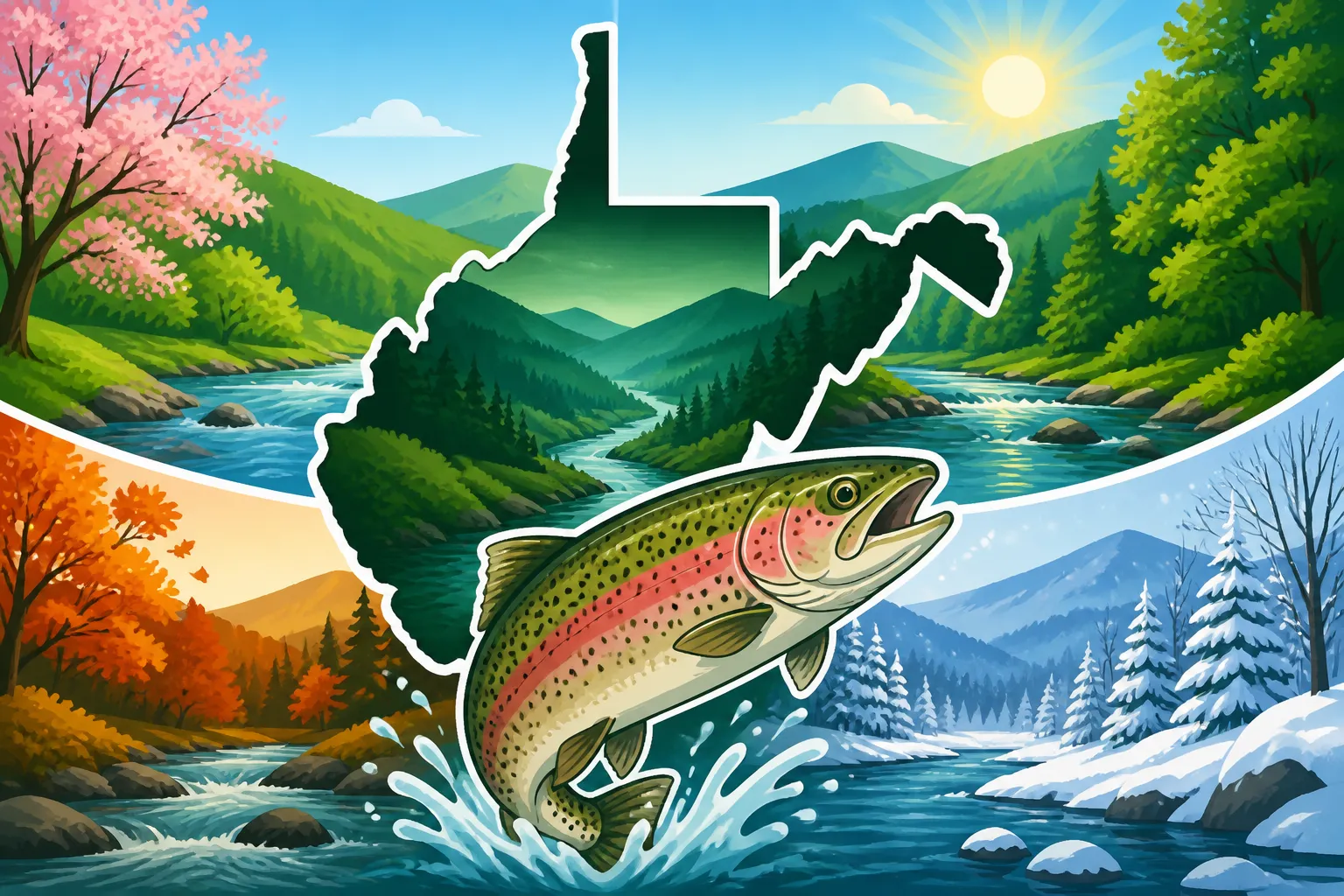
Best year-round trout fishing in West Virginia
Oh, the dream of chasing trout year-round in West Virginia! Many of us feel that pang of sadness when the prime spring and fall trout seasons seem to fade, thinking we have to pack away our gear for months. But I'm here to tell you that with a little know-how and a willingness to explore, the Mountain State offers some incredible opportunities for consistent trout action, even when the weather turns extreme. This guide will walk you through the secret spots and techniques to keep your lines tight all 12 months.
Understanding the Quest for Year-Round Trout
For many anglers, trout fishing is synonymous with spring stocking dates and crisp fall mornings. And while those times are undeniably fantastic in West Virginia, they often overshadow the potential for year-round angling. The truth is, most conventional trout streams become too warm in summer or too harsh in winter to reliably hold and sustain trout. But here in West Virginia, we have unique water systems that defy these seasonal limitations, creating cold-water havens that ensure trout can thrive regardless of the calendar.
The Seasonal Struggle for Trout Survival
Let's be real: trout are delicate creatures, especially when it comes to water temperature. Most trout species, like our beloved rainbows, browns, and native brookies, prefer water temperatures to stay below 68°F (20°C). When stream temperatures soar in the summer months, the oxygen levels in the water plummet, putting immense stress on the fish. Similarly, extreme cold can make them lethargic and less inclined to feed, making them harder to catch. This is why many of West Virginia's smaller, sun-exposed streams struggle to support trout through the dog days of summer, and winter can be a real test of patience. The challenge for year-round trout fishing isn't just about finding fish, it's about finding water that consistently meets their thermal and oxygen needs.
West Virginia's Unique Cold-Water Sanctuaries
Thankfully, West Virginia boasts a few distinct types of water bodies that act as natural (and sometimes man-made) refrigerators, offering stable, cold water even when the rest of the state is either sweltering or frozen solid. These include deep tailwater fisheries below major dams, high-elevation spring-fed streams, and certain deep lakes where trout can seek refuge in cooler depths. Understanding these unique environments is the key to unlocking consistent trout fishing throughout the year. These aren't just random spots; they're ecological niches that provide the necessary conditions for trout to not just survive, but to truly thrive, offering a challenge and a reward for the dedicated angler.
West Virginia's Premier Year-Round Trout Destinations
When it comes to year-round trout fishing, you can't just throw a dart at a map. You need specific waters that have a consistent source of cold, oxygenated water. In West Virginia, these usually fall into a few categories, each with its own charm and challenges.
Tailwater Fisheries: Cold Water from the Depths
Tailwater fisheries are often the holy grail for year-round trout anglers. These are the sections of rivers immediately below large dams, like the Sutton Dam or Summersville Dam. The water released from the bottom of these reservoirs is consistently cold, even in the middle of summer, because it comes from the deep, cooler layers of the lake. This creates a stable thermal environment that trout absolutely love.
The Elk River tailwater below Sutton Dam is arguably West Virginia's most famous year-round trout fishery. This section is known for producing large brown and rainbow trout, and it's a designated catch-and-release, fly-fishing-only area for much of its length, which helps maintain a healthy population. Anglers here can find success all year, but the specific techniques might change. In summer, the consistent cold water makes it a top destination when other streams are too warm. In winter, the stable flows often mean predictable fishing, even if the air is frigid. You can spend days exploring the various runs and pools, and local guides often know the subtle nuances that make a difference. For a deeper dive into this incredible fishery, check out our guide on Elk River Trout Fishing.
Similarly, the Summersville Lake tailwater on the Gauley River offers year-round opportunities. While famous for its whitewater, the section directly below the dam also benefits from cold water releases, supporting trout populations. It might not be as widely known for its trout as the Elk, but it's a solid option for those looking for something different, especially during periods when the water releases aren't set for recreational rafting.
High-Elevation Spring-Fed Streams: Nature's Refrigerators
Nestled deep within the Monongahela National Forest are high-elevation streams fed by countless springs. These springs deliver consistently cold water year-round, making them natural sanctuaries for wild trout, particularly our state fish, the brook trout. Because they are often at higher altitudes, these streams also benefit from cooler ambient air temperatures, further helping to keep water temperatures stable.
The Cranberry River and Shavers Fork are prime examples. The Cranberry River, especially its catch-and-release fly-fishing-only section, is a legendary destination. Its constant cold flow, even in summer, allows brook, brown, and rainbow trout to thrive. The dense forest canopy and abundant springs keep it cool when other lower-elevation streams become marginal. If you're looking to explore this wild beauty, our Cranberry River Fly Fishing guide offers some fantastic insights.
Shavers Fork, particularly its upper reaches, is another fantastic option. These remote sections are home to healthy populations of native Brook Trout: West Virginia's Native and State Fish that depend on the cold, clean water. While some sections are stocked, the true year-round magic lies in finding those wild, self-sustaining populations in the rugged wilderness. Expect smaller, feisty fish here, but the experience of catching a vibrant brook trout in its natural habitat is truly unmatched. For those interested in pursuing these indigenous gems, our Shavers Fork Brook Trout Fishing guide can offer more details.
Deep Lakes and Reservoirs: Summer Refuges
While less common for true year-round trout fishing in the same way as rivers, some of West Virginia's deeper lakes and reservoirs can offer trout opportunities during the summer months when surface waters become too warm. Fish like stocked rainbow trout will often retreat to the thermocline – the layer of water where the temperature changes rapidly – seeking cooler, more oxygenated water.
Lakes such as Summersville Lake, Sutton Lake, or Tygart Lake might hold trout deeper in their colder depths, though they are primarily known for bass, walleye, and panfish. This requires different tactics, often involving trolling or deep jigging, and a good fish finder to locate the thermocline and any suspended fish. While not a primary destination for riverine trout action, it's worth considering if you're exploring diverse options for summer trout.
To find the best guides and even specific reports for these varied locations, many anglers utilize resources like FishingBooker. It can be a great tool to connect with local experts who truly understand the nuances of each fishery throughout the changing seasons.
| Fishery Type | Primary Species | Year-Round Viability | Key Characteristics | Best Seasons for Action |
|---|---|---|---|---|
| Tailwater Fisheries | Rainbow Trout, Brown Trout | High | Stable cold water from dam releases, consistent flows, often larger fish. | Excellent all year |
| High-Elevation Streams | Brook Trout, Brown Trout, Stocked Rainbow Trout | High | Spring-fed, cool ambient temps, dense canopy, wild populations, often remote. | Good all year, peak in spring/fall |
| Deep Lakes/Reservoirs | Stocked Rainbow Trout | Moderate | Trout retreat to cooler depths in summer, primarily a summer/fall deep-water fishery, less common year-round for trout. | Best in cooler months or deep summer |
Strategies and Techniques for Success in All Seasons
Catching trout year-round isn't just about knowing where to go; it's about understanding how to fish effectively as the seasons shift. Trout behavior changes dramatically with water temperature, forage availability, and sunlight, demanding adaptability from the angler.
Winter Wonders: Cold Water, Calculated Moves
Winter trout fishing in West Virginia can be incredibly rewarding, though it often requires more patience and a different approach. Trout become less active in colder water, conserving energy, so they're less likely to chase a fast-moving lure.
- Slow Down Everything: This is the golden rule for winter. Whether you're fly fishing or spin fishing, presentations need to be slow and deliberate.
- Deep Nymphing and Streamers (Fly Fishing): For fly anglers, deep nymphing with tungsten-weighted flies is paramount. Trout often hug the bottom in slower currents. Think small midges, caddis larvae, and stoneflies. Streamers, fished slowly along the bottom, can also entice larger, more aggressive trout looking for a substantial meal.
- Small Baits and Jigs (Spin Fishing): Spin anglers will find success with small jigs (1/32 to 1/16 oz) tipped with a Berkley PowerBait worm or a wax worm. Small, slow-moving inline spinners or spoons can also work in deeper pools. Patience is key, allowing your bait to drift naturally with the current close to the bottom. Remember, trout don't move far for food in winter.
- Dress Warm! This goes without saying, but layers are your friend. Good insulated waders and a warm coat are essential for comfort and safety.
Spring Surges: The Annual Revival
Spring is often the most popular time for trout fishing due to regular stocking by the West Virginia Division of Natural Resources (WVDNR). This means you'll find plenty of eager Rainbow Trout Stocking in West Virginia in accessible waters.
- Capitalize on Stocking: Right after a stocking event, trout are often less wary and will strike at a variety of baits and lures. PowerBait, corn, salmon eggs, and worms are all highly effective for freshly stocked fish. Small inline spinners (like a Rooster Tail or Panther Martin) are also deadly.
- Rising Water and Hatches (Fly Fishing): As the weather warms, aquatic insect hatches begin. Pay attention to rising fish! Mayflies, caddisflies, and stoneflies will emerge, offering opportunities for dry fly fishing. If fish aren't rising, nymphing remains a consistent producer.
- Vary Your Presentation: Early spring might still require slower retrieves, but as water temperatures climb, you can speed things up slightly. Don't be afraid to experiment with different colors and sizes. Our Spring Trout Fishing Techniques for West Virginia Streams guide provides a wealth of information for this exciting season.
Summer Secrets: Seeking Cool Comfort
Summer can be the toughest time for trout, but for year-round anglers, it's where the cold-water sanctuaries truly shine. Success hinges on finding those consistently cold waters and fishing during optimal times.
- Focus on Tailwaters and High-Elevation Streams: These are your bread and butter for summer trout. The consistent cold water provides relief for the fish.
- Early Mornings and Late Evenings: Even in cold-water streams, ambient air temperatures can affect fish behavior. The first few hours after dawn and the last few before dusk are often the most productive, as surface temperatures are at their coolest and insects are more active.
- Deep Runs and Shaded Pools: Trout will seek out the deepest, most shaded sections of the river during the hottest parts of the day. Target these areas with nymphs, small streamers, or deep-running lures.
- Terrestrials (Fly Fishing): In summer, terrestrial insects like grasshoppers, ants, and beetles often fall into the water. Imitations of these can be very effective, especially along grassy banks.
- Thermometer is Your Friend: Always carry a water thermometer. If the water hits 68°F or above, it's best to switch to another species or location, as catching and releasing trout in warm water can be fatal for the fish. You can also consult online resources like FishingBooker to look up fishing conditions in various locations before heading out.
Fall Feasts: Aggression Before Winter
Fall is another fantastic season, often characterized by active trout preparing for winter and, for some species, spawning. The cooling water temperatures invigorate the fish, making them more aggressive.
- Streamers and Larger Lures: As trout bulk up for winter, they're often more willing to chase larger prey. Streamers (like Woolly Buggers or baitfish imitations) can be incredibly effective, especially for brown trout. Spin anglers can use larger inline spinners, spoons, or small crankbaits.
- Spawning Runs (Brown and Brook Trout): In the fall, brown and brook trout undertake their spawning rituals. While it's tempting to target these fish, remember that actively spawning fish are highly vulnerable. Practice catch and release with utmost care, and avoid wading directly into redds (spawning beds). Being aware of West Virginia Fishing Regulations Explained regarding specific seasons and sensitive areas is crucial.
- Matching the Hatch (Fly Fishing): Fall still sees insect activity, particularly caddis and some mayfly hatches. Keep an eye out for rises, but also be prepared for subsurface nymphing, which often remains productive throughout the day.
- Optimal Conditions: Fall typically brings stable weather patterns and moderate water temperatures, making for very comfortable and productive fishing days. It's often considered one of the Best Time of Year to Fish in West Virginia for trout.
Essential Gear and Considerations for All-Season Trout Anglers
To truly enjoy year-round trout fishing in West Virginia, you need to be prepared for everything Mother Nature throws at you. This isn't just about a rod and reel; it's about comfort, safety, and having the right tools for diverse conditions.
Versatile Rod & Reel Setups
You don't necessarily need a dozen different setups, but having a versatile option or two can make a huge difference.
- Medium-Light Spinning Setup: A 6'6" to 7' medium-light spinning rod paired with a 1000 or 2000 size reel spooled with 4-6 lb fluorocarbon or monofilament line is a fantastic all-around choice for West Virginia trout. This setup offers enough backbone for larger fish but is sensitive enough for delicate presentations. Fluorocarbon is excellent for its low visibility in clear mountain streams.
- Fly Fishing Outfit: A 4-weight or 5-weight fly rod, typically 8'6" to 9' long, paired with a matching reel and weight-forward floating line is the standard for most trout fishing scenarios. Carrying a selection of leader and tippet sizes (from 4x to 6x) will allow you to adapt to different fly sizes and water conditions. For the colder, deeper presentations of winter, a sinking or sink-tip line can be invaluable, or simply adding split shot to a floating line. You can learn more about specific fly fishing approaches in our Fly Fishing for Trout in West Virginia guide.
All-Season Waders and Layered Clothing
Staying comfortable is paramount, especially when fishing in extreme temperatures.
- Waders: Breathable chest waders are essential. In summer, they keep you dry without overheating. In winter, they provide a crucial barrier against the cold water. Pair them with appropriate layering: fleece pants underneath in winter, and lighter synthetic layers in warmer months. West Virginia Fishing Regulations Explained often touch on safety, and staying warm and dry is a big part of that.
- Wading Boots: Felt-soled wading boots offer superior grip on slick, rocky streambeds, but some areas may have restrictions to prevent the spread of invasive species (check local regulations). Rubber-soled boots with studs are a great alternative.
- Layered Clothing: The key to all-season comfort. Start with a moisture-wicking base layer, add insulating layers (fleece, down), and top with a waterproof/windproof outer shell. Gloves and a warm hat are non-negotiable for winter. Sunglasses, a wide-brimmed hat, and sunscreen are crucial for summer protection.
Essential Tools and Tackle
Beyond your primary fishing setup, a few key items will enhance your year-round experience.
- Net: A good landing net with rubberized mesh helps protect the fish, especially when practicing catch and release. This is particularly important for larger trout and when you're trying to quickly unhook and release a fish in cold water.
- Forceps/Pliers: Essential for safely removing hooks, especially from toothy brown trout.
- Thermometer: As mentioned, a water thermometer is invaluable for understanding fish behavior and making ethical decisions, especially in summer.
- Tackle Box/Fly Box: Organize your lures, flies, and terminal tackle by season. For example, a dedicated winter fly box might contain mostly nymphs and small streamers, while a summer box might feature more dry flies and terrestrials.
- Fishing License and Trout Stamp: Don't forget your West Virginia fishing license and the necessary trout stamp. You can easily purchase them online or from authorized vendors. Our West Virginia Fishing License Guide for 2026 and Trout Stamps and Trout Fishing Rules in West Virginia provide all the details you need to stay legal. You can even check out a resource like FishingBooker to verify any local guide licensing requirements or fishing package details.
- First Aid Kit: Always a good idea, especially when exploring more remote high-elevation streams.
- Snacks and Hydration: Fishing can be strenuous, and proper fueling keeps you sharp and comfortable, no matter the season.
By being well-equipped and adaptable, you'll find that West Virginia's trout fishing opportunities truly extend far beyond the traditional seasons, offering rewarding experiences for the dedicated angler all year long. Many of these locations, especially those pristine mountain streams, are among the Best Trout Streams in West Virginia.
Disclaimer
The information provided in this guide is for general informational purposes only and does not constitute professional advice. Fishing regulations, conditions, and fish populations can change rapidly. Always consult the latest West Virginia Division of Natural Resources (WVDNR) regulations before heading out and prioritize safety on the water.