Spring Trout Fishing Techniques for West Virginia Streams
The arrival of spring in West Virginia often brings a mix of excitement and frustration for trout anglers. One day the creeks are high and muddy, the next they’re crystal clear and cold, making it incredibly challenging to consistently hook into those beautiful rainbows, browns, and brook trout. This comprehensive guide is here to walk you through the nuances of spring trout fishing in the Mountain State, offering proven techniques, gear advice, and water-reading wisdom to help you adapt to whatever Mother Nature throws your way.
Understanding West Virginia's Spring Trout Behavior
Spring in West Virginia is a dynamic season, and trout behavior changes right along with the weather and water conditions. What works one week might be completely ineffective the next, so truly understanding the fish and their environment is key to consistent success.
Early Spring Cold Water Tactics
When the first hints of spring arrive, often in March, the water in our streams and rivers is still incredibly cold, sometimes barely above freezing. Trout are sluggish, their metabolism is slow, and they’re not expending much energy chasing down food. During this period, they tend to hold in deeper, slower pools, often close to the bottom where the water might be slightly warmer and they can conserve energy. Think of them as being in slow motion, waiting for an easy meal to drift right into their strike zone.
You’re not going to see them aggressively chasing lures or rising to dry flies. Instead, your best bet is to present baits or flies directly to them, with minimal movement. Think small, natural, and slow. A tiny worm on a light hook, drifted naturally, or a well-presented nymph bumping along the bottom of a deep run can be incredibly effective. Patience is paramount, as you might need to make multiple drifts over the same spot to tempt a reluctant trout.
Mid-Spring Post-Stocking Frenzy
Ah, the "post-stocking frenzy"—a term many West Virginia anglers know well! As spring progresses, usually from late March through May, the West Virginia Division of Natural Resources (WVDNR) ramps up its trout stocking efforts, releasing thousands of rainbow, golden rainbow, and sometimes brown trout into designated waters. These freshly stocked fish are often disoriented and, more importantly, very hungry. They haven't yet adapted to foraging in the wild, so they're often eager to snatch up anything resembling food.
This is when the action can be fast and furious, especially right after a stocking. You might see anglers lining the banks, and it's not uncommon to catch multiple fish in a short amount of time. The key here is often brightly colored baits, small inline spinners, or even just corn, which mimics the hatchery food they’re used to. This period is fantastic for introducing new anglers, especially kids, to the joy of trout fishing, as the learning curve is much gentler. You can often find out the schedule by checking the WVDNR stocking schedule.
Late Spring Warmer Water Adjustments
By late spring, typically May into early June, water temperatures begin to rise significantly. The days are longer, the sun is stronger, and the cold mountain runoff has often subsided. Trout, especially wild or holdover fish that have been in the stream for a while, become more active and spread out. They’re no longer huddled in deep pockets; instead, they might be found in faster runs, around submerged structure, or even occasionally looking up for insects on the surface.
This is when techniques become more diverse. You might find success with small crankbaits that mimic minnows, longer drifts with nymphs in faster water, or even some dry fly action if insect hatches are occurring. The fish are more willing to move for a meal, so you can cover more water and experiment with different presentations. However, with warmer water, catch and release practices become even more critical to ensure the health of the fish. Remember to always check the regulations for specific stream rules, as some waters have special designations.
Gear Essentials for Spring Trout Success
Having the right gear makes a huge difference, especially when you're dealing with the unpredictable conditions of West Virginia spring streams. You don't need to break the bank, but a few key items will significantly improve your comfort and success.
Rod, Reel, and Line Selection
For West Virginia trout streams, versatility is the name of the game. A light to ultralight spinning rod, typically 5 to 6 feet in length, is ideal. This length gives you enough casting distance for most stream situations while still allowing for precision casts in tight quarters. The "ultralight" part is important because it lets you feel those subtle bites from lethargic cold-water trout and provides an exciting fight even with smaller fish. For fly anglers, a 3-weight to 5-weight fly rod, between 7.5 and 9 feet, offers a good balance for nymphing, dry flies, and even small streamers.
Pair your spinning rod with a small spinning reel (size 1000 or 2000) spooled with 4 to 6-pound monofilament or fluorocarbon line. Monofilament has some stretch, which can be forgiving, while fluorocarbon is nearly invisible underwater and sinks, which is great for natural presentations. Many anglers also use a braided mainline with a fluorocarbon leader for sensitivity and strength. For fly fishing, a weight-forward floating line is a good all-around choice for diverse techniques. You can find excellent budget-friendly options for all of these on platforms like Amazon, offering a wide variety from brands like Pflueger or KastKing.
Waders, Boots, and Safety Gear
Staying dry and comfortable is paramount, especially when fishing in chilly spring waters. Chest waders are highly recommended, as they allow you to wade deeper and stay warm. Look for breathable waders, which prevent you from overheating on warmer days, and ensure they fit well so you can move freely. Your wading boots are just as important – felt soles offer excellent grip on slippery, mossy rocks, while rubber soles with aggressive treads are better for muddy banks and trails. Some combination soles exist, or you can add studs to rubber soles for extra traction. A good pair of wading boots can save you from a nasty fall.
Beyond waders and boots, always consider safety. A wading staff is invaluable for stability, especially when crossing swift currents or navigating unfamiliar streambeds. Many experienced anglers wouldn't hit a new stretch of river without one. A personal flotation device (PFD) is also a wise choice, particularly if you’re fishing larger rivers or anywhere with strong currents. West Virginia streams can rise quickly after rain, so it’s always best to be prepared. For more specialized gear, check out our guide on Best Gear for West Virginia Trout Fishing.
Tackle Box Must-Haves
For the bait and lure angler, a well-stocked tackle box for spring trout needs a few key items. First, an assortment of small hooks (sizes 8-14), split shot weights, and swivels are essential for rigging baits. Bring a few different types of PowerBait (garlic, cheese, salmon egg scents are popular) and a small container of live worms. Small inline spinners (e.g., Panther Martin, Mepps, Rooster Tail) in sizes 0 to 2, with silver, gold, and fluorescent blade colors, are consistent producers. Small spoons, like Kastmasters or Little Cleos, also work wonders.
Fly anglers should have a diverse selection of nymphs, including Pheasant Tails, Hare’s Ears, San Juan Worms, and egg patterns, in sizes 12-18. For streamers, Wooly Buggers in black, olive, and white, in sizes 6-10, are extremely versatile. As hatches start, having a few basic dry flies like Adams, Elk Hair Caddis, or Parachute Adams in sizes 14-18 can be game-changers. Don't forget a small pair of forceps or hemostats for hook removal, line clippers, and a soft, knotless landing net to protect fish, especially if you plan on practicing catch and release.
Bait Fishing Strategies for Stocked Trout
Bait fishing is often the most accessible and effective method for newly stocked trout in West Virginia streams, especially during the colder parts of spring when fish are less active. It's also a fantastic way to introduce newcomers to the sport.
PowerBait and Scented Dough Baits
PowerBait and similar scented dough baits are absolute staples for catching stocked trout. These baits are designed to mimic the pelleted food hatchery fish are accustomed to, and their strong scents often trigger an aggressive feeding response. The key to using PowerBait effectively is to form it into a small ball around your hook, ensuring the hook point is completely covered. You want it to float just off the bottom, so use a small split shot or two about 12-18 inches above your hook to get it down.
Experiment with different colors – chartreuse, orange, and rainbow are perennial favorites, but sometimes a subtle white or natural color can be surprisingly effective. The buoyant nature of PowerBait keeps it visible and enticing in the current. If you're fishing a relatively still pool, casting it out and letting it sit on the bottom with your bail open (or a very loose drag) can result in a bite, as trout will often gently mouth the bait before committing. For moving water, allow the current to carry the bait naturally into deeper pockets.
Live Baits: Worms, Minnows, and Corn
Nature's offerings often prove irresistible to trout, whether freshly stocked or wild. Live worms, particularly nightcrawlers or red wigglers, are incredibly effective. Their natural scent and wiggling action are hard for a trout to ignore. Hook a small section of a worm or a whole red wiggler through one end, allowing it to move freely. Drift it under a small bobber in slower currents or fish it on the bottom with minimal weight in deeper pools.
Small live minnows, where permitted by regulations, can also be deadly, especially for larger trout or more aggressive brown trout. Shiners or fathead minnows hooked lightly through the back or lips can be drifted or suspended under a bobber. Finally, canned corn is a surprisingly effective bait for stocked trout. Its bright color and familiar texture often draw immediate attention. Use just a few kernels on a small hook, again drifting it naturally or letting it sit on the bottom. Always check the West Virginia Fishing Regulations Explained to ensure live bait or corn is allowed on your chosen stream.
Presentation Tips for Still and Moving Water
The way you present your bait is often more crucial than the bait itself. In still water, like slower pools or eddies, you want to cast your bait out and let it settle. Patience is vital here; trout might inspect the bait before taking it. Keep a close eye on your line for any twitch or subtle movement, which could indicate a bite. Sometimes, a very slow, almost imperceptible retrieve can trigger a strike.
In moving water, the goal is a natural drift. Use just enough weight (split shot) to get your bait down to where the fish are holding, but not so much that it drags unnaturally. Cast slightly upstream and let the current carry your bait downstream, "mending" your line (picking up slack with your rod tip) to prevent drag. This allows your bait to float at the same speed as the current, appearing completely natural. This technique, also known as drift fishing, is often discussed in detail for Wading Techniques for West Virginia Trout Streams. Pay attention to seams where faster and slower currents meet, as these are prime holding areas for trout waiting for food to wash by.
Lure Fishing for Aggressive Spring Trout
When trout are more active and willing to chase, especially after a stocking or as water temperatures rise, artificial lures can be incredibly effective. The flash, vibration, and erratic movement of lures can trigger predatory instincts.
Spinners and Spoons That Entice
Inline spinners are arguably one of the most popular and productive lures for stream trout. Brands like Mepps, Panther Martin, and Rooster Tail have been catching fish for decades for a reason. Their spinning blade creates flash and vibration, mimicking a struggling baitfish or insect, which can draw trout from surprisingly far distances. For spring streams, smaller sizes (0-2) are generally best. Colors like silver, gold, copper, and fluorescent orange or chartreuse are excellent choices. Cast upstream and retrieve just fast enough to get the blade spinning, allowing the current to help carry it downstream naturally. Try to retrieve through likely holding spots like current seams, eddies, and around submerged rocks or logs.
Small spoons, such as Acme Kastmasters or Little Cleos, are also highly effective. Their wobbling action on the retrieve, or fluttering on the drop, can imitate an injured baitfish. Silver, gold, and brightly painted spoons (like firetiger or orange/gold) are good starting points. Cast them across or slightly upstream of a run and retrieve with a slow, steady pull, adding occasional twitches to impart more action. Spoons can also be effective in deeper pools when allowed to flutter down. Many anglers find great deals on these classic trout lures on Amazon.
Small Crankbaits and Jerkbaits
As the water warms and trout become more active, small crankbaits and jerkbaits can be deadly, particularly for larger, more aggressive trout. These lures imitate minnows and can be retrieved to mimic a darting, injured baitfish. Look for models in the 1 to 2.5-inch range that dive to shallow or medium depths, depending on the water you're fishing. Natural colors like silver/black, brown/gold, or perch patterns are good, but don't shy away from brighter colors like firetiger in stained water.
For crankbaits, a steady retrieve with occasional pauses can be very effective. The wobbling action is designed to be constant. Jerkbaits, on the other hand, demand a more active retrieve – a series of "jerks" or "twitches" with the rod tip, followed by pauses, allowing the bait to suspend or slowly rise/fall. These pauses are often when the fish strike. Work these lures around structure, current breaks, and into the heads of pools where larger trout might be ambushing prey.
Jigging Techniques for Deeper Pools
Jigging is an often-overlooked but highly effective technique for spring trout, especially when fish are holding deep and aren't willing to chase horizontal retrieves. Small marabou jigs, trout magnets, or even small leadhead jigs tipped with a grub or worm can entice bites. The key is to present the jig vertically or with a very short, controlled drift.
Cast your jig slightly upstream of a deep pool or run and let it sink to the bottom. Then, with small lifts and drops of your rod tip, impart a "hopping" or "pulsing" action, trying to keep the jig near the streambed. Bites can be incredibly subtle – sometimes just a slight hesitation in the line or a feeling of added weight. This technique allows you to thoroughly probe deeper water where sluggish trout are often hiding. Experiment with jig colors; white, black, olive, and chartreuse are all good options. For specialized techniques like this, having the right gear is crucial; consider reading our guide on Best Fishing Rods for West Virginia Rivers.
Fly Fishing Approaches for Spring Trout Streams
Fly fishing in West Virginia in the spring is a truly rewarding experience, offering a range of techniques to match the diverse conditions and trout behaviors. From subsurface presentations to delicate dry fly sips, there's something for every fly angler.
Nymphing Through Cold Runs
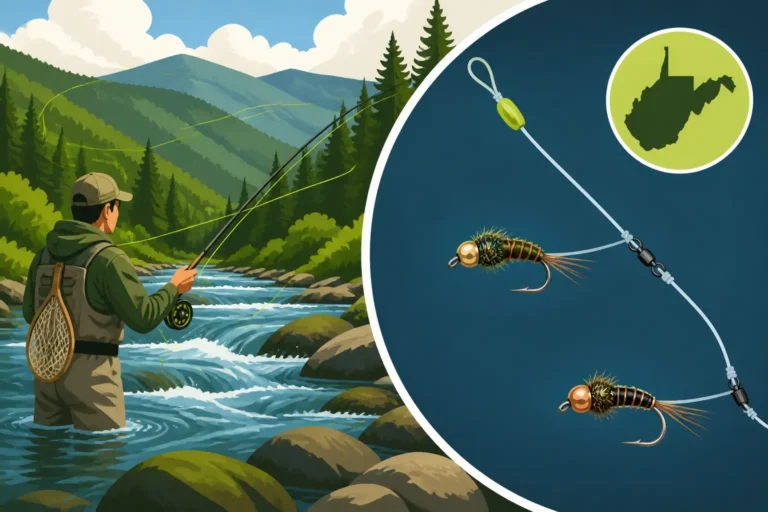
Nymphing is arguably the most consistent and productive fly fishing method for trout in West Virginia streams during the spring, especially when water temperatures are low. Trout spend the vast majority of their time feeding subsurface on insect larvae and nymphs, so presenting an imitation of their natural diet directly to them is incredibly effective. The goal is to get your fly down to the fish’s feeding zone, near the bottom, and allow it to drift naturally with the current.
Common nymph patterns for spring include Pheasant Tails, Hare’s Ears, Prince Nymphs, and the ever-popular San Juan Worm or Squirmy Wormy, which imitate aquatic worms or segmented insects. You'll want to use a strike indicator (a small bobber-like device) to detect subtle takes and enough weight (split shot or a heavily weighted fly) to get your flies down. Techniques like Euro Nymphing, which uses a long, sensitive rod and specialized line to maintain direct contact with your flies, are also highly effective for precision and sensitivity in current. Our guide on Fly Fishing for Trout in West Virginia delves deeper into these techniques.
Streamer Fishing for Bigger Bites
If you’re hunting for larger trout, especially a brown trout that might be a holdover from last season, streamer fishing can be incredibly exciting. Streamers imitate baitfish, leeches, or larger aquatic insects, and their aggressive profile can trigger a predatory response. This technique is often most effective as water temperatures rise in mid to late spring, when trout are more willing to chase.
Wooly Buggers in black, olive, or white are versatile and effective streamer patterns. Clouser Minnows or Sculpzillas are also excellent choices for imitating baitfish. You'll want to cast your streamer across or downstream and retrieve it with a series of strips and pauses, making the fly dart and swim. This erratic motion can provoke aggressive strikes. Focus on fishing streamers in deeper pools, around submerged logs or rocks, and along cut banks where larger trout might be lurking. A 5 or 6-weight fly rod is generally preferred for casting larger, heavier streamers.
Dry Fly Opportunities and Hatches
While less consistent in early spring, late spring brings increasing opportunities for dry fly fishing, which is, for many, the pinnacle of the sport. As insect hatches begin, trout will rise to the surface to feed on adult mayflies, caddis, and midges. Being on the water when a hatch occurs can lead to unforgettable fishing. Keep an eye on the surface for rising fish and observe what insects are flying around. Matching the hatch – using a fly pattern that closely resembles the natural insect in size, shape, and color – is crucial.
Common dry fly patterns for West Virginia spring hatches include Adams, Parachute Adams, Elk Hair Caddis, and various BWO (Blue Winged Olive) imitations. A delicate presentation is key: cast your fly upstream of a rising fish and allow it to drift naturally with the current, without any drag. A perfect drift often results in a confident rise. Even if fish aren’t actively rising, prospecting with a general attractor pattern like a small Elk Hair Caddis in likely holding water can sometimes bring fish to the surface. For even more detailed insights into this rewarding technique, our guide on Fly Fishing for Trout in West Virginia can be a great resource.
Reading the Water: Where Trout Hide in Spring
Knowing where trout tend to hold is half the battle, especially in constantly changing spring conditions. Trout are creatures of comfort and efficiency, always seeking out places that offer food, shelter, and favorable currents.
Identifying Prime Holding Lies
Trout, especially in colder spring waters, will prioritize energy conservation and safety. This means they often congregate in areas that provide a break from strong currents while still allowing easy access to drifting food. Look for "holding lies" – spots where trout can sit comfortably without expending too much energy. This includes the slower water behind large rocks or boulders, the inside bends of a river, and deeper pockets adjacent to faster currents.
Also, be on the lookout for cover. Submerged logs, undercut banks, and overhanging vegetation all provide trout with a sense of security from predators like ospreys and herons, and from anglers. Often, the biggest trout will claim the best holding lies with the most cover. Approach these spots cautiously, as trout are easily spooked. Making your first cast count is incredibly important.
Targeting Runs, Riffles, and Pools
West Virginia trout streams typically feature a classic progression of runs, riffles, and pools, and each offers different opportunities in the spring.
- Riffles: These are the shallower, faster-moving sections of a stream where the water tumbles over rocks, creating oxygenation. In early spring, trout might not hold directly in the fastest part of a riffle due to the cold water and energy expenditure. However, the tailout (the slower water at the end of a riffle) where food settles, or the head (the deeper water leading into a riffle) can be very productive. As water warms, trout might move into the riffles to feed.
- Runs: Runs are typically deeper, smoother sections of moving water. These are prime feeding lanes. Trout will often hold along the edges of runs, behind current breaks, or in deeper slots, waiting for food to drift by. Drifting nymphs, baits, or small lures through a run, especially along the bottom, can be highly effective.
- Pools: Pools are the deepest, slowest sections of a stream. In early spring, these are critical areas where trout conserve energy in the coldest water. Fish the deepest parts of pools with slow-moving baits or jigs. As spring progresses, trout might spread out more in pools, but the heads and tails of pools, where water enters and exits, are always good bets. Don't overlook the calm, deep water under an undercut bank in a pool.
Understanding Tailwaters and Tributaries
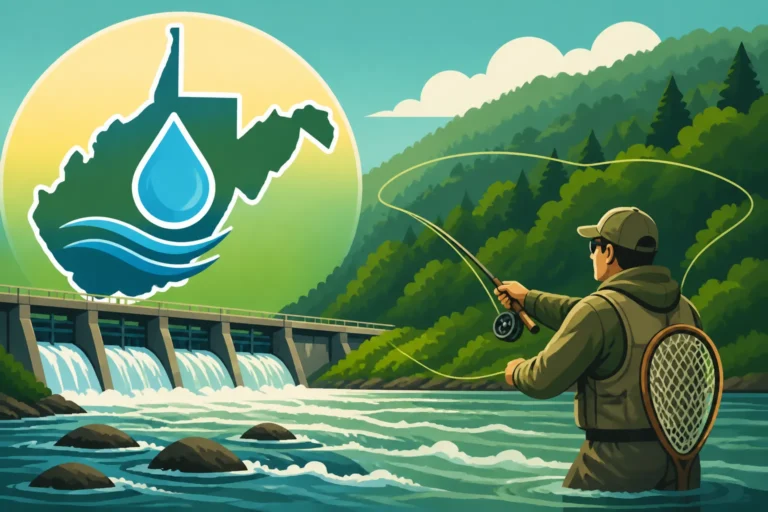
West Virginia is home to some fantastic tailwater fisheries – stretches of river immediately below dams, like the Elk River tailwater. These waters often have more stable temperatures and consistent flows, which can make for excellent, though sometimes challenging, spring fishing. Tailwaters often host a wider variety of aquatic insects and larger fish due to the stable environment. Understanding How to fish a tailwater in West Virginia involves paying close attention to generation schedules and adapting your techniques accordingly.
Tributaries, on the other hand, are smaller streams flowing into a larger river. In early spring, these can sometimes be warmer than the main stem, attracting trout looking for food or spawning grounds (though many stocked trout don't reproduce naturally). Later in spring, tributaries can be excellent for native brook trout, West Virginia's state fish, particularly in the higher elevations. Always check specific regulations for tributaries, as they may have different rules for harvest or gear. Exploring Best Trout Streams in West Virginia can give you an idea of where to start.
Adapting to Variable Spring Conditions
West Virginia weather in spring is notoriously fickle. One day it's sunny and 60 degrees, the next it's snowing with a high of 35. Successful spring trout anglers are those who can adapt their approach to whatever conditions the mountains throw at them.
High Water and Runoff Strategies
Heavy spring rains and snowmelt can quickly turn clear, fishable streams into raging, muddy torrents. High, murky water makes fishing incredibly challenging, but it's not always impossible. Trout will move out of the main current and seek refuge in slower, less turbulent water. Look for eddies, backwater pockets, flooded stream banks, and areas where small feeder creeks enter the main stream. The edges of the main current, where the flow is somewhat broken, can also hold fish.
When the water is high and dirty, visibility is low, so you need to rely on scent and vibration. Use heavier baits like worms or PowerBait to get down through the current, or larger, brightly colored lures (like chartreuse or orange spinners) that create more vibration. Fish closer to the bank, as trout will often hug the shoreline to escape the main current. Sometimes, it's best to wait a day or two for the water to drop and clear slightly, especially after a major rain event.
Low, Clear Water Tactics
After a prolonged dry spell or as spring progresses, streams can become very low and clear. This presents a different challenge: trout become incredibly spooky and can easily see you. Stealth is paramount. Approach fishing spots cautiously, staying low and out of the fish’s direct line of sight. Long casts become more important to avoid spooking fish.
In low, clear water, trout are also more discerning about what they eat. Smaller, more natural-looking baits and lures are often more effective. Use lighter line and longer, thinner leaders (e.g., fluorocarbon leaders) to make your presentation as invisible as possible. For bait anglers, small worms or a few kernels of corn are better than a big blob of PowerBait. Fly anglers will find success with tiny nymphs or emergers, or delicate dry fly presentations if fish are rising. Think "finesse" – subtle movements, natural drifts, and minimalist presentations.
Dealing with Sudden Weather Changes
Spring weather in West Virginia can shift dramatically within a day. A warm, sunny morning might turn into a cold, rainy, or even snowy afternoon. These changes directly impact water temperature and, consequently, trout behavior. If a cold front moves in, expect fish to become less active and seek deeper, slower water. You’ll need to slow down your retrieve, use smaller baits, and focus on precise presentations near the bottom.
Conversely, a sudden warm spell can trigger a surge in activity. Trout might become more aggressive, chasing lures or rising to emerging insects. This is when you can experiment with faster retrieves, larger lures, or be on the lookout for a hatch. Always check the weather forecast before heading out, and be prepared for anything by bringing extra layers, rain gear, and a variety of baits and lures to adapt on the fly.
Conservation and Ethics for Spring Anglers
As anglers, we are stewards of West Virginia’s natural resources. Practicing responsible fishing not only ensures the health of our trout populations but also preserves the joy of fishing for future generations.
Catch and Release Best Practices
Many anglers, especially on designated catch-and-release waters or when targeting wild trout, practice catch and release. If you plan to release fish, proper handling is essential for their survival.
- Minimize handling: Try to keep the fish in the water as much as possible. Wet your hands before touching the fish to protect its slime coat, which is crucial for disease prevention.
- Use appropriate tools: A pair of forceps or needle-nose pliers makes hook removal easier and quicker, reducing stress on the fish. Barbless hooks also greatly aid in quick and clean releases.
- Support the fish: If you must lift a fish for a quick photo, support its body horizontally with both hands, one near the head and one near the tail, never squeezing it or holding it by just the jaw or gills.
- Revive gently: If a fish seems sluggish, hold it gently in the current, facing upstream, until it can swim away on its own. Do not pump it back and forth; this can actually push water backward through its gills.
For more detailed information, consult our guide on West Virginia Catch and Release Rules for Trout.
Respecting Fellow Anglers and Property
Spring in West Virginia, especially during stocking season, can mean crowded stream banks. Practicing good etiquette ensures a positive experience for everyone. Always give other anglers ample space. If someone is already fishing a hole, either wait your turn or move downstream (or upstream, if space allows) far enough that you won't interfere with their fishing. A general rule of thumb is to give at least 50-100 feet, more if possible.
Be mindful of private property. Always know if you're on public or private land and respect "No Trespassing" signs. If you're unsure, it's always best to assume it's private and seek permission, or simply move on. Littering is unacceptable – pack out everything you pack in, including discarded fishing line, which can be deadly to wildlife. Leave the stream bank cleaner than you found it.
Understanding Regulations and Limits
West Virginia has a comprehensive set of fishing regulations, and they can vary significantly by water body. It is your responsibility as an angler to know and follow these rules. This includes understanding West Virginia Fishing Regulations Explained, daily creel limits, possession limits, minimum size limits, and any special regulations for specific streams or species (e.g., "artificial lures only" or "catch and release only" sections).
You'll also need a valid West Virginia fishing license and a trout stamp if you plan to fish for trout in designated trout waters and are not exempt. Our Trout Stamps and Trout Fishing Rules in West Virginia guide can help clarify these requirements. Penalties for fishing without a license or violating regulations can be steep, so always double-check the current WVDNR Fishing Regulations Summary before you head out. These regulations are designed to protect the resource and ensure sustainable fishing for all.
| Spring Trout Fishing Techniques by Water Condition | |||
|---|---|---|---|
| Condition | Early Spring (Cold Water) | Mid-Spring (Moderate Water) | Late Spring (Warmer Water) |
| Trout Behavior | Sluggish, deep, energy conservation | Active, hungry (especially stocked), opportunistic | More active, spread out, chasing, looking up |
| Recommended Baits | Small worms, PowerBait (scented), corn | PowerBait (bright colors), worms, corn | Small worms, minnows (where allowed), PowerBait |
| Recommended Lures | Small jigs (slow retrieve) | Inline spinners (size 0-2), small spoons | Small crankbaits, jerkbaits, larger spinners |
| Recommended Flies | Weighted nymphs (Pheasant Tail, San Juan Worm), egg patterns | Nymphs, small streamers (Wooly Buggers) | Streamers, emergers, dry flies (if hatching) |
| Presentation | Slow, deep, natural drifts, minimal movement | Aggressive retrieves, covering water, vertical jigging | Active retrieves, target structure, precise drifts |
| Key Locations | Deep pools, slow eddies, bottom of runs | Heads/tails of pools, current seams, riffle edges | Fast runs, structured areas, current breaks, surface |
| Stealth Required | Moderate | Low (especially right after stocking) | High (for clear, low water) |
Disclaimer
Please note that fishing regulations in West Virginia can change. Always consult the latest West Virginia Fishing Regulations Summary provided by the West Virginia Division of Natural Resources (WVDNR) before you go fishing to ensure compliance with all current laws and limits. The information provided in this guide is for general informational purposes only and should not be considered legal advice.