How to fish a tailwater release schedule on the Elk River
There’s nothing quite as frustrating as planning a fishing trip to a beautiful tailwater like the Elk River, only to arrive and find the water levels completely different from what you expected. The constant ebb and flow of a tailwater, dictated by dam releases, can make or break your day on the water. This guide is here to unravel the mysteries of the Elk River’s release schedule, helping you understand how to read it, predict fish behavior, and adapt your tactics for a successful outing, no matter what the water is doing.
Understanding the Unique Nature of Tailwaters
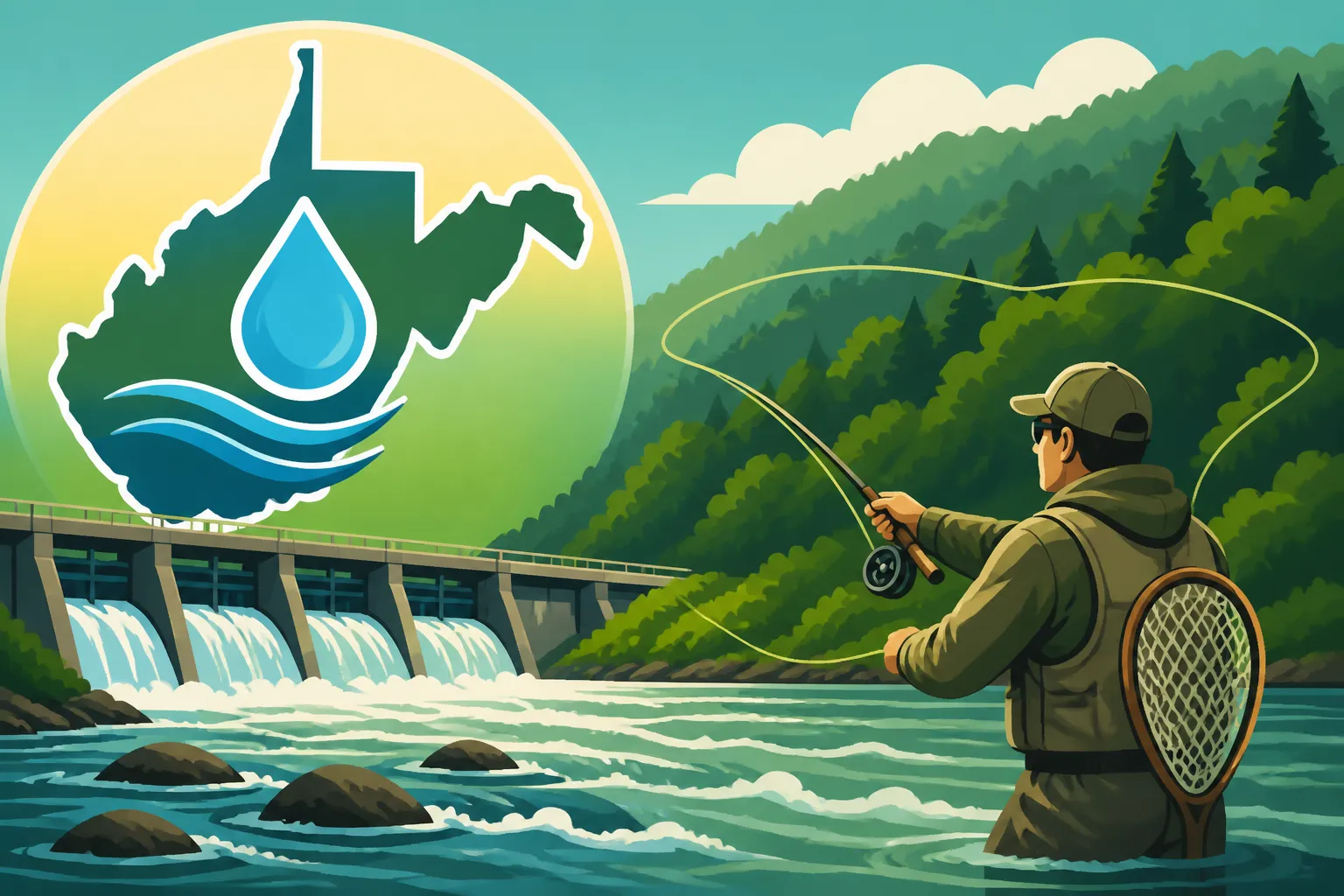
Before we dive into the specifics of the Elk River, it’s crucial to understand what a tailwater is and why it behaves differently from your average free-flowing stream. The Elk River, particularly the trophy trout section below Sutton Dam, is a prime example of a cold-water tailwater. Its flows are entirely regulated by the U.S. Army Corps of Engineers (USACE) releases from Sutton Lake.
Tailwaters are distinct because their water levels, temperatures, and even clarity are heavily influenced by the upstream dam. Unlike natural freestone rivers that rise and fall with rainfall and snowmelt, a tailwater's conditions can change dramatically in a matter of hours, irrespective of local weather. This manipulation impacts everything from insect hatches to fish feeding patterns and where trout choose to hold. Learning to read and respond to these changes is a skill that will dramatically increase your success on the Elk.
Locating and Interpreting the Elk River Release Schedule
Your first and most important tool for fishing the Elk River tailwater effectively is the official release schedule. Without it, you're essentially fishing blind.
Where to Find Real-Time Flow Data
The most accurate and up-to-date information for the Elk River at Sutton Dam comes directly from the U.S. Army Corps of Engineers. They provide real-time flow rates, often measured in Cubic Feet Per Second (CFS), and sometimes even future release projections. You can typically find this information on the USACE website for the Huntington District, specifically for Sutton Lake. Many anglers also rely on aggregate sites like American Whitewater or USGS stream gauges, but always cross-reference with the official USACE data if you can.
The USACE data will often show current outflow, lake levels, and sometimes a projected schedule for the next 24-48 hours. It's not always a guarantee, as operational changes can occur, but it’s the best indicator you’ll get. Checking this the night before, and even again an hour or two before you leave, can save you a wasted trip or allow you to adjust your gear proactively. Remember that it takes time for water released from the dam to reach different points downstream, so a change at the dam won't be instantaneous miles below.
Deciphering Flow Rates and Their Impact
Flow rates on the Elk River are usually expressed in Cubic Feet Per Second (CFS). What constitutes "high" or "low" water can be subjective and vary slightly by local access points, but generally, here’s a breakdown of what different CFS ranges mean for fishing on the Elk River Trout Fishing section:
- Very Low Flow (Under 100-150 CFS): This is often considered "wading-friendly" water, especially further downstream. The river will be clearer, slower, and often lower than its banks. Fish might be spooky, and presentation becomes paramount. This is when you'll often see more technical nymphing or even dry fly fishing if hatches occur. Wading can be easy, but fish will have fewer places to hide.
- Moderate Flow (150-300 CFS): A comfortable and often productive flow. The river has good structure, plenty of holding water, and fish are generally less wary. Most wading access points are still manageable, though caution is always advised. This range is excellent for general nymphing and streamer fishing.
- High Flow (300-600 CFS): The river will be pushing hard. Wading becomes significantly more challenging and potentially dangerous. Fish will seek refuge in slower seams, eddies, and behind large structure. This is prime time for heavier nymph rigs and aggressively fished streamers. Boat fishing can be highly effective if you know the river well and have appropriate safety gear. Always check Wading Techniques for West Virginia Trout Streams for safety advice.
- Very High Flow (Above 600 CFS): At these levels, wading is generally not recommended and can be extremely dangerous. The river will be murky and powerful. Fishing becomes limited to very slow, deep eddies or backwater areas from a boat. Most anglers will opt to fish elsewhere or wait for flows to drop.
It’s not just the absolute number, but also the rate of change that matters. A rapidly rising or falling river can throw fish off their feed, at least temporarily.
Here's a quick guide to how different flow rates might impact your fishing approach:
| Flow Rate (Cubic Feet Per Second – CFS) | Description (Elk River Tailwater) | Primary Fishing Strategy | Recommended Gear/Lures | Wading Safety |
|---|---|---|---|---|
| < 150 CFS | Very Low, Clear, Often Slow | Technical nymphing, dry fly opportunities, sight fishing, stealth | Small nymphs (size 18-24), tiny dry flies, light line, micro jigs | Generally Easy, but fish can be spooky |
| 150 – 300 CFS | Moderate, Ideal for Wading | Versatile: nymphing, streamer fishing, some dry fly action | Standard nymphs (size 14-18), small to medium streamers, spinners | Moderate, good footing still |
| 300 – 600 CFS | High, Pushy, Reduced Wading | Target eddies, seams, deep runs; aggressive streamer fishing | Heavy nymphs (size 10-14), large/weighted streamers, larger spinners/crankbaits | Challenging, use a Best Wading Staff for Fast Current |
| > 600 CFS | Very High, Dangerous Wading | Focus on very slow water from a boat; often unfishable from shore | Heaviest gear, prioritize safety, best to avoid if unfamiliar | Extremely Dangerous, Avoid |
Tactical Approaches for Different Flow Scenarios
Once you know what the river is doing, or is predicted to do, you can adjust your strategy. This flexibility is key to consistent success on the Elk River tailwater.
Fishing High Water (Generation)
When the USACE is generating power or releasing water, the river swells, current speeds up, and clarity can decrease. This often means more dissolved oxygen, which can invigorate trout.
- Location, Location, Location: Fish won't fight the main current. They’ll tuck into eddies, behind large boulders, in slower seams along the banks, and in deeper pools. Look for any break in the current where they can expend less energy but still ambush food. Upstream bends often create good eddies.
- Weight it Down: You need to get your flies or lures down quickly to the fish. For nymphing, this means heavier split shot, often multiple pieces, or tungsten-beaded flies. On Amazon, you can find various weights of split shot to add to your leader. For spin fishing, heavier jigs or crankbaits that dive quickly are essential.
- Bigger, Brighter, or Both: Higher, often murkier water, means reduced visibility for fish. Don't be afraid to use larger, flashier flies like big streamers (e.g., Woolly Buggers, Sculpin patterns) in darker colors or with some flash. For spin anglers, larger inline spinners or bright-colored crankbaits can stand out.
- Safety First: High water significantly increases the danger, especially for wading. Use a Best Waders for West Virginia Trout Streams and a sturdy wading staff. If boating, ensure you have all required safety gear and know the river’s currents intimately. Always wear your life jacket, especially if conditions are dicey.
Fishing Low Water (No Generation)
During periods of low flow, the Elk River can become crystal clear and much shallower. This scenario demands a completely different, often more delicate, approach.
- Stealth is Paramount: Fish can see you from a long distance in clear, shallow water. Approach slowly, stay low, and minimize movement. Longer leaders and lighter tippets become crucial for fly anglers. Spin anglers should cast from a distance and use subtle presentations.
- Downsize Your Offerings: Smaller flies and lures are generally more effective. Think tiny midges, small mayfly or caddis nymphs, and delicate dry flies if trout are rising. For spin fishermen, micro jigs, small inline spinners, or tiny spoons can work wonders.
- Spot and Stalk: Low water provides excellent opportunities for sight fishing. Put on a good pair of polarized sunglasses (available on Amazon) and slowly walk the banks, looking for fish holding in runs, riffles, or deep pockets. Once spotted, plan your cast carefully to avoid spooking them.
- Focus on Structure: Even in low water, trout will gravitate towards structure for cover and ambush points. Look for undercut banks, submerged logs, large rocks, and deep pools. These areas provide sanctuary and a steady flow of food.
Fishing Rising or Falling Water
Transitional periods, when the water is actively rising or falling, can be challenging but also incredibly rewarding if you time it right.
- Rising Water: As the water begins to rise, it often dislodges insects and pushes baitfish from their hiding spots, creating a feeding frenzy. Trout will often move into newly inundated areas along the banks to capitalize on this buffet. Focus on the edges of the main current and the insides of bends. Initially, the fish might be a bit disoriented, but they'll often begin to feed aggressively as the water stabilizes at the new, higher level.
- Falling Water: A dropping river can be tough. Fish often move out of the shallow, newly exposed areas and consolidate into deeper, more stable holding water. They can become lethargic or spooky as their environment shrinks. Patience is key here. Focus on the deepest pools and runs, using smaller, more natural presentations. The bite might be slower, but persistent anglers can still find success.
Essential Gear and Preparation Beyond the Schedule
Knowing the schedule is just one piece of the puzzle. Being properly equipped and prepared for West Virginia's varied fishing conditions is equally vital.
Rods, Reels, and Line
- Fly Fishing: For the Elk River's stocked and wild trout, a 9-foot 5-weight fly rod is a versatile choice, capable of handling nymphs, streamers, and dry flies. If you're focusing solely on delicate dry fly presentations in low water, a 3 or 4-weight might be better. When streamer fishing in higher flows, a fast-action 6-weight rod can make casting heavy flies much easier. Don't forget to check out Best Fly Rods for West Virginia Trout Streams for specific recommendations.
- Spin Fishing: A 6 to 7-foot light to medium-light action spinning rod paired with a 1000 or 2000 series reel is perfect for the Elk. Spool it with 4-6 pound test monofilament or fluorocarbon for excellent feel and subtle presentations. Braided line can also be effective, especially if you add a fluorocarbon leader for stealth.
Waders and Footwear
Regardless of flow, reliable waders and wading boots are indispensable for accessing the best spots on the Elk. Chest waders are generally recommended for year-round fishing, as they provide warmth and allow you to wade deeper. Sturdy wading boots with good ankle support are crucial for navigating the slippery, rocky bottom of the river. Felt soles often provide superior grip on slick rocks but are not allowed in all states due to invasive species concerns (though currently fine in WV). Rubber soles with studs are an excellent alternative. Having a reliable pair of waders and sturdy wading boots, which are readily available on Amazon, is paramount for safety and comfort.
Tackle and Fly Selection
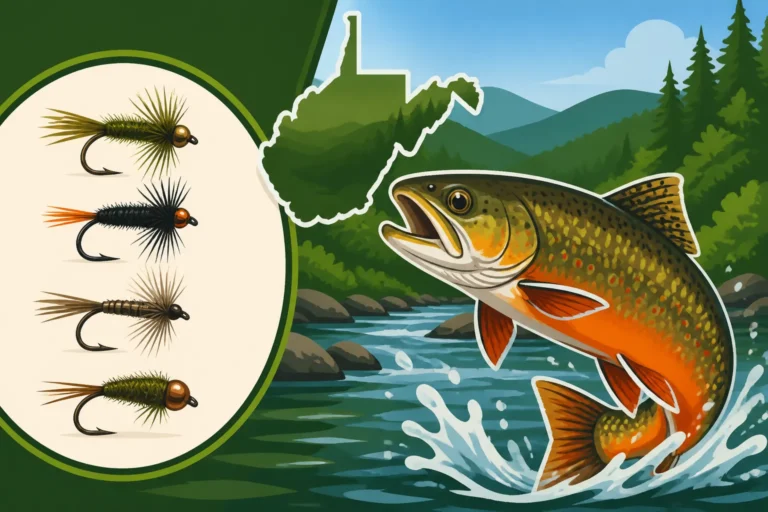
- Nymphs: When nymphing, carry a variety of patterns and sizes. Essential patterns include Walt’s Worm, Pheasant Tail, Hare’s Ear, Copper John, Squirmy Wormy, and Prince Nymphs. Have them in sizes from 12 down to 20 or even 24. Tungsten beads are your friend for getting down quickly.
- Streamers: Woolly Buggers (black, olive, brown, white), SculpZillas, and various baitfish patterns are highly effective, especially in higher water or when targeting larger trout.
- Dry Flies: Even on a tailwater, hatches occur. Carry a selection of caddis, mayfly, and terrestrial patterns (like ants and grasshoppers) in various sizes.
- Spin Lures: Small inline spinners (Mepps, Panther Martin), tiny crankbaits, jigs (especially micro jigs with soft plastics), and spoons are all proven trout getters. Vary colors and sizes based on water conditions.
Miscellaneous but Mighty
- Polarized Sunglasses: Absolute must-have for seeing through the glare on the water, spotting fish, and identifying submerged structure.
- Wading Staff: Non-negotiable for safety, especially in moderate to high flows. It provides stability and helps you gauge water depth before taking a step.
- Net: A catch-and-release friendly net with rubberized mesh will protect the trout you land. Look for a longer-handled net if you anticipate being in deeper water. Check out Best Landing Net for Trout for options.
- Layered Clothing: West Virginia weather can be unpredictable. Dress in layers to adapt to changing temperatures throughout the day. Consider investing in a quality rain jacket, easily found on Amazon, to stay dry during sudden showers.
- The West Virginia Trout Stocking Hotline and Schedule: While this guide focuses on river releases, knowing when and where trout are stocked can significantly influence your choice of fishing spot and tactics on the Elk River and its tributaries.
By combining an understanding of the Elk River’s release schedule with the right gear and tactical know-how, you’ll be much better prepared to enjoy the incredible trout fishing opportunities this West Virginia gem has to offer. Remember to always prioritize safety and respect the river.
Disclaimer
Fishing regulations and water conditions can change rapidly. Always consult the latest West Virginia Division of Natural Resources fishing regulations and the U.S. Army Corps of Engineers' official release schedule for Sutton Dam before planning your trip to the Elk River. This information is provided for general guidance only and does not supersede official government publications.