How to catch striped bass hybrids at Sutton Lake
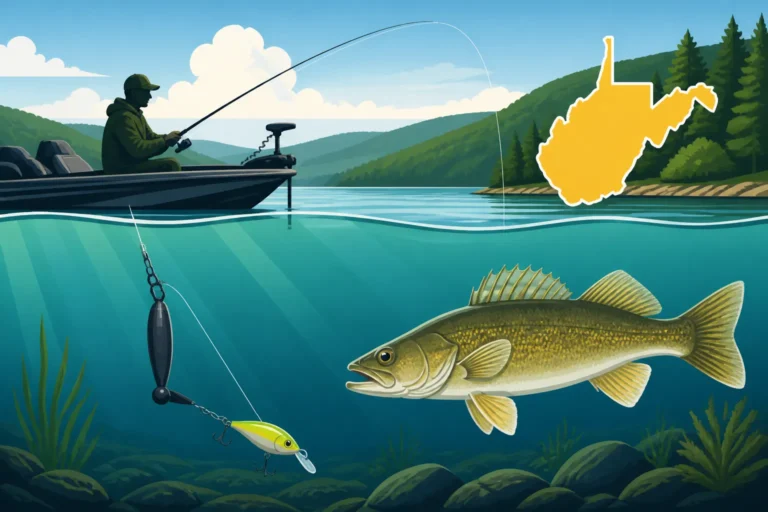
If you've ever tried to target striped bass hybrids, often called "wipers," in West Virginia's Sutton Lake, you know they can be incredibly elusive. These powerful fish are notorious for their strong fights and schooling behavior, making them a thrilling challenge to catch. This comprehensive guide will break down the strategies, techniques, and essential gear you need to consistently hook into these impressive game fish at Sutton Lake, turning your frustration into triumph.
Understanding Sutton Lake's Striped Bass Hybrids
Sutton Lake, a beautiful reservoir nestled in the heart of West Virginia, is renowned for its excellent fishing, and among its prized inhabitants are the striped bass hybrids. These aren't your typical largemouth or crappie; wipers are a unique cross between striped bass and white bass, bred for their aggressive feeding habits and impressive growth rates. Understanding their biology and preferred environment in Sutton is the first step toward successful angling.
What Makes Wipers Unique at Sutton?
Striped bass hybrids are powerhouses. They combine the schooling instincts of white bass with the sheer size and strength of their striped bass lineage. At Sutton Lake, these fish thrive in the deep, clear waters, often reaching impressive sizes that can truly test your tackle and your stamina. Unlike many other species that might stick to shallow cover, wipers are constantly on the move, chasing baitfish schools in open water or staging near significant underwater structures. Their predatory nature means they're looking for a substantial meal, and they'll strike with a force that can surprise even experienced anglers.
One of the most fascinating aspects of wipers is their schooling behavior. They tend to stick together in large groups, often herding baitfish like gizzard shad or alewife into tight balls before launching a coordinated attack. This means that if you find one wiper, you're often on top of an entire school, leading to incredible action. However, it also means that if you're not where the bait is, you're not where the wipers are. They are highly attuned to their prey, and their movements are dictated by the forage base, making them a dynamic target. The West Virginia DNR actively stocks these fish, contributing to the fantastic Striped Bass Hybrid Stocking in West Virginia program that ensures a healthy population in lakes like Sutton. These fish are sterile, so their populations are entirely managed through stocking, which means their numbers and sizes are carefully controlled for optimal fishing experiences.
Key Forage and Habitat in Sutton Lake
Sutton Lake provides an ideal environment for striped bass hybrids, offering abundant forage and diverse underwater structures. The primary food source for wipers in Sutton is typically gizzard shad and alewife. These baitfish schools are what the hybrids relentlessly pursue, often pushing them to the surface in spectacular feeding frenzies known as "boils." Keeping an eye out for these surface disturbances, especially during low light conditions, is a major clue to locating active fish. You might also want to explore this more by understanding the Growth rate of stocked hybrid striped bass in various environments.
In terms of habitat, Sutton Lake features deep channels, submerged humps, points, and old creek beds that wipers love to frequent. During different seasons, they'll adjust their depth and location. In warmer months, they might suspend over deep water, especially around the thermocline (the layer where water temperature changes rapidly), where oxygen levels are optimal. During cooler periods, they might gravitate towards deeper points or the mouths of feeder creeks. Understanding the lake's contours and structure is crucial. Many experienced anglers use detailed contour maps to identify prime hunting grounds. The dam area, as well as the main lake body near deeper points and the confluence of the Elk River and Holly River arms, are often hot spots. Any place where baitfish are likely to congregate – steep drop-offs, submerged timber edges, or areas with current – will attract wipers.
Seasonal Strategies for Sutton Lake Wipers
Catching striped bass hybrids at Sutton Lake is a seasonal game. Their behavior, depth, and feeding patterns change dramatically with water temperature and baitfish movements throughout the year. Adapting your approach to the season is paramount to consistent success.
Spring Tactics: The Pre-Spawn Buzz
As the ice retreats and water temperatures begin to climb in early spring, usually from late March through May, Sutton Lake's wipers become incredibly active. This is a fantastic time to target them as they move into shallower areas, especially the upper ends of the lake or main lake points, to gorge on baitfish. The water is still cool enough that they don't feel the need to dive excessively deep, making them more accessible.
During this period, look for wipers in depths ranging from 5 to 25 feet. They'll often school up and cruise these areas, actively searching for food. Trolling crankbaits that mimic the local shad population is an excellent strategy. Medium-diving crankbaits in shad patterns (chrome, blue back, or white) are often highly effective. Speed is key; experiment with your trolling speed until you find what triggers bites. Another powerful technique is casting lipless crankbaits or swimbaits to visible schools or along structure. Early mornings and late evenings are prime times, but overcast days can extend the bite throughout the day. Pay close attention to water temperature – once it stabilizes in the mid-50s to low-60s Fahrenheit, the bite can be absolutely phenomenal. This transitional period often yields some of the biggest and most aggressive fish of the year.
Summer Challenges: Deep Water and Thermoclines
Summer fishing for wipers at Sutton Lake, from June through August, presents a different set of challenges. As surface temperatures soar, the hybrids will retreat to deeper, cooler, and more oxygenated waters. This often means finding them suspended over deep channels or congregating around the thermocline. Locating these fish requires good electronics and patience.
During the hottest parts of summer, wipers might be anywhere from 20 to 60 feet deep, sometimes even deeper. The key is to find the baitfish. If your fish finder shows dense schools of bait at a specific depth, the wipers won't be far behind. Vertical jigging spoons, heavy bucktail jigs, or even dropping live bait (like shad or large shiners) down to their depth can be incredibly effective. Early mornings and late evenings can also see wipers temporarily move shallower or push bait to the surface, creating those exciting "boils." When you see a boil, quickly cast a topwater plug, a spoon, or a swimbait into the commotion. Be ready for an immediate, explosive strike! These are fantastic opportunities, but they often don't last long, so quick reactions are vital. Don't be afraid to try Night Fishing Techniques for West Virginia Lakes during the summer, as wipers often feed actively under the cover of darkness when the water is cooler and they feel less exposed.
Fall Feast: Aggressive Feeding Frenzies
Fall, from September through November, is arguably the most exciting time to fish for striped bass hybrids at Sutton Lake. As water temperatures cool and the lake "turns over," baitfish become more active and scattered, triggering an intense feeding spree among the wipers. They know winter is coming, and they need to pack on the calories.
During the fall, wipers can be found at various depths, but they're often very active near the surface, especially during low light. Look for those massive surface boils where wipers violently slash at schools of shad. These frenzies can last for extended periods, and casting topwater lures like poppers, spook-style baits, or even large spoons and swimbaits into the fray can result in hook-up after hook-up. When the surface action isn't happening, wipers will be chasing bait deeper. Trolling crankbaits or using lipless crankbaits and swimbaits cast and retrieved quickly can cover a lot of water. The main lake points, coves, and the mouths of tributaries are prime areas. The cooler water means the fish are incredibly energetic, so be prepared for some brutal fights. This is often when anglers land their personal bests, so pay close attention to the Best Time of Year to Fish in West Virginia for this specific species.
Winter Patience: Slow and Steady Wins the Race
Winter fishing at Sutton Lake for wipers, typically December through February, requires a different mindset. While the bite slows significantly, it's still possible to catch these fish if you adjust your tactics and embrace patience. Wipers will move to their deepest haunts, often congregating in large schools near the bottom in the deepest parts of the lake.
During winter, expect to find wipers holding in 40 to 80 feet of water, often suspending just above the deepest channels or near major underwater structures. Their metabolism slows down, so they won't be chasing lures as aggressively. Vertical jigging becomes the dominant technique. Using heavy jigging spoons (like Hopkins Shortys or War Eagle spoons) or blade baits dropped directly into a school of fish is effective. The retrieve should be slow and subtle – often just a slight lift and drop, letting the lure flutter. Small, slow movements are key to enticing a strike. Live bait, such as shiners or small shad, fished on a Carolina rig or drop shot can also be very productive. Remember, the bites will be subtle, often feeling like a slight "thump" or just added weight on your line. You'll need good boat control to stay directly over the schools, which makes a reliable trolling motor indispensable. It's less about active pursuit and more about precise presentation in their cold-water domain. If you want to dive even deeper into this, you might explore How to fish deep structure for summer walleye, as many of the principles for deep-water presentation apply to wipers in winter.
Essential Gear and Techniques for Sutton Lake Wipers
Catching a Sutton Lake wiper is a battle, and you need the right tools for the job. These fish fight hard, making powerful runs and head shakes, so your gear needs to be up to the task. Skimping on tackle will lead to broken lines and lost fish.
Rods, Reels, and Line: Power for the Fight
For Sutton Lake's hard-fighting striped bass hybrids, you'll want a rod and reel combination that offers a good balance of power, sensitivity, and durability.
- Rods: A medium-heavy to heavy-action spinning or baitcasting rod, typically 6'6" to 7'6" in length, is ideal. The stiffer backbone provides the leverage needed to set hooks effectively and control a powerful fish, while a moderate tip allows for accurate casting and some shock absorption during runs. Many anglers find Best Spinning Rods for Smallmouth Bass can be adapted, but you might want to go a step heavier for wipers.
- Reels: For spinning setups, a 3000-5000 series reel with a smooth drag system and a strong retrieve is recommended. For baitcasting, a reel with a good gear ratio (around 6.4:1 to 7.1:1) and a sturdy frame will serve you well. Make sure your reel can hold ample line. Brands like Penn, Shimano, and Daiwa offer excellent options for this kind of powerful fishing. You can often find great deals and a wide selection of these on Amazon.
- Line: Braided line is almost a necessity due to its incredible strength-to-diameter ratio and zero stretch, which aids in hooksets and sensitivity. A 20-30 lb braided main line is a good starting point. You'll want to use a fluorocarbon leader, typically 15-25 lb test, tied to your braid with an FG knot or a double uni-knot. Fluorocarbon is nearly invisible underwater and offers excellent abrasion resistance against rocks and the fish's rough mouth. Consider learning more about Best Fluorocarbon Line for Clear River Water for optimal leader selection.
Top Lures and Baits: Matching the Hatch
The key to consistently catching wipers at Sutton Lake is to "match the hatch" – meaning, use lures or baits that mimic their natural prey, predominantly gizzard shad and alewife.
- Spoons: Jigging spoons (like Hopkins Shortys, Kastmasters, or Cotton Cordell C.C. Spoons) are indispensable, especially for vertical jigging over deep schools. Sizes from 3/4 oz to 1.5 oz in chrome, white, or chartreuse are highly effective. Cast them to surface boils or drop them precisely to fish marked on your sonar.
- Crankbaits: Medium to deep-diving crankbaits in shad patterns (silver/blue, pearl white, chartreuse/black) are excellent for trolling or casting. Rapala Shad Raps, Berkley Dredgers, or Strike King XD series are popular choices. Ensure they dive to the depths where the fish are holding. Lipless crankbaits, like Bill Lewis Rat-L-Traps or Lucky Craft LV series, are also great for covering water quickly and generating a reaction strike, particularly in spring and fall.
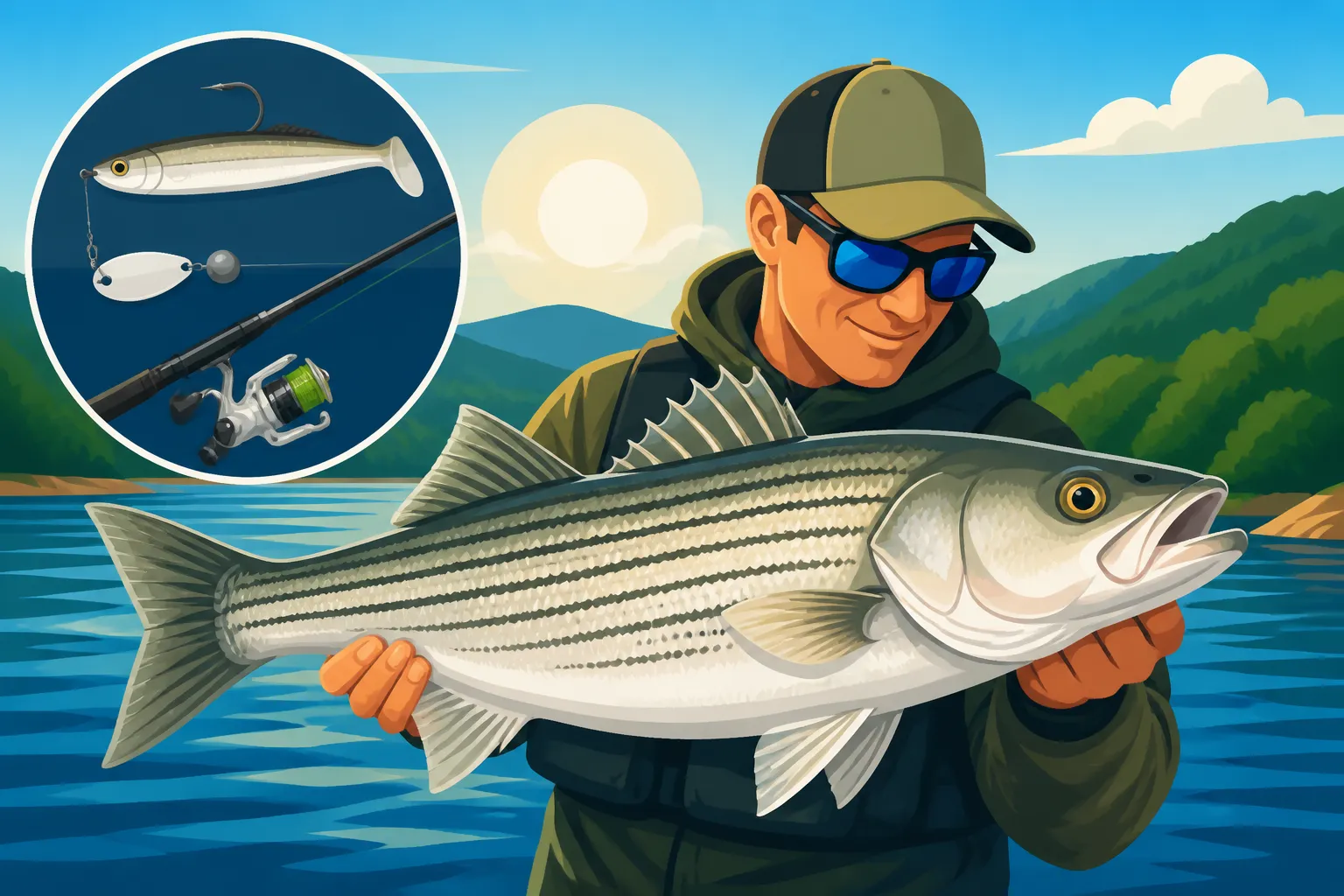
- Swimbaits: Soft plastic swimbaits, either paddle tail or boot tail, rigged on a weighted swimbait hook or a jig head, are incredibly versatile. Sizes from 4-6 inches in white, silver, or natural shad colors work well. They can be cast and retrieved, slow-rolled, or jigged.
- Topwater Lures: During surface boils, nothing beats the excitement of a topwater strike. Poppers, walking baits (like Heddon Super Spooks), or prop baits can draw explosive strikes.
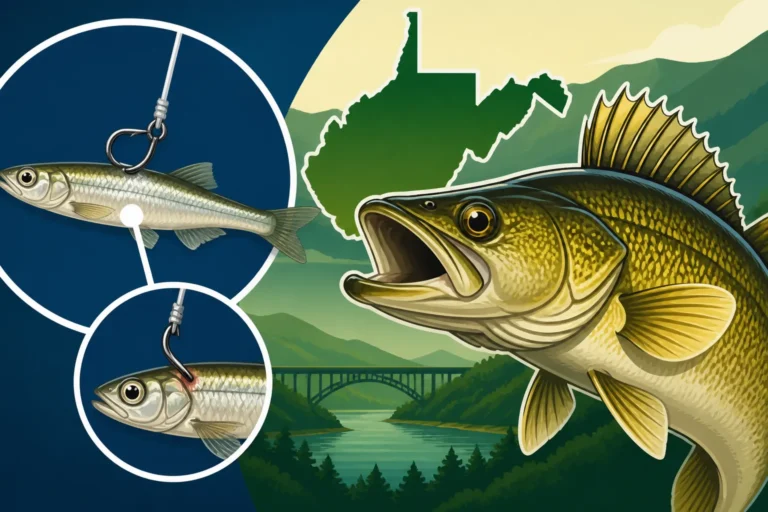
- Live Bait: For a more subtle approach, particularly in colder water or when fish are finicky, live bait can be deadly. Gizzard shad, large shiners, or even large minnows are fantastic. Fish them on a circle hook under a bobber if shallow, or on a Carolina rig or drop shot if fishing deep. You can even rig them to be trolled slowly for suspended fish. When it comes to stocking up on various lures and live bait rigs, many anglers find a good selection and competitive pricing on Amazon.
Electronics and Boat Positioning: Finding the Fish
In a large lake like Sutton, electronics are your best friend for finding schooling wipers.
- Fish Finder/Sonar: A quality fish finder with Down Imaging and Side Imaging capabilities is invaluable. Use it to locate baitfish schools, individual wipers, and important underwater structure like humps, channels, and submerged timber. Pay attention to arches or blobs on your screen that indicate fish. Look for "bait balls" – tight concentrations of baitfish, often with larger, individual arcs (wipers) lurking nearby or below them. Brands like Humminbird and Garmin offer excellent units that can drastically improve your success. You can learn more about picking the right unit in our guide on the Best Fish Finders for West Virginia Lakes.
- GPS/Mapping: Integrated GPS with detailed lake maps allows you to mark waypoints where you find fish or structure. This helps you return to productive areas and navigate safely.
- Trolling Motor: A reliable electric trolling motor is essential for maintaining boat position over schools, slow-trolling, or sneaking up on surface boils. Models with GPS anchoring features (like Spot-Lock) are game-changers, allowing you to hold your boat precisely in place even in wind or current. For larger vessels, a powerful main engine is necessary to cover vast stretches of the lake to find active schools, but the trolling motor handles the precision work. For a more general overview, consider our article on the Best Boats for West Virginia Rivers and Lakes which discusses options for lakes like Sutton.
Mastering the Fight and Handling Wipers
Once you've hooked into a Sutton Lake wiper, the real fun begins! These fish are incredible fighters, known for their powerful, sustained runs. Knowing how to handle the fight and, importantly, how to properly release the fish ensures both your success and the health of the fishery.
Hookset and Battle: Holding On Tight
When a wiper strikes, it's often aggressive and unmistakable. You'll feel a solid "thump" or your rod will get violently pulled down.
- The Hookset: With braided line's low stretch, a firm but not overly aggressive hookset is all you need. Lean into the rod, reel down the slack, and give a swift, upward sweep. Avoid setting the hook too hard, as this can tear the lure from the fish's mouth, especially with treble hooks.
- The Fight: Once hooked, be prepared for a strong, initial run. Wipers will peel line off your reel with surprising speed and power. Keep your drag set appropriately – tight enough to maintain pressure but loose enough to let the fish run when it needs to. This prevents line breaks and pulled hooks. Keep the rod tip up, creating a "shock absorber" effect. Try to pump the fish toward you by lifting the rod, then reeling down as you lower it. Be patient. If the fish makes another strong run, let it. Don't try to horse it in too quickly, or you risk losing it. They will often make multiple strong runs, especially as they get closer to the boat. Enjoy the tussle! It's what makes catching these hybrids so rewarding.
Safe Release Practices: Protecting the Resource
While many anglers keep some wipers for their excellent table fare, practicing catch-and-release is vital for maintaining a healthy and robust fishery at Sutton Lake. When releasing a fish, your goal is to minimize stress and injury.
- Minimize Air Time: Try to keep the fish in the water as much as possible. If you must bring it aboard for a quick photo, do so gently and return it to the water swiftly.
- Proper Netting: Use a large, rubberized landing net. Rubberized nets are much gentler on the fish's slime coat and fins than traditional nylon nets, reducing injury and disease transmission.
- De-hooking: Have a pair of long-nosed pliers or de-hooking tools readily available. If the fish is deeply hooked, especially in the gills, it's often best to cut the line as close to the hook as possible rather than tearing the fish apart trying to remove it. Barbless hooks can also make removal much easier.
- Handling: If you need to handle the fish, wet your hands first. This helps protect its protective slime coat. Support the fish horizontally, especially if it's a larger one, by supporting its belly and tail. Avoid holding it vertically by the jaw or gills, as this can damage its internal organs.
- Revival: If the fish seems stressed or lethargic, gently hold it in the water, facing into any current, until it regains its strength and can swim away on its own. You'll feel it kick strongly when it's ready.
By following these practices, you contribute to a sustainable fishery, ensuring that Sutton Lake continues to offer thrilling wiper fishing for years to come.
Here's a quick reference table to help you plan your Sutton Lake wiper fishing trips:
| Season | Typical Water Temp | Depth Range (feet) | Primary Techniques | Recommended Lures/Baits | Notes |
|---|---|---|---|---|---|
| Spring | 50-65°F (10-18°C) | 5-25 | Trolling, Casting, Covering Water quickly | Medium-diving crankbaits, Lipless crankbaits, Swimbaits, Jigheads with plastics | Fish are aggressive, moving shallower. Look for warmer water. |
| Summer | 70-85°F (21-29°C) | 20-60+ | Vertical Jigging, Live Bait, Early/Late Topwater | Jigging spoons, Heavy bucktail jigs, Live Shad/Shiners, Poppers, Spooks | Find thermocline and bait schools. Look for surface boils during low light. |
| Fall | 60-70°F (15-21°C) | 5-40 | Casting (surface and subsurface), Trolling, Fast retrieve | Topwater lures, Lipless crankbaits, Swimbaits, Jigging spoons | Highly aggressive feeding frenzies. Best season for consistent action. |
| Winter | 35-45°F (2-7°C) | 40-80+ | Slow Vertical Jigging, Deep Live Bait | Heavy jigging spoons, Blade baits, Live Shad/Shiners | Fish are deep and less active. Bites are subtle. Patience is key. |
Disclaimer
Fishing regulations, stocking schedules, and local conditions can change. Always check the latest West Virginia fishing regulations provided by the West Virginia Division of Natural Resources (WVDNR) before heading out. This guide is for informational purposes only and does not constitute an endorsement of specific products or guarantee fishing success. Be safe, respect the environment, and enjoy your time on Sutton Lake!