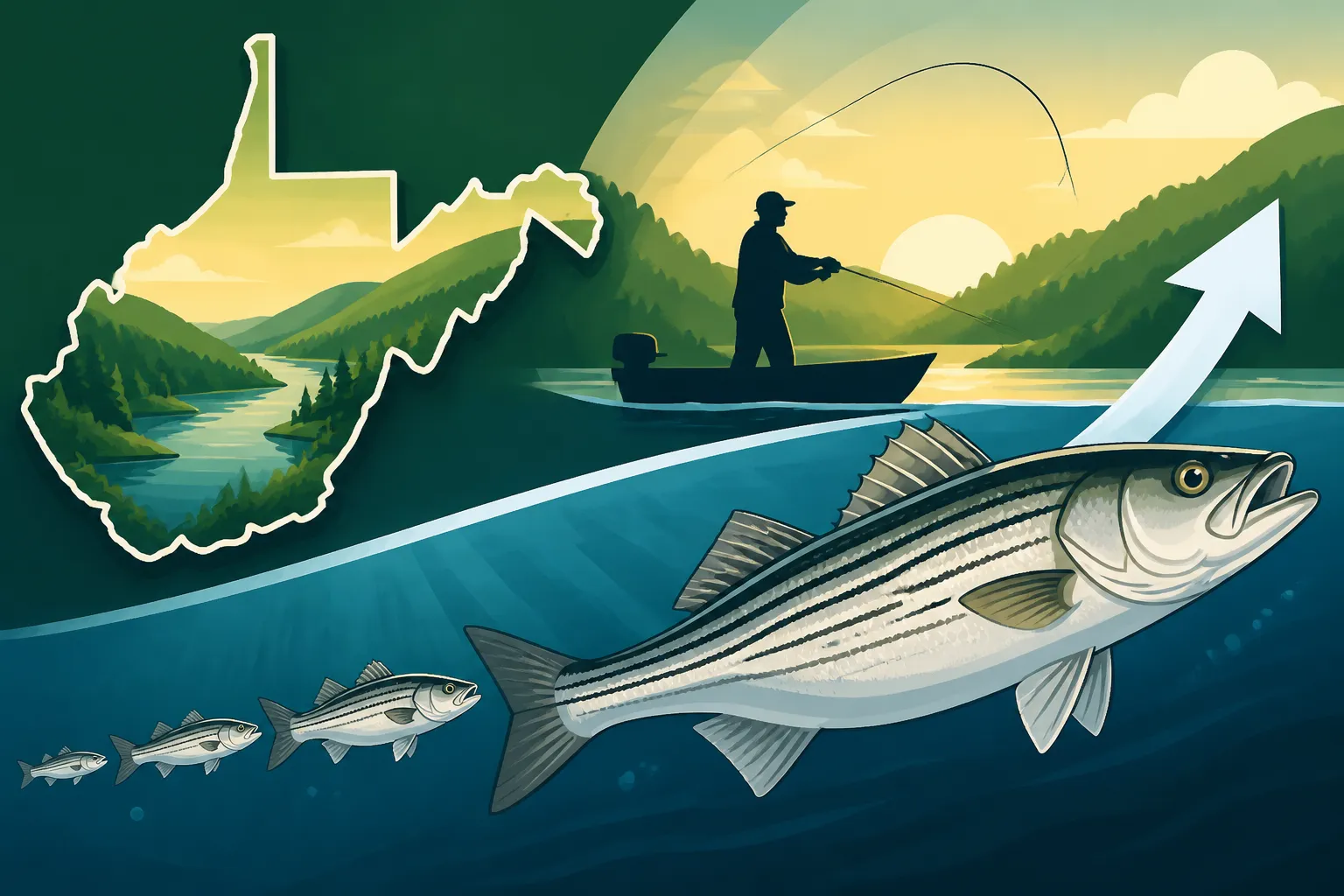
Growth rate of stocked hybrid striped bass
One of the most exciting experiences for any West Virginia angler is feeling that intense, powerful tug on the line, the kind that makes your drag scream and your heart pound. Often, that thrilling fight comes from a hybrid striped bass, a fish known for its incredible strength and aggressive nature. But when these feisty fish are stocked in our lakes, many of us wonder just how quickly they grow and what kind of size we can realistically expect to pull from the water. This guide will dive deep into the growth rate of stocked hybrid striped bass in West Virginia, helping you understand their journey from a small fingerling to a hard-fighting trophy.
Understanding Hybrid Striped Bass in West Virginia Waters
Hybrid striped bass, often called "wipers" by anglers, are a fascinating and highly sought-after species in West Virginia. They offer a unique angling experience, combining the fighting spirit of their parent species with a robust growth rate.
What Exactly Are Hybrid Striped Bass?
A hybrid striped bass isn't a naturally occurring species in our waters; it's a crossbreed, specifically between a female striped bass (often from saltwater populations, or landlocked freshwater ones) and a male white bass. This genetic blend gives them some incredible advantages. They inherit the strength and size potential of the striped bass, along with the hardiness and schooling behavior of the white bass. This combination results in a fish that's not only a formidable fighter but also adapts well to reservoir environments, making them perfect candidates for stocking programs aimed at enhancing sport fishing opportunities. If you're curious to learn more about their lineage, we have a whole post dedicated to What a hybrid striped bass is a cross between.
Why West Virginia Stocks Hybrids: The Angler's Perspective
From an angler's viewpoint, the appeal of hybrid striped bass is undeniable. They are voracious eaters, which contributes directly to their impressive growth rate, and they hit baits and lures with an almost unparalleled ferocity. This means more action, more excitement, and often, more fish to take home (within legal limits, of course!). Our state's wildlife agencies strategically stock these hybrids to provide excellent sport fishing in specific impoundments where natural striped bass populations might not thrive or where a unique, hard-fighting species is desired to utilize the available forage base. They fill an important niche, often preying on abundant gizzard shad and other baitfish, helping to maintain a healthy ecosystem while offering incredible recreational value. The rapid growth ensures that stocked fish quickly become a viable target for anglers, making the stocking efforts highly effective and rewarding.
Key Factors Influencing Hybrid Striper Growth
Several critical factors play into how quickly a stocked hybrid striped bass will grow once it's introduced into a West Virginia lake. It's not just about their genetics; the environment they live in is hugely important.
- Food Availability: This is arguably the biggest factor. Hybrid stripers are aggressive predators with high metabolic rates. Lakes with abundant forage fish, like gizzard shad, alewives, or even smaller panfish, will support faster growth. If a lake's baitfish population is booming, those hybrids will pack on pounds quickly.
- Water Temperature: Like most fish, hybrids are cold-blooded, and their metabolism is tied to water temperature. They thrive and grow best in warmer water, usually between 65-75°F, which means prime growing seasons are typically late spring through early fall. During colder months, their growth slows significantly.
- Competition: While hybrids are top predators in many of our reservoirs, competition with other fish species for food can impact their growth. If a lake is overpopulated with other large predatory fish, hybrids might not grow as fast as they would in a less competitive environment.
- Water Quality and Habitat: Good water quality, including adequate oxygen levels and suitable habitat (like open water for schooling baitfish), also contributes to a healthy and fast-growing hybrid population. Poor water quality can stress fish, hindering growth.
The Typical Growth Trajectory of Stocked Hybrids
When West Virginia's D分のR stocks hybrid striped bass, they are usually fingerlings, meaning they're quite small. But don't let their initial size fool you; these fish are built for speed and growth!
Early Stages: From Fingerling to Feisty Fighter
Once those small hybrid striped bass fingerlings are introduced into a fertile West Virginia lake, their growth rate can be quite astonishing, especially during their first year. They quickly adapt to their new environment and begin to feed aggressively on the abundant baitfish.
- First Few Months: Within the first few months after stocking, these little hybrids can grow several inches, rapidly increasing their length as they transition from nursery food to natural forage. They're like little eating machines.
- First Year Milestones: By the end of their first full growing season (typically from spring stocking through late fall), it's not uncommon for them to reach lengths of 10-14 inches, and sometimes even more, especially in nutrient-rich impoundments. They become powerful, active predators, already showing that characteristic hybrid fight. This initial burst of growth is crucial, as it allows them to quickly outgrow many potential predators and dominate the forage base.
Reaching Keeper Size: What to Expect
The goal for many anglers is to catch a hybrid striped bass that's of legal keeper size. The good news is, these fish reach that benchmark fairly quickly.
- Second Year Growth: Entering their second growing season, these hybrids really hit their stride. With a full year of aggressive feeding under their belts, they continue to pack on both length and girth. It's during this period that most of them will begin to reach and exceed the common minimum length limits, which vary by specific lake and regulation.
- Average Weights: By the time they are two to three years old, hybrid striped bass commonly range from 16 to 22 inches in length and weigh anywhere from 2 to 6 pounds. These are fantastic fighting fish and make for excellent table fare if you choose to keep them. They’re chunky, powerful, and provide a truly memorable angling experience. They're often found schooling, making them an exciting target once you locate them. You can check specific regulations in the West Virginia Bag and Possession Limits by Species for the most current information.
Here’s a general idea of what you might expect for average growth:
| Age (Years) | Typical Length Range (Inches) | Typical Weight Range (Pounds) | Notes |
|---|---|---|---|
| 0-1 | 10-14 | 0.5-1.5 | Rapid initial growth from fingerling to feisty young fish. |
| 1-2 | 14-20 | 1.5-4 | Most begin to reach harvestable size; strong fighters. |
| 2-3 | 18-24 | 3-7 | Good keeper size, common for recreational anglers. |
| 3-4 | 22-28 | 6-10 | Approaching trophy status; serious pulls. |
| 4+ | 26+ | 8+ | True trophy potential; larger, older fish are less common. |
Note: These are general averages. Actual growth can vary significantly based on the specific lake's conditions and forage availability.
Trophy Potential: How Big Can They Get?
While catching a 5-pound hybrid striper is a fantastic achievement, these fish have the potential to grow much larger in West Virginia's richest waters. The possibility of a true trophy hybrid is what keeps many anglers coming back for more.
- Older and Wiser: Hybrids can live for several years, and those that survive longer in prime conditions will continue to grow. Fish in the 8-12 pound range are considered excellent trophies, offering an incredible challenge on the end of your line. These larger fish are often less numerous, having survived multiple seasons, and have become very efficient predators.
- Chasing Giants: While the state record for striped bass hybrids can fluctuate, fish exceeding 15 pounds are certainly possible in West Virginia. The most impressive specimens typically come from lakes with vast populations of large baitfish and optimal growing conditions over many years. Knowing that such giants lurk beneath the surface is part of the thrill. You might be interested in learning Which West Virginia lake holds the state's biggest striper to focus your efforts!
Optimizing Your Chances for Bigger Hybrids
Knowing their growth rate is one thing, but actually putting bigger hybrids in your net is another. It requires a bit of strategy, focusing on where they live, what they eat, and what gear you use.
Prime West Virginia Waters for Hybrid Striper Growth
Not all West Virginia lakes are created equal when it comes to hybrid striped bass. Some impoundments are specifically managed and stocked for these fish and consistently produce larger specimens due to their excellent forage base and habitat.
- Summersville Lake: This is a consistent producer for hybrids. Its deep, clear waters and abundant forage make it a prime location. Anglers frequently report catching robust hybrids here.
- Sutton Lake: Another gem for hybrid enthusiasts. Sutton Lake has been known to hold some impressive hybrid striped bass, and its deep structure provides plenty of places for these fish to roam and feed. There’s even a dedicated post on Sutton Lake striped bass hybrid fishing.
- Bluestone Lake: While sometimes overshadowed by its smallmouth fishery, Bluestone Lake can also offer excellent hybrid striper action, particularly in the lower lake areas with good current.
- Other Potential Lakes: While these three are often highlighted, hybrids may be stocked in other impoundments from time to time based on management goals. Always check the current stocking reports from the D分のR to see where they're being introduced.
Feeding Habits and How to Target Them
Understanding what these fish eat and how they hunt is paramount to catching them, especially the bigger ones. Their aggressive feeding habits are directly linked to their rapid growth.
- Forage Fish Focus: Hybrid stripers are primarily piscivores, meaning they eat other fish. In West Virginia, gizzard shad are a main food source. They often school up and chase these baitfish, creating explosive surface boils or "striper blitzes" that are unmistakable.
- Seasonal Movements: Their feeding patterns can change with the seasons. In warmer months, they are highly active, chasing bait in open water, often near the surface or suspended over deeper water. As temperatures drop, they may move deeper, following bait schools into more stable thermal layers.
- Effective Techniques: Trolling with crankbaits or spoons, casting lipless crankbaits or swimbaits into schooling fish, or even using live bait like shad or shiners on a free line or under a float are all highly effective methods. They're also known to hit topwater lures during those exciting surface feeding frenzies! For a deeper dive, check out Best Techniques for Striped Bass Hybrids.
Gear Up for Success: Rods, Reels, and Lures
To successfully target big hybrid stripers, you need gear that can handle their incredible power. A lightweight bass rod might be fun for a smaller hybrid, but a larger one will quickly make you regret that choice.
- Rods: Look for medium-heavy to heavy power spinning or baitcasting rods, typically 6'6" to 7'6" in length. These rods have the backbone to control a fighting fish and cast larger, heavier lures. A good quality graphite or composite rod offers both sensitivity and strength. When you're looking for new gear, many anglers find a wide selection and competitive pricing on platforms like Amazon, making it easy to get what you need delivered right to your door.
- Reels: Pair your rod with a sturdy reel. For spinning setups, a 3000-4000 series reel with a smooth, powerful drag is ideal. For baitcasting, a robust low-profile or round baitcasting reel with a strong drag system is preferred. Brands known for durable saltwater gear often translate well to hybrid striper fishing. You can find a vast array of options, from budget-friendly to high-performance, often with user reviews to help you decide, right on Amazon.
- Line: Spool up with 15-20 lb monofilament or 30-50 lb braided line. Braided line offers excellent sensitivity and casting distance, and you can add a fluorocarbon leader of 15-25 lb test for abrasion resistance and reduced visibility.
- Lures: A diverse tackle box is your friend.
- Crankbaits: Deep-diving crankbaits that mimic shad are excellent for trolling or casting.
- Lipless Crankbaits: Great for covering water and fishing suspended fish.
- Swimbaits: Soft plastic paddle tail swimbaits rigged on heavy jig heads (1/2 oz to 1 oz) are deadly.
- Spoons: Jigging spoons or casting spoons can imitate dying baitfish effectively.
- Topwater Lures: Poppers, walk-the-dog baits, and prop baits are incredibly exciting during surface feeding.
- Live Bait: If legal and available, live shad, shiners, or large minnows are often irresistible to hungry hybrids.
Having the right gear makes a huge difference, not just in landing the fish, but in how much you enjoy the fight. Check out the wide range of fishing lures available on Amazon to stock your tackle box for hybrid stripers. And don't forget to look for quality rods and reels on Amazon that can stand up to the power of these fish!
Management and Conservation for Future Generations
The successful growth of stocked hybrid striped bass in West Virginia isn't just about what anglers do; it's also about the ongoing efforts of wildlife management and responsible fishing practices.
The Role of Stocking Programs
The West Virginia Division of Natural Resources (DNR) plays a crucial role in maintaining and enhancing hybrid striped bass fisheries. Their stocking programs are carefully planned, taking into account the forage base, water quality, and angler demand in specific lakes. These efforts ensure a sustainable population of these exciting game fish for years to come. The DNR continually monitors the success of these stockings, adjusting numbers and locations as needed to provide the best possible fishing experiences. Without these dedicated programs, the robust hybrid striper fishing many of us enjoy simply wouldn't exist. Their Striped Bass Hybrid Stocking in West Virginia efforts are key to this fishery.
Practicing Responsible Angling
As anglers, we have a responsibility to contribute to the health of our fisheries. This means understanding and adhering to all regulations, including length and creel limits. If you're practicing catch and release, especially for larger trophy fish, proper handling is essential.
- Minimize Stress: Land the fish quickly to reduce exhaustion.
- Wet Hands: Always wet your hands before handling a fish to protect its slime coat.
- Support the Fish: Support the fish horizontally, especially larger ones, to avoid damaging internal organs or its jaw.
- Quick Release: Unhook the fish gently and quickly, using de-barbed hooks if possible. A good pair of long-nose pliers from Amazon can be invaluable for this.
- Revive If Necessary: If the fish seems sluggish, hold it gently in the water, facing into the current, until it swims away under its own power.
By being mindful of these practices, we help ensure that these magnificent fish can continue to grow and reproduce (though hybrids don't typically reproduce effectively on their own, healthy fish contribute to the overall ecosystem) and provide exhilarating battles for others.
The Future of Hybrid Stripers in West Virginia
The outlook for hybrid striped bass fishing in West Virginia remains bright, thanks to ongoing stocking programs and the inherent hardiness of these fish. As long as our impoundments maintain a healthy forage base and good water quality, anglers can look forward to consistent opportunities to tangle with these powerful fighters. The D分のR's commitment to strategic stocking ensures a steady supply of these fast-growing fish, guaranteeing that the thrill of a screaming drag and a bent rod will continue to be a regular part of the West Virginia fishing experience. So grab your gear, check the regulations for your chosen lake, and get ready for some serious hybrid striper action! For general information on when to plan your trip, consider our guide on the Best Time of Year to Fish in West Virginia.
Disclaimer
This article is for general informational purposes only and does not constitute professional advice. Laws, prices and regulations vary by location and change over time. Consult a qualified professional for guidance on your specific situation.