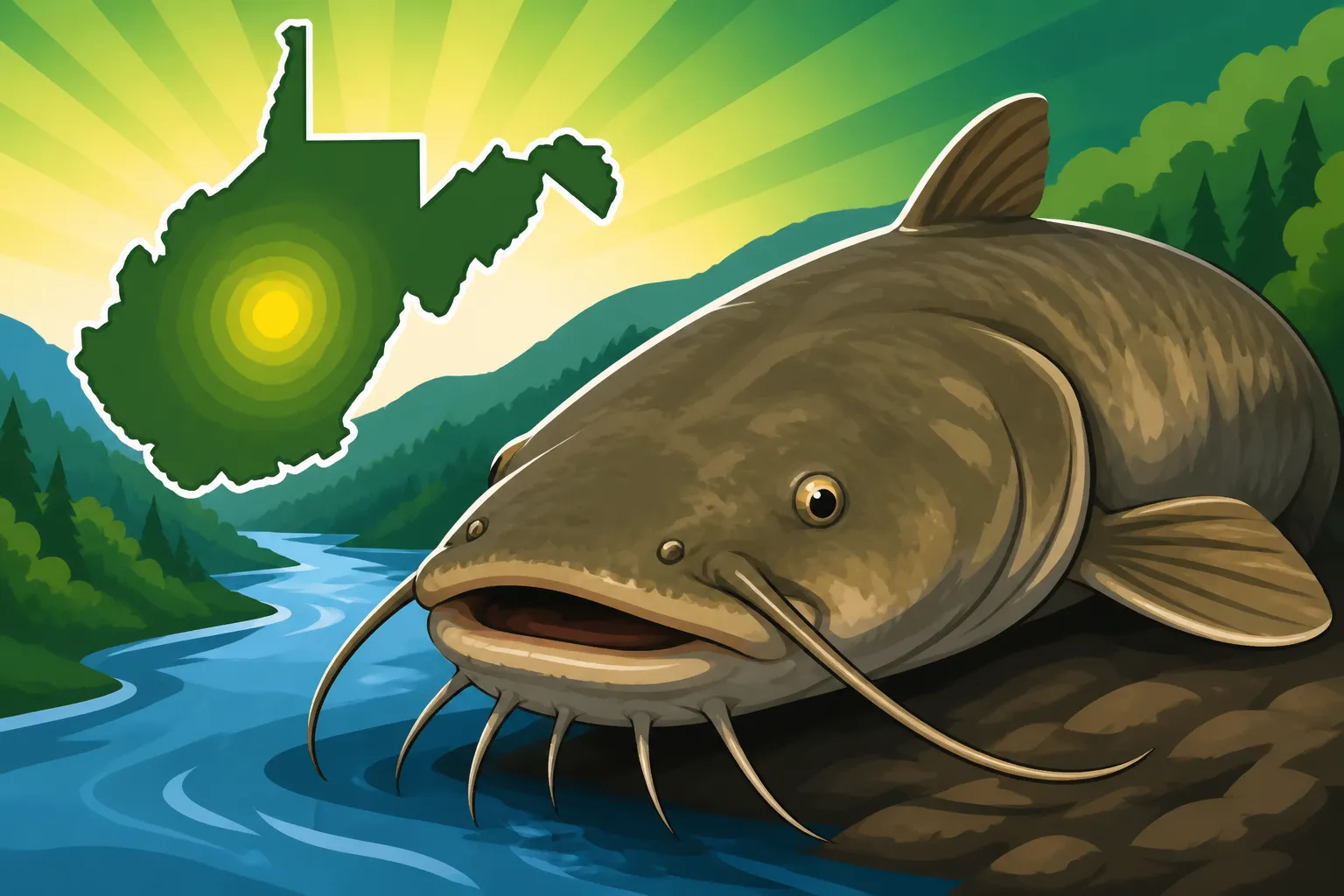
Where flathead catfish get the biggest in West Virginia
There's nothing quite like the raw, brute power of a truly massive flathead catfish on the end of your line, a fish that can feel like you've hooked a submerged log that suddenly decides to fight back with all its might. For many anglers, the dream isn't just catching a flathead, but a genuine trophy – one that pushes the scales and might even make the record books. If you're tired of just pulling in average 'cats' and are wondering where in West Virginia these elusive river monsters grow to their most impressive sizes, then this guide is for you. We're going to dive deep into the prime territories where the Mountain State's biggest flatheads roam, helping you focus your efforts on the waters most likely to yield that dream catch.
Understanding the Flathead Catfish Phenomenon in West Virginia
Before we talk about where to find the biggest flatheads, it's crucial to understand what makes them tick and why certain environments allow them to reach such incredible sizes. Flathead catfish (Pylodictis olivaris) are distinct from their channel and blue catfish cousins in many ways, and these differences directly impact where you'll find the giants. They are solitary, ambush predators that prefer live prey, and they are incredibly habitat-specific. Unlike channels that might school up and eat almost anything, a flathead is a territorial hunter that needs a specific kind of home to thrive and grow.
The Nature of a True Apex Predator
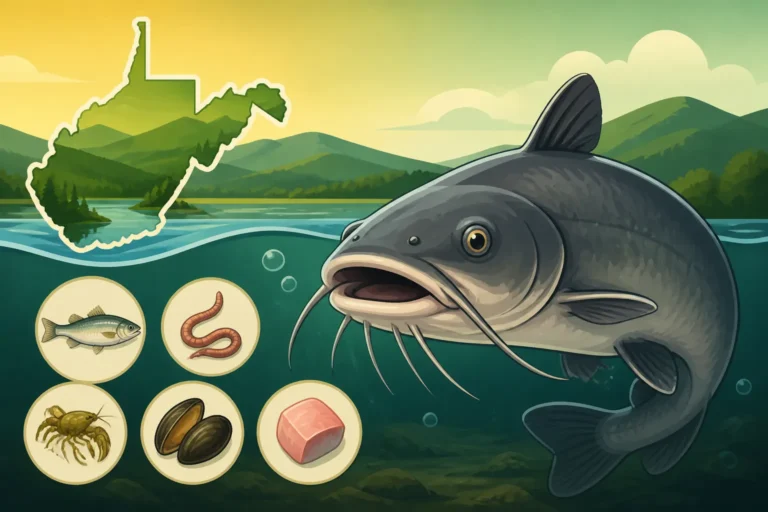
Flatheads are the apex predators of many river systems, feeding primarily on live fish like sunfish, carp, suckers, and shad. This diet of protein-rich, living prey is a major factor in their potential for massive growth. They aren't scavengers in the way many imagine catfish to be; they are calculated hunters who prefer to lie in wait in heavy cover and ambush their meals. This means that waters with an abundance of large, healthy baitfish populations are essential for growing monster flatheads. A river teeming with gizzard shad or robust carp is a buffet for a growing flathead.
Moreover, their solitary nature means they aren't often found in large groups. You might catch several channel catfish from one hole, but a trophy flathead often claims a prime piece of real estate all to itself. This dominance over a territory also contributes to its size, as it doesn't have to compete as intensely for food resources within its chosen domain. Knowing this helps us narrow down potential big fish spots – look for places where a single, dominant fish could comfortably live and hunt without much competition.
Why Habitat is Everything for Giant Flatheads
For a flathead to become truly colossal, it needs more than just a plentiful food source; it needs the right kind of structure and environment for survival and growth over many years. Flatheads are long-lived fish, and reaching a state record size takes decades. This means they need stable, undisturbed habitats where they can age gracefully, avoid predators (not many, once they're big!), and withstand environmental changes.
They gravitate towards deep, slow-moving water, especially areas with significant current breaks. Think deep scour holes, submerged log jams, rock piles, bridge pilings, and old submerged timber. These structures provide excellent ambush points, protection from strong currents, and a sense of security. Without this heavy, stable cover, a flathead simply won't feel comfortable enough to stake its claim and grow to its maximum potential. These areas also tend to hold the baitfish they prey upon, creating a perfect hunting ground. The more complex and diverse the underwater structure, the better the odds of finding a flathead that has called that spot home for years.
The Prime West Virginia Waters for Trophy Flatheads
When you're dreaming of tangling with a flathead that could rival the West Virginia state record flathead catfish weight, you really need to set your sights on a few specific river systems in the Mountain State. While smaller flatheads can be found in many West Virginia waterways, the true giants, the ones that weigh upwards of 40 or 50 pounds and beyond, are concentrated in a handful of environments that offer everything a flathead needs to become a true behemoth.
The Mighty Ohio River: A Flathead Paradise
Without a doubt, the Ohio River is the premier destination in West Virginia for targeting truly gargantuan flathead catfish. This massive river system, forming the western border of our state, is a legendary flathead fishery, known for producing some of the biggest specimens in the entire country, not just West Virginia. The reasons are multifaceted and perfectly align with what we know about trophy flathead biology. You can find more specific details in Flathead Catfish in the Ohio River.
The Ohio River boasts immense depth, with numerous deep holes, troughs, and scour points created by years of powerful current and navigation lock and dam systems. These structures concentrate baitfish and provide perfect ambush points for flatheads. The river also has an incredible abundance of large forage fish, including various carp species, suckers, and drum, which provide the high-calorie diet necessary for exponential growth. Furthermore, the sheer volume of water and the extensive amount of submerged structure—old barges, rip-rap, timber, and debris from centuries of human activity and natural processes—create countless prime territories for flatheads to claim as their own. Anglers often find that some of the biggest fish are found around these man-made structures and natural deep bends in the river.
The Kanawha River: A Hidden Gem for Giants
Flowing through the heart of West Virginia, the Kanawha River, particularly its lower stretches as it approaches the Ohio, is another exceptional fishery for large flathead catfish. While it might not have the sheer scale of the Ohio, the Kanawha offers similar characteristics that make it ideal for growing big 'cats.' It's a large, navigable river with significant depth in many areas, particularly around lock and dam structures and industrial areas.
The river's bottom is often rich with snags and debris, providing the critical cover flatheads demand. It also supports a healthy population of various baitfish, ensuring a consistent food supply. Anglers who consistently target the Kanawha often report impressive catches, with flatheads easily exceeding the 30-pound mark. The key here, similar to the Ohio, is to focus on the deep current breaks and heavy structure. The confluence with the Ohio River can be particularly productive, as fish move between the two systems, often congregating in these rich feeding grounds. Knowing Channel Catfish Habits in West Virginia Rivers might help you differentiate your targets, as both species thrive here.
Other Promising River Systems and Reservoirs
While the Ohio and Kanawha rivers are the top contenders, other waters in West Virginia can certainly produce impressive flatheads, though perhaps not with the same consistency or sheer size potential. Rivers like the New River, especially its deeper, slower pools, can hold trophy-sized flatheads, though they might be harder to pinpoint in this more rugged, less developed river system. Tributaries entering the Ohio and Kanawha, particularly near their confluences, can also act as highways for larger fish.
When considering reservoirs, it's important to remember that flatheads prefer riverine environments. However, certain large reservoirs, particularly those with significant river channels running through them, can support substantial flathead populations. Lakes like Summersville Lake, with its deep water and strong forage base, might produce some large flatheads, especially in the areas most resembling river channels. However, these are often secondary to the main river systems for truly immense specimens. For general Catfish Fishing in West Virginia, these might be good spots, but for the biggest flatheads, stick to the main rivers.
| West Virginia Waterway | Primary Characteristics for Big Flatheads | Typical Size Range (Angler Reports) |
|---|---|---|
| Ohio River | Immense depth, abundant baitfish, heavy structure (natural & man-made), navigation dams | 20-60+ lbs, potential for state records |
| Kanawha River | Deep channels, strong current breaks, good baitfish, extensive snags, industrial structures | 15-50 lbs, frequent large catches |
| New River | Deep, slow pools, natural rock structure, good forage in certain sections | 10-40 lbs, less common trophy reports |
| Large Reservoirs | Riverine characteristics, deep channels, substantial baitfish | 10-30 lbs, less consistent for giants |
Factors That Contribute to Flathead Catfish Reaching Giant Proportions
It's not just the presence of a river; it's a perfect storm of environmental conditions that allows a flathead catfish to grow from a small fingerling to a genuine heavyweight champion. These factors are crucial to understand because they help you think like a flathead and identify the micro-environments within the larger river system where these monsters are most likely to live.
Abundant and Large Food Sources
We've touched on this, but it bears repeating: flatheads need a lot of food, and they prefer live food. The bigger the flathead, the bigger its meals need to be. A 50-pound flathead isn't going to spend its energy chasing tiny minnows; it's looking for a substantial meal. Rivers like the Ohio and Kanawha are teeming with large baitfish such as gizzard shad, carp, and various species of suckers and drum. These fish provide the caloric intake necessary for a flathead to gain significant weight over time.
Consider the dynamic of a deep hole with a strong current break. This spot naturally collects debris and provides cover for smaller baitfish. The flathead, lurking in the shadows, has a steady supply of unwitting prey drifting or swimming by. This consistent access to large, easy meals, without expending too much energy in pursuit, is fundamental to a flathead's ability to maximize its growth. Anglers targeting big flatheads often use substantial live baits like whole bluegills, large shiners, or even small carp, mimicking what these giants naturally feed on. Understanding What flathead catfish eat is key to selecting the right bait.
Ideal Habitat and Longevity
Flathead catfish are built for long-term residency. They can live for decades, often exceeding 20 years, with some specimens living much longer. To achieve these venerable ages, they need incredibly stable and protective habitats. A juvenile flathead might survive in less ideal conditions, but to reach trophy size, it needs a safe, permanent home.
Deep holes, extensive log jams that create impenetrable fortresses, large rock formations, and undercut banks provide perfect sanctuaries. These spots offer protection from harsh currents, extreme temperatures, and any potential disturbance. A flathead in its prime likely has a well-established territory around such a feature, using it as a base from which to ambush prey. The long-term presence of these undisturbed, food-rich structures means a flathead can simply settle in, grow old, and grow big. These areas also provide critical resting spots after a big meal, allowing the fish to digest and conserve energy.
Water Quality and Management Practices
While often overlooked by casual anglers, water quality plays a significant role in the overall health and growth potential of any fish species, including flatheads. Rivers with good oxygen levels, stable temperatures, and minimal pollution allow fish to thrive without undue stress. West Virginia has made great strides in improving water quality in many of its major rivers, which in turn supports healthier fish populations and larger individual specimens.
Furthermore, responsible fishing practices and regulations contribute to the presence of large, older fish. Catch-and-release, especially for trophy-sized fish, helps ensure that these genetics and large individuals remain in the population to continue spawning and providing exciting angling opportunities for others. While flatheads are delicious, releasing the largest ones ensures the future of the fishery. State agencies regularly monitor fish populations, and their efforts in managing river ecosystems, even if not directly "stocking" flatheads, certainly contribute to an environment where these fish can reach their full potential.
Tips for Targeting West Virginia's Monster Flatheads
Now that you know where the biggest flatheads generally reside and why they get so large in those specific locations, it's time to briefly consider how you might approach catching one. Targeting these behemoths requires a specialized approach, one that leans into their predatory nature and preference for deep, structured environments.
Gear Up for Giants
You simply cannot go after a 50-pound fish with panfish gear. If you’re serious about landing a trophy flathead, you need heavy-duty tackle. This means robust rods, often in the 7 to 9-foot range with heavy or extra-heavy power ratings, capable of handling significant weight and absorbing powerful runs. Your reel should be a baitcasting model with a strong drag system and ample line capacity, spooled with 50 to 80-pound braided line, or even heavier for extreme conditions. Many anglers seeking top-tier gear for these battles will often browse online retailers like Amazon for specialized saltwater-grade reels or heavy catfish rods built to withstand brutal fights. A heavy fluorocarbon or monofilament leader, usually 50 to 100-pound test, is essential for abrasion resistance against sharp rocks and submerged timber. And, of course, large, stout circle hooks (8/0 to 12/0) are a must for presenting large live baits and ensuring a solid, mouth-corner hookset.
Beyond rod and reel, don't forget the accessories. A sturdy rod holder to keep your rod secure while you wait, a powerful headlamp for night fishing, and a robust landing net or a heavy-duty set of lip grips designed for large fish are indispensable. You'll also need heavy weights (often 3-8 ounces or more, depending on current) to keep your bait pinned to the bottom in deep, flowing water.
Nighttime is the Right Time
Flatheads are primarily nocturnal hunters. While you can catch them during the day, your chances of hooking a true giant significantly increase after the sun goes down. Under the cover of darkness, these secretive predators become much more active, leaving their daytime lairs to roam and hunt. This makes night fishing not just a preference, but a strategic necessity for targeting the biggest fish. Best night fishing spots for catfish in West Virginia are often the very same deep, structured areas that hold fish during the day, but at night, the flatheads are on the prowl.
When fishing at night, safety is paramount. Always tell someone where you're going, bring plenty of light sources, and be aware of your surroundings, especially on large rivers with boat traffic. Focus on setting up your baits near known structure – log jams, rock piles, or deep holes – where flatheads are likely to be cruising. Fresh, live bait, such as a vigorous bluegill, green sunfish, or large shiner, is almost always the most effective offering. This is where topics like Best bait for flathead catfish at night become incredibly relevant.
Precise Bait Placement and Patience
Unlike active lure fishing, flathead fishing is often a game of patience and precision. You need to get your live bait right into the strike zone – that deep hole, the edge of that log jam, or tight against that bridge piling. A boat equipped with a quality fish finder can be invaluable for locating these specific structures and depths. Once you've identified a promising spot, cast your bait upstream of the target area, allowing the current to carry it naturally into position. Your heavy weight will help hold it there.
Flathead bites can range from a subtle tap to a rod-bending thud that almost pulls the rod out of the holder. Resist the urge to set the hook immediately if you're using circle hooks; allow the fish to take the bait and swim off, letting the line tighten and the circle hook do its job, usually resulting in a perfect hookset in the corner of the mouth. Patience is your best friend when Bottom Fishing for Catfish in West Virginia Rivers; these fish aren't always in a hurry. Be prepared for long waits, but know that when that rod bends, it's almost certainly a worthwhile fish.
Disclaimer
This article is for general informational purposes only and does not constitute professional advice. Laws, prices and regulations vary by location and change over time. Consult a qualified professional for guidance on your specific situation.