What channel catfish eat in West Virginia lakes
There’s nothing quite as frustrating as heading out to your favorite West Virginia lake, excited to reel in some feisty channel catfish, only to find yourself struggling to get a bite. Sometimes, the problem isn't your spot or your technique, but simply not offering them what they're actually craving. This guide is all about peeling back the curtain on the diverse diet of channel catfish in our beautiful Mountain State lakes, helping you understand their natural food sources so you can pick the best baits and boost your success.
Understanding the Channel Catfish Diet in West Virginia Lakes
Channel catfish are often described as the vacuum cleaners of the aquatic world, and honestly, it's a pretty accurate nickname! They're not picky eaters, which is one of the reasons they're so widely distributed and popular among anglers. But calling them "not picky" doesn't mean they'll eat just anything. It means they're highly adaptable, taking advantage of whatever food sources are most readily available and easiest to catch in their specific environment. In West Virginia's numerous lakes, this means their menu is surprisingly varied, evolving with the seasons and the specific characteristics of each body of water.
Opportunistic Predators and Scavengers
Think of a channel cat as a culinary opportunist. They aren't going to turn their nose up at a dead shad floating by, but they're also perfectly capable of chasing down a school of minnows. Their primary mode of feeding is often cruising the bottom, using their highly sensitive barbels to detect food through touch and smell in murky waters or at night. This makes them incredibly efficient at finding meals that other fish might miss. They're not just waiting for food to come to them; they're actively searching, probing through mud and debris, sniffing out anything that smells like a meal. This behavior is key to their survival and why they thrive in such diverse habitats across West Virginia.
While their scavenging habits are well-known, it's a mistake to think of them only as bottom feeders. They will absolutely rise in the water column to snatch an insect off the surface or intercept a passing school of baitfish. In fact, some of the most exciting catfish bites happen when they're actively hunting in open water. It truly underscores their versatility.
Natural Prey Items
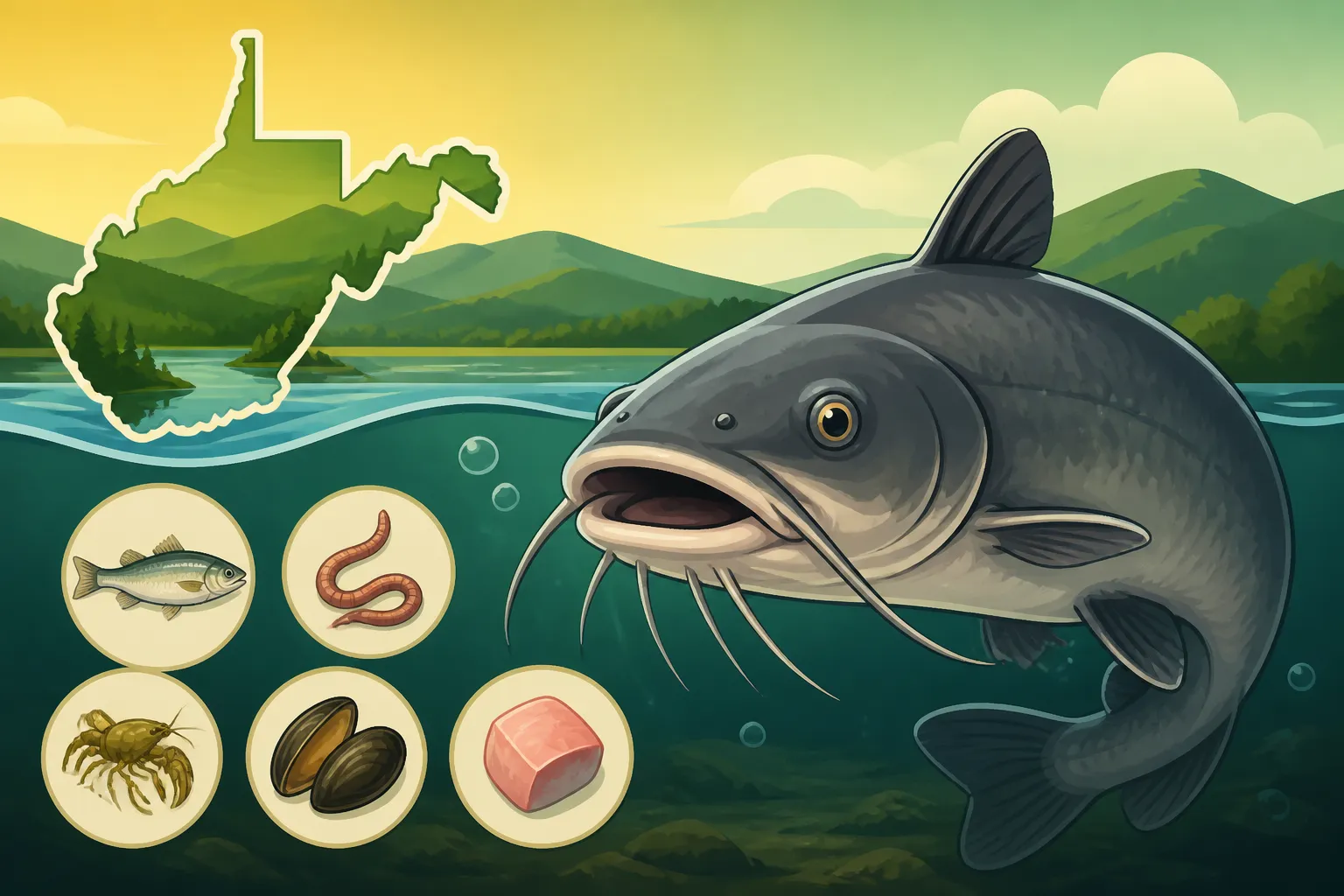
When we talk about what channel catfish naturally eat in West Virginia lakes, we're talking about a smorgasbord of aquatic life. Their diet is rich with protein and nutrients, supporting their impressive growth rates.
- Small Fish: This is a big one. Young sunfish, minnows, shad, and even juvenile crappie or bass are all on the menu. If it's small enough to fit in their mouth and swims erratically, a channel cat will likely try to eat it. They often target slower, weaker, or injured fish, making them a vital part of the lake's ecosystem, helping to keep other fish populations healthy by culling the weak.
- Insects and Larvae: From the tiny larvae living in the lake bed to larger insects that fall into the water, catfish consume a vast array of bugs. Mayfly nymphs, dragonfly larvae, and even terrestrial insects like grasshoppers and crickets that end up in the water are fair game. This is especially true in shallower areas or around weed beds where insect populations are dense.
- Crustaceans: Crayfish are like candy to a channel catfish. These bottom-dwelling creatures are abundant in many West Virginia lakes and provide a significant food source. Catfish will actively root them out from under rocks and logs. Other smaller crustaceans, like freshwater shrimp, also get slurped up.
- Worms and Other Invertebrates: Earthworms, leeches, and other segmented worms are easily found in the lake bed and are a common part of their diet. Their keen sense of smell helps them pinpoint these tasty treats even when buried in the mud.
- Mollusks: Small mussels and snails, though less common as a primary food source, can also be consumed, especially if they are abundant and easy to crack open.
- Detritus and Decaying Matter: And, of course, the classic "scavenger" diet. Decaying plant matter, dead fish, and other organic debris provide a consistent food source, particularly in deeper, less oxygenated areas or after events like large fish die-offs. This makes them crucial cleanup crew members in our lakes.
Seasonal Dietary Shifts
Just like our own appetites change with the seasons, so do those of channel catfish. This is where understanding their diet becomes really practical for anglers.
- Spring (Post-Spawn Craving): After the cold winter and the energy-intensive spawning period, channel cats are often ravenous. They're looking for easily digestible, high-protein meals to recover. This is often when you'll find them gorging on new hatches of insects, young baitfish, and anything else they can get their mouths on. Water temperatures are rising, their metabolism is speeding up, and they're actively feeding. You might find them in shallower areas where the water warms first and baitfish are more active.
- Summer (Active and Abundant Food): Summer offers an abundance of food. Baitfish are schooling, insect hatches are common, and crayfish are out and about. Catfish are generally very active during the warmer months, often feeding heavily at night or during low light conditions in deeper, cooler water, but they will certainly feed all day if conditions are right. Their diet is at its most diverse now, as everything is active.
- Fall (Bulking Up for Winter): As water temperatures start to drop, channel catfish, much like other fish, begin to "bulk up" for the leaner winter months. They'll be feeding aggressively, often targeting larger baitfish and crayfish to store fat reserves. They might be found in transition areas, moving between shallow feeding flats and deeper wintering holes. This can be a prime time for trophy cats.
- Winter (Slow Metabolism): In the coldest months, their metabolism slows significantly. They feed much less frequently and typically prefer baits that are easy to find and don't require much energy to consume. Often, they'll congregate in deeper holes, and a slowly presented, pungent bait can still entice a strike. This is where the truly opportunistic nature shines through; they're not actively hunting as much as just grabbing a meal if it presents itself right in front of them. Understanding their Best techniques for winter catfish can really pay off during these tougher months.
Common Food Sources in West Virginia's Aquatic Ecosystems
West Virginia's lakes, from the large reservoirs like Summersville Lake and Bluestone Lake to smaller impoundments, all offer unique ecosystems that influence what channel catfish will eat. But there are some universal food categories that consistently feature on a channel cat's plate. Knowing these can guide your bait selection and fishing strategy.
The Role of Baitfish
Baitfish are a cornerstone of the channel catfish diet in almost any lake. They are a readily available, high-energy food source. In West Virginia, this primarily includes:
- Minnows: Various species of minnows are ubiquitous in our lakes and are a constant food source for catfish of all sizes. They're easy for catfish to ambush, especially when they're schooling or isolated.
- Shad: Gizzard shad and threadfin shad are prevalent in many larger West Virginia lakes. These oily baitfish are extremely attractive to catfish, offering a rich meal. When shad schools are present, catfish will often follow them, moving higher in the water column to feed. Anglers who can locate these shad schools will often find the catfish close behind.
- Juvenile Panfish/Bass: Small bluegill, sunfish, and even young bass are frequently preyed upon by larger channel catfish. These small fish often inhabit weed beds and submerged structures, areas where catfish also like to patrol for meals. Offering a lively bluegill or a piece of cut sunfish can be a killer bait for bigger cats.
Invertebrate Buffet
While baitfish might be the flashier meal, the silent heroes of the channel cat diet are invertebrates. They make up a huge portion of their caloric intake, especially for smaller to medium-sized catfish.
- Crayfish: Without a doubt, crayfish are a prime food source. They're abundant in rocky areas and near submerged timber, places where channel cats love to hang out. Catfish will actively hunt for them, using their barbels to navigate the bottom. The smell of a crushed crayfish is almost irresistible to a hungry cat. Many anglers swear by crayfish-imitating baits, both live and artificial, for their effectiveness.
- Aquatic Insects: The larval and adult forms of insects like mayflies, caddisflies, dragonflies, and midges are constantly being consumed. When these insects hatch, they can create a massive, easy-to-grab food source that catfish will gorge on. If you've ever seen a fish "boiling" on the surface during a hatch, it's not always a bass or a trout; it could easily be a channel cat taking advantage of the bounty.
- Worms and Leeches: These squiggly creatures are a staple. They're easy to find in the soft bottom of lakes and are packed with protein. Catfish's excellent sense of smell makes them perfectly suited to locating worms, even in the darkest, murkiest conditions. That's why common earthworms, nightcrawlers, and even artificial worm baits are so effective.
- Other Small Organisms: Don't forget about the microscopic world. Various zooplankton and other tiny aquatic organisms contribute to the diet, especially for very young catfish. As they grow, they graduate to larger prey, but the invertebrate buffet remains a significant part of their sustenance.
Plant Matter and Detritus
This is where the "scavenger" reputation truly comes into play. Channel catfish are not vegetarians, but they do consume plant matter and detritus. This isn't usually their preferred food, but it's a critical component of their diet, especially when other food sources are scarce or hard to find.
- Decaying Vegetation: Bits of leaves, algae, and other plant debris often contain small organisms or nutrients that catfish can process. They're not actively grazing, but rather inhaling whatever is in the substrate, and plant matter comes along for the ride.
- Organic Detritus: This refers to non-living organic material. Think dead fish, fish scales, insect carcasses, and other bits of organic "junk" that accumulate on the lake bed. Catfish are nature's clean-up crew, and this detritus provides a baseline food source. Their ability to digest this material helps keep West Virginia's lakes cleaner and cycles nutrients back into the ecosystem. This also explains why strong-smelling, decaying baits are often so effective for them. It mimics exactly what they're used to finding.
How Anglers Can Mimic Natural Food Sources for Success
Knowing what channel catfish naturally eat is only half the battle. The real trick is translating that knowledge into effective bait choices and fishing techniques. We want to present something that looks, smells, or feels like a familiar meal to a hungry catfish. This is where the fun part comes in – experimenting and seeing what works best in different West Virginia lakes! If you're looking for more general information, our guide on Catfish Fishing in West Virginia offers a great overview.
Selecting Baits That "Match the Hatch"
"Matching the hatch" isn't just for fly fishermen chasing trout. It applies to catfish, too! Thinking about what's naturally available in the lake you're fishing can drastically improve your odds.
- Live Baits: These are often the absolute best way to "match the hatch" because they are the hatch.
- Minnows: Live minnows are fantastic, especially for larger channel cats that are keying in on baitfish. Present them on a simple hook and sinker rig, allowing them to swim freely. You can often buy these at local bait shops or catch them yourself.
- Bluegill/Sunfish: Small live sunfish (check your local regulations for size and species restrictions, as well as if you can use game fish as bait) are irresistible to big catfish. Hooked through the back or lips, they present a struggling, easy meal.
- Crayfish: Live crayfish are gold. Hook them through the tail and let them crawl on the bottom. The natural movement and scent are incredibly effective. You can often find these under rocks in shallow areas of the lake or stream.
- Worms: Nightcrawlers are a classic for a reason. Their natural scent and wiggling action are hard for any catfish to resist. A big ball of nightcrawlers on a hook often out-produces single worms. You can find excellent quality worms, often delivered right to your door, through retailers like Amazon.
- Cut Baits: When fish are part of the natural diet, cut bait works wonders, especially if you want to amplify the scent.
- Shad: If the lake has shad, cut shad is often king. Its oily flesh releases a potent scent trail that catfish can detect from a distance. Use a chunk of shad or even a whole small shad if permitted. This is especially effective in summer.
- Sucker/Carp: These fish also make excellent cut bait due to their oiliness and strong scent. Cut them into strips or chunks that fit your hook size.
- Prepared Baits: These baits are designed specifically to attract catfish with powerful smells and flavors that mimic decaying organic matter or concentrated food sources.
- Stink Baits: There's a reason these are so popular. They are formulated with ingredients that replicate the strong, often pungent odors that catfish associate with food. They come in various forms: dough balls, dips, and punch baits. Brands like Catfish Charlie and Sonny's are well-known in West Virginia. Just be prepared for the smell!
- Blood Baits: Dried or fresh blood is a potent attractant. Many commercial stink baits incorporate blood, but you can also make your own by letting animal blood (often chicken or beef) sit and "ripen" slightly.
- Chicken Livers: A time-tested favorite. They're soft, bloody, and incredibly smelly. The key is to keep them on the hook, sometimes using small pieces of pantyhose or thread to secure them.
Understanding Seasonal Bait Preferences
Just as their natural diet shifts, so too should your bait choices throughout the year in West Virginia lakes.
- Spring: After the long winter, catfish are seeking easy protein. Live minnows, nightcrawlers, and cut shad are excellent choices. They're often in shallower, warming water, so present baits closer to the banks or in coves.
- Summer: The peak feeding season. This is when almost anything can work. Live bait like bluegill or crayfish are fantastic for bigger cats. Cut bait, particularly shad, is highly effective, especially in deeper water or at night. Stink baits and prepared baits also shine during summer, drawing fish in with their potent aroma. Check out tips for Best bait for channel catfish in summer for more specific advice.
- Fall: Catfish are aggressively feeding to build fat reserves. Focus on larger live baits like minnows and sunfish, and substantial pieces of cut bait. Crayfish are also a prime target as they become less active and easier to catch. Look for catfish moving into deeper transition areas.
- Winter: Metabolism is slow, so presentation needs to be slow. Smaller, potent baits are often best. Smaller pieces of cut bait, nightcrawlers, or a compact, smelly dough bait presented right on the bottom in deep holes can entice lethargic catfish. Our guide on Best techniques for winter catfish can offer more nuanced strategies.
Presentation Matters
It's not just what you offer them, but how you offer it. Channel catfish spend a lot of time on or near the bottom, so many effective presentations focus there.
- Bottom Rigs: A simple Carolina rig or a three-way swivel rig keeps your bait on the bottom, where catfish are typically searching. A sliding sinker rig (Carolina rig) allows the fish to pick up the bait without feeling the weight of the sinker, giving you a better chance to set the hook. This is often the go-to method for these fish. If you want to dive deeper into rigging, our article on Best rig for bottom fishing catfish on the Ohio River offers great insights, even for lake fishing.
- Slip Bobbers: While less common for bottom-dwelling catfish, slip bobbers can be excellent when targeting fish suspended over structure or when they are actively feeding higher in the water column, perhaps on baitfish or during a strong insect hatch. This allows you to precisely control the depth of your bait.
- Drifting: On larger West Virginia lakes, drifting with the wind or current can cover a lot of water, allowing your bait to present naturally to actively cruising catfish. This is particularly effective with live or cut bait.
- Still Fishing: Anchoring up on a known hotspot – a channel, a drop-off, or an old creek bed – and letting your bait sit can be incredibly effective, especially if you're using a strong-smelling prepared bait that can draw fish in. This is also a good approach for night fishing for catfish.
Environmental Factors Influencing Catfish Feeding
Beyond the obvious food sources, several environmental factors in West Virginia's lakes play a huge role in when and how channel catfish feed. Being aware of these elements can give you a significant edge, helping you predict catfish behavior and adjust your tactics accordingly.
Water Temperature and Metabolism
Water temperature is perhaps the single most influential factor affecting a channel catfish's feeding activity. As cold-blooded creatures, their metabolism is directly tied to the water temperature around them.
- Warm Water (Summer): In the warmer months, roughly 70-85°F (21-29°C), catfish metabolism is high. They need to eat frequently and actively to sustain themselves. This is when they are most aggressive and will travel widely to find food. You'll find them cruising channels, moving up onto flats, and generally being very active, especially in low light or at night. They'll readily hit a wide variety of baits during this time.
- Cool Water (Spring/Fall): During the transition periods of spring and fall, when temperatures are between 50-70°F (10-21°C), catfish activity is still strong. They're either coming out of winter sluggishness with a hunger or bulking up for the colder months. They might be found in shallower, warming areas in spring, or deeper transition zones in fall as they prepare for winter. Their feeding is still quite active, but they might be a bit more selective, looking for nutrient-rich meals.
- Cold Water (Winter): Once water temperatures drop below 50°F (10°C), especially below 40°F (4°C), a catfish's metabolism slows significantly. They become sluggish and feed much less frequently. They'll conserve energy by congregating in deep holes, slack water, or near thermal refuges. During this time, the key is to present baits slowly, directly to them, and rely on strong scents to entice a strike rather than active hunting. It's a game of patience and precision.
Water Clarity and Scent vs. Sight
Channel catfish possess an incredible sense of smell and touch, thanks to their barbels and chemoreceptors distributed across their body. This allows them to thrive in conditions where other predatory fish struggle, like murky water.
- Turbid or Muddy Water: In West Virginia lakes, especially after heavy rains, water can become quite turbid. This is prime catfish territory! With reduced visibility, their other senses become paramount. They rely heavily on scent and vibration to locate food. This is when strong-smelling baits – stink baits, cut baits, chicken livers – are at their most effective. A powerful scent trail can lead a catfish right to your hook, even if they can't see it.
- Clear Water: In very clear lakes or during periods of calm weather when the water settles, catfish can use their eyesight more effectively. While scent is still important, presentation might need to be more subtle. Lighter lines, less obtrusive rigs, and baits that look very natural (like live minnows or crayfish) can be more effective. In clear water, they might also be more wary, making a stealthy approach important. Think about how well you can see them, and assume they can see you and your gear just as well, if not better.
Habitat and Available Forage
The specific habitat features of a West Virginia lake directly influence the type and abundance of natural forage available to channel catfish.
- Deep Channels and River Bends: Many West Virginia lakes are actually impoundments of rivers, so they retain deep channels and old riverbeds. These areas are magnets for catfish, offering cooler, often deeper water, and serving as natural travel corridors. They're also excellent places for detritus and other organic matter to settle, attracting scavenger catfish.
- Submerged Structure (Timber, Rocks, Humps): Any type of submerged structure provides cover, ambush points, and habitat for baitfish and invertebrates. Catfish will patrol these areas, looking for easy meals. Fallen trees, rock piles, ledges, and humps are all excellent spots to target. Crayfish, a favorite food, are often found in abundance around rocky areas.
- Weed Beds and Aquatic Vegetation: While catfish aren't typically "weed fish" like largemouth bass, they will forage around the edges of weed beds. These areas are teeming with insect larvae, small minnows, and other invertebrates, especially in the warmer months. They offer a buffet that catfish are more than willing to explore.
- Inflows and Outflows: Areas where creeks or rivers flow into a lake, or near dam spillways, can concentrate food. Moving water often dislodges insects and baitfish, creating an easy feeding opportunity for catfish waiting downstream. Rain events, in particular, can wash terrestrial food sources into the lake, attracting catfish to these inflow areas.
By considering these environmental factors, anglers can not only choose the right bait but also decide when and where to present it for the best chance of success. It's all about thinking like a catfish and understanding their world beneath the surface of West Virginia's beautiful lakes.
| Natural Food Source | Common Angler Baits/Methods | Optimal Season/Conditions |
|---|---|---|
| Small Baitfish | Live Minnows, Cut Shad/Sucker | All year, especially summer/fall. Clearer water, active hunting. |
| Crayfish | Live Crayfish, Shrimp, Crayfish-scented baits | Spring, Summer, Fall. Rocky bottoms, near structure. |
| Worms/Leeches | Nightcrawlers, Earthworms, Prepared Worm Baits | All year. Post-rain, muddy bottoms. |
| Aquatic Insects | Small pieces of dough bait, Worms | Spring/Summer hatches. Shallow water, near vegetation. |
| Decaying Organic Matter | Stink Baits, Chicken Livers, Cut Bait | All year, especially muddy water, slow metabolism (winter). |
Disclaimer
This article is for general informational purposes only and does not constitute professional advice. Laws, prices and regulations vary by location and change over time. Consult a qualified professional for guidance on your specific situation.