What fish species live only in West Virginia rivers
When you think about the wild and wonderful waters of West Virginia, it's natural to wonder about the creatures that call them home. Many of us have spent countless hours fishing our favorite streams and rivers, perhaps catching a familiar smallmouth or a feisty trout. But have you ever stopped to consider if there are any fish species that are truly unique to our state, found nowhere else on Earth? It's a fascinating question, and the answer isn't always as simple as it seems. This guide will dive deep into the concept of endemic fish, explore the few species that truly embody this rarity in West Virginia, and explain why our rivers are such special places for aquatic biodiversity.
Understanding "Endemic" in West Virginia's Waters
The idea of a species living "only" in a specific place is incredibly compelling. It speaks to a unique evolutionary history and a very particular set of environmental conditions. In the context of West Virginia's rivers, this is a high bar, but one that a select few incredible fish manage to clear.
What Truly Defines an Endemic Species?
When biologists talk about an "endemic" species, they mean an animal or plant that is native to a particular geographic region and found exclusively there. It's a species whose entire natural range is confined to that single area – be it an island, a mountain range, a specific lake, or in our case, a river system. The key here is "exclusively." If a fish is found in West Virginia and also in a neighboring state, even if it's just a tiny sliver of that state, it's not considered endemic to West Virginia alone.
The conditions that lead to endemism are often a fascinating mix of geographic isolation and unique habitat features. Imagine a species that evolved over millennia in a specific river basin, adapting perfectly to its water chemistry, temperature, and substrate. If that basin remains isolated from other similar habitats by geological features like mountains, waterfalls, or even ancient continental shifts, the species can evolve in its own bubble, leading to unique characteristics not seen anywhere else. This makes endemic species incredibly vulnerable; if their specific, limited habitat is disturbed or destroyed, they have no other place to go, putting them at high risk of extinction.
Why West Virginia is Special for Aquatic Life
West Virginia, with its rugged Appalachian landscape, boasts a remarkable diversity of aquatic habitats that contribute to its rich fish fauna. We have the ancient New River, one of the oldest rivers on the continent, cutting its way through rock formations that have been around for eons. Then there's the vast Ohio River drainage, which flows westward, contrasting with the eastern-flowing Potomac River system. Each of these major drainages, and the countless smaller streams and tributaries within them, offers unique conditions.
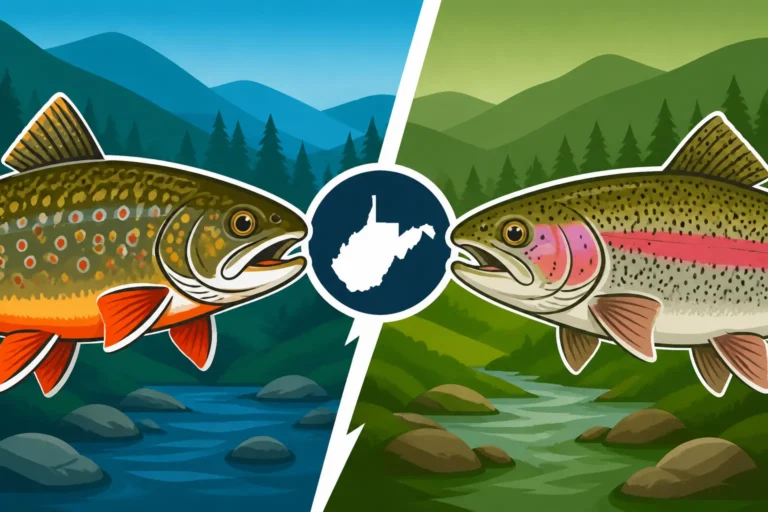
Our state's geology plays a huge role. From the high-elevation, cold-water streams in the Monongahela National Forest, perfect for Brook Trout: West Virginia's Native and State Fish, to the warmer, slower stretches of rivers like the Kanawha, the variety is immense. This mosaic of habitats has allowed different fish species to specialize and thrive. The sheer complexity of our waterways, with their riffles, runs, pools, and varying substrates, provides niches for a multitude of aquatic organisms. This biological richness makes West Virginia a hotspot for scientific discovery and conservation, particularly when we start looking for those truly unique inhabitants.
The Elusive "Only in West Virginia" Species
Finding a fish species that only lives in West Virginia is like finding a needle in a haystack, but a beautiful, iridescent needle at that. Scientists are constantly refining our understanding of species distribution, and what might once have been thought to be endemic can sometimes be found in a previously undocumented location. However, based on current understanding, there are a couple of darters that come remarkably close, with one truly meeting the strict definition.
The Diamond Darter: A True West Virginia Rarity
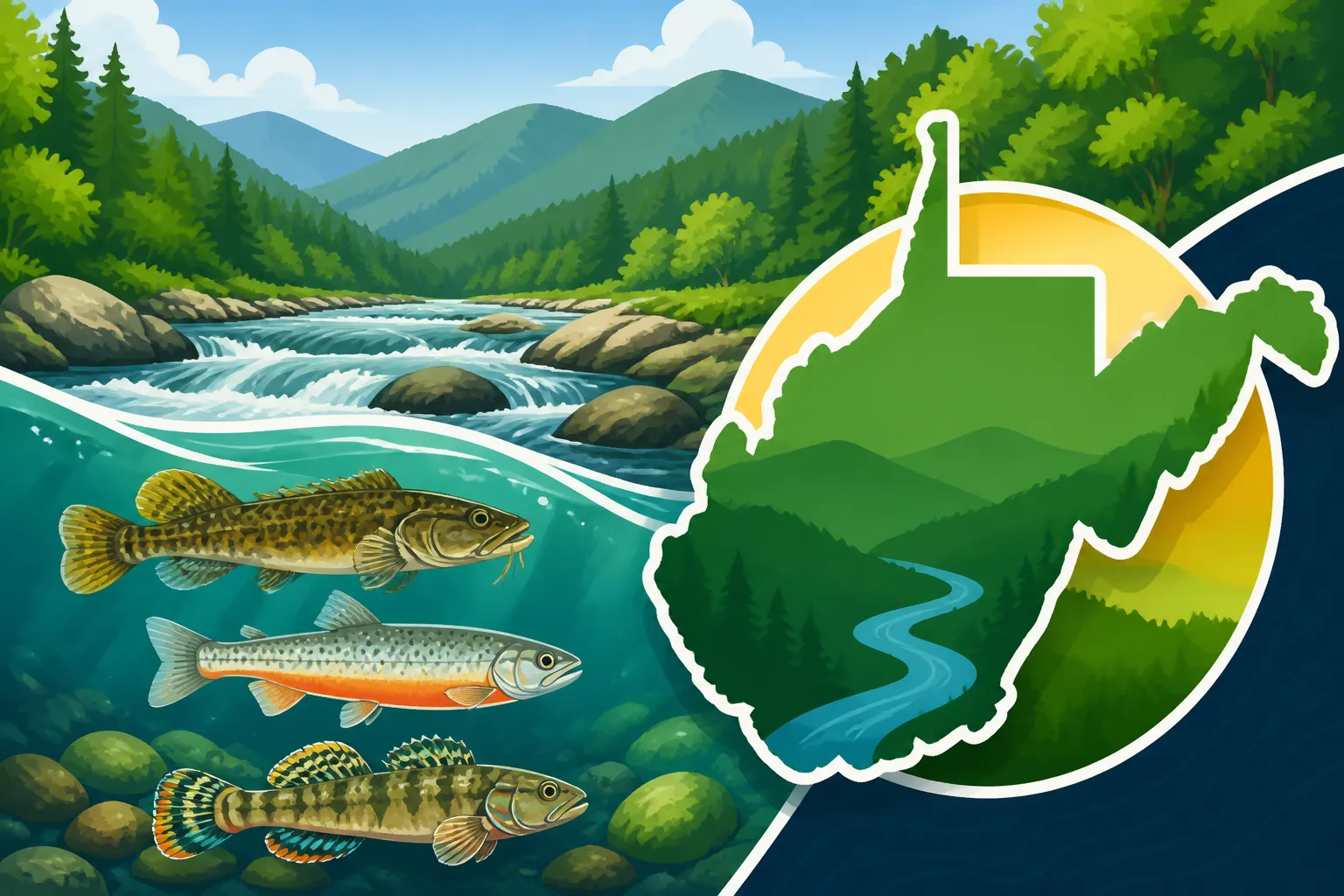
When we talk about fish species that live only in West Virginia, the Diamond Darter (Crystallaria cincotta) is arguably the clearest example. This slender, almost translucent little fish is a true gem of our state's aquatic biodiversity. It's found in only a few specific stretches of rivers within the Ohio River drainage in West Virginia, most notably parts of the Elk River and possibly some other scattered tributaries. Its name, "diamond," comes from the way light reflects off its scales, giving it a subtle, shimmering quality.
The Diamond Darter is incredibly specialized in its habitat requirements. It prefers clear, flowing water with a very specific substrate: large, clean gravel and cobble, often in the deeper riffles and runs of medium-sized rivers. These areas need to be free of silt and pollution, as the darter relies on the spaces between the rocks for spawning and foraging for tiny aquatic invertebrates. Due to its extremely limited range and its sensitivity to habitat degradation, the Diamond Darter is listed as federally endangered. Efforts to protect it focus on maintaining excellent water quality, preventing sedimentation, and carefully managing land use in its critical habitats. Catching one is highly unlikely for the average angler, and if you were to stumble upon one, it would be a rare and protected encounter. What the diamond darter is and why it is protected goes into more detail about its conservation challenges.
The Candy Darter: A Near Endemic Treasure
While not strictly endemic solely to West Virginia, the Candy Darter (Etheostoma osburni) is so overwhelmingly concentrated within our state's borders that it deserves a special mention as a near-endemic treasure. This fish is a true spectacle of nature, boasting some of the most vibrant and beautiful coloration of any freshwater fish in North America, with stunning bands of red, blue, and green. It's found primarily in the New River and Kanawha River drainages in West Virginia, with a very small, isolated population extending into southwestern Virginia. So, while not exclusive to West Virginia, the vast majority of its known global population resides here.
Like its diamond cousin, the Candy Darter is highly sensitive to changes in its environment. It thrives in cool, clear, moderate-to-fast flowing streams and small rivers, preferring rocky bottoms with clean gravel and cobble. Its beauty, unfortunately, also makes it a target for illegal collection, adding another layer to its conservation concerns. Due to its limited distribution and habitat vulnerability, the Candy Darter is also listed as federally endangered. Anglers need to be extremely careful and familiar with West Virginia Fishing Regulations Explained, especially in waters known to harbor protected species. If you're passionate about preserving these beautiful creatures, learning more about West Virginia candy darter protected status is a great start.
Why True Endemism is So Challenging to Prove
Pinpointing a species that truly lives "only" within the political boundaries of West Virginia is a monumental task, and one that scientists are always working to refine. Biology doesn't always adhere to state lines!
- Ongoing Discovery: New species are still being discovered, and the known ranges of existing species can expand with more extensive surveys. What might appear endemic today could be found elsewhere tomorrow.
- Historical Range Shifts: Many fish species have experienced historical range contractions or expansions due to natural events or human impacts. A species that was once more widespread might now only survive in a tiny, isolated pocket, making it seem endemic.
- Genetic Nuance: Sometimes, a species is widespread, but specific populations within West Virginia might be genetically distinct enough to be considered unique subspecies or even evolutionarily significant units. These nuances complicate the simple "endemic or not" question. For example, while the New River Smallmouth Bass Fishing is world-renowned, those smallmouth are found in other states too, but specific genetic traits within the New River population could be unique.
- Taxonomic Splitting: As genetic analysis becomes more sophisticated, what was once considered a single species might be "split" into multiple, genetically distinct species. This can suddenly create new endemic species from what was previously thought to be a more common fish.
Therefore, while the Diamond Darter is our current best example of a true West Virginia endemic, the world of ichthyology is dynamic, and our understanding continues to evolve.
Near-Endemic and Significant West Virginia Species
While the strict definition of endemism is hard to meet, West Virginia is home to many species that are incredibly special, even if their ranges extend just beyond our borders. These "near-endemic" species or distinct populations are a vital part of our state's natural heritage.
Species Primarily Found in West Virginia
Beyond the darters mentioned, there are several other fish species whose stronghold, or a significant portion of their global population, resides within West Virginia. While they might be found in very limited adjacent areas of neighboring states like Virginia, Kentucky, or Ohio, West Virginia is their primary home. These often include other species of darters, such as the Bluestripe Darter or the Tesselated Darter, which might have particular variants or concentrated populations here. These fish are often small, bottom-dwelling, and incredibly sensitive to changes in water quality and habitat, making them excellent indicators of ecological health.
The New River drainage, in particular, is an ancient ecosystem that has fostered a distinct array of aquatic life. Its long, undisturbed history has allowed for unique evolutionary pathways. Many species found in the New River system might be found only within this specific river basin, even if that basin crosses state lines. The sheer age and geological isolation of the New River have led to a fascinating array of organisms. For more on this, you can explore articles like Fish species unique to the New River drainage, which delves into the broader biodiversity of this incredible waterway.
Understanding Subspecies and Distinct Populations
Sometimes, the story isn't about an entirely unique species, but rather a unique version of a more widespread species. This is where the concept of subspecies or distinct genetic populations comes into play. A subspecies is a geographically isolated population of a species that has developed unique morphological or genetic characteristics, but can still interbreed with other populations of the same species.
For instance, while a particular species of minnow might be found across several states, a specific population living in a secluded West Virginia mountain stream might have evolved subtle differences in color, size, or behavior due to its isolation. Ecologically, these distinct populations are just as valuable as full species, representing unique evolutionary pathways and genetic diversity. Preserving these local adaptations is crucial for the long-term health and resilience of the entire species. The subtle differences can be fascinating – imagine a smallmouth bass on the New River Smallmouth Bass Fishing that looks slightly different or has a different behavior pattern compared to one in the Ohio River. These local distinctions are what make West Virginia's fishing so rich and varied.
Protecting West Virginia's Unique Aquatic Heritage
The presence of rare and near-endemic species underscores the immense ecological value of West Virginia's rivers and streams. This unique heritage comes with a significant responsibility to protect it for future generations.
Conservation Efforts and Their Importance
Numerous organizations and governmental bodies are actively involved in safeguarding West Virginia's aquatic ecosystems. The West Virginia Division of Natural Resources (WVDNR), in collaboration with federal agencies like the U.S. Fish and Wildlife Service, leads many of these efforts. Their work includes:
- Habitat Restoration: Projects focus on improving stream banks, reducing erosion, and restoring natural flow patterns to create healthier habitats for fish. This can involve planting riparian buffers, removing old dams, or stabilizing stream beds.
- Water Quality Monitoring: Regular testing of water samples helps identify pollution sources and track the health of our waterways. Clean water is the absolute bedrock for sensitive species like darters.
- Species-Specific Recovery Plans: For federally protected species like the Diamond Darter and Candy Darter, detailed recovery plans are developed. These plans outline specific actions, from captive breeding programs to targeted habitat protection, aimed at increasing their populations and securing their future.
- Fishing Regulations: Thoughtful regulations, such as catch and release rules in certain areas, specific bag limits, or gear restrictions, are put in place to manage fish populations sustainably. Understanding the West Virginia Fishing Regulations Explained is paramount for every angler.
These efforts are not just about protecting a single fish; they're about preserving the entire intricate web of life within our rivers, which ultimately benefits all of us through cleaner water and healthier ecosystems.
How Anglers Can Help
Anglers, as direct beneficiaries and stewards of West Virginia's waterways, have a vital role to play in conservation. Our actions on and off the water can make a significant difference.
- Practice Responsible Angling: Adhere to all fishing regulations, including catch limits, size restrictions, and specific gear requirements for certain waters. If you're fishing in sensitive areas, consider using barbless hooks and practicing careful West Virginia Catch and Release Rules for Trout (or any species) to minimize stress on the fish.
- Proper Fish Identification: Take the time to learn about the species you're catching, especially those that are rare or protected. If you're unsure, it's always best to release the fish unharmed. Carrying a good field guide or having a reliable identification app on your phone can be a huge help.
- Support Conservation: Consider donating to or volunteering with local conservation groups that work on stream restoration and wildlife protection in West Virginia. Every little bit helps.
- Report Concerns: If you observe pollution, illegal fishing activities, or unusual fish mortality, report it immediately to the WVDNR. You are the eyes and ears on the water!
- Mind Your Gear: Choose fishing gear that is environmentally friendly. For example, using lead-free weights can prevent lead poisoning in birds and other wildlife. When buying gear like nets, look for rubberized mesh, which is much gentler on fish scales and slime coats, increasing their survival rate after release. You can find a wide range of conservation-friendly fishing gear on platforms like Amazon, from specialized nets to biodegradable lines.
By being informed, respectful, and proactive, anglers can become powerful advocates for West Virginia's unique aquatic species, ensuring these rare wonders continue to thrive in our wild and wonderful rivers for generations to come.
| Fish Species | Primary Habitat in WV | Conservation Status (USFWS) | Key Characteristic |
|---|---|---|---|
| Diamond Darter | Limited stretches of Elk River & other Ohio River tribs | Endangered | Translucent, shimmering body |
| Candy Darter | New River & Kanawha River drainages | Endangered | Vibrant red, blue, green bands |
| Bluestripe Darter | Various clear, cool streams in Ohio River drainage | Species of Concern | Blue stripes on an olive body |
| Tesselated Darter | Widespread in eastern US, but distinct WV populations | Generally Stable (local concern) | Camouflaged, blotchy pattern |
Disclaimer
This article is for general informational purposes only and does not constitute professional advice. Laws, prices and regulations vary by location and change over time. Consult a qualified professional for guidance on your specific situation.