Differences between the New River and Ohio River fish populations
When you think of fishing in West Virginia, you might picture pristine mountain streams or expansive lakes, but our state is uniquely blessed with two vastly different, yet equally incredible, major river systems: the ancient New River and the mighty Ohio River. While both offer fantastic angling opportunities, trying to fish them with the same approach is like comparing apples to oranges, and many anglers get frustrated when techniques that work on one simply fail on the other. This guide will dive deep into the fascinating distinctions between the fish populations and ecosystems of the New River and the Ohio River, helping you understand what makes each body of water special and how to tailor your fishing strategy for success.
Understanding the Unique Ecosystems: New River vs. Ohio River
To truly grasp why the fish populations in the New River and Ohio River are so different, we first need to appreciate the fundamental ecological characteristics that define each waterway. These aren't just two rivers flowing through the same state; they represent vastly different geological histories, flow patterns, and environmental influences, all of which sculpt the aquatic life within them.
The Ancient, Free-Flowing New River
The New River is truly a marvel. Geologists often call it the second oldest river in the world, a testament to its ancient origins and remarkable persistence in carving its way through the Appalachian Mountains. What sets it apart immediately is its largely free-flowing nature through much of West Virginia, particularly within the stunning New River Gorge National Park and Preserve. This means it has long stretches without major dams (though there is Bluestone Dam at its upstream end in West Virginia), allowing for natural flow patterns, rapids, and deep pools that have been shaped over millennia.
Its bed is predominantly rocky, consisting of bedrock, boulders, gravel, and smaller stones, with less siltation than you might find in many other large rivers. This rocky substrate provides incredible habitat for invertebrates and baitfish that thrive in clean, oxygen-rich, moving water. The water itself tends to be clearer, especially during stable weather periods, allowing sunlight to penetrate and fostering aquatic plant growth in shallower areas, which in turn supports a robust food web. The New River's elevation and often shaded gorge environment contribute to generally cooler water temperatures, especially compared to the broad, slower-moving Ohio. These factors create an environment perfectly suited for species that prefer cooler, well-oxygenated, moving water and rely on sight or vibration to hunt.
The Mighty, Dam-Controlled Ohio River
In stark contrast, the Ohio River is a powerhouse of commerce and industry, a massive waterway that forms West Virginia's western border. While the New River is a wild, untamed beauty, the Ohio has been extensively modified by a series of locks and dams. These structures transform the river into a series of long, deep pools, drastically altering its natural flow. Instead of continuous rapids and riffles, you primarily find slower-moving water, deep navigation channels, and expansive backwaters.
The river bottom, particularly in these pooled sections, often consists of much finer sediments – silt, sand, and mud – accumulated over decades. While rock outcrops exist, especially near old riverbeds or tributary confluences, they are less prevalent than in the New River. The Ohio River's width and slower current allow for more significant warming, especially in summer, and its waters can often be more turbid or stained due to runoff and barge traffic. This environment favors fish species that are more tolerant of warmer, less oxygenated, and often murkier water, and those that can forage effectively in soft-bottomed areas or rely on smell and touch to find food. The presence of dams also creates unique tailwater fisheries directly below the structures, which can be hotspots for certain species.
Key Fish Species Dominating Each River
The dramatic differences in their ecosystems lead to distinct dominant fish populations in the New River and the Ohio River. While there's some overlap in widely distributed species, each river truly shines for different types of anglers seeking specific fish.
The New River: A Smallmouth Bass and Muskie Stronghold
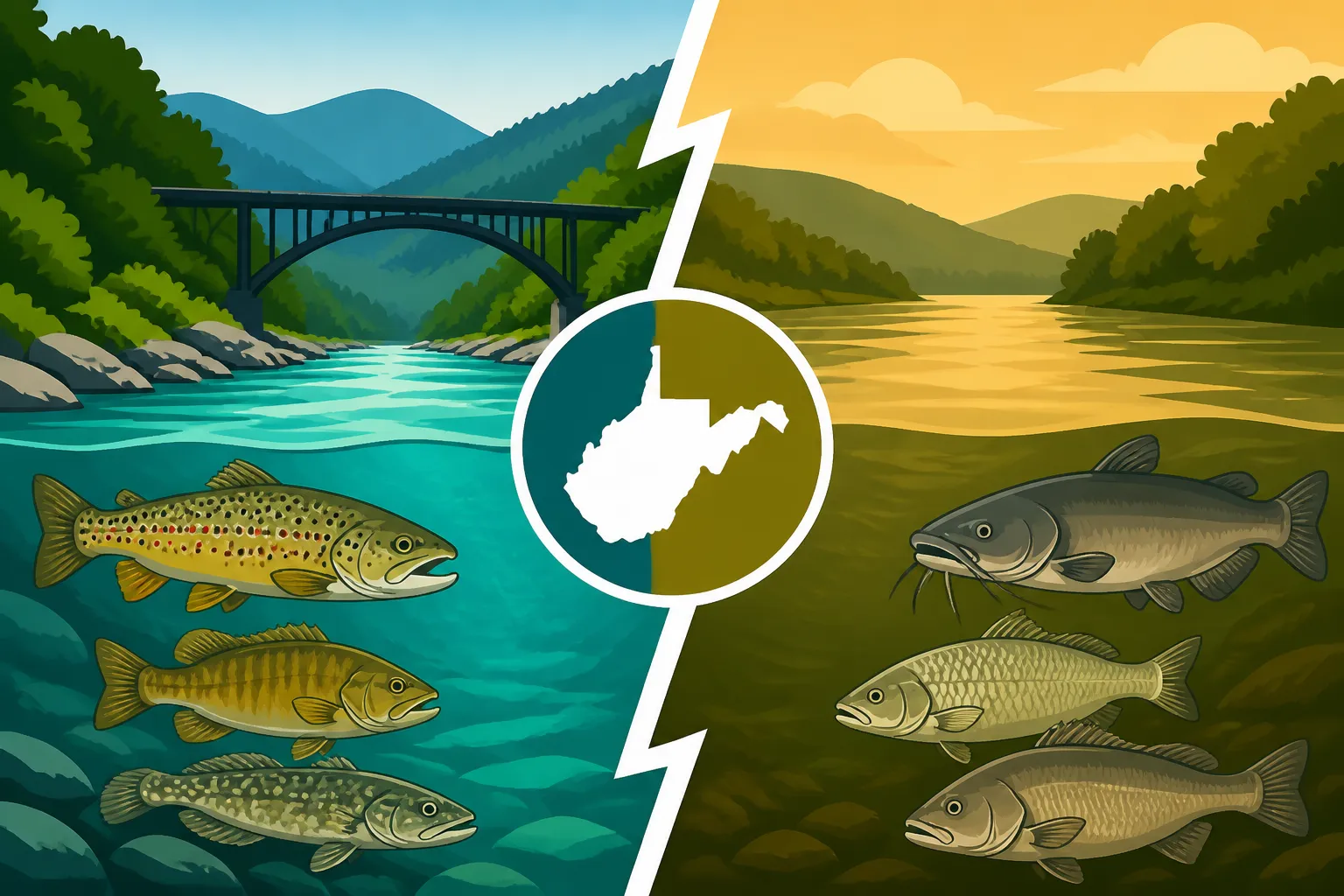
The New River is, without a doubt, a premier destination for Smallmouth Bass Fishing in West Virginia. Its miles of rapids, rocky ledges, deep pools, and constant current provide the perfect habitat for these bronze-backed fighters. Smallmouth in the New River grow to impressive sizes, offering a truly challenging and rewarding experience. They thrive in the well-oxygenated, moving water, often holding behind current breaks or ambushing prey from rocky structure. Anglers frequently target them with jigs, crankbaits, and topwater lures, mimicking the abundant crawfish and baitfish in the river.
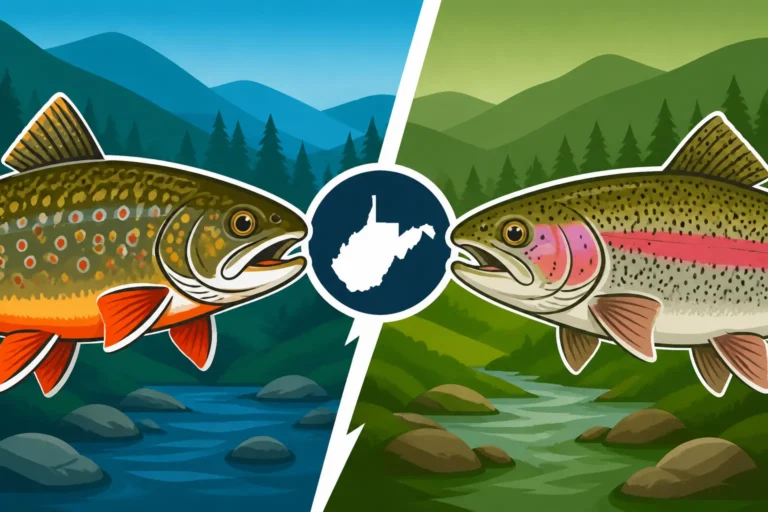
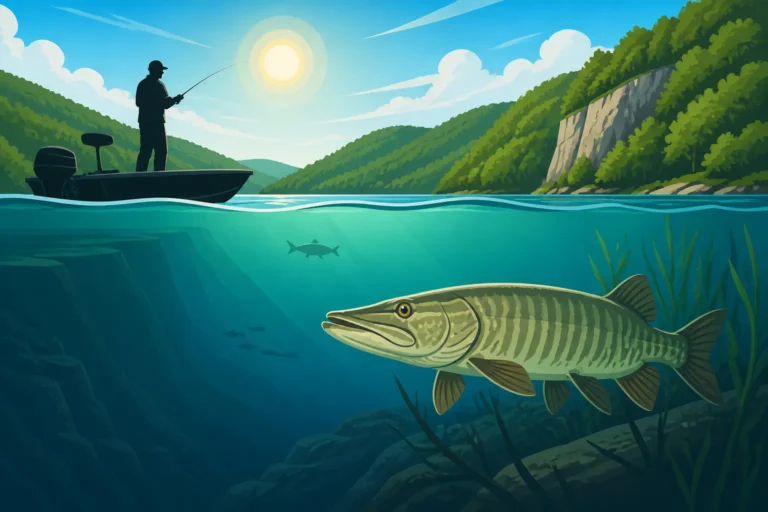
Beyond smallmouth, the New River is also famous for its native Muskie Fishing in West Virginia. These elusive giants are apex predators in the New, lurking in deeper pools, current seams, and around submerged timber. Catching a New River muskie is a bucket-list achievement for many, requiring patience, heavy tackle, and a deep understanding of their ambush tactics. They feed on a variety of prey, including suckers, chubs, and smaller bass. You'll also find healthy populations of spotted bass, rock bass, various sunfish, and catfish in the New River, offering diverse opportunities. In the cooler, upper reaches and tributaries, anglers can even find native Brook Trout: West Virginia's Native and State Fish, adding another layer of unique angling.
The Ohio River: Catfish, Sauger, and Hybrid Striped Bass Haven
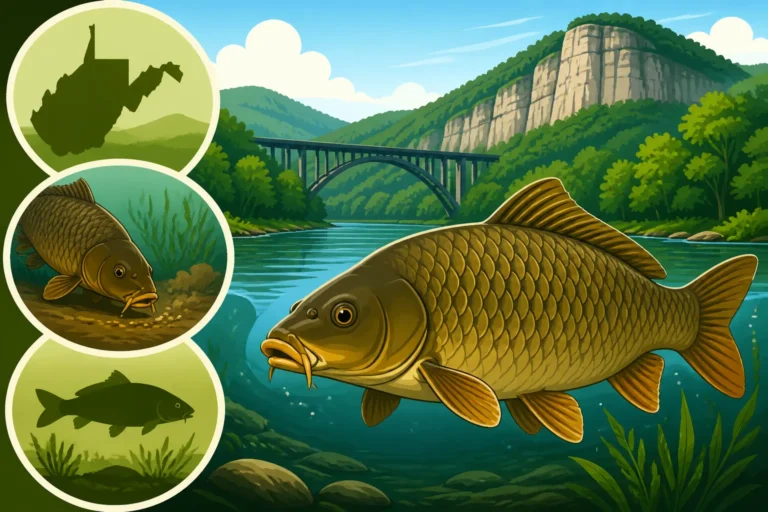
The Ohio River, with its vast, nutrient-rich, and often turbid waters, is a haven for entirely different species. If you're looking to tangle with big Catfish Fishing in West Virginia, the Ohio is your playground. Channel catfish are abundant, but the river is also home to massive flathead catfish and, increasingly, blue catfish. These bottom-dwelling titans thrive in the deep channels and slower currents, often feeding on anything from dead bait to live fish. Anglers frequently use heavy gear and strong lines to target them, often fishing cut bait, stink baits, or live minnows near ledges, deep holes, or the mouths of tributaries.
Another highly sought-after species in the Ohio is the sauger, a close cousin of the walleye that prefers the murky, warmer conditions of large rivers. Sauger Identification and Habits are key to understanding this species, which can provide incredible action, especially in cooler months, often congregating below dams. Anglers target them with jigs, blade baits, and minnows. The Ohio is also regularly stocked with Striped Bass Hybrid Stocking in West Virginia, providing another hard-fighting, schooling game fish that can reach impressive sizes. These hybrids offer fast action, often chasing baitfish in open water. While not as dominant as in the New, you'll also find largemouth bass, particularly in calmer backwaters and tributary mouths, along with various panfish like crappie and bluegill. Ohio River Fishing Guide for West Virginia Anglers provides even more specific insights into this robust fishery.
Here’s a quick comparison of the dominant fish species and their preferred habitats:
| River System | Dominant Game Fish | Preferred Habitat | Key Characteristics |
|---|---|---|---|
| New River | Smallmouth Bass, Muskie, Walleye, Trout | Rocky bottom, clear water, swift current, deep pools | Ancient, free-flowing, cooler water, highly oxygenated |
| Ohio River | Catfish (Channel, Flathead, Blue), Sauger, Hybrid Striped Bass, Largemouth Bass | Muddy/sandy bottom, turbid water, slower current, deep channels, backwaters | Dam-controlled, warmer water, often stained, significant commercial traffic |
Fishing Challenges and Opportunities in Each Environment
Fishing these two magnificent rivers requires different skill sets, different gear, and a different mindset. What's a challenge on one might be an opportunity on the other, and vice versa. It’s all about adapting to the river's personality.
Navigating the New River's Rapids and Rocks
Fishing the New River, especially the gorge section, presents unique challenges primarily due to its rugged terrain and swift, rocky currents. Wading can be exhilarating but also dangerous; anglers must be acutely aware of Wading Techniques for West Virginia Trout Streams and the ever-present risk of slippery rocks and sudden drop-offs. A sturdy wading staff is not just a suggestion, it's a necessity. For those using boats, navigating the rapids requires specialized craft like jet boats or robust drift boats, and certainly a high degree of skill. Kayaks are incredibly popular, offering stealth and access to prime water, but selecting the Best Kayak for the New River that can handle rapids and rocks is crucial for safety and success. You'll also need a reliable anchor system that can hold in strong currents, which you can find a variety of on retailers like Amazon.
Despite these challenges, the New River offers unparalleled opportunities. Its relative wildness means less fishing pressure in many remote stretches, leading to incredible encounters with trophy smallmouth and muskie. The clear water demands stealth and precise presentations, honing your casting skills and lure selection. Fly fishing for smallmouth in the New River is a rapidly growing passion, with anglers enjoying the challenge of casting to visible fish or swinging streamers through prime runs. The sheer beauty of the gorge, coupled with the fight of a powerful river fish, makes every trip an adventure. Access can be a challenge in some areas, but numerous public access points and boat ramps are available, especially around towns like Hinton, Prince, and Thurmond.
Conquering the Ohio River's Vastness and Currents
The Ohio River's challenges are on a different scale. Its immense size means covering water effectively is key. While less prone to dramatic rapids, the main channel has a deceptively strong current, especially around the lock and dam systems. Commercial barge traffic is a constant presence, creating large wakes that can be dangerous for smaller boats. Understanding safe boating practices, including West Virginia Boating Laws for Anglers and Life Jacket Requirements for West Virginia Boaters, is paramount. The often-stained water means sight fishing is rarely an option, requiring anglers to rely more on sonar, knowledge of structure, and scent-based baits.
However, the Ohio River offers abundant opportunities, especially for those seeking plentiful fish and strong fighting species. Bank fishing is a popular option, with numerous public fishing piers and accessible shorelines, often near towns and parks. Many anglers find excellent Best Shore Fishing Spots in West Virginia for catfish and sauger, particularly below the dams where fish congregate. For boat anglers, the vastness allows for diverse tactics like trolling for sauger or hybrid stripers, or anchoring upcurrent of a deep hole to target giant flatheads. The consistent presence of large fish and the potential for heavy stringers makes the Ohio a favorite for many, especially those who prefer bait fishing or using sonar to locate submerged structure and fish schools. Gear-wise, you'll want robust rods and reels, strong line, and a good selection of heavy weights and durable hooks for battling big catfish, readily available from online fishing stores like Amazon.
Conservation Efforts and Future Outlook for Fish Populations
Ensuring healthy fish populations in both the New River and Ohio River is a continuous effort, requiring diligence from both state agencies and the angling community. Both rivers face distinct conservation challenges and benefit from specific management strategies.
Protecting the Pristine New River
The New River's relatively wild and ancient nature places a significant emphasis on protecting its unique ecosystem. Conservation efforts here often focus on preserving water quality, managing land use within the watershed, and promoting responsible angling practices. The New River Gorge National Park and Preserve plays a vital role in protecting large sections of the river, limiting development and encouraging sustainable recreation.
For anglers, catch and release practices are highly encouraged, especially for trophy smallmouth bass and muskie, to maintain healthy breeding populations and ensure these magnificent fish continue to thrive. Muskie catch and release survival tips are crucial, as these fish are fragile after a long fight. Habitat protection, such as preventing siltation and preserving riparian buffers, is also key to safeguarding the spawning grounds and food sources for many species. Education about preventing the spread of aquatic invasive species, like rusty crayfish, which can outcompete native species and alter the food web, is also a constant effort. The future of the New River's fish populations looks promising, provided these conservation efforts remain a priority and anglers continue to practice good stewardship.
Managing the Diverse Ohio River Ecosystem
The Ohio River presents a different set of conservation challenges and opportunities, largely due to its industrial history, heavy commercial use, and extensive modifications. Over the decades, significant strides have been made in improving water quality, which has allowed fish populations to rebound dramatically. This is a testament to ongoing regulatory efforts and community engagement. However, vigilance against pollution from various sources remains critical.
Stocking programs, particularly for species like hybrid striped bass, play an important role in enhancing fishing opportunities in the Ohio. Striped Bass Hybrid Stocking in West Virginia helps to provide abundant sportfish. Managing invasive species, such as Asian carp, is an ongoing battle, as these species can outcompete native fish for food and habitat. Organizations work to monitor populations and develop strategies to control their spread. Anglers on the Ohio also contribute by reporting unusual catches and practicing ethical disposal of bait and tackle. The outlook for the Ohio River's fishery is one of continued improvement and careful management, balancing its ecological needs with its role as a major economic waterway. By supporting responsible angling and advocating for clean water, we can ensure both these incredible rivers continue to provide rich fishing experiences for generations to come.
Disclaimer
This article is for general informational purposes only and does not constitute professional advice. Laws, prices and regulations vary by location and change over time. Consult a qualified professional for guidance on your specific situation.