Smallmouth Bass Fishing in West Virginia
There's nothing quite like the tug of a feisty smallmouth bass on your line, especially when you're standing in the crystal-clear waters of a West Virginia mountain river. If you've ever felt that thrilling jolt, you know the addiction is real. But if you're new to the pursuit, or maybe you've tried and struggled, it can feel like these elusive bronze beauties are always one step ahead. This comprehensive guide is here to unravel the mysteries of smallmouth bass fishing in the Mountain State, offering deep insights into where to find them, what makes them tick, and how to consistently put them in your net.
The Allure of West Virginia Smallmouth
For many anglers, chasing smallmouth bass in West Virginia isn't just a hobby; it's a passion, a deep connection to the wild, untamed rivers that carve through our landscape. These fish, often dubbed "bronze backs," offer a fight that's unmatched by many other freshwater species. They're powerful, acrobatic, and notoriously intelligent, making every catch feel like a hard-earned victory.
The "Bronze Back" Mystique: What Makes Them Unique?
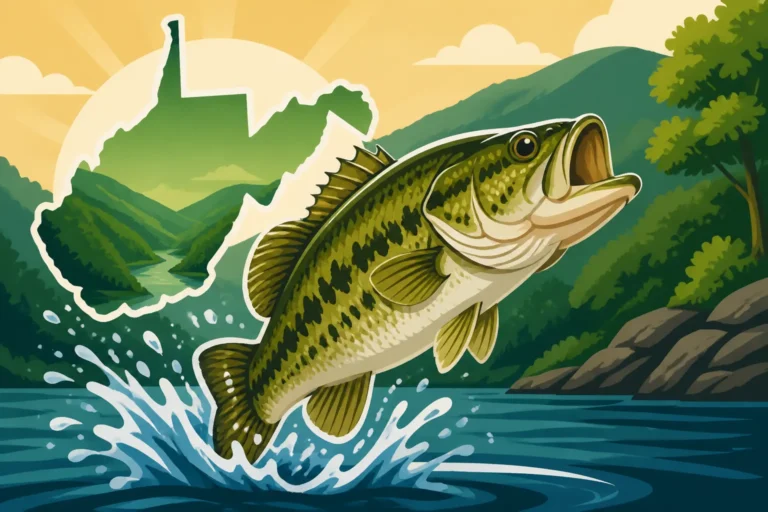
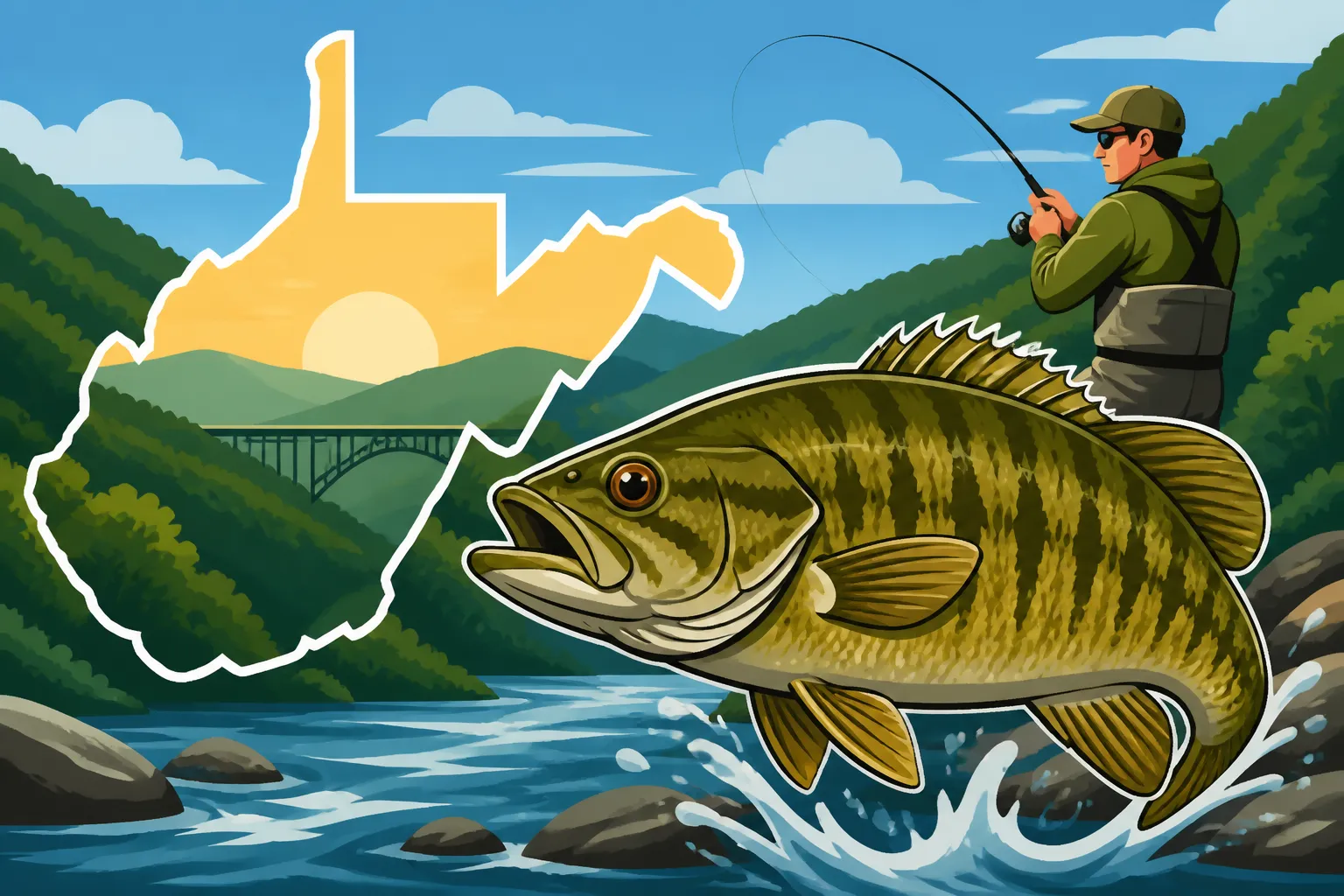
Smallmouth bass are incredible creatures, perfectly adapted to the clear, cool, and often swift-flowing waters of our mountain streams and rivers. Unlike their largemouth cousins, who prefer slower, weedier environments, smallmouth thrive in rocky bottoms, current breaks, and gravel shoals. They're built like torpedoes, with a streamlined body and powerful tail that allows them to hold their position in rushing water and make explosive runs once hooked. Their distinctive bronze coloration, often with vertical bars or mottled patterns, helps them blend seamlessly into their rocky surroundings.
What truly sets them apart, though, is their fighting spirit. A smallmouth, even a modest one, will often jump clear of the water, tail-walk across the surface, and dig deep with incredible force. It's not uncommon for an angler to think they've hooked a much larger fish, only to bring in a 14-inch smallie that fought like a fish twice its size. This aggressive nature and strong fight are precisely why so many of us dedicate ourselves to chasing them, spending countless hours perfecting our techniques and exploring new stretches of water.
The Mountain State Habitat: Rivers, Rocks, and Current
West Virginia's geography is practically custom-made for smallmouth bass. Our state is crisscrossed by an incredible network of rivers and streams, many of which originate in the Appalachian mountains. These waterways are characterized by their varied bottom compositions—from smooth bedrock to chunky boulders, gravel bars, and scattered log jams—all providing ideal habitat for smallmouth and their prey. The consistent flow of water, often with distinct riffles, runs, and pools, creates the oxygen-rich environment they need.
Think about a classic smallmouth river: you've got sections of fast-moving water rushing over rocks, creating oxygenation and current breaks. Then, it slows down into deeper pools where fish can rest and ambush prey. Along the banks, you might find undercut ledges, fallen trees, or large boulders that create perfect ambush points. This complex habitat means smallmouth are rarely found in vast, open expanses of water. Instead, they relate closely to structure and current, constantly seeking out prime lies where they can conserve energy and capitalize on passing meals. Understanding these features is the first step to becoming a successful West Virginia smallmouth angler.
Top Smallmouth Rivers and Lakes
When it comes to smallmouth bass fishing in West Virginia, you're spoiled for choice. The Mountain State boasts some truly world-class rivers that consistently produce both numbers of fish and trophy-sized specimens. Knowing where to start can be daunting, but a few waterways stand out as legendary destinations for the bronze back.
The Mighty New River: A Legend for a Reason
The New River is, without a doubt, the crown jewel of West Virginia smallmouth fishing. It's one of the oldest rivers in the world, flowing north through ancient mountains, and its character is as rugged and wild as the landscape it traverses. From its broad, rocky stretches to its more intimate sections, the New River offers an incredible diversity of habitat that smallmouth absolutely adore. New River Smallmouth Bass Fishing provides a deeper dive into this incredible fishery.
Anglers flock to the New River for its robust population of smallmouth, with many fish regularly exceeding 16-18 inches, and true trophy-class bass over 20 inches not uncommon. The river is a mix of long, shallow riffles, deep holes, boulder fields, and expansive shoals. Kayak and wade anglers find endless opportunities, exploring its countless eddies, current seams, and submerged rock gardens. While it can be intimidating with its powerful current and vastness, learning to read its water and identify key structure is incredibly rewarding. The sheer wildness of the New River, combined with the quality of its smallmouth fishing, creates an experience that's hard to beat anywhere in the country.
The South Branch Potomac and Shenandoah: Eastern Panhandle Gems
Venturing to the eastern panhandle, you'll discover two more phenomenal smallmouth fisheries: the South Branch Potomac and the Shenandoah River. These rivers, while different in character from the New, are equally productive and offer incredible opportunities for anglers. South Branch Potomac Smallmouth Fishing details some of the hotspots there.
The South Branch Potomac is known for its relatively clear waters, picturesque scenery, and excellent populations of smallmouth. It features a mix of pools, riffles, and long runs, often bordered by lush farmlands and towering bluffs. Wade fishing is popular in many sections, as are float trips in canoes or kayaks. The Shenandoah River, particularly its West Virginia stretches, offers similar appeal with strong currents and abundant rock structure. Both rivers are incredibly rich in aquatic insect life and forage fish, providing a constant buffet for hungry smallmouth. Many anglers appreciate these rivers for their accessibility and the consistent action they provide, often yielding good numbers of fish throughout the day. They're perfect for both experienced anglers looking for a challenge and newcomers honing their skills.
Other Notable Waters: Greenbrier, Cheat, and Smaller Streams
While the New, South Branch, and Shenandoah often steal the spotlight, West Virginia has a wealth of other fantastic smallmouth waters that are absolutely worth exploring. The Greenbrier River, for example, is another favorite, offering scenic floats and excellent smallmouth fishing, often with less pressure than some of the more famous spots. Its generally slower currents in many sections make it very accessible for beginners and those preferring a more relaxed pace.
The Cheat River, particularly its lower sections, also holds a healthy population of smallmouth, though it can be a bit more challenging to navigate due to its wilder character. Beyond these larger rivers, countless smaller streams and tributaries throughout the state hold resident populations of smallmouth. These smaller waters might not produce trophy fish as regularly, but they offer intimate fishing experiences, often in stunning, secluded settings. Exploring these lesser-known gems can be incredibly rewarding, as you might stumble upon a quiet stretch of river teeming with eager smallmouth that rarely see a lure. Check out Best Fishing Rivers in West Virginia for more ideas on where to cast your line.
Understanding Smallmouth Bass Behavior
To consistently catch smallmouth bass, you need to think like a smallmouth bass. Understanding their seasonal movements, what they eat, and where they hide is crucial. These fish are creatures of habit and opportunity, always balancing energy conservation with the need to feed.
Seasonal Movements: Where Do They Go and When?
Smallmouth bass are highly attuned to water temperature and flow, which dictates their movements throughout the year.
- Spring (Pre-Spawn & Spawn): As water temperatures climb into the 50s and 60s, smallmouth begin to move out of their deeper wintering holes and into shallower areas. This pre-spawn period is characterized by aggressive feeding as they bulk up for the spawn. They'll often be found near deeper holes or current breaks that transition to shallower, gravelly flats. The actual spawn occurs when water temperatures reach the mid-60s, usually from late April through June depending on the specific river and weather patterns. During this time, males guard nests in shallower, sheltered areas, and can be very territorial. While it's tempting to target bedding fish, many anglers practice a "no sight fishing" policy during the spawn to help protect the fishery.
- Summer: Once the spawn is over, smallmouth spread out, often holding in faster, oxygenated water near structure. When river levels are good, they'll be in current breaks, behind boulders, in riffles, and along ledges. As summer progresses and water temperatures can get quite warm, they might seek out slightly deeper, cooler water or areas with more shade and consistent current. Early morning and late evening bites are often best during the heat of summer.
- Fall: As water temperatures begin to drop in the fall, smallmouth start to feed aggressively again, preparing for the lean winter months. They'll often school up and actively chase baitfish, making this an excellent time for topwater and reaction baits. They can be found in similar areas as summer, but their feeding windows might be longer and more intense.
- Winter: During the coldest months, smallmouth retreat to deeper, slower pools, often congregating in large schools. They become much less active, and their metabolism slows considerably. Winter fishing requires a more subtle approach, often with slow-moving jigs or suspended baits presented directly to the fish.
Forage and Feeding Habits: What's On Their Menu?
Smallmouth bass are opportunistic predators with a diverse diet, which is a big part of why they're so much fun to catch. Their primary food sources vary by season and habitat, but generally include:
- Crayfish: These crustaceans are arguably the favorite meal of river smallmouth. They live among the rocks and gravel, providing a high-protein feast. Many smallmouth lures are designed to imitate crayfish in both look and action.
- Baitfish: Minnows, shad, shiners, and juvenile suckers are all on the menu. Smallmouth will actively hunt schools of baitfish, especially in the fall.
- Insects: During certain hatches, smallmouth will key in on terrestrial insects like grasshoppers and cicadas, as well as aquatic insects such as hellgrammites. Fly anglers often find success during these periods.
- Frogs & Other Amphibians: When available, frogs are an easy meal, especially for larger smallmouth.
- Larval forms: Hellgrammites (dobsonfly larvae) are a particular favorite, often found clinging to rocks in current.
- Other fish: Smallmouth will also prey on smaller fish, including their own species, especially when food is scarce.
Understanding what they're eating helps you select the right lures and presentations. If you know crayfish are abundant, a brown or green soft plastic jig might be perfect. If baitfish are schooling, a spinnerbait or crankbait could be the ticket.
Structure and Current: Finding Their Hiding Spots
Smallmouth bass are masters of using their environment to their advantage, always seeking out locations that offer both cover and feeding opportunities. They crave current, but they also need relief from it.
- Current Breaks: This is perhaps the most critical element. Smallmouth will sit just out of the main current, letting the water bring food to them. Look for the calm water behind large boulders, fallen trees, bridge pilings, or points of land. These "eddies" are prime ambush points.
- Rocky Bottoms and Boulders: These provide excellent cover, places for crayfish to hide, and create turbulence that disorients baitfish. Larger boulders often have smallmouth holding directly behind or to the sides of them.
- Ledges and Drop-offs: Changes in depth provide structure where smallmouth can stage. They'll often sit on the edge of a drop-off, waiting for prey to swim by.
- Riffles and Runs: While these fast-moving sections can seem devoid of fish, smallmouth often hold in the deeper pockets and seams within them, especially during low light or when actively feeding. The oxygenation from these areas is also attractive.
- Seams: The transition line where fast current meets slower current is a classic smallmouth lie. Fish will sit in the slower water, darting into the fast lane to grab a meal.
- Log Jams and Fallen Trees: These provide excellent cover from predators and current, as well as ambush points. However, they can be tough to fish without getting snagged.
When you approach a new section of river, mentally (or actually) break it down into these components. Where would you sit if you were a smallmouth bass trying to conserve energy and catch a meal? This perspective will dramatically improve your success rate.
Essential Gear for West Virginia Smallmouth
Having the right gear won't guarantee a trophy, but it will certainly improve your chances and make the experience much more enjoyable. West Virginia smallmouth fishing often involves moving water, rocky terrain, and hard-fighting fish, so your tackle needs to be up to the task. Best Gear for West Virginia Smallmouth offers a detailed look at selecting equipment.
Rods, Reels, and Line: Matching Your Tackle to the Fight
Choosing the right rod and reel combo is paramount for smallmouth bass. You need a setup that offers sensitivity for detecting subtle bites, enough backbone to control powerful fish in current, and the ability to cast accurately in varied conditions.
- Rods: A medium-light to medium power spinning rod, typically 6'6" to 7' in length, is a versatile choice for most smallmouth scenarios. A fast action tip is ideal for feeling bites and setting the hook quickly. For heavier lures like larger crankbaits or swimbaits, a medium-heavy baitcasting setup might be preferred, especially if you're targeting truly big fish. Graphite rods are excellent for their sensitivity and light weight. For instance, a 7' medium power fast action spinning rod is a fantastic all-around option, allowing you to cast lighter jigs and soft plastics but still handle a battling smallie. You can find a wide selection of quality rods on Amazon that fit these specifications.
- Reels: Pair your rod with a quality spinning reel (size 2500 or 3000) that has a smooth drag system. This is crucial for handling the powerful runs of a smallmouth. For baitcasting setups, a reel with a moderate gear ratio (around 6.x:1) offers a good balance of retrieve speed and power. Durability is key, as these reels will be exposed to river environments.
- Line: Your line choice depends on personal preference and technique.
- Monofilament (6-10 lb test): Offers good knot strength, shock absorption, and is easy to cast. It's a forgiving line, good for topwater or reaction baits where some stretch is desirable.
- Fluorocarbon (8-12 lb test): Nearly invisible underwater, very sensitive, and abrasion-resistant, which is a huge plus in rocky rivers. It sinks, making it excellent for jigs and soft plastics.
- Braided Line (10-20 lb test) with a Fluorocarbon Leader: This is a popular setup. Braid offers incredible strength, sensitivity, and casting distance with no stretch. Tying a 6-10 foot fluorocarbon leader (6-10 lb test) to the braid provides the invisibility and abrasion resistance needed near the lure. This combination gives you the best of both worlds. For more details on rods and reels, see Best Spinning Rods for Smallmouth Bass or Best Baitcasting Reels for Muskie Fishing (which also discusses robust reels that can handle large bass).
Lures and Baits: The Go-To Arsenal
Smallmouth are aggressive, and they'll strike a wide variety of lures. Having a diverse selection in your tackle box is essential, allowing you to adapt to changing conditions and fish preferences. Best Baits for Smallmouth Bass on the New River goes into more detail.
- Jigs (1/8 – 1/2 oz): Absolutely indispensable. Tube jigs (white, green pumpkin, crayfish colors), Ned rigs, football jigs, and hair jigs are all highly effective. They imitate crayfish or baitfish and can be fished slowly along the bottom or jigged through current. Black, brown, and green pumpkin are classic colors for imitating crayfish.
- Crankbaits: Both shallow-diving and medium-diving crankbaits are excellent for covering water and triggering reaction strikes. Crayfish patterns, shad patterns, and bright colors can all be effective depending on water clarity and light conditions. Lipless crankbaits are also deadly, especially when fished through current breaks. Look for ones that mimic the local forage.
- Spinnerbaits: Great for covering water, especially in stained conditions or when fish are aggressive. White, chartreuse, and combinations thereof are popular.
- Soft Plastics: Grubs (single tail and double tail), creature baits, small swimbaits, and stick baits (wacky rigged or Texas rigged) are very effective. They offer a more subtle presentation when fish are finicky. Natural colors like green pumpkin, watermelon, and brown are usually winners.
- Topwater Lures: Poppers, walk-the-dog baits, and prop baits can provide some of the most exciting strikes in smallmouth fishing, particularly during low light conditions or when fish are actively feeding on the surface. Nothing beats a smallmouth blowing up on a topwater lure.
- Live Bait: Minnows and crayfish are extremely effective, especially when fishing slower, deeper pools or for reluctant fish. Hooked correctly, they provide natural action and scent.
Keep a variety of these in different sizes and colors, and don't be afraid to experiment. Sometimes, a subtle change in lure color or size can make all the difference.
Wading Gear and Safety: Staying Dry and Safe in Swift Currents
River fishing, especially wading, comes with its own set of gear and safety considerations. Our West Virginia rivers, while beautiful, can be powerful and unpredictable.
- Waders: Chest waders are a must-have for comfort and warmth, allowing you to get into the river and access prime spots. Breathable waders are great for summer, while neoprene offers more warmth in cooler months. Make sure they fit well and aren't leaky!
- Wading Boots: Traction is crucial. Felt-soled boots offer excellent grip on slippery rocks, but they can be restricted in some areas due to concerns about invasive species. Rubber-soled boots with aggressive tread or studs are a good alternative and are more universally accepted. Best Wading Boots for Rocky Streams discusses these options.
- Wading Staff: This is a non-negotiable safety item, especially if you're new to wading or exploring unfamiliar waters. A sturdy wading staff provides a crucial third point of contact, helping you maintain balance in current and probe for deeper spots or slippery rocks before stepping. An extendable, collapsible model that can be clipped to your waders is ideal.
- Life Jacket/PFD: Always, always wear a life jacket, especially when wading in swift current or floating in a kayak. Even experienced waders can slip, and a PFD can be a lifesaver. Lightweight, inflatable models are available for comfort.
- Sun Protection: A wide-brimmed hat, polarized sunglasses (essential for spotting fish and structure, not just sun protection), and sunscreen are vital for long days on the water.
- Small Backpack/Sling Pack: For carrying water, snacks, extra lures, a first-aid kit, and your fishing license. Being able to easily access your gear without going back to shore is key. Many excellent fishing-specific packs are available on Amazon.
- Water Bottle/Hydration Pack: Staying hydrated is critical, especially during warmer months.
Never underestimate the power of river current. Always wade with caution, shuffle your feet, and be aware of your surroundings. If in doubt, don't wade.
Effective Techniques for River Smallmouth
Catching smallmouth bass in rivers requires a blend of finesse and aggression, adapting your approach to the specific water conditions and the fish's mood. It's not just about casting and reeling; it's about presenting your lure in a way that triggers a strike.
Casting and Retrieving: The Art of Presentation
The way you cast and retrieve your lure is often as important as the lure itself. River smallmouth are often facing upstream, waiting for food to drift past, so your presentation needs to mimic that natural movement.
- Upstream Casts: A common and effective technique is to cast slightly upstream and across the current, allowing your lure to drift naturally downstream before beginning your retrieve. This presents the lure to the fish head-on, mimicking a natural food item drifting with the current. This is especially good for jigs and soft plastics, allowing them to tumble or bounce along the bottom.
- Downstream Casts: While less common for drifting lures, casting downstream and retrieving against the current can be effective for crankbaits or spinnerbaits, providing an aggressive presentation that fish can't ignore. Just be mindful of the current, which will put more pressure on your line and make some lures "blow out" or not run true.
- Angle of Attack: Experiment with casting angles. Sometimes a direct upstream cast is best, other times a sharper angle across the current. The goal is to get your lure into the strike zone and keep it there for as long as possible.
- Retrieve Speed and Action: This is where the "art" comes in. Vary your retrieve. For jigs, a slow lift-and-drop or a subtle drag can be deadly. For crankbaits, a steady retrieve with occasional pauses or twitches can provoke strikes. Topwater lures require rhythmic twitches or pauses. Pay attention to what the fish are telling you; if you get a follow but no strike, try changing your retrieve speed or adding more action. The faster the current, the faster you might need to retrieve to keep the lure looking natural, or to ensure a crankbait dives to its intended depth. For more on specific lure techniques, check out Best Crankbait Retrieve for New River Smallmouth.
Wading and Kayak Fishing Strategies: Getting to the Fish
West Virginia offers fantastic opportunities for both wade and kayak fishing for smallmouth, each providing unique advantages and strategies.
- Wade Fishing: This is perhaps the most intimate way to experience river smallmouth fishing. You're physically in their environment, moving silently and deliberately. When wading, focus on covering water thoroughly but methodically. Don't just cast to the middle of the river; pick apart every current seam, every boulder, every log. Cast to the upstream side of structure, let your lure drift past, then retrieve. Work your way downstream slowly, scanning for fish and prime holding spots. Always be mindful of your footing and the depth of the water. Wading Techniques for West Virginia Trout Streams can offer general advice on safe wading, which applies just as much to smallmouth rivers.
- Kayak/Canoe Fishing: Kayaks and canoes offer incredible access to stretches of river that are difficult or impossible to reach by wading. They allow you to cover more ground and access deeper holes or mid-river structures.
- Drifting: A popular strategy is to slowly drift downstream, casting to prime spots as you go. Use a drift sock or anchor to control your speed, especially in faster current.
- Anchor Up: When you find a promising spot (a deep pool, a productive run, a series of boulders), anchor your kayak upstream and pick the spot apart thoroughly. This allows you to make multiple, precise casts without being swept downstream.
- Steering and Positioning: Learn to use the current to your advantage, positioning your boat for optimal casting angles. Eddy lines and current breaks are your friends. Remember to keep your boat positioned safely, especially if the current is strong. Best Kayak for the New River might be helpful in choosing the right vessel.
Regardless of your method, stealth is key. Smallmouth are wary, and heavy footsteps on the bank or splashing in the water can spook them. Move slowly and deliberately.
Reading the Water: Identifying Prime Holding Lies
Learning to "read the water" is arguably the most important skill for a river smallmouth angler. It's about looking at a stretch of river and instinctively knowing where a fish is likely to be holding.
- Current Seams: These are the lines where fast water meets slow water. Fish often sit in the slower water, just out of the main current, waiting for food to be swept past. Look for distinct lines on the surface.
- Eddies: Swirls of water behind large obstacles like boulders, fallen trees, or points. These are classic ambush points where fish can rest and grab food as it circles by.
- Riffles and Runs: These are shallow, fast-moving sections. While intimidating, fish will often hold in deeper pockets within them, especially at the transition point where the riffle drops into a deeper run.
- Pools: Deeper, slower-moving sections. Fish will often hold in the deepest part of the pool, or along the edges where the current is slower. Look for submerged structure like boulders or logs in these areas.
- Undercut Banks: Where the current has eroded the bank, creating an overhang. This provides excellent shade and cover for fish.
- Confluence of Streams: Where two streams or rivers meet, the converging currents create unique holding lies and often wash in more food.
Practice looking for these features every time you're on the water. The more you consciously identify them, the better you'll become at predicting where the fish will be. Start by observing the surface, then imagine what the bottom looks like, and how the current interacts with it. This visualization will dramatically increase your efficiency.
Conservation and Responsible Angling
West Virginia's smallmouth bass fisheries are a precious resource, and it's up to all of us to ensure they remain healthy and vibrant for future generations. Responsible angling practices go hand-in-hand with enjoying the sport.
Catch and Release Best Practices: Ensuring Future Generations
Smallmouth bass are incredible fighters, and releasing them properly ensures they can be caught again and continue to reproduce.
- Minimize Fight Time: Use appropriate tackle that allows you to land the fish efficiently without over-stressing it.
- Handle with Care: Wet your hands before touching the fish to protect its slime coat, which is vital for disease resistance. Avoid squeezing the fish, especially around its internal organs.
- Barbless Hooks: Consider crimping down the barbs on your hooks. This makes hook removal much easier and less damaging to the fish.
- Quick Hook Removal: Use forceps or pliers to remove the hook as quickly and gently as possible. If the fish is deeply hooked (which is rare with artificial lures), cut the line as close to the hook as you can rather than trying to tear it out.
- Limit Air Exposure: Keep the fish in the water as much as possible. If you must take a photo, do it quickly and hold the fish horizontally, supporting its weight. Never hold a large smallmouth vertically by the jaw alone, as this can damage its jaw and internal organs.
- Revive Carefully: If the fish seems stressed, hold it gently in the water, facing upstream in a mild current. Allow water to flow over its gills until it swims away under its own power. Don't violently "pump" the fish back and forth.
By following these practices, you significantly increase the chances of the released fish surviving and thriving.
Regulations and Limits: Staying Legal
Ignorance of the law is no excuse. It's every angler's responsibility to know and abide by West Virginia's fishing regulations. These rules are in place to manage fish populations and ensure sustainable angling opportunities.
- Fishing License: You absolutely need a valid West Virginia fishing license to fish for smallmouth. You can purchase these online, at various retailers, or through the WVhunt.com website. Always carry it with you. How to Buy a Fishing License on WVhunt.com and West Virginia Fishing License Guide for 2026 are great resources.
- Size and Bag Limits: West Virginia has specific size and creel (bag) limits for smallmouth bass, which can vary by waterbody. For example, some sections of the New River have a protected "slot limit" where fish within a certain size range must be immediately released. It's crucial to consult the current West Virginia Fishing Regulations Summary or the annual fishing regulations pamphlet. Pay particular attention to any special regulations for the specific river or lake you are fishing. West Virginia Black Bass Limits and the New River Slot Limit details these specific rules.
- Open Seasons: While smallmouth bass generally have a year-round open season in most waters, it's always wise to double-check, as regulations can change.
- Conservation Stamp: Don't forget the West Virginia Conservation Stamp, which is often required in addition to your fishing license. West Virginia's Conservation Stamp, Explained will clarify this requirement.
Always carry a tape measure and be prepared to release fish that don't meet the legal requirements. The rules are there to help protect the resource we all love.
Leave No Trace: Keeping Our Wild Places Wild
The beauty of West Virginia's smallmouth rivers is their wild, unspoiled nature. Let's keep it that way. The "Leave No Trace" principles are simple guidelines for minimizing your impact on the environment.
- Pack It In, Pack It Out: Whatever you bring with you, take it home. This includes all trash, fishing line, food wrappers, and anything else. Don't leave discarded lures or old fishing line behind; these can harm wildlife and detract from the natural beauty.
- Respect Wildlife: Observe wildlife from a distance and never disturb animals or their habitats. Avoid wading through spawning beds if you can identify them.
- Stay on Trails/Designated Access: When accessing rivers, try to stay on existing trails or access points to minimize erosion and damage to vegetation.
- Camp Responsibly: If camping, use established campsites, and follow fire regulations.
- Dispose of Waste Properly: If you must relieve yourself, do so away from water sources and bury human waste properly.
- Be Considerate of Other Anglers: Share the water, give fellow anglers space, and avoid being overly noisy or intrusive.
Our rivers are a shared treasure. By being mindful of our impact, we ensure that West Virginia's smallmouth bass fisheries remain pristine and accessible for generations to come.
Overcoming Common Challenges
Even the most seasoned smallmouth anglers encounter challenges on the water. West Virginia rivers are dynamic environments, and conditions can change rapidly. Knowing how to adapt to these variables will make you a more successful and less frustrated angler.
High Water and Low Water: Adapting to Conditions
River levels are perhaps the most significant variable you'll face when smallmouth fishing in West Virginia.
- High Water (and muddy conditions): After heavy rains, rivers can swell, become swift, and turn muddy. This can make fishing tough, but not impossible.
- Where to find fish: Smallmouth will move out of the main current and seek refuge in eddies, slack water pockets, and behind large structure near the banks. Tributary mouths, where clearer water might be entering, can also be hotspots. They often push closer to the banks to escape the strongest currents.
- Techniques: Use larger, darker, or more vibrantly colored lures that create a strong vibration or silhouette in murky water. Spinnerbaits, large jigs, and noisy crankbaits are good choices. Slow your retrieve, as fish are often holding tighter to cover and less willing to chase. The key is to get your lure in front of them in the calmer water. Sometimes, waiting a day or two for the water to begin dropping and clearing can significantly improve fishing.
- Low Water (and clear conditions): Prolonged dry spells can lead to very low and clear river levels. While beautiful, this can make fish spooky.
- Where to find fish: Smallmouth will often concentrate in the deeper pools, especially those with good overhead cover or current. They become much warier and will quickly spook at the sight of a shadow or careless movement.
- Techniques: Downsize your lures and use lighter line (fluorocarbon leaders are crucial here). Opt for natural colors that blend in. Longer casts are often necessary to avoid spooking fish. Finesse techniques like Ned rigs, small tubes, and subtle soft plastics fished slowly are often more effective. Fish during low light conditions (dawn, dusk, or cloudy days) when visibility is reduced. Approach potential spots carefully, stay low, and make quiet presentations.
Always check local river gauges and forecasts before heading out. Understanding the water levels will give you a huge advantage in planning your approach.
Finicky Fish: When They Just Won't Bite
We've all been there: you're on a beautiful river, the conditions seem perfect, but the fish just aren't cooperating. This can be incredibly frustrating, but a few troubleshooting strategies might turn the day around.
- Change Lure Type/Size/Color: If fish aren't hitting what you're throwing, switch it up. If you're using a crankbait, try a jig. If you're using a large lure, go smaller. If you're using a bright color, try a natural one, and vice-versa. Sometimes it's a subtle change, like going from a pumpkin green tube to a black one, that makes all the difference. Keep an array of options in your tackle bag, many of which can be ordered easily from Amazon.
- Vary Retrieve Speed/Action: Are you reeling too fast? Too slow? Are you adding enough pauses, or too many? Experiment with your retrieve. Smallmouth can be very particular. A slight twitch that you hadn't tried before might be the trigger.
- Change Depth: Are you fishing too shallow or too deep? If you're using a shallow-diving lure, try one that gets down deeper, or vice versa. If using a jig, try a lighter weight to allow it to drift more naturally, or a heavier one to keep it glued to the bottom.
- Seek New Water: Sometimes, the fish in a particular spot are just shut down. Rather than beating a dead horse, move on to a new section of river, or try a different type of structure. Perhaps the fish are relating differently elsewhere.
- Check Conditions: Has the weather changed? A sudden cold front or a bright, cloudless day can put fish off. If conditions have changed, reassess how the smallmouth might react. Cold Front Fishing Tactics for West Virginia Bass might offer further insights.
Persistence and willingness to adapt are key when smallmouth are being finicky. Don't be afraid to try something completely different.
Navigating Rocky Rivers: Safety First!
West Virginia's smallmouth rivers are often characterized by their rocky bottoms, which can be both a blessing for fish habitat and a challenge for anglers. Safety should always be your top priority.
- Wade Smart: Always wear sturdy wading boots with good traction (felt soles or studded rubber are best). Use a wading staff to probe ahead, especially in murky water or unfamiliar stretches. Shuffle your feet rather than lifting them high, which helps prevent slips and allows you to feel changes in the bottom. Never wade in water that's moving too fast or deeper than your comfort level. The saying "three points of contact" (two feet, one staff) is a good rule to live by.
- Current Awareness: Understand how current works. Know where the strong currents are and where the eddies and slack water provide refuge. Always face upstream when wading to see what's coming. Be aware of submerged obstacles that could create dangerous hydraulic forces.
- Look Before You Leap: Before entering the water or crossing a section, take a moment to survey the path ahead. Look for stable rocks, gravel bars, and identify potential hazards like deep drops or swift channels. If you can't see the bottom, assume it's slippery or uneven.
- Wear a PFD: As mentioned before, a personal flotation device (PFD) is crucial, especially if you're in a kayak or wading in strong currents. Even if you're an excellent swimmer, a sudden slip or fall in fast, rocky water can be disorienting and dangerous.
- Communicate: If fishing with a buddy, communicate about safe crossing points and potential hazards. Never fish alone in challenging river conditions if possible.
Respect the river. It's a powerful natural force, and while it offers incredible fishing, it demands caution and preparedness.
Planning Your West Virginia Smallmouth Adventure
A successful smallmouth fishing trip starts long before you ever make your first cast. Careful planning, from timing your visit to tapping into local expertise, can make all the difference between a frustrating outing and a memorable adventure.
Timing Your Trip: Best Seasons and Conditions
While you can catch smallmouth bass year-round in West Virginia, certain seasons offer optimal conditions and increased activity.
- Spring (Late April – Early June): This is prime time for pre-spawn and spawning fish. As water temperatures rise, smallmouth become very active and aggressive, feeding heavily. This can be one of the best times for both quantity and quality of fish. However, be mindful of cold fronts or sudden rises in water level from spring rains.
- Summer (June – August): Excellent fishing can be had throughout the summer, but you might need to adjust your tactics. Early mornings and late evenings are often the most productive, especially during hot spells, as fish seek cooler water and lower light conditions. Look for oxygenated water around current breaks and shade. Low water can also make fish spooky, requiring a finesse approach.
- Fall (September – October): Another fantastic time for smallmouth. As water temperatures drop and fish begin to feed aggressively in preparation for winter, they can be very responsive to a variety of lures, including topwater and reaction baits. This is often when you'll find larger fish actively feeding. The changing fall foliage also makes for a beautiful backdrop to your fishing.
- Winter (November – March): This is the toughest time, but big fish can be caught. Smallmouth are concentrated in deeper, slower pools, and require a slow, subtle presentation. Patience is paramount.
Checking historical water levels and temperature trends for your chosen river can help you pinpoint the best windows. Best Time of Year to Fish in West Virginia can offer broader guidance.
Hiring a Guide: When Expertise Pays Off
If you're new to West Virginia smallmouth fishing, or if you're looking to maximize your time and learn the nuances of a particular river, hiring a local fishing guide can be an invaluable investment.
- Local Knowledge: A good guide knows the river like the back of their hand. They know where the fish are holding in different conditions, what they're biting on, and the safest ways to navigate the water. They've spent countless hours on the water and can put you on fish much faster than you could on your own.
- Instruction: Guides are excellent teachers. They can help you refine your casting, improve your lure presentation, and teach you how to "read the water" effectively. This hands-on instruction can dramatically accelerate your learning curve.
- Equipment: Guides typically provide all the necessary fishing gear, including rods, reels, and a wide array of proven lures. They'll also often provide safe and comfortable transportation (like drift boats or kayaks) to access the best fishing spots. This saves you the hassle and expense of bringing or buying specialized equipment.
- Safety: Guides are experienced in river safety and navigating challenging conditions. They know the hazards and how to avoid them, ensuring your trip is not only productive but also safe.
- Access: Guides often have access to prime stretches of river that might be harder to find or reach on your own.
While an upfront cost, a guided trip can pay dividends in learning and enjoyment, especially for a multi-day trip. Research local guides and read reviews to find one that aligns with your fishing style and goals.
Local Resources and Information: Tapping into Local Knowledge
Beyond guides, there are many ways to gather information and enhance your smallmouth fishing trip.
- Local Bait and Tackle Shops: These are goldmines of information. The folks working there are often avid anglers themselves and can provide up-to-the-minute reports on river conditions, water levels, what baits are working, and where to go. They can also point you to local hotspots or tell you which areas to avoid.
- Online Forums and Social Media Groups: Many online communities are dedicated to West Virginia fishing. These can be great places to ask questions, learn about techniques, and get recommendations. Just be mindful that specific "honey holes" are often kept secret for good reason.
- West Virginia DNR Website: The West Virginia Division of Natural Resources (DNR) website is a fantastic resource for regulations, fishing reports, and information on public access points. They also often publish stocking schedules for various species, though smallmouth are generally wild.
- River Level Gauges: Websites and apps that provide real-time river level and flow data (often through USGS stream gauges) are crucial for planning. Knowing if the river is high, low, or stable can dictate whether you go, where you go, and what techniques you use.
- Topographic Maps and Satellite Imagery: Studying maps before your trip can help you identify potential access points, river bends, and major structural features that might hold fish. Google Maps or similar satellite imagery can reveal rock gardens, deep pools, and current breaks from above.
By combining personal exploration with these valuable resources, you'll be well on your way to mastering the art of smallmouth bass fishing in West Virginia.
Disclaimer
This article is for general informational purposes only and does not constitute professional advice. Laws, prices and regulations vary by location and change over time. Consult a qualified professional for guidance on your specific situation.