New River Smallmouth Bass Fishing
For many anglers, the thought of wrestling a hard-fighting smallmouth bass from the rugged currents of the New River in West Virginia is a dream. But navigating its powerful waters, understanding the subtle nuances of its diverse structure, and figuring out what these elusive bronze beauties are biting can feel incredibly overwhelming, especially for those new to this iconic waterway. This comprehensive guide will strip away the mystery, offering seasoned insights and actionable strategies to help you successfully target and land smallmouth bass on the magnificent New River.
Understanding the New River's Unique Ecosystem for Smallmouth
The New River isn't just any river; it's one of the oldest rivers on the continent, cutting through ancient Appalachian mountains, and its character is unlike almost any other waterway you'll fish. This incredible geological history has shaped an environment perfectly suited for robust smallmouth bass, but it also presents unique challenges and demands specific approaches from anglers.
Geology and Water Characteristics
The New River's bedrock is primarily sandstone and shale, which contributes significantly to its clear, cool waters and abundance of rocky structure. Unlike many rivers that flow over softer sediments, the New River's bottom is a mosaic of boulders, ledges, gravel bars, and deep pools carved out over millennia. These diverse formations provide prime ambush points and hiding spots for smallmouth. The water itself often runs slightly tannic from organic matter but generally maintains excellent clarity, which means stealth and presentation are often paramount, especially on sunny days. During periods of heavy rain, the river can rise quickly and become stained, completely changing the fishing conditions and requiring different tactics, but typically, its clarity is a defining feature.
The river's flow is dynamic, ranging from gentle glides to churning rapids, especially within the New River Gorge National Park and Preserve. These variations in current create oxygen-rich environments and constantly move forage, keeping the smallmouth active and distributed throughout the system. Understanding these current seams, eddies, and slack water pockets is crucial for locating fish. Strong currents typically mean fish will tuck into less turbulent areas, expending less energy while still being close to the food conveyor belt the main current provides.
Forage Base and Habitat Preferences
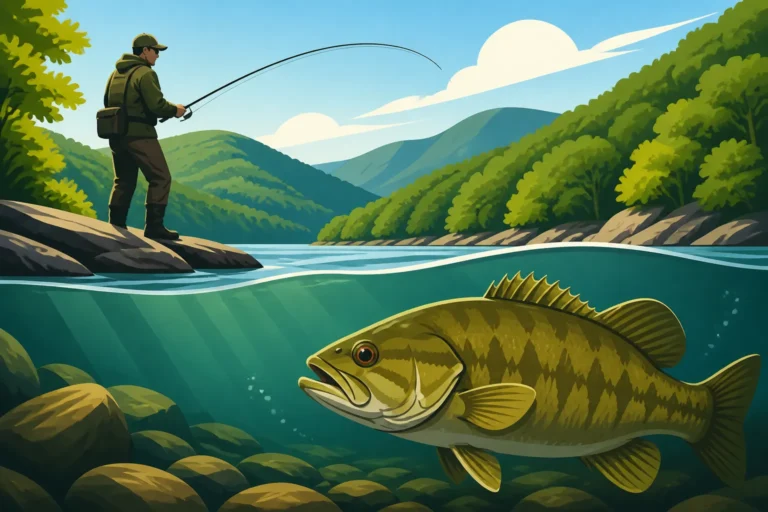
Smallmouth bass in the New River thrive on a rich and varied diet, primarily consisting of crawfish, various minnow species (like shiners and darters), hellgrammites, and a host of aquatic insects. The prevalence of crawfish is a huge factor; these crustaceans are a staple, making any lure or fly that mimics their appearance and movement a consistent producer. You'll often find smallmouth flipping rocks in shallow eddies, actively hunting crawfish.
Their preferred habitats closely align with their feeding habits. Smallmouth are structure-oriented fish. They love current breaks provided by large boulders, submerged log jams, rock ledges, and deep pools that offer shelter from strong currents and a place to ambush prey. Tailwaters below dams or natural falls can also be hot spots, concentrating forage and creating oxygen-rich environments. When the water temperatures align, you can often find smallmouth aggressively feeding in shallower riffles and runs, especially during low light conditions or cooler weather. Understanding the How to read New River smallmouth structure is key to success.
Prime Fishing Seasons and Times for New River Smallmouth
Timing is everything when it comes to consistently catching smallmouth bass on the New River. While the river can produce fish year-round, certain seasons offer unparalleled opportunities due to water temperature, fish behavior, and insect hatches. Knowing what to expect and when to go will drastically improve your chances.
Spring Pre-spawn and Spawn Periods
Spring is arguably the most anticipated time for New River smallmouth anglers. As water temperatures begin to climb from the cold winter lows, typically reaching the mid-40s to low-50s Fahrenheit, smallmouth start to move out of their deep wintering holes and become incredibly active, staging for the spawn. This pre-spawn period, usually from late March through April, sees fish gorging themselves to build energy for reproduction. They'll often be found in transition areas – deeper pools adjacent to shallower spawning flats, current seams, and around prominent rock structures. Large jerkbaits, jigs, and slow-rolled spinnerbaits are incredibly effective during this time.
The actual spawn usually kicks off when water temperatures consistently hold in the mid-50s to low-60s Fahrenheit, often peaking in May and early June. During this phase, male smallmouth build nests in shallower, gravelly areas, typically in 2-6 feet of water, often near current breaks or submerged wood. While it's exhilarating to see and target spawning fish, practicing catch and release, especially for the larger males guarding nests, is crucial for the long-term health of the fishery. These fish are highly vulnerable, and responsible angling ensures future generations of smallmouth.
Summer Patterns and Low Water Challenges
Summer on the New River, generally from late June through August, brings warmer water temperatures and often lower, clearer water levels, particularly if rainfall is scarce. While the fishing can still be fantastic, especially for aggressive topwater action, smallmouth tend to be more spread out and often retreat to deeper, cooler water during the brightest parts of the day. Early mornings, late evenings, and overcast days are prime times for fishing shallower runs and eddies with topwater lures like poppers and walk-the-dogs.
During the daytime, when the sun is high and bright, focus your efforts on deep pools, shaded banks, and areas with strong current that provide more oxygen and cooler temperatures. Fishing jigs, tubes, and Ned rigs slowly along the bottom of these deeper sections can be very productive. Kayak anglers and waders will find navigating the river easier during lower flows, opening up access to many spots that might be too difficult to fish during higher water. Just be mindful of increased recreational traffic during summer months, especially within the New River Gorge Fishing Guide area.
Fall Feeding Frenzy
As the summer heat gives way to cooler autumn air and falling leaves, the New River smallmouth enter another intense feeding period – the fall frenzy. From September through November, as water temperatures drop back into the 60s and then 50s, smallmouth aggressively feed to put on weight for the upcoming winter. They become incredibly active, often schooling up and chasing baitfish in open water and around prominent structure.
This is a fantastic time for covering water with crankbaits, spinnerbaits, and even larger jerkbaits that mimic fleeing baitfish. Fish will often hold tighter to structure as the water cools, so vertical jigging spoons or working heavy football jigs along deep ledges can also be highly effective. The vibrant fall foliage creates a stunning backdrop, making it a beautiful time to be on the water. Just be prepared for rapidly changing weather conditions and dress in layers. For current seasonal information, anglers might consult resources like FishingBooker, which often provides timely fishing reports and local guide availability for specific regions.
Top Lures and Techniques for New River Smallmouth Bass
Successfully targeting smallmouth bass on the New River requires a versatile tackle box and a willingness to adapt your techniques to changing conditions. These bronze warriors can be finicky one day and incredibly aggressive the next. Having a good understanding of the go-to lures and how to present them will dramatically increase your hook-ups.
Crankbaits and Spinnerbaits for Covering Water
When you need to cover a lot of water and locate active fish, crankbaits and spinnerbaits are indispensable tools. Medium-diving crankbaits that mimic crawfish or baitfish are incredibly effective, especially in the 4-8 foot depth range. Look for natural colors like browns, greens, and oranges for crawfish imitations, and silver, chrome, or shad patterns for baitfish. Vary your retrieve speed – a stop-and-go retrieve can often trigger strikes as the lure deflects off rocks. Crankbaits are particularly effective in spring and fall when fish are actively feeding.
Spinnerbaits, especially those with tandem willow leaf or Colorado blades, are excellent for fishing around submerged wood, rocky banks, and through moderate current. The flash and vibration they emit are irresistible to smallmouth. White, chartreuse, or natural baitfish patterns work well. Slow-rolling a spinnerbait near the bottom in deeper pools or burning it across shallow flats can both be highly productive. These lures are also great for slightly stained water conditions, as their vibration helps fish locate them.
Jigs and Soft Plastics for Structure Fishing
For probing specific structure and targeting less aggressive fish, jigs and soft plastics are hard to beat. Tube jigs, in particular, are a staple on the New River, perfectly mimicking crawfish and injured baitfish. Rig them on an internal jig head and drag, hop, or shake them along the bottom near boulders, ledges, and current breaks. Green pumpkin, brown, and watermelon colors are perennial favorites.
Other soft plastics like Ned rigs, finesse worms, and creature baits also shine when smallmouth are holding tight to cover or are pressured. The subtle action of a Ned rig on a light jig head can coax bites from even the most lethargic fish. Texas-rigged or shaky head worms can navigate snaggy cover effectively. The key with jigs and soft plastics is a slower presentation, allowing the lure to spend more time in the strike zone and giving fish ample opportunity to inspect and commit. Remember to always use a sensitive rod to detect the often subtle "thump" or spongy feel of a smallmouth bite. For a deeper dive into specific recommendations, check out Best Baits for Smallmouth Bass on the New River.
Topwater Action for Aggressive Bites
There's nothing quite like the explosive strike of a New River smallmouth on a topwater lure. This technique is most effective during low light conditions (dawn and dusk), on overcast days, or when fish are actively feeding in shallower water. Poppers, walk-the-dog baits, and even smaller buzzbaits can produce incredible action.
For poppers, a "pop-pause-pop-pause" retrieve is often best, creating splashes and gurgles that mimic struggling prey. Walk-the-dog baits require a rhythmic twitching of the rod tip to make them sashay back and forth across the surface, an irresistible motion for aggressive smallmouth. Topwater fishing is not only exciting but also highly visual, allowing you to witness the entire thrilling strike. It’s particularly effective in late spring, summer, and early fall when water temperatures are warmer and fish are more inclined to look upwards for their meals.
Key Access Points and Wading Strategies on the New River
The New River is vast, and knowing where to start can be daunting. From easily accessible public parks to remote wading stretches, the river offers something for every angler. Understanding the prime access points and how to safely wade its dynamic currents are fundamental to a successful trip.
Popular Public Access Areas
The New River Gorge National Park and Preserve offers numerous access points, many of which are well-maintained and provide opportunities for both wading and launching smaller boats.
- Fayette Station: Located within the gorge, Fayette Station fishing access guide is a very popular spot. It offers excellent access to the river's edge, deep pools, and rocky runs. You can fish from the bank or wade in many areas, but caution is advised due to strong currents. It's a great spot for both bait and lure fishing, providing a good mix of habitat.
- Thurmond: This historic coal town also provides river access. The area around the old bridge and upstream offers productive water with plenty of structure. While not as easy for wading as some other spots, it’s a picturesque area worth exploring.
- Grandview Sandbar: Further downstream from the main gorge, the Grandview Sandbar fishing spot guide offers more forgiving wading opportunities during lower water levels. Its name suggests sandy areas, but it still features plenty of rocky structure, making it a good target for smallmouth.
- Sandstone Falls: As the largest waterfall on the New River, Sandstone Falls fishing access guide is a breathtaking location. Below the falls, the river opens up into broader, shallower sections that are excellent for wading, particularly for smallmouth. The powerful currents above and around the falls dictate caution, but the vast pools and rapids below provide incredible fishing.
- Glade Creek: Offers excellent opportunities for both fly and spin anglers. This is a designated "catch and release" area for trout in its upper reaches, but where it meets the New River, it offers great smallmouth habitat, often with cooler water thanks to the tributary flow.
Beyond the National Park, other access points like the boat ramps at Babcock State Park (though requiring a short drive to the river) or numerous public hunting and fishing access sites managed by the West Virginia DNR offer different experiences. Always check local regulations and access details before heading out. Many anglers find the West Virginia DNR website or resources like FishingBooker invaluable for current conditions and guide services in these diverse areas.
Safe Wading Techniques and Gear
Wading the New River is an exhilarating way to fish, allowing you to access prime spots that boats might miss. However, the river's strong currents, rocky bottom, and sudden drop-offs demand extreme caution and proper technique.
- Footwear: Invest in high-quality wading boots with good ankle support and felt or rubber soles (often with studs) for maximum traction on slippery rocks.
- Wading Staff: A sturdy wading staff is non-negotiable. It provides a crucial third point of contact, helping you maintain balance and probe the bottom for depth and stability before taking a step.
- Depth and Current Awareness: Never wade into water that is above your knees in strong current. If the current feels too strong, it probably is. Always face upstream, shuffling your feet to avoid tripping on unseen rocks. Avoid wading alone, especially in unfamiliar or fast-moving sections.
- Route Planning: Before entering the water, take a moment to observe the current, identify potential hazards, and plan your wading route. Look for areas of slower current or natural breaks that offer a safer path.
- Layered Clothing and Dry Bags: Even on warm days, the river water can be cool. Dress in layers, and always have a dry bag for electronics, extra clothing, and your wallet. Falling in is a real possibility, and being prepared can prevent a bad situation from becoming worse.
Remember, safety always comes first. If in doubt, don't wade. There are plenty of bank fishing opportunities and guided trips available through services like FishingBooker if you're not comfortable with wading.
Navigating the New River: Boat and Kayak Fishing Tactics
While wading offers intimate access, many anglers prefer to cover more water and access otherwise unreachable spots by boat or kayak. The New River, with its mix of calm pools and whitewater rapids, presents specific challenges and rewards for various types of watercraft.
Choosing the Right Watercraft
The "best" boat for the New River depends entirely on where you plan to fish and your skill level.
- Drift Boats/Rafts: For serious multi-day trips or navigating the lower, more challenging sections of the New River Gorge, a McKenzie-style drift boat or a sturdy fishing raft is often preferred. These craft are designed to handle rapids, provide stable fishing platforms, and allow a guide to expertly maneuver through diverse water. They're excellent for covering long stretches of river.
- Jon Boats/Small Skiffs: For the calmer, wider sections of the upper New River (south of Hinton) or the slower pools outside the immediate gorge, a smaller jon boat with a modest outboard motor can be effective. These boats are generally more stable than kayaks for standing and casting but are limited by deeper drafts and are not suitable for significant rapids.
- Fishing Kayaks/Canoes: Kayaks, especially stable sit-on-top fishing models, are incredibly popular on the New River, offering a fantastic blend of maneuverability, stealth, and access to skinny water. They're ideal for anglers who want to paddle through moderate currents and fish specific spots. Many anglers utilize pedal-drive kayaks for hands-free fishing. Canoes offer similar advantages, often with more storage for overnight trips, but can be less stable than a dedicated fishing kayak. If you're considering this option, definitely read up on Best Kayak for the New River.
Regardless of your chosen craft, always ensure it is properly registered (if required), equipped with all necessary safety gear, including life jackets for everyone on board, and that you have a solid understanding of basic river navigation and safety.
River Navigation and Safety Tips
Navigating the New River, particularly in the Gorge, demands respect and preparation. The river can be unpredictable, with hidden hazards and strong currents.
- Scout Ahead: Whenever possible, scout your planned route, especially if you're unfamiliar with a section of river. Talk to local anglers or guides for up-to-date information on rapids, strainers (fallen trees), and other hazards. Services like FishingBooker can connect you with experienced local guides who know the river intimately.
- Personal Flotation Devices (PFDs): Everyone in your boat or kayak must wear a U.S. Coast Guard-approved life jacket, properly fitted, at all times on the water. This is not just a suggestion; it's a critical safety measure.
- Know Your Limits: Do not attempt rapids or sections of the river that exceed your experience or your boat's capabilities. There's no shame in portaging around a dangerous section.
- Read the Water: Learn to read currents, eddies, and waves. Identify "V"s pointing downstream (indicating a clear path) versus "V"s pointing upstream (indicating an obstruction). Understanding basic river hydrology can prevent accidents.
- Emergency Preparedness: Carry a first-aid kit, a throw bag with rope, extra paddles, a bailer, and a communication device (in a waterproof container). Let someone know your float plan and expected return time.
- Anchoring: If you plan to anchor, use a robust anchor system designed for river currents. Never anchor from the stern in moving water, as this can easily swamp your boat. Always be prepared to quickly cut your anchor line if it becomes snagged in an emergency.
Remember, the New River is a wild place. It offers incredible fishing, but it demands caution and respect. Prioritizing safety will ensure you have a memorable and enjoyable experience on the water.
Conservation and Regulations for New River Smallmouth
As anglers, we have a profound responsibility to protect the resources we cherish. The New River's smallmouth bass fishery is a national treasure, and adhering to conservation practices and understanding the specific regulations is paramount to its continued health and the enjoyment of future generations.
Catch and Release Practices
While West Virginia does allow anglers to keep smallmouth bass within established limits, practicing catch and release, especially for larger breeding-size fish, is highly encouraged on the New River. Trophy smallmouth can take many years to grow, and their contribution to the spawning population is invaluable.
When practicing catch and release, consider these best practices:
- Minimize Fight Time: Land fish quickly to reduce stress.
- Handle with Care: Support the fish horizontally, especially larger ones, to avoid damaging internal organs or the jaw. Avoid touching their gills.
- Wet Hands: Always wet your hands before handling a fish to protect its slime coat, which is crucial for disease resistance.
- Remove Hooks Quickly: Use needle-nose pliers or hemostats to quickly and gently remove hooks. If a fish is deeply hooked, cut the line as close to the hook as possible rather than tearing the fish's throat trying to remove it.
- Revive Gently: If a fish is lethargic, hold it gently in the current, facing upstream, until it can swim away under its own power. Don't simply toss it back.
By being mindful of how we handle these magnificent fish, we ensure that the New River continues to produce the incredible smallmouth bass it's known for.
Understanding West Virginia Fishing Regulations Explained and the New River Slot Limit
West Virginia has specific regulations in place to manage its fisheries, and the New River often has special rules due to its unique status and the quality of its smallmouth population. It's critical to review the current year's fishing regulations summary provided by the West Virginia Division of Natural Resources (WVDNR) before every fishing trip. You can typically find a downloadable PDF online.
For black bass (which includes smallmouth, largemouth, and spotted bass), West Virginia has statewide daily creel and possession limits. However, the New River is famous for its special "slot limit" designed to protect and enhance its trophy smallmouth fishery. The West Virginia Black Bass Limits and the New River Slot Limit details this crucial regulation. Generally, a slot limit means that fish within a certain size range must be immediately released, while fish below or above that slot may be kept. This protects the prime breeding-size fish while allowing for harvest of smaller, more abundant individuals.
For example, a common New River slot limit for smallmouth bass might be something like: all smallmouth bass between 12 and 16 inches must be immediately released. This protects the fish that are most vital to reproduction. Violating these regulations can result in significant fines and penalties, including the loss of fishing privileges. So, take the time to read and understand the rules; it's part of being a responsible angler.
| Season | Prime Fishing Conditions | Recommended Lures/Techniques | Considerations |
|---|---|---|---|
| Spring | Rising water temps (50-60°F), pre-spawn & spawning activity, fish moving to shallower staging areas. | Suspending jerkbaits, jigs (tubes, Ned rigs), slow-rolled spinnerbaits, smaller crankbaits. | Focus on transition areas. Practice catch and release for spawning fish. River levels can fluctuate significantly with spring rains. |
| Summer | Warmer water (65-75°F), fish often seek deeper, cooler water or strong current breaks during midday. Low, clear water common. | Early/late: Topwater lures (poppers, walk-the-dogs). Midday: Deep-diving crankbaits, jigs & soft plastics (Ned rigs, tubes) along bottom in deep pools, vertical jigging. | Best topwater action. Be aware of increased recreational traffic. Fish can be found in oxygenated rapids. Look for shaded banks and structure. Consider booking a guided trip through a service like FishingBooker for best summer spots. |
| Fall | Cooling water (60-45°F), fish aggressively feeding for winter, often schooling up. | Medium-diving crankbaits, spinnerbaits, larger jerkbaits, jigs (football, hair jigs), vertical jigging spoons. | Excellent opportunity for trophy fish. Look for baitfish schools. Fish will hold tighter to structure as water cools. Be prepared for rapidly changing weather. |
| Winter | Cold water (below 45°F), fish concentrated in deep holes, slow metabolism. | Deep vertical jigging (spoons, heavy jigs), slow-fished Ned rigs, light line finesse techniques. | Challenging but can yield large fish. Focus on the deepest, slowest pools. Extremely slow presentations are key. Ice fishing is rare on the New River itself due to current, but possible on some tributaries or backwaters if conditions allow. Always check West Virginia Fishing Season Dates and Closures for details. |
Disclaimer
Please be aware that fishing regulations, conditions, and best practices can change. Always consult the official West Virginia Division of Natural Resources (WVDNR) website or their current fishing regulations summary before heading out on the water. This guide is for informational purposes only and does not supersede official regulations. Stay safe, and enjoy your time fishing the New River!