Sandstone Falls fishing access guide
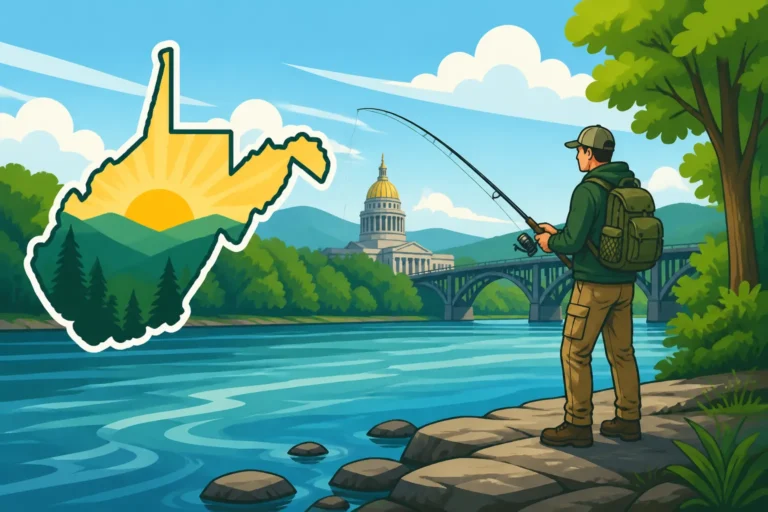
Trying to find those truly spectacular, yet accessible, fishing spots in West Virginia can often feel like searching for a hidden treasure, especially when you’re dealing with an iconic location like Sandstone Falls that attracts so many visitors. It's easy to get overwhelmed by the sheer beauty and scale of the New River Gorge, leaving you wondering where to even begin your angling adventure without running into crowds or getting into tricky situations. This guide is here to unravel the mysteries of fishing access at Sandstone Falls, providing you with the knowledge and practical tips to enjoy a memorable and fruitful outing on one of the state's most breathtaking waterways.
Understanding Sandstone Falls and Its Unique Fishery
Sandstone Falls isn't just a pretty picture; it's a dynamic, powerful natural feature that shapes the entire fishing experience around it. Anglers often find themselves drawn to its majestic beauty, but understanding the forces at play is key to both safety and success.
The Majesty of Sandstone Falls and its Impact on Fishing
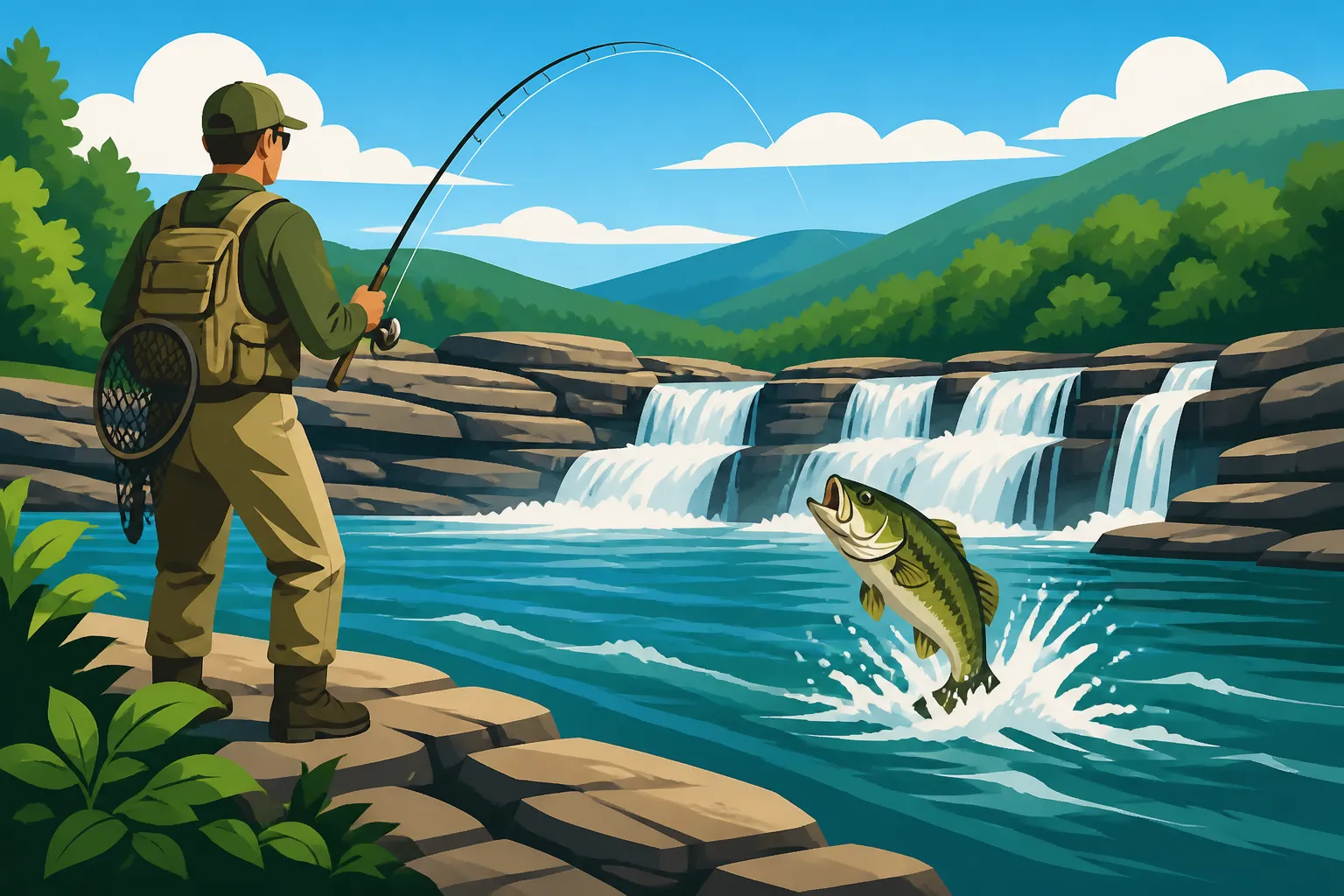
Nestled in the heart of the New River Gorge National Park and Preserve, Sandstone Falls is the largest waterfall on the New River, stretching over 1,500 feet across the river with drops ranging from 10 to 25 feet. It’s an absolutely breathtaking sight, a true testament to the raw power of nature. But beyond the aesthetics, this massive drop creates a unique hydrographic environment that profoundly impacts where fish live and how they behave. The churning water below the falls, the deep pools carved out over millennia, and the oxygenation provided by the cascades create prime habitat for a variety of game fish.
The falls essentially act as a natural barrier and a feeding frenzy zone. Below the falls, the river slows and deepens in sections, forming large eddies and backwater areas where fish can escape the strongest currents and find abundant food that gets flushed over the falls. Above the falls, the river widens and flattens out, offering different types of fishing opportunities in more diverse structure. The sheer volume of water moving over the sandstone ledges constantly rearranges the river bottom, creating new pockets, ledges, and current breaks that are ideal for predatory fish. It’s a dynamic, ever-changing environment, meaning what worked last year, or even last week, might need adjusting. This constant flux is both a challenge and an exciting opportunity for the persistent angler.
Key Fish Species to Target Around the Falls
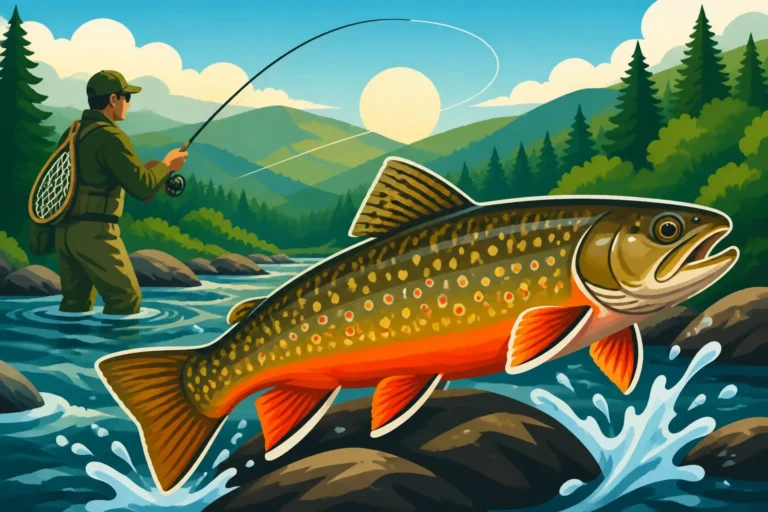
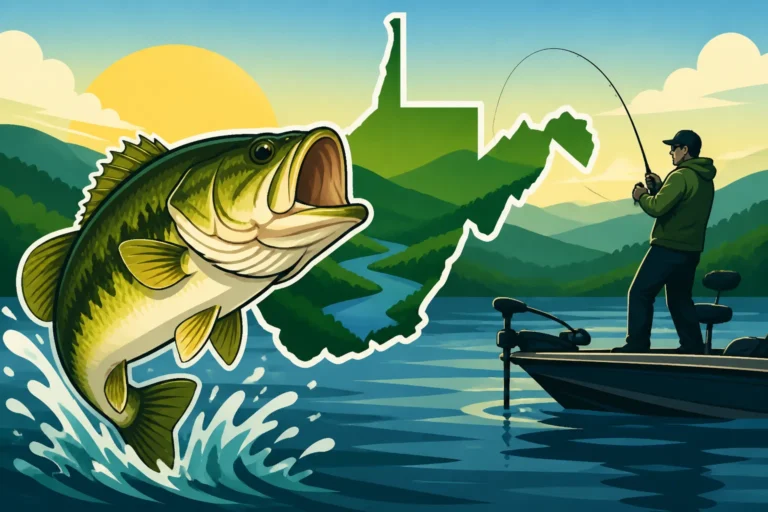
The New River, particularly around Sandstone Falls, is renowned for its incredible smallmouth bass fishery. These feisty fighters thrive in the river's rocky, oxygen-rich waters and are a primary target for most anglers visiting the area. You'll find them holding in current seams, behind boulders, in deep eddies, and along rock ledges, always looking for an ambush point. The average size is impressive, with plenty of opportunities for trophy-sized bronzebacks. For those looking to really delve into this specific challenge, our comprehensive guide on New River Smallmouth Bass Fishing offers even more tailored advice.
Beyond smallmouth, the New River also boasts a thriving muskie population. These elusive giants are the apex predators of the river, and the turbulent waters and deep pools around Sandstone Falls provide excellent habitat for them. While catching a muskie is never guaranteed, the falls area concentrates baitfish, which in turn concentrates these toothy titans. Targeting muskie requires specialized gear and a great deal of patience, but the reward of hooking into one of these freshwater monsters is unparalleled. It’s worth noting that guides on platforms like FishingBooker often specialize in chasing these particular giants, having intimate knowledge of their local haunts near the falls.
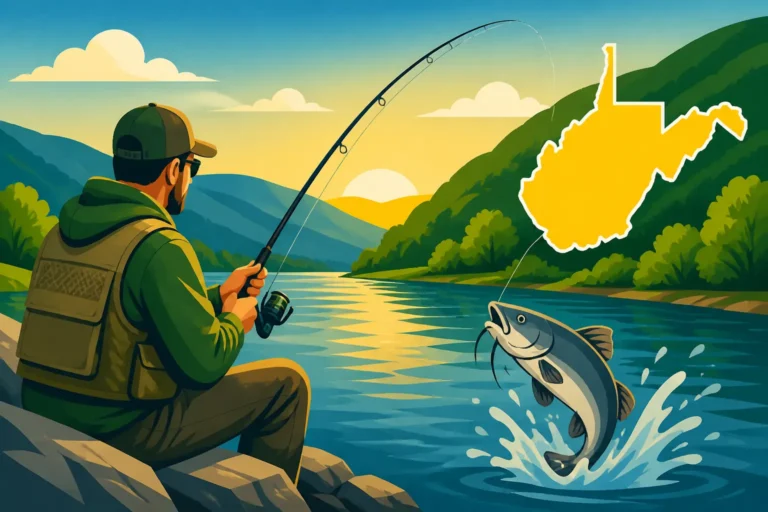
Don't overlook the panfish, either! While perhaps not as glamorous as bass or muskie, various sunfish species, rock bass, and sometimes even crappie can be found in the calmer pockets and shallower edges near the falls. These offer a fantastic opportunity for light tackle fun, especially for families or anglers looking for consistent action. Additionally, channel catfish and flathead catfish also call this section of the New River home, especially in the deeper, slower-moving holes, and can provide a powerful fight, particularly during evening or night fishing excursions.
Essential Access Points and How to Reach Them
Getting to Sandstone Falls is relatively straightforward, but understanding the nuances of access points, especially for fishing, can make all the difference in your experience. You don't want to arrive with all your gear only to realize the best fishing spots are inaccessible from where you parked.
Driving Directions and Parking for the Main Overlook
The primary access point for Sandstone Falls, and the one most tourists visit, is via the Sandstone Falls Boardwalk Trail. If you're coming from the south, your best bet is usually to head towards Hinton, West Virginia. From Hinton, you'll take WV-20 North for about 8 miles, then turn left onto River Road (County Route 26/3). This paved road will take you directly to the Sandstone Falls parking area, which is well-marked. For those approaching from the north, you might come down US-19 to WV-16 South, then cut over towards Hinton and follow the same directions. The drive along River Road is scenic, but it can be winding and narrow in places, so take your time, especially if you’re towing a boat or have a wider vehicle.
Once you arrive at the main parking area, you’ll find ample space, though it can fill up quickly on busy summer weekends. From the parking lot, a paved, accessible boardwalk leads out to a series of overlooks that provide incredible views of the falls. While this boardwalk is fantastic for sightseeing, it’s not really designed for direct fishing access. You can certainly cast from certain sections, but it's not ideal for active angling or moving along the bank. Think of this as your starting point, where you can assess the river conditions and plan your next move. Always double-check the National Park Service website for any temporary closures or special alerts before heading out, as conditions around natural attractions can change.
Trail Access for Anglers: Navigating the Banks
For serious anglers, leaving the boardwalk behind is where the real adventure begins. Below the main falls, there are numerous trails and informal paths that lead to the river's edge, offering more intimate and productive fishing spots. On the Hinton side (the side with the main parking), you can find footpaths that diverge from the main boardwalk or even before you get onto it, leading down to the river. These paths can be steep, rocky, and often slippery, especially after rain or during dew-filled mornings. Sturdy hiking boots or wading boots with good traction are an absolute must. You'll be navigating a mix of exposed rock, loose gravel, and dense riverside vegetation.
The terrain here is rugged. Imagine scrambling over large boulders, pushing through thick rhododendron, and carefully picking your way along eroded banks. It’s not for the faint of heart, or for those carrying too much gear. Pack light, and consider a backpack or sling bag that keeps your hands free for balance. The rewards, however, can be immense. These less-traveled spots often hold some of the best fishing opportunities, as they receive less pressure. Always be aware of your surroundings, scan for snakes, and be cautious of slick rocks near the water's edge. Some anglers even utilize inflatable rafts or kayaks launched further upstream or downstream to access remote sections, though navigating the currents around the falls themselves is extremely dangerous and strictly prohibited. Exploring these hidden gems requires careful planning and a good sense of adventure, but it unlocks the true potential for fishing around Sandstone Falls.
Fishing Techniques and Gear Considerations for Sandstone Falls
Successfully fishing the powerful waters around Sandstone Falls requires a thoughtful approach to both technique and tackle. What works in a calm lake certainly won't cut it here, and being prepared means knowing what lures to throw and what gear can stand up to the challenge.
Best Lures and Baits for Success
When targeting smallmouth bass in the New River, especially around the falls, mimicking their primary forage is key. Crayfish are a huge part of their diet, so crayfish-imitating crankbaits (like those from Rapala or Strike King in natural browns and greens) are often deadly, particularly when bounced off the bottom in slower currents and eddies. Soft plastic tubes and creature baits, rigged on heavy jig heads (1/4 to 1/2 ounce or more, depending on current), are also incredibly effective. Work them slowly along the bottom, letting the current impart natural action. Our guide on the Best Baits for Smallmouth Bass on the New River goes into even more detail on specific presentations.
For muskie, you'll need much larger offerings. Big spinnerbaits, bucktails (like those from Musky Mayhem Tackle), large crankbaits, and swimbaits are standard. Cast these towards current seams, deep rock formations, and areas where baitfish might congregate. Remember that muskie fishing is often about making hundreds of casts for a single strike, so choose lures you can comfortably throw for hours. Many experienced guides featured on FishingBooker will often recommend specific colors or patterns based on recent river conditions, a testament to how localized knowledge can really help. Don't forget, a crucial retrieve for muskie is the "figure eight" at the boat or bank, enticing follows to strike right at your feet.
For panfish, simpler is often better. Small inline spinners, tiny jigs tipped with a grub or piece of worm, or even just a hook with a live worm under a bobber can be very effective in calmer pockets. Catfish, on the other hand, respond well to stink baits, cut bait, or live minnows fished on the bottom in deeper holes. Always ensure you're using appropriate tackle for the species you're targeting to avoid unnecessary stress on the fish and to land them efficiently.
Rod, Reel, and Line Recommendations
For smallmouth bass, a medium-heavy to heavy power spinning or baitcasting rod, typically 6'6" to 7'6" in length, is ideal. This gives you the backbone needed to fight strong fish in current and cast heavier lures. Pair this with a reliable reel spooled with 10-15 lb fluorocarbon or braided line with a fluorocarbon leader. The leader is essential for abrasion resistance against the rocky bottom and for invisibility in clear water. For specific gear choices, you might find our article on Best Spinning Rods for Smallmouth Bass helpful in narrowing down options.
Muskie fishing requires a serious upgrade in tackle. You'll want a heavy to extra-heavy power baitcasting rod, 8 to 9 feet long, specifically designed for muskie. These rods are built to handle large lures and heavy fish. A robust baitcasting reel with a low gear ratio (for power) and a strong drag system is crucial. Spool up with 65-100 lb braided line, always with a heavy fluorocarbon or wire leader to prevent bite-offs from those razor-sharp teeth. Don't skimp on this gear; it's an investment, but it's what you need to stand a chance with these magnificent fish.
For panfish and smaller species, a light or ultralight spinning rod and reel combo with 4-6 lb monofilament or fluorocarbon line will provide plenty of sport. No matter what you're targeting, always have a good pair of pliers or forceps for hook removal, especially with muskie. A sturdy, rubberized net is also highly recommended for safe and ethical catch-and-release, which is often encouraged, particularly for larger bass and muskie.
Here’s a quick overview of recommended gear:
| Species Targeted | Rod Power/Length | Reel Type | Line (Main/Leader) | Recommended Lures/Bait |
|---|---|---|---|---|
| Smallmouth Bass | Med-Heavy to Heavy, 6'6"-7'6" | Spinning/Baitcasting | 10-15lb Fluoro or Braid/Fluoro | Crankbaits, Tubes, Creature Baits, Jigs |
| Muskie | Heavy to Extra-Heavy, 8'-9' | Baitcasting (Low Gear) | 65-100lb Braid/Wire or Heavy Fluoro | Large Bucktails, Swimbaits, Crankbaits |
| Panfish | Light to Ultralight, 5'-6' | Spinning | 4-6lb Mono/Fluoro | Inline Spinners, Tiny Jigs, Worms |
| Catfish | Medium-Heavy to Heavy, 7'-9' | Spinning/Baitcasting | 15-30lb Mono/Braid | Stink Bait, Cut Bait, Live Minnows |
Navigating Regulations and Best Practices
Fishing at Sandstone Falls isn't just about what gear you have; it's also about understanding and respecting the rules and the environment. This area falls within a National Park, which often means specific regulations alongside state laws.
Understanding West Virginia Fishing Regulations at Sandstone Falls
First and foremost, anyone aged 15 and older needs a valid West Virginia fishing license to fish in the waters around Sandstone Falls. This applies whether you're a resident or a non-resident. You can learn all about obtaining one in our comprehensive West Virginia Fishing License Guide for 2026. Even if you're just visiting for a day, short-term permits are available, making it easy to comply. Beyond the license, it’s critical to be familiar with the general West Virginia Fishing Regulations Explained, as these cover everything from legal fishing methods to daily creel and possession limits.
Because Sandstone Falls is within the New River Gorge National Park and Preserve, there might be additional rules or recommendations specific to the park. Generally, West Virginia fishing regulations apply within the park, but it's always wise to check the National Park Service website or contact a park ranger for any area-specific closures or restrictions, especially regarding bait use or protected species. For instance, while you don't typically need a separate permit to fish within the National Park Service boundaries if you have a state license, understanding nuances like certain bait restrictions or catch-and-release requirements for specific stretches is vital. For more context on the entire park, our New River Gorge Fishing Guide is a great resource. Always be sure you know the West Virginia Bag and Possession Limits by Species for whatever you hope to catch and keep. Conservation is key to preserving this incredible fishery for future generations.
Safety and Etiquette for Anglers and Visitors
Safety at Sandstone Falls cannot be overstated. The New River, especially below the falls, is incredibly powerful. The currents are swift, and the water can be deceptively deep and cold. Always wear a life jacket if you're venturing out on the water in a kayak or boat, and even bank anglers should consider one, especially when navigating slippery rocks near the edge. A sturdy wading staff can be a lifesaver for maintaining balance on uneven terrain and in moving water. Never turn your back on the river, and always be aware of changing water levels, which can happen quickly, particularly after heavy rains upstream. Check the USGS stream gauges before you go; knowledge is power when it comes to river safety.
Beyond personal safety, practicing good etiquette and Leave No Trace principles is paramount. Sandstone Falls is a popular tourist destination, meaning you'll likely encounter other visitors, including sightseers, hikers, and other anglers. Be respectful of everyone's experience. Don't crowd other anglers, dispose of all trash properly (including fishing line and bait containers), and avoid disturbing wildlife. Pack out everything you pack in, and leave the area even better than you found it. Remember, we're all guests in this amazing natural wonder. Sharing space responsibly ensures that everyone can continue to enjoy the beauty and bounty of Sandstone Falls. If you're utilizing fishing guides, whether booked through FishingBooker or independently, they are excellent resources for local safety knowledge and ethical practices.
Disclaimer
Please note that fishing regulations and conditions can change rapidly. Always consult the latest official West Virginia Division of Natural Resources (WVDNR) regulations and any specific rules for the New River Gorge National Park and Preserve before heading out. Safety should always be your top priority when enjoying the outdoors.