Shavers Fork Brook Trout Fishing
There’s something truly special about chasing native brook trout in their wild mountain homes, and in West Virginia, few places capture that magic quite like Shavers Fork. For many anglers, the thought of navigating remote streams, matching wits with these elusive, vibrant fish, and adhering to specific regulations can feel a bit daunting. This comprehensive guide will strip away the mystery, detailing everything from the unique ecosystem of Shavers Fork to the essential gear and techniques you'll need to successfully connect with these beautiful, wild trout while respecting their pristine habitat.
The Pristine Waters of Shavers Fork
Shavers Fork, nestled deep within the Monongahela National Forest, is not just another stream; it's a testament to wild, untamed beauty and a critical stronghold for native brook trout. Its reputation precedes it, often whispered among seasoned anglers as a place of challenge and immense reward. This isn't your average stocked pond experience; this is about connecting with nature and a fish that has called these waters home for millennia.
Understanding the Unique Ecosystem
The allure of Shavers Fork lies in its incredibly unique ecosystem, largely shaped by its high elevation, dense forest canopy, and a geology that provides ample clean, cold water. Stretching over 88 miles, with its headwaters near the Cheat Mountain in Pocahontas County, this river descends through a series of steep gradients, creating a dynamic environment of riffles, runs, and deep pools. The elevation plays a crucial role; much of Shavers Fork flows above 2,500 feet, which means naturally colder water temperatures year-round. This is absolutely vital for brook trout, as they thrive in oxygen-rich, cool water, making them incredibly sensitive to thermal changes.
The substrate of the riverbed is predominantly composed of rocks, gravel, and sand, interspersed with larger boulders and woody debris. This varied structure provides abundant hiding spots for trout, protection from predators, and a rich habitat for the aquatic insect life they depend on. The dense forest canopy, a hallmark of the Monongahela National Forest, shades the water, helping to keep temperatures stable even during the warmer summer months. This canopy also contributes a steady supply of terrestrial insects – ants, beetles, grasshoppers – that often fall into the water, becoming an opportunistic meal for hungry brookies. This combination of cold, clean water, diverse habitat, and a consistent food source creates a truly ideal environment for these native fish, making it one of the High-elevation trout streams in the Monongahela National Forest that every angler dreams of visiting.
Sections and Access Points
Navigating Shavers Fork can be an adventure in itself, given its length and the rugged terrain it traverses. For ease of understanding, it's often helpful to think of the river in general sections: the upper, middle, and lower stretches, each offering a slightly different character and level of accessibility.
The upper sections are typically the most remote and pristine, often requiring significant hiking or even bushwhacking to reach. Access here might involve gravel Forest Service roads that lead to trailheads, from which you'll embark on foot. These areas are characterized by smaller flows, tighter cover, and often more numerous, albeit smaller, brook trout. The reward for the effort is solitude and truly wild fishing. For example, accessing areas near the headwaters off Forest Service Road 92 can require a hearty hike, but the absence of human pressure often means fish that are less wary.
The middle sections tend to be more accessible, though still offering a wild experience. Here, the river gains more volume, widening out with a mix of rapids, slower pools, and classic pocket water. Roads like Cheat Mountain Ridge Road (FS 14) can run parallel to portions of the stream, providing easier pull-offs and shorter walks to the water. These sections often see a bit more angling pressure, but the increased water volume can hold larger fish.
The lower sections of Shavers Fork, as it gets closer to its confluence with the Cheat River, become larger still. While still beautiful, these areas might exhibit slightly warmer water temperatures, especially in summer, and could hold a mix of brook trout alongside brown trout or even rainbow trout that have migrated from other areas or escaped from private waters. Access is generally easiest here, often via state routes like US-33 near Elkins, offering more conventional roadside parking.
It's important to remember that cellular service can be spotty to non-existent in many parts of the Monongahela National Forest, so always carry a map, compass, or a downloaded GPS track. Knowing your access and exit points thoroughly is paramount, as getting lost in this dense wilderness is a real possibility. The challenge of access, while sometimes frustrating, is precisely what helps preserve the wild nature of Shavers Fork, making the effort entirely worthwhile for those seeking an authentic native trout experience.
Shavers Fork Brook Trout: A Deep Dive
The star of Shavers Fork is, without a doubt, the native brook trout. These fish aren't merely inhabitants; they are integral to the identity and health of this magnificent waterway. Understanding their characteristics and behaviors is key to both successfully catching them and ensuring their continued prosperity.
Characteristics of Native Brook Trout
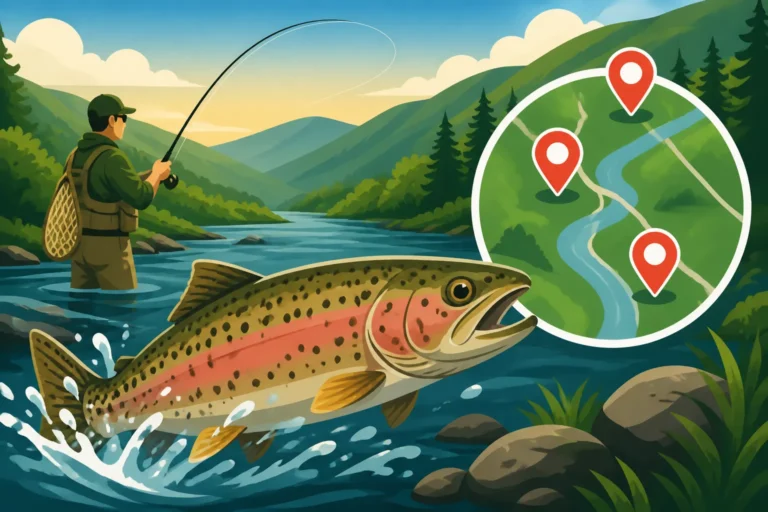
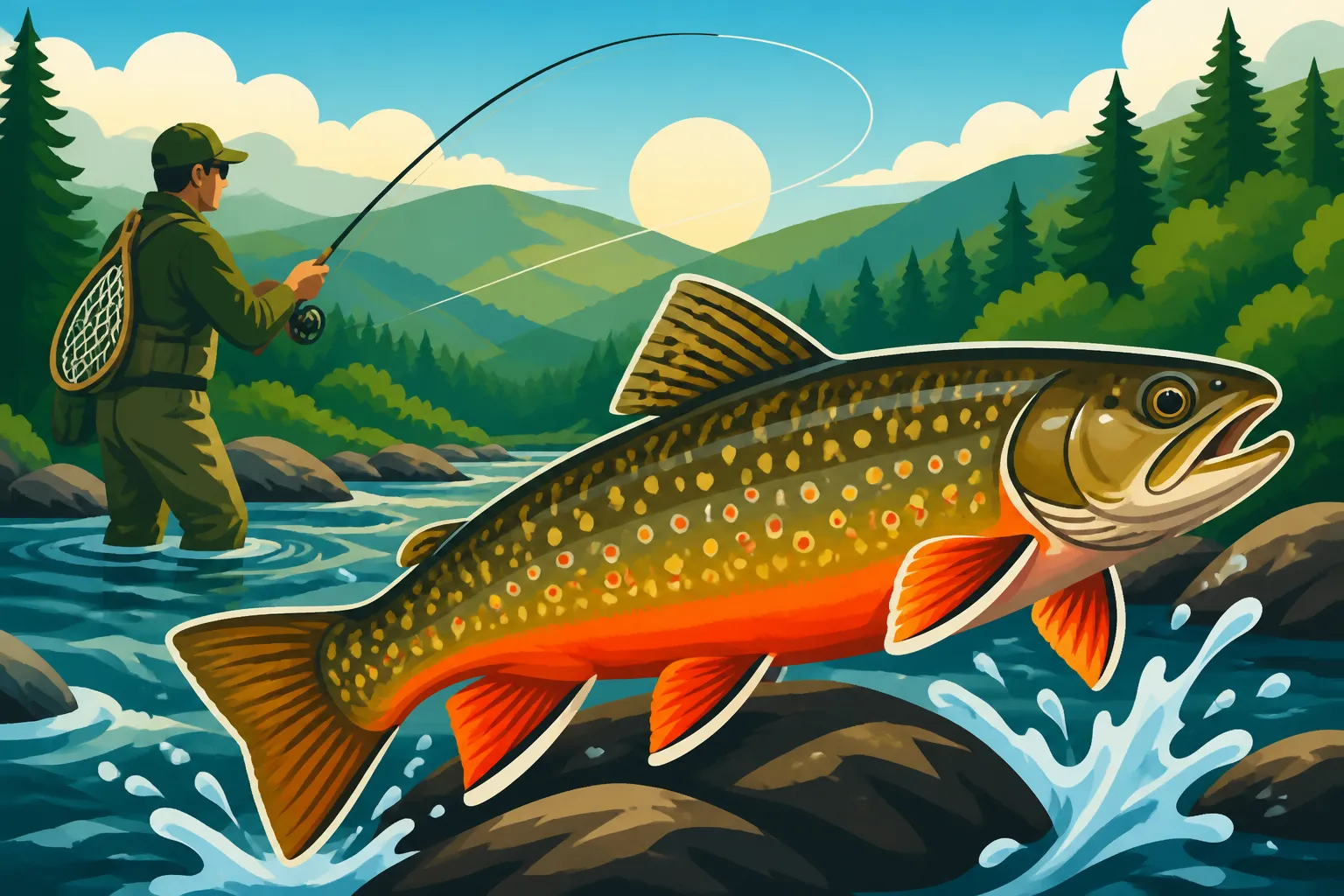
West Virginia's state fish, the brook trout (Salvelinus fontinalis), is a true char, distinguished by its stunning coloration and unique markings. On Shavers Fork, these fish are wild, born and raised in the stream, and their vibrant hues reflect their pristine environment. Identifying a brook trout is often straightforward once you know what to look for. Their backs are typically olive green to dark brown, covered in distinctive, worm-like patterns known as vermiculations. Along their flanks, you'll see scattered red spots, each encircled by a striking blue halo – a hallmark feature. Their lower fins (pectoral, pelvic, and anal) boast a prominent white leading edge, often followed by a black stripe, and then a reddish or orange hue. Their bellies can range from creamy white to bright orange or red, especially during the fall spawning season.
While brook trout can grow quite large in some systems, the native fish in Shavers Fork are generally smaller, often ranging from 6 to 10 inches. Don't let their size fool you, though; what they lack in length, they more than make up for in beauty, feistiness, and the sheer challenge of catching a truly wild fish. A 12-inch brook trout from Shavers Fork is considered a trophy, a testament to its survival in a competitive, natural environment. Their vibrant colors intensify with age and during spawning, making every catch a visual delight. These aren't the pale, fin-clipped hatchery trout; these are specimens of resilience and natural beauty, perfectly adapted to their mountain home. For a deeper dive into these remarkable fish, check out our guide on Brook Trout: West Virginia's Native and State Fish.
Life Cycle and Behavior
The life cycle and behavior of Shavers Fork brook trout are intimately tied to the rhythm of the seasons and the specific conditions of their mountain stream. Spawning typically occurs in the fall, from late September through November, when water temperatures begin to drop. Female brook trout will construct redds – shallow depressions in the gravel bottom – where they deposit their eggs. Males, adorned in their most brilliant colors, then fertilize them. These eggs incubate through the cold winter months, hatching into fry in early spring. The survival rate of these wild eggs and fry is heavily dependent on stable water flows, clean gravel, and the absence of siltation, which is why protecting their habitat is so crucial.
Their diet is primarily insect-based, encompassing a wide array of aquatic invertebrates like caddisflies, mayflies, stoneflies, and midges in their various life stages (nymphs, larvae, pupae, and adults). During warmer months, terrestrial insects, such as ants, beetles, grasshoppers, and even small caterpillars, become significant food sources, especially when they fall from the overhanging vegetation. Brook trout are opportunistic feeders, however, and will also prey on small baitfish, sculpins, or even smaller amphibians if the opportunity arises.
Seasonal movements are often subtle but present. In the winter, brook trout tend to seek out deeper, slower pools and cover, conserving energy in the cold water. As spring arrives and insects become more active, they disperse throughout the stream, often holding in riffles and runs where food is readily available. Summer sees them seeking out the coldest pockets of water, often near springs or in shaded, oxygenated areas, becoming more active during cooler parts of the day. Fall triggers their pre-spawning feeding frenzy and migration to suitable spawning grounds. Understanding these patterns allows anglers to better predict where the fish will be and what they might be willing to eat, greatly improving chances of success.
Essential Gear for Shavers Fork
Fishing for brook trout on Shavers Fork is a nuanced endeavor that benefits greatly from specialized gear. You're not just fishing; you're often wading, hiking, and meticulously presenting flies in tight quarters. Having the right tools won't just improve your catch rate; it will enhance your entire experience and ensure your safety in this wild environment.
Fly Fishing Tackle Recommendations
For the delicate and often precise nature of Shavers Fork brook trout fishing, a light fly fishing setup is almost universally recommended. You're targeting fish that are typically under a foot long, in streams that can be tight and brushy.
- Fly Rod: A 2-weight or 3-weight rod, typically 6 to 7.5 feet long, is ideal. This shorter length is crucial for navigating the often-overgrown banks and making accurate casts in confined spaces. A lighter rod provides the necessary sensitivity to detect subtle takes from smaller trout and offers an exhilarating fight from even a modest fish. Some anglers might opt for a 4-weight if they anticipate larger fish or want more versatility for slightly larger flies, but generally, lighter is better here. For more options, explore Best Fly Rods for West Virginia Trout Streams.
- Fly Reel: A simple, lightweight click-and-pawl or disc-drag reel that balances your chosen rod is perfect. While a good drag system is always a plus, with smaller brook trout on light tackle, the reel primarily serves to hold your line.
- Fly Line: A weight-forward floating line matched to your rod weight (WF2F, WF3F, or WF4F) is standard. This allows for easier casting of both dry flies and nymph rigs.
- Leader and Tippet: This is where precision really matters. A 7.5-foot to 9-foot leader, tapering down to 5X or 6X tippet, is generally appropriate. The finer tippet is essential for presenting small flies naturally and reducing visibility to spooky fish in clear water. For extremely clear, low water conditions, some experienced anglers might even drop down to 7X, but it increases the risk of break-offs. Always carry spools of 4X, 5X, and 6X tippet to adapt to conditions.
When it comes to fly patterns, variety is your friend, but simplicity often wins.
- Dry Flies: During spring, summer, and fall, hatches can occur. Be prepared with patterns like Elk Hair Caddis (tan, olive), Parachute Adams (various sizes), Stimulators (yellow, orange), and ant patterns (black, cinnamon). Small terrestrials are incredibly effective in summer. Carry sizes from #14 down to #20.
- Nymphs: When fish aren't rising, nymphs are your go-to. Patterns like a Hare's Ear Nymph, Pheasant Tail Nymph, Copper John, and Prince Nymph are staples. Focus on smaller sizes, #16 to #20, as the natural insects in these streams are often tiny.
- Streamers: While less common for small brook trout, a small Black Woolly Bugger or similar sculpin imitation (#10 or #12) can entice an aggressive strike, especially in deeper pools or during higher water.
Always inspect your leader and tippet frequently for nicks and abrasions, as a lost fish due to faulty line is a frustrating experience.
Wading and Safety Equipment
Shavers Fork is not a stream where you can typically bank fish with ease. Wading is often necessary, and the rocky, slippery bottom demands appropriate gear for safety and comfort.
- Waders: Breathable chest waders are highly recommended, even in summer, as the water is consistently cold. They offer protection from the elements, allow you to get into the best casting positions, and provide a layer of safety against unforeseen dips. Look for durable materials that can withstand snags from streamside brush.
- Wading Boots: This is a non-negotiable item for safety. Felt-soled boots offer superior grip on wet, mossy rocks and are a traditional choice for mountain streams. However, rubber-soled boots with aggressive tread or added studs are also popular and can be better for hiking to access points. Whichever you choose, ensure they provide excellent ankle support, as uneven footing is the norm. For a detailed comparison, check out Best Wading Boots for Rocky Streams.
- Wading Staff: A collapsible wading staff is an absolute lifesaver. It provides a crucial third point of contact, helping you maintain balance in swift currents and on slick rocks. It also allows you to probe the depth and stability of the stream bed before stepping, preventing unexpected plunges.
- Layered Clothing: Mountain weather can change quickly. Wear moisture-wicking base layers, an insulating mid-layer, and a waterproof, breathable rain jacket. Even on sunny days, a sudden shower can leave you soaked and cold if unprepared.
- Backpack/Vest: A comfortable backpack or fishing vest is essential to carry your tackle, water, snacks, first-aid kit, and extra layers. Given the remoteness, self-sufficiency is key.
- First-Aid Kit: A compact kit with essentials for cuts, scrapes, blisters, and insect bites is a must. Consider carrying a small emergency blanket.
- Navigation: While you might use your phone for GPS, always carry a physical map and compass, or a fully charged dedicated GPS device. Cell service is unreliable in the Monongahela National Forest.
- Water and Snacks: Staying hydrated and fueled is crucial for a full day of fishing and hiking.
Being prepared with the right wading and safety equipment ensures that your focus remains on the fishing and enjoying the breathtaking surroundings, rather than worrying about a misstep or a sudden change in weather.
Techniques for Shavers Fork Brookies
Catching native brook trout in Shavers Fork is often described as a dance between stealth and precision. These fish are wild, wary, and perfectly attuned to their environment. Success isn't about brute force or flashy gear; it's about understanding their habits and presenting your fly with utmost care.
Stealth and Presentation
When approaching Shavers Fork, think like a predator – or rather, think like a prey animal trying to avoid one. Native brook trout are incredibly skittish, especially in the clear, low-water conditions often found during summer. Your approach is paramount.
- Stay Low and Out of Sight: As you walk the banks, keep a low profile. Avoid standing directly on the bank's edge, silhouetted against the sky. Use streamside vegetation, boulders, and terrain to break up your outline. Kneeling or crouching as you cast will significantly reduce your visibility to the fish.
- Avoid Casting Shadows: Direct sunlight can cast your shadow over the water, instantly spooking fish. Always try to cast with the sun in front of you, or fish on cloudy days if possible.
- Short, Accurate Casts: Unlike larger rivers where long casts are often needed, Shavers Fork frequently requires short, precise casts. Many fish will hold in pockets of water right at your feet or just a short distance away. Practicing your roll casts and short-distance accuracy will pay dividends. The goal is to drop your fly softly, precisely where you want it, with minimal disturbance to the water.
- Natural Drifts with Dry Flies and Nymphs: Whether you're fishing a dry fly on the surface or a nymph subsurface, a drag-free drift is critical. This means your fly moves at the exact same speed as the current, without being pulled unnaturally by your fly line. Mending your line (making small adjustments to keep your line upstream of your fly) is a technique you'll need to master. Any unnatural drag will immediately signal "fake food" to a wary brook trout.
- Matching the Hatch vs. Attractor Patterns: While it's always good to try and "match the hatch" (imitate the specific insects that are currently emerging), sometimes an attractor pattern works best. These are flies that don't imitate anything specific but are designed to grab a fish's attention. Think small Stimulators or brightly colored nymphs. Often, the presentation is more important than the exact fly pattern on Shavers Fork.
- Targeting Holding Water: Brook trout love cover. Look for them holding behind boulders, in the seam lines where fast water meets slow, under overhanging banks, submerged logs, and in the tailouts of pools. These are prime ambush points where they can dart out to feed with minimal effort. Don't overlook small pockets of water that might seem insignificant; a tiny plunge pool or a narrow slot next to a rock can hold a surprisingly large brook trout.
The more deliberate and thoughtful your approach, the more rewarding your Shavers Fork experience will be. Remember, you're trying to fool a wild creature in its natural element, and that requires finesse. Our detailed guide on Fly Fishing for Trout in West Virginia offers even more insights into these techniques.
Seasonal Considerations
The fishing experience on Shavers Fork changes dramatically with the seasons, each bringing its own challenges and rewards. Understanding these shifts is crucial for planning your trip and adapting your tactics.
Spring (April – May): The Awakening
Spring on Shavers Fork is a time of awakening. As snow melts and rain falls, water levels can be higher and often stained, and temperatures begin to rise from their winter lows.
- Conditions: Higher, cooler water, often with good oxygen levels. Insect activity begins to pick up.
- Techniques: Nymphing is often highly effective, as trout are still feeding subsurface on emerging insects. Use heavier nymphs or add a small split shot to get your flies down quickly in the faster currents. Small streamers can also be productive. Keep an eye out for early caddis or small mayfly hatches on warmer days.
- Fish Behavior: Trout are becoming more active after winter, but still a bit lethargic in very cold water. They'll be found in slower currents, deeper pockets, and behind current breaks.
Summer (June – August): Dry Fly Paradise (with caveats)
Summer is often what many anglers dream of for Shavers Fork – low, clear water and abundant terrestrial insects. However, it also presents challenges.
- Conditions: Water levels are typically at their lowest and clearest. Air temperatures are warmest, but the dense canopy generally keeps stream temperatures suitable for brook trout, though they can push limits on very hot days or in less shaded sections.
- Techniques: This is prime dry fly season! Terrestrials like ants, beetles, and small grasshoppers are key. Delicate presentations with small Parachute Adams, Elk Hair Caddis, or attractor patterns are highly effective. You'll need to be incredibly stealthy, as the fish are very visible and easily spooked in clear water. Look for fish feeding in shaded pockets, riffle breaks, and near overhanging vegetation. If fish aren't rising, go back to small, unweighted nymphs.
- Fish Behavior: Trout are very active, but also extremely wary. They'll seek out the coolest, most oxygenated water. Morning and evening hours are often the most productive.
Fall (September – November): Spawning Colors and Aggression
Fall is arguably the most beautiful time to fish Shavers Fork, as the foliage explodes with color and the brook trout themselves don their most vibrant spawning attire.
- Conditions: Water levels typically recede from summer lows, and temperatures cool. Oxygen levels are excellent.
- Techniques: Fish can be very aggressive as they prepare for and engage in spawning. Dry flies (especially larger terrestrials like hoppers or caddis) can still work, but subsurface tactics with nymphs and small streamers often become more productive. Don't be afraid to try slightly larger flies, as fish are trying to pack on calories. Remember, some areas might have West Virginia Catch and Release Rules for Trout in place during spawning season, so check regulations carefully.
- Fish Behavior: Trout move into shallower, gravelly areas to spawn. Males become incredibly territorial and will strike aggressively at flies, often revealing their stunning crimson bellies. Target the deeper pools and runs for non-spawning fish, and always handle spawning fish with extreme care, minimizing stress and time out of water.
No matter the season, checking stream conditions (flow rates, clarity, temperature) before you go is always a wise move.
Regulations and Conservation
Fishing Shavers Fork isn't just about catching fish; it's about being a responsible steward of a precious natural resource. The native brook trout fishery here is a delicate ecosystem, and adherence to specific regulations and a strong conservation ethic are paramount to its survival and to ensure its beauty for future generations.
Special Regulations for Shavers Fork
Shavers Fork is recognized as a special regulation trout stream by the West Virginia Division of Natural Resources (WVDNR), which means it has specific rules that differ from general statewide trout regulations. These special regulations are put in place to protect the native brook trout population and enhance the quality of the fishing experience. It's not enough to simply have a West Virginia Fishing Regulations Explained; you need to understand the nuances of this specific water.
Historically, various sections of Shavers Fork have been designated with different special regulations. For example, some portions have been "fly fishing only" or "artificial lures only" to reduce incidental harm from bait fishing and promote catch and release. Other sections might have specific size limits or daily creel limits that are much stricter than standard regulations, or even be entirely catch and release.
Key things to look for when consulting the current WVDNR Fishing Regulations Summary:
- Catch and Release Sections: Many of the most pristine sections of Shavers Fork are designated as catch and release, meaning all trout caught must be immediately returned to the water unharmed. This is crucial for protecting the breeding population of native brook trout. Always verify which sections apply.
- Artificial Lures/Flies Only: Often, special regulation waters restrict fishing to artificial lures or flies only. This prevents the use of natural baits, which can be more easily swallowed by fish, leading to higher mortality rates, especially for smaller, native trout.
- Barbless Hooks: In conjunction with artificial lures/flies only, some special regulation waters may also require the use of barbless hooks, or hooks with pinched barbs. This makes hook removal easier and causes less damage to the fish's mouth.
- No Live Bait: Even if not explicitly stated, the "artificial lures/flies only" rule implicitly bans live bait.
- Season Dates: While many wild trout streams have year-round seasons, it's always wise to confirm if any specific closures or seasonal restrictions apply to Shavers Fork, particularly during spawning.
You absolutely must consult the most current West Virginia Fishing Regulations Summary, issued annually by the WVDNR, before heading to Shavers Fork. Regulations can change from year to year, and ignorance is not an excuse. This document will detail the specific boundaries of any special regulation sections (often denoted by bridges, confluence points, or other landmarks) and all applicable rules. Penalties for violating these regulations can include fines and loss of fishing privileges, which is something no angler wants to face. To truly understand the framework of these protections, reviewing the broader context of West Virginia special regulation trout streams is also very helpful.
Practicing Responsible Angling
Beyond simply following the rules, responsible angling on Shavers Fork embodies a deeper commitment to conservation and ethical behavior. Our actions on the stream directly impact the delicate balance of this native ecosystem.
- Minimize Handling: When you catch a brook trout, minimize the time it spends out of the water. Fish extract oxygen from the water through their gills, and being exposed to air can cause severe stress and even death.
- Wet Hands Only: Always wet your hands thoroughly before touching a fish. Dry hands can remove the protective slime layer (mucus) that covers the fish's body, making it vulnerable to fungal infections and parasites.
- Use Barbless Hooks: If not already required, consider crimping down the barb on your hooks with a pair of pliers. Barbless hooks greatly facilitate quick and easy release, reducing trauma to the fish.
- Use a Rubber Net: If you use a landing net, choose one with a fine, knotless rubber or silicone mesh. This material is much gentler on fish scales, fins, and slime coat than traditional knotted nylon nets.
- Support the Fish: When holding a fish for a quick photo (preferably in the water!), support its weight horizontally, never vertically by the jaw or tail, as this can damage its internal organs or spine.
- Leave No Trace: Pack out everything you pack in, and then some. This includes all trash, discarded fishing line, and any other litter. Leave the stream banks and water cleaner than you found them. Avoid trampling streamside vegetation unnecessarily.
- Respect Private Property: Be mindful of land ownership, even in areas bordering the National Forest. Always access the stream legally and ethically.
- Report Violations: If you witness any poaching or egregious violations of fishing regulations, report them to the WVDNR. Protecting this resource is a community effort.
By embracing these responsible angling practices, you become a guardian of Shavers Fork's native brook trout, ensuring that this incredible wild fishery remains vibrant and healthy for future generations of anglers to enjoy. It's a small price to pay for the privilege of fishing in such a magnificent place.
Planning Your Shavers Fork Adventure
A trip to Shavers Fork is more than just a fishing excursion; it's an immersive experience in the heart of West Virginia's wild mountains. Thoughtful planning can make all the difference between a frustrating outing and an unforgettable adventure.
Best Times to Visit and Considerations
Choosing the right time to visit Shavers Fork can significantly impact your success and enjoyment. While fishing can be had year-round, certain periods offer optimal conditions.
- Late Spring (May into early June): This is often considered an excellent window. Water levels have usually dropped from peak spring runoff, temperatures are ideal, and insect hatches are becoming more consistent. The weather is generally pleasant, and the foliage is lush.
- Summer (Late June – Early September): As discussed, summer brings lower, clearer water, which can be fantastic for dry fly fishing and sight fishing. However, it also demands peak stealth. Be mindful of very hot stretches, especially in July and August, when fish might become less active during the heat of the day. Early mornings and late evenings are often the most productive.
- Early to Mid-Fall (Late September – October): This is another prime season, offering stunning fall foliage, cooler temperatures, and aggressive fish as they prepare for spawning. The scenery alone makes it worth the trip. Just remember to be extra gentle with spawning fish.
Considerations:
- Weather Volatility: Mountain weather is notoriously unpredictable. Always check the forecast thoroughly and be prepared for sudden changes, including rain, temperature drops, or even unseasonable snow, especially in spring and fall.
- Water Levels: Heavy rains can quickly swell Shavers Fork, making it difficult to wade and fish effectively. Conversely, prolonged dry spells can lead to very low water, making fish even more wary. The WVDNR website often provides stream flow data, which can be invaluable.
- Crowds: While Shavers Fork is remote, popular access points can still see traffic, especially on weekends during prime seasons. If solitude is your goal, consider fishing during weekdays or hiking into more remote sections.
- Guidance: For those new to Shavers Fork or fly fishing for native trout, consider hiring a local guide. A good guide knows the water, the fish's habits, and the best techniques. They can provide invaluable insights, ensure your safety, and significantly increase your chances of success. Websites like FishingBooker can be an excellent resource for finding experienced, local fly fishing guides who specialize in these types of wild trout streams. They can connect you with guides intimately familiar with the nuances of Shavers Fork.
Nearby Amenities and Lodging
Despite its wild character, Shavers Fork is within reasonable proximity to several towns that can provide necessary amenities and lodging options, making multi-day trips feasible and comfortable.
- Elkins, WV: Located to the northwest of Shavers Fork, Elkins is a larger town offering a range of hotels, motels, restaurants, grocery stores, and sporting goods shops. It serves as a good base for accessing the northern and central portions of the river.
- Snowshoe Mountain Resort Area: To the south, the Snowshoe area, including communities like Slatyfork and Cass, offers various lodging options, from resort condos to cabins and vacation rentals. This area is particularly convenient for accessing the upper reaches of Shavers Fork and is also a great base if you're interested in Best trout fishing near Snowshoe Mountain more generally.
- Marlinton, WV: Further south, Marlinton is another small town that can provide basic amenities and is a gateway to the southern reaches of the Monongahela National Forest.
- Camping: For those seeking a more immersive outdoor experience, there are numerous campgrounds within the Monongahela National Forest, both developed (with amenities) and primitive (dispersed camping). Check with the Forest Service for regulations and permits. This can be a fantastic way to wake up right near your fishing spot.
When planning your trip, consider booking lodging in advance, especially during peak seasons or if you're using a service like FishingBooker to find accommodations along with your guide. Be aware that some of the roads accessing Shavers Fork are unpaved Forest Service roads, which can be rough, especially after rain or snow. Ensure your vehicle is capable of handling these conditions. Pack enough food, water, and fuel for your daily excursions, as convenience stores or gas stations may be a considerable drive from the stream.
Successfully planning your Shavers Fork adventure means balancing the desire for wild fishing with practical considerations for comfort and safety. With a little preparation, you can enjoy one of West Virginia's most cherished and beautiful native trout fisheries. You might even find yourself exploring other gems, as listed in our broader guide on the Best Fly Fishing Rivers in West Virginia.
| Season | Typical Conditions | Recommended Flies (Examples) | Key Techniques | Notes |
|---|---|---|---|---|
| Spring | Higher, cooler water, good oxygen | Hare's Ear Nymph (#14-18), Pheasant Tail Nymph (#16-20), Black Caddis Pupa (#16), Small Woolly Bugger (#10-12) | Nymphing with indicators or Euro-nymphing, prospecting deeper pools and runs, soft hackles | Watch for rising water after rain; fish near slower currents and cover. |
| Summer | Low, clear water, warmer air | Parachute Adams (#16-20), Elk Hair Caddis (#14-18), Ant/Beetle patterns (#16-20), Small Stimulator (#14-16), Light Cahill | Stealthy dry fly presentation, precise short casts, sight fishing, unweighted nymphs as secondary | Early mornings/late evenings best; extremely wary fish. |
| Fall | Cooler water, clear, lower flows | Terrestrials (Hopper patterns #10-14), Stonefly Nymphs (#10-14), October Caddis (#12-14), Egg patterns (#16-20) | Active prospecting with dry-dropper rigs, nymphing deeper pools, small streamers can work | Spawning colors are vibrant; handle fish with extreme care, check specific spawning regulations. |
Disclaimer
Please be aware that fishing regulations, access points, and environmental conditions can change. Always consult the latest West Virginia Division of Natural Resources (WVDNR) regulations summary and local advisories before planning your trip to Shavers Fork or any other fishing destination. This guide is for informational purposes only and should not replace official sources.