Best night fishing spots for catfish in West Virginia
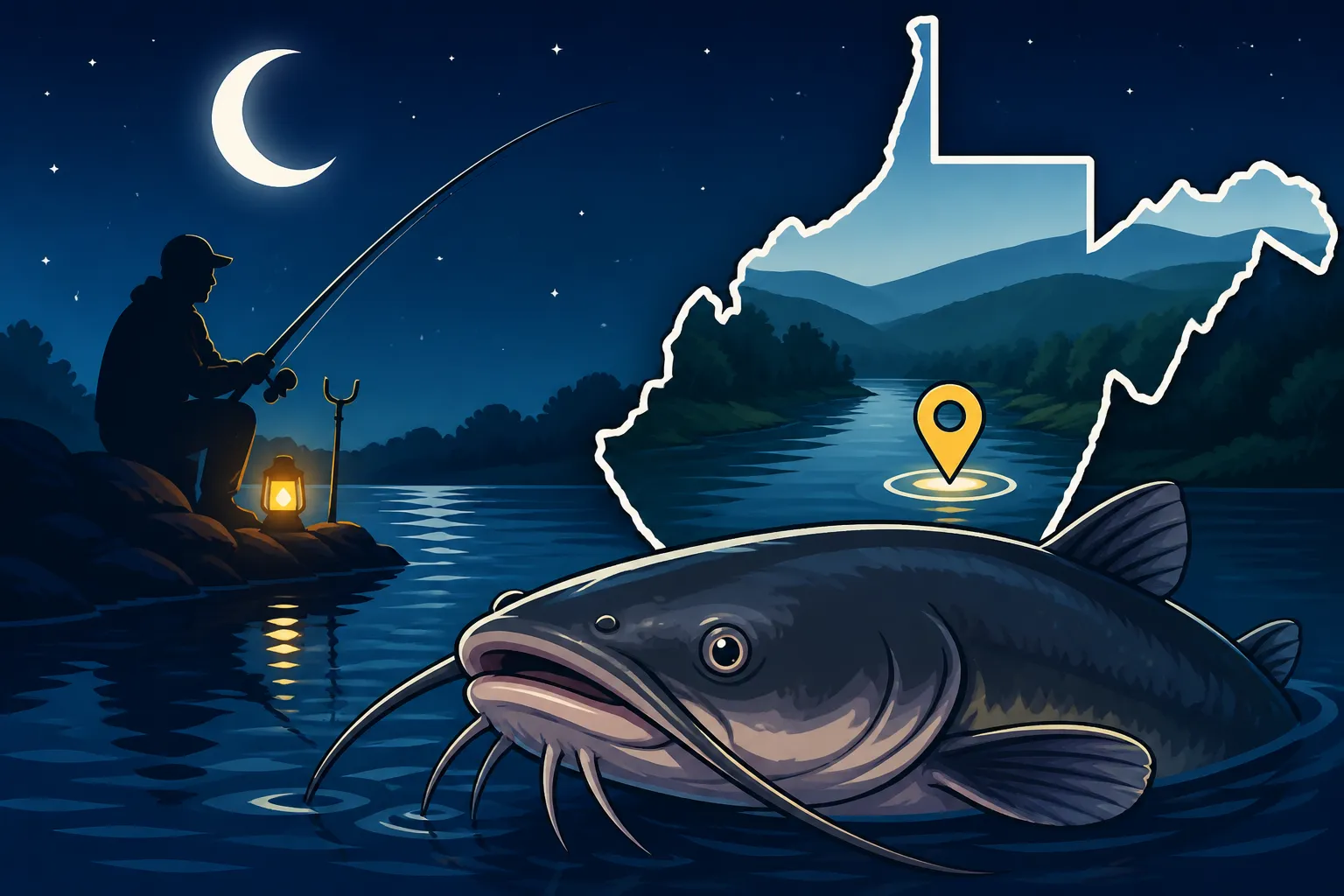
There’s nothing quite like the peace and anticipation of fishing under a blanket of stars, especially when you’re targeting the whiskered giants that roam West Virginia’s waters. Many anglers struggle to find truly productive spots after sundown or worry about the logistics of navigating unfamiliar territory in the dark. This comprehensive guide is here to shed light on the best night fishing spots for catfish in West Virginia, offering not just locations but also insights into why these places shine when the moon rises, ensuring your next nocturnal adventure is both safe and successful.
Why Night Fishing for Catfish is a Game Changer in West Virginia
If you've spent scorching summer days casting for catfish only to find them sluggish and uninterested, you're not alone. The heat of the day can make these fish less active, driving them to deeper, cooler waters where they're harder to reach. But as dusk settles, a whole new world of angling opportunity opens up, particularly for those targeting channel catfish, flathead catfish, and even the occasional blue catfish in the right conditions.
The Nocturnal Nature of Catfish
Catfish are primarily nocturnal predators, which means they do most of their hunting and feeding under the cover of darkness. Their incredible sense of smell and their barbels (whiskers) are perfectly adapted to navigate murky, low-light conditions, allowing them to locate prey that might be invisible to sight-feeding fish. This biological advantage means that when the sun goes down, catfish often move into shallower areas, closer to shore, and become far more aggressive in their pursuit of food. It's a prime time to catch them in places they might avoid during daylight hours.
Think about it: during the day, a big flathead might be hunkered down under a logjam in 20 feet of water, conserving energy and staying out of the sun. But once twilight hits, that same fish might patrol a shallow flat or a rocky bank, actively searching for baitfish, crayfish, or anything else edible. This shift in behavior directly translates to better fishing opportunities for anglers willing to embrace the night. Plus, the cooler night temperatures are simply more comfortable for us humans, making for a much more pleasant fishing experience without the oppressive summer heat.
Escaping the Heat and Crowds
Beyond the biological advantages, night fishing offers a serene escape from the hustle and bustle of daytime angling. West Virginia's most popular lakes and rivers can get incredibly busy during the day, especially on weekends. Boats whiz by, jet skis churn up the water, and prime shore fishing spots are often claimed early. All this activity can spook fish and make for a less enjoyable experience.
When you fish at night, you'll often find yourself with entire stretches of water virtually to yourself. The calm, quiet atmosphere is not only incredibly peaceful but also allows you to focus on your fishing without distractions. There's a certain magic to hearing nothing but the sounds of nature – an owl hooting, crickets chirping, and the gentle lapping of water – as you wait for that tell-tale tug on your line. It's a chance to connect with the wildness of West Virginia in a way that daytime simply doesn't offer. You can relax, set up multiple rods, and truly immerse yourself in the angling experience, often resulting in larger, more active fish catches. If you're looking for an unforgettable experience, you might even consider booking a guided trip specifically for night catfishing; services like FishingBooker often list local guides who specialize in these nocturnal adventures.
Top West Virginia Lakes for Night Catfishing
West Virginia is blessed with numerous impoundments that offer fantastic catfish opportunities after dark. These lakes, often fed by rivers, provide diverse habitats that big cats love to call home.
Bluestone Lake: Southern WV Catfish Haven
Nestled in the New River Gorge area, Bluestone Lake is a true gem for southern West Virginia anglers. This large reservoir on the New River is famous for its diverse fishery, but when it comes to night fishing for catfish, it truly shines. The lake holds an impressive population of channel catfish, flathead catfish, and even some hefty blue catfish, especially in its lower stretches near the dam.
During the day, the catfish might retreat to the deeper channels and submerged timber, but at night, they move into the shallower coves, feeder creek mouths, and rocky points to hunt. Productive areas to target include the quieter coves upstream, particularly where tributaries like Indian Creek enter the lake. The numerous points and submerged brush piles around the state park areas also become prime feeding grounds under the cover of darkness. Anglers often find success anchoring near these structures and using cut bait, live bait, or stink baits on the bottom. Remember to consult the Bluestone Lake Fishing Guide for specific access points and regulations.
Summersville Lake: Deep Waters, Big Cats
As West Virginia's largest lake, Summersville Lake is renowned for its sheer cliffs, clear waters, and excellent smallmouth bass fishing. However, beneath its impressive surface lies a robust catfish population that becomes exceptionally active at night. While not as heavily targeted for catfish as some other lakes, the solitude and potential for trophy flatheads and channel cats make it a fantastic night fishing destination.
The deep, rocky structure of Summersville Lake means catfish have plenty of cover during the day. At night, they’ll cruise the ledges, flats, and the mouths of the many steep coves. Look for areas with submerged timber or rock piles, particularly closer to the original Gauley River channel. The northern end of the lake, near the Battle Run area, can be productive, as can the coves around Long Point and the areas near the dam outflow. Using large live baits, like bluegill or shad, is often the ticket for the massive flatheads that lurk here, while cut baits and prepared baits will attract the abundant channel catfish. Always be mindful of the steep banks and deep water when night fishing from shore or a boat. For more detailed information, check out the Summersville Lake Fishing Guide.
Burnsville Lake: Central WV's Hidden Gem
Located in Braxton County, Burnsville Lake is a picturesque reservoir on the Little Kanawha River. It's a fantastic all-around fishery, but for night anglers, it offers a consistent bite for channel and flathead catfish. The lake's relatively shallow upstream sections, combined with deeper main lake areas, provide diverse habitats that catfish utilize year-round, and especially after dark.
The upper reaches of the lake, where the Little Kanawha River flows in, are particularly productive at night. The shallower flats, submerged stump fields, and current breaks are ideal ambush points for hungry catfish. Downstream, the numerous coves and points, especially those with some timber or rock, also hold good numbers of fish. Access points like the Riffle Run Day Use Area and the Bulltown area provide good shore fishing opportunities. Setting up multiple rods with different baits – from chicken livers for channel cats to live suckers for flatheads – can increase your chances of success. The peace and quiet of night fishing on Burnsville Lake, far from the daytime boat traffic, makes for a truly relaxing and rewarding experience.
East Lynn Lake: Western WV's Flathead Hotspot
Tucked away in Wayne County, East Lynn Lake is a U.S. Army Corps of Engineers flood control reservoir known for its excellent largemouth bass and muskie fishing. What often goes unmentioned is its phenomenal night catfishing, particularly for large flatheads. This lake's extensive submerged timber and brush piles create perfect habitat for these predatory giants.
Flatheads thrive in the woody cover found throughout East Lynn Lake. At night, these fish emerge from their daytime lairs to patrol the edges of the timber, creek channels, and the backs of coves. The upper sections of the lake, where the East Fork of Twelvepole Creek enters, are especially promising, with plenty of shallow, cover-rich areas that flatheads frequent after dark. The areas around the boat ramps and picnic areas also offer accessible shore fishing opportunities. Live bait is king here for flatheads; a frisky bluegill or shad cast near submerged structure is often irresistible. For channel catfish, cut baits or worms fished in the same general areas will also produce. The remote feel of East Lynn Lake at night adds to the adventurous spirit of hunting these powerful fish.
Prime West Virginia Rivers for Night Catfishing
While lakes offer fantastic opportunities, West Virginia’s rivers are arguably where the state’s true trophy catfish reside. The constant flow of water, abundant natural forage, and diverse structure make these waterways ideal hunting grounds for big cats after the sun sets.
Ohio River: A Catfish Superhighway
The mighty Ohio River forms West Virginia’s western border and is undeniably one of the premier catfishing destinations in the entire region. This vast river holds massive populations of channel, flathead, and blue catfish, with true giants of all three species lurking in its depths. Night fishing on the Ohio is not just popular; for many, it's the most effective way to target these colossal fish.
The Ohio River's complex system of dams, locks, deep holes, wing dams, and submerged structure creates endless ambush points for catfish. At night, these fish become highly active, moving out of the main current to feed in calmer waters behind islands, sandbars, and current breaks. Targeting the tailwaters below the dams, such as those near Parkersburg or Huntington, can be incredibly productive, as baitfish are often disoriented by the turbulent flow. Also, consider the slower backwaters, tributary mouths, and the deeper channels. Shore access is available at many public parks and boat ramps. When fishing the Ohio, be prepared for powerful runs; you’ll need heavy-duty gear and strong lines. Utilizing services like FishingBooker can connect you with experienced Ohio River catfish guides who know the nocturnal hotspots and the specific techniques for these massive fish. For more detailed insights, refer to the Ohio River Fishing Guide for West Virginia Anglers. You might also find specialized information on Flathead Catfish in the Ohio River particularly useful.
Kanawha River: Big Channels and Flatheads
Flowing through the heart of West Virginia, the Kanawha River is a significant tributary of the Ohio and boasts an equally impressive catfish population. It's a working river, with commercial traffic, but away from the main channels and closer to the banks and structure, excellent night fishing opportunities abound for both channel and flathead catfish.
Like the Ohio, the Kanawha features a series of locks and dams that create fantastic fishing opportunities, especially in the tailwaters where baitfish congregate. The Winfield Locks and Dam, Marmet Locks and Dam, and London Locks and Dam areas are particularly noteworthy. At night, catfish will move onto shallower flats adjacent to deep channels, into tributary mouths, and around bridge pilings and submerged logs. The areas around Charleston, especially the public access points, can be surprisingly productive after dark. Anglers targeting flatheads often use live bait, while cut shad, skipjack, and chicken livers are highly effective for channel catfish. Fishing close to heavy cover or current seams, where food is swept downstream, is a reliable strategy. For detailed access points and more information, explore the Kanawha River Fishing Spots guide.
New River: Unexpected Nocturnal Giants
While the New River is most famous for its incredible smallmouth bass fishing, it's also home to a healthy population of channel catfish and some surprisingly large flatheads, especially in its lower sections. Night fishing here offers a different kind of challenge and reward, often in a stunning, wild setting. The unique geology and current of the New River make it a slightly different proposition than the slower, wider Ohio or Kanawha.
Catfish in the New River tend to congregate in deeper pools, slower eddies, and behind large boulders or logjams. At night, they become more active, moving into shallower riffles and runs to feed on crayfish and disoriented baitfish. Targeting the numerous deep holes and current breaks, particularly downstream from major rapids or along the quieter stretches, can yield excellent results. Access points within the New River Gorge Fishing Guide area, such as Fayette Station or Cunard, offer opportunities to target these fish from shore or by boat. Live bait, particularly crayfish or small bluegill, are effective for flatheads, while cut baits and worms will entice the abundant channel cats. Be especially vigilant about safety and navigation when night fishing the New River due to its strong currents and rocky terrain.
Essential Gear and Safety for Night Catfishing
Night fishing for catfish isn't just about finding the right spot; it's also about being properly equipped and prioritizing safety. Without the right gear, a relaxing night on the water can quickly become a frustrating or even dangerous ordeal. Planning ahead is key to a successful and enjoyable experience. Many local tackle shops in West Virginia can help you get geared up with the right stuff.
Must-Have Night Fishing Tackle
Your tackle setup for night catfishing needs to be robust enough to handle powerful fish and adaptable to low-light conditions. Here’s a rundown of essentials:
- Rods and Reels: Opt for medium-heavy to heavy action rods (7-9 feet) paired with sturdy baitcasting or spinning reels. You'll need the backbone to cast heavy baits and fight strong fish in current or around structure. Spool up with 20-50 lb monofilament or braided line, possibly with a heavier fluorocarbon leader.
- Terminal Tackle: A variety of hooks are necessary. Circle hooks (4/0 to 8/0) are excellent for catch-and-release and reduce gut-hooking. Kahle hooks are also popular. You'll also need an assortment of sinkers (egg sinkers, no-roll sinkers, pyramid sinkers) to keep your bait on the bottom in various currents, as well as heavy-duty swivels and snaps.
- Baits: Catfish are not picky, but having a selection increases your odds. For channel catfish, popular choices include cut shad, chicken livers, hot dogs, nightcrawlers, and prepared "stink baits." For flatheads, live bait is often superior – think lively bluegill, suckers, or sunfish (check local regulations on baitfish use). Learning about Best Bait for Flathead Catfish at Night and Best Bait for Channel Catfish in Summer can make a huge difference.
- Lighting: This is non-negotiable. A reliable headlamp (with red light option to preserve night vision) and a strong spotlight for scanning the water are essential. Consider lantern-style lights for your camp or boat if you're staying put.
- Net and Pliers: A large, sturdy landing net with rubberized mesh is crucial for landing big catfish safely and reducing harm to the fish. Long-nose pliers or a hook remover are indispensable for unhooking fish, especially in the dark.
- Other Essentials: Bug spray, a comfortable chair, a cooler with refreshments, a first-aid kit, a sharp knife, a multitool, and a way to store your catch (stringer or livewell).
Prioritizing Safety After Dark
Fishing at night carries inherent risks that daytime fishing does not. Being prepared and cautious is paramount.
- Know Your Location: Scout your fishing spot during the day if possible. Understand the terrain, access points, potential hazards (steep banks, submerged rocks, uneven ground), and where you'll park. Familiarity is your best defense against accidents.
- Go with a Buddy: Whenever possible, don't fish alone at night. Having a companion not only makes the experience more enjoyable but also provides an extra set of hands in an emergency.
- Communication: Always let someone know where you're going and when you expect to return. Carry a fully charged cell phone and consider a portable power bank.
- Navigation: If you're on a boat, ensure all navigation lights are fully functional. Have a reliable GPS or mapping app on your phone, and know how to use it. The dark can disorient you surprisingly quickly.
- Personal Flotation Device (PFD): Wear a PFD, especially if you're on a boat or wading in a river. Accidents happen fast, and a PFD can be a lifesaver.
- Appropriate Clothing: Dress in layers, as night temperatures can drop significantly. Wear sturdy, slip-resistant footwear.
- Regulations: Be acutely aware of all West Virginia fishing regulations, including length limits, creel limits, and specific rules for certain waters. Fishing without a license can result in a West Virginia fishing without a license penalty, so ensure your license and any necessary stamps are up-to-date and easily accessible. Even at night, game wardens are on patrol.
By combining the right knowledge of productive spots with essential gear and a strong emphasis on safety, you'll be well-prepared to experience the thrill of night fishing for catfish in the beautiful Mountain State. For more practical advice, consider reading up on Night Fishing Techniques for West Virginia Lakes or How to catch catfish at night on West Virginia lakes.
| West Virginia Night Catfishing Hotspots | Primary Catfish Species | Best Bait Types | Key Features for Night Fishing |
|---|---|---|---|
| Bluestone Lake | Channel, Flathead, Blue | Cut Bait, Live Bait | Coves, feeder creek mouths, rocky points |
| Summersville Lake | Channel, Flathead | Live Bait, Cut Bait | Deep ledges, cove mouths, submerged timber |
| Burnsville Lake | Channel, Flathead | Live Bait, Chicken Liver | Upper lake flats, stump fields, coves |
| East Lynn Lake | Flathead, Channel | Live Bait (bluegill/shad) | Extensive submerged timber, creek channels |
| Ohio River | Blue, Flathead, Channel | Cut Shad, Live Bait | Tailwaters, wing dams, deep holes, sandbars |
| Kanawha River | Channel, Flathead | Cut Shad, Live Bait | Tailwaters, bridge pilings, tributary mouths |
| New River | Channel, Flathead | Live Bait (crayfish), Cut Bait | Deep pools, slow eddies, logjams |
Disclaimer
The information provided in this guide is for general informational purposes only and is not intended as legal advice regarding fishing regulations. Fishing rules and conditions can change rapidly. Always consult the official West Virginia Division of Natural Resources (WVDNR) regulations summary and any applicable local advisories before heading out. Exercise caution and good judgment when fishing, especially at night.