Bluestone Lake Fishing Guide
Stepping up to a vast body of water like Bluestone Lake can feel a bit overwhelming, especially if you're not sure where to start your fishing adventure. Its sheer size and the way its character shifts with the seasons and water levels can be a real head-scratcher for even seasoned anglers. This comprehensive guide is here to unravel those mysteries, helping you understand Bluestone Lake's unique appeal and arming you with the knowledge to make your next fishing trip a truly successful and enjoyable one.
Understanding Bluestone Lake's Unique Character
Bluestone Lake is not just another body of water; it’s a dynamic, flow-through reservoir nestled in the scenic New River Gorge region of southern West Virginia. Created by the Bluestone Dam on the New River, it's a place where riverine characteristics blend with lake-like expanses, offering a diverse array of fishing opportunities. But to truly unlock its potential, you need to appreciate its geological roots and its ever-changing moods.
The Lay of the Land: Geography and Access
Imagine a sprawling, serpentine lake, twisting and turning for over 10 miles from Hinton, West Virginia, upstream into Summers and Mercer counties. That's Bluestone Lake. It boasts an impressive 35-mile shoreline and, at summer pool, covers about 2,040 acres, though this can fluctuate dramatically. The New River, a magnificent ancient waterway, feeds into the lake, bringing with it a rich ecosystem that influences the fish populations and their behavior. Other significant tributaries like Indian Creek and Bluestone River also contribute, creating nutrient-rich deltas and varied habitats.
Access to Bluestone Lake is quite good, with several public boat ramps and access points managed by the West Virginia Division of Natural Resources (WVDNR) and the U.S. Army Corps of Engineers, who manage the dam. The main access points are often around Hinton, where the lake is at its widest and most developed. Further upstream, as the lake narrows and becomes more riverine, access can be a bit more rugged, offering a more secluded experience. Understanding these different sections is key; the wider, deeper areas near the dam behave more like a traditional lake, while the upstream sections retain strong river characteristics, complete with current and rock gardens, especially during periods of lower water.
Water Levels and Their Impact on Fishing
One of the most crucial, yet often frustrating, aspects of fishing Bluestone Lake is its constantly fluctuating water levels. As a flood control reservoir, Bluestone Lake's primary purpose is to manage the flow of the New River, especially during heavy rains. This means the lake can go from a vast expanse at summer pool to a mere river channel in the colder months. These dramatic shifts have a profound impact on fish behavior and where you'll find them.
When the water is high, especially during the spring and early summer, vast areas of shoreline vegetation become inundated. This creates an explosion of new habitat for baitfish and, consequently, for game fish like bass and crappie. They move into these newly flooded areas, often into what were once terrestrial bushes and trees, seeking cover and food. This can make fishing challenging if you're not used to targeting fish in thick cover, but it also offers incredible opportunities for sight fishing or flipping jigs into dense brush. Conversely, during the draw-down periods, typically in late fall and winter, the lake can shrink considerably, sometimes exposing large mud flats and leaving fish concentrated in the main river channel and deeper pockets. This concentration can be a blessing, as it makes fish easier to locate, but it also means they can be more pressured and wary. Always check the current lake levels before planning your trip – the WVDNR and the Army Corps of Engineers usually provide this information online, and it's essential for strategizing your approach.
Prime Species to Target at Bluestone Lake
Bluestone Lake is a true angler's paradise, offering a diverse fishery that appeals to a wide range of preferences. From hard-fighting bass to plentiful panfish and elusive walleye, there’s something for everyone. Knowing what species thrive here and understanding their habits will significantly increase your chances of a memorable catch.
Battling Bluestone's Bass: Largemouth and Smallmouth
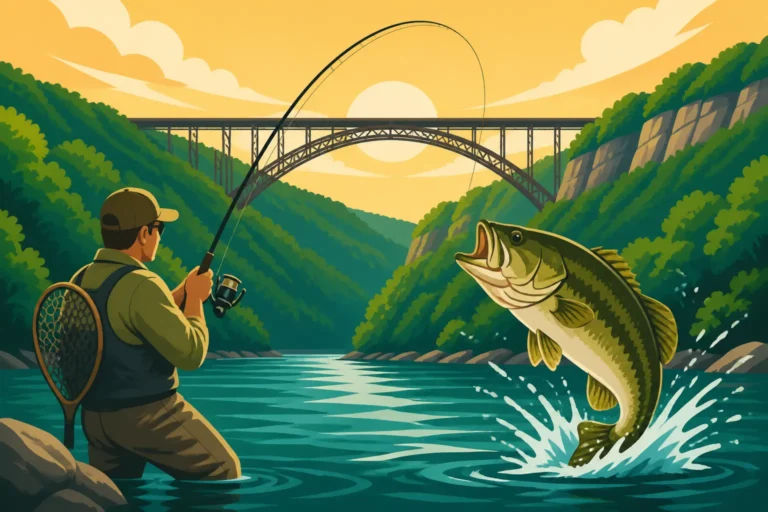
Bluestone Lake is renowned for its excellent bass fishing, hosting both largemouth and smallmouth bass, each with their preferred habitats and behaviors. The sheer variety of structure, from rocky points to submerged timber and weed beds, provides ample opportunities for targeting these popular game fish.
Largemouth Bass: You’ll typically find largemouth bass lurking in the shallower, warmer, and more vegetated areas of the lake. Think coves, creek arms, and any place with laydowns, stumps, or dense aquatic weeds. During the spring, as the water warms, largemouth move into these shallow zones to spawn, becoming more aggressive and susceptible to a variety of lures. Topwater baits like frogs and poppers can be incredibly exciting in low light conditions, while spinnerbaits and chatterbaits work well for covering water and triggering reaction strikes. As summer progresses and the water warms further, they might retreat to slightly deeper cover, but still relate to structure, often found under boat docks or in the shade of overhanging trees. Flipping jigs or Texas-rigged plastics into heavy cover is a go-to technique here. In the fall, they'll often feed aggressively in preparation for winter, moving to the edges of deeper cover where they can ambush baitfish. If you're looking for more specific advice on lures, check out our guide on the best bass fishing techniques for Summersville Lake, which shares similar characteristics with Bluestone in some areas.
Smallmouth Bass: The smallmouth bass in Bluestone Lake are true river fish at heart, thriving in the clearer, rockier areas with current. The sections of the lake that retain more of the New River's influence – particularly upstream from the main lake basin – are prime smallmouth territory. Look for them around rocky points, gravel bars, ledges, and current breaks. They love to ambush prey from behind submerged boulders or along swift seams. During the cooler months of spring and fall, smallmouth are often found shallower, feeding on crawfish and baitfish. Crankbaits, jerkbaits, and tube jigs are incredibly effective. As summer approaches, they’ll often move deeper, but still relate to rocky structure, congregating around cooler water and current. Drop-shot rigs, finesse jigs, and Ned rigs can entice bites from finicky smallmouth in these conditions. Learning the nuances of smallmouth behavior, as discussed in our detailed guide on Smallmouth Bass Fishing in West Virginia, can be a huge asset when fishing Bluestone.
Catfish and Crappie: Abundant and Fun
Beyond the aggressive bass, Bluestone Lake offers fantastic opportunities for anglers seeking more relaxed, yet equally rewarding, fishing for catfish and crappie. These species are abundant and provide excellent table fare.
Catfish: Bluestone Lake is home to a healthy population of channel catfish and flathead catfish. Channel cats are found throughout the lake, often preferring the softer bottoms of creek channels and deeper holes. They are opportunistic feeders and can be caught using a variety of baits, including cut bait, chicken livers, and stink baits. Fishing at night can be particularly productive for channel catfish, especially during the warmer months. Flathead catfish, on the other hand, are apex predators that prefer live bait – think live bluegills or chubs – and gravitate towards deeper holes with woody cover or rocky structure, especially in the more riverine sections of the lake. Targeting these powerful fish requires heavier gear and a lot of patience. If you're specifically targeting these whiskered warriors, our comprehensive guide to Catfish Fishing in West Virginia provides invaluable insights that directly apply to Bluestone's waters.
Crappie: Crappie fishing at Bluestone can be phenomenal, especially in the spring and fall. Both black and white crappie are present, and they tend to congregate around submerged timber, brush piles, and fallen trees. In the spring, they move into shallower water to spawn, often in the protected coves and backwaters, where they can be targeted with small jigs, minnows, or even tiny crankbaits. During the warmer summer months, crappie often suspend over deeper brush piles or along channel ledges, requiring anglers to use sonar to locate them and then present baits at the correct depth. As fall approaches, they again become more active in shallower brush as they feed aggressively. Many anglers rely on spider rigging or casting small jigs to cover to catch these panfish. For more detailed strategies, our Crappie Fishing in West Virginia guide is a fantastic resource.
Exploring Other Exciting Catches
While bass, catfish, and crappie are the stars of Bluestone Lake, there are several other species that provide exciting action and contribute to the lake's diverse fishery.
Walleye: Though not as abundant as in some other West Virginia lakes, Bluestone does have a population of walleye, particularly in the deeper, clearer sections and around the main river channel. These elusive fish are often found near rocky humps, ledges, and current seams. Trolling crankbaits, jigging spoons, or drifting live minnows are effective techniques. Walleye are most active during low light conditions, so dawn, dusk, and even night fishing can yield good results. They are prized for their delicious fillets, making them a highly sought-after catch.
Sunfish (Bluegill and Redbreast Sunfish): For a more casual and family-friendly fishing experience, the sunfish populations at Bluestone Lake are plentiful. Bluegill are found in virtually any shallow, vegetated area, eager to bite on small worms, crickets, or tiny jigs. Redbreast sunfish, often found in the more riverine sections, offer a spirited fight on light tackle. These fish are a perfect target for young anglers or anyone just looking to enjoy a relaxing day on the water with constant action.
Striped Bass Hybrids: While not as heavily stocked or prominent as in some other large impoundments in West Virginia, Bluestone Lake does occasionally provide opportunities for catching hybrid striped bass. These powerful fish offer a thrilling fight and can be found roaming the open water, often chasing schools of baitfish. Trolling large crankbaits or casting spoons and swimbaits into schooling fish are common tactics. They tend to follow baitfish migrations, so keeping an eye on your fish finder is crucial for locating them.
Essential Techniques and Strategies for Success
Fishing Bluestone Lake effectively means adapting your approach to its diverse environments and the seasonal changes. Whether you prefer the comfort of a boat or the simplicity of shore fishing, and regardless of the time of year, there are specific strategies that will put more fish on your line.
Shoreline Fishing vs. Boat Fishing
Each method offers its own advantages and challenges, and understanding when and where to employ each is key.
Shoreline Fishing: Bluestone Lake offers surprisingly good shore fishing opportunities, especially around the public access areas and state park land near Hinton. You can find promising spots along riprap banks, points, and the mouths of creeks. During spring and fall, when fish move shallower, shoreline anglers can have excellent success targeting bass and crappie in flooded vegetation or around visible structure. Catfish also cruise these shallower areas, particularly at night. For shoreline anglers, versatility is important. A medium-action spinning rod with an assortment of jigs, spinnerbaits, and perhaps some live bait like worms or minnows will serve you well. Portability is also a factor; a good tackle bag for bank fishing can make a huge difference, allowing you to move easily between spots. One common frustration for bank anglers is limited access to prime structure, especially when water levels are high. However, by focusing on areas with natural contours or man-made structures like old roadbeds or bridges, you can still find productive water.
Boat Fishing: Without a doubt, a boat gives you the ultimate advantage on Bluestone Lake, allowing you to access a much wider range of fishing grounds, from the vast main lake basin to the narrow, riverine upper reaches and countless hidden coves. With a boat, you can target offshore structure, follow schools of fish, and effectively navigate the changing water levels. Bass boats are excellent for covering water and fishing shallow cover, while larger multi-species boats are great for exploring deeper areas and accommodating multiple anglers. For those who prefer a more intimate experience or want to explore shallower pockets and timber without getting snagged, kayaks and canoes are fantastic options. A fishing kayak can navigate tight spaces and launch from less accessible points, opening up a whole new world of secluded fishing. Regardless of your vessel, ensure you comply with all West Virginia Boating Laws for Anglers, including proper life jacket requirements and boat registration requirements. Using a reliable fish finder can be a game-changer for locating submerged humps, channel swings, and schools of baitfish and game fish, especially in the deeper sections of the lake.
Seasonal Tactics: Fishing Bluestone Year-Round
Bluestone Lake transforms with each season, and so too must your fishing approach. What works in spring will likely fall flat in the heat of summer or the chill of winter.
Spring: This is arguably the most exciting time to fish Bluestone Lake. As the water warms, fish become incredibly active. Bass move into the shallows for their pre-spawn and spawning phases. Look for them in protected coves, around submerged brush, and along sun-drenched banks. Crappie also push shallow to spawn, congregating in brush piles and flooded timber. This is an excellent time for throwing spinnerbaits, chatterbaits, shallow crankbaits, and jigs for bass. For crappie, small jigs and minnows fished under a bobber or vertically jigged around cover are deadly. Water levels tend to be high in spring, so pay close attention to newly flooded areas.
Summer: As the scorching West Virginia summer sets in, fish often move deeper to find cooler, more oxygenated water. Largemouth bass might relate to deeper weed lines, boat docks, or submerged timber, while smallmouth will hold tight to deep rock ledges and current breaks. Crappie will suspend over deep brush or along creek channels. Catfish, however, remain active and can be found in deeper holes or cruising at night. Techniques like deep cranking, Texas-rigging worms, drop-shotting, and slow-rolling jigs become more effective for bass. For crappie, vertical jigging or spider rigging over deep structure is key. Night fishing techniques for West Virginia lakes really shine in the summer for catfish. Don't forget your sun protection and hydration!
Fall: The cooler temperatures of fall bring renewed vigor to the fish and some of the most beautiful scenery. Fish begin an aggressive feeding binge, known as the "fall turnover," as they fatten up for winter. Bass will move back into shallower areas, chasing baitfish that are also moving shallow. Crappie will often be found in medium depths, relating to brush piles. This is a fantastic time for covering water with crankbaits, jerkbaits, and topwater lures for bass, especially on sunny days. Jigging spoons and blade baits can also be very effective for targeting schooling fish. The lake levels usually start to drop in the fall, so pay attention to the receding water and exposed structure.
Winter: While many anglers pack it in for the winter, Bluestone Lake can still offer excellent fishing for the hardy few, especially for crappie, catfish, and sometimes even smallmouth bass. When the water gets really cold and clear, fish become lethargic and often congregate in deep holes, channel swings, and around the warmest available water. Vertical jigging small spoons or blade baits can entice sluggish crappie and bass. Catfish will often hold in the deepest parts of the main channel. Ice fishing in West Virginia is not common on Bluestone due to its flow-through nature and fluctuating levels preventing consistent ice formation, but shore anglers or boaters can still find success by focusing on deep, slow-moving water and presenting baits slowly.
Navigating Bluestone Lake: Boating and Access
Getting on and around Bluestone Lake requires a good understanding of its access points and the types of vessels best suited for its varied conditions. Whether you’re launching a full-sized bass boat or a nimble kayak, there are specifics to consider.
Public Boat Ramps and Marinas
Bluestone Lake is well-served by several public boat ramps that cater to a range of vessel sizes. The main developed areas, particularly around Hinton, offer concrete ramps, ample parking, and often nearby amenities. These include the Bluestone State Park boat ramp, which is a popular choice due to its facilities, and the various ramps managed by the Army Corps of Engineers.
- Bluestone State Park: This ramp provides excellent access to the wider, lower section of the lake. It's typically well-maintained and has plenty of parking, making it a favorite for those with larger boats. Be aware that during peak summer weekends, it can get quite busy, so plan accordingly for potential wait times at the ramp.
- Army Corps of Engineers Ramps: Several other ramps dot the shoreline, some smaller and less developed, offering a quieter launch experience. For instance, the Lilly Point ramp offers another access point. It's always a good idea to check the WVDNR website or call ahead for current conditions, as water level fluctuations can sometimes affect ramp usability, especially for larger boats. These ramps are generally free to use.
When launching, always ensure your boat registration is up to date and you have all required safety equipment on board, including life jackets. The Bluestone State Park Marina also offers boat rentals and supplies, which can be a great option if you don't own a boat or prefer to rent one for the day.
Kayak and Canoe Fishing: Exploring Hidden Coves
For many anglers, the best way to experience Bluestone Lake's diverse fishery is from a kayak or canoe. These smaller, more maneuverable vessels allow you to explore the lake’s countless hidden coves, tight creek mouths, and shallow timber that larger boats simply can’t reach. This can lead to incredibly productive and peaceful fishing experiences.
Kayaks and canoes are particularly effective in the upper, more riverine sections of the lake where current is present, or in the protected, shallow coves that offer fantastic bass and crappie habitat. They are also ideal when water levels are high, allowing you to paddle into flooded woods where fish seek cover. You can launch kayaks and canoes from many of the public boat ramps, but also from less formal access points along the shore, as long as you have public access to the water. Some of the best Kayak Fishing Spots in West Virginia include similar river-lake transitions that Bluestone offers, making it a prime location for this type of angling.
When kayak fishing, always prioritize safety. Wear your life jacket, even if you’re an experienced paddler, and be aware of changing weather conditions. Bluestone is a large lake, and winds can kick up quickly, making paddling challenging. Consider investing in a good anchor system for river fishing that allows you to hold your position in current or wind. A dry bag for kayak fishing is essential to keep your electronics, keys, and snacks safe and dry. For optimal comfort and fishing efficiency, a sit-on-top kayak with plenty of storage and rigging options is often preferred, but even a basic recreational kayak can get you to some great fishing spots.
Local Insights and Regulations
To truly enjoy your time at Bluestone Lake and avoid any hiccups, it pays to know a few local tips and to be fully aware of the fishing and boating regulations that govern the waters. West Virginia has specific rules, and understanding them keeps you on the right side of the law.
Best Times to Visit and Avoid Crowds
Bluestone Lake is a popular destination, especially during the warmer months, so choosing your timing wisely can significantly impact your experience.
Peak Season (Summer Weekends & Holidays): From Memorial Day through Labor Day, especially on weekends and holidays, Bluestone Lake can be bustling. Boaters, swimmers, and pleasure craft are out in full force. While fishing can still be good, particularly early in the morning or late in the evening, the increased traffic can make it challenging to find quiet spots. If you must visit during peak times, consider focusing your fishing efforts on the less accessible upper reaches of the lake or embracing night fishing for catfish.
Shoulder Seasons (Spring & Fall): These are, hands down, the best times for fishing at Bluestone Lake. The weather is often pleasant, the scenery is breathtaking with spring blooms or fall foliage, and the fishing is usually at its peak. Crowd levels are significantly lower than in summer, allowing for more serene angling. Mid-week visits during spring and fall are ideal for having the lake mostly to yourself.
Winter: If you don't mind the cold, winter offers the most solitude on Bluestone Lake. The lake levels are typically at their lowest, concentrating fish and making them easier to locate, albeit often more sluggish. The fishing pressure is minimal, and the stark beauty of the winter landscape is unmatched. Just be prepared for cold weather and dress in layers.
Consider using a resource like FishingBooker to scout out local fishing guides for Bluestone Lake. They often have real-time knowledge of the best spots and times to avoid crowds and ensure a productive trip. Booking a trip through FishingBooker can sometimes provide insights into less-frequented areas or specific patterns the fish are on.
Important Regulations and License Requirements
Staying informed about West Virginia's fishing and boating regulations is not just a recommendation; it's a legal requirement. Ignorance of the law is not an excuse, and penalties for violations can be significant.
Fishing Licenses: Anyone aged 15 and older needs a valid West Virginia Fishing License Guide for 2026 to fish in Bluestone Lake, or any public water in the state. Even if you're just visiting, you'll need to purchase a non-resident license. There are various options, including annual and short-term permits. You can conveniently buy a West Virginia fishing license online through the WVDNR website, or from authorized license agents across the state. It's always a good idea to carry a physical copy or have access to a digital version on your phone while fishing.
Species-Specific Regulations: While Bluestone Lake generally follows statewide regulations, always consult the current West Virginia Fishing Regulations Explained summary for any specific bag limits, possession limits, or size restrictions that might apply to certain species. For example, there are specific West Virginia Walleye Daily and Possession Limits and West Virginia Black Bass Limits and the New River Slot Limit (which is particularly relevant given Bluestone is on the New River) that anglers need to adhere to. These regulations are in place to ensure the sustainability of the fishery for future generations.
Boating Regulations: If you're operating a boat, even a kayak, you need to be familiar with West Virginia's boating laws. This includes life jacket requirements for West Virginia boaters, especially for children under 13, and the West Virginia Boater Education Certificate Requirement for certain age groups operating motorized vessels. Ensure your boat is properly registered and titled. Our comprehensive guide on West Virginia Boat Registration Requirements covers everything you need to know. Remember, navigating any body of water, especially a large reservoir like Bluestone, requires responsible operation and adherence to safety guidelines.
Consulting the WVDNR's official regulations annually is crucial, as rules can sometimes change. You can usually find a PDF version of the latest summary online.
| Species | Best Time to Target | Recommended Baits/Lures | Key Locations/Structure |
|---|---|---|---|
| Largemouth Bass | Spring (pre-spawn), Fall | Spinnerbaits, Jigs, Texas-rigged plastics, Topwaters | Shallow coves, flooded timber, weed beds, laydowns |
| Smallmouth Bass | Spring, Fall, Summer (deep) | Crankbaits, Jerkbaits, Tube jigs, Drop-shots, Ned rigs | Rocky points, ledges, current breaks, main channel |
| Channel Catfish | Summer, Night fishing | Cut bait, Chicken livers, Stink baits, Worms | Deeper holes, creek channels, soft bottoms |
| Flathead Catfish | Summer, Night fishing | Live bluegill/chubs, large minnows | Deep holes with woody cover, rocky structure |
| Crappie | Spring (spawn), Fall | Small jigs, Live minnows, Tiny crankbaits | Submerged timber, brush piles, fallen trees, docks |
| Walleye | Spring, Fall, Low light | Trolling crankbaits, Jigging spoons, Live minnows | Deep main channel, rocky humps, ledges |
| Sunfish | Year-round | Worms, Crickets, Tiny jigs | Shallow vegetated areas, protected coves |
Disclaimer
Please note that fishing conditions and regulations can change. While this guide provides comprehensive and up-to-date information based on available data, it is always recommended to consult the official West Virginia Division of Natural Resources (WVDNR) website or contact their local offices for the most current regulations, stocking schedules, and lake conditions before planning your trip. Fishing inherently carries risks, and safety should always be your top priority.