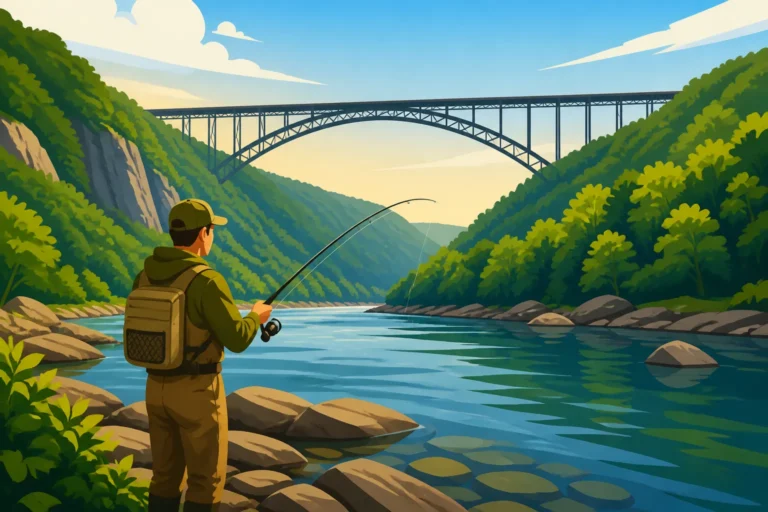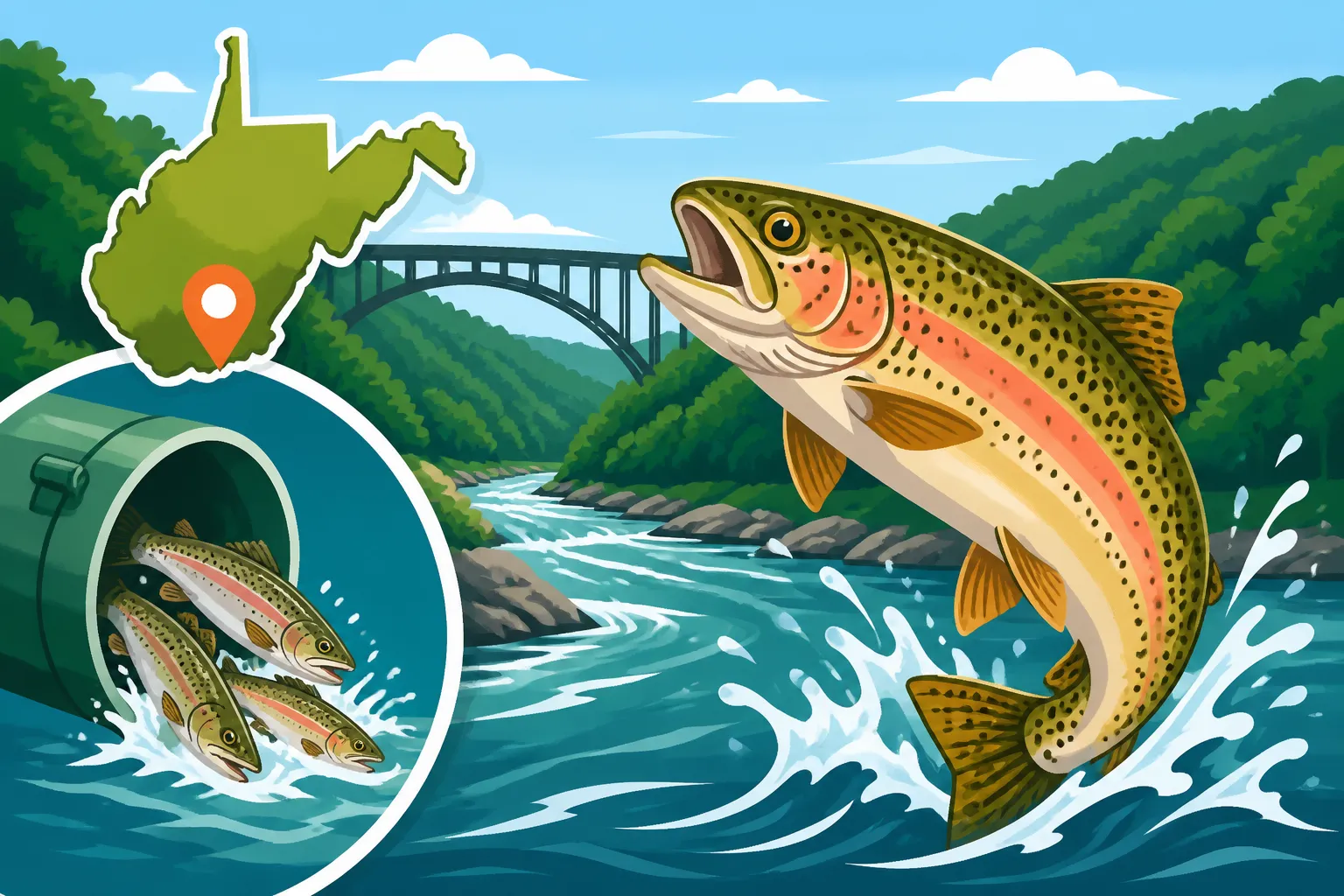
Gauley River trout stocking spots
The Gauley River is a true gem of West Virginia, known for its thrilling whitewater and stunning scenery, but for anglers, it presents a unique challenge: where exactly are those elusive trout hiding after a stocking? It can be incredibly frustrating to drive all the way out there, only to find yourself casting into barren water, wondering if you missed the prime spot or if the fish have already scattered. This guide is here to take the guesswork out of your next trip, detailing the key trout stocking locations on the Gauley and giving you the insights you need to find those feisty fish.
Understanding the Gauley River's Unique Trout Fishery
The Gauley River is not your typical small mountain trout stream. It's a powerhouse, a river of significant volume and diverse character, especially once you get below Summersville Lake. Its reputation largely stems from the incredible whitewater rafting opportunities, particularly during the scheduled fall releases from Summersville Dam. This dynamic environment means trout fishing here requires a slightly different approach than the serene, babbling brooks found higher in the mountains.
The Influence of Summersville Lake and Dam Releases
Summersville Lake plays a crucial role in shaping the Gauley River downstream. The lake acts as a massive cold-water reservoir, and when water is released from the dam, especially during the famous "Gauley Season" in the fall, it significantly impacts the river's flow and temperature. This tailwater section below the dam is often cooler, which can be a double-edged sword for trout. While colder water generally supports trout, the rapid fluctuations in water levels during dam releases can sometimes stress fish and make fishing challenging. Anglers need to pay close attention to the release schedules, which can usually be found on the U.S. Army Corps of Engineers website, as this directly affects wading safety and fish behavior. A sudden surge in water can make previously accessible banks and rocks completely submerged and dangerous.
Habitat and Fish Species in the Gauley
While the Gauley is stocked primarily with rainbow trout and occasionally brown trout, its natural ecosystem supports a variety of other fish, including smallmouth bass, muskie, and various panfish. The trout typically thrive in the cooler, oxygen-rich waters below the dam and in other areas where springs or feeder creeks contribute cold water. You'll find a mix of fast-moving riffles, deep pools, and rocky runs, all providing potential holding spots for stocked fish. Unlike wild trout, which might seek out very specific cover, freshly stocked trout often remain in the general vicinity of their release point for a period, making initial access to these areas key. It's also worth noting that while stocked trout are the main draw, the river's larger character means you might encounter other species, so be prepared for a surprise catch!
Key Trout Stocking Locations on the Gauley River
Knowing where the trout hit the water is half the battle. The West Virginia Division of Natural Resources (WVDNR) strategically stocks several access points along the Gauley River to maximize angler opportunity. These spots are usually chosen for their accessibility and suitability for trout survival, at least for a time.
Below Summersville Dam: The Tailwater Section
Without a doubt, the area immediately below Summersville Dam is one of the most popular and consistently stocked sections of the Gauley River. This tailwater fishery benefits from the cold water discharged from the bottom of Summersville Lake, creating ideal conditions for trout even into the warmer months.
- Dam Access Points: There are several well-known access points directly below the dam. One primary spot is the immediate outflow area, often reachable via well-maintained paths or parking lots managed by the Army Corps of Engineers. This area is characterized by strong currents, deep pools, and rocky banks. Anglers often line the banks here, especially shortly after a stocking. This spot can be extremely productive if you time it right, but it can also be crowded. Wading can be difficult and dangerous due to variable flows, so exercising extreme caution is vital.
- Downstream from the Dam: As you move a bit further downstream from the immediate dam area, the river begins to widen and the current can become more manageable in certain spots. Areas like the small roadside pull-offs along Route 129, or places where smaller feeder streams enter, can be excellent. These spots often hold fish that have dispersed from the initial stocking point, looking for less pressured water or additional food sources. Keep an eye out for slower eddies, submerged boulders, and any current breaks that might offer shelter to trout. Consider consulting local resources, maybe even checking out guides on FishingBooker, who often have intimate knowledge of these less obvious downstream honey holes.
Swiss and Carnifex Ferry Battlefield State Park Access
Moving further downriver, the towns and access points around Swiss provide more opportunities. This stretch of the Gauley still offers excellent trout water, although the conditions may be slightly different from the dam's immediate tailwater.
- Swiss Bridge Area: The area near the Swiss bridge is another historical stocking location. Here, the river profile can vary from wide, sweeping bends to more defined runs and pools. Access is generally good, with roadside parking and pathways leading to the water. Anglers often find success fishing both upstream and downstream from the bridge, targeting seams where faster water meets slower currents, or deeper pockets near exposed rock formations. This location offers more space to spread out than the immediate dam area, which can be a relief on busy stocking days.
- Carnifex Ferry Battlefield State Park: While primarily a historic site, Carnifex Ferry Battlefield State Park, situated on a bluff overlooking the Gauley River, offers some fantastic, though often more challenging, fishing access. The river here can be quite wild, and getting to the water often involves a hike. However, for those willing to put in the effort, the rewards can be significant. The less pressured water often means fish are less skittish, and the natural beauty is simply unmatched. Check the park maps for designated fishing access points, as not all areas are easily reachable. This can be a great option for anglers looking for a more secluded experience away from the crowds that often frequent the easier-access stocking spots. It’s a good idea to confirm if this specific park entrance is a direct stocking point or if fish simply migrate there from nearby releases.
Here's a quick overview of typical access points and what to expect:
| Stocking Location | Primary Access Route | Typical Water Type | Wading Difficulty | Crowds (Post-Stocking) | Notes |
|---|---|---|---|---|---|
| Below Summersville Dam | WV-129 | Deep pools, strong currents | High | Very High | Cold tailwater, excellent early season. Be aware of dam release schedules. |
| Swiss Bridge Area | WV-39 | Runs, riffles, moderate pools | Moderate | Moderate | Good bank access, fish disperse from initial drop point. |
| Carnifex Ferry Battlefield State Park | WV-129 (then local roads) | Wild runs, rocky pools | High (hiking required) | Low | More secluded, rewards effort. Confirm direct stocking vs. migrated fish. |
Tactics for Fishing Gauley River Stocked Trout
Catching freshly stocked trout on the Gauley River, or even holdovers a few days later, requires understanding their behavior and adapting your techniques. They're often hungry and less wary initially, but they can quickly become selective or spread out.
Bait Fishing Techniques for Freshly Stocked Trout
For many anglers, especially those just starting out or fishing with family, bait fishing is the go-to method for newly stocked trout. These fish are often quite opportunistic and will readily take common baits.
- PowerBait and Corn: These synthetic and natural baits are consistently effective. Use a small treble hook or a single-egg hook, rigged with a small split shot or a sliding sinker setup to keep the bait near the bottom. The key is to let the bait sit in slow-moving pools or eddies where trout tend to congregate after stocking. Bright colors of PowerBait (like chartreuse, rainbow, or florescent orange) often grab their attention. For corn, a few kernels on a small hook can be surprisingly effective.
- Worms and Minnows: Natural baits like nightcrawlers (pinched into smaller pieces) or small live minnows can also be deadly. Rig worms weedless or on a small hook with a bobber in slower water, allowing them to drift naturally. Minnows, either live or salted, fished under a bobber or on a small jig head, can mimic the natural forage. Remember to check the West Virginia Fishing Regulations Explained for any specific rules on using live bait in certain waters, though generally, these are allowed in most stocked streams.
Lure Fishing for Active Trout
Spin fishing with lures is a dynamic way to cover water and entice more aggressive trout, especially if they've been in the river for a day or two and are starting to feed more actively.
- Spinners and Spoons: Classic inline spinners (such as Mepps or Panther Martin) and small casting spoons (like Kastmasters or Little Cleos) are incredibly effective. Sizes ranging from 1/16 oz to 1/8 oz are usually ideal for trout. Work them across currents, through pools, and along current seams. Vary your retrieve speed until you find what triggers a bite. Bright colors or those with a flash can be particularly good in the Gauley's often swift and sometimes stained water.
- Small Jigs and Soft Plastics: Tiny grub jigs (1/32 to 1/8 oz) fished on ultralight tackle can be extremely productive. Tip them with small soft plastic bodies in white, black, or natural colors. These jigs mimic small minnows or aquatic insects. You can bounce them along the bottom or swim them through the water column. The subtle presentation of a jig can sometimes fool trout that have become wary of flashier lures. For deeper pockets or slower sections, a weighted jig allowed to sink and then retrieved with short twitches can be irresistible. Many anglers looking for a guided trip to learn these specific techniques on the Gauley often find success by checking out local fishing charters on platforms like FishingBooker.
Fly Fishing Considerations for the Gauley
While the Gauley isn't exclusively a fly-fishing destination, it offers excellent opportunities, particularly in the tailwater section below Summersville Dam where cold water creates good conditions.
- Nymphing Techniques: Given the river's depth and current, nymphing is often the most productive fly fishing method. Patterns like Pheasant Tails, Hare's Ears, Princes, and Copper Johns in sizes 12-18 are good starting points. Use a strike indicator and enough weight (split shot) to get your flies down to where the fish are. Focus on current seams, eddies, and the deeper sections of pools. Learning Fly Fishing for Trout in West Virginia can greatly improve your success.
- Streamers and Wet Flies: When water levels are up or if you're targeting larger holdover trout, streamers can be very effective. Patterns like Woolly Buggers (black, olive, or white) and articulated streamers can imitate baitfish. Cast them across and downstream, retrieving with strips and pauses. Wet flies, fished with a subtle swing, can also pick off active fish, especially during warmer periods when aquatic insects are more active. Look for slower, deeper runs where fish might be holding.
Navigating Regulations and Seasonal Considerations
Fishing the Gauley River, like any other body of water in West Virginia, comes with its own set of rules and seasons. It's crucial to be informed to ensure a legal and enjoyable outing.
Fishing Licenses and Trout Stamp Requirements
Before you even think about casting a line, make sure your paperwork is in order. Every angler 15 years and older needs a valid West Virginia fishing license. If you're specifically targeting trout, you'll also need a current trout stamp.
- Resident vs. Non-resident: The cost and type of license vary depending on whether you're a resident or non-resident. West Virginia has different options, including annual licenses, short-term permits, and even lifetime options. It's easy to purchase your license online through the WVDNR website, at a local license agent, or sometimes even at certain state parks. You can find detailed information in our guide on the West Virginia Fishing License Guide for 2026 and Where and How to Buy a West Virginia Fishing License.
- Conservation Stamp: Don't forget the Conservation Stamp. This is usually required for anyone buying a hunting or fishing license in West Virginia and helps fund vital conservation efforts across the state. Without it, your license might not be valid.
Daily Creel and Possession Limits
The WVDNR sets specific limits on the number of fish you can keep to ensure sustainable fishing. For trout, these limits are generally quite consistent across most stocked waters, but always double-check the latest regulations.
- General Trout Limits: Typically, the daily creel limit for trout in stocked waters like the Gauley River is 6 fish per day. The possession limit, which is the maximum number of fish you can have in your cooler, vehicle, or home at any given time, is usually twice the daily limit. However, certain special regulation waters or specific events may have different rules, so always consult the most current regulations summary.
- Special Regulations and Catch and Release: While the main stem of the Gauley is a general regulation stream for stocked trout, it's always wise to be aware of any special regulations for specific tributaries or sections that might border other designated waters. Sometimes, parts of a river might have catch-and-release only rules or restrictions on tackle. Familiarize yourself with the West Virginia Catch and Release Rules for Trout if you plan on releasing your fish. Always handle fish gently if you intend to release them, minimizing their time out of water.
Best Times of Year for Gauley Trout Fishing
Timing your trip can make a huge difference, especially with stocked trout. The WVDNR generally conducts several stocking rounds throughout the year.
- Spring Stockings: Spring is prime trout fishing season in West Virginia, and the Gauley River receives heavy stockings during this time, usually from February through May. The cooler water temperatures are ideal for trout, and the fish are often very active. This is when you'll see the biggest crowds at the popular stocking points. Checking the West Virginia Trout Season and Stocking Rules is essential to plan your trip around specific stocking dates.
- Fall Stockings: While not as extensive as spring, the Gauley River can also see some fall stockings, particularly after the dam releases have ended and water levels stabilize. The cooler autumn air and water temperatures create another excellent window for trout fishing. This period often coincides with beautiful fall foliage, making for a scenic fishing experience. However, always be mindful of water levels if fishing immediately after the intense fall rafting season.
Many anglers find it helpful to consult local bait shops or even local fishing reports from reliable sources, or even connect with guides through platforms like FishingBooker, to get the most up-to-date information on stocking schedules and current conditions. These local insights can be invaluable for pinpointing the best times and spots.
Disclaimer
Please note: Fishing regulations, stocking schedules, and river conditions can change. Always consult the latest West Virginia Division of Natural Resources (WVDNR) official regulations summary and current fishing reports before planning your trip. This guide is for informational purposes only and does not replace official state publications.