New River Gorge National Park Fishing Access Points
Trying to figure out where to even begin fishing in the vast, wild expanse of the New River Gorge National Park can feel like staring at a complex map without a compass. It’s a truly magnificent place, but its rugged terrain and immense size make pinpointing accessible and productive fishing spots a real head-scratcher for many anglers. This comprehensive guide is here to untangle that knot, walking you through the best and most practical fishing access points across the New River Gorge, ensuring your next adventure is filled with more casting and less confusion.
The New River Gorge National Park: A Unique Angling Landscape
The New River Gorge National Park and Preserve isn't just a pretty picture; it's a living, breathing ecosystem that offers some of the most phenomenal fishing opportunities in West Virginia. But let's be honest, "National Park" can sometimes conjure images of pristine, untouched wilderness that's hard to get into, let alone fish. While it is wilderness, thankfully, there are numerous spots where you can get your line in the water, though finding them and understanding their nuances is key.
Understanding the River Sections and Their Character
The New River itself, one of the oldest rivers on the continent, flows roughly from south to north through the gorge, dissecting it into distinct sections, each with its own personality and access challenges. We often talk about the Upper, Middle, and Lower Gorge, and these distinctions are crucial for anglers because they dictate the types of fish you'll find, the methods you'll use, and most importantly, how you can actually get to the water.
The Upper New River, typically considered from the Bluestone Dam down to around Prince, is often characterized by wider, shallower stretches, with a mix of riffles, runs, and pools. This section tends to be a bit more forgiving for wading or smaller craft, and it's a fantastic area for smallmouth bass. The scenery is stunning but less intensely "gorge-like" than further downstream, offering a more open feel.
As you move into the Middle New River, roughly from Prince down to Fayetteville, the canyon starts to deepen dramatically. Here, you'll encounter more pronounced rapids, towering cliffs, and a sense of true wildness. Access becomes trickier, often involving longer drives on winding roads or even hiking. This is prime territory for robust populations of smallmouth bass, and it's where you start getting into serious muskie country, particularly in the deeper pools and eddies.
Finally, the Lower New River Gorge, encompassing the area around Fayetteville and downstream to Gauley Bridge, is perhaps the most iconic and rugged. This section features the largest rapids, the famous New River Gorge Bridge soaring overhead, and extremely steep, forested banks. Fishing here often requires specialized river craft like rafts or drift boats, or a willingness for some serious hiking to reach remote bank spots. The challenges are higher, but so is the potential for trophy-sized fish, especially muskie and large smallmouth. Understanding these zones is your first step to planning a successful trip.
Navigating Regulations and Park Specifics
Fishing within a National Park brings its own set of rules, and the New River Gorge is no exception. While West Virginia state fishing regulations generally apply, there can be specific park-level nuances you need to be aware of. It's not enough to just know West Virginia Fishing Regulations Explained; you also need to check any additional rules set by the National Park Service for the New River Gorge.
For instance, certain areas might have special fishing regulations, or there might be specific guidelines on bait use, particularly in designated "wild trout" or "catch-and-release" sections, although the New River itself is primarily a warmwater fishery. You'll always need a valid West Virginia Fishing License Guide for 2026, regardless of whether you're in state park land or National Park land. These licenses can be purchased online through the West Virginia DNR website or from authorized vendors. It's always a good idea to carry a physical copy or have it readily available on your phone, as park rangers and wildlife officers do patrol these areas. Boaters, too, need to be aware of West Virginia Boating Laws for Anglers, including life jacket requirements and vessel registration, especially given the challenging currents of the New River.
Upper New River Access Points: Gentle Waters and Early Season Gems
The Upper New River offers some of the most approachable access points, making it a great starting point for many anglers, especially those new to river fishing or looking for a slightly less strenuous experience. This section is generally wider and less constricted than the middle and lower gorge, allowing for easier bank access in many places and more manageable currents for smaller boats or kayaks.
Sandstone Falls and Brooks Falls Access
Just downstream from the Bluestone Dam, you'll find some excellent access in the Sandstone Falls area, a truly breathtaking natural wonder. This is where the New River drops significantly, creating a series of waterfalls that stretch across the entire width of the river. It’s not just a scenic overlook; it offers genuine fishing opportunities.
The main access for Sandstone Falls is typically on the south side of the river, near the town of Hinton. There's a well-maintained boardwalk that allows you to walk along the river and view the falls, but there are also designated fishing access points. For those looking to wade or fish from the bank, you can often find spots below the falls in the deeper pools and eddy lines. The current here can be very strong, so extreme caution is advised if wading. This area is fantastic for smallmouth bass, and many anglers report good success with crankbaits, jigs, and soft plastics. During higher water, the eddies below the falls can hold some surprising muskie as well, as they often key in on baitfish being washed over the falls. A little further downstream, near Brooks, you'll find more spread-out river access, often via gravel roads that lead to small informal pull-offs. These spots are fantastic for launching a kayak or canoe, allowing you to float and fish downriver. The solitude here is a major draw, with plenty of rock outcroppings and current breaks that hold fish. Don't forget to check out the Sandstone Falls fishing access guide for more detailed information on specific parking and entry points.
Hinton and Bellepoint Areas
The towns of Hinton and Bellepoint, situated at the confluence of the New River and the Greenbrier River, offer some of the most convenient and boat-friendly access to the upper reaches of the New River Gorge. This is a popular spot for those bringing larger fishing boats or looking for established amenities.
In Hinton, you'll find several public boat ramps that provide excellent entry points. The city park area often has good access, and there are typically plenty of parking spaces for trucks and trailers. From these ramps, anglers can easily navigate upstream towards Bluestone Dam or downstream towards Sandstone Falls, covering a wide variety of water. This section of the river is known for its strong populations of smallmouth bass, and during certain times of the year, even walleye can be found, especially in deeper pockets and current breaks. The confluence with the Greenbrier River is a particularly productive area, as it creates a diverse habitat and concentrates baitfish. If you're planning a multi-day trip, Hinton also offers lodging and dining options, making it a comfortable base camp. FishingBooker might be a good resource if you're looking to hire a local guide who knows these waters intimately, providing invaluable insights into current conditions and hot spots. The Best Fishing Rivers in West Virginia often highlights the New River, and these areas near Hinton truly showcase why.
Middle New River Access Points: Remote Beauty and Robust Fisheries
As the New River carves a deeper path, the middle section of the gorge truly begins to reveal its wild heart. Access points here are fewer and often require more commitment, but the reward is usually worth it: less crowded waters and some of the best fishing the park has to offer, particularly for larger smallmouth and elusive muskie.
Prince and Grandview Sandbar Access
The area around Prince offers a slightly more rustic yet still relatively accessible entry point into the middle gorge. The former rail town of Prince, known for its historic train station, sits right on the river and provides opportunities for both bank fishing and boat launching.
Near Prince, there are often informal pull-offs or gravel roads that lead down to the water, especially for those in kayaks, canoes, or small jon boats. The river here begins to show its true gorge character, with steeper banks and more pronounced rapids downstream. Upstream from Prince, the waters are a bit calmer and excellent for floating. Anglers often target smallmouth bass in the numerous riffles and runs, using anything from spinnerbaits to tube jigs. This area is also becoming increasingly known for its muskie potential, with many deep pools and log jams providing ideal habitat. A little further downstream, the Grandview Sandbar fishing spot guide leads to one of the most popular and scenic access points in the middle gorge. Grandview Sandbar is a large, flat gravel bar accessible via a paved road, offering ample parking and an excellent spot to launch kayaks or canoes, or simply wade and fish from the bank. The sandbar itself can be a great place to cast for smallmouth, especially as they feed on baitfish pushed by the current. The sheer cliffs towering overhead create an unforgettable backdrop, and the feeling of solitude here is truly special.
Cunard and Stone Cliff Access
For those seeking a more remote and rugged experience, the access points at Cunard and Stone Cliff provide entry into some of the wildest and most productive stretches of the New River Gorge. These are not for the faint of heart, often involving rougher roads and more challenging river conditions, but they offer incredible rewards for the intrepid angler.
Cunard, for example, is primarily known as a whitewater rafting put-in, but it also serves as a crucial fishing access point. There’s a paved road leading down to a large parking area and boat ramp, making it suitable for larger rafts and drift boats. From Cunard, anglers can float downstream into some of the most intense fishing waters of the middle gorge. The rapids are bigger here, and the river is characterized by long, deep pools punctuated by fast, turbulent runs. This is prime muskie habitat, with many trophy fish reported from this section. Smallmouth bass are also abundant, often found tucked into current seams behind large boulders or along the rocky banks. If you're floating, a good understanding of New River Muskie Fishing and How to Catch Smallmouth Bass in West Virginia Rivers will serve you well, as these waters demand precise presentations and sturdy gear.
Stone Cliff is another access point often reached via a more primitive, unpaved road. It's a bit more challenging to get to, and generally only recommended for high-clearance vehicles, but it offers a true wilderness experience. Access here is usually for smaller, more agile craft like kayaks or canoes, or for dedicated bank anglers willing to navigate the terrain. The river here feels truly wild, with less human interference. Fishing can be exceptional, as the fish don't see as much pressure. This is a place where a stealthy approach and an understanding of river currents can yield some incredible results.
| Access Point | River Section | Primary Access Type | Target Species | Unique Feature |
|---|---|---|---|---|
| Sandstone Falls | Upper | Bank, Wading, Kayak | Smallmouth, Muskie | Iconic waterfalls, boardwalk access |
| Hinton/Bellepoint | Upper | Boat Ramp, Bank | Smallmouth, Walleye | Confluence with Greenbrier, town amenities |
| Prince/Grandview | Middle | Bank, Kayak | Smallmouth, Muskie | Historic train station, scenic sandbar |
| Cunard | Middle | Boat Ramp, Raft | Muskie, Smallmouth | Major whitewater put-in, deep pools |
| Thurmond/Dunloop | Lower | Bank, Kayak, Raft | Muskie, Smallmouth | Historic coal town, deep, powerful runs |
| Fayette Station | Lower | Bank, Kayak, Wading | Smallmouth, Muskie, Carp | Under New River Gorge Bridge, challenging rapids |
Lower New River Gorge Access: Iconic Scenery and Challenging Waters
The Lower New River Gorge is where the river reaches its crescendo, both in terms of dramatic scenery and challenging whitewater. Fishing here is often intertwined with rafting and paddling, but for those who know where to look and how to access it, the rewards can be legendary, particularly for large muskie and robust smallmouth bass.
Thurmond and Dunloop Access
The historic coal town of Thurmond offers one of the most picturesque and intriguing access points in the lower gorge. Perched precariously on the river, Thurmond feels like a step back in time, and its unique location provides anglers with several ways to get to the water.
While there isn't a traditional boat ramp for large powerboats, Thurmond is an excellent spot for launching kayaks, canoes, or smaller inflatable rafts. The access is typically right near the old train station. From here, you can paddle upstream into some beautiful, calmer waters or prepare for a downstream float that will involve more significant rapids. The waters around Thurmond are deep and powerful, holding excellent populations of smallmouth bass, especially in the seams and eddies created by the old bridge abutments and rocky shoreline. This section is also a hotspot for New River Muskie Fishing, with many anglers targeting these toothy predators using large jerkbaits and bucktails. The sheer cliffs and dense forest provide an incredibly immersive experience.
Further downstream, Dunloop offers an even more remote and less developed access point. It's often reached by gravel roads that require a sturdy vehicle. Dunloop is another common put-in/take-out for whitewater rafters, meaning there's typically some form of improved access for river craft. The fishing here is fantastic for those willing to brave the wilder currents. The river flows through a narrow canyon, creating powerful runs and deep pools perfect for holding large game fish. Many anglers consider this area, and spots like Thurmond fishing access New River Gorge, to be among the best Where to catch smallmouth bass on the New River.
Fayette Station Access Points
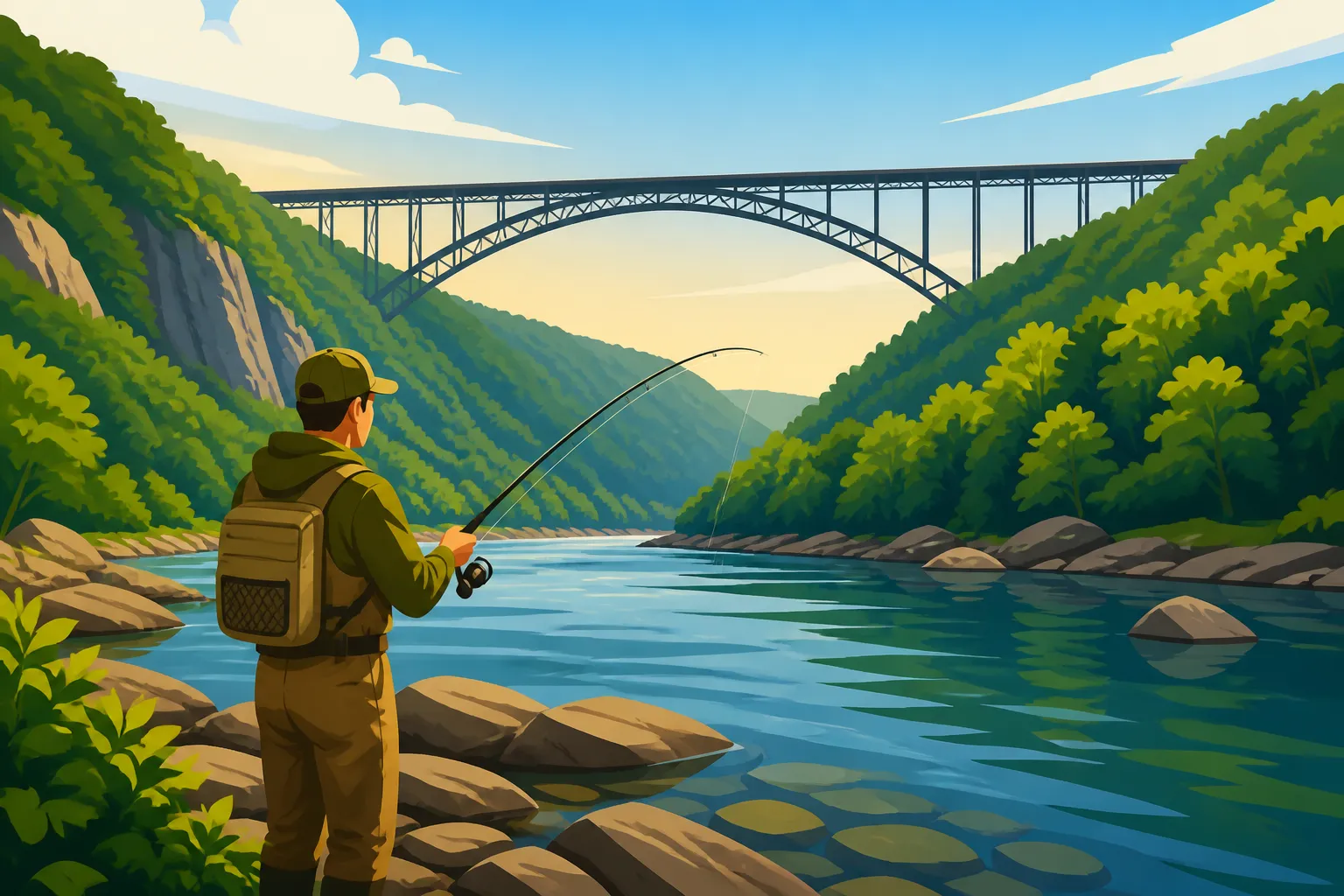
Fayette Station is arguably the most famous and accessible point in the heart of the Lower New River Gorge, offering spectacular views of the New River Gorge Bridge overhead. It's a popular spot for both whitewater rafting and fishing, but it's crucial to understand the access and the challenging nature of the water.
To get to Fayette Station, you'll drive down a winding, one-way road that descends into the gorge. There are multiple pull-offs and designated parking areas along the way. While there isn't a traditional boat ramp for powerboats, you'll find several spots where you can launch kayaks, canoes, or rafts. The main access at the bottom near the bridge provides ample room for bank fishing, particularly for anglers targeting carp or catfish, but also for smallmouth bass. However, the currents here are incredibly strong, especially after heavy rains or dam releases, so wading can be dangerous and is often not recommended.
For smallmouth bass, look for the current breaks around the bridge piers and the large boulders lining the river. Tube jigs, grubs, and shallow-running crankbaits can be highly effective. Muskie also patrol these deeper, turbulent waters, making it an exciting challenge for dedicated muskie anglers. The Fayette Station fishing access guide provides detailed instructions for navigating the one-way road and finding the best parking spots. Because of its popularity, Fayette Station can sometimes be crowded, especially on weekends, but its central location and stunning scenery make it a must-visit. For those feeling adventurous, floating from Dunloop down to Fayette Station can be an epic fishing journey, offering miles of incredible, diverse water.
Essential Gear and Safety for New River Gorge Anglers
Fishing in the New River Gorge is an incredible experience, but it’s not without its challenges. The rugged terrain, powerful currents, and remote nature of some access points mean that having the right gear and prioritizing safety are absolutely paramount. You don't want to find yourself underprepared deep in the gorge.
Recommended Boats and Wading Gear
When it comes to watercraft, the New River Gorge demands specific choices depending on the section you plan to fish and your comfort level with moving water. For the upper and some middle sections, where currents are a bit more forgiving, a Best Kayak for the New River is an excellent choice. Sit-on-top kayaks are particularly popular due to their stability, ease of re-entry if you flip, and ample storage for tackle. Jon boats can also work well in shallower, calmer stretches, offering more deck space, but they become less practical as the rapids increase.
For the middle and lower gorge, especially if you plan to float through significant whitewater, a specialized whitewater raft or drift boat becomes almost a necessity. These boats are designed to navigate rapids safely and effectively. Many professional guides, whom you can often find through FishingBooker, operate these types of vessels, providing both expertise and safe passage.
If you're planning to wade, particularly in the upper river or calmer side channels, a good pair of sturdy wading boots with excellent grip is non-negotiable. Felt soles often provide superior traction on slick river rocks, though some areas prohibit them due to concerns about invasive species. Breathable chest waders are essential for comfort and safety, keeping you dry and providing some insulation against the often-chilly New River water. A reliable Best Wading Staff for Fast Current is also a critical piece of safety gear, providing stability and helping you probe for deeper spots or slippery rocks before you step. Never wade alone, and always be aware of rapidly changing water levels, especially if there have been heavy rains or dam releases upstream.
Safety Protocols and Emergency Planning
Safety should always be your number one priority when fishing the New River Gorge. The river is powerful and unforgiving if disrespected. Always wear a U.S. Coast Guard-approved life jacket, even if you’re a strong swimmer. The currents can be deceptive, and unforeseen falls can happen quickly. This isn't just a suggestion; it's Life Jacket Requirements for West Virginia Boaters for good reason.
Before heading out, always inform someone of your float plan: where you're putting in, where you're taking out, and when you expect to return. This is especially vital for remote access points like Stone Cliff or Dunloop. Carry a fully charged cell phone, but be aware that cell service can be spotty or non-existent in many parts of the gorge due to the sheer cliffs. Consider investing in a personal locator beacon (PLB) or a satellite communication device for true emergencies in remote areas. A well-stocked first-aid kit, plenty of water, high-energy snacks, and appropriate clothing layers are also essential. Weather in West Virginia can change rapidly, and being caught unprepared can quickly turn a fun day into a miserable, or even dangerous, situation. Additionally, learn basic river safety, such as how to swim through rapids if you do take a spill and how to identify potential hazards like strainers (fallen trees) and undercut rocks.
Planning Your New River Gorge Fishing Adventure
A successful fishing trip to the New River Gorge isn't just about showing up with a rod and reel; it requires careful planning to maximize your chances of success and ensure a memorable, safe experience. From understanding the best seasons to leveraging local knowledge, a little foresight goes a long way.
Best Times to Visit and Target Species
The New River Gorge offers year-round fishing opportunities, but the "best" time often depends on what you're hoping to catch. For smallmouth bass, which are arguably the most popular target in the New River, spring (April-June) and fall (September-November) are generally considered prime times. In spring, as water temperatures rise, smallmouth become aggressive and move into shallower areas to feed and spawn. Fall sees them feeding heavily in preparation for winter, often making them very active. Summer can be productive too, especially in the mornings and evenings, but the fish often move to deeper, cooler water during the heat of the day.
Muskie are often targeted in the cooler months, particularly late fall through early spring. These apex predators become more active as water temperatures drop, offering some of the best chances at a trophy. However, they are present year-round, and summer evenings can also produce strikes. Walleye, while less abundant than smallmouth, are often caught in the deeper pools and eddies, particularly in the upper sections of the river, with spring and fall being good times. Knowing the West Virginia Fishing Season Dates and Closures for your target species is also crucial to ensure you're fishing legally.
Hiring a Guide and Local Resources
For many anglers, especially those visiting the New River Gorge for the first time or looking to target specific species like muskie, hiring a local fishing guide can be an absolute game-changer. These guides spend countless hours on the water and possess an intimate knowledge of the river's moods, its currents, and where the fish are hiding. They can provide specialized equipment, navigate challenging stretches of river safely, and significantly shorten your learning curve.
You can often find reputable guides through local fly shops in towns like Fayetteville or via online platforms like FishingBooker, which lists experienced charters and guides operating in the area. When choosing a guide, look for someone with specific experience fishing the New River Gorge for your target species. They can take you to Best access points for New River muskie fishing that might be difficult to find on your own, or guide you on a float through the New River Gorge National Park Fishing Access Points that are best for New River Smallmouth Bass Fishing.
Beyond guides, don't underestimate the power of local knowledge from bait and tackle shops. They often have the most up-to-date information on water conditions, recent catches, and what baits and lures are working best. The West Virginia DNR website is another invaluable resource, offering detailed maps, stocking schedules (for other state waters, not typically the New River Gorge's native species), and current regulations. Planning ahead, combining your own research with local insights, will pave the way for an unforgettable fishing experience in this truly wild and wonderful place.
Disclaimer
Please be aware that fishing regulations, access conditions, and river environments can change. Always check the latest West Virginia Division of Natural Resources (WVDNR) regulations and National Park Service guidelines before your trip. Exercise extreme caution on and near the river, and prioritize personal safety above all else. This guide is for informational purposes only and does not supersede official regulations or local safety advisories.