New River Muskie Fishing
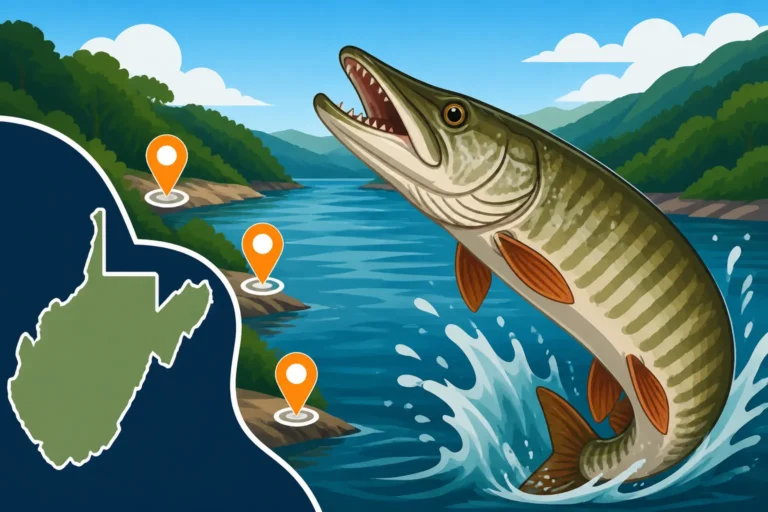
The New River, with its ancient currents and rugged beauty, offers some of the most exhilarating yet notoriously challenging muskie fishing in West Virginia. Many anglers dream of wrestling one of these apex predators from its waters, but the sheer size of the river and the elusive nature of the "fish of a thousand casts" can feel incredibly daunting. This guide is here to unravel the mysteries of New River muskie fishing, offering practical advice and deep insights to help you conquer this incredible angling adventure.
The Elusive Apex Predator of the New River
Muskie, or muskellunge, are truly in a league of their own. They're not just big fish; they're intelligent, powerful, and incredibly opportunistic hunters. The New River, being one of the oldest rivers on the continent, provides a rich, diverse ecosystem that allows these fish to thrive and reach impressive sizes. Understanding why they behave the way they do in this unique environment is your first step toward success.
Understanding New River Muskie Behavior
Unlike trout that might school or bass that gather on structure, muskie are often solitary hunters, lurking in ambush points. On the New River, this means they'll be found near current breaks, submerged timber, rock ledges, and the edges of weed beds – anywhere they can hide and wait for an unsuspecting meal to swim by. Their diet primarily consists of smaller fish like suckers, carp, and even smaller bass, so thinking like their prey will help you predict their location.
The New River's varied flow, from deep, slow pools to churning rapids, dictates where muskie will hold. In higher, faster water, they'll seek out calmer eddies or slack water behind large rocks. During lower flows, they might venture into shallower riffles or patrol deeper, oxygenated pools. Paying close attention to water levels and current speed is paramount for locating these incredible fish.
Why the New River is a Prime Muskie Destination
The New River is consistently ranked among the Best Muskie Waters in West Virginia for a reason. Its unique geological history has created a diverse underwater landscape with countless nooks and crannies for muskie to call home. From the stunning New River Gorge National Park to the calmer stretches upstream, the river offers a variety of habitats. The abundance of forage fish, combined with the relative lack of fishing pressure compared to some other muskie fisheries, contributes to a healthy population of large, aggressive muskie.
Moreover, the New River's rugged character means that while it's challenging, it's also incredibly rewarding. Hooking into a trophy muskie against the backdrop of ancient cliffs and dense forests is an experience that few other places can offer. It’s not just about the fish; it’s about the entire adventure of navigating this majestic waterway.
Prime New River Muskie Fishing Locations
The New River is a long and winding beast, and knowing where to focus your efforts can save you a lot of time and increase your chances of success. Certain stretches consistently produce more muskie encounters due to the prevalence of ideal habitat.
Upstream Sections and Their Advantages
The upper stretches of the New River, particularly above Bluestone Lake and even into the deeper pools near Hinton, can be excellent for muskie. These areas often feature a mix of rocky bottom, submerged timber, and shallower, slower sections where muskie can comfortably ambush prey. Access here can sometimes be easier, with more gentle banks for wading or launching smaller boats and kayaks.
Think about areas where smaller tributaries flow into the main river, as these can bring in new forage and create current seams that muskie love. Look for wide, slower pools with deep pockets, especially those bordered by undercut banks or large rock formations. These upstream areas, while perhaps not as famous as the gorge, hold some absolute giants for those willing to explore.
The New River Gorge and Downstream Challenges
The New River Gorge National Park is undeniably iconic and offers breathtaking scenery, but fishing here presents its own set of challenges. The steep canyon walls and powerful currents mean access is often limited and requires careful planning. However, the reward can be immense, as the gorge holds some truly giant muskie. Areas like the Fayette Station fishing access offer entry to some incredible water, though navigating the rapids requires experienced boaters.
Downstream from the gorge, as the river widens and slows, different types of structure become important. Expansive flats with scattered boulders, deeper channels, and areas where currents eddy behind large islands or bridge pilings are all prime muskie territory. Hiring a local guide, especially through services like FishingBooker, can be an invaluable asset in these complex sections, as they know the river's moods and the muskie's haunts intimately.
Access Points and Navigation Tips
Accessing the New River for muskie fishing often involves navigating varying terrain. For the lower, wider sections, public boat ramps are available, but in the gorge, it might mean more rugged, primitive access points or even floating trips. Always check local conditions and access rules before heading out.
When navigating the river, particularly in the gorge, always be mindful of water levels and rapids. A solid understanding of West Virginia Boating Laws for Anglers and West Virginia Boat Registration Requirements is crucial. For those using kayaks, understanding the best launch points and safety protocols is key. Consider a sturdy Best Kayak for the New River that can handle both the swift currents and quiet pools. A good anchor system is also invaluable for holding position in current while working a promising spot.
Essential Gear for New River Muskie
Muskie fishing is not for the faint of heart, and your gear needs to be up to the task. These fish are powerful, and weak links in your setup will be exposed quickly. Investing in the right equipment isn't just about catching fish; it's about handling them safely and ensuring a successful release.
Heavy-Duty Rods and Reels
Forget your bass setups; muskie demand serious tackle. You'll need heavy-action rods, typically 7'6" to 9' in length, capable of casting massive lures and handling the immense power of a muskie. These rods need strong backbone to drive hooks home and withstand violent headshakes. For reels, baitcasting models with a strong drag system and high line capacity are the standard. Look for robust construction, preferably all-metal, that can endure the constant abuse of casting heavy baits and fighting big fish.
A common setup might involve a rod rated for 2-8 ounces or more, paired with a low-profile or round baitcasting reel with a gear ratio that provides good torque for retrieving large baits. Brands like Abu Garcia, Shimano, and Daiwa offer excellent options for muskie-specific reels. Remember, you're not just casting; you're often working large, resistant baits through current for hours, so comfort and ergonomics are also important. For specific recommendations, check out a guide on the Best Rod Setup for New River Muskie.
Line, Leaders, and Lures
Braided line is almost universally preferred for muskie fishing due to its incredible strength, low stretch, and abrasion resistance. Think 65-100 lb test, especially when fishing near heavy cover. This line will connect to a heavy-duty fluorocarbon or steel leader, usually 80-150 lb test, to prevent bite-offs from those razor-sharp teeth. Never skimp on the leader; it's the most critical link between you and the fish.
When it comes to lures, the options are vast, but for the New River, you'll want a selection of large bucktails, crankbaits, jerkbaits, and soft plastic swimbaits. Bucktails are excellent search baits, covering water efficiently. Large diving crankbaits can get down to those deeper holding spots. Jerkbaits, worked with erratic retrieves, often trigger strikes from finicky fish. Carrying a variety of colors and sizes is wise, adapting to water clarity and conditions. For a deeper dive into specific options, refer to the Best Lures for Muskie Fishing in West Virginia article.
Essential Safety and Handling Tools
Muskie fishing isn't just about catching; it's also about safe handling and release. A large, rubberized landing net (at least 36 inches in hoop size) is non-negotiable. The rubberized mesh protects the fish's slime coat and fins. Long-nosed pliers, bolt cutters (for cutting hooks if necessary), and jaw spreaders are also critical tools for hook removal, especially when dealing with deeply hooked fish or multiple treble hooks.
Always keep your release tools readily accessible. Have a plan for how you'll measure, photograph, and revive the fish quickly and efficiently. Minimizing the time a muskie is out of the water is vital for its survival. A good fishing scale and tape measure are also useful for documenting your catch, perhaps even inspiring you to learn about Muskie Growth Rate to Trophy Size.
Effective Techniques for New River Muskie
Catching a New River muskie often comes down to persistence, presentation, and understanding the nuances of the water. It’s a game of strategy, not just brute force.
Casting and Retrieval Strategies
The most common approach to muskie fishing on the New River is casting. This involves systematically working likely holding areas with your chosen lure. Make long, accurate casts, aiming for current seams, eddies, fallen trees, and rock piles. The retrieve speed is critical and often varies. Sometimes a fast, aggressive retrieve triggers a chase, while other times a slower, more deliberate action is needed, especially in colder water.
Don't forget the "figure eight" boat-side maneuver. This involves tracing a figure eight pattern with your lure next to the boat or bank before lifting it out of the water. Many muskie will follow a lure right to the boat, only striking when they feel it's about to escape. This single technique accounts for a surprising number of muskie catches and is a skill every muskie angler should master.
Trolling for Open Water and Deeper Sections
While casting is popular, trolling can be incredibly effective, particularly in the larger, deeper pools and open-water sections of the New River or its impoundments like Bluestone Lake. Trolling allows you to cover vast amounts of water and present lures at precise depths for extended periods. Large crankbaits, especially those with deep diving capabilities, are often employed for trolling.
Pay close attention to your electronics (fish finder/sonar) to identify submerged structure, channel edges, and baitfish schools. Vary your trolling speed and direction to impart different actions to your lures. Trolling multiple lines with different baits and depths can help you dial in what the muskie are keying in on that day. However, always be mindful of other anglers and boat traffic, especially in tighter sections of the river.
Reading the Water and Identifying Holding Zones
The New River is constantly changing, so the ability to "read the water" is an invaluable skill. Look for current breaks where slower water meets faster currents, creating ambush points. Rock gardens, ledges, and drop-offs provide cover and varied depths. Areas with submerged timber, while challenging to fish, are absolute muskie magnets.
Also, observe baitfish activity. If you see schools of shad or suckers, muskie are likely nearby. Pay attention to how the current flows around obstacles, creating eddies and slack water. Muskie are lazy predators; they prefer to let the current bring food to them or provide them with an easy place to rest while waiting for prey. Over time, you'll develop an instinct for these high-percentage spots.
Seasonal Muskie Strategies on the New River
Muskie behavior changes significantly with the seasons, driven by water temperature, spawning cycles, and the availability of forage. Adapting your approach throughout the year is key to consistent success on the New River.
Spring: Post-Spawn and Recovery
Spring on the New River often starts with higher water flows and cooler temperatures. Muskie typically spawn when water temperatures hit the mid-40s to low 50s Fahrenheit, usually in April or May. Immediately after spawning, they enter a recovery phase where they might be less active. However, as water temperatures rise into the mid-50s, they become incredibly aggressive, trying to regain lost energy.
Focus your efforts on shallower bays, rocky points, and current breaks where the water warms up faster. Smaller to medium-sized baits can be effective as muskie might not be chasing massive prey yet. Pay close attention to any changes in weather patterns; a warming trend after a cold snap can trigger a feeding frenzy. This is a time when muskie are often concentrated, making them a bit more predictable.
Summer: Deep Water and Nocturnal Habits
As the New River warms up in summer, muskie often move to deeper, more oxygenated water during the day, particularly during hot spells. Look for them in deep pools, along steep ledges, and near current-swept humps or offshore structure. Early mornings, late evenings, and even Night Fishing for Muskie in West Virginia can be highly productive as muskie become more active in cooler low-light conditions.
During the day, larger, flashier baits that generate a lot of vibration can help trigger strikes in deeper or murkier water. Pay attention to changes in barometric pressure; stable, high pressure often means tougher fishing, while falling pressure before a storm can turn them on. This is a great time to experiment with trolling or using electronics to find suspended fish.
Fall: The Feeding Frenzy
Fall is often considered the prime time for trophy muskie on the New River, and rightly so. As water temperatures drop, muskie enter a pre-winter feeding frenzy, trying to pack on calories. They become incredibly aggressive and will readily chase large baits. This is when many anglers targeting a true giant will put in their time. For more specific insights, check out the Best Techniques for Fall Muskie Fishing.
Focus on major points, large rock walls, and the edges of deep main river channels. Muskie will often be found shallower as they ambush schools of baitfish moving into these areas. Throw the biggest baits you can handle – large bucktails, oversized crankbaits, and big soft plastics are the name of the game. This is also when the "figure eight" technique becomes even more critical, as muskie will often follow right to the boat before deciding to strike.
Conservation and Regulations
Muskie are a precious resource, and responsible angling is crucial for ensuring their future on the New River. Understanding and adhering to regulations, as well as practicing proper catch and release, is every angler's responsibility.
West Virginia Muskie Regulations
West Virginia has specific regulations for muskie, which can vary by water body. It's imperative to always consult the most current Muskie Regulations in West Virginia Waters or the full West Virginia Fishing Regulations Explained summary before you head out. Generally, muskie have a minimum size limit and a low creel limit to protect these slow-growing fish. For instance, common regulations might include a 36-inch minimum size limit and a daily creel limit of one fish.
These regulations are in place to help sustain the muskie population, allowing them to reach maturity and spawn multiple times. Fishing without a valid license is also a serious offense, so ensure you have your West Virginia Fishing License Guide for 2026 in order. If you're planning a guided trip, verify that your guide is properly licensed and understands all local rules.
Best Practices for Catch and Release
Catch and release is vital for muskie, as their populations are often fragile. Once you've landed a muskie, keep it in the water as much as possible. Use your large, rubberized net to secure it alongside your boat or on a shallow bank. Avoid lifting a large muskie by its jaw unless you are supporting its body horizontally. Their heavy internal organs can be damaged by vertical suspension.
Remove hooks quickly and carefully with your long-nosed pliers. If a fish is deeply hooked, don't hesitate to use bolt cutters to snip the hooks. It's far better to leave a small piece of hook in the fish than to cause excessive damage trying to dig it out. Once hooks are removed, hold the fish gently upright in the water, facing the current if possible, until it regains its strength and swims away on its own. Never vigorously push it back and forth; this can actually harm its gills. For detailed advice, consult resources on Muskie catch and release survival tips.
Supporting Muskie Conservation
Beyond individual efforts, supporting muskie conservation organizations and initiatives is a great way to give back to the fishery. Many local chapters of groups like Muskie Inc. work with state agencies to improve habitat, advocate for sound management practices, and fund stocking programs where necessary. These efforts help ensure that the New River, and other waters, continue to provide world-class muskie fishing for generations to come.
Being a responsible angler also means reporting any suspicious activity, such as poaching or environmental violations, to the West Virginia Division of Natural Resources (WVDNR). Your vigilance helps protect these incredible fish and their habitat. Taking pride in the resource means doing your part to keep it healthy and thriving.
| Lure Type | Best Conditions on New River | Retrieve Style | Notes |
|---|---|---|---|
| Bucktails | All-around, great for searching, stained to clear water | Fast, steady retrieve; some pauses/jerks | Most common and consistent producer. Vary blade size and color. |
| Crankbaits | Deeper pools, open water, trolling, current breaks | Steady retrieve, varying speed; often trolled | Dive to specific depths. Good for covering water and targeting depth. |
| Jerkbaits | Clearer water, finicky fish, cooler temps | Erratic jerks and pauses; "walk the dog" on topwater versions | Mimics dying baitfish. Requires angler interaction to give action. |
| Swim Baits | Versatile, good in various depths and conditions | Slow, steady retrieve; some jigging | Realistic profile, can be weighted for different depths. |
| Topwater | Low light, calm water, shallow flats, post-spawn | Walk-the-dog, chugging, popping; slow and deliberate | Exciting strikes! Great when muskie are active near the surface. |
Disclaimer
The information provided in this guide is for general informational purposes only and is not intended as legal advice. Fishing regulations, seasons, and access points can change frequently. Always consult the official West Virginia Division of Natural Resources (WVDNR) regulations and local ordinances before engaging in any fishing activities. Adherence to all applicable laws and safe boating practices is the responsibility of the individual angler.