Best smallmouth spots on the South Branch Potomac
If you've ever dreamt of battling feisty smallmouth bass against a backdrop of stunning Appalachian scenery, the South Branch Potomac River is likely on your radar. But with so many miles of water, figuring out where to start to find those prime smallmouth spots can feel overwhelming, leading to wasted time instead of bent rods. This comprehensive guide will cut through the confusion, pinpointing the best sections and access points on the South Branch Potomac, ensuring your next smallmouth adventure is packed with action and unforgettable moments.
The Allure of the South Branch Potomac for Smallmouth
The South Branch of the Potomac River isn't just another waterway; it's a living legend among smallmouth bass anglers in West Virginia. This river system boasts an incredible combination of features that create the perfect habitat for bronzebacks, drawing anglers from all over. It’s a place where the wild beauty of the mountain state truly shines, offering an escape as much as a fishing destination. The river’s character changes subtly as it winds its way north, offering a diverse array of fishing experiences.
Why This River is a Smallmouth Paradise
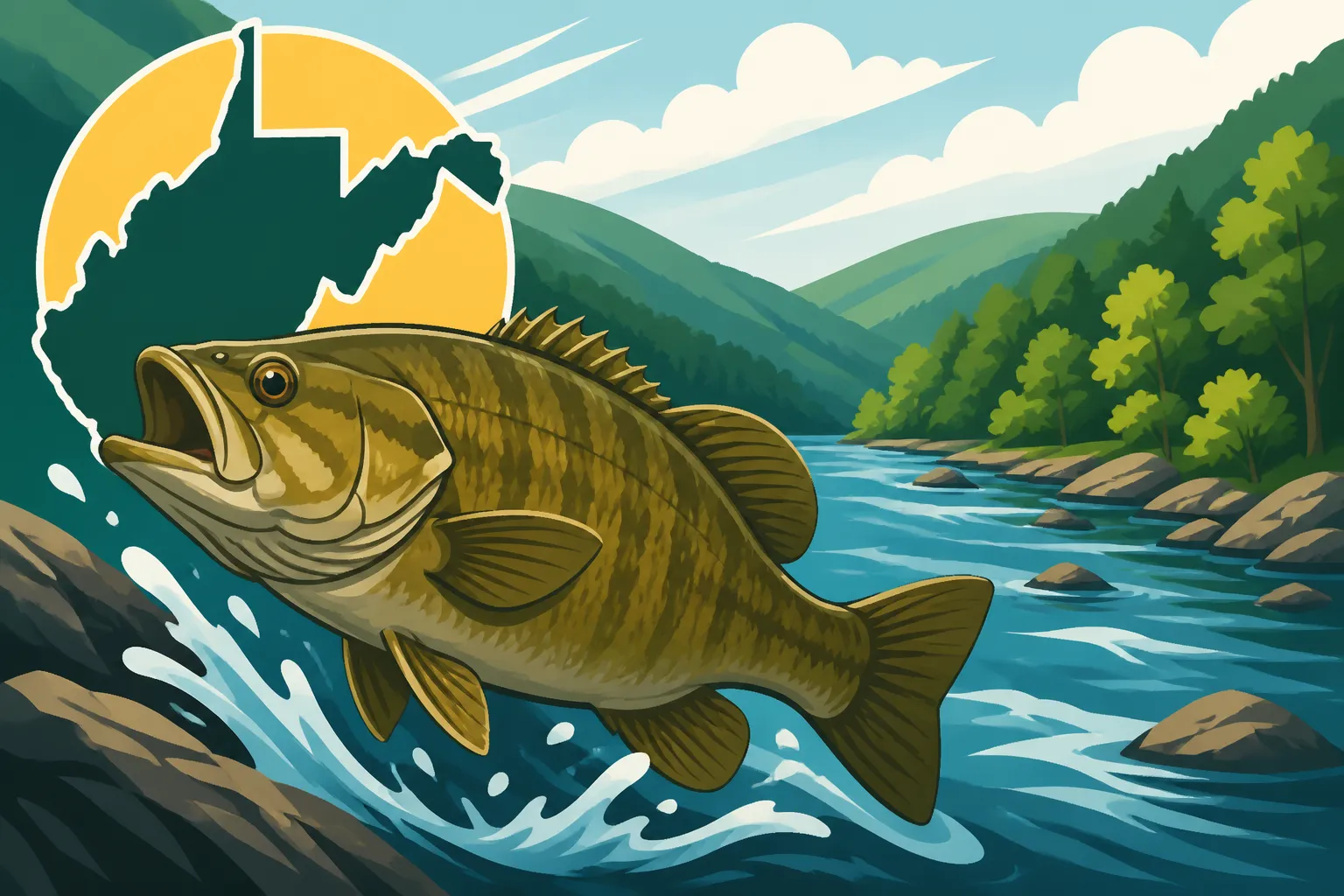
What makes the South Branch so special for smallmouth? It starts with the riverbed itself. The South Branch is largely characterized by a rocky bottom, a mosaic of small gravel, larger cobbles, and substantial boulders. These rocks aren't just scenery; they're the foundation of the river's ecosystem. They provide crucial hiding spots for crayfish, sculpins, and other forage, which in turn are the primary diet of healthy smallmouth bass. The river's varied flow, from gentle glides to swift riffles and deep, slow pools, creates oxygenated water and diverse current breaks that smallmouth absolutely thrive in. You’ll find them tucked behind boulders, on the downstream side of riffles, and patrolling the edges of current seams, always looking for an easy meal. This constant variety in structure and current keeps the fish active and engaged, making for thrilling hookups.
Beyond the physical structure, the South Branch benefits from excellent water quality, which is paramount for a robust smallmouth population. The pristine environment supports a rich aquatic insect life, further enhancing the food chain. This natural bounty means the smallmouth here grow to impressive sizes and are known for their strong, hard-fighting nature. When you hook into a South Branch smallmouth, you're not just catching a fish; you're experiencing the raw power of a wild river system. Many anglers, myself included, consider it one of the absolute best fishing rivers in West Virginia, not just for smallmouth but for the overall experience.
Understanding Smallmouth Behavior in River Systems
To consistently catch smallmouth on the South Branch Potomac, it's vital to understand their behavior within a dynamic river environment. Unlike their largemouth cousins, river smallmouth are highly attuned to current. They use it to their advantage, positioning themselves in ambush points where the current delivers food right to them, but without expending too much energy fighting the flow. Key structures like submerged ledges, large boulders, fallen trees (or "laydowns"), and undercut banks are prime real estate. These spots offer refuge from strong currents, protection from predators, and excellent ambush points for prey like crayfish and minnows. Learning to "read the water" – identifying these subtle current breaks and structural elements – is perhaps the most crucial skill an angler can develop on this river.
Smallmouth also exhibit distinct seasonal movements. In the spring, as water temperatures rise, they move into shallower, rocky areas to spawn. This can be a fantastic time to find aggressive fish. During the summer, they'll spread out more, often retreating to deeper, cooler pools during the heat of the day, but remaining active in riffles and current seams during low light periods. As fall approaches and temperatures drop, they'll often stack up in deeper holes, feeding heavily in preparation for winter. Understanding these patterns, combined with knowledge of the local river structure, significantly increases your chances of success. For those who want to deepen their understanding of these magnificent fish, there's a lot to learn about Smallmouth Bass Habits on the New River, many of which apply directly to the South Branch as well. If you're not sure where to start, or prefer a guided experience, services like FishingBooker can connect you with experienced local guides who know the river like the back of their hand.
Prime Fishing Zones and Access Points on the South Branch
The South Branch Potomac is a long river, stretching over 130 miles through West Virginia, and its character changes considerably from its headwaters to its confluence with the North Branch. Knowing which sections to target and where to access them is key to a successful smallmouth trip. Each section offers a slightly different experience, catering to various fishing styles and preferences.
The Upper River: Headwaters to Petersburg
The uppermost stretches of the South Branch, particularly from its headwaters down to Petersburg, tend to be smaller and more intimate. While renowned for its trout fishing in certain areas, this section also holds a healthy population of smallmouth bass, especially as the river gains size and warmth below major trout sections. Around Petersburg, the river begins to widen, offering more classic smallmouth habitat. Here, the river is often shallow enough for excellent wading opportunities, particularly during lower flows. Anglers can cover a lot of water on foot, targeting individual pockets, riffles, and runs.
Key access points in this upper region include public bridges and small pull-offs along roads like Route 28 and Route 220. The area near Petersburg, where the South Branch runs past the town, offers several places to get to the water. Expect to find a good mix of smaller, feisty smallmouth, with the occasional larger fish tucked away in deeper holes or under cover. This part of the river is perfect for those who enjoy a more solitary angling experience and the challenge of navigating smaller water. It’s also where the river truly begins its transformation from a mountain stream into a formidable bass river.
The Middle Section: Petersburg to Moorefield/Romney
This is arguably the crown jewel for smallmouth bass fishing on the South Branch Potomac. From Petersburg downstream through the towns of Moorefield and Romney, the river widens further, deepens in many areas, and truly comes into its own as a prime smallmouth fishery. This section is characterized by a mix of long, flowing pools, rock gardens, gravel bars, and significant ledges that create perfect ambush points for larger bass. The current here is often stronger and more consistent, providing ideal conditions for float trips in canoes, kayaks, or rafts.
Public access points in this middle section are more plentiful and better suited for launching watercraft. Look for state-maintained boat ramps and public access sites, often found near bridge crossings or designated recreation areas. Some particularly productive areas include the stretches near Moorefield, where the river gains considerable volume, and downstream towards Romney. Specific areas like Sycamore Bridge and the sections around Milam and Sector are renowned for their smallmouth populations. This part of the river truly epitomizes the "how to catch smallmouth bass in West Virginia rivers" experience. It’s a fantastic place to spend a full day floating, casting to visible structure and feeling the powerful strike of a quality smallmouth. Many anglers planning their first float trip on the South Branch look to local outfitters, and online platforms like FishingBooker are a fantastic resource for finding guides who specialize in these multi-day adventures.
The Lower River: Romney to the Potomac Confluence
As the South Branch continues its journey north from Romney towards its confluence with the North Branch of the Potomac near Green Spring, the river typically becomes wider and, in many places, deeper and slower. While the current might not be as pronounced as in the middle section, this lower stretch still holds excellent smallmouth potential, often producing some of the river's largest fish. The slower, deeper pools provide ample habitat for bigger bass, especially around submerged structure, deep rock formations, and the mouths of feeder creeks.
Access in this lower section is often via boat ramps suitable for larger jon boats or drift boats, in addition to kayaks and canoes. Public access points are available, though they might be spaced further apart, making longer float trips a popular option. Anglers targeting this section should focus on larger lures and deeper presentations, exploring the subtle nuances of the river bottom. Look for defined current seams, eddy lines, and any significant changes in depth or structure. Fishing the confluence areas with smaller tributaries can also be incredibly productive, as baitfish and bass often concentrate there. It's a different rhythm of fishing than the faster upper and middle sections, but equally rewarding for those who learn its secrets.
| Section of River | Key Characteristics | Primary Fishing Method | Notable Access Points (Examples) | Target Smallmouth Size |
|---|---|---|---|---|
| Upper (Headwaters to Petersburg) | Smaller, intimate, rocky bottom, some wading. | Wading, small kayak/canoe floats. | Petersburg, local bridge crossings on Rts 28/220. | Smaller to medium (8-14 inches) |
| Middle (Petersburg to Romney) | Wider, deeper pools, strong current, abundant rock gardens, ledges. | Canoe/kayak float trips, drift boat. | Moorefield, Sycamore Bridge, Sector, Milam. | Medium to large (12-18+ inches) |
| Lower (Romney to Confluence) | Widest, deepest, slower sections, significant structure. | Longer float trips, larger jon boats/drift boats. | Green Spring, downstream from Romney. | Medium to trophy (14-20+ inches) |
Tactics and Gear for South Branch Smallmouth
Successful smallmouth fishing on the South Branch Potomac isn't just about finding the fish; it's about presenting the right offerings with the right gear, at the right time. The river's ever-changing conditions mean that adaptability is key, but some techniques and tackle choices consistently outperform others.
Effective Lures and Baits for River Smallmouth
Smallmouth bass in the South Branch are opportunistic predators, but they have distinct preferences based on water conditions and season. Crayfish are a huge part of their diet, so anything that imitates a crawfish is a sure bet. That means tube jigs in greens, browns, and oranges are absolute staples. Rigged on a jig head (1/8 to 3/8 oz, depending on current), these can be dragged, hopped, or swam along the bottom through riffles and pools. Soft plastic creature baits and Ned rigs also excel in this role. When the water is clear, natural colors like green pumpkin or watermelon are fantastic, but if the water has a bit of stain, go for brighter colors with some chartreuse or orange.
Beyond bottom baits, hard jerkbaits and crankbaits are incredibly effective, especially when smallmouth are actively feeding on baitfish. Shallow-diving crankbaits that deflect off rocks are deadly, mimicking fleeing minnows. Topwater lures like poppers, walking baits, and buzzbaits provide explosive action, particularly during low light conditions or on overcast days in summer and fall. There's nothing quite like a smallmouth blowing up on a surface lure! Spinnerbaits and chatterbaits also have their place, especially when covering water quickly or in slightly stained conditions. Don't forget inline spinners, which can be surprisingly effective for active fish in current. For a deeper dive into lure choices, much of the advice on Best Baits for Smallmouth Bass on the New River translates well to the South Branch.
Choosing the Right Gear for River Conditions
When it comes to tackle, durability and versatility are paramount for river fishing. A medium-light to medium power spinning rod, typically 6'6" to 7' in length, paired with a reliable 2500 or 3000 series reel, is a fantastic all-around setup. This offers enough backbone to fight powerful smallmouth in current but is sensitive enough for lighter lures and finesse presentations. For heavier cover or larger fish, a medium-heavy baitcasting setup might be preferred, especially for throwing bigger crankbaits or tubes. You can find excellent options by looking at the Best Fishing Rods for West Virginia Rivers, many of which are perfect for the South Branch.
Line choice is critical. Braided line (10-20 lb test) is popular for its sensitivity and strength, but always tie on a fluorocarbon leader (6-12 lb test, depending on water clarity and cover) for invisibility and abrasion resistance against those rocky bottoms. If you prefer mono, a high-quality 8-10 lb test monofilament can also work. Ensure your reels have smooth drags, as these fish pull hard! Finally, a good pair of polarized sunglasses is essential for spotting structure and fish in clear water, and a sturdy pair of wading boots or water shoes with good grip is a must if you plan to do any wading.
Best Times and Conditions for Success
Knowing when to fish can be as important as where and how. The South Branch Potomac offers productive smallmouth fishing from spring through late fall, with peak seasons typically in late spring, summer, and early fall. Spring, especially April and May, sees fish moving shallow for pre-spawn and spawning activities, making them aggressive and relatively easy to locate. Post-spawn, from late May through June, also offers fantastic action as fish recover and feed heavily.
Summer can be excellent, particularly during cooler mornings and evenings, or on overcast days. During the heat of the day, target deeper pools, shady banks, and current seams where fish can find cooler, oxygenated water. Fall is a prime time for trophy smallmouth, as they gorge themselves before winter. From September through November, fishing can be incredible, with fish often holding in deeper pools or congregating in specific areas to feed. For a broader overview, checking the West Virginia Fishing Seasons by Month can give you a general idea, and for more specific guidance, consider the Best Time of Year to Fish in West Virginia.
Water levels and clarity are huge factors. After heavy rains, the river can become high and muddy, making fishing challenging. Wait a few days for the water to drop and clear. Slightly stained water after a rain can actually be excellent, as it gives fish more confidence to bite. Low, clear water conditions often call for more finesse tactics, lighter lines, and natural presentations. Before you head out, especially for a guided trip, checking availability on sites like FishingBooker can help you plan your ideal smallmouth excursion, often with reviews from other anglers.
Navigating the South Branch and Respecting the Resource
Fishing the South Branch Potomac is an incredible experience, but it requires careful planning and a deep respect for both the river and the property surrounding it. Understanding access rules and practicing responsible angling ensures that this amazing fishery remains healthy for future generations.
Access and Floating Considerations
Public access to the South Branch is available, but much of the river flows through private land. It is absolutely crucial to respect private property boundaries and only access the river through designated public access points, such as state boat ramps, public parks, or bridges where public easements exist. Trespassing is not only illegal but can jeopardize future public access. Always check local regulations and maps for specific access information before heading out.
For floating, kayaks and canoes are excellent choices for navigating the South Branch, particularly in the middle and upper sections. Their shallow draft allows them to pass over rocky riffles and through narrower channels that larger boats cannot. For recommendations, you might look into the Best Kayaks for West Virginia Fishing. Drift boats are also effective, especially for guides or anglers who prefer to stand and cast. Always wear a personal flotation device (PFD), even if you're an experienced boater, as river conditions can change quickly. Understanding West Virginia Boating Laws for Anglers is essential for safe and legal operation. If you're planning a float trip, the principles discussed in Float Fishing the New River are highly relevant here, offering valuable insights into river navigation. For those who enjoy bank fishing, there are also some fantastic Best Shore Fishing Spots in West Virginia that can be found along the South Branch, offering great opportunities without needing a boat.
Conservation and Catch-and-Release Practices
The South Branch Potomac is a vibrant, healthy fishery thanks to ongoing conservation efforts, and every angler plays a role in maintaining it. While smallmouth bass can be harvested, many anglers, especially those targeting larger fish, practice catch-and-release to sustain the population. If you do keep fish, always adhere to the West Virginia Bag and Possession Limits by Species, which are clearly outlined in the official regulations.
Proper fish handling is critical for catch-and-release success. Minimize the time the fish is out of the water, handle it with wet hands to protect its slime coat, and use barbless hooks or crimp down barbs to facilitate easier removal. If a fish is deeply hooked, cut the line rather than trying to remove the hook, as this often leads to less internal damage. Releasing fish gently into the current, supporting them until they swim off on their own, maximizes their survival chances. Beyond fish handling, remember to "leave no trace" – pack out all trash, avoid disturbing sensitive riparian habitats, and respect fellow anglers. For those keen on understanding all the rules that govern fishing in the Mountain State, a thorough read of the West Virginia Fishing Regulations Explained is highly recommended. And of course, ensure you have your West Virginia Fishing License Guide for 2026 readily available before you even cast a line. For those who want to explore beyond DIY, finding a seasoned smallmouth guide through services like FishingBooker can dramatically shorten the learning curve and ensure a responsible, enjoyable trip.
Disclaimer
Fishing conditions and regulations in West Virginia can change. Always consult the latest West Virginia Division of Natural Resources (WVDNR) fishing regulations before heading out on the water. This guide is for informational purposes only and should not be considered a substitute for official regulations or professional guidance.