Best catfish spots on the Kanawha River
Navigating the mighty Kanawha River for catfish can sometimes feel like searching for a needle in a haystack, especially with its expansive waters and diverse bottom structure. Many anglers, new or seasoned, often find themselves wondering where to even start, frustrated by the river's sheer size and its reputation for holding some truly massive whiskered beasts. This guide aims to cut through that confusion, giving you the inside scoop on the best spots along the Kanawha River where you can reliably hook into some fantastic channel, flathead, and blue catfish.
Understanding the Kanawha's Catfish Culture
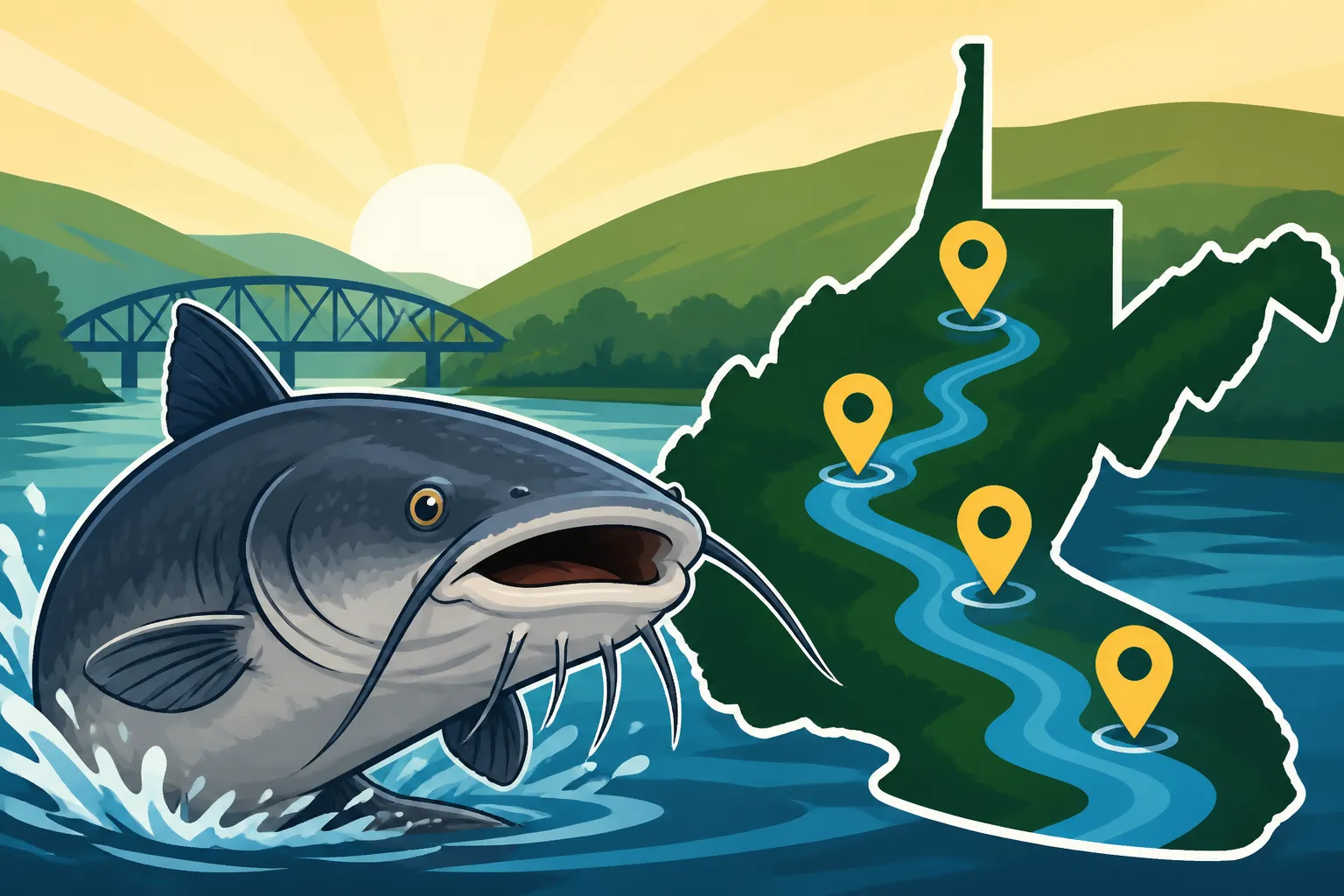
The Kanawha River is a significant waterway in West Virginia, flowing northwest from the confluence of the New River and Gauley River at Gauley Bridge, eventually joining the Ohio River at Point Pleasant. Its size and diverse ecosystem make it a prime habitat for various catfish species, each with its own preferred haunts and feeding habits. Understanding the river's characteristics – its depths, currents, and bottom structure – is key to unlocking its catfishing potential.
The Big Three: Channel, Flathead, and Blue Catfish
When you're targeting catfish on the Kanawha, you'll primarily be looking for three main species: channel catfish, flathead catfish, and, increasingly, blue catfish. Each offers a different challenge and reward. Channel cats are the most abundant and aggressive, often found in a variety of habitats, from deeper holes to current breaks. They're typically smaller than their cousins but offer consistent action. Flatheads are solitary ambush predators, preferring live bait and structure like submerged timber or rocky outcroppings. They grow to impressive sizes and put up a formidable fight. Blue catfish, while less common historically, are making a significant presence in the Kanawha, especially closer to the Ohio River, and are known for their immense size and powerful runs.
Knowing which species you're after can help you refine your location and bait choices. For instance, if you’re hoping for a trophy flathead, you’ll focus more on areas with heavy cover and be prepared to offer large live baits like sunfish or suckers. If you're after a cooler full of channel cats for a fish fry, cut bait and stink bait in current seams will be your go-to. The Kanawha offers opportunities for all, but tailoring your approach makes all the difference.
River Dynamics and Catfish Behavior
The Kanawha River is characterized by a series of locks and dams, which significantly impact its flow and create distinct fishing environments. These dams (Marmet, London, and Winfield) create deeper pools and strong tailrace currents, which are natural congregating points for baitfish and, consequently, catfish. Upstream of the dams, the water tends to be slower and deeper, while downstream, the turbulent tailraces offer oxygen-rich water and disrupted prey.
Catfish are highly sensitive to current, depth, and available forage. They often position themselves in ambush points where food is swept to them by the current, but they don't have to fight the main flow constantly. Look for areas with a noticeable transition in depth, current seams where fast and slow water meet, or any significant structure that provides cover and a break from the main current. This could be anything from a downed tree limb to a submerged rock pile or even bridge pilings.
Prime Catfishing Hotspots on the Kanawha River
The Kanawha River offers a plethora of excellent catfishing opportunities, but some areas consistently stand out due to their unique features and fish-holding capabilities. These hotspots are where many local anglers focus their efforts, often with great success. Whether you're fishing from the bank or a boat, these locations are worth exploring.
The Lock and Dam Systems
The series of locks and dams along the Kanawha River—specifically Marmet, London, and Winfield—are absolute magnets for catfish. These structures create turbulent tailraces, scour holes, and current breaks that concentrate baitfish and provide ideal ambush points for catfish. Fishing directly below the dams can be incredibly productive, but always be mindful of restricted areas and safety guidelines.
Below the Marmet Dam, for example, the deep scour holes and strong currents are prime territory for large flatheads and blues. Anglers often anchor just outside the most powerful current and cast into the eddies or current seams. Further downstream, the areas around the London Dam and Winfield Dam offer similar conditions, with excellent potential for all three major catfish species. When approaching these areas, pay close attention to the depth sounder to locate significant drops, humps, or submerged debris that provide cover for fish. Remember to always respect the "no-wake" zones and navigation rules around these structures, especially if you're not familiar with the area – checking the latest information on West Virginia Boating Laws for Anglers is always a good idea.
Charleston Area Riverfront
The stretches of the Kanawha River that flow through Charleston offer surprisingly good catfishing, particularly given its urban setting. The city's riverfront features a mix of industrial structures, public access points, and deeper channels that create diverse habitats. Bridge pilings, submerged barges, and even the outflow pipes from storm drains can attract baitfish and, consequently, catfish.
One popular spot is near the Haddad Riverfront Park and the surrounding areas. Here, you'll find deeper sections of the river, and the confluence of smaller urban creeks can bring in additional nutrients and bait. Bank anglers have good access here, and boaters can find plenty of structure by exploring the main channel and the deeper cuts near the banks. Night fishing in the Charleston area can be particularly productive for all catfish species, as they often become more active after dark, moving into shallower areas to feed. For techniques on how to approach this, you might find some crossover tips in a guide on Night Fishing Techniques for West Virginia Lakes.
Tributary Confluences
The points where smaller rivers and creeks flow into the Kanawha River are often overlooked but can be incredibly productive catfish spots. These confluences bring in fresh water, new food sources, and often create distinct current breaks and deeper pockets where catfish like to stage. The slightly different water temperatures or clarity from the tributaries can also attract baitfish.
Consider areas where major tributaries like the Elk River, Coal River, or Pocatalico River meet the Kanawha. For example, the mouth of the Elk River near Charleston can be a fantastic spot, especially during periods of higher water when the Elk is pushing more flow and sediment into the Kanawha. Catfish will often position themselves just outside the main current of the tributary mouth, waiting for an easy meal to be washed downstream. These transition zones provide a rich buffet for actively feeding fish, making them prime targets for both channel and flathead catfish.
Essential Techniques and Gear for Kanawha Catfish
Successful catfishing on the Kanawha River isn't just about finding the right spot; it's also about employing the right techniques and having the appropriate gear. The river's diverse conditions demand versatility, but focusing on a few core principles will significantly increase your chances of success.
Bait Selection and Presentation
Catfish are primarily scavengers and opportunistic predators, making bait choice crucial. For channel catfish, cut bait from oily fish like shad, skipjack herring, or even bluegill, is incredibly effective. Stink baits, chicken livers, or nightcrawlers also work wonders. For trophy flathead catfish, live bait is almost always the preferred choice. Sunfish, suckers, or large shiners, presented alive and struggling, are irresistible to these ambush predators. Blue catfish will hit both live bait and large cut baits, so having a selection is always a good idea.
When presenting your bait, a slip-sinker rig is a versatile choice for bottom fishing, allowing the fish to pick up the bait without feeling the weight of the sinker. For fishing around heavy cover, a Santee Cooper rig, which incorporates a float to keep your bait slightly off the bottom, can prevent snags while still presenting your bait effectively. For specifics on rigging, exploring guides like Bottom Fishing for Catfish in West Virginia Rivers can provide excellent detailed diagrams and instructions. Always use fresh bait; catfish have an incredible sense of smell, and fresh bait outperforms old, frozen bait every time.
Rods, Reels, and Line Strength
Given the potential for large fish and heavy currents on the Kanawha, your gear needs to be robust. Medium-heavy to heavy-action rods, typically 7 to 9 feet long, are ideal for casting heavy weights and fighting strong fish. These rods provide the backbone needed to leverage large catfish out of structure. Pair these with conventional baitcasting reels or large spinning reels that can hold a significant amount of line—at least 200 yards of 20-50 pound test monofilament or braided line.
Braided line is increasingly popular due to its lack of stretch and incredible strength, which is a huge advantage when fishing heavy current or pulling a big flathead from a log jam. If using braid, a fluorocarbon or monofilament leader of 30-80 pounds is recommended to protect against abrasion and to make knots easier. Strong, sharp hooks are non-negotiable; circle hooks are highly recommended for their high hook-up ratio and tendency to hook in the corner of the fish's mouth, making for easier release if desired. For more general advice on appropriate tackle, you might find value in resources like Best Fishing Rods for West Virginia Rivers.
Navigating the Kanawha: Safety and Regulations
Fishing on a large river like the Kanawha comes with its own set of challenges and responsibilities. Understanding and adhering to safety protocols and fishing regulations is not just about avoiding fines; it's about ensuring a safe and enjoyable experience for everyone on the water.
Boating Safety on the Kanawha
If you're planning to fish from a boat, safety should be your top priority. The Kanawha River is a commercial navigation channel, meaning you'll share the water with large barges and towboats, especially around the locks. Always be aware of your surroundings, understand right-of-way rules, and give commercial traffic a wide berth. The currents, especially below the dams, can be incredibly strong and dangerous, so always wear a life jacket, and ensure all passengers, particularly children, are also wearing theirs. You can review all the pertinent details on Life Jacket Requirements for West Virginia Boaters.
Before heading out, always check the weather forecast and river conditions. Carry all required safety equipment, including navigation lights, a horn or whistle, a fire extinguisher, and extra fuel. Make sure your boat is properly registered, and if you're operating a motorized vessel, confirm you meet the West Virginia Boater Education Certificate Requirement. If you're new to the Kanawha, consider hiring a local guide who knows the river intimately. Platforms like FishingBooker can connect you with experienced Kanawha River fishing guides who can help you navigate safely and find the best spots.
Fishing Licenses and Specific Regulations
Before casting a line, ensure you have a valid West Virginia fishing license. These are mandatory for anyone 15 years of age or older. You can purchase them online through the WVdnr website or from authorized vendors. For a complete breakdown, check out the West Virginia Fishing License Guide for 2026. Beyond the general license, it’s crucial to be aware of any specific regulations that might apply to catfish on the Kanawha, such as daily creel limits or size restrictions.
While catfish regulations are generally quite liberal in West Virginia compared to other species, always consult the most current West Virginia Fishing Regulations Explained summary available from the West Virginia Division of Natural Resources (WVDNR). This document will outline any special rules for the Kanawha River or specific species. Understanding these regulations is key to responsible angling and helps conserve the resource for future generations.
Final Tips for Kanawha River Catfish Anglers
Catfishing on the Kanawha is a rewarding experience, but it often requires patience and persistence. Don't be discouraged if you don't find them right away. Catfish move, and their behavior can change with water levels, temperature, and even barometric pressure.
| Hotspot Type | Catfish Species Targeted | Recommended Bait | Key Features to Look For | Access Notes |
|---|---|---|---|---|
| Lock & Dam Tailraces | Flathead, Blue, Channel | Live bait (sunfish, shiners), Large Cut Bait | Scour holes, turbulent current, oxygenated water | Restricted zones, strong currents; boat required |
| Bridge Pilings | Channel, Flathead | Cut bait, Live bait | Eddies, current breaks, deep pockets | Often accessible by bank; boat allows better positioning |
| Tributary Mouths | Channel, Flathead | Cut bait, Nightcrawlers, Live bait | Current seams, depth changes, nutrient inflow | Varies by tributary; often good bank and boat access |
| Deep River Bends | Blue, Flathead, Channel | Large Cut Bait, Live bait, Stink Bait | Slower currents, deeper sections, submerged timber | Primarily boat access; can be good for anchoring |
Experiment with different baits, rigs, and depths until you find what the fish are keying in on. Sometimes, moving just a few yards can make all the difference. If you're struggling to locate fish, consider venturing out with a local guide. A seasoned professional found on platforms like FishingBooker can quickly put you on fish and teach you the nuances of the river, saving you a lot of trial and error. The Kanawha River holds some true giants, and with a bit of knowledge and the right approach, you could be reeling in your next trophy catfish.
Disclaimer
The information provided in this guide is for general informational purposes only and is not intended as legal advice. Fishing regulations, license requirements, and safety guidelines can change. Always consult the most current regulations issued by the West Virginia Division of Natural Resources (WVDNR) before engaging in any fishing activities. Adherence to all local, state, and federal laws is the responsibility of the angler. Fishing carries inherent risks, and caution should always be exercised.