Best walleye spots below Winfield Locks and Dam
There's nothing quite like the thrill of chasing walleye, especially when you know they're stacked up in a productive spot. But let's be honest, finding those prime locations, especially around a massive structure like the Winfield Locks and Dam, can feel like trying to find a needle in a haystack if you don't know where to look. The currents, the depths, the ever-changing conditions – it’s a lot to process. This guide is here to cut through the confusion and pinpoint the best walleye spots below the Winfield Locks and Dam, giving you the confidence and knowledge to make your next trip a success.
Understanding the Winfield Locks and Dam Environment for Walleye
The Ohio River is a powerhouse, and structures like the Winfield Locks and Dam are magnetic for fish, particularly walleye. It's not just a random occurrence; there's a science to why these fish congregate here, and understanding it is your first step to consistent success.
Why Dams Attract Walleye
Think of a dam as a giant natural buffet and a current controller all rolled into one. The sheer volume of water pushing through creates a constantly changing, oxygen-rich environment that baitfish absolutely thrive in. And where the baitfish go, the predators follow, right? Walleye, being opportunistic feeders, are drawn to these areas for a few key reasons:
- Current and Oxygen: The churning water below a dam is supercharged with dissolved oxygen, which is vital for fish, especially in warmer months when other parts of the river might get a bit sluggish. This strong flow also disorients baitfish, making them easy targets.
- Concentration of Baitfish: The current acts like a funnel, pushing shad, shiners, and other small forage fish into a confined area below the dam. It's like a drive-thru for walleye – all the food they could want, often stunned or disoriented by the turbulence.
- Structure and Shelter: While the water is turbulent, the riverbed and adjacent banks offer plenty of breaks in the current, deeper scour holes, and rocky structures where walleye can hold out of the main flow, conserving energy while waiting to ambush prey. They’ll dart out into the current for a quick meal, then slip back into a calmer eddy.
Key Structures Below Winfield
The Winfield Locks and Dam isn't just a big wall of concrete; the area immediately downstream is a complex underwater landscape shaped by years of water flow. Knowing these key structures is crucial for identifying where walleye might be holding.
- Scour Holes: Immediately below the dam, the force of the water carves out deep depressions, or scour holes, in the riverbed. These can be prime resting and feeding areas for walleye, offering a break from the relentless current and often holding schools of baitfish. They might be just a few feet deeper than the surrounding bottom, but that's all a walleye needs.
- Wing Dams and Submerged Revetments: These structures, often made of rock or concrete, extend out from the bank or are submerged just below the surface. They break the current, creating eddies and slack water zones on their downstream side. Walleye love to sit in these calmer areas, waiting for food to drift by. Finding the exact location and extent of these submerged structures can be tricky, but your fish finder will be your best friend here.
- Rip-Rap and Rock Piles: The banks below the dam are often lined with rip-rap (large rocks) to prevent erosion. These rocky edges extend underwater, creating countless nooks and crannies, small current breaks, and ambush points for walleye. They also provide habitat for crayfish and other invertebrates, adding to the walleye's diet.
- Current Seams and Eddy Lines: These are visual cues on the surface where fast-moving water meets slower water. Below the dam, these seams are everywhere. Walleye will often sit right on the edge of a current seam, letting the fast water deliver food to them while expending minimal energy. Learning to read these seams is vital for placing your baits effectively.
Seasonal Movements and Feeding Patterns
Walleye are creatures of habit, but their habits shift with the seasons, especially around a dynamic environment like a dam. Understanding these changes can drastically improve your chances.
- Spring (Post-Spawn): After the spawn, which often happens in tributaries or shallower, rocky areas upstream or near the dam, walleye will move to the tailwater to feed aggressively and regain energy. They’ll be looking for easy meals in the current breaks. This is often an excellent time for jigging or casting crankbaits.
- Summer: As water temperatures rise, walleye often retreat to deeper, cooler, more oxygenated water. The scour holes and deeper sections of the tailrace, or main river channel away from the direct dam outflow, become key. Night fishing can be particularly productive as walleye move into shallower feeding areas under the cover of darkness. Remember that West Virginia Fishing Seasons by Month can vary, so always check the local regulations.
- Fall: As temperatures drop, walleye feed heavily to build up reserves for winter. They can be found throughout the tailwater, often shallower than in summer, chasing baitfish schools. This is a fantastic time for trolling crankbaits or casting blade baits.
- Winter: Even in winter, walleye can be caught below the dam. They tend to school tightly in the deepest scour holes and channels, conserving energy. A slow, methodical presentation, like vertical jigging with a spoon or a heavy jig and plastic, can be very effective.
Prime Walleye Hotspots at Winfield Locks and Dam
Now that we understand why walleye are here, let's talk about where exactly to cast your line below the Winfield Locks and Dam. These aren't just general areas; these are specific zones where anglers consistently find success.
The Tailrace Area
The immediate tailrace, the section of water directly downstream from the dam, is perhaps the most obvious and often most productive area. However, it's also the most challenging due to strong currents and safety considerations.
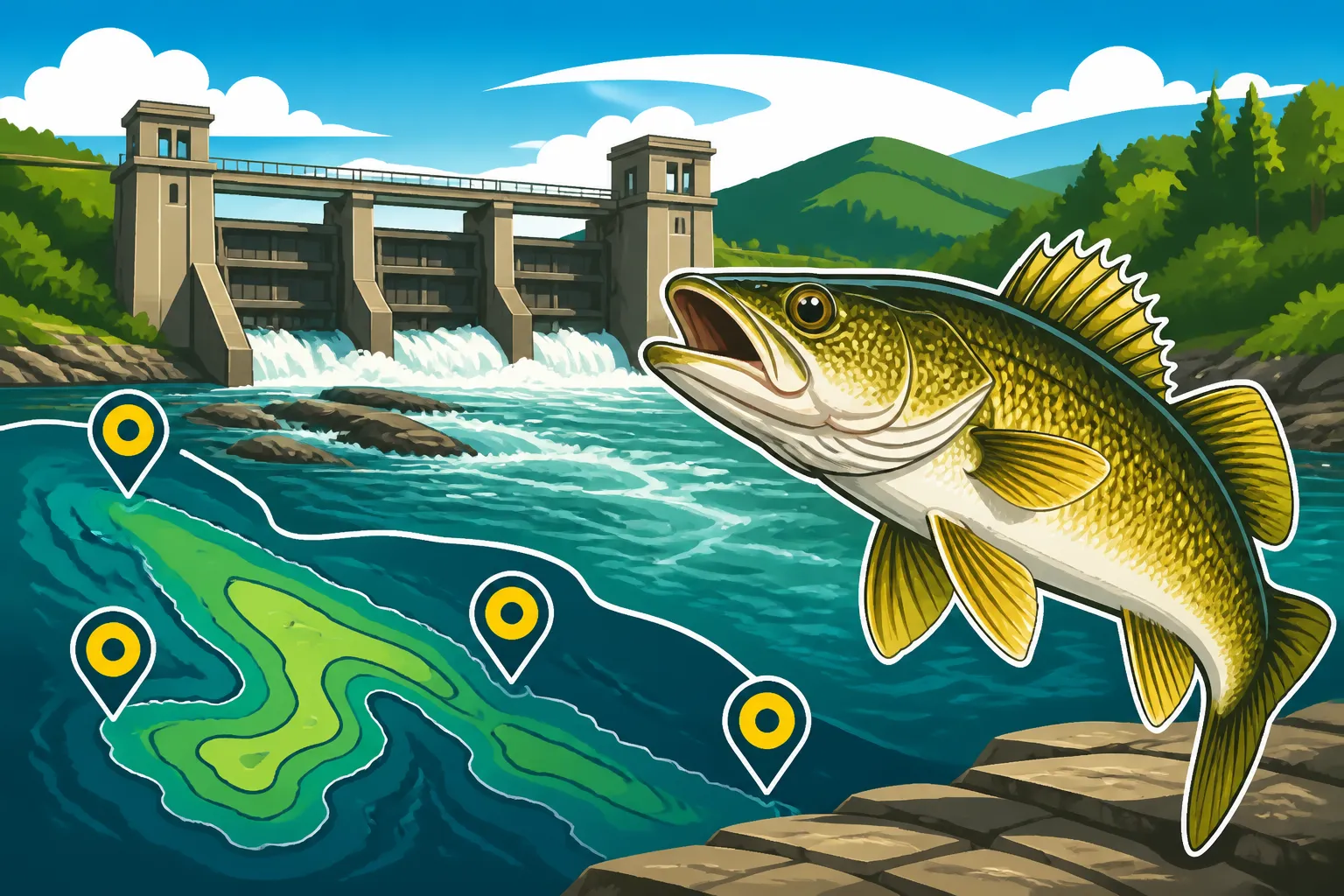
- Under the Gates/Dams: When some of the dam's gates are open, the rush of water creates incredible turbulence and oxygenation. Walleye will position themselves in the turbulent boil line or in the calmer pockets just out of the main force. You'll often find them suspended, looking up for disoriented baitfish. This area can be treacherous, so extreme caution is advised, especially for boaters. Always maintain a safe distance from the dam structure itself.
- The Scour Hole "Bowl": As mentioned, the deepest scour holes are right below the dam. These can be difficult to fish directly due to the current, but on calmer days or with less water flow, working the edges of these holes can be incredibly effective. Look for drops-offs where walleye can transition from deep cover to shallower feeding lanes. A good fish finder is essential here to map the bottom contours accurately. Knowing how to use Best Fish Finders for West Virginia Lakes can make a huge difference in these complex areas.
- The Powerhouse Discharge: If there's a powerhouse or any other industrial discharge nearby, this warmer or more oxygenated water can create localized hotspots, especially in colder months. Baitfish are drawn to it, and walleye are never far behind.
Downstream Channels and Eddies
Moving a bit further downstream from the immediate boil, the current begins to mellow, but the structure and current seams remain vital.
- Main River Channel Edges: The Ohio River has a defined main channel. Walleye will often hug the edges of this channel, especially where it meets shallower flats or submerged structures. Drifting or trolling along these edges, particularly where depth changes are apparent, can be very productive. Look for irregularities – a slight bend, a subtle hump, or a rock pile that diverts the current.
- Large Eddies and Backwater Pockets: On the downstream side of larger wing dams, islands, or prominent points, you'll find significant eddies where the water swirls or is much calmer. These are fantastic holding areas for walleye that want to escape the main current but still have access to passing food. These areas are often less pressured and can yield some truly impressive fish. Sometimes, you can even find a spot to anchor if the current allows, or slowly drift through with a controlled presentation.
- Tributary Mouths: If there's a smaller creek or tributary entering the Ohio River below the dam, its mouth can be a goldmine. These areas bring in fresh water, nutrients, and often different species of baitfish. Walleye will stage here, especially after a rain event when the tributary is flushing out food. These can be prime spots when chasing Walleye Fishing in West Virginia.
Shoreline Access Points and Boat Ramps
Not everyone has a boat, and thankfully, there are still ways to target walleye from the bank around Winfield. For those with boats, knowing the ramps is essential.
- Public Access Areas: While the immediate dam structure is often off-limits or dangerous, there are public access points along the river downstream. Look for areas with rip-rap banks, jetties, or points that extend into the main river flow. Often, these spots allow you to cast into current seams or the edges of scour holes. Always prioritize safety and be aware of your surroundings, especially with boat traffic.
- Boat Ramps for Access: For those with boats, there are several public and private boat ramps along the Ohio River that provide access to the Winfield area. The Winfield State Park ramp is a popular choice, offering convenient access. Always check ramp conditions and water levels before heading out. If you're looking for local knowledge or want to hire a captain to take you directly to the hot spots, sites like FishingBooker can connect you with experienced guides who navigate these waters regularly and know all the best launches and safe zones. They often have boats specifically outfitted for river fishing, which makes a huge difference.
Essential Techniques and Gear for Winfield Walleye
Catching walleye below the Winfield Locks and Dam requires specific techniques and the right gear to combat the current and entice these often-finicky fish.
Top Lures and Baits
Choosing the right offering is paramount. Walleye are predators, but they can be surprisingly selective.
- Jigs and Soft Plastics: Jigs are arguably the most versatile lure for river walleye. A heavy jig (1/4 oz to 1 oz, depending on current) tipped with a soft plastic swimbait, grub, or a live minnow is incredibly effective. Colors like chartreuse, white, emerald shiner, or natural baitfish patterns work well. The key is to get your jig to the bottom and work it with a lift-drop retrieve, letting the current do some of the work. For a deep dive into river jigging, you might find tips under Jigging for Crappie in West Virginia Lakes as some jigging techniques translate across species.
- Crankbaits and Stickbaits: For casting or trolling, deep-diving crankbaits are excellent. Look for models that can get down to the 10-20 foot range, mimicking baitfish. Colors like chrome, firetiger, or natural perch are strong choices. Trolling these along current seams or channel edges can cover a lot of water. Brands like Rapala, Berkley, and Bandit make reliable walleye crankbaits.
- Blade Baits: These vibrating metal lures are deadly in current. They cast a mile, sink quickly, and their strong vibration calls to walleye. Vertical jigging them in deep scour holes or casting them into current breaks and ripping them back are proven tactics.
- Live Bait Rigs: Nothing beats fresh live bait for some days. A simple three-way rig with a heavy weight, a short leader to a minnow, shiner, or nightcrawler, is a classic. Or, a bottom-bouncing rig with a crawler harness can be deadly when drifting. Finesse is often the key with live bait, letting the current present it naturally.
Effective Fishing Methods
The strong currents below the dam dictate how you fish. Adapting your method to the conditions is crucial.
- Vertical Jigging: This is a go-to for fishing deep scour holes or targeting fish directly under the boat in strong current. Use heavy jigs or blade baits, dropping them straight down and working them with short, sharp lifts and drops. Keep a close eye on your fish finder to stay on top of the fish.
- Casting and Retrieving: For working current seams, rip-rap banks, and eddies, casting jigs, crankbaits, or swimbaits is effective. Cast upstream and across the current, letting your lure swing down and into the target zone. Experiment with retrieve speeds until you find what triggers a bite.
- Drifting: If you have a boat, drifting with the current, especially in the main river channel edges or over submerged structures, is a great way to cover water. Use bottom bouncers, three-way rigs, or even jigs to keep your bait in the strike zone. Your boat control, using your trolling motor, is critical here to ensure a slow, controlled drift.
- Trolling: Trolling crankbaits or spinner rigs with a consistent speed (often 1-2 mph) is a fantastic way to locate active walleye, especially when they are scattered. Focus on trolling along channel edges, breaks, and around larger structures. Techniques for Trolling Techniques for West Virginia Lake Walleye can often be adapted for river use, especially in the less turbulent sections.
Safety and Regulations
Fishing below a major dam on a large river like the Ohio is not without its risks, and it's essential to be prepared and informed.
- Boating Safety: The current can be powerful and unpredictable. Always wear a life jacket, ensure your boat is in good working order, and be aware of other boat traffic, especially barges. Never venture too close to the dam gates. Always consult West Virginia Boating Laws for Anglers before heading out.
- Know the Regulations: West Virginia has specific fishing regulations, including size and creel limits for walleye. These can also be influenced by the fact you're on the Ohio River, which sometimes has reciprocal agreements with Ohio. Always check the current West Virginia Fishing Regulations Explained before you go, and specifically, familiarize yourself with the West Virginia Walleye Daily and Possession Limits. ignorance is no excuse for a fine. If you're unsure about regulations or safe boating practices, a guided trip booked through a service like FishingBooker can provide invaluable hands-on learning from a seasoned professional who knows the ins and outs of the Ohio River rules.
Troubleshooting and Maximizing Your Success
Even with the best spots and gear, fishing can be challenging. Here's how to overcome common hurdles and boost your walleye catch rate.
Reading the Water and Current
The Ohio River's current below Winfield Locks and Dam is constantly changing, influenced by gate openings, recent rainfall, and even commercial barge traffic. Learning to read the water is an art form that pays dividends.
- Current Strength: Look at the surface ripples and how debris (leaves, foam) moves. Stronger currents require heavier weights and faster retrieves, or a more precise boat control to stay in the strike zone. Weaker currents allow for lighter tackle and slower presentations. Don't be afraid to change your jig weight multiple times a day.
- Water Clarity: After heavy rains, the river can become muddy. Walleye rely heavily on their eyesight, but can adapt to stained water. In these conditions, brighter colored lures (chartreuse, orange) and those with strong vibrations (blade baits, rattling crankbaits) become more effective. In clear water, more natural colors and finesse presentations tend to work better.
- Turbulence vs. Calm: Directly below the gates is a washing machine of turbulence. Further downstream, you'll find calmer eddies and current seams. Walleye often prefer the edges of turbulence rather than being directly in it, allowing them to ambush prey without fighting the current constantly.
Adapting to Changing Conditions
No two days on the river are exactly alike. Being flexible and ready to adjust your approach is key to consistent success.
- Water Levels and Flow: The number of gates open at the dam directly impacts the current and water levels below. Check dam operating schedules if available, or simply observe the conditions when you arrive. High water and strong currents might push walleye to the very edges of the main flow or into larger, more protected eddies. Lower flows might make areas accessible that were previously too fast or too deep.
- Weather and Temperature: Cold fronts can make walleye lethargic, pushing them deeper or making them less willing to chase. Slow down your retrieve, downsize your baits, and focus on vertical presentations in their deep holding areas. Warmer, stable weather can make them more active and willing to chase faster-moving lures. Don't forget that Best Time of Day to Catch Walleye in West Virginia often aligns with specific weather patterns or light conditions.
- Baitfish Presence: Sometimes the walleye are there, but they're focused on a specific type of baitfish. Pay attention to what's jumping or what's coming up on your sonar. If you see huge schools of shad, try to match their size and color with your lures.
When to Consider a Professional Guide
If you're new to the Ohio River or struggling to crack the code on Winfield walleye, there's no shame in seeking expert help.
- Local Knowledge: A professional guide lives and breathes these waters. They know the subtle nuances of the current, the location of submerged structures you can't see, and the current walleye patterns. They also have safety protocols down cold.
- Equipment: Guides have boats specifically rigged for river fishing, often with advanced electronics to pinpoint fish and structure. They also supply all the necessary tackle, saving you the expense and guesswork.
- Learning Experience: A guided trip isn't just about catching fish; it's an educational experience. You'll learn valuable techniques, how to read the water, and specific spots that can make you a more effective angler in the long run. Websites like FishingBooker are a fantastic resource for finding highly-rated local fishing guides who specialize in Ohio River walleye, offering a range of trips tailored to your experience level. It's an investment that often pays off in future fishing success.
Here's a quick reference table to help visualize some of these key elements:
| Walleye Hotspot | Primary Features | Best Techniques | Optimal Seasons | Key Considerations |
|---|---|---|---|---|
| Immediate Tailrace (under gates) | Strong current, oxygen-rich, scour holes | Vertical jigging (heavy jigs/blade baits) | Spring, Fall, mild Winter | Extreme caution for safety; check dam gates/flow; high fish concentration. |
| Scour Hole Edges (downstream) | Current breaks, depth changes | Drifting jigs, bottom bouncing | All year (deeper in Summer/Winter) | Use fish finder; precise boat control needed to stay on edges. |
| Main River Channel Edges | Defined depth breaks, subtle structure | Trolling crankbaits, drifting | All year | Cover water; look for current seams; effective for locating scattered fish. |
| Large Eddies/Backwaters | Calm water, current breaks, ambush points | Casting jigs, crankbaits, live bait | Spring, Summer (night), Fall | Less current, often good for shore anglers; look for debris lines indicating current changes. |
| Rip-Rap Banks | Rocky structure, small current breaks | Casting jigs, retrieving crankbaits | Spring, Fall (esp. low light) | Excellent from shore or boat; fish close to cover; watch for snags. |
| Tributary Mouths | Influx of fresh water/baitfish | Casting jigs, live bait rigs | After rain, Spring (baitfish runs) | Can be very productive; check local regulations for tributary fishing. |
Remember, the Ohio River is a living, breathing system, and the walleye within it are always adapting. The most successful anglers are those who are observant, patient, and willing to change their tactics. Good luck out there, and tight lines!
Disclaimer
The information provided in this guide is for general informational purposes only and is not intended as a substitute for professional advice. Fishing conditions, regulations, and safety guidelines can change rapidly. Always consult the latest West Virginia Department of Natural Resources regulations and local authorities for up-to-date information before planning any fishing trip. Exercise extreme caution when fishing near dams and in strong currents.