West Virginia Walleye Daily and Possession Limits
There's nothing quite as frustrating as landing a beautiful walleye in West Virginia, only to realize you're not entirely sure about the nuanced regulations surrounding its harvest. The rules can feel like a moving target, especially when you factor in different water bodies or boundary waters. This comprehensive guide is here to untangle the complexities of West Virginia's walleye daily and possession limits, ensuring you can enjoy your time on the water with confidence and keep our precious walleye populations healthy.
Understanding West Virginia Walleye Regulations
Before you even cast a line, knowing the regulations is paramount. It’s not just about avoiding fines; it’s about being a responsible angler and contributing to the conservation of a prized sport fish like the walleye. West Virginia has specific rules designed to manage its fisheries, and these rules are in place to ensure that current and future generations can enjoy the thrill of catching these toothy predators.
The Importance of Knowing the Rules
Many anglers, especially those new to West Virginia's waters or new to targeting walleye specifically, can feel a bit overwhelmed by the sheer volume of information. You might ask yourself, "Why can't it just be the same everywhere?" But the reality is that different water bodies have different ecological pressures, varying population densities, and unique management goals. For instance, a large reservoir might sustain a higher harvest rate than a smaller river system, or a boundary water like the Ohio River might have agreements with neighboring states that dictate aggregate limits for certain species. Ignoring these nuances can lead to unintended violations, which nobody wants. More importantly, it can negatively impact the very fish populations we treasure. Understanding the rules is the foundation of ethical and enjoyable fishing. You can dive deeper into the general framework by checking out our guide on West Virginia Fishing Regulations Explained.
Where to Find Official Information
Trying to navigate online forums or hear "hearsay" at the local bait shop about fishing limits can be a recipe for disaster. While community knowledge is valuable, nothing beats the official source. The West Virginia Division of Natural Resources (WVDNR) is the authoritative body for all fishing regulations in the state. They publish a yearly Fishing Regulations Summary that details all species limits, seasons, and special water body rules. You can usually find a copy at license agents, tackle shops, or download a PDF directly from the WVDNR website. It's truly a must-have for any angler. Many seasoned anglers even keep a printed copy in their tackle box or boat, or have the digital version readily accessible on their phone. If you're planning your trip well in advance, it's a good idea to consult the WVDNR website, as regulations can sometimes see updates, though major changes for species like walleye are usually well-publicized.
Deciphering Walleye Daily and Possession Limits
Now, let's get down to the nitty-gritty of the walleye limits. This is where many anglers can get confused, especially with the distinction between "daily creel" and "possession." Understanding both is crucial for staying within the legal bounds.
Statewide General Walleye Limits
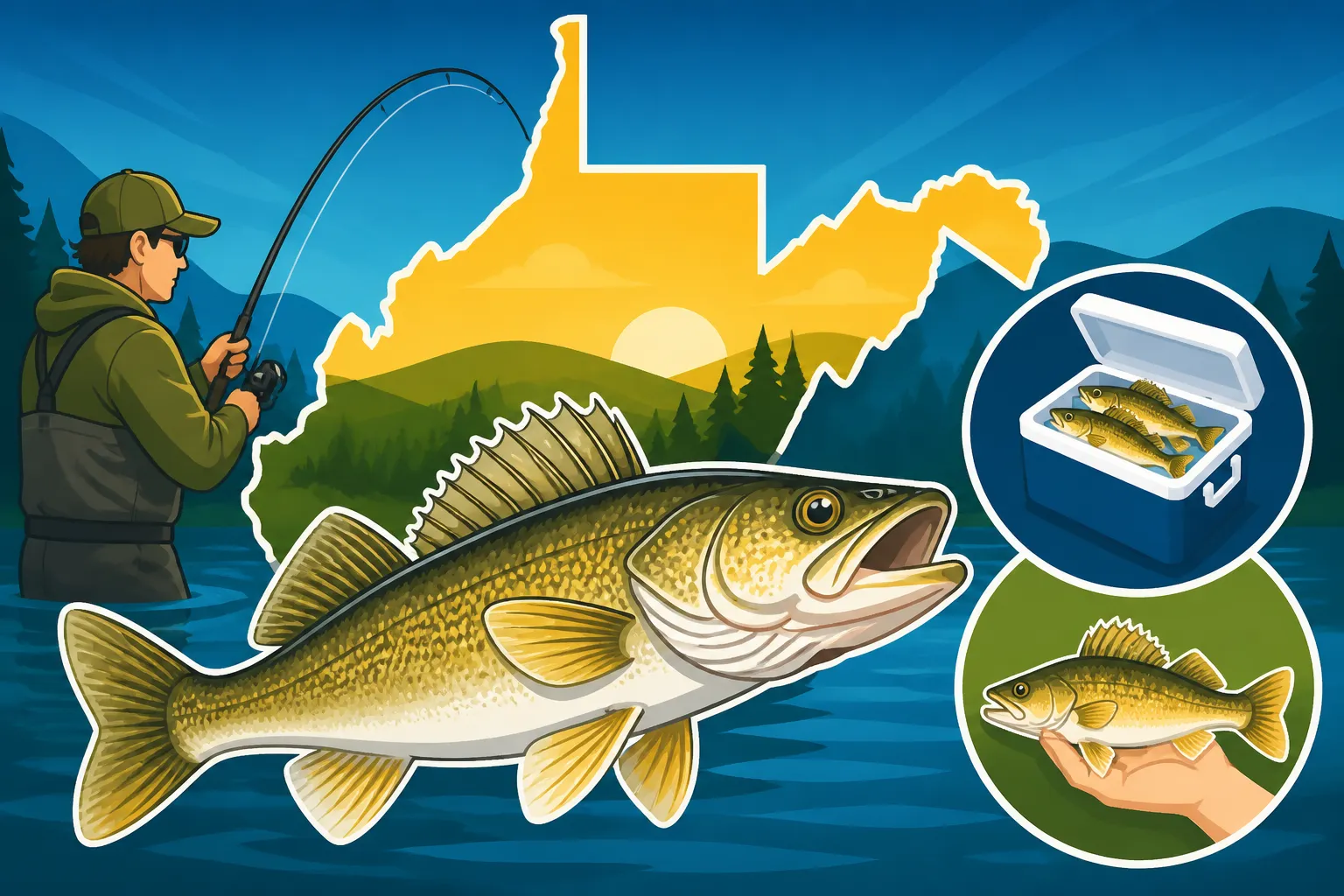
For most inland waters of West Virginia, the regulations for walleye are straightforward and apply broadly. The daily creel limit for walleye is six (6) fish per person. This means that in any given day, an individual angler cannot harvest more than six walleye. If you're fishing with a buddy, and each of you catches six, that's perfectly fine for that day.
The possession limit is typically twice the daily creel limit, which means twelve (12) walleye. This refers to the total number of walleye an individual can have in their possession, whether in their cooler, at their campsite, in their vehicle, or at home, for which they are accountable. So, if you catch your limit of six on Monday and keep them, you can still go out Tuesday and catch another six, bringing your total possession to twelve. However, once you hit twelve, you cannot keep any more until some of those fish have been consumed or legally given away. This system is designed to allow anglers to enjoy multi-day fishing trips without constantly needing to consume or process their catch, while still preventing excessive accumulation of fish.
It’s important to note that these limits are per licensed angler. If you have children fishing with you who are under the age where a license is required, or if they have their own license, their catch also contributes to the total boat limit if they are actively participating in the harvest, but each individual is bound by their own daily and possession limits. For details on age requirements, refer to our guide on West Virginia Fishing License Age Requirements.
Special Regulations and Water-Specific Rules
While the statewide limits cover most scenarios, there are critical exceptions, particularly for certain water bodies or boundary waters shared with other states. The most significant example for walleye anglers in West Virginia is the Ohio River.
The Ohio River operates under a unique set of aggregate daily creel limits due to its status as a shared waterway with neighboring states like Ohio and Kentucky. For the mainstem of the Ohio River and its embayments (the areas where feeder creeks and rivers meet the Ohio), the daily creel limit for walleye, sauger, and saugeye combined is six (6) fish. This means you can keep any combination of these three species, but the total cannot exceed six for the day. Unlike many other species, there is generally no size limit for walleye on the Ohio River, which is a key difference from other states' regulations. The possession limit on the Ohio River also follows the "twice the daily creel" rule, making it twelve (12) aggregate walleye, sauger, and saugeye.
It's absolutely vital to double-check the current regulations for any specific lake or river you plan to fish, especially if it's a large body of water or one that borders another state. These special regulations are often put in place to address specific fisheries management needs, such as protecting a recovering population or managing a species that is particularly vulnerable in a certain environment. Always confirm the rules for your specific fishing destination.
Here's a quick summary table for clarity:
| Water Body Type | Species | Daily Creel Limit | Possession Limit | Size Limit (Length) |
|---|---|---|---|---|
| Most Inland Waters | Walleye | 6 | 12 | None (statewide) |
| Ohio River Mainstem & Embayments | Walleye, Sauger, Saugeye (Aggregate) | 6 | 12 | None (Ohio River) |
Note: Always consult the current WVDNR Fishing Regulations Summary for the most up-to-date and specific information, as regulations can change.
The Rationale Behind Walleye Management
Regulations aren't just arbitrary rules; they're carefully considered measures based on scientific research and conservation principles. Understanding the "why" behind these limits can help anglers appreciate their importance and feel more connected to the overall health of West Virginia's fisheries.
Protecting Walleye Populations and Spawning
Walleye are a highly sought-after sport fish, and without proper management, their populations could quickly be depleted. Daily and possession limits are crucial tools for preventing overfishing. By restricting the number of fish an individual can harvest, the WVDNR helps ensure that enough walleye remain in the water to reproduce and sustain future generations.
One of the most critical periods for walleye is their spawning season. Walleye typically spawn in early spring, often in shallow, rocky areas of lakes or in rivers with good current. During this time, they are concentrated and can be particularly vulnerable to harvest. While West Virginia generally has an open season for walleye year-round, the daily limits still play a role in mitigating pressure during these sensitive times. For more on this, you might find our article on Walleye Spawning Season in West Virginia particularly insightful. The limits are essentially a balancing act: allowing anglers to enjoy their sport while giving the walleye populations the best chance to thrive naturally. It’s a long-term investment in the resource.
Ensuring Fair Share and Sustainable Fishing
Beyond pure biological protection, limits also serve a social function: ensuring a fair distribution of the resource among all anglers. If there were no limits, a few highly successful anglers could potentially deplete a localized population, leaving little for others. These regulations promote a more equitable sharing of the fishing experience for everyone, from the casual weekend angler to the dedicated walleye enthusiast.
Moreover, sustainable fishing practices are at the heart of these regulations. The WVDNR uses data from angler surveys, creel censuses, and biological studies to assess the health of walleye populations in various water bodies. If a population shows signs of decline, or if a particular area is experiencing high fishing pressure, regulations can be adjusted to reduce harvest and aid recovery. Conversely, if a population is robust, limits might remain steady or even be slightly liberalized, although this is less common for a species as popular as walleye. This dynamic management ensures that fishing remains a viable and exciting pastime for decades to come, keeping the "Mountain State" a premier destination for anglers.
Navigating Common Walleye Angler Questions
Even with clear regulations, questions often pop up on the water. It’s natural! Let’s address some common points of confusion and practical advice for walleye anglers.
Walleye Seasons and Time of Year Considerations
Unlike some other fish species, walleye in West Virginia generally do not have a closed season. This means you can target them year-round, assuming the daily and possession limits are adhered to. However, just because you can fish for them doesn't mean it's always the best time. Walleye behavior, and thus their catchability, fluctuates greatly with seasons and water temperatures.
- Spring: Post-spawn walleye can be hungry and aggressive. This is often an excellent time to target them, especially in shallower areas where they recover from spawning.
- Summer: Walleye often move deeper to find cooler water and stable temperatures. This might require different tactics, like trolling deeper crankbaits or vertical jigging. You can learn more about this by reading our guide on Trolling Techniques for West Virginia Lake Walleye.
- Fall: As water temperatures drop, walleye become very active, feeding heavily in preparation for winter. This is another prime time for trophy walleye, often found shallower again.
- Winter: While not as popular, ice fishing for walleye can be very productive on frozen lakes where legal. Open water fishing for walleye in winter often means targeting deep holes or tailwaters below dams.
Remember, the daily and possession limits apply regardless of the season. Always be aware of the specific conditions and how they might affect the fish, leading you to adapt your techniques. Knowing the Best Time of Day to Catch Walleye in West Virginia can also dramatically improve your success without bending any rules.
Measuring Your Catch and Handling Practices
While West Virginia doesn't have a statewide length limit for walleye, some special regulation waters could potentially introduce one in the future, so always check. For species that do have length limits, proper measuring is critical. You measure a fish from the tip of its snout to the end of its tail, with the tail compressed. Even though it's not currently required for walleye, it's a good practice to be familiar with.
When you're catching and releasing walleye, handling them properly is crucial for their survival. Walleye have sharp teeth and gills, so a good pair of pliers or a fish gripper is essential for safe hook removal. Try to keep the fish in the water as much as possible, especially during warmer months. If you must bring it aboard for a quick photo, support its body horizontally and return it to the water quickly. Avoid touching its eyes or gills. Using a proper landing net, like one with rubberized mesh, can also minimize damage to the fish's slime coat and fins. Many anglers, myself included, will purchase these types of nets from retailers like Amazon for ethical catch and release. Even if you plan to keep your limit, practicing good handling is a sign of respect for the fish and the fishery.
Beyond Limits: Practicing Responsible Walleye Fishing
Following the daily and possession limits is just one part of being a responsible angler. True stewardship involves a broader mindset and commitment to conservation.
Conservation Mindset and Catch-and-Release
A true conservation mindset goes beyond simply adhering to the letter of the law. It means making conscious decisions that benefit the fishery, even if not explicitly mandated. For walleye, this often means practicing selective harvest. You might choose to keep smaller, eater-sized fish within your daily limit and release larger, trophy-sized walleye, especially the biggest females which are crucial for spawning. These larger fish are often less palatable anyway and contribute more significantly to the reproductive potential of the population.
Another aspect of a conservation mindset is being mindful of sensitive areas. For example, if you notice a congregation of walleye in a shallow spawning area, you might choose to fish a different spot or practice catch-and-release exclusively in that area, even if keeping fish is technically allowed. This kind of voluntary restraint helps to preserve critical habitats and ensure that spawning events are successful. Anglers who care deeply about the future of fishing understand that we are all temporary custodians of these natural resources. We want to leave them better than we found them. You can learn more about general conservation efforts in our article on West Virginia's Conservation Stamp, Explained.
Essential Gear for Ethical Walleye Angling
Having the right gear isn't just about catching more fish; it's also about fishing more ethically and safely. For walleye, this includes items that help with handling, hook removal, and protecting the fish, whether you plan to keep or release them.
- Pliers/Forceps: Long-nosed pliers or hemostats are indispensable for safely removing hooks from a walleye's toothy mouth without injuring yourself or the fish.
- Landing Net: A good landing net, preferably one with rubberized or knotless mesh, minimizes damage to a fish's fins and protective slime layer, especially if you're planning to release it.
- Measuring Device: Even without a length limit, a bump board or measuring tape can be useful for documenting your catch, especially if you're participating in a friendly competition or just curious about the size of your fish. Many anglers mark their nets or boat decks for quick measurements.
- Cooler and Ice: If you plan to keep your walleye, a well-insulated cooler with plenty of ice is crucial to preserve the quality of the meat. Quickly bleeding and icing your catch is the best way to ensure it tastes its best. You can find excellent quality coolers on Amazon that will keep your catch fresh all day.
- Appropriate Tackle: Using gear that's correctly sized for walleye (e.g., a medium-light to medium power rod with sufficient line strength) reduces the fight time, which is less stressful for the fish, increasing its survival chances if released. Check out some of the Best Gear for West Virginia Trout Fishing and apply the principles to walleye too – ensuring your gear matches your quarry.
Investing in quality, ethical gear not only makes your fishing trips more enjoyable but also reflects a commitment to the well-being of the fish you pursue.
Top West Virginia Walleye Destinations
While the regulations are universal across broad categories, knowing where to find these elusive fish is equally important. West Virginia boasts some fantastic walleye fisheries.
Premier Lakes and Rivers for Walleye
When you think of walleye in West Virginia, a few names immediately come to mind. These waters offer consistent opportunities for anglers willing to put in the time.
- Summersville Lake: Located in Nicholas County, Summersville Lake is one of West Virginia's largest impoundments and a prime destination for walleye. The lake's deep, clear waters and abundant forage base support a healthy population of walleye. Anglers often find success here trolling crankbaits along main lake points and humps, or vertical jigging deeper structure. The lake is also known for its challenging yet rewarding fishing experience, where persistence often pays off.
- Tygart Lake: Up north in Taylor and Barbour counties, Tygart Lake is another excellent spot. It's a slightly smaller reservoir but offers great opportunities, especially for anglers using live bait rigs or casting jigs. The lake sees significant angling pressure but continues to produce good numbers of walleye, particularly around submerged timber and rock piles.
- Ohio River: As mentioned in the regulations section, the Ohio River is a powerhouse for walleye, sauger, and saugeye. The vastness of the river means finding fish can be a challenge, but success often comes to those who target current breaks, dams, and the mouths of tributaries. Winter and early spring can be particularly productive for sauger, which are a close relative and often caught alongside walleye. Our Ohio River Fishing Guide for West Virginia Anglers has more specific tips for this incredible fishery.
- New River: While perhaps more famous for its smallmouth bass, the New River also holds a respectable population of walleye, particularly in its deeper pools and stretches with slower currents. Targeting walleye here often involves jigging or drifting live bait in the seams of currents or around submerged rock ledges.
These waters represent some of the best opportunities, but many smaller rivers and lakes might also hold walleye, providing quieter and equally rewarding experiences.
Seasonal Hotspots and Techniques
Finding walleye often depends heavily on the time of year and specific water conditions. Their movements are largely dictated by water temperature and prey availability.
- Spring Spawning Runs: In early spring, many walleye in river systems will make spawning runs upstream into tributaries or shallower, rocky areas of lakes. Focus on these transition zones where current meets slack water, or rocky points and shoals in lakes. Jigs tipped with minnows or soft plastics, as well as shallow-running crankbaits, can be effective.
- Summer Deep Water: As summer progresses and surface temperatures rise, walleye typically retreat to deeper, cooler waters. This is the time for precision electronics (many anglers rely on their portable fish finders, often purchased from Amazon, to locate deep structure), deep-diving crankbaits, spoons, or bottom-bouncing rigs with nightcrawlers. Look for thermoclines in lakes, which can be a key depth zone for walleye.
- Fall Feeding Frenzy: The cooling waters of fall trigger an aggressive feeding period for walleye. They often move shallower again, similar to spring, but with a focus on gorging on baitfish. Trolling crankbaits along break lines, casting jerkbaits, or jigging can all be highly productive. This is often the time when trophy-sized fish are caught as they fatten up for winter.
- Winter Slow Roll: For open-water winter fishing, focus on deep holes and areas downstream of dams, where water temperatures are more stable. Vertical jigging with small spoons or blade baits, or slow-rolling a live minnow on a jig head, can entice sluggish walleye. If ice fishing, tip-ups with minnows or small vertical jigs are popular choices.
Understanding these seasonal patterns, combined with knowledge of the West Virginia Fishing Seasons by Month generally, will drastically increase your chances of success. Always adapt your approach based on the conditions you encounter, and don't be afraid to experiment with different baits and presentations.
Disclaimer
The information provided in this guide is for general informational purposes only and is not a substitute for official West Virginia Division of Natural Resources (WVDNR) regulations. Fishing regulations can change, and it is the sole responsibility of each angler to consult and comply with the most current WVDNR Fishing Regulations Summary and any local ordinances before fishing. Failure to do so may result in penalties.