Do Kids Need a Fishing License in West Virginia?
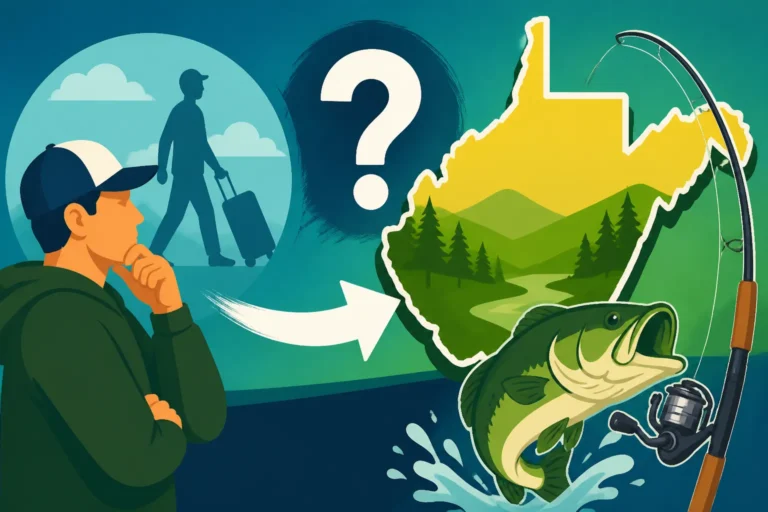
Figuring out the rules and regulations around fishing in West Virginia can sometimes feel like trying to untangle a particularly stubborn knot in your fishing line. As parents, a common question that pops up is whether the little ones need their own fishing license. It's a valid concern, as you want to introduce your kids to the joy of angling without accidentally breaking any rules or incurring unexpected penalties. This comprehensive guide is here to clear up all that confusion, detailing exactly when and if your children need a fishing license in the Mountain State, ensuring your family outings are full of fun, not fines.
Understanding West Virginia's Youth Fishing License Requirements
Bringing a child along on a fishing trip is one of life's true pleasures. The look on their face when they feel that first tug, or the excitement of reeling in a catch, is truly priceless. But before you head out, knowing the age limits for fishing licenses is crucial. West Virginia has specific guidelines that determine when a young angler needs to officially "license up" and when they can fish freely.
The Age of Exemption: Who Can Fish for Free?
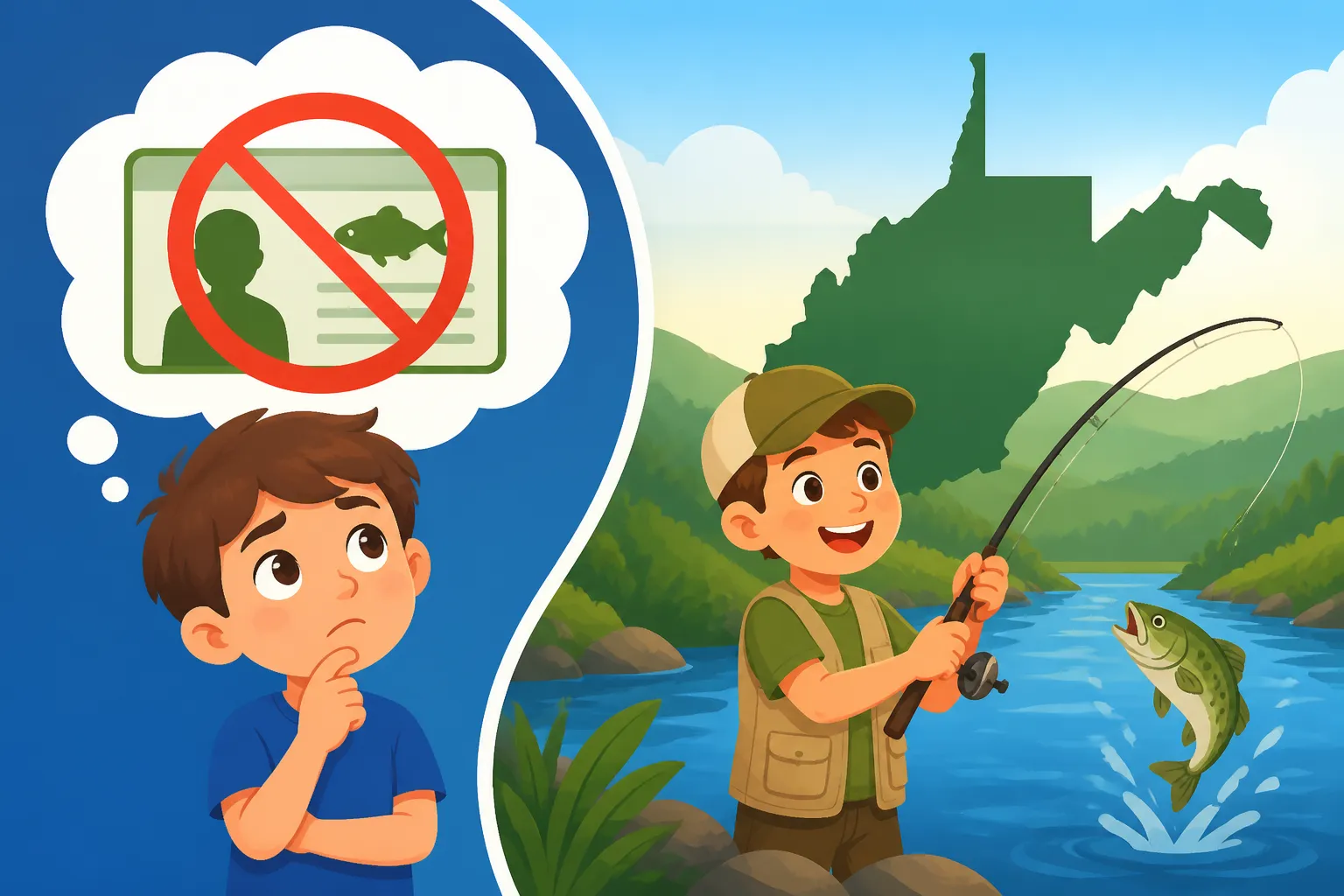
Here in West Virginia, we're pretty generous when it comes to getting kids started in fishing. The good news for parents and guardians is that any child who is under 15 years of age does not need a basic fishing license to enjoy the state's waters. This applies across the board, whether you're a lifelong resident of West Virginia or just visiting from out of state for a family vacation. Imagine you're planning a trip to the New River Gorge, and your 12-year-old daughter is buzzing with excitement to try her hand at catching smallmouth bass. You can rest easy knowing that she can cast her line without needing any official paperwork. This exemption is designed to encourage youth participation, making it as easy as possible for families to get out there and experience the natural beauty and fishing opportunities West Virginia offers. It’s a wonderful way to foster a love for the outdoors from an early age without any financial or bureaucratic hurdles.
This means you can focus on packing the snacks, bait, and maybe a new beginner rod and reel combo you found on Amazon, rather than worrying about license applications. For example, if your family lives in Ohio and you're visiting Summersville Lake for the summer, your 8-year-old and 13-year-old can both fish without a license. It’s a fantastic perk that removes a common barrier to entry for young anglers. This age-based rule simplifies things greatly, allowing kids to just be kids, enjoying the thrill of the catch. Just remember, while they don't need a license, they still need to adhere to all the other fishing regulations, which we’ll cover shortly.
The Transition: When a License Becomes Necessary
While the under-15 rule is fantastic for getting youngsters hooked on fishing, that exemption doesn't last forever. The moment a child turns 15, they officially transition into the age bracket where a basic fishing license becomes a legal requirement. It's a bit like turning 16 and needing a driver's license; it marks a new level of responsibility and participation. This means that if your child celebrated their 15th birthday last week, their next fishing trip will necessitate a valid license in their possession.
Planning for this transition is key. If your teenager is due to turn 15 during the prime fishing season, it's wise to plan ahead and purchase their license around their birthday. This ensures there's no interruption to their fishing adventures. For example, if your son's birthday is in July and you have several fishing trips planned for August and September, make sure his license is purchased and valid for those outings. You might be wondering about the specifics of obtaining this license. You can find all the details you need in our comprehensive guide on the West Virginia Fishing License Age Requirements. At this age, they'll typically be looking at an annual resident or nonresident fishing license, depending on your family's residency status. However, it's also worth noting that non-residents sometimes have options for shorter-term permits, like the West Virginia 1-Day and 3-Day Nonresident Fishing Permits, which can be useful for brief visits. Understanding these options can help you choose the most cost-effective and appropriate license for your newly licensed angler.
Essential Licenses Beyond the Basic Permit for Youth Anglers
Just like adults, once a young angler reaches the age of 15 and is required to have a basic fishing license, there are additional stamps they might need depending on what and where they plan to fish. It's not just about the main license; these extra stamps contribute to specific conservation efforts and grant access to certain types of fishing.
The Conservation Stamp Requirement
It's a common misconception that once you have your basic fishing license, you're good to go for everything. However, in West Virginia, nearly every licensed angler, including our newly minted 15-year-olds, needs to also acquire a West Virginia's Conservation Stamp, Explained. This isn't just an arbitrary fee; it's a vital contribution to the state's natural resources. The funds generated from the sale of conservation stamps go directly towards projects that preserve and enhance West Virginia's fish and wildlife populations and their habitats. So, while it's an extra step, it's one that helps ensure future generations can continue to enjoy the same fishing opportunities.
Imagine your 16-year-old nephew, proud owner of his first fishing license, is planning a trip to Cheat Lake to target some largemouth bass. He diligently bought his annual fishing license, but completely forgot about the conservation stamp. Even if he possesses a valid fishing license, without that conservation stamp, he wouldn't be fully compliant with state regulations. It's an easy oversight to make, especially for new anglers, which is why it's so important to be aware of all the requirements. Think of it as a small but significant investment in the health of the very ecosystems you're enjoying. You can typically purchase this stamp right alongside your fishing license, making it a relatively simple add-on to ensure you're squared away for the season.
The Trout Stamp for Stocked Waters
For many anglers, chasing trout in West Virginia's pristine streams and lakes is a highlight of the fishing season. But if your 15-year-old (or older) angler plans to partake in this popular pastime, they'll need more than just their basic fishing license and conservation stamp. They'll also require a special West Virginia Trout Stamp Cost for Residents and Nonresidents. This stamp is specifically dedicated to funding the state's extensive trout stocking program, which ensures that these beautiful coldwater fish are regularly introduced into suitable waters across West Virginia, providing ample opportunities for anglers.
The trout stamp is specifically mandated if you intend to fish for trout in waters that are designated as "stocked trout waters" or if you plan to keep any trout you catch, regardless of where they are caught (as long as it's within West Virginia). This means if your teen is hoping to participate in an exciting event like the Gold Rush Golden Rainbow Trout Event Rules, where thousands of vibrant golden rainbow trout are stocked, they will definitely need that trout stamp in addition to their other licenses. It's not required if you're strictly targeting other species in non-trout-stocked waters, or if you're fly fishing strictly in catch-and-release only waters where the regulations specifically state a trout stamp isn't needed. However, to be safe and cover all bases, especially when a child is just starting out and may not fully understand the nuances, it's often easiest to just get the trout stamp if there's any chance of fishing for or keeping trout. Make sure to check the latest West Virginia Fishing Regulations Explained for specific details on trout fishing rules, as they can sometimes vary by water body.
Special Considerations for Young Anglers and Their Families
Beyond the sheer excitement of getting a bite, fishing is a fantastic way to teach responsibility, patience, and respect for nature. While West Virginia's regulations are designed to be accessible for young anglers, there are still important considerations that parents and guardians should keep in mind to ensure a safe, enjoyable, and compliant outing for everyone.
Mentoring and Supervision: What Adults Need to Know
Even when children are exempt from needing a fishing license, the adults supervising them often have their own set of responsibilities. Most importantly, any adult who is actively fishing alongside an unlicensed child must possess their own valid West Virginia fishing license, along with any necessary stamps (like the conservation and trout stamps, if applicable). Think of it this way: while your 10-year-old is casting their line, if you're also holding a rod and reel, you're considered an active angler and need to be fully licensed.
This becomes especially relevant in scenarios where a child hooks a fish and needs assistance. If your 10-year-old gets a big tug on their line and hands you the rod to help reel it in, legally, you should have your own license. The spirit of the law is to allow kids to participate freely, but for adults engaging in the activity, the standard rules apply. It’s also about setting a good example. When you ensure you're fully licensed and compliant, you're modeling responsible outdoor behavior for your children. You might even find some useful gear on Amazon, like a specialized PFD for kids, which will ensure their safety while you focus on the legalities. So, before heading out with your young protégé, double-check your own license and stamp status to avoid any unexpected issues.
Catch and Release vs. Keeping Fish
While our younger anglers might be exempt from needing a basic license, this exemption does not mean they are exempt from all other fishing regulations. This is a critical point that sometimes gets overlooked. Children, just like licensed adults, must adhere to all West Virginia Bag and Possession Limits by Species, as well as size limits, season dates, and any special regulations for specific waters. The excitement of catching multiple fish can quickly turn into a problem if those fish exceed the legal daily limit.
Let's imagine a scenario: your 13-year-old is having an incredible day at a stocked trout stream and catches six beautiful rainbow trout. However, the daily creel limit for trout in that particular water is four fish. Even though your child doesn't have a license, they are still bound by that four-fish limit. Exceeding it would put your family in violation of state regulations. This highlights a crucial opportunity for parents to teach ethical fishing practices. Explaining catch and release, demonstrating proper handling of fish, and emphasizing the importance of respecting limits are invaluable lessons. Our West Virginia Fishing Regulations Explained guide provides a thorough breakdown of these rules, making it a great resource to review before your family's next fishing adventure. Teaching these principles early helps foster responsible anglers who understand that conservation is just as important as the thrill of the catch.
Navigating the Purchase Process for Young Anglers
Once your young angler turns 15 and needs their first license, the process of obtaining one is straightforward. West Virginia has made it relatively easy to acquire fishing licenses, offering several convenient options to fit your schedule and preferences. Knowing how and where to buy the license, as well as understanding the costs, will ensure a smooth experience.
How and Where to Buy a West Virginia Fishing License for Teens
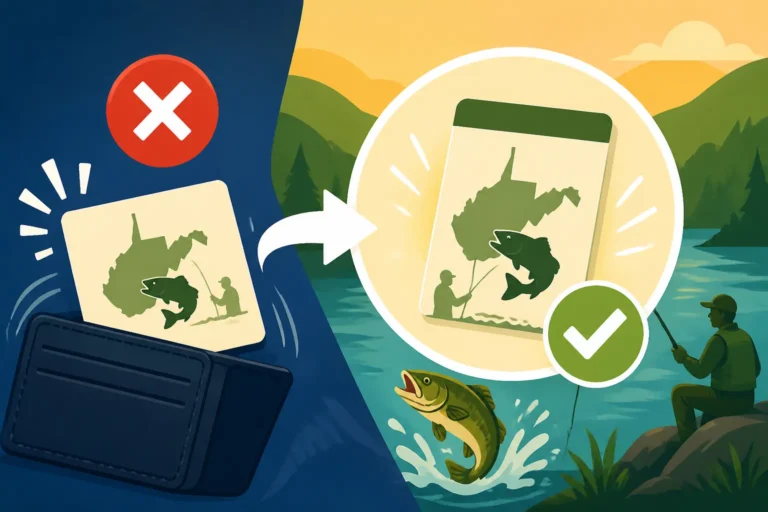
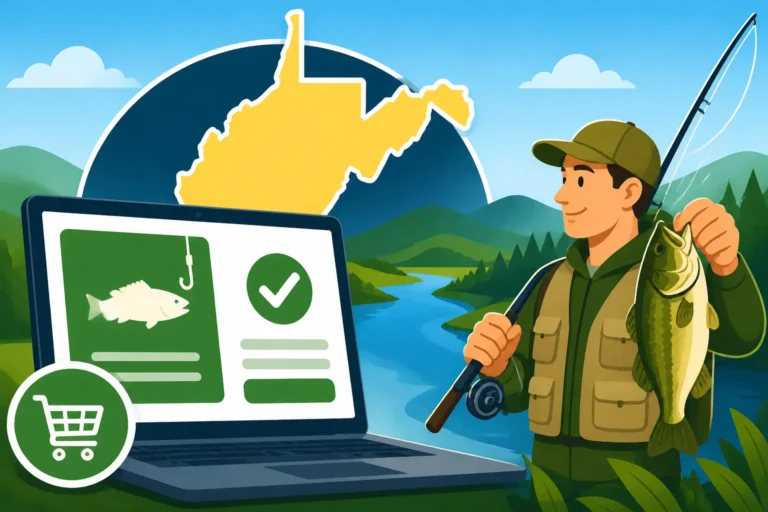
When it's time for your teenager to get their very first fishing license, you have a few convenient avenues to choose from. The most popular and often easiest method is to purchase it online directly through the West Virginia Division of Natural Resources (WV DNR) website, specifically WVhunt.com. This platform allows you to buy licenses, stamps, and permits from the comfort of your home, any time of day. It's a quick and efficient way to get everything sorted before your planned trip. You can even use the WVhunt app on your smartphone, making it incredibly convenient to store a digital copy of the license. For a step-by-step walkthrough, check out our guide on How to Buy a Fishing License on WVhunt.com.
Besides online, licenses are also readily available through a network of authorized license agents located across the state. These agents include many sporting goods stores, bait shops, and even some hardware stores. Finding a local agent is often as simple as a quick online search or asking fellow anglers. This is a great option if you prefer an in-person transaction or need to pick up bait and tackle at the same time. Lastly, you can also purchase licenses directly from any WV DNR district office during business hours. For a comprehensive overview of all your options, our detailed article, Where and How to Buy a West Virginia Fishing License, provides an excellent resource. When purchasing, you'll need basic information such as the applicant's name, address, date of birth, and possibly some form of identification for proof of residency if applicable.
License Durations and Cost Considerations
Understanding the different types and durations of licenses available, especially as your teenager transitions into needing one, is crucial for managing costs and ensuring continuous coverage. For West Virginia residents aged 15 and older, the most common and often most cost-effective option is the annual resident fishing license. This covers them for an entire license year, which typically runs from January 1st to December 31st. For non-residents, the options are a bit broader, and choosing the right one depends heavily on how often they plan to fish in West Virginia.
Non-residents can opt for an annual non-resident fishing license, which provides year-long access, or they can choose shorter-term permits such as the West Virginia 1-Day and 3-Day Nonresident Fishing Permits. These short-term options are perfect for families visiting for a long weekend or a specific holiday. For instance, if you're coming from Pennsylvania for a three-day weekend to explore the Best Fishing Lakes in West Virginia, a 3-day permit for your 16-year-old would be more economical than an annual license. Our guide on Resident vs Nonresident Fishing License Costs in West Virginia breaks down these price differences in detail, helping you make an informed decision. Remember that in addition to the base fishing license, a conservation stamp and potentially a trout stamp will also be added to the cost if required. Prices are subject to change, so always refer to the official WV DNR website for the most current fees. You can compare the cost benefits over time, for instance, a multi-year comparison of a West Virginia lifetime fishing license cost versus repeated annual purchases might be interesting to some families.
Instilling a Love for Fishing and Respect for Regulations
Introducing children to fishing is about more than just catching fish; it's about connecting with nature, developing skills, and understanding the importance of conservation. While navigating licenses and regulations is part of the journey, the deeper lessons are what truly make fishing a lifelong passion.
Beyond the License: Teaching Responsible Angling
Getting a license is a legal requirement, but teaching responsible angling goes far beyond the paperwork. Our ultimate goal as parents and mentors is to instill in our children a deep respect for the natural world and the fish they pursue. This means teaching them not just how to cast, but why we practice catch and release, how to handle a fish gently to maximize its survival, and the importance of leaving no trace behind. You might find resources on Amazon, like books on knot tying or fish identification, that can enhance these learning opportunities. Discussing topics like the impact of litter on aquatic habitats or the role of healthy riparian zones helps children understand the bigger picture.
For instance, when your child catches a fish that's undersized or one they don't plan to keep, demonstrate how to quickly and carefully remove the hook, revive the fish if needed, and gently release it back into the water. Explain that this ensures the fish can continue to thrive and potentially reproduce, contributing to the health of the population for future generations. Our guide on West Virginia Fishing Regulations Explained can be a great tool to review together, helping them understand the reasoning behind rules like bag limits and special regulation waters. These conversations turn a simple fishing trip into a valuable educational experience, fostering a truly responsible and passionate angler for years to come.
Free Fishing Days and Special Opportunities
One of the absolute best ways to introduce kids to fishing, or to simply enjoy a relaxed family outing without any license concerns, is to take advantage of West Virginia's annual Free Fishing Days. These are designated days, typically once or twice a year, when anyone – regardless of age or residency – can fish in the public waters of West Virginia without needing a fishing license or any stamps. It’s a fantastic opportunity for the whole family, including adults, to cast a line without any cost barriers. You can usually find the dates for these events by checking the WV DNR website, for example, look for West Virginia Free Fishing Days for 2026.
These free days are especially valuable for families who are new to fishing and want to "try before they buy" an annual license. It removes all the guesswork and financial commitment, allowing the focus to remain purely on the experience of fishing. Beyond the official free fishing days, many local communities and state parks also host special youth fishing events throughout the year. These events often include loaner fishing gear, basic instruction, and even prizes, making them incredibly inviting for young beginners. Keep an eye on local community calendars and the WV DNR's event listings for these unique opportunities. They are not only fun but also often lead to a greater interest in fishing, paving the way for future licensed anglers who are ready to explore the vast fishing opportunities across West Virginia.
Fishing License Requirements for Youth Anglers
Here's a quick reference table summarizing the key license and stamp requirements for young anglers in West Virginia.
| Age Group | Basic Fishing License Required | West Virginia Conservation Stamp Required | West Virginia Trout Stamp Required (if fishing for or keeping trout) | Additional Notes |
|---|---|---|---|---|
| Under 15 | No | No | No | Exempt from all license and stamp requirements. Must still adhere to all West Virginia Fishing Regulations Explained, including bag and possession limits, size limits, and season dates. Adult supervision is recommended. |
| 15+ (Resident) | Yes | Yes | Yes | Must possess a valid annual resident fishing license, conservation stamp, and trout stamp if targeting or keeping trout. Can be purchased online, through agents, or DNR offices. |
| 15+ (Non-Resident) | Yes | Yes | Yes | Must possess a valid annual or short-term nonresident fishing license, conservation stamp, and trout stamp if targeting or keeping trout. Short-term options include 1-day or 3-day permits. |
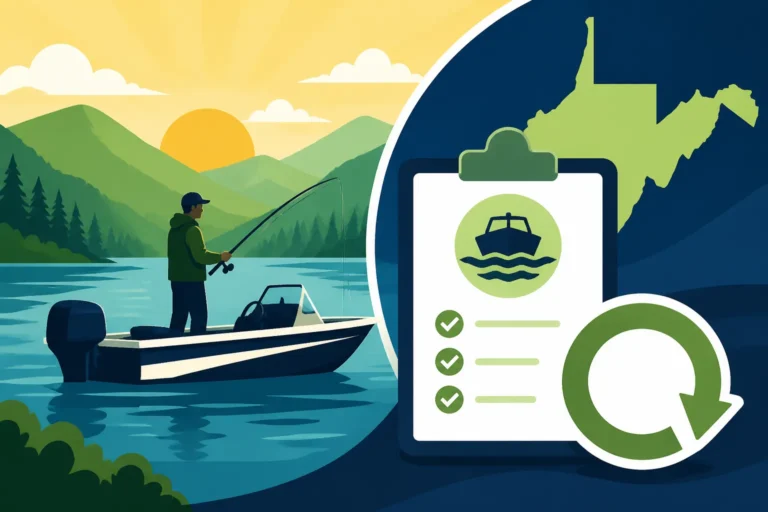
This table provides a snapshot of the general rules. Always consult the most current West Virginia Fishing License Guide for 2026 or the official WV DNR regulations for precise details before you head out, as regulations can occasionally be updated.
Disclaimer
Please remember that fishing regulations and license requirements are subject to change. While this guide aims to provide accurate and up-to-date information, it is always your responsibility to consult the official West Virginia Division of Natural Resources (WV DNR) website or their current regulations summary for the most precise and legally binding details before engaging in any fishing activities.