West Virginia Trout Stamp Cost for Residents and Nonresidents
Figuring out all the various permits and licenses needed for fishing in West Virginia can feel like navigating a winding mountain road in the fog. Many anglers, especially those excited to chase our beautiful trout, often wonder exactly how much a trout stamp costs and if they even need one in the first place. This comprehensive guide will clear up all the confusion, detailing the West Virginia trout stamp costs for both residents and nonresidents, along with who needs one and why it's so important.
Understanding the West Virginia Trout Stamp Requirement
Before we dive into the nitty-gritty of costs, it's crucial to understand what a trout stamp is and why it's a mandatory purchase for many anglers hoping to reel in rainbow, brook, or brown trout in the Mountain State. It's not just another fee; it's a vital part of keeping our trout fisheries thriving.
Why a Trout Stamp is Necessary
When you buy a trout stamp in West Virginia, you're not just getting a piece of paper; you're directly contributing to the health and abundance of our state's trout populations. The funds generated from trout stamp sales are specifically earmarked for the West Virginia Division of Natural Resources (WVDNR) trout program. This program is responsible for a massive undertaking each year, stocking millions of trout into hundreds of miles of streams and dozens of lakes across the state. Without these dedicated funds, the extensive stocking efforts that make West Virginia a premier trout fishing destination simply wouldn't be possible.
Think about the sheer logistics involved: raising trout in hatcheries, transporting them to various water bodies, and managing the health of these fish before they even hit the water. It's an expensive endeavor, requiring specialized equipment, feed, personnel, and scientific oversight. Every time you purchase a stamp, you're investing in those vibrant trout streams that bring so much joy to anglers. It's a direct way for you, the angler, to ensure that these opportunities continue for generations to come, fostering a sense of ownership and conservation.
Who Needs a Trout Stamp?
The general rule of thumb in West Virginia is straightforward: if you are 15 years of age or older and intend to fish for trout in designated trout waters, you need a West Virginia trout stamp. This applies whether you plan to keep your catch or practice catch and release. Many anglers sometimes mistakenly believe that if they're only doing catch and release, they might be exempt, but that's not the case for trout. The requirement is tied to the act of fishing for trout, not necessarily possessing them.
There are, of course, specific nuances. For instance, if you happen to catch a trout incidentally while fishing for another species in non-designated trout waters, and you immediately release it, a trout stamp might not be required. However, the safest and most compliant approach is always to possess a trout stamp if there's any chance you'll be fishing in waters known to hold trout, especially during the heavily stocked seasons. Understanding who needs a fishing license in general is important, but for trout, this additional stamp is key. You'll also need a base fishing license first, as the trout stamp is an add-on privilege, not a standalone permit.
West Virginia Resident Trout Stamp Costs
For those lucky enough to call the Mountain State home, the cost of a trout stamp is relatively affordable, especially when you consider the incredible fishing opportunities it unlocks. The state aims to keep these fees accessible to encourage participation and local investment in conservation.
Annual Resident Trout Stamp Pricing
As of 2026, the annual resident trout stamp in West Virginia typically costs $23. The official name for this is often the Class O stamp. This single purchase grants you the privilege to fish for trout across all the state's designated trout waters for an entire license year, which typically runs from January 1st to December 31st. It's a fantastic value, allowing you to participate in spring stockings, summer wild trout pursuits, and even fall and winter holdover fishing. This fee is in addition to your basic resident fishing license, such as a Class B license.
When you purchase this stamp, you're directly supporting the WVDNR's efforts to maintain and enhance trout fishing opportunities. This includes not only the regular stocking schedule, but also habitat improvement projects, angler access initiatives, and research that helps ensure the long-term health of these cold-water fisheries. It's important to remember that this cost is consistent regardless of whether you’re fishing for rainbow, brown, or the native brook trout – it covers all species in designated waters.
Combination Licenses and Trout Stamps
Many resident anglers in West Virginia opt for a combination license that bundles their fishing and hunting privileges. While these combination licenses offer convenience and often a slight cost savings compared to buying each component separately, it's critical to note that the trout stamp is not automatically included. For example, if you purchase a Class A+B (resident hunting and fishing) license, you will still need to add the Class O trout stamp if you plan to target trout.
This is a common point of confusion for new anglers or those transitioning from other states. Always double-check your license purchase to ensure you've added the trout stamp if you intend to fish for trout. The good news is that adding the stamp to an existing license or purchasing it alongside a combination package is a simple process, whether you're buying it online through WVhunt.com or at a local vendor. Remember, even if you purchase a West Virginia Combination Hunting and Fishing License Options, the trout stamp is a distinct add-on.
West Virginia Nonresident Trout Stamp Costs
For our friends visiting from out of state, the cost structure for a West Virginia trout stamp is a bit different, reflecting the distinction between resident and nonresident fees across almost all state wildlife agencies. While the price is higher, it still provides access to some truly world-class trout fishing.
Annual Nonresident Trout Stamp Pricing
Nonresident anglers planning to spend significant time fishing for trout in West Virginia throughout the year will need to purchase the annual nonresident trout stamp, often referred to as the Class OO stamp. This stamp, as of 2026, typically costs $43. Just like the resident stamp, this fee is an add-on to your basic nonresident fishing license, such as a Class F annual license. The difference in price between resident and nonresident licenses and stamps is a standard practice across states, helping to balance the cost burden between permanent residents who also pay state taxes and visitors who benefit from the state's resources.
While the $43 might seem higher than the resident cost, it provides a full year of access to West Virginia's extensive trout stocking program and wild trout opportunities. Many nonresidents find this a reasonable price for the quality and quantity of trout fishing available, especially in popular destinations like the Cranberry River or the Williams River. When considering your overall Nonresident Annual Fishing License Cost in West Virginia, make sure to factor in this additional stamp if trout are on your target list.
Short-Term Nonresident Permits and Trout Stamps
West Virginia is very accommodating to out-of-state anglers who might only be visiting for a short vacation or weekend trip. The state offers various short-term nonresident fishing permits, which are incredibly convenient. These include the Class P (1-day fishing license for nonresidents) and Class N (3-day fishing license for nonresidents), and a 7-day option. However, just like with annual licenses, a trout stamp is still a separate requirement if you plan to fish for trout during your short stay.
The cost for the short-term nonresident trout stamp is set at $23, regardless of whether you choose a 1-day, 3-day, or 7-day nonresident fishing permit. This means if you buy a 3-day nonresident fishing permit for $23, and you want to fish for trout, you'll need to add an additional $23 for the trout stamp, bringing your total to $46 for three days of trout fishing. While this might seem like a bit more of an investment for a short trip, it's still a very reasonable price for the chance to fish some of the best trout waters in the Mid-Atlantic. You can find detailed costs for these options in our guide on West Virginia 1-Day and 3-Day Nonresident Fishing Permits. Always check the most current regulations for the exact prices and availability of these short-term options before your trip.
Exemptions and Special Considerations
While the general rule is clear for most anglers, West Virginia does offer some specific exemptions and special considerations for certain groups, ensuring that fishing remains accessible to a wider community. It's always worth checking if you qualify for any of these.
Age-Based Exemptions and Trout Stamps
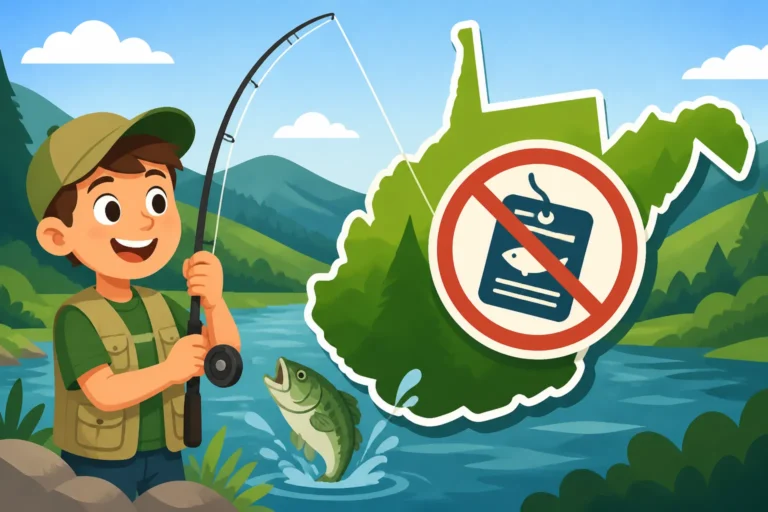
One of the most common exemptions relates to age. In West Virginia, children under the age of 15 are generally not required to possess a fishing license, and this exemption extends to the trout stamp as well. This is fantastic news for families looking to introduce their younger ones to the joys of trout fishing without additional financial hurdles. It allows kids to experience the excitement of a tug on the line and connect with nature, often sparking a lifelong passion for the outdoors.
However, once a child turns 15, they are then required to purchase a base fishing license and, if targeting trout, a trout stamp. It's a good idea to mark their 15th birthday on the calendar if you're a fishing family, to ensure they're always compliant. For older anglers, West Virginia offers a special Class XS senior lifetime license for residents born on or before December 31, 1939, which often includes a trout fishing privilege. For residents born after that date, there are specific West Virginia Senior Fishing License Rules by Birth Year that dictate whether a trout stamp is included or still required. It’s always best to check the current WVDNR regulations or contact them directly for the most up-to-date information regarding senior exemptions, as these rules can occasionally be updated. For general rules, you can consult West Virginia Fishing License Age Requirements.
Disabled Veterans and Other Exemptions
West Virginia extends a heartfelt thank you to its disabled veterans and former Prisoners of War (POWs) by offering significant exemptions. Residents who are 100% permanently and totally disabled veterans of the armed forces are exempt from needing a fishing license and, consequently, a trout stamp. This is a small token of gratitude for their immense sacrifice and service. Similarly, former West Virginia resident POWs are also generally exempt.
These exemptions are not automatically granted and typically require proper documentation and application through the WVDNR. It’s not just a matter of showing an ID; specific paperwork confirming disability status or POW status needs to be filed and approved. The WVDNR provides clear guidelines on how to apply for these exemptions, and it’s important to follow their process meticulously to ensure you meet all criteria. These programs are a testament to the state's commitment to honoring those who have served. For more details on these specific cases, you can check out the guide on Disabled Veteran and POW Fishing License Exemptions in West Virginia.
Where and How to Purchase Your Trout Stamp
Once you've determined you need a trout stamp, the next step is actually acquiring one. Luckily, West Virginia has made the process incredibly convenient, offering both online and in-person options to suit everyone's preference.
Online Purchase Options WVhunt.com
The most convenient way for many anglers to purchase their West Virginia fishing license and trout stamp is online through the official WVDNR licensing system, WVhunt.com. This platform is designed to be user-friendly, allowing you to complete your purchase from the comfort of your home, 24 hours a day, 7 days a week. All you need is an internet connection and a payment method. The process typically involves creating an account or logging in with an existing one, selecting the licenses and stamps you need, and then checking out.
After your purchase, you'll usually receive an immediate confirmation and often a printable version of your license. You can also save a digital copy to your phone. It’s recommended to carry either a physical printout or have the digital copy readily accessible on your mobile device when fishing, as wildlife officers can request to see it at any time. While the digital convenience is amazing, always ensure your phone is charged! You can learn more about the online process in our guide on How to Buy a Fishing License on WVhunt.com. Remember, you can also store your licenses on the official WVhunt app, which is a great way to keep everything organized.
In-Person Vendors and the WVhunt App
For those who prefer a more traditional approach, or who might need a last-minute license on their way to a fishing spot, West Virginia maintains a robust network of authorized license vendors across the state. These vendors include sporting goods stores, bait shops, and even some county clerk offices. They typically have staff who are knowledgeable about the different license types and can help you ensure you're getting exactly what you need, including that all-important trout stamp. This is often the preferred method for anglers who like to chat with local experts, grab some last-minute bait, or just prefer the tangible receipt.
In addition to physical vendors, the WVhunt app is a game-changer for digital-savvy anglers. Once you’ve purchased your license and trout stamp (either online or in person), you can sync it to the app on your smartphone. This means you always have an official, valid copy of your licenses with you, even if you forget your printed version at home. The app is accepted by law enforcement, and it’s incredibly convenient, especially when you’re out on the water and don't want to risk damaging a paper license. You can even find local retailers through the app if you need to buy something in person. Just like with any digital solution, having a backup plan (like a screenshot or a small printout stored in your car) isn't a bad idea, just in case your phone battery dies. You can find gear and accessories for your fishing trip on Amazon too, from new waders to tackle boxes, to ensure you're fully prepared.
The Importance of the Trout Stamp Beyond the Cost
Beyond simply being a regulatory requirement, the West Virginia trout stamp plays a profound role in the state's conservation efforts. It's a small investment that yields significant returns in terms of recreational opportunities and ecological health.
Funding West Virginia's Trout Program
The revenue generated from trout stamp sales is the lifeblood of West Virginia's extensive trout management program. These funds are meticulously managed and allocated to several critical areas. A substantial portion goes directly into the operation of the state's trout hatcheries, such as Edray, Petersburg, and Bowden, where millions of rainbow, brook, and brown trout are raised each year. These hatcheries are state-of-the-art facilities that require constant maintenance, specialized feed, and expert staff to ensure the healthy development of the fish.
Furthermore, the funds support the transportation and stocking of these trout into hundreds of miles of streams and numerous lakes across West Virginia, including popular spots like Shavers Fork and the Williams River. This involves specialized stocking trucks, mapping, and a dedicated team to ensure fish are distributed effectively. Without the trout stamp, the sheer scale of this program would be drastically reduced, severely impacting the fishing opportunities that anglers cherish. It’s an investment in the tangible experience of catching a trout in a beautiful mountain stream. Your contribution helps make the West Virginia Trout Season and Stocking Rules a reality.
Ensuring a Sustainable Trout Fishery
The trout stamp is more than just about stocking. It contributes to the broader goal of ensuring a sustainable trout fishery for both wild and stocked populations. A portion of the funds also supports scientific research, habitat restoration projects, and monitoring programs. For instance, WVDNR biologists use these funds to study trout populations, assess water quality, and identify areas where habitat improvements – like stream bank stabilization or riparian buffer planting – can benefit trout.
These efforts are crucial for both native brook trout populations and the survival of stocked fish. A healthy stream ecosystem, supported by these conservation initiatives, means better water quality, more abundant insect life (food for trout!), and suitable spawning grounds. This ensures that even after the stocked fish are caught, the underlying natural resources remain robust. It's about looking at the big picture, acknowledging that while stocking provides immediate gratification, true sustainability requires comprehensive ecosystem management. Many anglers also purchase fishing accessories like specialized nets from Amazon, designed to be gentler on fish for catch-and-release, showing a broader commitment to sustainable practices.
Comparative Table of West Virginia Trout Stamp Costs
To help you quickly grasp the different costs, here's a handy table outlining the general pricing for trout stamps in West Virginia. Keep in mind that these figures are subject to change, so always verify current costs on the official WVDNR website (wvhunt.com) before making your purchase.
| License Type | Resident Fishing License Cost (Example) | Trout Stamp Cost (Class O) | Total (Approx.) | Nonresident Fishing License Cost (Example) | Trout Stamp Cost (Class OO/Short-Term) | Total (Approx.) |
|---|---|---|---|---|---|---|
| Annual (15+ years old) | $20 (Class B) | $23 | $43 | $43 (Class F) | $43 | $86 |
| 1-Day (15+ years old) | N/A (Resident Annual covers) | N/A | N/A | $23 (Class P) | $23 | $46 |
| 3-Day (15+ years old) | N/A (Resident Annual covers) | N/A | N/A | $23 (Class N) | $23 | $46 |
| 7-Day (15+ years old) | N/A (Resident Annual covers) | N/A | N/A | $23 (Class P-7) | $23 | $46 |
| Youth (Under 15) | Exempt | Exempt | $0 | Exempt | Exempt | $0 |
| Senior (Born before 12/31/1939) | Included in Class XS Lifetime | Included | $0 (for XS) | N/A | N/A | N/A |
| 100% Disabled Vet/Former POW (Resident) | Exempt | Exempt | $0 | N/A | N/A | N/A |
Note: All costs are approximate as of 2026 and subject to change by the WVDNR. This table does not include the West Virginia's Conservation Stamp, Explained, which is often an additional requirement for hunters and anglers.
Disclaimer
The information provided in this guide is for general informational purposes only and is based on typical regulations. Fishing rules, license requirements, and costs can change. Always consult the official West Virginia Division of Natural Resources (WVDNR) website or their current fishing regulations summary before heading out to fish to ensure you have the most up-to-date and accurate information.