Nonresident Annual Fishing License Cost in West Virginia
Planning a fishing trip to West Virginia when you're not a resident can feel a bit like navigating a maze, especially when it comes to figuring out all the different license requirements and how much it’s going to set you back. You want to enjoy the beautiful rivers and lakes, but the last thing you need is a surprise fine because you missed a crucial stamp. This comprehensive guide will break down everything you need to know about the cost of a nonresident annual fishing license in West Virginia, ensuring you’re fully prepared and compliant for your next Mountain State angling adventure.
Understanding Nonresident Status in West Virginia
Before we dive into the nitty-gritty of costs, it’s crucial to understand what officially makes you a "nonresident" in the eyes of West Virginia's Division of Natural Resources (WVDNR). This isn't just a formality; it directly impacts the type of license you need and the price you'll pay.
Defining Nonresident for Licensing Purposes
In West Virginia, a "nonresident" for fishing license purposes is generally someone who does not have their permanent home or "domicile" in the state. This means you don't permanently reside there, nor do you typically maintain a permanent abode in West Virginia for the majority of the year. Think about it: if your primary residence, your voter registration, and your vehicle registration are all in, say, Ohio or Pennsylvania, then you are almost certainly a nonresident.
Common scenarios include folks who visit West Virginia for annual vacations, those who own a secondary property or cabin but primarily live elsewhere, or even individuals working temporarily in the state who haven't established permanent residency. For example, an out-of-state college student attending West Virginia University who still maintains their primary residence with their parents in another state would likely be considered a nonresident, subject to specific rules outlined in resources like the West Virginia out-of-state college student fishing license rules. It’s a pretty clear distinction for most people, but always good to double-check if your situation feels a bit ambiguous.
Why Nonresident Licenses Cost More
It might sting a little to see the higher price tag on a nonresident license, but there's a straightforward and logical reason behind it. Fishing licenses, whether resident or nonresident, contribute directly to the WVDNR's efforts in managing and conserving West Virginia's incredible aquatic resources. These funds are vital for things like fish stocking programs, habitat restoration projects, scientific research, and the enforcement of fishing regulations that ensure healthy fish populations for everyone.
Residents of West Virginia already contribute to the state's coffers through various taxes, which indirectly support these conservation efforts. Nonresidents, while certainly contributing to the local economy through tourism, don't pay state income or property taxes in the same way. Therefore, the higher license fee for nonresidents helps to offset this difference, ensuring that all anglers who enjoy West Virginia's waters contribute equitably to their preservation. It’s about maintaining a sustainable fishery for generations to come, and your license fee plays a big part in that.
The Core Annual Nonresident Fishing License Cost and Options
Now, let's get down to the numbers. When you're looking to fish in West Virginia as a nonresident, there's a base license you'll almost always need, along with a couple of crucial add-on stamps depending on your fishing plans.
Base Annual Nonresident Fishing License (Class F)
The fundamental license for any nonresident angler in West Virginia is the Class F, the Annual Nonresident Fishing License. For 2026, the cost for this essential permit is typically around $37.00. This license grants you the general privilege to fish in West Virginia's public waters, covering a wide array of species from bass and catfish to panfish.
It's really important to understand that this annual license is valid for the calendar year, meaning it's good from January 1st through December 31st of the year it's purchased, regardless of when you actually buy it. It doesn't give you 365 days from your purchase date. So, if you buy it in July, it still expires on December 31st of that same year. For a family from Ohio who loves making annual trips to Summersville Lake for some excellent bass fishing, this Class F license is their starting point. It's the cornerstone of legal angling for nonresidents. You can find more details about its overall place in the state's offerings in the West Virginia Fishing License Guide for 2026.
Essential Add-on Stamps: Trout and Conservation
Just getting the Class F license usually isn't enough to cover all your bases, especially if you're like many anglers who enjoy the diverse fishing opportunities West Virginia offers. There are two essential stamps that often need to be purchased in conjunction with your base license.
First up is the Conservation Stamp (Class CS). For 2026, this mandatory stamp costs around $23.00. This stamp is required for nearly everyone who purchases a hunting or fishing license in West Virginia, regardless of residency, unless you fall into one of the very specific exemption categories (which are typically for residents). It's an important part of the state's funding mechanism for broader conservation initiatives. You can dive deeper into its purpose and requirements in the West Virginia's Conservation Stamp, Explained article.
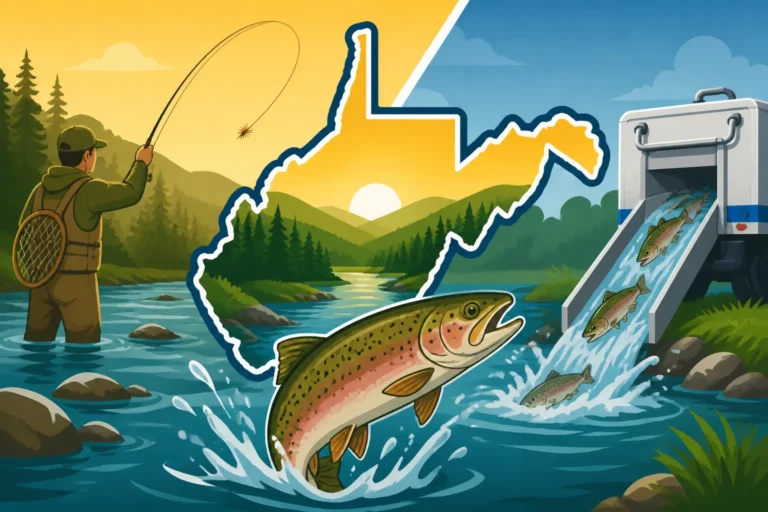
Then there's the Trout Stamp (Class I). If you plan on fishing for trout, or even just possessing trout, you absolutely need this stamp. For nonresidents in 2026, the Trout Stamp generally costs around $16.00. Even if you practice catch-and-release for trout, the regulations typically state that you must possess a valid trout stamp to do so legally. So, if your annual trip includes hitting some of those beautiful mountain streams for rainbows, browns, or native brook trout, make sure this stamp is part of your purchase. However, if your focus is purely on warmwater species like smallmouth bass on the New River and you have no intention of targeting or keeping trout, you would not need this specific stamp. Knowing the West Virginia Trout Stamp Cost for Residents and Nonresidents is key for planning those trout-focused outings.
To make it clearer, here’s a quick breakdown of typical nonresident annual costs:
| License/Stamp Type | Class Code | Approximate 2026 Cost | What it Covers/Requires |
|---|---|---|---|
| Annual Nonresident Fishing License | Class F | $37.00 | Base license for all general fishing for nonresidents. |
| Conservation Stamp | Class CS | $23.00 | Mandatory for almost all license holders, resident and nonresident, supporting general conservation. |
| Nonresident Trout Stamp | Class I | $16.00 | Required to fish for or possess trout. Add this if you plan to target trout. |
| Minimum Total (No Trout) | N/A | $60.00 | Class F + Class CS. |
| Minimum Total (With Trout) | N/A | $76.00 | Class F + Class CS + Class I. |
This table helps illustrate that while the base Class F license is relatively affordable, the mandatory Conservation Stamp significantly increases the initial outlay, and the Trout Stamp adds another layer if you're a trout enthusiast. It's a common oversight for nonresidents, so be sure to account for all necessary components.
Combining Licenses: Hunting & Fishing for Nonresidents
Sometimes, a fishing trip isn't just about fishing. West Virginia offers fantastic hunting opportunities as well, and for the avid outdoor enthusiast, combining licenses can be a smart and cost-effective move.
Annual Nonresident Combination License (Class EE)
For nonresidents who enjoy both the thrill of the chase and the peaceful solitude of fishing, West Virginia provides an Annual Nonresident Combination Hunting and Fishing License (Class EE). This all-in-one permit can save you money and simplify your licensing process if you plan to partake in both activities within the same calendar year. For 2026, the Class EE license typically costs around $150.00.
This option is perfect for someone from, say, North Carolina, who might come up for deer season in the fall but also enjoys casting a line for smallmouth bass on the South Branch Potomac River during their stay, or perhaps a separate trip in the spring. If you were to buy the nonresident annual fishing license (Class F) along with the Conservation Stamp (Class CS), and then a nonresident annual hunting license (Class E), the combined cost would be significantly higher than the Class EE option. The West Virginia combination hunting and fishing license options can offer substantial savings for those who frequently participate in both sports, making it a hero product for multi-sport enthusiasts.
Short-Term Nonresident Options vs. Annual
While an annual license is great for frequent visitors, what if you're only planning a quick weekend getaway or a single, short fishing excursion? West Virginia offers short-term nonresident permits that might be more economical in certain situations. These include the West Virginia 1-Day and 3-Day Nonresident Fishing Permits.
A 1-Day Nonresident Fishing License (Class O1) typically costs around $7.00, and a 3-Day Nonresident Fishing License (Class O3) is usually around $16.00. There's also often a 5-Day option (Class O5) for about $25.00. These short-term permits also require the Conservation Stamp (Class CS) at an additional $23.00, and a Trout Stamp (Class I) at $16.00 if you're targeting trout.
Let's do a quick calculation. If you're coming for a 3-day fishing trip and targeting trout:
- 3-Day License (Class O3): $16.00
- Conservation Stamp (Class CS): $23.00
- Nonresident Trout Stamp (Class I): $16.00
- Total for 3-day trout trip: $55.00
Compare this to the annual option:
- Annual Fishing License (Class F): $37.00
- Conservation Stamp (Class CS): $23.00
- Nonresident Trout Stamp (Class I): $16.00
- Total for Annual trout fishing: $76.00
As you can see, for a single, short trip, the short-term options are cheaper. However, the breakeven point comes quickly. If you plan to make two or more trips to West Virginia within the same calendar year, or if your single trip extends beyond a few days, the annual license quickly becomes the more cost-effective choice. For example, if you plan to fish for a total of 5 days, spread across two different trips, the annual license would likely be cheaper or comparable and offer far more flexibility. Always consider your full year's angling intentions before committing to a short-term permit.
Where and How to Purchase Your Nonresident License
Once you've decided on the right combination of licenses and stamps, the next step is actually acquiring them. Luckily, West Virginia has made this process quite convenient, offering both online and in-person options.
Online Purchase Through WVhunt.com
For many, the easiest and most immediate way to get your nonresident fishing license is through the official West Virginia DNR online licensing system, WVhunt.com. This portal is available 24/7, meaning you can purchase your license from anywhere at any time, even the night before your trip. The process is typically straightforward: you create an account (or log in if you have one), select the licenses and stamps you need, pay with a credit card, and receive an instant confirmation.
The biggest advantage of buying online is convenience and immediate access. You don't have to worry about finding an open vendor or dealing with paper forms. Once purchased, you can simply print a copy of your license from home, or even better, carry a digital version on your smartphone. West Virginia regulations allow for this, making it incredibly convenient. Just remember to have it readily accessible on your device in case a conservation officer requests to see it. Our guide on How to Buy a Fishing License on WVhunt.com provides a step-by-step walkthrough, and you can learn more about acceptable formats in Printing or Carrying a Digital Fishing License in West Virginia.
Authorized License Agents and Retailers
If you prefer a more traditional approach, or if you find yourself needing a license last-minute while already in the state, you can visit one of West Virginia's many authorized license agents. These agents are typically found in sporting goods stores, bait and tackle shops, general stores, and even some larger retailers like Walmart.
Purchasing from a local agent has its own unique benefits. You can ask for local fishing advice, get recommendations on bait and tackle, and often pick up any last-minute gear you might have forgotten. For instance, while you're getting your license, you might spot that perfect crankbait recommended by a fellow angler, or even check out some reviews for fishing knives and tackle organizers on Amazon right there on your phone before making a purchase. Just remember to check the operating hours of these vendors, especially if you're arriving late in the evening or on a holiday. These local spots are invaluable for the on-the-ground experience and community connection, but the online portal is always there for pure transactional efficiency.
Important Considerations and Regulations for Nonresident Anglers
Getting your license is a crucial first step, but it’s just one piece of the puzzle. To truly enjoy your West Virginia fishing trip without any hiccups, there are several other regulations and considerations nonresidents need to be aware of.
Youth and Age Requirements for Nonresidents
One common question from visiting families is about children's licenses. It's a relief for many parents to learn that in West Virginia, children under the age of 15 do not need a fishing license, whether they are a resident or a nonresident. This is fantastic news for encouraging young anglers to get out on the water and experience the joys of fishing without an additional cost.
However, it's absolutely vital to remember that while a license isn't required for these young ones, they must still abide by all other West Virginia fishing regulations. This includes daily creel limits, size restrictions, specific gear rules for certain waters, and adherence to season dates. So, if your 12-year-old catches a trophy smallmouth on the New River, make sure it's within the legal slot limit before celebrating! Always supervise young anglers closely, not just for safety, but to help them learn and understand responsible angling practices. Our detailed guide Do Kids Need a Fishing License in West Virginia? provides even more clarity on this topic.
Staying Compliant: Penalties and Best Practices
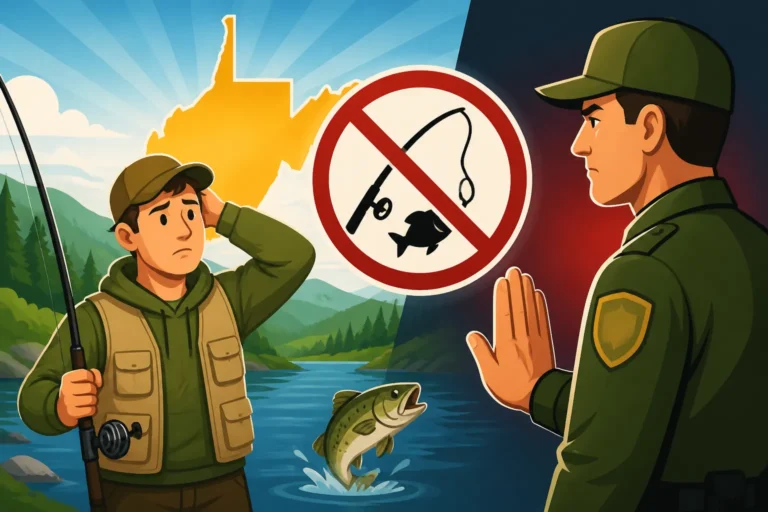
Nobody wants their relaxing fishing trip to end with a fine or legal trouble, but unfortunately, it can happen if you're not diligent about compliance. Fishing without a valid license and any required stamps in West Virginia is a serious offense, and the Fishing Without a License in West Virginia: Penalties can be substantial, ranging from significant fines to potential confiscation of gear. It's simply not worth the risk.
To ensure you stay compliant, here are a few best practices:
- Always carry your license: Whether it's a printed copy, a digital version on your phone, or both, make sure it's with you and easily accessible at all times while fishing. Consider a waterproof license holder you might find on Amazon to protect your paper copy from the elements.
- Review the regulations: Before you head out, take the time to read the West Virginia Fishing Regulations Explained in detail. Pay close attention to the specific rules for the waters you plan to fish and the species you're targeting. The Reading the West Virginia Fishing Regulations Summary is an excellent resource for a quick overview, but deep dives are often necessary.
- Know your limits: Understand the West Virginia Bag and Possession Limits by Species for everything you intend to catch. These limits can vary significantly by species and even by specific body of water.
- Stay updated: Regulations can change annually, so don't rely solely on information from previous years. Always check the most current WVDNR regulations before each trip. A small, compact regulations booklet or a downloaded PDF on your phone can be incredibly useful, and cases for your phone to keep it dry can be easily found on Amazon.
By following these simple steps, you can avoid unnecessary stress and focus on what you came to do: enjoy the incredible fishing West Virginia has to offer.
Understanding Special Regulations and Exemptions
West Virginia's diverse aquatic environments mean that a "one-size-fits-all" approach to regulations simply doesn't work. Nonresidents need to be particularly aware of special regulations that can impact their fishing experience and even their license requirements.
Special Regulation Waters and Trout Fishing Rules
Many of West Virginia's most prized fishing destinations, particularly those managed for trout or trophy species, fall under Special Regulation Waters. These areas, which include designated catch-and-release streams, fly-fishing-only sections, or waters with unique size and creel limits, have rules that supersede the general statewide regulations. For instance, places like the Cranberry River's catch-and-release fly water or specific sections of the Elk River have very particular guidelines.
It’s absolutely critical for nonresident anglers to research the specific waters they plan to visit. Relying only on the general regulations summary could land you in trouble. Even if you have your base fishing license and conservation stamp, if you're fishing a designated trout stream, you still need that nonresident trout stamp, regardless of whether you intend to keep fish or practice West Virginia Catch and Release Rules for Trout. These special regulations are designed to protect fragile ecosystems and promote trophy fisheries, so understanding them is paramount for a responsible and legal trip. You can learn more about these areas in Special Regulation Waters in West Virginia.
Exemptions and Discounts (Limited for Nonresidents)
While West Virginia offers various exemptions and discounted license options, it's important for nonresidents to understand that most of these benefits are typically reserved for state residents. For example, specific exemptions for Disabled Veteran and POW Fishing License Exemptions in West Virginia or Blind Angler Fishing License Exemption in West Virginia are generally tailored to those who are permanent residents of the Mountain State.
For nonresidents, opportunities for free or discounted fishing are much more limited. The primary exemption that might apply to a wider audience, regardless of residency, would be Free Fishing Days, which the WVDNR typically designates once or twice a year, usually in early June. During these specific days, both residents and nonresidents can fish without a license. However, even during Free Fishing Days, all other fishing regulations, such as creel limits and size restrictions, still apply. Beyond these occasional free days and the age exemption for children under 15, nonresidents generally need to purchase the full annual license and any required stamps. There are very few "loopholes" or alternative paths for nonresidents to avoid the standard licensing costs, emphasizing the need to plan and budget accordingly.
Disclaimer
Please note that while this guide provides comprehensive information based on current knowledge and typical regulations for West Virginia fishing licenses, laws and costs can change. It is always the angler's responsibility to consult the most recent West Virginia Division of Natural Resources (WVDNR) official regulations or website (WVhunt.com) before engaging in any fishing activities. This article is for informational purposes only and does not constitute legal advice.