Fishing Without a License in West Virginia: Penalties
It's incredibly easy to get swept up in the excitement of planning a fishing trip in West Virginia, dreaming of those pristine rivers and tranquil lakes, eager to cast your line. But sometimes, in the rush to pack the tackle box and check the weather, one crucial detail gets overlooked: making sure you have a valid fishing license. This isn't just a minor formality; fishing without the proper authorization in the Mountain State can lead to some pretty significant headaches and consequences. This guide is here to lay out exactly what happens if you're caught without a license, why these regulations exist, and how you can ensure your next outing is entirely worry-free.
The Immediate Repercussions of Fishing Without a License
Imagine you're out on the New River, the smallmouth are biting, and you're having an incredible day. Then, a conservation officer pulls up. Your heart might sink a little, and the reality is, fishing without a license can turn a perfect day into a stressful encounter very quickly.
Law Enforcement Encounters
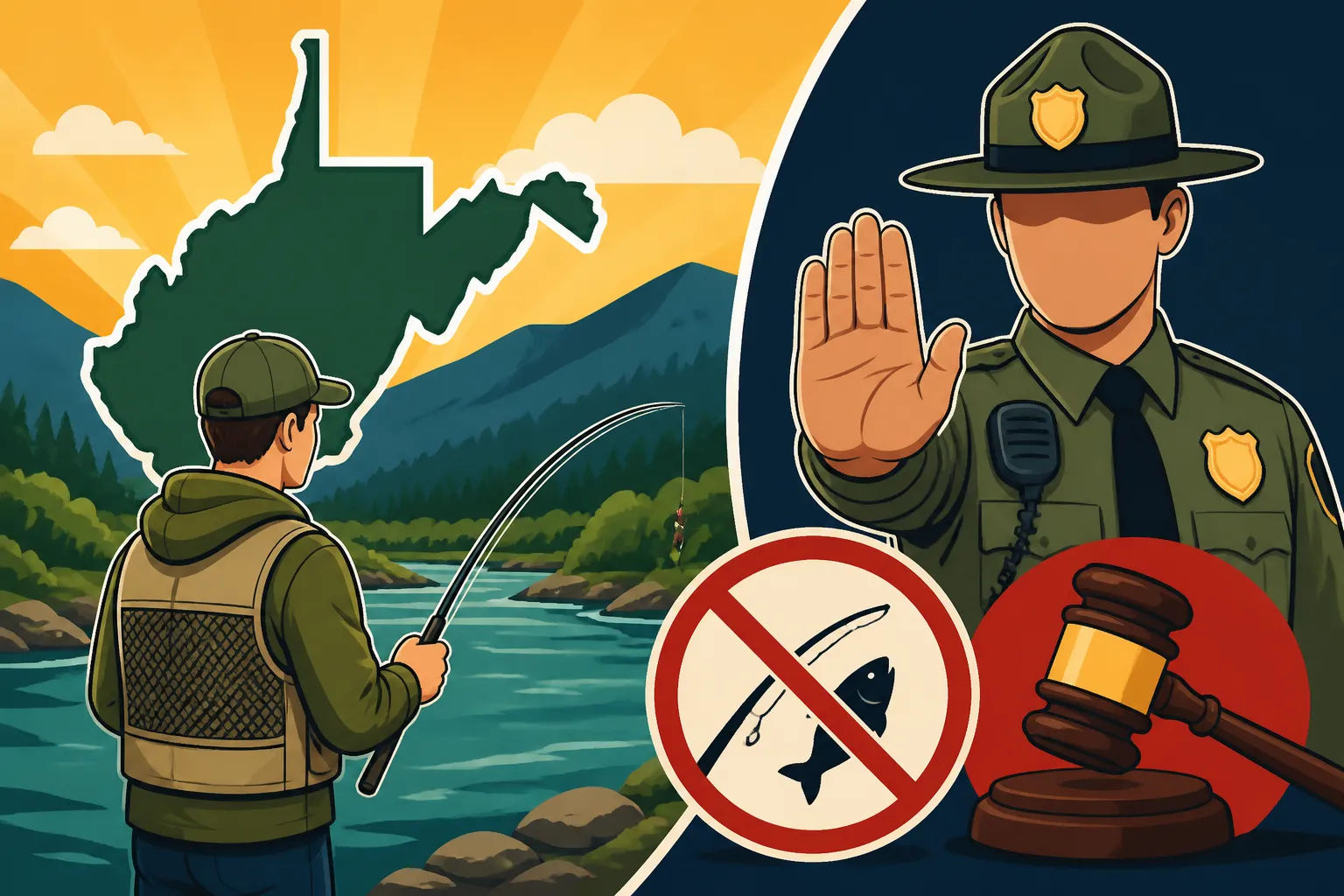
A West Virginia Natural Resources Police Officer (NRPO) or other law enforcement personnel has the authority to stop and inspect anyone engaged in fishing activities. This isn't just a friendly chat; they're ensuring compliance with state regulations. When an officer approaches, it's important to remain calm, respectful, and cooperative. They will typically ask to see your fishing license and photo identification. If you can't produce a valid license, or if it's expired or doesn't cover the specific species you're targeting or the waters you're in (like needing a special trout stamp), that's when the situation can escalate.
These interactions can be intimidating, especially if you're unsure of the rules. Many anglers feel a pang of anxiety even when they know they're doing everything right. It’s part of the job of our dedicated officers to uphold conservation laws, and they're trained to identify violations. Understanding their role can help you stay calm and handle the situation professionally, even if you’ve made an honest mistake.
Receiving a Citation
If you're found fishing without a valid license, the most immediate consequence will likely be receiving a citation, which is essentially a ticket or a summons to court. This isn't just a slap on the wrist; it's a legal document outlining the alleged violation and typically includes information on fines and court dates. The officer will explain the charge, which is usually a misdemeanor offense in West Virginia, and what your next steps are. They might also provide a copy of the regulations so you can see the specific rule you've allegedly broken.
The citation will clearly state the specific code section violated. For instance, if you don't have a basic fishing license, it falls under a general fishing license requirement. If you had a license but failed to purchase a necessary stamp, like a West Virginia trout stamp for trout fishing, that would be a separate, but equally important, violation. It’s crucial to understand exactly what you’re being cited for, as this will determine the potential penalties and how you might choose to address the issue.
Confiscation of Gear
While less common for a first-time, simple license violation, officers do have the authority in certain situations to confiscate fishing equipment. This might happen if the violation is severe, repeated, or involves illegal fishing methods. For instance, if someone is poaching or using illegal nets, their gear would almost certainly be seized. For a simple lack of a license, an officer might allow you to pack up your gear and leave the water, but they could also order you to cease fishing and confiscate your rod and reel right there.
The prospect of losing your favorite rod and reel, perhaps one you carefully researched and bought from a trusted retailer like Amazon, is enough to make any angler cringe. This is why being prepared and having all your ducks in a row before you even leave the house is so important. The discretion often lies with the officer, but severe or uncooperative behavior on the angler's part can unfortunately lead to harsher immediate consequences like equipment confiscation.
Understanding the Legal and Financial Penalties
Getting a citation is just the beginning. The real sting comes when you delve into the legal and financial ramifications. These penalties are designed to deter violations and ensure that everyone contributes to the conservation efforts that keep our waters healthy.
Fines and Court Costs
Fishing without a license in West Virginia is typically classified as a misdemeanor offense. This means it carries not only a monetary fine but can also result in court appearances and associated court costs. The fines for a first offense can vary, but generally, you're looking at a base fine ranging anywhere from $20 to $300, plus court fees and additional administrative charges. These can quickly add up, easily pushing the total well over $100 or more, just for one oversight.
Imagine you planned a weekend getaway, packed up your trusty fishing vest, and forgot that one piece of paper. That $30 fishing license you meant to buy could now cost you several times that amount in fines and fees. It's a stark reminder that budgeting for your license is a tiny fraction of the potential cost of not having one. For detailed information on typical costs, you might want to check out resources like the West Virginia Fishing License Guide for 2026 or How Much Does a West Virginia Fishing License Cost.
Loss of Fishing Privileges
Beyond the immediate financial hit, one of the most significant consequences for serious or repeated violations is the suspension of your fishing privileges. The West Virginia Division of Natural Resources (DNR) can revoke your right to fish in the state for a specified period, which can range from a few months to several years. This means you wouldn't be able to purchase a fishing license, and any attempt to do so or to fish during your suspension period would lead to even more severe charges.
For passionate anglers, losing the ability to fish can feel like a profound punishment. It takes away the very activity that brings joy and relaxation. This consequence highlights the importance of adhering to all regulations, not just the basic license, but also understanding bag limits, season dates, and specific rules like those for West Virginia Fishing Regulations Explained. It's not just about a ticket; it's about maintaining the privilege to enjoy our state's incredible natural resources.
Impact on Future Licenses
A conviction for fishing without a license goes on your record. This can affect your ability to obtain future hunting and fishing licenses, not just in West Virginia, but potentially in other states as well, due to interstate wildlife violation compacts. While a single minor offense might not prevent you from getting a license in the future, it could complicate the process or be viewed less favorably if you have subsequent violations.
Furthermore, some of the more serious offenses can lead to a refusal of a license application entirely. The DNR keeps records of all violations, and repeat offenders or those with significant conservation law infractions may find themselves permanently barred from participating in fishing activities in West Virginia. It’s a sobering thought, especially if you’ve been enjoying fishing your whole life and plan to continue for years to come. Staying informed about requirements, like West Virginia Fishing License Age Requirements and when kids need a license, is key.
Here's a quick overview of potential penalties:
| Violation Type | Typical Penalty Range (First Offense) | Additional Consequences |
|---|---|---|
| Fishing without a basic license | $20 – $300 + Court Costs | Misdemeanor, potential license suspension |
| No Trout Stamp (fishing trout) | $20 – $100 + Court Costs | Misdemeanor, specific to species/stamp violation |
| Fishing during suspension | Higher Fines + Extended Suspension | Felony charges possible, confiscation of gear |
| Illegal fishing method/poaching | $100 – $1,000+ + Court Costs | Significant license suspension/revocation, gear forfeit |
Why These Regulations Matter Beyond the Ticket
While nobody wants to deal with fines or court dates, it’s important to remember that these regulations aren’t just arbitrary rules. They are the backbone of West Virginia’s extensive efforts to conserve and manage its diverse aquatic ecosystems, ensuring that future generations can enjoy the same incredible fishing experiences we do today.
Funding Conservation Efforts
The revenue generated from the sale of fishing licenses and related stamps, like the West Virginia's Conservation Stamp, Explained, is absolutely vital. A significant portion of this money directly funds the West Virginia Division of Natural Resources (DNR). These funds are then channeled into crucial conservation programs, including fish stocking, habitat restoration, scientific research, and wildlife management area maintenance.
Think about all those beautifully stocked trout streams we enjoy, like the Cranberry River or the Elk River. Those stockings, which provide incredible fishing opportunities, are directly supported by license sales. Without this steady stream of income from licensed anglers, the DNR would struggle to maintain these programs, impacting everything from the health of our bass populations to the availability of public fishing access points. Every license purchased is a direct investment in the future of fishing in our state.
Protecting Fish Populations
Licensing helps the DNR manage fish populations sustainably. By requiring licenses, the state can track the number of anglers and, combined with creel surveys and biological research, make informed decisions about bag limits, size restrictions, and season lengths. These measures prevent overfishing and help ensure that species like smallmouth bass, muskie, and various trout species remain healthy and abundant in our rivers and lakes.
Without proper regulation, uncontrolled fishing pressure could quickly deplete fish stocks, leading to a decline in quality fishing experiences and potentially endangering certain species. For example, understanding the limits for West Virginia Walleye Daily and Possession Limits or West Virginia Black Bass Limits and the New River Slot Limit is critical for sustaining these populations. It's a collective responsibility, and purchasing a license is your commitment to that shared goal.
Ensuring Fair Access
These regulations also ensure fair access to West Virginia's natural resources. When everyone contributes by purchasing a license, it helps maintain public access areas, boat ramps, and other infrastructure that all anglers benefit from. It also establishes a baseline of shared responsibility among those who use and enjoy these resources.
It’s about fairness, plain and simple. Imagine someone enjoying all the benefits of stocked lakes and maintained access points without contributing a dime to their upkeep. License sales ensure that the financial burden of managing and improving our fishing opportunities is shared among those who participate. This includes everything from the maintenance of popular spots on Summersville Lake to the stocking schedules of various streams for events like the Gold Rush Golden Rainbow Trout Event Rules.
Navigating the Licensing System to Avoid Issues
The best way to avoid penalties for fishing without a license is, of course, to ensure you always have the correct, valid license and any necessary stamps. While the system can seem a little confusing at first glance, it's actually quite straightforward once you know the basics.
Verifying Your License Status
Before every trip, or at least annually, it's a good habit to verify your fishing license status. Did you buy an annual license? When does it expire? Did you accidentally let it lapse? The West Virginia DNR offers online portals where you can easily log in and check your license history. This simple step can save you a lot of grief. It’s better to double-check from your couch than to find out you’re expired on the water.
You can often access your license details through the WVhunt.com website or even through the WVhunt mobile app, which is a convenient way to keep track. Many anglers opt to buy their licenses online because it’s quick and easy, and you can print it right at home or save it digitally to your phone. If you're wondering How to Buy a Fishing License on WVhunt.com, that's a great place to start. A quick search on Amazon for a portable printer could even help you print a backup copy for your tackle box.
Understanding Age Requirements
Not everyone needs a fishing license in West Virginia. Children under a certain age are exempt, which is wonderful for getting youngsters interested in the sport. Currently, residents under the age of 15 do not need a fishing license. However, once they turn 15, they are required to have one. Non-residents, however, have different rules, and it’s important to understand those nuances.
Knowing the exact cutoff can prevent your teenager from accidentally breaking the law. It’s also important for parents or guardians to verify this information, as age requirements can sometimes change. You can find detailed information on these specifics in guides like Do Kids Need a Fishing License in West Virginia? and West Virginia Fishing License Age Requirements. Don’t just assume; always check the current regulations.
Knowing Specific Stamp Needs
Beyond the basic fishing license, certain activities or species require additional stamps. The most common is the West Virginia trout stamp, which is mandatory if you plan to fish for or possess trout. This applies even if you're practicing catch-and-release in a designated trout water. There's also the conservation stamp, which is often required in conjunction with other licenses.
These stamps are a vital part of species-specific management and conservation. For instance, the revenue from trout stamps directly supports the state’s extensive trout stocking program. If you're heading to one of West Virginia’s many fantastic trout streams, like those outlined in Trout Stamps and Trout Fishing Rules in West Virginia, you absolutely need to make sure you have that stamp in addition to your regular license. For non-residents planning a short trip, a West Virginia 1-Day and 3-Day Nonresident Fishing Permits might seem simple, but even these can require additional stamps depending on your target species.
Special Scenarios and Common Misconceptions
The rules around fishing licenses can sometimes feel like a maze, especially with special events and different categories of anglers. Clearing up common misconceptions can help ensure you're always on the right side of the law.
Free Fishing Days and Exemptions
West Virginia often hosts "Free Fishing Days" where residents and non-residents can fish without a license for a specific period, typically a weekend in June. These days are fantastic opportunities for new anglers or families to try out fishing without the initial cost of a license. However, it’s crucial to remember that these exemptions are temporary, and all other fishing regulations, such as bag limits and size restrictions, still apply.
Beyond free fishing days, there are also various exemptions and discounted options for certain groups, such as seniors, disabled veterans, and former prisoners of war. For example, eligible seniors can often obtain special lifetime licenses or reduced-cost options. Information on these can be found in resources like Free and Discounted Fishing License Options in West Virginia and Disabled Veteran and POW Fishing License Exemptions in West Virginia. Don't just assume you're exempt; always confirm your eligibility with the DNR.
Non-Resident Rules
If you're visiting West Virginia from another state, the rules for fishing licenses are different and generally involve higher costs. Non-residents must purchase a non-resident fishing license, and if they plan to fish for trout, they'll also need a non-resident trout stamp. There are typically options for annual non-resident licenses, as well as shorter-term permits like 1-day, 3-day, or 7-day passes, which can be convenient for vacationers.
It's a common mistake for non-residents to assume their home state's license is valid, or that a short trip means they don't need one. This is simply not the case. West Virginia's waters are governed by West Virginia's laws. You can find detailed information on these requirements and costs in guides like Resident vs Nonresident Fishing License Costs in West Virginia. Always ensure you have the correct permit for your status, whether you're a long-term visitor or just passing through.
Digital vs. Physical Licenses
In today's digital age, many states, including West Virginia, allow anglers to carry their fishing license digitally on a smartphone or tablet. This is incredibly convenient, as it means one less piece of paper to worry about losing in the water. However, there are a few things to keep in mind. Your device must be charged, and you must be able to display the license clearly to a conservation officer upon request. A dead phone battery is not an excuse for not having your license.
While a digital license is widely accepted, some anglers prefer the peace of mind of a physical copy, especially if they fish in areas with unreliable cell service. You can typically print a physical copy at home after purchasing online, or keep a screenshot on your phone. For more details on this, check out Printing or Carrying a Digital Fishing License in West Virginia. Having a durable, waterproof pouch – easily found on Amazon – for a printed license is always a smart move.
A Final Word on Responsibility
Ultimately, the responsibility for knowing and following West Virginia's fishing regulations rests with each angler. These rules are in place not to make your life difficult, but to preserve the incredible natural beauty and abundant fishing opportunities that make our state so special. Taking a few moments to understand the requirements, purchase the correct licenses and stamps, and double-check your status before you head out, ensures that your time on the water remains truly enjoyable and stress-free. Happy fishing, and remember to protect our precious resources!
Disclaimer
The information provided in this guide is for general informational purposes only and does not constitute legal advice. Fishing regulations in West Virginia can change. Always consult the official West Virginia Division of Natural Resources (WVDNR) website or their current fishing regulations summary for the most accurate and up-to-date information before engaging in any fishing activities.