West Virginia PWC operator minimum age
Navigating the specific rules and regulations for personal watercraft (PWC) operation in West Virginia can feel like trying to untangle a fishing line after a big bite—confusing, frustrating, and a little overwhelming. Many parents and young boating enthusiasts are eager to hit the water but get caught up wondering about age limits, supervision, and mandatory safety courses. This comprehensive guide is here to cut through that confusion, giving you a crystal-clear understanding of the minimum age requirements for PWC operators in the Mountain State so you and your family can enjoy West Virginia's beautiful waterways safely and legally.
Understanding West Virginia's Personal Watercraft PWC Operator Age Requirements
It's common to hear different snippets of information about who can and can't operate a PWC, often leading to a lot of head-scratching. West Virginia has specific rules designed to ensure everyone's safety on the water, and these definitely apply to personal watercraft, which can be quite fast and require quick reflexes. Let's break down exactly what the law says.
The Basic Age Rule for Operating a PWC
The foundational rule in West Virginia is pretty straightforward when it comes to unsupervised operation: no person under the age of 15 is allowed to operate a personal watercraft on their own. This means if your child is 14 or younger, they simply cannot be out on a PWC by themselves. This isn't just a suggestion; it's a legal requirement aimed at ensuring a certain level of maturity and physical capability before someone takes sole control of such a powerful machine.
However, there's a crucial caveat for those younger than 15 who do want to experience the thrill of a PWC. They can operate one, but only under the direct supervision of an adult who is at least 18 years old and, importantly, holds a valid West Virginia boating safety education certificate. This isn't just about having an adult nearby; it's about having a qualified, knowledgeable adult who can provide immediate guidance and intervention if needed. Think of it like a learner's permit for a car – you can drive, but someone experienced has to be right there with you, actively overseeing your actions. It's about safety first, making sure that while kids can learn and enjoy, they do so with the watchful eye of someone who understands the risks and the rules.
The Importance of Boater Education for Young Operators
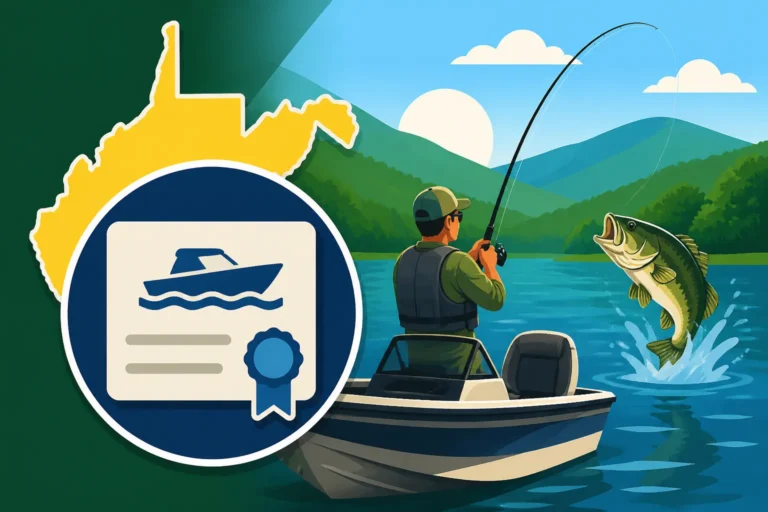
Beyond the age for operating, there's another absolutely critical component to West Virginia's boating laws that often catches people off guard: the boater safety education requirement. This isn't just for kids; it's for many adults too! In West Virginia, any person born after December 31, 1986, must successfully complete a boater safety course to operate any motorboat or PWC. This means if your teenager, or even you, were born after that date, you'll need to pass an approved boater education course.
This course isn't just a hoop to jump through; it's a vital tool for preventing accidents and fostering responsible behavior on the water. It covers everything from navigation rules, hazards, emergency procedures, and even how to properly load and launch a boat. For young operators, it's particularly essential because it instills a sense of responsibility and teaches them the potential dangers and etiquette of boating before they even get behind the handlebars. Completing this course ensures that anyone operating a PWC, regardless of age (as long as they meet the birth year requirement), has a fundamental understanding of safe boating practices. You can usually find these courses offered online through certified providers or sometimes in person through local organizations. For more detailed information on certification, you might want to look into the West Virginia Boater Education Certificate Requirement.
Exceptions and Nuances to the Age Rules
While the rules seem fairly clear, there are always a few specific scenarios or questions that pop up. What if you're visiting from out of state? What about private lakes?
For out-of-state visitors, West Virginia generally recognizes boating safety certificates issued by other states or U.S. territories, provided the course was approved by the National Association of State Boating Law Administrators (NASBLA). This means if your teenager completed a NASBLA-approved course in Ohio or Pennsylvania, for example, their certificate should be valid here. However, they still need to adhere to West Virginia's age restrictions. A 14-year-old from another state, even with a boater safety card, cannot operate a PWC unsupervised in West Virginia waters. They would still need direct supervision from a certified adult aged 18 or older.
Regarding private property, the vast majority of West Virginia's boating laws, including PWC operator age requirements, apply to public waters. If you're on a completely private pond or lake where no public access is permitted and it's not considered "navigable water," state boating laws typically don't apply in the same way. However, this is a very niche scenario, and even then, exercising extreme caution and parental supervision is always paramount. Most people are using public lakes, rivers, or state park waters where these regulations are fully enforced. Always double-check with local authorities if you have any doubts about a specific body of water.
Why These Age Restrictions Are So Crucial for Safety
It's easy to view regulations as just more red tape, but when it comes to operating powerful machinery like personal watercraft, these age restrictions and education requirements are born out of a genuine concern for safety. They're not just arbitrary numbers; they reflect years of data and experience regarding accident prevention.
Reducing Accidents and Enhancing Awareness
Personal watercraft, while incredibly fun, are also highly maneuverable and capable of high speeds. Unlike larger boats, they often encourage more aggressive operation, sharp turns, and quick accelerations. This dynamic nature means that operators need excellent judgment, quick reaction times, and a constant awareness of their surroundings. Younger operators, whose cognitive development and experience levels might not be fully mature, are simply at a higher risk for accidents. They might not anticipate dangers as quickly, misjudge distances, or react appropriately in sudden situations like encountering another boat, a swimmer, or unexpected debris in the water.
The regulations help mitigate these risks by ensuring that individuals reaching the minimum age have developed better judgment skills. The mandatory boater education course further enhances this by providing formal training on collision avoidance, understanding navigational aids, and recognizing hazardous conditions. This structured learning process helps create safer habits and increases overall awareness on the busy waterways, protecting not only the PWC operator but also everyone else sharing the water.
Protecting Young Operators and Others on the Water
Imagine a scenario where a relatively inexperienced 13-year-old, without formal training, is operating a PWC alone on a busy lake like Summersville Lake. They might zip around excitedly, unaware of the proper passing distance for other vessels, or fail to see a child swimming near the shore until it's too late. The age and education requirements are designed to prevent exactly these kinds of dangerous situations. They serve as a protective barrier, safeguarding the young operator from their own inexperience and, crucially, protecting other boaters, swimmers, and shoreline residents from potential harm.
The direct supervision requirement for younger operators is particularly effective here. An experienced, certified adult can guide the young person through real-time decisions, teach them defensive maneuvering, and intervene if they see a dangerous situation developing. This mentor-mentee approach helps build confidence and skills responsibly. It's about giving them the tools to be safe, rather than just throwing them into the deep end, so to speak.
Legal Ramifications of Non-Compliance
Breaking these rules isn't just a slap on the wrist; there can be serious legal consequences. If an underage individual operates a PWC without the required supervision or boater education certificate, the penalties can be significant, often falling on the supervising adult or the parent/guardian who allowed the violation. This could include fines, which can range from minor to substantial depending on the severity of the offense and whether an accident occurred. In some cases, repeated offenses or involvement in an accident could lead to more severe penalties, including court appearances or even the temporary loss of boating privileges for the adult.
Beyond the immediate legal penalties, there are other ripple effects. Your insurance premiums for your PWC or boat could skyrocket, or your policy could even be invalidated if an accident occurs while operating in violation of state laws. Most importantly, in the event of an accident involving injury or property damage, the liability could be immense. Understanding and adhering to these laws isn't just about following the rules; it's about protecting your finances, your reputation, and, most importantly, the well-being of everyone on the water. For more information on potential consequences, read about Fishing Without a License in West Virginia: Penalties, as similar principles often apply to other boating violations.
Getting Your Young Angler Ready for PWC Operation
If your child is eager to get on a PWC, it's a great opportunity to teach them responsibility and safety. Making sure they're properly prepared goes beyond just meeting the minimum age; it involves education, practical experience, and the right gear.
Finding and Completing Approved Boater Education Courses
The first and most important step for anyone born after December 31, 1986, who wants to operate a PWC is to complete an approved boater education course. In West Virginia, these courses are readily available. The West Virginia Division of Natural Resources (WV DNR) website is the best place to start, as they list approved providers. Often, you'll find options from well-known platforms like Boat-Ed.com or other certified online course providers. These online courses offer flexibility, allowing students to learn at their own pace, often with interactive modules and quizzes to reinforce the material.
While online courses are convenient, some people prefer in-person classes, which can offer direct interaction with instructors and other students. Check with local marinas, community centers, or even high schools during certain times of the year, as they might host these programs. Regardless of the format, ensure the course is NASBLA-approved to guarantee it meets West Virginia's requirements. Some course materials, like study guides or flashcards, might even be found on Amazon to supplement their learning. Remember, having that certificate is non-negotiable for eligible operators!
Practical Experience and Supervised Training
Completing a boater education course is fantastic, but it's just the beginning. Just like getting a driver's permit, actual hands-on practice is crucial. After the theoretical knowledge is gained, it's time for supervised practical training. Start in calm, uncrowded waters, like a less-trafficked cove on a lake or a wide, slow section of a river. This provides a low-stress environment where your young operator can get a feel for the PWC's controls, learn how to launch and dock, and practice basic maneuvers without the added pressure of heavy boat traffic.
As the supervising adult (who, remember, must be 18+ and certified), provide clear, constructive feedback. Teach them about varying their speed, watching their wake, and understanding the concept of "rules of the road" on the water. Emphasize defensive driving – always anticipating what other boaters might do. Gradually expose them to more challenging conditions as their skills and confidence grow. This gradual progression is key to building a truly competent and safe PWC operator.
Essential Safety Gear and Best Practices
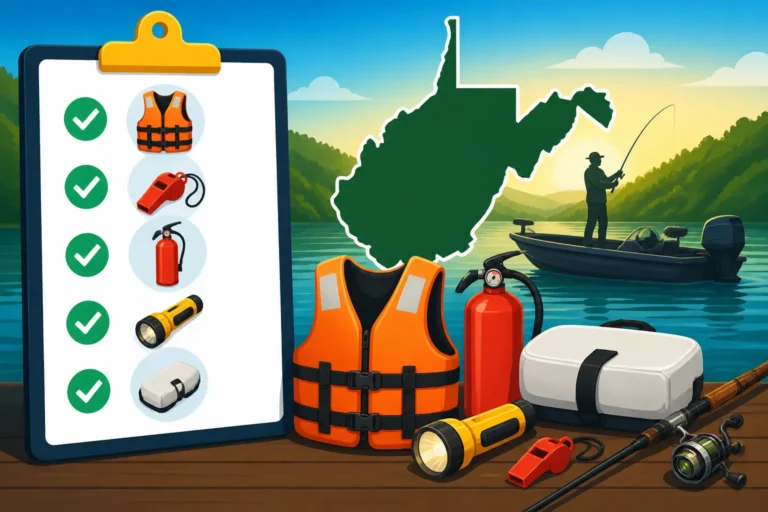
Safety gear isn't optional; it's a necessity. Every person on a PWC, regardless of age, should wear a properly fitted, U.S. Coast Guard-approved life jacket. In West Virginia, children under 13 must wear a life jacket on all vessels, including PWCs, when underway. You can find a wide variety of comfortable, high-quality life jackets on Amazon that are specifically designed for PWC use, offering good mobility while providing essential flotation. Don't cheap out on this critical piece of equipment! For more on this, check out Life Jacket Requirements for West Virginia Boaters.
Beyond life jackets, here are a few other best practices:
- Kill Switch Lanyard: Ensure the kill switch lanyard is always attached to the operator's wrist or life jacket. This immediately cuts the engine if the operator falls off, preventing a runaway PWC that could injure them or others.
- Awareness: Teach constant 360-degree awareness. Swivel their head, check behind them, and anticipate the actions of other vessels.
- Safe Distance: Stress maintaining a safe distance from other boats, swimmers, docks, and shorelines. Aggressive maneuvers, like jumping wakes too close to another boat, are illegal and dangerous.
- No Alcohol or Drugs: Absolutely no alcohol or drug consumption for operators, regardless of age.
- Pre-Ride Check: Get into the habit of a quick pre-ride check of the PWC to ensure everything is in working order.
- Whistle/Horn: Always have an audible signaling device, like a whistle, easily accessible. You can often find compact, marine-grade whistles on Amazon that attach to a life jacket.
By focusing on education, supervised practice, and the diligent use of safety gear, you'll be setting up your young operator for years of safe and enjoyable PWC adventures in West Virginia.
Here's a quick reference table to summarize West Virginia's PWC operator age and education requirements:
| Operator Age | Boater Education Certificate (Born after Dec 31, 1986) | Supervision Required (Adult 18+ w/ Certificate) | Legal Status for PWC Operation |
|---|---|---|---|
| Under 12 | Yes (if born after 12/31/1986) | Yes | Illegal to operate even with supervision on public waters unless on private waters not considered navigable. |
| 12-14 | Yes (if born after 12/31/1986) | Yes | Legal with direct supervision |
| 15-17 | Yes (if born after 12/31/1986) | No (can operate unsupervised) | Legal |
| 18+ | Yes (if born after 12/31/1986) | No | Legal |
| 18+ | No (if born before 1/1/1987) | No | Legal (no certificate needed) |
Note: "Direct Supervision" means the supervising adult (18+ with a valid WV boating safety education certificate) must be onboard the PWC or within reasonable proximity and able to take immediate control.
Disclaimer
The information provided in this guide is for general informational purposes only and does not constitute legal advice. While we strive to be accurate, fishing and boating regulations can change. Always consult the official West Virginia Division of Natural Resources (WV DNR) regulations or a legal professional for the most current and authoritative information before engaging in any boating activities.