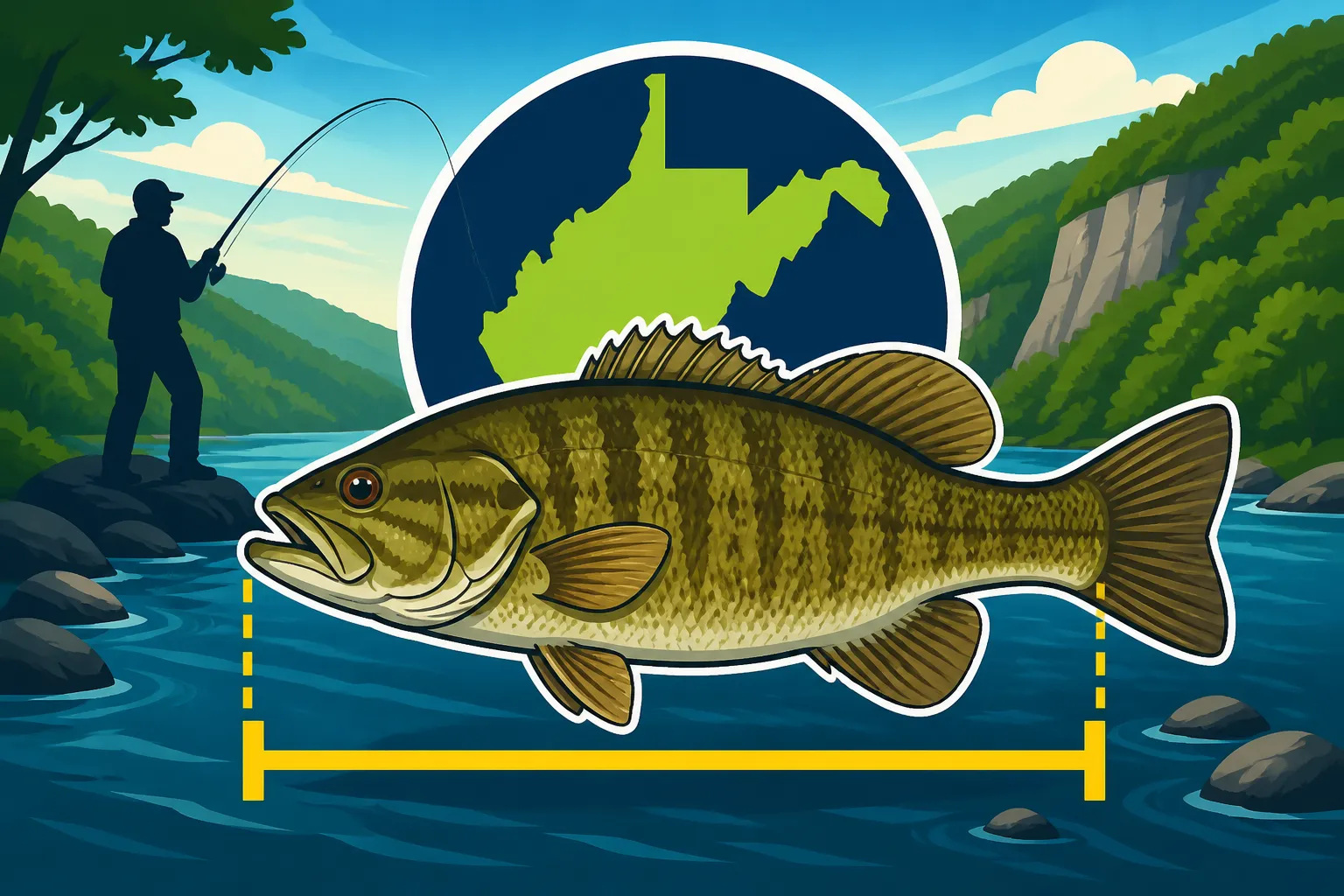
New River smallmouth bass slot limit in inches
Navigating the myriad of fishing regulations can sometimes feel like trying to solve a puzzle while standing in a rushing river. It's frustrating when you just want to enjoy a peaceful day on the water, but you're constantly second-guessing if you're doing everything by the book, especially when it comes to specific rules like slot limits on a legendary river like the New River for smallmouth bass. This guide is here to untangle the specifics of the New River's smallmouth bass slot limit, making sure you're fully informed and can fish with confidence, respecting the fishery and its rules.
Understanding Slot Limits and Their Purpose
Before we dive into the exact numbers, it's really helpful to understand why slot limits are put in place. It's not just to make things more complicated for anglers; there's a serious scientific reason behind them, all aimed at fostering a healthier, more robust fish population. West Virginia, like many states, employs these types of regulations strategically, especially in critical fisheries.
Why Slot Limits Exist for Smallmouth Bass
Think about a garden. If you constantly pick all the medium-sized vegetables, you might end up with too many small ones struggling to grow, or only a few massive ones that are past their prime. Fish populations work in a similar way. Smallmouth bass, particularly in a wild and productive river system like the New River, have a specific life cycle that conservationists want to protect. A slot limit is designed to do a few key things:
- Protect Breeding Stock: Medium-sized fish are often in their prime reproductive years. By requiring anglers to release these fish, the slot limit ensures that these vital breeders stay in the water to reproduce, contributing to the next generation of bass. This is crucial for sustaining the population naturally.
- Allow Smaller Fish to Grow: It can also reduce pressure on the smaller, juvenile bass, giving them a chance to mature into the protected size class and, eventually, beyond it. This helps create a balanced age structure within the population.
- Promote Trophy Potential: While it might seem counterintuitive to release a nice "eater" size bass, doing so allows those fish to grow even larger, potentially becoming true trophy-sized fish. This selective harvesting helps to shift the overall size distribution, leading to more impressive catches for future anglers.
It's all about finding that sweet spot in population management. The goal isn't to prevent you from keeping fish, but to ensure that the ones being removed aren't the ones most critical to the future health and vitality of the smallmouth bass population.
How Slot Limits Benefit the Fishery
The benefits of a well-implemented slot limit are far-reaching and can significantly impact the quality of fishing over time. For a river like the New, which is renowned for its smallmouth bass, these regulations are a cornerstone of its management.
- Improved Fish Size and Quality: The most noticeable benefit for anglers is often an increase in the average size of the fish they encounter. When those middle-of-the-road fish are released, they continue to grow, leading to more "overslot" opportunities and a greater chance of catching truly memorable bass. This creates a better fishing experience for everyone involved.
- Enhanced Population Resilience: By protecting key age classes, slot limits help make the fish population more resilient to environmental changes, disease, or even increased fishing pressure. A diverse age structure means the population isn't overly reliant on one year class to sustain itself.
- Sustainable Resource Management: Ultimately, slot limits are a tool for sustainable resource management. They allow for recreational fishing to continue while actively working to preserve and enhance the natural resource itself. This means generations of anglers can continue to enjoy the incredible smallmouth fishing that the New River offers. If you're keen to understand more about specific regulations, our guide on West Virginia Fishing Regulations Explained can provide a broader overview.
The Specifics of the New River Smallmouth Bass Slot Limit in Inches
Alright, let's get down to brass tacks. You're out on the New River, you hook into a beautiful smallmouth, and your heart is pounding. Now what? Knowing the precise measurements and rules is absolutely critical. West Virginia's Division of Natural Resources (WV DNR) puts these rules in place after careful study, and they’re designed to protect this incredible fishery.
The Exact Slot Limit in Inches
For black bass, which includes smallmouth bass, in the New River from the Virginia state line downstream to the Hawks Nest Dam, the regulations specify a 12 to 20 inch slot limit.
What does this mean in practical terms? It’s pretty straightforward:
- Any smallmouth bass you catch that measures between 12 inches and 20 inches in length, inclusive, MUST be immediately released back into the water. No exceptions, no second thoughts.
- You are allowed to keep bass that are less than 12 inches.
- You are allowed to keep bass that are greater than 20 inches.
This system ensures that the prime breeding and growing fish are protected, while allowing for some harvest of smaller, more numerous fish, and providing the rare opportunity to keep a true lunker. It might take a little getting used to if you're accustomed to simple "minimum size" rules, but it’s a powerful conservation tool.
Daily Creel and Possession Limits
The slot limit doesn't operate in a vacuum; it's part of a larger set of rules that include daily creel and possession limits. These limits dictate how many fish you can keep in a single day, and how many you can have in your possession at any given time (which includes fish at home from previous trips).
For black bass on the New River, the daily creel limit is 6 black bass. This limit applies to the combined total of smallmouth, largemouth, and spotted bass.
So, let's put it together:
- You can keep up to 6 black bass per day.
- Out of those 6, any bass you keep must be either under 12 inches OR over 20 inches.
- You are permitted to keep only one bass over 20 inches as part of your daily creel limit. This "one over 20 inches" rule is important for managing trophy potential while still allowing some harvest of truly large fish.
It's a system that requires a bit of attention to detail, but once you get the hang of it, it becomes second nature. Always remember that possessing a fish within the slot limit is a violation, even if you intend to release it later. It must be released immediately upon measurement if it falls within that protected size. Our detailed guide on West Virginia Black Bass Limits and the New River Slot Limit goes deeper into this specific area.
Navigating the Slot Limit on the Water
Understanding the numbers is one thing, but applying them in the heat of the moment on the river is another. The New River, known for its powerful currents and rocky bottom, can make quick, accurate measurements a challenge.
Imagine this scenario: you're floating down the river, the sun is shining, and you land a gorgeous smallmouth. It's chunky, feisty, and looks like a keeper. You pull out your measuring board, gently lay the fish on it, and it stretches from 14 inches to about 18 inches. "Dang!" you think, "That's a nice one, but it's right in the slot." The rule is clear: immediate release. You take a quick photo, then gently send it back into the current to fight another day and hopefully grow past that 20-inch mark.
Now, imagine you catch another one, and this one is a true behemoth, pushing past 22 inches! Your heart races. You measure it carefully, confirm it's over 20 inches. Since you can keep one fish over 20 inches, you now have a decision to make, assuming you want to keep fish for dinner. This is the beauty of the slot limit—it allows for that rare trophy harvest while safeguarding the future.
The table below summarizes the New River black bass limits to help keep it clear:
| Category | New River Black Bass Regulation (from VA state line to Hawks Nest Dam) | General West Virginia Black Bass Regulation (for comparison) |
|---|---|---|
| Slot Limit (Must Release) | 12 to 20 inches (inclusive) | Not applicable (Statewide minimum length limits apply) |
| Minimum Length Limit | None (can keep fish under 12 inches) | 12 inches (statewide) |
| Maximum Length Limit | None (can keep fish over 20 inches) | Not applicable |
| Daily Creel Limit | 6 black bass (combined species) | 6 black bass (combined species) |
| Over-Slot Allowance | Only 1 bass over 20 inches may be kept as part of the 6-fish creel | Not applicable |
This table helps illustrate the specific nuance of the New River compared to general state regulations. It's a prime example of how some of West Virginia's incredible waterways, like the New, get their own specific management plans to ensure their continued excellence.
Practical Tips for Fishing the New River with Slot Limits in Mind
Fishing the New River for smallmouth is an absolute blast. It's one of the Best Fishing Rivers in West Virginia for a reason! But with the specific slot limit in play, being prepared and practicing good angling etiquette is more important than ever. You want to make sure you're compliant, but also that you're doing your part to ensure those released fish have the best chance of survival.
Measuring Your Catch Accurately
When every inch counts, having a reliable way to measure your fish quickly and gently is key.
- Invest in a Good Measuring Board: Forget the tape measure you have in your tackle box – it's cumbersome and not fish-friendly. A proper, flat measuring board is ideal. Many are designed with a bumper at one end where the fish's nose can be placed, allowing for a precise tail measurement. You can find excellent, durable measuring boards on sites like Amazon that are perfect for river use. Look for ones that are at least 24 inches long to cover all potential smallmouth sizes.
- Keep it Wet and Gentle: Always handle fish with wet hands. Dry hands can remove the protective slime layer, making the fish susceptible to disease. When placing a fish on the measuring board, do so gently. Keep the fish as low to the water as possible, or even measure it in the water if feasible, especially if it's a large one you plan to release.
- Measure Quickly: The less time a fish is out of the water, the better its chances of survival. Get your measurement, confirm the slot, and make your decision efficiently. If you're planning a photo, have your camera ready, snap a quick one, and then release.
- Know How to "Pinch" the Tail: For official measurements, fish are typically measured from the tip of the snout to the end of the tail with the tail pinched together (compressed). Make sure your measuring board has clear, easy-to-read markings.
Responsible Catch and Release Practices
Since a significant number of your New River smallmouth catches will likely fall within that 12-to-20-inch slot, mastering responsible catch and release techniques is paramount. This isn't just a suggestion; it's a fundamental part of being a good steward of the fishery, especially when you think about how many smallmouth you can potentially catch when you're using the Best Baits for Smallmouth Bass on the New River.
- Minimize Fight Time: While exhilarating, a prolonged fight can exhaust a fish, making it harder for it to recover upon release. Use appropriate tackle for the size of fish you're targeting. For strong New River smallmouth, a medium-light to medium-heavy rod with a good backbone helps subdue them quickly.
- Barbless Hooks or De-barbed Hooks: Consider using barbless hooks, or simply crimping down the barbs on your existing hooks with a pair of pliers. This makes hook removal much easier and causes less damage to the fish's mouth, drastically improving survival rates for released fish.
- Use a Rubber-Coated Net: If you use a net, opt for one with a rubberized, knotless mesh. Traditional knotted nylon nets can remove protective slime and damage fins or eyes. A rubber-coated net is much gentler on the fish.
- Support the Fish Properly: Never hold a smallmouth by just its jaw with its body hanging vertically, especially larger fish. This can damage internal organs and its jaw. Support its belly with one hand while gently holding the jaw with the other, keeping the fish horizontal.
- Revive If Necessary: If a fish appears lethargic upon release, gently hold it in the water, facing upstream in the current, allowing water to flow over its gills. Move it back and forth slightly to help oxygenate its blood until it swims away under its own power. Don't just toss it back if it's not ready.
Gear Considerations for Slot Limit Fishing
Having the right gear isn't just about catching fish; it's about fishing responsibly, especially with specific regulations like slot limits.
- Dedicated Measuring Tools: As mentioned, a sturdy measuring board is a must. Attach it to your boat, kayak, or raft for easy access. You can find compact, foldable options on Amazon if space is a concern.
- Hook Removal Tools: Keep a good pair of long-nose pliers or hemostats handy. They are essential for quickly and safely removing hooks, especially if a fish swallows a lure or hook. The faster you get that hook out, the less stress on the fish.
- Appropriate Tackle: While not directly tied to the slot limit, using tackle that matches the size of the smallmouth bass in the New River is a good idea. This allows you to land fish efficiently, reducing fight time and stress. Consider a medium-action spinning or casting rod with 8-12 lb test line. If you're thinking about How to Catch Smallmouth Bass in West Virginia Rivers, your gear plays a big role.
- Polarized Sunglasses: These aren't just for comfort! Good polarized sunglasses cut glare off the water, allowing you to see submerged structure and potentially spot fish. This can help you target specific areas and avoid unnecessary snagging that can prolong a fish's stress.
The Broader Context of New River Bass Regulations
While the smallmouth bass slot limit is a critical regulation for the New River, it's just one piece of the puzzle. Being a responsible angler means understanding the full scope of rules that apply to this magnificent waterway and its inhabitants.
Other Important Regulations to Remember
Fishing in West Virginia, especially in unique fisheries like the New River, often comes with a few extra layers of rules. It’s always best to be informed.
- Fishing License: First and foremost, you need a valid West Virginia fishing license. Make sure you have the correct license for your residency status and age. Our guide on West Virginia Fishing License Guide for 2026 can help you navigate the process.
- Trout Stamps: While the New River is primarily a warm-water fishery for smallmouth bass, if you venture into its colder tributaries or other stocked waters in West Virginia, you'll need a trout stamp in addition to your regular license if you plan to keep trout.
- Species-Specific Limits: Beyond smallmouth, other species in the New River and its surrounding waters also have their own bag and possession limits. For example, knowing the West Virginia Walleye Daily and Possession Limits or West Virginia Catfish Daily Limit would be important if you're targeting other species. Always check the official regulations for any other species you might encounter.
- Boating Regulations: If you're fishing from a boat, raft, or kayak, there are specific West Virginia Boating Laws for Anglers that you need to be aware of, including life jacket requirements and registration rules. Safety is always paramount.
- New River Gorge National Park and Preserve: The New River flows through the New River Gorge National Park and Preserve. While West Virginia fishing regulations generally apply, it’s always a good idea to be aware of any specific park-imposed rules or advisories. Generally, a state fishing license is sufficient, but knowing the nuances of National Park Fishing Rules at New River Gorge can prevent any headaches.
Where to Find Official Regulations
The best source for the most up-to-date and comprehensive fishing regulations in West Virginia is always the official West Virginia Division of Natural Resources (WV DNR) website. They publish a yearly Fishing Regulations Summary that details all statewide and special area regulations.
- WV DNR Website: The WV DNR website (wvdnr.gov) is your go-to resource. Look for the "Fishing" section and then navigate to "Regulations."
- Regulations Summary: They offer a digital version of the annual regulations summary, which is essentially a PDF booklet. It's incredibly thorough and often has maps and specific details for special regulation waters like the New River. We even have a guide dedicated to Reading the West Virginia Fishing Regulations Summary to help you interpret it effectively.
- WVhunt App: The WV DNR also has a mobile app called WVhunt where you can purchase licenses and often find regulation summaries. Having this on your phone is super convenient when you're out on the water.
Regulations can change year to year, so make it a habit to review the current year's summary before your first fishing trip, or any time you plan to visit a new body of water or target a new species. This small bit of homework ensures you're always compliant and helps protect the amazing fisheries we all enjoy in West Virginia.
Disclaimer
The information provided in this guide is for general informational purposes only and is subject to change. While we strive to provide accurate and up-to-date content, fishing regulations are regularly updated by the West Virginia Division of Natural Resources (WV DNR). It is the angler's responsibility to consult the official WV DNR Fishing Regulations Summary and website for the most current and authoritative information before engaging in any fishing activities. Failure to comply with official regulations may result in penalties.