West Virginia trout stamp price for residents
Navigating the world of fishing licenses and stamps can feel like trying to untangle a particularly stubborn fishing line, especially when you're just trying to figure out a specific cost. Many anglers, especially those just starting out or returning to the sport, often find themselves scratching their heads over things like the exact price of a West Virginia resident trout stamp. This guide is here to untangle that line for you, providing clear, comprehensive details on what that stamp costs, why you need it, and how to get it, ensuring your next trout adventure is entirely by the book.
The Specifics of the West Virginia Resident Trout Stamp Cost
Let's cut right to the chase, because nobody wants to play a guessing game with their hard-earned money or, more importantly, with their fishing plans. For residents of West Virginia, securing the necessary trout stamp is a straightforward affair, though it's important to understand it's usually an addition to your base fishing license.
Breaking Down the Current Price for Residents
As a proud West Virginia resident, if you're planning to cast a line for trout, you'll need what's officially known as the Class 1 Resident Trout Stamp. The current cost for this essential stamp is $23. It’s crucial to remember that this isn't a standalone license that grants you fishing privileges on its own. Think of it as a special endorsement that you add to your general West Virginia fishing license. Most commonly, this means you'll first acquire a Class B Resident Annual Fishing License, and then layer the Class 1 Trout Stamp on top of that. This two-part system ensures that the funds generated specifically from trout anglers go directly back into the state's trout management and stocking programs, which benefits all of us who love chasing these beautiful fish.
For folks who might be exploring other options, it’s worth noting that if you combine hunting and fishing, or opt for a lifetime license, the trout stamp might be integrated or handled differently, but for the standard annual fishing license holder, the $23 add-on is the way to go. It’s a reasonable price when you consider the extensive stocking efforts by the West Virginia Division of Natural Resources (WVDNR), which brings hundreds of thousands of trout to our waters each year, providing fantastic opportunities across the state. Without these funds, our beloved trout fisheries wouldn't be nearly as vibrant.
Understanding What the Trout Stamp Covers
So, you've got your $23 Class 1 Resident Trout Stamp. What exactly does that entitle you to? This stamp specifically authorizes you to fish for and retain trout in the waters of West Virginia where trout are stocked or designated as trout waters. This is an important distinction because while your general fishing license covers most other species in most other waters, trout are considered a special case due to the intensive management they require.
The stamp essentially gives you permission to participate in the state's fantastic trout program. This includes fishing in countless streams, rivers, and lakes that are regularly stocked by the WVDNR. These stocked waters are the backbone of West Virginia's trout fishing, especially during the peak seasons when fresh trout are released to ensure ample opportunities for anglers. Without this stamp, even if you possess a valid general fishing license, you would be in violation of regulations if you fished for or kept trout in these designated areas. This means if you're out there on opening day of trout season, or hitting a popular trout stream like the Cranberry River or Elk River tailwater, that little stamp is your golden ticket. It's not just about keeping fish, either; even if your intention is purely catch-and-release in a designated trout water, you still need that trout stamp in most cases. You can learn more about specific requirements by checking out the guide on West Virginia Catch and Release Rules for Trout.
When and Why a Trout Stamp Becomes Essential
It’s easy to get confused about when exactly you need a trout stamp. Sometimes you’re fishing for bass, and accidentally catch a trout. Or maybe you're just enjoying a day on a river that sometimes holds trout but isn't actively stocked. Understanding the specific scenarios that mandate a trout stamp can save you a lot of headache and potential fines.
Navigating Stocked Waters and Special Regulations
The primary reason you need a West Virginia trout stamp is when you're fishing in waters that are designated as "trout waters" or actively stocked by the WVDNR. This includes a vast network of rivers, streams, and lakes throughout the state. The WVDNR does an incredible job of stocking these waters, often several times a year, particularly in spring and fall. If you're heading to one of these well-known spots – think Cheat Lake, Shavers Fork, or one of the many small streams in the Monongahela National Forest – the trout stamp is non-negotiable. Even if you're just targeting other species and happen to hook a trout, being in a designated trout water without the stamp means you're not in compliance.
It's also vital to pay attention to "Special Regulation Waters." These areas might have unique rules regarding tackle, bait, size limits, or catch-and-release only policies. Even in catch-and-release trout waters, like certain sections of the Cranberry River or some wild trout streams, the trout stamp is almost always required. The logic is that the stamp contributes to the management and protection of these specific fisheries, regardless of whether you intend to keep a fish or not. Before any trip, it’s always a good idea to consult the West Virginia Fishing Regulations Explained or the annual fishing regulations summary to confirm the rules for your specific destination. These regulations often change, so staying updated is key to an enjoyable and legal outing. You can even check the West Virginia Trout Stocking Hotline and Schedule to see which waters are being stocked and when, helping you plan your trips accordingly.
The Importance of Compliance: Penalties and Peace of Mind
Nobody wants to have their peaceful day on the water interrupted by a run-in with law enforcement, especially not over something that's easily avoidable. Fishing without the proper licenses or stamps in West Virginia carries penalties. While specific fines can vary, fishing for trout without a valid trout stamp can result in citations, fines, and potentially even the confiscation of your fishing gear. The WVDNR takes its conservation efforts seriously, and the licensing system is a critical part of funding those efforts.
Beyond the legal ramifications, having your trout stamp in order brings a significant amount of peace of mind. You can focus on the fishing, the beautiful scenery, and the camaraderie of fellow anglers, rather than worrying if you're breaking a rule. Knowing that your $23 contribution directly supports the health and abundance of West Virginia’s trout fisheries also adds a layer of satisfaction to your fishing experience. It's an investment in the future of the sport we all love. For more details on what could happen, consider reading up on Fishing Without a License in West Virginia: Penalties. It’s always better to be prepared and informed.
Your Options for Purchasing a Resident Trout Stamp
Getting your West Virginia resident trout stamp is really quite easy these days, offering both convenient online options and traditional in-person avenues. There’s no excuse to be without it!
Buying Online Through WVhunt.com
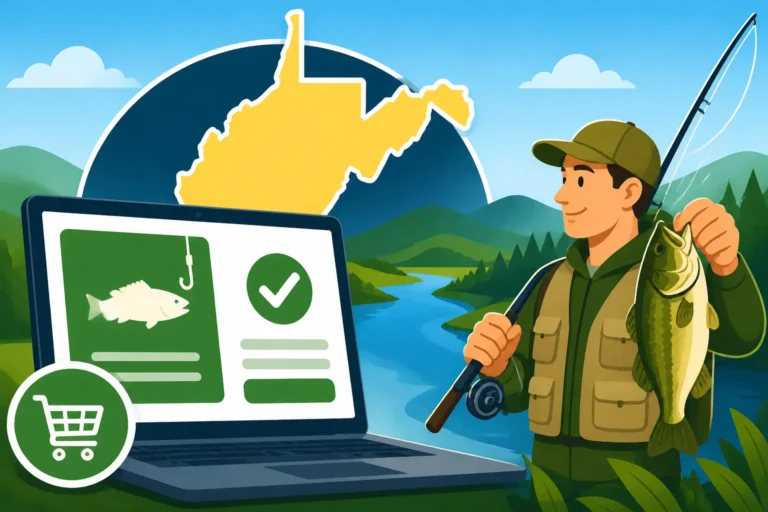
The most popular and often most convenient way to purchase your West Virginia fishing license and trout stamp is online through the WVDNR's licensing system, WVhunt.com. This platform is user-friendly and accessible 24/7, meaning you can buy your stamp right from your living room, even moments before heading out the door for an impromptu fishing trip. When you visit WVhunt.com, you'll first select your general fishing license (typically the Class B Resident Annual Fishing License), and then you'll have the option to add the Class 1 Resident Trout Stamp to your cart. The website walks you through the process step-by-step, making it pretty foolproof.
Once purchased, you'll receive a confirmation, and you can print your license and stamp at home, or save a digital copy on your phone. West Virginia regulations now allow for Printing or Carrying a Digital Fishing License in West Virginia, which is a fantastic convenience for anglers who prefer to go paperless. This digital option means you can have your license readily available on your smartphone, saving you from worrying about lost paper copies or water damage. The online system truly streamlines the entire process, making it simple to get all your necessary permits in one go. If you're new to the online portal, our guide on Where and How to Buy a West Virginia Fishing License can walk you through the specifics.
Local Vendors: The In-Person Experience
For those who prefer a more traditional approach, or who might need some in-person assistance, West Virginia also offers numerous authorized license agents throughout the state. These vendors include many sporting goods stores, bait and tackle shops, county clerk offices, and even some convenient stores. These local spots are often invaluable resources, not only for purchasing your trout stamp but also for getting up-to-the-minute fishing reports, local advice, and essential gear. Sometimes, it's just nice to chat with a fellow angler behind the counter who knows the local waters and can point you in the right direction.
When you go to a local vendor, simply let them know you need a Resident Annual Fishing License (Class B) and the Class 1 Resident Trout Stamp. They'll process the transaction for you, and you'll walk out with a physical copy of your license and stamp. It's a quick and easy process, and it supports local businesses, which is a win-win. Whether you choose online or in-person, ensure you have a valid form of identification and proof of West Virginia residency, if requested, to complete your purchase smoothly.
Beyond the Trout Stamp: Other Necessary Licenses for West Virginia Anglers
While the resident trout stamp is the star of our show today, it's essential to understand that it's just one piece of the puzzle. Most anglers will need a few other items to ensure they're fully compliant with West Virginia fishing regulations. Don't let these additional requirements catch you off guard; they're all part of supporting our incredible natural resources. For a complete overview, you might want to review our comprehensive West Virginia Fishing License Guide for 2026.
The Base Resident Fishing License: Class B
Before you can even think about adding a trout stamp, almost every West Virginia resident angler (with a few age-related exceptions) will need a base fishing license. For residents, this is typically the Class B Resident Annual Fishing License. This license is your fundamental permission slip to fish in West Virginia's waters for most species, in most locations. As of current information, the Class B license itself generally costs around $23, separate from the trout stamp. So, when you combine the two, you're looking at a total of approximately $46 for a resident annual fishing license with a trout stamp.
This base license covers everything from bass in Summersville Lake to catfish in the Ohio River. It's the foundation upon which all other specialized stamps or permits are built. Understanding that the trout stamp is an add-on to this primary license is key. You can't just buy the trout stamp and expect to be fully legal; you must have the Class B license first. Our guide on How Much Does a West Virginia Fishing License Cost provides a detailed breakdown of all the different license types and their prices, so you can pick the one that best suits your fishing style.
The Mandatory Conservation Stamp Explained
Ah, the conservation stamp – another common point of confusion for anglers! Many folks wonder if they need a conservation stamp in addition to their fishing license and trout stamp. The answer, for most adult resident anglers, is a resounding yes. The Class CS Conservation Stamp is a mandatory requirement for almost anyone purchasing a hunting or fishing license in West Virginia. The funds generated by this stamp are dedicated to vital conservation programs across the state, including habitat restoration, wildlife management, and outdoor education initiatives.
The conservation stamp is usually a small additional fee, currently around $5. This fee is automatically added when you purchase your Class B fishing license (and subsequent trout stamp) online or at a local vendor. There are very few exemptions for the conservation stamp, generally only applying to certain lifetime license holders, specific age groups, or disabled veterans. So, when you're calculating your total cost, remember to factor in that small but incredibly important conservation stamp. It's an investment in keeping West Virginia wild and wonderful for generations to come. To truly grasp its importance, check out West Virginia's Conservation Stamp, Explained.
Considering Combination Licenses for Added Value
If you're an avid outdoors enthusiast who enjoys both fishing and hunting, West Virginia offers combination licenses that can provide excellent value and simplify your licensing process. These "combo" licenses bundle your general fishing and hunting privileges into a single permit, often at a slightly reduced overall cost compared to buying each separately. For example, a resident might purchase a Class X Resident Sportsman's License, which includes annual hunting, fishing, and trapping privileges.
While these combination licenses streamline the base permits, remember that specialized stamps like the Class 1 Resident Trout Stamp are often still separate add-ons. So, if you buy a combo license, you'll still need to add that $23 trout stamp if you plan to fish for trout in designated waters. However, it's worth exploring these options if you participate in multiple outdoor activities, as they can save you time and a little bit of money in the long run. Always review the specifics of each combination license on WVhunt.com or with a WVDNR representative to ensure it covers all your intended activities.
Making the Most of Your Trout Fishing Experience
Getting the trout stamp is just the first step. To truly enjoy West Virginia's incredible trout fishing, a little planning and the right gear can make all the difference.
Planning Around Stocking Schedules
One of the best strategies for successful trout fishing in West Virginia is to keep an eye on the WVDNR's stocking schedule. The state's trout program is heavily reliant on regular stockings, especially during the spring and fall seasons. While wild trout thrive in many of our pristine mountain streams, stocked trout provide widespread opportunities for anglers of all skill levels. Knowing when and where the trucks are heading can dramatically increase your chances of a great day on the water.
The WVDNR typically provides stocking schedules online and through a dedicated hotline. You can find out which specific streams and lakes are receiving fresh batches of rainbow, brown, and golden rainbow trout. Planning your trip for a day or two after a stocking event can lead to some fantastic action, as the fish are often actively feeding and less wary. Just be prepared for crowds, especially on popular opening days! Our guide on West Virginia Trout Season and Stocking Rules provides more insight into this, along with links to where you can find the most up-to-date information.
Essential Gear for West Virginia Trout Waters
Having the correct gear doesn't have to break the bank, but it certainly enhances the experience. For most stocked trout waters, a simple spinning rod and reel combo with light line (4-6 lb test) will suffice. You'll want an assortment of small hooks, split shots, and swivels. Baits like PowerBait, corn, or small worms are classic trout getters, especially for freshly stocked fish. Small inline spinners and spoons can also be incredibly effective. If you're into fly fishing, a 4 or 5-weight fly rod is a versatile choice for most West Virginia trout streams, paired with a selection of nymphs, dry flies, and streamers.
Don't forget the essentials beyond the rod and reel: a small tackle box or bag to keep everything organized, a pair of fishing pliers for hook removal, and a net, especially if you plan on catch-and-release to minimize stress on the fish. A comfortable pair of wading boots or even waterproof hiking boots are a good idea if you plan to do any stream wading. For convenience, many of these items can be easily found and ordered online through retailers like Amazon, ensuring you're well-equipped before your trip. For more specific recommendations, our comprehensive guide on the Best Gear for West Virginia Trout Fishing can help you choose what's right for you. Remember, good preparation ensures less stress and more fish!
Disclaimer
The information provided in this guide is for general informational purposes only and is subject to change. Fishing regulations, license costs, and stocking schedules are determined by the West Virginia Division of Natural Resources and can be updated annually or more frequently. Always consult the official West Virginia DNR website or the most current West Virginia Fishing Regulations Summary for the most accurate and up-to-date information before engaging in any fishing activities.