Where and How to Buy a West Virginia Fishing License
Trying to figure out where and how to get your West Virginia fishing license can feel like navigating a winding mountain road without a map. It's easy to get confused by all the options, requirements, and locations, which can honestly dampen the excitement of planning your next fishing adventure. This comprehensive guide is designed to cut through the confusion, clearly outlining every step and option available to you, ensuring you can secure your license smoothly and get back to what you love – fishing the beautiful waters of the Mountain State.
Understanding West Virginia's Fishing License Requirements
Before you even think about buying a license, it's crucial to understand who actually needs one and what specific types of permits are out there. Trust me, the last thing you want is to be caught on the water without the proper documentation. It's not just about avoiding a fine; it's about contributing to the conservation efforts that keep West Virginia's fisheries thriving for everyone to enjoy.
Who Needs a License and When
The general rule of thumb in West Virginia is that if you're 15 years old or older, you need a fishing license to legally fish in public waters. This applies whether you're a resident casting a line in your local pond or a visitor hoping to experience the world-class smallmouth bass fishing on the New River. There are, however, some nuances to this rule that can sometimes catch people by surprise, so it's worth diving into the specifics.
For instance, children under the age of 15 are generally exempt from needing a fishing license in West Virginia. This is a fantastic initiative to encourage younger generations to get out and enjoy the outdoors, fostering a love for fishing from an early age. Imagine a peaceful afternoon, teaching a grandchild or a young neighbor how to cast, knowing they don't need a formal license yet. You can learn more about these specifics in our guide: Do Kids Need a Fishing License in West Virginia?. Additionally, some specific exemptions exist for landowners fishing on their own property, or for certain educational events. It's always best to check the latest regulations to ensure you're covered, as these rules can occasionally be updated by the West Virginia Division of Natural Resources (WVDNR).
Another critical factor is residency. What defines a "resident" for licensing purposes isn't always as straightforward as just owning property here. Generally, to qualify for a resident license, you must have resided in West Virginia for at least 30 consecutive days immediately prior to applying for the license, with the intention of making West Virginia your permanent home. This often requires proof of residency, like a valid West Virginia driver's license or state ID. If you're an out-of-state college student or active military, there might be special provisions, so it's always wise to clarify your specific situation. Our detailed article on West Virginia Fishing License Age Requirements provides more insights into who falls into which category.
Different Types of Licenses Available
West Virginia offers a variety of fishing licenses to suit different needs, whether you're a lifelong angler or just visiting for a weekend. Understanding these options is key to ensuring you get the most appropriate and cost-effective license for your fishing plans. You don't want to overpay for something you don't need, but you definitely don't want to find yourself under-licensed when a conservation officer checks your credentials.
The most common option for residents is the annual Class B resident fishing license. This covers a full calendar year, giving you access to all the state's fishing opportunities without needing to worry about expiry dates mid-season. For non-residents, the Class F nonresident annual fishing license is the equivalent, though it naturally comes with a higher price tag. If you're truly dedicated to the sport and plan to fish for many years to come, a West Virginia Lifetime Fishing License Cost might be a consideration, offering long-term convenience and potentially savings in the long run.
Beyond annual licenses, there are also shorter-term options for non-residents, like the 1-day, 3-day, or even 7-day permits. These are perfect if you're just passing through or planning a short fishing trip to specific destinations like the New River Gorge. It saves you from having to buy a full annual license when your time in the state is limited. Additionally, West Virginia offers special licenses for seniors, disabled individuals, and veterans, often at reduced rates or even free in some cases, recognizing their contributions or unique circumstances. Our comprehensive West Virginia Fishing License Guide for 2026 breaks down all these options in detail, including how much each one typically costs, which is crucial for budgeting your fishing adventures.
Necessary Stamps and Permits
Just having a basic fishing license might not be enough for all your fishing endeavors in West Virginia. The state has additional stamps and permits that are required depending on what and where you plan to fish, particularly if you're chasing after the state's prized trout. These extra endorsements play a vital role in funding specific conservation programs, so understanding them is just as important as knowing your basic license requirements.
The most common additional permit is the West Virginia Trout Stamp. If you plan on fishing for trout in designated trout waters, or if you're participating in the state's fantastic stocking program, you absolutely need this stamp, regardless of whether you intend to keep your catch or practice catch and release. This stamp directly supports the WVDNR's efforts to stock millions of trout across the state annually, ensuring robust opportunities for anglers. You can dive deeper into these rules with our guide on Trout Stamps and Trout Fishing Rules in West Virginia. It's a small additional cost that makes a big difference in maintaining our beautiful trout streams and lakes.
Another important endorsement is the West Virginia Conservation Stamp. This stamp is generally required for all licensed anglers and hunters, both resident and non-resident, with some limited exemptions for specific license types or age groups. The funds generated from the conservation stamp are critical for a wide range of wildlife management activities, habitat restoration projects, and outdoor recreational access improvements across the state. Think of it as a small investment in the overall health and accessibility of West Virginia's natural resources. It’s a foundational piece of your licensing, ensuring that the natural beauty you enjoy today will be there for future generations. For a complete understanding of its role and who needs it, check out West Virginia's Conservation Stamp, Explained.
Buying Your West Virginia Fishing License Online: The Easiest Way
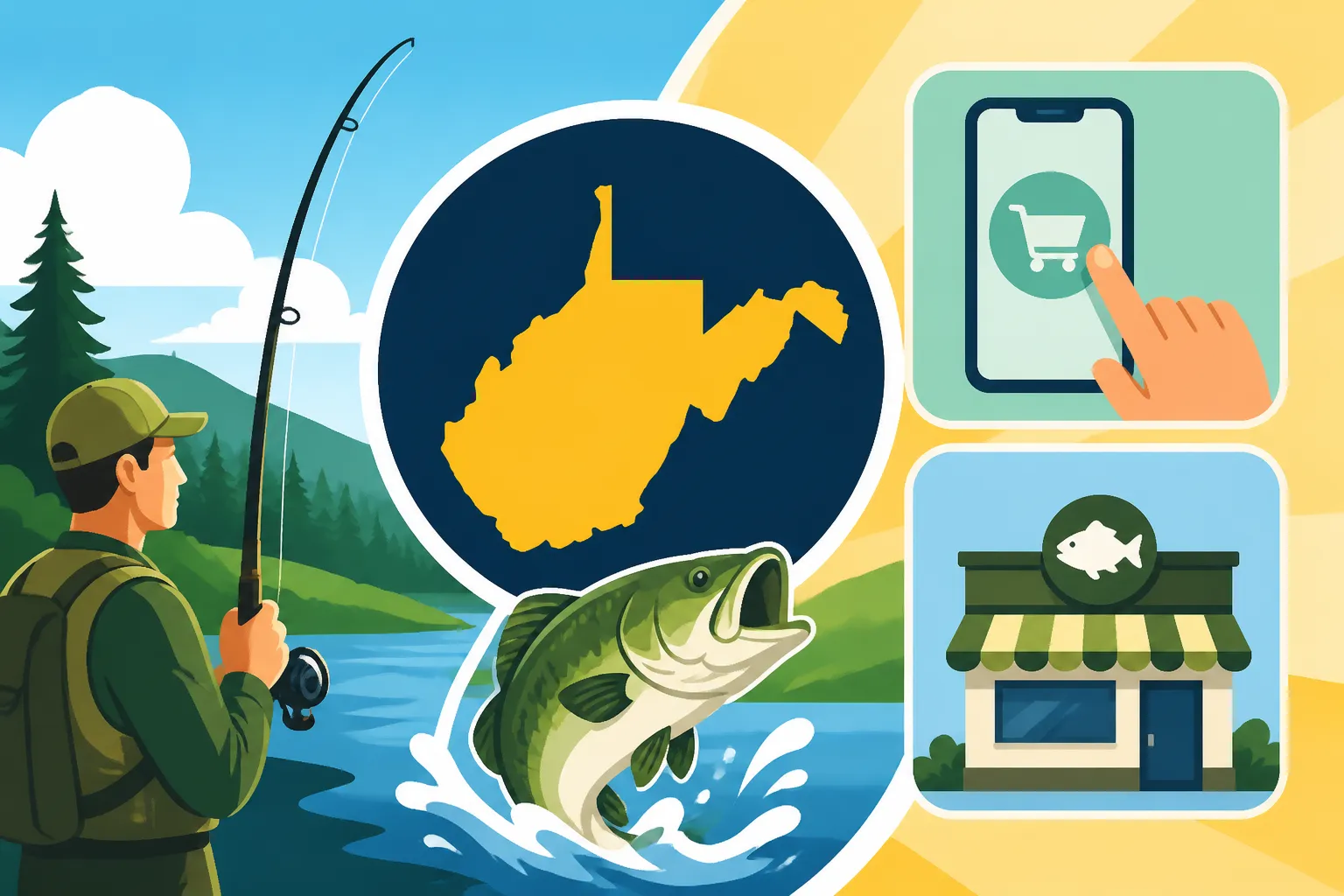
Let's be honest, in today's digital age, who wants to drive around looking for a physical store when you can handle things from the comfort of your couch? Buying your West Virginia fishing license online is hands down the most convenient and efficient method. The WVDNR has made significant strides in streamlining this process, making it incredibly user-friendly.
Navigating WVhunt.com
The official online portal for purchasing hunting and fishing licenses in West Virginia is WVhunt.com. This website is your primary destination for securing most types of licenses and permits. It's designed to be straightforward, even for those who might not be the most tech-savvy. The process typically starts with creating an account or logging into an existing one. This account acts as your central hub for all WVDNR-related permits, allowing you to track your purchases, reprint licenses, and manage your profile.
Once logged in, you'll be guided through a series of clear prompts. You'll need to confirm your residency status, select the type of fishing license you need (annual, short-term, combination, etc.), and add any necessary stamps like the trout stamp or conservation stamp. The system is pretty good at flagging if you've missed a required stamp based on your selections, which is a helpful safety net. You'll then proceed to a secure payment gateway where you can use a credit or debit card to complete your purchase. For a detailed walkthrough of this exact process, our guide on How to Buy a Fishing License on WVhunt.com is an invaluable resource. The whole transaction usually takes just a few minutes, meaning you can go from "I need a license" to "I'm ready to fish!" in record time.
After your purchase is complete, you'll receive a confirmation email, often with a printable copy of your license attached. It’s a good practice to print this out, especially if you prefer a physical copy or are heading to an area with spotty cell service. This online system removes the guesswork and the hassle of physical forms, allowing you to secure your fishing rights 24/7, from anywhere with an internet connection.
Using the WVhunt Mobile App
For those who live and breathe by their smartphone, the WVhunt mobile app takes convenience to an entirely new level. Available for both iOS and Android devices, this app allows you to purchase licenses directly from your phone and, perhaps most importantly, store a digital copy of your license right there on your device. This means no more fumbling for a crumpled paper license or worrying if you left it on the kitchen counter.
The app's interface is intuitive, mirroring the experience of the WVhunt.com website but optimized for mobile use. You can easily log into your account, browse available licenses, make purchases, and have your license immediately accessible. Many anglers find the digital license feature invaluable, especially when out on the water. Imagine you're deep in the wilderness, miles from civilization, and a conservation officer approaches. Instead of digging through your wallet or tackle box, a quick tap on your phone screen reveals your valid license. This kind of seamless access makes the WVhunt app a real game-changer for modern anglers.
While the app provides incredible convenience, it’s still wise to consider having a backup. For example, if your phone battery dies or you accidentally drop it in the river (heaven forbid!), having a printed copy back at camp or in your vehicle can save you from a potential citation. The app is a fantastic primary method for carrying your license, but remember that technology can sometimes have its limits in the wild. Our dedicated article on West Virginia fishing license on the WVhunt app offers tips and troubleshooting for using this powerful tool effectively.
Printing or Carrying a Digital License
One of the most common questions anglers have after purchasing their license online is whether a digital copy is truly sufficient, or if they still need to print a physical one. It’s a valid concern, as regulations around this can vary from state to state. Thankfully, West Virginia has embraced modern technology, offering flexibility while still ensuring compliance.
In West Virginia, you are generally permitted to carry a digital image of your valid fishing license and any required stamps on your smartphone or other electronic device. This is fantastic news for those who prefer to keep their wallet light and paper-free. The key here is "valid" – make sure the image is clear, legible, and represents an active license. It's not enough to show a screenshot of your purchase receipt; it needs to be the actual license document issued by the WVDNR. This acceptance of digital licenses is a huge convenience, making it easier than ever to ensure you're compliant when a conservation officer asks to see your credentials.
However, despite the convenience of digital copies, many seasoned anglers still choose to print a physical copy of their license. Why? Primarily for peace of mind. As mentioned, phone batteries die, screens crack, and sometimes, in remote areas, cell service is non-existent, making it impossible to pull up an emailed document. Having a laminated physical copy tucked into your tackle box or wallet provides a reliable backup that isn't dependent on electronics. It’s also often easier for conservation officers to quickly scan a physical copy, especially in challenging weather conditions or low light. You can learn more about the accepted methods in our guide: Printing or Carrying a Digital Fishing License in West Virginia. Ultimately, the choice is yours, but a combination of both often offers the best of both worlds.
In-Person Purchase Options: Traditional and Local
While buying online is incredibly convenient, there's something to be said for the traditional method of purchasing your fishing license in person. It offers an opportunity to chat with local experts, grab some last-minute bait, or simply enjoy the ritual of preparing for your trip. For some, especially those in areas with limited internet access, it remains the primary and most reliable option.
Authorized License Agents and Retailers
West Virginia has a vast network of authorized license agents spread across the state. These are typically local businesses that have partnered with the WVDNR to sell licenses on their behalf. Think of your local sporting goods store, bait and tackle shop, hardware store, or even some larger department stores like Walmart or Kmart. These agents are a backbone of the local fishing community, often staffed by knowledgeable individuals who can offer advice on local conditions, hot spots, or the best bait for the season.
Purchasing from an agent offers a direct, human interaction that the online system can't replicate. You can ask questions, clarify confusing regulations, and sometimes even hear a good fishing story or two. It’s also a great way to support local businesses, which often rely on the patronage of anglers and hunters. Before heading out, a quick search for "West Virginia fishing license vendors near me" can help you locate the closest authorized agent. Many of these locations also sell other essentials for your trip, like bait, lures, snacks, and even gas, making it a convenient one-stop shop before you hit the water.
When you go to an authorized agent, they'll typically use a computer terminal connected to the WVDNR's licensing system. They'll ask for your personal information, residency proof, and the type of license and stamps you need. The system will then print out your official license on the spot. This instant gratification is a huge plus, as you walk out with a tangible, ready-to-use license in hand. For a more comprehensive listing, the WVDNR also provides a "West Virginia DNR license agent list" on their website, which can be helpful if you're planning a trip to an unfamiliar part of the state.
West Virginia DNR Offices
Another reliable option for purchasing your fishing license in person is to visit one of the West Virginia Division of Natural Resources (WVDNR) district offices. While there are fewer of these compared to the vast network of retail agents, WVDNR offices offer a direct line to the source, ensuring you get the most accurate information and assistance. These offices are staffed by WVDNR personnel who are experts in all things hunting and fishing within the state.
WVDNR offices are typically located in larger towns and cities and serve as administrative hubs for wildlife management. For example, you might find offices in Charleston, Elkins, Parkersburg, or Beckley. While their primary function is often broader than just selling licenses, they are fully equipped to assist you with your purchase. This option is particularly beneficial if you have complex questions about specific regulations, need clarification on residency, or require assistance with unique license types. The staff can guide you through the process, ensuring you understand every aspect of your license and any additional stamps.
Visiting a WVDNR office can also be a good idea if you're having trouble with the online system or if you need to resolve a unique licensing issue that a standard retail agent might not be equipped to handle. It's like going straight to the experts. Before you make the trip, though, it’s always a good idea to check their operating hours, as they often follow standard business hours and may not be open on weekends or holidays, unlike some retail agents.
What to Bring for In-Person Purchases
To ensure a smooth and hassle-free experience when purchasing your fishing license in person, it's essential to come prepared with the right documentation and payment. Nothing's more frustrating than getting to the counter, only to realize you've forgotten something critical and have to make another trip. A little preparation goes a long way here.
First and foremost, you'll need a valid form of identification. For residents, this typically means a West Virginia driver's license or a state-issued ID card. This is crucial for verifying your identity and, more importantly, your residency status. If you're a non-resident, a valid driver's license from your home state is usually sufficient. Remember, the distinction between resident and non-resident licenses is significant in terms of cost and sometimes even available options. If you're claiming a special residency status (like active military from out of state), you might need additional documentation to prove that.
Beyond identification, be ready with your preferred method of payment. Most authorized agents and WVDNR offices accept cash, credit cards (Visa, Mastercard, Discover, American Express), and often debit cards. It’s always a good idea to have a backup payment method, just in case there’s an issue with one. Lastly, if you're renewing a license or have an existing WVDNR customer ID number, having that readily available can speed up the process considerably, as it allows the agent to quickly pull up your existing profile. A little forethought ensures you spend less time at the counter and more time planning your trip to the water.
Special Circumstances and Discounts
West Virginia recognizes that not all anglers fit into a single category. To ensure fishing remains accessible and to honor certain groups, the state offers various special circumstances, discounts, and exemptions for fishing licenses. These programs are incredibly valuable and can provide significant savings or opportunities for those who qualify.
Free and Discounted License Eligibility
West Virginia is committed to making fishing accessible to a wide array of its citizens, especially those who might face unique circumstances or have served our nation. This commitment is reflected in the various free and discounted fishing license options available. For example, specific age groups often qualify for reduced rates or even exemptions. Seniors, particularly those who have been long-time residents, can often avail themselves of discounted or lifetime senior licenses, providing them with continued access to fishing opportunities without the burden of annual renewals. You can find precise details in the West Virginia Senior Fishing License Rules by Birth Year article.
Beyond age, West Virginia also extends significant consideration to disabled veterans and former prisoners of war (POWs). Those who are 100% disabled veterans or former POWs may be eligible for a free fishing license, a small token of gratitude for their immense sacrifice. This exemption is not just about cost savings; it's about acknowledging their service and ensuring they can enjoy the restorative power of the outdoors. Furthermore, anglers who are legally blind may also qualify for a fishing license exemption, removing barriers to participation. It's crucial to understand the specific criteria and documentation required for these exemptions, as they often involve submitting proof of status to the WVDNR. Our guides like Disabled Veteran and POW Fishing License Exemptions in West Virginia and Blind Angler Fishing License Exemption in West Virginia provide comprehensive information on eligibility and application procedures.
It's truly heartening to see these provisions in place, ensuring that financial or physical barriers don't prevent deserving individuals from experiencing the joy of West Virginia's abundant waters. Always remember to check the most current WVDNR regulations, as eligibility requirements and available programs can sometimes be updated. The WVDNR website is the best place for the most up-to-date details on all Free and Discounted Fishing License Options in West Virginia.
Non-Resident Short-Term Options
If you're visiting West Virginia from out of state and only plan on a short fishing excursion, buying a full annual non-resident license might feel like an unnecessary expense. Thankfully, the WVDNR offers convenient short-term fishing permits specifically designed for visitors. These permits provide flexibility and cost-efficiency for those who won't be in the Mountain State for an extended period, allowing you to enjoy a taste of West Virginia's incredible fishing without a year-long commitment.
The most popular options for non-residents include the 1-day, 3-day, and 7-day fishing permits. These are perfect if you're planning a quick weekend trip to a specific lake or river, or if you're just passing through and want to wet a line for a day or two. For example, if you're heading to the New River Gorge for some whitewater rafting and want to spend an extra day chasing smallmouth bass, a 1-day or 3-day permit is ideal. It covers your legal fishing requirements for the specified period, letting you focus on the fishing rather than license worries. These short-term licenses are generally available through WVhunt.com and at authorized license agents across the state, making them easy to acquire on short notice.
While these permits are convenient, it's essential to plan your trip dates carefully. The permit is valid for consecutive days, starting from the date you specify at the time of purchase. You can't, for instance, buy a 3-day permit and use it on Monday, then skip Tuesday, and use the remaining two days on Wednesday and Thursday. It's a continuous block of time. Our guide on West Virginia 1-Day and 3-Day Nonresident Fishing Permits offers a detailed breakdown of costs and how to make the most of these flexible options, ensuring your brief visit is filled with angling success.
Combination Licenses (Hunting and Fishing)
For those who enjoy both the thrill of fishing and the pursuit of game animals, West Virginia offers a practical and often economical solution: combination licenses. These permits merge your hunting and fishing privileges into a single document, simplifying your licensing needs and often providing a cost-saving benefit compared to purchasing separate licenses for each activity. It's a fantastic option for the true outdoors enthusiast who loves to experience all aspects of West Virginia's rich natural heritage.
The primary combination license for residents is typically a Class A+B, which includes the annual resident hunting and fishing privileges. Non-residents can also avail themselves of a combination hunting and fishing license, though the specific class and cost will differ. These licenses usually include the necessary conservation stamp, streamlining your purchase even further. Imagine the convenience: one piece of paper (or one digital file on your phone) covers you whether you're stalking deer in the Monongahela National Forest or casting for trout in a mountain stream. It eliminates the need to keep track of multiple licenses and ensures you're covered for a wide range of outdoor adventures throughout the year.
The main advantage, besides convenience, is often the consolidated cost. While you're still paying for both privileges, the bundled price can sometimes be less than buying individual hunting and fishing licenses separately. This makes combination licenses an attractive option for dedicated sportsmen and women. When considering a combination license, make sure to review all the specific regulations for both hunting and fishing, as acquiring the combination license doesn't exempt you from adherence to all the rules for each activity. Our article on West Virginia Combination Hunting and Fishing License Options can provide a detailed comparison and help you determine if this integrated approach is the right fit for your outdoor lifestyle.
Common Pitfalls and Troubleshooting
Even with the most straightforward systems, issues can arise. Knowing how to navigate common problems related to your fishing license can save you a lot of headache and ensure you stay on the right side of the law. Nobody wants a fishing trip ruined by a technicality!
Residency Verification Issues
One of the most frequent hurdles anglers encounter, especially when trying to get a resident license, is proving their residency. West Virginia, like most states, has clear definitions for what constitutes a "resident" for licensing purposes, and these aren't always intuitively obvious. If your residency status isn't clear-cut, or if you've recently moved, you might run into issues.
The WVDNR generally requires individuals to have resided in West Virginia for at least 30 consecutive days immediately prior to applying for a resident license, with the intention of making the state their permanent home. This means you can't just rent a cabin for a month, buy a resident license, and then leave. Proof of residency often involves showing a valid West Virginia driver's license, a state-issued ID card, or other official documents that demonstrate your continuous physical presence and intent to reside in the state. If your driver's license still shows an out-of-state address, you'll almost certainly be denied a resident license until you update your official identification.
Hypothetically, imagine you're an out-of-state student attending West Virginia University in Morgantown, and you want to purchase a resident license. While you live in the state for most of the year, your legal domicile might still be your home state. In such cases, you might need to provide additional documentation, like a current student ID, utility bills in your name, or a lease agreement, to convince the WVDNR of your temporary or intent-to-reside status. It’s always best to be prepared with as much official documentation as possible. For detailed specifics on what the WVDNR considers valid proof, consult the West Virginia residency requirements for a fishing license to ensure you meet all the necessary criteria before attempting to purchase.
Lost or Damaged Licenses
It happens to the best of us: you're out on the water, excited for a day of fishing, and suddenly realize your license is gone. Maybe it blew out of your boat, slipped out of your pocket, or got soaked and is now illegible. A lost or damaged fishing license can be a real moment of panic, but thankfully, West Virginia has a clear process for replacing them. You don't want to risk a penalty for Fishing Without a License in West Virginia: Penalties just because your original went missing.
If your fishing license is lost, stolen, or damaged, you can usually obtain a replacement. The easiest way to do this is often through the WVhunt.com online portal or the WVhunt mobile app. Since your purchase is tied to your account, you can typically log in and find an option to print a duplicate copy for a nominal fee. This method is quick and convenient, allowing you to get a new license in hand (or on your phone) often within minutes, meaning minimal disruption to your fishing plans.
Alternatively, you can also visit an authorized license agent or a WVDNR office to request a replacement in person. They can access your purchasing history through the WVDNR system and issue a new copy. While there might be a small processing fee for replacements, it's a small price to pay for compliance and peace of mind. It’s always a good idea to keep a digital copy on your phone and a physical backup in a safe place at home, just to minimize the chances of needing a replacement. Our guide on Replacing a lost West Virginia fishing license covers the step-by-step process and any associated fees, making it easy to get back on track.
Penalties for Fishing Without a License
It might seem like a minor oversight, but fishing without a valid West Virginia fishing license (and any required stamps) is a serious offense that can lead to significant penalties. Conservation officers are regularly patrolling the state's waters, ensuring that anglers are compliant, and ignorance of the law is generally not considered an excuse. The WVDNR takes its regulations seriously because the funds from licenses and stamps are vital for maintaining and improving the state's fisheries and wildlife resources.
The penalties for fishing without a license can vary depending on the specific circumstances, but they typically involve a substantial fine. This fine can be considerably higher than the cost of the license itself, making the risk simply not worth it. In addition to monetary penalties, offenders may also face additional consequences such as having their fishing equipment confiscated or, in more severe or repeat cases, losing their fishing privileges for a period of time. Imagine having your favorite rod and reel taken away, or being banned from fishing the New River for a year – it's a harsh reality that can quickly turn a fun day into a costly nightmare.
It's also important to remember that these penalties apply not only to the basic fishing license but also to any required stamps, such as the West Virginia Trout Stamp or the Conservation Stamp. If you're fishing in trout-stocked waters without the appropriate trout stamp, you could still be cited, even if you have a valid general fishing license. The moral of the story is simple: always double-check that you have all the necessary and valid permits before you cast a line. Our detailed article on Fishing Without a License in West Virginia: Penalties outlines the potential consequences and reinforces the importance of always being properly licensed.
Planning Your Fishing Trip: Beyond the License
Once you've secured your West Virginia fishing license, you've tackled the most crucial administrative step. But getting your license is just the beginning of planning a successful and enjoyable fishing trip. The Mountain State offers an incredible diversity of fishing experiences, and a little extra preparation can make all the difference between a good day and a truly unforgettable one.
Reviewing Regulations and Summaries
Having your license in hand doesn't mean you're free to fish however and wherever you please. West Virginia has a comprehensive set of fishing regulations designed to protect fish populations, manage different species, and ensure fair sport for everyone. These regulations cover everything from daily creel limits and possession limits to length restrictions, seasonal closures, and specific rules for certain bodies of water. Ignorance of these rules is no excuse, and conservation officers will expect you to be familiar with them.
The West Virginia Fishing Regulations Summary is your go-to document for understanding these rules. It's published annually by the WVDNR and is available online as a PDF, usually on WVhunt.com, and in print at most authorized license agents. It's a dense document, but it's essential reading. Pay close attention to sections on species you plan to target, as limits can vary greatly (e.g., trout vs. smallmouth bass). Also, be aware of special regulation waters, which might have unique rules like catch-and-release only, artificial lures only, or specific slot limits. For instance, the New River Gorge has a special slot limit for smallmouth bass. Our detailed guide on West Virginia Fishing Regulations Explained can help you navigate these complexities, and specifically, Reading the West Virginia Fishing Regulations Summary can teach you how to efficiently extract the information you need. Don't just skim it; really understand the rules for your chosen fishing spot.
Exploring Fishing Hotspots
With your license and a solid understanding of the regulations, the next exciting step is deciding where to cast your line! West Virginia boasts an incredible variety of fishing opportunities, from serene mountain streams brimming with native brook trout to vast lakes teeming with bass, walleye, and muskie, and powerful rivers famous for their smallmouth bass. Deciding on a destination is half the fun of the trip itself.
Consider what kind of fishing experience you're looking for. Are you hoping for a peaceful day fly fishing a secluded trout stream like the Cranberry River? Or are you aiming for a trophy muskie on the Little Kanawha River? Maybe a family outing to a lake stocked with panfish is more your style? West Virginia has it all. Popular destinations include Summersville Lake for diverse species, the New River for world-class smallmouth bass, and countless smaller rivers and streams for trout. Researching these spots can help you narrow down your choices.
Websites, local bait shops, and even online fishing forums are excellent resources for current conditions, recent catches, and specific access points. Local knowledge is invaluable, so don't be afraid to ask around. If you're looking for a broad overview, our guides like Best Fishing Lakes in West Virginia and Best Fishing Rivers in West Virginia can give you a fantastic starting point, highlighting some of the state's premier angling destinations and what you can expect to catch there. Tailoring your location to your fishing goals will greatly increase your chances of a memorable and successful day on the water.
Essential Gear Considerations
Finally, with your license sorted and your destination picked, it’s time to think about your gear. While your fishing license is a legal requirement, having the right tackle is what truly prepares you for a successful day. You wouldn't show up to a fancy dinner in your pajamas, and similarly, you wouldn't go after a trophy muskie with an ultralight trout rod!
Your gear choices should align with the species you're targeting and the specific conditions of your chosen fishing spot. For instance, if you're heading to the New River for smallmouth bass, you'll want a medium-heavy spinning or baitcasting rod, durable line, and a selection of crankbaits, tubes, and jig heads. If trout fishing is your passion, a lighter rod, smaller lures or flies, and appropriate waders might be essential. Think about the basics: a suitable rod and reel combo, appropriate line, a variety of lures or baits, and a landing net.
Beyond the rod and reel, consider comfort and safety items. Sunscreen, a hat, polarized sunglasses, insect repellent, and plenty of water are often overlooked but crucial. If you'll be boating, remember to check West Virginia Boating Laws for Anglers and ensure you have all required safety equipment, including life jackets. Even something as simple as a well-stocked tackle box can make a huge difference. Don't forget a pair of pliers for hook removal and a measuring tape to ensure your catches meet legal length requirements. A little bit of planning in your gear selection will ensure you’re prepared for whatever the West Virginia waters throw your way.
Disclaimer
The information provided in this guide is for general informational purposes only and is subject to change. While we strive to keep the content up-to-date and accurate, fishing regulations and licensing requirements in West Virginia can be updated by the West Virginia Division of Natural Resources (WVDNR) at any time. It is always the responsibility of the individual angler to consult the official West Virginia Fishing Regulations Summary and the WVDNR website (wvhunt.com) for the most current and authoritative information before engaging in any fishing activities. Compliance with all state and federal laws and regulations is mandatory.