West Virginia bowfishing regulations for carp
There’s a unique thrill that comes with bowfishing, especially for tough, plentiful fish like carp in West Virginia. But let's be real, diving into a specialized fishing method often feels like navigating a legal minefield. You just want to know if you can hit the water, what you can shoot, and if you’ll get into hot water with the law. This guide is here to untangle the specific West Virginia bowfishing regulations for carp, making sure your next outing is both exciting and legal.
The Allure of Bowfishing for Carp in West Virginia
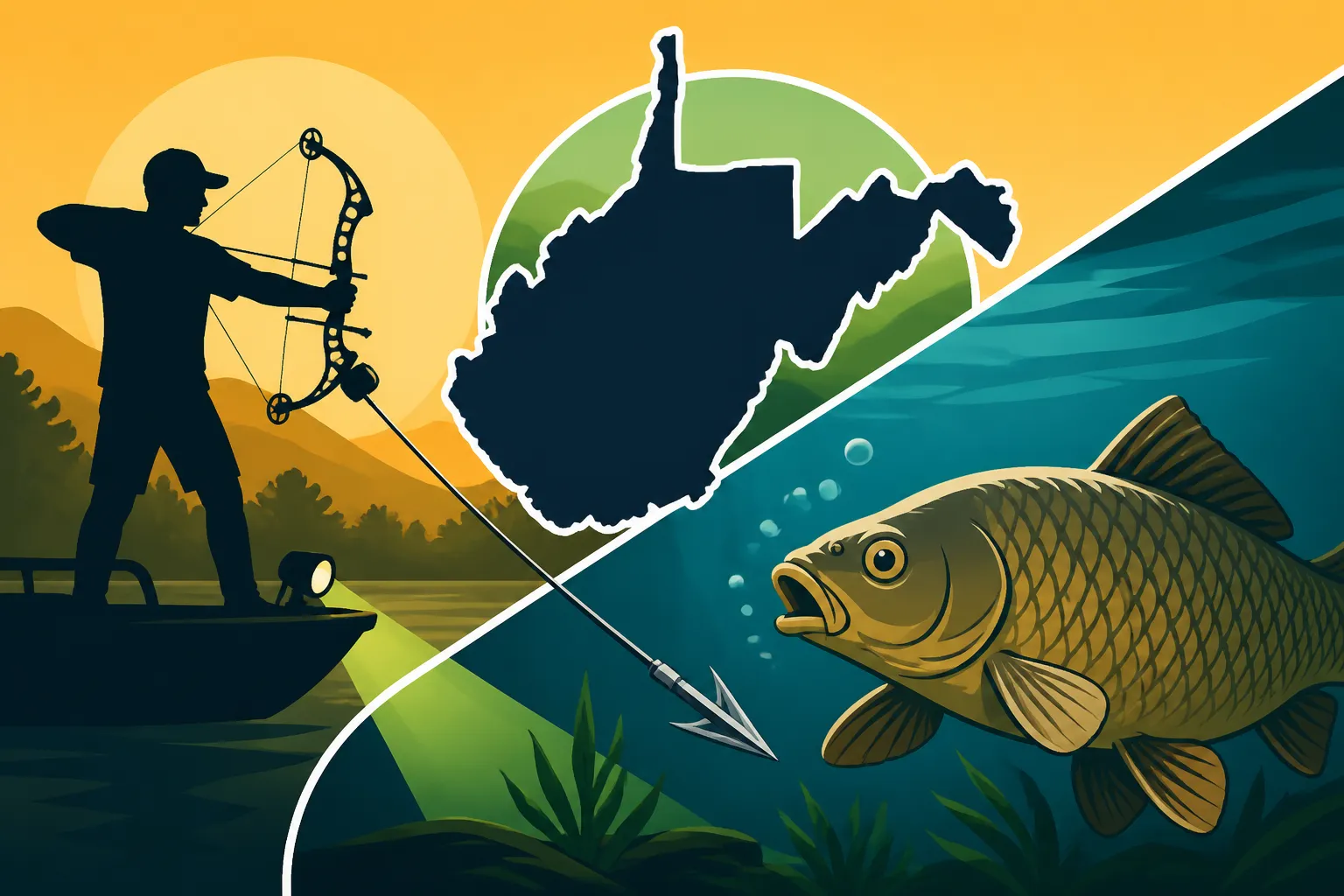
Bowfishing isn't your grandpa's quiet afternoon with a bobber. It's an active, engaging pursuit that combines elements of hunting and fishing, offering an adrenaline rush as you stalk your prey and unleash an arrow. For many, it's a fantastic way to enjoy the state's waterways from a different perspective, often targeting species that traditional anglers might overlook.
Why Carp are a Prime Target for Bowfishermen
Carp, particularly common carp, are often considered a nuisance in many West Virginia waterways. They're not native, they can stir up sediment, and they can compete with native species for food resources. This is where bowfishing truly shines. Unlike game fish that are often highly regulated for conservation, carp are generally fair game with minimal restrictions, making them an ideal and plentiful target for those looking to hone their bowfishing skills. Plus, they grow large and put up a good fight, offering a rewarding challenge for any archer on the water.
The Appeal of a Different Kind of Fishing
Beyond the ecological benefits of removing invasive species, bowfishing offers a distinct appeal. It's a visual hunt, requiring keen eyesight, quick reflexes, and a steady aim. You're not waiting for a bite; you're actively searching and shooting. This makes it a dynamic outdoor activity, especially appealing to those who enjoy archery or hunting and want to extend those skills to the aquatic environment. The combination of precision and power required to successfully land a carp with a bow and arrow is incredibly satisfying.
Essential Regulations and Licensing for West Virginia Bowfishing
Just like any other fishing activity in the Mountain State, bowfishing comes with its own set of rules. It’s critical to understand these regulations before you even think about stringing an arrow, because ignorance of the law is never an excuse. Getting caught on the wrong side of the rules can quickly turn a fun day into a costly headache, including fines or even losing your gear. If you're wondering, "Is West Virginia Bass Season Open Year-Round?" or "West Virginia Muskie Regulations in the Little Kanawha River," you know how important these details are!
Required Fishing Licenses for Bowfishing
No matter if you're casting a line or shooting an arrow, a valid West Virginia fishing license is your first step. Bowfishing falls under the general umbrella of fishing. So, if you're 15 years or older, you'll need to purchase the appropriate license for your residency status. For residents, this typically means a Class B resident fishing license or a Class X combination hunting and fishing license. Non-residents have options like the Class F nonresident fishing license or short-term permits. You can find detailed information on costs and types in the article on the West Virginia Fishing License Guide for 2026 or learn more about West Virginia Combination Hunting and Fishing License Options. Ensure you have it on your person, either digitally or a physical printout, whenever you’re out on the water.
Understanding Permitted Hours and Waters
West Virginia DNR allows bowfishing during both daylight and nighttime hours, which is fantastic for those who enjoy the quiet solitude of fishing after dark. However, there are specific limitations on where you can pursue your quarry. While many public waters are generally open to bowfishing, there are some notable exceptions:
- State Park Waters: Bowfishing is strictly prohibited in any West Virginia State Park lake or pond. These areas are managed for different recreational purposes and often have specific fishing regulations that don't include bowfishing.
- Federal Fish Hatcheries: Naturally, any federal fish hatchery waters are off-limits to bowfishing, as these are critical for fish production and conservation efforts.
- Designated Fly-Fishing Only Streams: West Virginia has several streams designated exclusively for fly-fishing. These areas are, of course, closed to bowfishing to maintain the integrity of that specific angling experience.
- Designated Catch-and-Release Only Waters: Similar to fly-fishing-only areas, waters designated for catch-and-release only are not open to bowfishing. The intent here is to protect fish populations by ensuring all fish caught are returned alive.
- Waters Closed by Federal or State Regulations: Always check the current West Virginia Fishing Regulations Summary for any additional localized closures or special regulations that might impact bowfishing. For instance, some areas might have temporary closures due to environmental factors or stocking efforts.
For night bowfishing, artificial lights are permitted, allowing you to illuminate the water and spot fish after sunset. This opens up entirely new opportunities, as carp often become more active in shallower waters after dark. Always double-check the latest regulations in the West Virginia Fishing Regulations Explained to ensure you're compliant.
Species-Specific Regulations for Bowfishing
One of the most common questions bowfishermen have is, "What can I actually shoot?" While carp are generally the main target, West Virginia allows for other species, but with crucial distinctions, especially concerning game fish. Understanding these differences is paramount to avoiding violations.
Legal Species for Bowfishing
The West Virginia Division of Natural Resources (DNR) clearly outlines the species that are legal for bowfishing. These are generally considered "rough fish" or "non-game fish," meaning they are not managed for traditional angling purposes in the same way as trout or bass. The list includes:
- Carp: This includes common carp, grass carp, and bighead carp. These are invasive species and are often encouraged to be removed from the ecosystem.
- Suckers: Various species of suckers are legal.
- Fallfish: These are a native minnow species but are fair game for bowfishing.
- Gar: Longnose gar are common in many of West Virginia's larger rivers and lakes.
- Buffalo: Including bigmouth and smallmouth buffalo, which are large, bottom-dwelling fish.
- Catfish: This is where it gets interesting! Unlike many states, West Virginia does allow bowfishing for Channel Catfish and Flathead Catfish. However, these are game fish, so specific daily creel and possession limits do apply. The statewide daily creel limit for each species is typically four, and possession limits follow the daily limit. For more on catfish limits, you might check out the West Virginia Catfish Daily Limit guide.
It's vital to be able to accurately identify your target species. Misidentifying a game fish as a legal rough fish can lead to serious penalties.
Prohibited Species and Why They Matter
Any fish not explicitly listed as legal for bowfishing is considered prohibited. This includes all other game fish, such as:
- Bass: Smallmouth bass, largemouth bass, and spotted bass. Learn more about West Virginia Black Bass Limits and the New River Slot Limit.
- Trout: Rainbow trout, brown trout, brook trout, and golden rainbow trout.
- Walleye and Sauger.
- Muskie and Pike.
- Crappie, Bluegill, Perch, and other panfish.
The reason for these prohibitions is clear: these species are actively managed by the WV DNR to ensure sustainable populations for recreational rod-and-reel anglers. Bowfishing for these species would undermine conservation efforts and impact traditional fishing opportunities. Therefore, precise identification of your target before you shoot is not just good practice, it's a legal requirement.
Here's a quick reference table for West Virginia bowfishing targets:
| Species Category | Legal for Bowfishing? | Notes & Regulations |
|---|---|---|
| Carp (Common, Grass, Bighead) | Yes | No daily creel or possession limits. Primary target. |
| Suckers | Yes | No daily creel or possession limits. |
| Fallfish | Yes | No daily creel or possession limits. |
| Gar | Yes | No daily creel or possession limits. |
| Buffalo | Yes | No daily creel or possession limits. |
| Channel Catfish | Yes | Daily creel limit: 4. Possession limit: 4. |
| Flathead Catfish | Yes | Daily creel limit: 4. Possession limit: 4. |
| All Other Game Fish | No | (e.g., Bass, Trout, Walleye, Muskie, Crappie, Bluegill) |
Equipment and Ethical Considerations for Bowfishing
Beyond the legalities, having the right gear and practicing responsible bowfishing ethics are key to a successful and enjoyable experience. Bowfishing requires specialized equipment that differs significantly from traditional archery or fishing gear, and understanding its use is crucial for both efficiency and safety.
Essential Bowfishing Gear
Your gear setup is critical for effective and safe bowfishing. Here’s what you’ll generally need:
- Bow: While any compound, recurve, or even crossbow can technically be used, many bowfishermen opt for older, simpler bows that can withstand the rigors of being near water. There are also specialized bowfishing bows designed for durability and ease of use with the added accessories.
- Bowfishing Reel: This isn't your standard fishing reel. Bowfishing reels are designed for quick line retrieval and to handle the heavy pull of a speared fish. They typically mount directly to your bow. Options range from simple hand-wind reels to specialized spincast reels, and even lever-action reels. You can find a good selection of these on sites like Amazon.
- Bowfishing Arrows: These are much heavier and stronger than hunting arrows. They feature a heavy-duty shaft, a specialized barbed point that holds the fish once struck, and no fletching (feathers or vanes) because they travel underwater. Crucially, they have an eyelet or hole at the back to attach your line.
- Line: You’ll need a strong, abrasion-resistant line, usually braided, specifically designed for bowfishing. It's typically in the 100-200 lb test range to handle powerful fish and submerged obstacles.
- Safety Slide: This is a vital safety component. The line from your reel must be attached to a safety slide on the arrow shaft, not directly to the nock end of the arrow. This ensures the line remains in front of your bow while shooting, preventing the arrow from snapping back if the line tangles or gets caught on the bow. A "bowfishing arrow safety slide" is something you should absolutely prioritize when buying equipment.
- Boat or Kayak (Optional but Recommended): While you can bowfish from the bank in some areas, a boat or kayak provides much better access to prime carp habitat. Make sure your vessel adheres to all West Virginia Boating Laws for Anglers, including life jacket requirements. For night fishing, a reliable light source is essential.
- Polarized Sunglasses: Even during daylight, polarized sunglasses can dramatically cut glare on the water, helping you spot fish lurking just below the surface.
- Headlamp or Boat Lights: For night bowfishing, proper illumination is non-negotiable. A powerful headlamp, easily found on Amazon, or robust boat lights will help you locate fish and navigate safely.
Responsible Bowfishing Practices
Being a responsible angler extends to bowfishing as well. This means not only following the law but also practicing good stewardship and common courtesy.
- Fish Disposal: Since carp are often targeted for removal, you need a plan for what to do with your catch. Many bowfishermen use carp for fertilizer, crab bait, or even for consumption (though opinions vary on the taste). Never leave dead fish on the bank or dispose of them improperly. This is unsightly, creates public health hazards, and gives bowfishing a bad name.
- Safety First: Always be aware of your surroundings. Treat your bowfishing setup like any other loaded firearm. Know what’s behind your target and ensure there are no people, homes, or other boats in your line of fire. Arrows can ricochet off water or underwater objects.
- Respect Other Anglers and Property Owners: If you’re bowfishing in an area popular with traditional anglers, maintain a respectful distance. Avoid disturbing their fishing spots. Similarly, be mindful of private property boundaries and obtain permission before accessing private lands or launching from private property. If you're on a multi-day trip, remember to check into West Virginia Night Fishing Rules to avoid any issues.
- Environmental Impact: While removing carp can be beneficial, always strive to minimize your overall impact on the environment. Don't leave trash, fishing line, or broken gear behind.
By adhering to these regulations and ethical practices, you can enjoy the unique challenge and excitement of bowfishing for carp in West Virginia, contributing to both your enjoyment and the health of the local waterways.
Disclaimer
Please remember that fishing regulations can change. While I strive to provide the most up-to-date information, it is always your responsibility to consult the official West Virginia Division of Natural Resources (WV DNR) fishing regulations guide before heading out on the water. This guide is for informational purposes only and should not be considered legal advice.