Operating a Boat Near an Angler in West Virginia
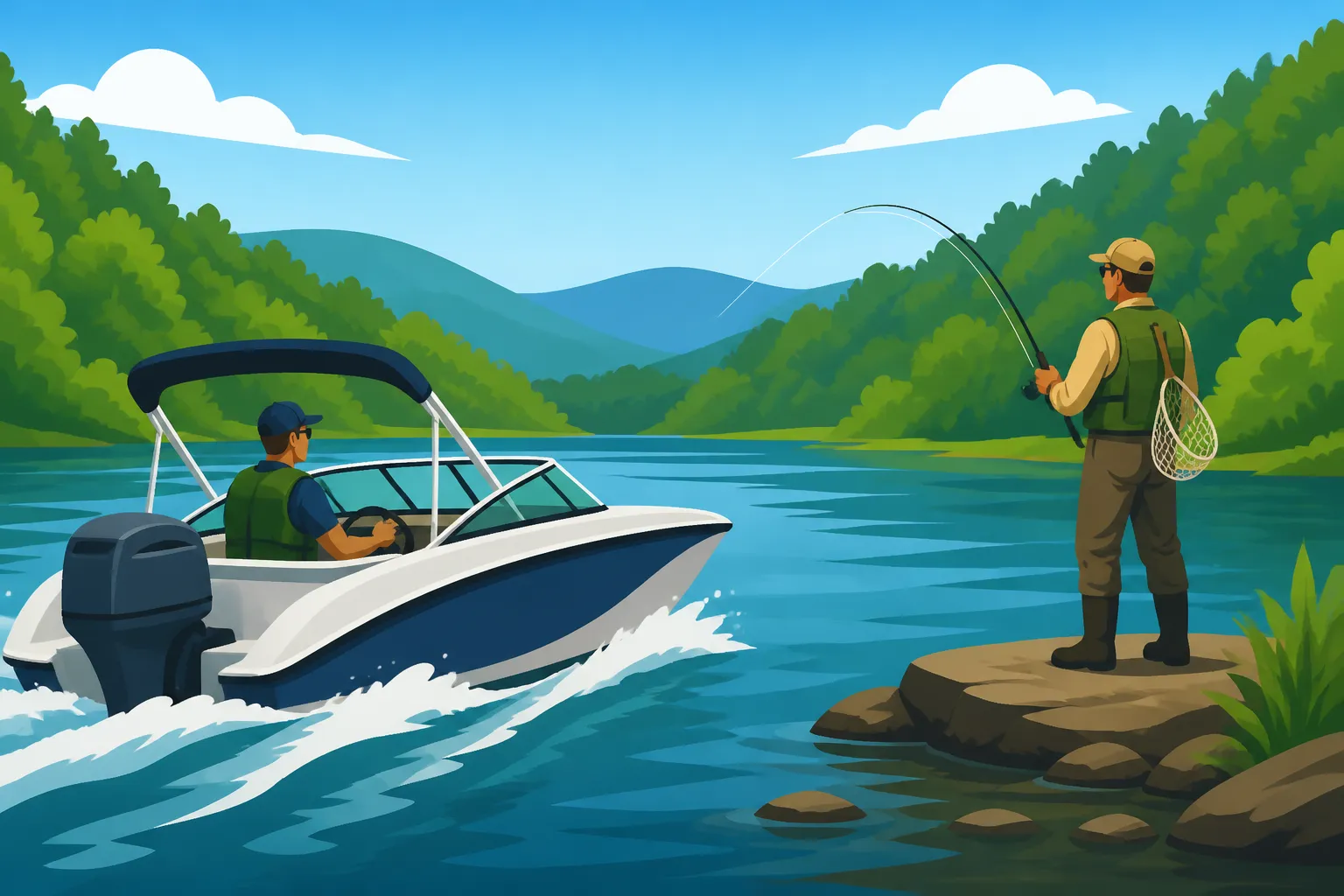
There is nothing quite as frustrating as sitting quietly on a scenic stretch of West Virginia water, carefully working a lure along a rock ledge or watching a float, only to have a motorboat rush by at full throttle just yards away. The resulting wake churns up the bank, swings your craft wildly, and sends every smallmouth or walleye in the vicinity darting for deep cover. Understanding the legal rules, navigational boundaries, and unwritten etiquette of operating a boat near anglers in West Virginia is essential for both recreational boaters and fishermen to share our beautiful mountain waterways safely and respectfully.
Understanding West Virginia Boating Regulations Near Anglers
Navigating West Virginia waterways requires a firm grasp of both official maritime regulations and practical courtesy. The West Virginia Division of Natural Resources (DNR) establishes clear guidelines to protect individuals on the water, whether they are trolling for bass, sitting at anchor, or casting from the bank. When motorized craft and stationary anglers share the same creek, river, or lake, knowing how speed, distance, and right-of-way intersect keeps everyone safe and avoids unnecessary conflict.
No-Wake Zones and Legal Speed Limits Near Stationary Boats
In West Virginia, speed regulations are governed by common-sense safety principles as well as designated marker buoys. The most critical concept every boater must understand is “No-Wake Speed.” By definition, operating at no-wake speed means running a vessel at the slowest possible speed necessary to maintain steerage and heading, producing a minimal swell or disturbance in the water.
When you approach an area marked with regulatory buoys—such as near boat ramps, marinas, swim beaches, or narrow channels—you are legally obligated to bring your craft down to idle speed. Even in areas where no physical buoy exists, operating near anchored fishing craft or bank fishermen requires immediate caution. Running at high speed past a stationary fishing boat is not merely rude; it can be classified as reckless or negligent operation under state law if your wake endangers another vessel or causes property damage.
Right-of-Way Rules and Navigational Courtesy
Understanding who has the right-of-way prevents dangerous mid-water standoffs. As a general rule of marine navigation, less maneuverable craft hold the right-of-way over more agile vessels. A boat actively engaged in fishing—especially one anchored, tethered, or utilizing a trolling motor in a fixed position—has limited ability to dodge a fast-moving powerboat.
Powerboats must yield to non-motorized vessels like kayaks, canoes, and paddleboards, as well as anchored fishing craft. When two powerboats meet, standard rules of navigation apply, but if one vessel is actively angling or drifting through a narrow fishing seam, the passing vessel should alter course early and give a wide berth. Practicing good navigational courtesy means scanning ahead for bobbers, floating lines, or shallow anchors long before your hull reaches the area.
Minimum Safe Distance Requirements on Open Water
While certain states set a rigid, universal footage limit for passing other vessels, West Virginia law emphasizes the Legal distance for a boat passing an angler in West Virginia through the lens of prudent operation and wake responsibility. Boaters are required to maintain a safe distance from other craft, docks, swimmers, and shorelines based on current water conditions, traffic density, and vessel size.
On expansive bodies of water like Stonewall Jackson Lake or Summersville Lake, a passing boat should give an angler at least 100 to 200 feet of clearance whenever feasible. If the channel narrows and a wide berth is impossible, the passing boat must drop its throttle, eliminate its wake, and glide gently past the fishing spot. Ignorance of safe distance rules often leads to dangerous situations, particularly on wind-chopped lakes where a sudden boat wake can capsize a smaller vessel.
VESSEL OPERATING COMPARISON & COURTESY
| Vessel Type | Primary Operating Obligation | Interaction with Anglers |
|---|---|---|
| Speedboats & Runabouts | Maintain safe distance & control | Reduce to no-wake near drift/ |
| wake near shore and small craft | anchored fishing vessels. | |
| Personal Watercraft (PWC) | Observe strict distance rules; | Avoid jumping wakes or circling |
| maintain idle speed near shore | near active fishing zones. | |
| Bass Boats & Trolling Craft | Yield when under main power; | Avoid blocking narrow channels |
| stay alert to passing traffic | or high-traffic boat lanes. | |
| Kayaks, Canoes & Paddleboards | Wear life jackets; use lights | Stay visible and avoid hidden |
| at low light; yield main channel | bends in blind channels. |
Safe Navigation Tactics Around Anchored, Drifting, and Bank Anglers
Sharing the water requires adapting your driving style to the specific environment you are navigating. A strategy that works in the wide-open basins of Bluestone Lake might cause serious problems on the winding, rock-strewn corridors of the Greenbrier or Kanawha Rivers. Recognizing how your boat’s propulsion, speed, and displacement affect anglers in different aquatic settings ensures a safer outing for everyone.
Navigating Narrow Rivers and Mountain Streams
West Virginia’s mountain rivers are legendary for their fishing, but their narrow physical dimensions leave very little room for error. When traveling up or down a tight stream, sightlines around bends are often restricted by overhanging trees, high rock bluffs, or sudden elevation drops.
As a powerboat operator navigating a river bend, you should lower your speed and stay to the starboard (right) side of the channel, assuming another watercraft or a wading angler might be situated just out of sight. If you encounter an angler drifting through a chute or casting into an eddy, swing as far to the opposite bank as depth permits. If depth dictates that you must pass close to their position, pull your throttle back to neutral or idle, let your momentum carry you past, and only resume throttle once you are well clear of their fishing lines.
Managing Boat Wakes Near Kayaks, Canoes, and Small Craft
The popularity of paddle sports has brought thousands of small, low-profile craft to West Virginia waters. Finding the Best Kayaks for West Virginia Fishing has allowed anglers to reach secluded pockets, but it also leaves them particularly vulnerable to boat wakes. A heavy wake from a medium-sized cruiser or ski boat can easily swamp an sit-inside kayak or flip an angler standing on an unstable deck.
When approaching kayaks or canoes, never assume the paddle-angler sees you coming. Reduce your speed early so your vessel settles flat into the water rather than riding bow-high, which creates the displacement waves that form steep, rolling wakes. If you inadvertently throw a large wake toward a small craft, slow down immediately and monitor the angler until you are certain they have safely navigated the swell. Paddlers appreciate operators who take the extra ten seconds to protect their stability.
Operating Near Shoreline and Bank Anglers
Bank fishing is a deeply rooted tradition throughout the state, with families and solo anglers setting up along public access points, bridge abutments, and state park riverbanks. From the water, bank anglers can sometimes be difficult to spot, especially if they are sitting under shade trees or wearing camouflage apparel.
Powerboaters must maintain a sharp lookout along the shoreline. Remember that bank anglers often cast heavy lines, live bait rigs, or catfishing setups up to fifty yards out into the river channel. Running your outboard close to the bank not only disturbs the fish and erodes the shoreline, but it can also catch underwater fishing lines in your propeller, destroying gear and creating hazardous tension on the angler’s rod. A good rule of thumb is to remain in the main channel whenever shorelines are occupied by bank anglers.
Shared Waterway Etiquette on Popular West Virginia Lakes and Rivers
High-use waterways present unique operational challenges, particularly during warm summer weekends and peak fishing seasons. Coordinating your movements around other users requires patience and an understanding of local patterns.
High-Traffic Lakes and Recreation Hotspots
Lakes such as Tygart Lake, Burnsville Lake, and those detailed in our Summersville Lake Fishing Guide attract a vibrant mix of pleasure boaters, jet-skiers, waterskiers, and dedicated anglers. During mid-day peak hours, the sheer density of traffic can make finding quiet water difficult for fishermen and safe passage tricky for boat drivers.
Recreational operators should be mindful of designated fishing coves and shallow bays. Many lakes feature quiet zones or no-wake arms specifically set aside to preserve habitat and offer peaceful angling. If you are towing tubers or practicing high-speed maneuvers, stay in the open main body of the lake away from marked coves, brush piles, and weed beds where anglers congregate. If you need extra gear for your day on the lake, like dry storage containers or rod holders, ordering quality equipment from online retailers like Amazon before heading out ensures your boat stays organized and safe.
Tailwaters, Locks, and Dam Safety Considerations
The tailwaters below dams—such as those along the Ohio River or Kanawha River—are renowned for housing large concentrations of game fish. Consequently, these areas draw heavy angler traffic both on shore and in boats. However, operating a vessel near dams, locks, and spillways comes with severe safety hazards, including turbulent currents, undertows, and sudden water level changes.
When navigating near locks and dams, all operators must follow specific federal and state laws. Always obey warning signs, light signals, and safety booms. Never enter prohibited boil zones directly below a spillway. If you are navigating through a lock chamber on the Ohio River, consult the Ohio River Fishing Rules for West Virginia Anglers to ensure you adhere to proper lockage procedures, give clearance to stationary fishing craft waiting near the lock approaches, and keep your vessel under total control at all times.
Night Boating and Visibility Around Anglers
Night fishing is extremely popular in West Virginia, particularly during the hot summer months when species like flathead catfish, walleye, and bass feed heavily after dark. Operating a boat at night requires elevated caution, reduced speeds, and strict adherence to lighting requirements.
Under state law, all motorized vessels operating between sunset and sunrise must display proper red and green navigation lights on the bow and an all-around white light on the stern. Non-motorized vessels and anchored fishing boats must have an efficient white light or flashlight ready to display immediately to prevent a collision. When operating at night:
- Keep your speed low enough to stop within the clear distance illuminated by your ambient vision and navigation lights.
- Never use high-powered spotlamps or LED lightbars continuously while cruising, as this blinds other operators and destroys their night vision.
- Use spotlights briefly only to locate unlit hazards, dock pilings, or buoy markers.
- Keep a reliable, heavy-duty waterproof flashlight on board—many boaters keep spare LED lights stored in their dry bags ordered from Amazon for quick emergency access.
Dealing with Conflicts and Ensuring Safety on the Water
Even when everyone strives to follow the rules, misunderstandings and close calls can occur. Handling tension with a calm demeanor and knowing the proper channels for reporting reckless behavior keeps simple mistakes from escalating into dangerous altercations.
De-escalating Waterway Conflicts and Disagreements
If a boat passes too close to your fishing spot or if you accidentally cut off an angler’s line, emotions can flare quickly. Loud engines, heat, and frustration can make a minor error feel like a deliberate act of aggression.
If you are the operator who made a mistake, a simple raise of the hand, a friendly wave, or a polite apology goes a long way toward defusing the situation. If you are the angler who was cut off or rocked by a wake, avoid shouting profanities or throwing lures at passing craft—doing so can lead to criminal charges or escalate into a physical confrontation. Move to a safer position if necessary, note the registration numbers of the vessel if the operation was dangerously reckless, and handle the situation maturely.
Reporting Reckless Operation to West Virginia DNR
When a boater operates in a manner that directly threatens lives, destroys property, or repeatedly violates speed and safe-distance laws, official law enforcement intervention is necessary. The Natural Resources Police Officers of the West Virginia DNR are responsible for enforcing boating and fishing laws across all public waters.
To report dangerous or illegal boating behavior:
- Document the Registration Number: Look for the WV registration numbers displayed on the forward sides of the boat’s hull, along with the validation decal.
- Note Vessel Details: Record the make, model, color, type of craft (e.g., bass boat, pontoon, PWC), and the number of occupants.
- Record Time and Location: Write down the precise landmark, river mile marker, lake cove, or GPS coordinates where the incident occurred.
- Contact Authorities: Call the local DNR district office, local sheriff’s department, or state police detachment immediately.
Operating a watercraft while under the influence of alcohol or drugs is a major factor in reckless boating incidents. Familiarize yourself with the strict penalties outlined in West Virginia Boating Under the Influence Penalties to understand how state authorities address impaired operators.
Essential Safety Equipment and Preparation
Ensuring a safe trip begins long before your boat leaves the trailer launching ramp. Carrying the proper safety gear is required by law and serves as your primary defense when unpredictable weather or unexpected mechanical trouble strikes.
Every boat must be equipped with US Coast Guard-approved Personal Flotation Devices (PFDs) for every passenger on board. It is critical to review Life Jacket Requirements for West Virginia Boaters to verify that your life vests meet age-specific and vessel-specific guidelines. Children under a certain age must wear an approved PFD at all times while the boat is underway. Additionally, keeping a sound-producing device (like a whistle or horn), a throwable cushion, a fire extinguisher, and a first-aid kit on board prepares your vessel for unexpected emergencies.
If you are a resident or visiting angler planning to operate a motorboat, make sure you understand the formal training requirements outlined in the West Virginia Boater Education Certificate Requirement. Completing an approved safety course provides invaluable instruction on right-of-way rules, emergency maneuvers, and state-specific boating laws.
RECOMMENDED SAFETY CLEARANCE ZONES
| Waterway Setting | Minimum Passing Distance | Recommended Speed Adjustment |
|---|---|---|
| Open Lakes (Summersville, Tygart) | 100 to 200 Feet | Moderate Throttle / Safe Wake |
| Narrow Rivers (Greenbrier, Elk) | Maximum Possible Channel Berth | Idle / No-Wake Speed |
| Kayaks & Small Paddlecraft | 100+ Feet | Idle / Zero Displacement Wake |
| Shorelines & Bank Anglers | 75 to 100 Feet off Bank | Slow Speed / Watch for Lines |
Comparison of Boating Expectations and Laws Across Different Vessel Types
Different types of watercraft interact with the water in distinct ways. Understanding how specialized vessels function helps boaters anticipate traffic patterns and adapt their handling around other river and lake users.
Motorized Craft vs Non-Motorized Anglers
Motorized vessels—ranging from high-horsepower bass boats to large pontoon craft—possess speed and displacement capabilities that carry significant responsibility. When driving a powerboat, you are legally responsible for any damage or injury caused by your vessel’s wake. A heavy wake crashing against a anchored utility boat or a bank can knock an unprepared angler off balance, throwing them into cold, swift water.
Non-motorized anglers using kayaks, canoes, or float tubes move slowly and sit low to the waterline. Because they lack engines, they cannot easily maneuver out of the way of a fast-approaching boat. Powerboaters should always treat non-motorized anglers with the same caution they would show a swimmer or a downed water-skier. For a deeper look at river access points and safe paddling corridors, review our New River Gorge Fishing Guide before planning your next drift trip.
Personal Watercraft (PWC) Specific Restrictions
Personal Watercraft (often referred to by brand names like Jet Ski or WaveRunner) are agile, fast, and highly maneuverable, making them popular for recreational riding. However, their jet-pump propulsion systems and quick-turning abilities can create frustration when operated carelessly near anglers.
West Virginia law imposes specific operating restrictions on PWCs:
- Idle Speed Restrictions: PWCs must be operated at idle speed when within close proximity to shorelines, docks, launching ramps, swimmers, and stationary fishing vessels.
- Jumping Wakes: Operating a PWC at high speed close to another vessel to jump its wake is unsafe and prohibited under reckless driving guidelines.
- Visibility: PWCs are generally restricted to daylight operation between sunrise and sunset, as most lack standard navigation lights required for night transit.
By showing mutual respect, maintaining clear visual awareness, and keeping speed under control in crowded or narrow waters, both boaters and fishermen can enjoy everything West Virginia’s rivers and lakes have to offer. For more information on state regulations, permit requirements, and safety guidelines, explore our complete collection of resources in West Virginia Boating Laws for Anglers.
Disclaimer
This article is for general informational purposes only and does not constitute professional advice. Laws, prices and regulations vary by location and change over time. Consult a qualified professional for guidance on your specific situation.