Best Kayaks for West Virginia Fishing
Choosing the right fishing kayak for West Virginia's incredible, diverse waterways can feel like navigating a maze, especially when you're dreaming of silent glides on a mountain stream or tackling the mighty New River. It's a real challenge to find a single craft that feels right for everything from tranquil lake coves to exhilarating river currents. This comprehensive guide is here to untangle that confusion, walking you through everything you need to know to select the perfect kayak that will unlock countless memorable fishing adventures across the Mountain State.
Why Kayak Fishing in West Virginia is a Game Changer
There’s a special kind of magic that comes with kayak fishing, especially here in West Virginia. Our state is blessed with an incredible variety of waters, from vast lakes to intimate headwater streams, and a kayak often feels like the ultimate key to unlocking them all. It’s not just about getting on the water; it’s about experiencing it in a profound new way.
Unparalleled Access to Secluded Waters
One of the biggest frustrations for many anglers is getting to those hidden gems, the spots where bigger boats can’t go or where bank access is simply impossible. Think about those tight bends on the South Branch of the Potomac, or those tucked-away coves on Summersville Lake that hold trophy fish. Kayaks, by their very nature, are designed for this kind of exploration. They are light enough to portage around shallow riffles or fallen trees, allowing you to reach stretches of river that rarely see a hook. This opens up a whole new world of untouched fishing grounds, offering a truly unique experience away from crowded boat ramps and popular spots. It’s about being able to slip into that quiet pool where the smallmouth are holding, or drifting silently into a protected cove where crappie are stacked thick.
Stealth and a Closer Connection to Nature
There’s nothing quite like the stealth a kayak offers. Unlike a noisy motorboat, a kayak lets you glide almost silently across the water, barely disturbing the fish below. This quiet approach often translates to more bites, as wary fish aren't spooked by engine noise or sudden movements. Imagine slowly paddling along a rocky bank, casting precisely to structure you wouldn't even see from a larger craft. The low profile of a kayak also brings you closer to the water, offering an intimate perspective of West Virginia's stunning natural beauty. You’re not just fishing; you’re immersed in the environment, hearing the birds, feeling the current, and truly becoming part of the landscape. It's an experience that transcends just catching fish, connecting you deeply with the serene wilderness.
Versatility for Diverse West Virginia Fisheries
West Virginia's fishing opportunities are incredibly diverse, and a good fishing kayak embodies that same versatility. Whether you’re chasing muskie in the Little Kanawha River, drifting for walleye on Tygart Lake, or fly fishing for trout in the Cranberry River, there’s a kayak setup that can handle it. The same kayak that you use for bass fishing on Bluestone Lake could be adapted for a leisurely float trip with a fly rod on the Greenbrier. This adaptability means you don't need a fleet of specialized vessels; with the right kayak and a few key accessories, you can tackle almost any fishing scenario our state throws at you. This makes it an incredibly cost-effective and space-efficient option for anglers who want to explore all the Mountain State has to offer.
Understanding West Virginia's Diverse Waters for Kayak Selection
West Virginia isn't just one type of fishing destination; it's a tapestry of environments, each demanding a slightly different approach when it comes to choosing your paddle craft. What works wonderfully for a calm lake might be a nightmare on a swift river, and vice-versa. Understanding the nuances of our waters is paramount to selecting a kayak that will truly enhance your fishing, rather than hinder it.
Navigating Rushing Rivers and Whitewater Sections
Rivers like the New River and sections of the Gauley are famous for their rapids and powerful currents. If your fishing dreams involve challenging these waters for trophy smallmouth or muskie, your kayak choice needs to prioritize maneuverability and durability. You'll want a boat that can turn quickly to avoid obstacles, handle eddies with grace, and withstand potential bumps and scrapes against rocks. Stability in turbulent water is also key; nobody wants to flip when they've got a big fish on the line! This means looking at kayaks with a good rocker (the curve of the hull from bow to stern) and a rugged construction, often shorter in length for quicker turns. For these scenarios, a Best Kayak for the New River would be a prime consideration.
Exploring Calm Lakes and Reservoirs
On the other end of the spectrum, West Virginia boasts stunning, expansive lakes like Summersville, Cheat, and Stonewall Jackson. These bodies of water are perfect for chasing largemouth bass, walleye, crappie, and even hybrid stripers. Here, the priorities shift. You'll likely want a kayak that tracks straight over long distances, offers maximum stability for standing and casting, and has ample storage for gear, coolers, and perhaps even a small trolling motor battery. Speed can be a factor if you're covering a lot of water, but comfort for long hours on the water usually takes precedence. Longer, wider kayaks with less rocker tend to excel here, providing a stable platform for various techniques like trolling or jigging. Best Kayak for Lake Fishing in West Virginia focuses on these specific needs.
Drifting Through Mountain Streams and Small Rivers
Then there are the countless smaller rivers and mountain streams, often teeming with trout or eager panfish. Think about places like the Elk River tailwater or many of the streams within the Monongahela National Forest. These waters often have varying depths, frequent shallow spots, and tight bends. For these environments, a kayak that is lightweight and easy to portage is a massive advantage. Shorter, more nimble kayaks that can navigate tight spaces and be easily carried over obstacles are ideal. Often, these trips are less about speed and more about precise casting and quiet approaches. Shallow draft is also crucial to avoid constantly scraping the bottom or getting stuck. These intimate waters truly highlight the kayak's ability to get where bigger boats simply cannot.
Key Features to Look for in a West Virginia Fishing Kayak
When you’re sifting through all the options out there, it’s easy to get overwhelmed by the sheer number of bells and whistles. But for West Virginia fishing, certain features really stand out as non-negotiables for a comfortable, efficient, and successful day on the water. Focusing on these core elements will help you narrow down your choices considerably.
Stability: Your Foundation for Success
Hands down, stability is probably the most crucial feature for a fishing kayak, especially if you plan on casting, setting hooks, or even standing to get a better view. West Virginia anglers often encounter uneven currents or need to fight powerful fish like muskie or big smallmouth, and a stable platform is key to staying upright and confident. Look for kayaks with wider beams (width) and flatter hulls, which provide excellent primary stability (how stable it feels when sitting still). Some kayaks even have "tunnel" or "pontoon" style hulls designed specifically for stand-up fishing, offering incredible secondary stability (how stable it feels when leaned to the side). While too much stability can sometimes reduce speed, the trade-off is almost always worth it for fishing purposes. Remember, a stable kayak allows you to focus on the fish, not on keeping your balance.
Comfort: Because Long Days Demand It
Let’s be honest, you’ll be spending hours, perhaps even an entire day, sitting in your kayak. If it’s not comfortable, your fishing trip will quickly turn into a chore. Prioritize a kayak with an adjustable, supportive seat. Many modern fishing kayaks feature stadium-style seats that are raised off the deck, providing better visibility, dryer sitting, and superior back support compared to molded-in seats. Good foot peg systems are also important, allowing you to brace yourself and maintain good posture. Consider how easy it is to get in and out of the kayak, especially if you plan on wading or taking breaks on shore. Comfort also extends to how easily you can access your gear without excessive twisting or straining. A comfortable angler is a happy, more focused, and ultimately more successful angler.
Storage and Rigging Options: Keeping Your Gear Organized
Fishing requires gear, and lots of it! From multiple rods and tackle boxes to a cooler for drinks and snacks, you need a place for everything. Look for kayaks with ample storage, including large bow and stern hatches, or open tankwells with bungee cords for securing dry bags and crates. Rod holders are essential; both flush-mount and adjustable rod holders can be incredibly useful for trolling, carrying extra rods, or simply having a place to put your rod while you handle a fish. Consider the placement of gear tracks (often called "accessory rails" or "YakAttack GearTracs") which allow you to easily mount fish finders, camera mounts, extra rod holders, or even cup holders without drilling holes. These customizable rigging options make it easy to personalize your kayak for your specific fishing style and the species you're targeting.
Propulsion Methods: Paddle, Pedal, or Power?
How you move your kayak across the water significantly impacts your fishing experience.
- Paddle Kayaks: These are the traditional choice, powered by a double-bladed paddle. They are typically lighter, more affordable, and simpler to maintain. They excel in shallow water and tight spaces.
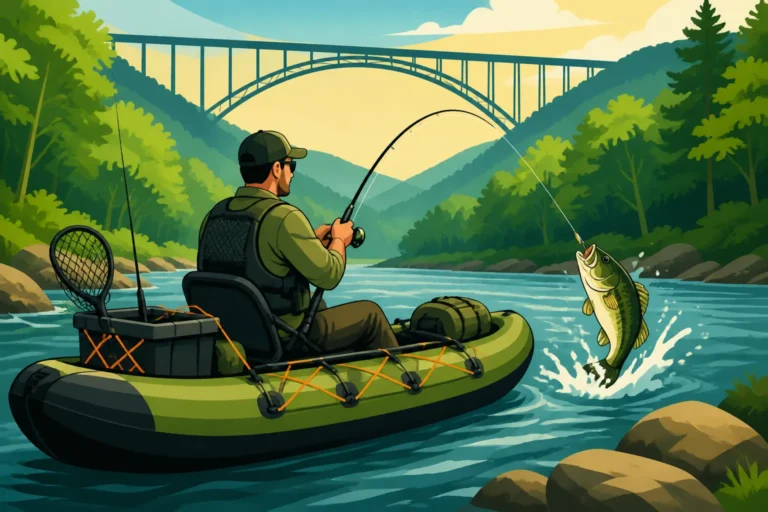
- Pedal Drive Kayaks: These systems use your legs to turn a propeller or fins, leaving your hands free for casting and fighting fish. This hands-free operation is a huge advantage for many anglers, allowing for continuous propulsion while casting or precise boat positioning. They are generally faster and more efficient over long distances, but also heavier, more expensive, and can be challenging in very shallow or weedy water. Brands like Hobie are famous for their innovative pedal drive systems.
- Motor-Ready Kayaks: Some kayaks are designed with transom mounts or have integrated systems for adding a small electric trolling motor. This provides effortless propulsion, especially useful on large lakes or against strong currents. Adding a motor increases weight and complexity, but for covering vast stretches of water on a hot day, it can be a game-changer. Remember to check West Virginia Boating Laws for Anglers if you plan to motorize your kayak.
The choice between these propulsion methods often comes down to budget, the types of waters you fish most often, and your personal preference for effort versus convenience.
Maneuverability and Tracking: Getting Where You Need to Be
Maneuverability refers to how easily a kayak turns and responds to paddle or pedal input, while tracking is its ability to hold a straight line.
- Maneuverability: Shorter kayaks with more rocker tend to be more maneuverable, which is excellent for navigating winding rivers, tight cover, or negotiating rapids. If you're tackling smaller streams or tight areas, prioritize maneuverability.
- Tracking: Longer kayaks with straighter hulls generally track better, meaning they hold a straight line with less effort. This is highly beneficial for covering long distances on lakes or large, slow-moving rivers, as you won't be constantly correcting your course.
Finding the right balance between these two depends entirely on your primary fishing grounds. A good compromise often exists in mid-length kayaks that incorporate design elements for both.
Types of Fishing Kayaks Best Suited for West Virginia
The world of fishing kayaks has expanded dramatically, offering specialized designs for nearly every type of water and fishing style imaginable. For West Virginia's diverse environment, understanding these main categories will help you zero in on the perfect vessel for your adventures. Each type comes with its own set of advantages and considerations.
Sit-on-Top (SOT) Kayaks: The Angler's Favorite
Sit-on-top kayaks are, without a doubt, the most popular choice for fishing, and for good reason. Their open deck design offers unparalleled accessibility and flexibility for anglers. You sit on top of the kayak's deck rather than inside an enclosed cockpit.
Pros for West Virginia Anglers:
- Stability: Most SOT fishing kayaks are designed with wider, flatter hulls, offering excellent initial and secondary stability. This makes them ideal for standing to sight fish or cast more aggressively, which is a huge benefit on West Virginia's clear streams or when trying to spot fish on a calm lake.
- Easy Entry and Exit: Getting on and off a SOT is simple, which is fantastic when you want to wade a shallow river section or take a break on shore. If you accidentally flip (it happens!), re-entering is much easier than with a sit-inside.
- Rigging Space: The open deck provides ample space for mounting accessories like fish finders, GPS units, and extra rod holders. You can customize your setup extensively, making it easy to carry all your Best Tackle for West Virginia Smallmouth Bass.
- Self-Bailing: Scupper holes allow water to drain out, so you don't have to worry about bailing out rain or splash. This is a big plus when fishing in changeable West Virginia weather or on choppier waters.
Cons for West Virginia Anglers:
- Exposure to Elements: You're more exposed to sun, wind, and cold water. While not usually a deal-breaker, it's something to consider for early spring trout fishing or late fall muskie hunting in colder conditions.
- Slower and Less Efficient: Generally, SOTs are wider and heavier than sit-insides, making them slower and requiring more effort to paddle over long distances, especially against current.
Ideal for: Most West Virginia lake and river fishing, especially bass, muskie, and catfishing where standing and accessibility are valued.
Sit-Inside (SINK) Kayaks: Agile and Protected
Sit-inside kayaks are the traditional kayak design, where you sit inside an enclosed cockpit. While less common for dedicated fishing, they still have a place, particularly for certain types of West Virginia angling.
Pros for West Virginia Anglers:
- Speed and Efficiency: SINKs are typically narrower and have a more hydrodynamic hull design, making them faster and more efficient to paddle. This is great for covering long distances with less effort on larger rivers or when you need to quickly get to a distant fishing spot on a lake.
- Protection from Elements: The enclosed cockpit offers better protection from wind, spray, and colder water, which can be a comfort advantage during colder months or on windy days.
- Lighter Weight: Often lighter than comparable SOTs, making them easier to transport and portage, which is a plus for accessing remote mountain streams.
Cons for West Virginia Anglers:
- Less Stability: Generally, SINKs are less stable than SOT fishing kayaks, making standing difficult or impossible, and requiring more care when casting or moving around.
- Limited Rigging Space: The enclosed cockpit offers less open deck space for mounting accessories or storing bulky fishing gear.
- Difficult Re-entry: If you capsize, re-entering a SINK in deep water can be challenging and requires practiced self-rescue techniques.
Ideal for: Anglers who prioritize speed and efficiency, or those who fish in colder weather, especially for smaller rivers and streams where light weight and agility are key for species like Trout Fishing in West Virginia.
Pedal Drive Kayaks: Hands-Free Fishing Power
Pedal drive kayaks use a system that allows you to propel the kayak with your legs, much like riding a bicycle, leaving your hands free. This innovation has revolutionized kayak fishing for many.
Pros for West Virginia Anglers:
- Hands-Free Operation: This is the ultimate advantage. You can maintain speed, position, and control your kayak while actively casting, reeling, and fighting fish. This is invaluable when trolling for walleye or working a specific piece of structure for bass.
- Efficiency and Speed: Pedal drives are typically more efficient than paddling, especially over long distances or against headwinds and currents. Your legs are stronger than your arms, allowing for sustained effort.
- Stealth: Many pedal systems are incredibly quiet, allowing for silent approaches to fish.
- Less Fatigue: Using your legs for propulsion can reduce upper body fatigue, allowing you to fish longer and more comfortably.
Cons for West Virginia Anglers:
- Cost: Pedal kayaks are significantly more expensive than paddle-only models.
- Weight and Bulk: The pedal drive system adds weight and complexity, making these kayaks heavier and sometimes more awkward to transport or carry.
- Draft and Obstructions: The drive unit often extends below the hull, making them unsuitable for very shallow water, thick weeds, or rocky bottom conditions, which can be encountered on smaller West Virginia rivers.
- Maintenance: More moving parts mean more potential for maintenance and cleaning.
Ideal for: Dedicated anglers who spend long hours on larger West Virginia lakes and slower rivers, especially those targeting species where trolling or precise boat positioning (like for muskie or walleye) is a key technique. Check out the pedal kayak options at Bass Pro Shops if you're serious about this category.
Inflatable Kayaks: Portable and Accessible
Inflatable kayaks have come a long way from flimsy pool toys. Modern fishing inflatables are robust, stable, and surprisingly capable, offering a unique set of advantages.
Pros for West Virginia Anglers:
- Portability and Storage: This is their standout feature. They deflate and pack down, making them easy to transport in a car trunk and store in a closet. This is fantastic for apartment dwellers or those with limited storage space. You can even order many good inflatable models directly from Amazon.
- Durability: High-quality fishing inflatables are made from tough PVC or Hypalon, making them highly resistant to punctures from rocks and sticks – a huge plus on rocky West Virginia rivers.
- Stability: Often very wide, many inflatables offer excellent stability, sometimes even rivaling hard-shell SOTs for stand-up fishing.
Cons for West Virginia Anglers:
- Inflation Time: Setting up and deflating takes time and effort, though electric pumps can help.
- Performance: Generally slower and more susceptible to wind than hard-shell kayaks.
- Rigging Limitations: While some have decent rigging options, they typically don't offer the same level of customization as hard-shell SOTs.
- Hook Hazards: While durable, the thought of a stray hook or broadhead (if bowfishing) puncturing your vessel is always in the back of your mind.
Ideal for: Anglers with limited storage or transport options, those who want to hike into remote, hike-in fishing spots, or those who mostly fish calm lakes and slower rivers. Great for occasional, opportunistic fishing on various waters.
Essential Accessories for West Virginia Kayak Anglers
Getting the right kayak is just the first step. To truly maximize your West Virginia fishing experience, you'll need to outfit your vessel with a few key accessories. These items enhance safety, comfort, and your overall fishing efficiency, turning a basic kayak into a formidable fishing machine. Don't underestimate the impact these additions can have on your day on the water.
Safety Gear: Always Prioritize Protection
No matter how calm the water looks, safety should always be your top concern, especially when navigating West Virginia's unpredictable rivers and lakes.
- Personal Flotation Device (PFD): This isn't just a recommendation; it's often a legal requirement. Choose a comfortable, purpose-built fishing PFD that allows for freedom of movement for casting and paddling. Look for pockets to store small tackle, a whistle, or even a small knife. A comfortable PFD is one you'll actually wear, and wearing it could save your life. It's not worth the risk to go without, and West Virginia has specific Life Jacket Requirements for West Virginia Boaters that you should be aware of.
- Paddle Leash: An absolute must-have. Losing your paddle in current or windy conditions means you're stranded. A simple leash attaches your paddle to your kayak, ensuring it's always within reach.
- Emergency Kit: A small dry bag with essentials like a first-aid kit, a headlamp or flashlight (even for daytime trips, just in case), a multi-tool, and a communication device (fully charged cell phone in a waterproof case or a marine radio).
- Sound Producing Device: A whistle is usually sufficient and often integrated into fishing PFDs. This is important for alerting other boaters to your presence, especially in low light or fog.
- Visibility Flag: If you're on open water or busy lakes, a tall, brightly colored flag makes you much more visible to larger boats, increasing your safety significantly.
Rod Holders and Storage: Keeping Your Rods Safe and Accessible
Fishing with multiple rods is a common strategy, but you need safe and secure ways to transport and access them.
- Flush Mount Rod Holders: These are often built into the kayak's hull and are great for storing rods when paddling or for passive trolling.
- Adjustable Rod Holders: Brands like Scotty or Ram Mounts offer adjustable rod holders that can be mounted to gear tracks. These allow you to position your rod precisely for trolling, keep it out of the way, or hold it securely while you're unhooking a fish or re-tying. Having one for your active rod and a couple for spares is ideal.
- Rod Leashes: Just like a paddle leash, a rod leash prevents your rod from going overboard if you drop it or if a fish makes a powerful run.
- Paddle Holder/Keeper: While a paddle leash is good, a dedicated paddle holder on the side of your kayak keeps your paddle secure and out of the way when you're actively fishing, especially useful on pedal kayaks or when fighting a fish.
Electronics and Navigation: Modern Angler's Toolkit
Technology has made fishing more efficient and enjoyable, even from a kayak.
- Fish Finder: A compact, kayak-friendly fish finder can reveal depth contours, structure, and even fish below you. Many models from brands like Garmin or Humminbird offer excellent features in a portable package. Look for models with GPS for marking waypoints and navigating, especially on larger West Virginia lakes like Summersville or Stonewall Jackson. Don't forget the proper Best Portable Fish Finder for Kayak Fishing mount and a small, rechargeable battery.
- GPS Unit/App: Even without a dedicated fish finder, a handheld GPS or a good smartphone app with mapping capabilities can be invaluable for navigation, marking prime fishing spots, and finding your way back to the launch.
- Mounting Systems: Gear tracks and mounting bases (like those from RAM Mounts or YakAttack) are crucial for securely attaching your fish finder, GPS, camera, or other accessories. They allow for easy adjustment and removal.
Comfort Enhancements: Long Hours Deserve It
Even the most comfortable kayak can be improved upon for those marathon fishing sessions.
- Seat Pad/Cushion: If your stock seat isn't cutting it, a gel or foam seat pad can make a world of difference in reducing fatigue.
- Deck Pads: Non-slip, cushioned deck pads provide comfort for your feet if you stand, and also reduce noise, which can be critical for stealthy approaches.
- Anchor System: A small anchor (grapple or drag chain style) with a proper anchor trolley system is invaluable for holding your position in current or wind, allowing you to thoroughly fish a productive spot. Best Anchor System for River Fishing details various options.
- Cooler/Storage Crate: A small cooler for drinks and snacks, or a fishing crate for organizing tackle, can be secured in the stern tankwell. Many anglers customize milk crates with rod holders and tackle box storage for a DIY solution.
Transportation and Storage Solutions for Your Fishing Kayak
Owning a fishing kayak in West Virginia isn't just about getting on the water; it's also about getting it to the water and safely tucking it away when you're done. These logistical considerations are often overlooked by new buyers, but they are crucial for making your kayak fishing lifestyle sustainable and enjoyable. You want to make it as easy as possible to grab your gear and go.
Car Topping: The Most Common Method
For most single kayaks, car topping is the go-to method for transport. This involves securing your kayak to the roof of your vehicle, usually with a roof rack system.
- Roof Rack Systems: A sturdy roof rack (crossbars) is the foundation. These attach to your vehicle's factory side rails or directly to the roof. Brands like Thule and Yakima are popular, but many aftermarket options exist.
- Kayak Carriers: Once you have the crossbars, you'll need specialized carriers.
- J-Cradles: These hold the kayak on its side, freeing up space on your crossbars for another kayak or gear. They offer good security.
- Saddles/Rollers: These support the kayak flat on its hull. Rollers on the stern bar can make it easier to slide a heavier kayak onto the roof.
- Stackers: For carrying multiple kayaks vertically.
- Tie-Down Straps: Always use heavy-duty cam buckle straps (never bungee cords!) to secure the kayak to the crossbars. Additionally, use bow and stern tie-downs to secure the ends of the kayak to the front and rear of your vehicle. This prevents the kayak from shifting or lifting at highway speeds.
- Loading Assistance: For heavier kayaks, loading can be a challenge. Consider a temporary mat on the back of your car or a dedicated load-assist system (some roof rack brands offer these) to help slide the kayak onto the roof without damaging your vehicle or straining your back.
Bass Pro Shops and Amazon are both great places to find a wide variety of car topping solutions.
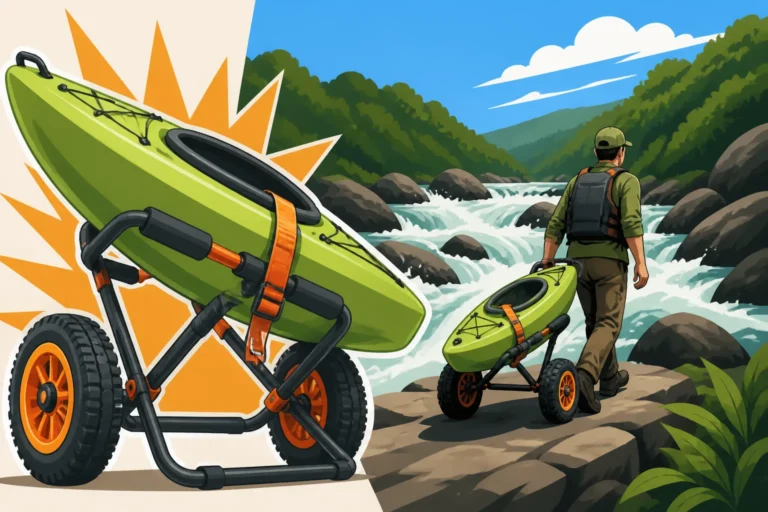
Kayak Trailers: For Multiple Kayaks or Heavier Boats
If you have a particularly heavy pedal drive kayak, multiple kayaks, or prefer not to lift onto your roof, a kayak trailer is an excellent investment.
- Single or Multi-Kayak Trailers: These small, lightweight trailers tow behind your vehicle and are specifically designed to carry kayaks. They often have multiple bunks or cradles to accommodate several boats.
- Benefits: Easier loading and unloading, especially for heavy kayaks. Frees up your vehicle's roof for other gear. Can be used for longer trips with more gear.
- Considerations: Requires a vehicle with a hitch, trailer registration, and maintenance (tires, lights, bearings). You also need a place to store the trailer. Some small utility trailers can be converted into kayak trailers with DIY modifications.
Storage Solutions: Protecting Your Investment
Once you're off the water, proper storage protects your kayak from the elements and keeps it ready for your next trip.
- Indoors (Garage/Shed): This is ideal. Keep your kayak out of direct sunlight, which can degrade the plastic over time. Store it on its side or on sturdy cradles to prevent flat spots on the hull. Wall-mounted racks or pulley systems are great for saving floor space.
- Outdoors (Covered): If outdoor storage is your only option, ensure it's in a shaded area and use a UV-resistant kayak cover to protect it from sun, rain, and debris. Elevate it off the ground to prevent moisture buildup and pest issues.
- Security: Always secure your kayak, whether indoors or out, with a cable lock to deter theft. Fishing kayaks are valuable investments.
Regardless of your chosen method, always inspect your kayak and gear before and after each trip. Ensuring your transport and storage methods are sound will contribute significantly to the longevity of your kayak and your peace of mind.
Top Kayak Categories for West Virginia Anglers
Instead of recommending specific models, which can vary in availability and price, it's more helpful to think about categories of kayaks that truly shine in West Virginia's diverse fishing environments. These categories focus on design philosophies that cater to different types of waterways and angling styles found across our state.
The River-Ready Workhorse: Agile and Tough
For those whose hearts beat for the current of the New River, the tight bends of the Greenbrier, or the smallmouth-rich waters of the South Branch Potomac, a river-ready workhorse is paramount.
- Key Characteristics: These kayaks are typically shorter (10-12 feet), wider for stability, and built with robust, often high-density polyethylene that can take a beating from rocks. They feature a noticeable "rocker" (upward curve of the hull) that allows them to pivot quickly and shed water over waves. Minimal internal features mean less to snag on, and open decks provide easy access for gear.
- Why it Excels in WV: Their maneuverability is essential for navigating swift currents, avoiding submerged obstacles, and holding position in eddies. The durability ensures they can withstand the inevitable bumps and scrapes of river fishing. They are often lighter, making portaging around rapids or shallow spots less of a chore.
- Ideal for: Anglers targeting smallmouth bass, muskie, or trout in moving water. Great for float trips on rivers where agility and resilience are more important than top-end speed. A common setup would include an anchor trolley and a shallow-water anchor.
The Lake Cruiser: Stable and Feature-Rich
If your prime fishing grounds are the vast, open waters of Summersville Lake, Stonewall Jackson, or Cheat Lake, a lake cruiser will be your best friend.
- Key Characteristics: These kayaks are generally longer (12-14+ feet), wider, and designed for maximum stability and tracking. They often have flatter hulls for stand-up fishing and a straighter keel line for efficient long-distance paddling. Many come equipped with extensive storage, flush-mount rod holders, and ample deck space for rigging electronics and multiple tackle boxes. Pedal drive systems are very common in this category due to the desire for hands-free propulsion over open water.
- Why it Excels in WV: The enhanced stability allows for confident stand-up casting across expansive flats or shorelines. The length aids in covering significant distances between fishing spots. Abundant storage means you can bring all your gear for a full day on the water, from multiple rods for Walleye Fishing in West Virginia to a large cooler. The option for pedal drive or even a small trolling motor dramatically increases your range and fishing efficiency.
- Ideal for: Targeting largemouth bass, walleye, crappie, catfish, and hybrid stripers on large reservoirs. Perfect for trolling, jigging, or slow-drifting.
The Versatile All-Rounder: Balanced Performance
For the West Virginia angler who wants a single kayak to handle a bit of everything – from a small river float to a calm lake day – the versatile all-rounder strikes a crucial balance.
- Key Characteristics: These kayaks typically fall in the mid-range of length (11-13 feet) and width, aiming for a good compromise between stability, maneuverability, and tracking. They might not be the fastest or the most agile, but they are competent in a variety of conditions. They usually offer decent storage and rigging options, often with gear tracks for customization.
- Why it Excels in WV: It's the "Swiss Army knife" of fishing kayaks, capable of adapting to various West Virginia fisheries without specializing in just one. You can comfortably fish for bass on a smaller river one weekend and then chase panfish on a local pond the next. They are often a great starting point for new kayak anglers who are still exploring their preferred fishing environments within the state.
- Ideal for: Anglers who fish a mix of waters and want a single, reliable craft. Great for general bass fishing, panfish, and exploring smaller lakes and slower rivers. This is often where you'll find the best value for a multi-purpose setup.
| Kayak Type | Best for West Virginia Waters | Key Advantages for Angling | Considerations for WV Use |
|---|---|---|---|
| Sit-on-Top (SOT) | Rivers, medium to large lakes, open water | High stability for standing, easy re-entry, ample rigging space, self-bailing | Less protection from cold/wind, generally slower than SINKs, heavier to portage |
| Sit-Inside (SINK) | Smaller, colder streams, efficient river travel | Speed, efficiency, protection from elements, lighter weight for portaging | Lower stability, limited rigging space, difficult re-entry after capsize |
| Pedal Drive | Large lakes, slower rivers, trolling | Hands-free fishing, efficient long-distance travel, less fatigue, precise boat positioning | Higher cost, heavier, drive unit can snag in shallow/weedy areas, more maintenance |
| Inflatable | Remote access, calm lakes, gentle rivers | Extreme portability, easy storage, surprisingly durable against punctures, often very stable | Slower performance, setup/deflation time, less rigidity than hard shells, limited advanced rigging |
Maintaining Your Fishing Kayak for Longevity in West Virginia
You've invested time, research, and hard-earned money into your West Virginia fishing kayak. To ensure it provides years of faithful service and countless fishing memories, proper maintenance is key. The Mountain State's variable weather and rugged terrain can be tough on gear, so a little preventative care goes a long way in preserving your investment.
Post-Trip Cleaning and Inspection
Every time you bring your kayak off the water, especially after fishing murky rivers or lakes, a good cleaning is essential.
- Rinse Thoroughly: Use a hose to rinse off the entire kayak, inside and out. Pay special attention to scupper holes, crevices, and any moving parts of a pedal drive system. This removes mud, sand, algae, and any potential invasive species. For example, rinsing off after a trip to the Ohio River Fishing Guide for West Virginia Anglers helps prevent the spread of aquatic nuisances.
- Mild Soap Wash: For a deeper clean, use a mild soap (like dish soap) and a soft brush or sponge. Avoid harsh chemicals or abrasive cleaners that can damage the plastic or finishes.
- Inspect for Damage: While cleaning, take the opportunity to inspect your hull for any new scratches, gouges, or cracks. Check hardware, hatches, and rudder systems for loose screws or worn parts. Early detection of issues can prevent them from becoming major problems later on.
- Dry Completely: Before storing, ensure your kayak is thoroughly dry. This prevents mildew, mold, and unpleasant odors, especially in confined storage spaces. Flipping it upside down on sawhorses or a stand allows water to drain effectively.
Protecting Your Kayak from the Elements
West Virginia weather can be harsh, with intense summer sun and freezing winters. Protecting your kayak from these extremes is crucial.
- UV Protection: Prolonged exposure to direct sunlight and UV rays can degrade the plastic (polyethylene) of your kayak, making it brittle and faded over time. If storing outdoors, always use a UV-resistant cover. For indoor storage, simply keeping it out of a window that gets direct sun is enough. Periodically applying a UV protectant spray can also extend the life of your hull.
- Temperature Extremes: Avoid storing your kayak in environments with extreme temperature fluctuations. While robust, plastics can become more brittle in freezing temperatures, making them susceptible to impact damage. In extremely hot conditions, enclosed spaces can cause plastic kayaks to deform or warp if not properly supported.
- Proper Support: When storing your kayak, ensure it's properly supported along its hull. Wall cradles or sawhorses are ideal. Hanging a kayak from grab handles or thin straps for extended periods can cause deformation. For heavier kayaks, multiple support points are best.
Regular Maintenance for Moving Parts and Accessories
Your kayak isn't just a hull; it's a system of moving parts and accessories that need attention.
- Pedal Drives and Rudders: If you have a pedal drive system (like those popular with Best Techniques for Early Spring Trout anglers who use them for precise positioning), follow the manufacturer's recommendations for rinsing, lubricating, and inspecting the unit. Saltwater anglers often flush their drives with fresh water, but even in freshwater, grit and grime can cause wear. Regularly check rudder lines and steering cables for fraying or looseness and adjust as needed.
- Hatches and Seals: Ensure all hatch covers seal properly to keep your gear dry. Periodically inspect gaskets for cracks or wear and clean any debris that might compromise the seal. A little silicone grease can help maintain pliability.
- Hardware: Screws, bolts, and rivets can loosen over time due to vibration and use. Periodically check all hardware and tighten anything that feels loose. Apply a marine-grade anti-corrosion spray to metal components, especially if you occasionally fish brackish waters or travel.
- PFD and Paddles: Don't forget your essential accessories! Rinse your PFD and paddle after each use. Store your PFD in a dry, ventilated area, and avoid leaving your paddle out in direct sun, which can damage the blade and shaft.
By establishing a routine of cleaning and inspection, and by being mindful of how you store and treat your kayak, you’ll ensure it remains a reliable companion for all your West Virginia fishing adventures for many years to come.
Disclaimer
This article is for general informational purposes only and does not constitute professional advice. Laws, prices and regulations vary by location and change over time. Consult a qualified professional for guidance on your specific situation.