Best Boats for West Virginia Rivers and Lakes
Navigating the incredible diversity of West Virginia's fishing waters can often feel like a puzzle when you're trying to figure out the perfect boat. From the swift, rocky currents of the New River to the sprawling, deep reservoirs like Summersville Lake, a one-size-fits-all approach just doesn't cut it. This guide is here to break down the best types of boats for tackling the various aquatic landscapes of the Mountain State, helping you choose the vessel that will truly enhance your angling adventures.
Understanding West Virginia's Diverse Waters
West Virginia is a true gem for anglers, but what makes it so special (and sometimes challenging) is the sheer variety of its waterways. We're not talking about just a few big lakes here; we have a tapestry of rivers, streams, and impoundments, each with its own personality and demands on your equipment. Understanding these nuances is the first crucial step in choosing the right boat.
Rivers: From Mountain Freestones to Broad Flowages
Our rivers are the veins of the state, ranging from the tight, rock-strewn mountain freestones where native brook trout dart, to the wide, powerful flows like the New River and the Ohio. The smaller, faster rivers, especially those designated as trout streams, often have very limited access. You might be putting in at a small pull-off, dragging your boat over rocks, or even wading in to launch. For these waters, a heavy, deep-V hull boat is simply impractical. You need something nimble, durable, and capable of handling shallow drafts. The current, too, is a major factor; navigating upstream can be a significant challenge, and downstream floats require stability and control.
Then you have the bigger rivers, like the Monongahela, Kanawha, and the grand Ohio River. These are serious bodies of water, with barge traffic, wide open stretches, and sometimes unpredictable conditions. Fishing these large rivers means dealing with bigger waves, longer runs, and the need for more powerful motors to cover ground safely and efficiently. You'll often find excellent fishing for walleye, sauger, catfish, and various bass species in these broader river systems, often requiring different tactics and, consequently, different boat types. Ohio River Fishing Guide for West Virginia Anglers touches on the unique aspects of these waters.
Lakes: Reservoirs and Small Impoundments
West Virginia's lakes are primarily man-made reservoirs, vast expanses of water created by damming rivers. Lakes like Summersville, Bluestone, Tygart, and Stonewall Jackson offer incredible opportunities for largemouth and smallmouth bass, crappie, catfish, and even muskellunge. These lakes are deep, often have extensive submerged structure, and can get quite choppy with wind and boat traffic, especially on busy weekends. Fishing these waters often means covering a lot of ground, using electronics to find structure, and being able to withstand open-water conditions.
In contrast, we also have numerous smaller impoundments and state park lakes. These are generally calmer, have fewer large boats, and are fantastic for panfish, stocked trout, and smaller bass. Access might be easier, often with well-maintained boat ramps, but horsepower limits are common on these smaller bodies of water. For a family fishing trip or a quiet afternoon chasing bluegill, a simpler, less powerful boat might be all you need, and even preferred. Each type of lake presents its own set of challenges and joys, making your choice of boat incredibly important for maximizing your fishing success and comfort.
Key Considerations When Choosing a Fishing Boat
Before you even start dreaming about the perfect boat, it’s vital to sit down and honestly assess a few key factors. This isn't just about what looks cool; it's about what truly fits your fishing style, your local waters, and your practical realities. Ignoring these considerations can lead to frustration and a boat that spends more time in the driveway than on the water.
Your Primary Target Species and Fishing Style
What are you actually trying to catch, and how do you like to fish? These questions are paramount. If your passion is chasing trophy muskie on large rivers and lakes, you’ll need a robust boat capable of handling heavy gear, powerful motors for long runs, and ample storage for those oversized lures. Muskie Fishing in West Virginia demands a serious setup. A dedicated muskie angler might prioritize deck space for casting and a powerful trolling motor.
Conversely, if your heart belongs to fly fishing for trout in the smaller, technical streams, a large bass boat would be utterly useless. You might be better off with a specialized drift boat or even a fishing kayak that allows for stealthy approach and easy maneuvering in tight quarters. Bass anglers on reservoirs will look for features like livewells, powerful depth finders, and multiple rod holders. Someone who primarily fishes for catfish might prioritize stability for multiple rods and a wide-open deck for fighting big fish. Think about the specific species you target most often and how their behavior and habitats influence the type of boat you need to pursue them effectively.
Water Access, Launching, and Transport
This is where the rubber meets the road—literally. West Virginia offers a wide spectrum of access points. Some of our major lakes and rivers have fantastic, paved public boat ramps, easily accommodating larger boats and trailers. However, many of our prized fishing spots, especially on smaller rivers and remote streams, have unimproved access. This might mean gravel ramps, steep banks, or even hand-carrying your vessel a short distance.
Consider the ramp conditions you'll frequently encounter. Will your trailer and vehicle be able to handle it? If you plan on fishing those skinny water spots, a heavy fiberglass bass boat isn't going to cut it. You'll need something lighter, more durable, and easier to launch without a concrete ramp. West Virginia Boating Laws for Anglers covers general regulations, but specific access points have their own challenges. Don't forget about transporting the boat itself. Do you have a vehicle capable of towing a substantial boat and trailer, or are you looking for something that can be cartopped or fit in the bed of a truck? The reality of getting your boat to and from the water is often overlooked, but it's a critical factor in how much enjoyment you'll get out of it.
Budget, Maintenance, and Storage
Let’s be real: boats aren’t cheap, and neither is keeping them. Your budget needs to account for not just the initial purchase price of the boat itself, but also the motor, trailer, electronics, safety gear, and ongoing costs. These include fuel, insurance, maintenance, winterization, and storage. A brand-new, fully rigged bass boat can easily cost as much as a new car, sometimes more. While a bare-bones jon boat might seem affordable upfront, adding a decent motor and a few accessories quickly adds up.
Think about the long-term commitment. Are you comfortable with engine maintenance, or will you be paying a shop? Aluminum boats generally require less maintenance than fiberglass, which can require more specialized care for gel coats and hull repairs. Storage is another big one. Do you have a place at home to keep a boat, or will you need to pay for a slip at a marina or a spot in a storage facility? If you’re limited on space or budget, a smaller, simpler boat or a kayak might be the more realistic and enjoyable option in the long run. There are plenty of great options available at various price points, from entry-level jon boats you can find at Bass Pro Shops to high-end multi-species boats. Being realistic about these financial and logistical aspects will save you a lot of headaches down the line.
Jon Boats: The Workhorse of West Virginia's Rivers
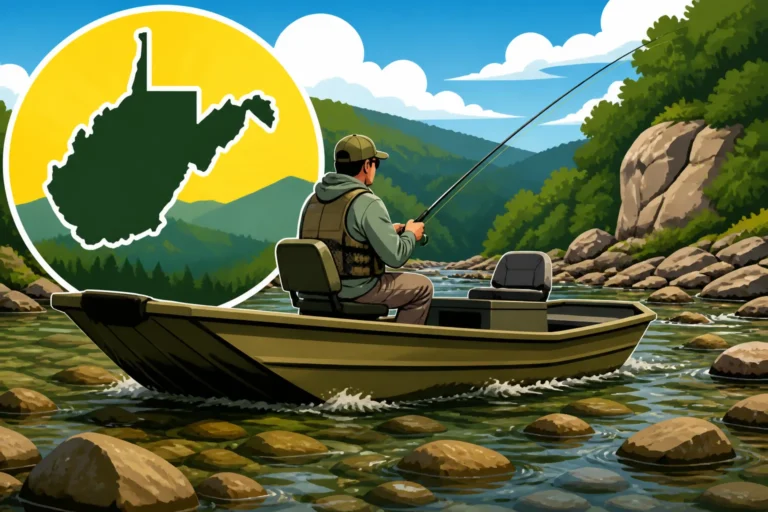
When you think about fishing West Virginia's rivers and many of its shallower lakes, the image of a simple, rugged jon boat often comes to mind. These flat-bottomed, utilitarian vessels are a staple for a reason: they are incredibly practical for the kind of waters we have here. They might not be the prettiest boats on the water, but they are undeniably effective and reliable.
Pros and Cons of Jon Boats
The biggest "pro" for jon boats is their shallow draft. Thanks to their flat bottom, they can navigate incredibly shallow water without getting hung up, which is essential for many of our rivers and even certain coves in larger lakes. They are typically made of aluminum, making them lightweight and durable, able to take a bump or two against rocks without major damage. This also makes them easier to launch, even from unimproved banks, and they can be towed by smaller vehicles. Their open, spacious interior provides a stable platform for casting and moving around, and they are generally very affordable, both to purchase and to maintain. You can often find a good selection of jon boats at Bass Pro Shops or even online through retailers like Amazon, offering various sizes and configurations.
However, jon boats aren't without their drawbacks. Their flat bottom, while great for shallow water, makes them less stable in rough, choppy water. If you're on a large reservoir during a windy day or encountering significant boat traffic, a jon boat can deliver a very wet and jarring ride. They also tend to "skate" in strong currents, making precise boat control more challenging in swift river sections. Speed isn't their strong suit either; while they can get up on plane, they aren't built for high-speed runs across open water. Finally, they often lack the integrated storage and creature comforts of more specialized fishing boats, though many anglers customize them heavily.
Ideal Use Cases for Jon Boats
Jon boats truly shine in shallow, rocky rivers like many stretches of the Greenbrier, Cheat, and smaller tributaries. Their ability to float over mere inches of water means you can access spots that deeper V-hulls simply can't reach, opening up secluded fishing holes for bass, muskie, and even trout. They are also fantastic for skinny water muskie fishing on rivers where the big toothy critters lurk in often challenging terrain. Many anglers use them for a variety of species on these rivers, from smallmouth bass to catfish.
They are also an excellent choice for smaller lakes and ponds, particularly those with horsepower restrictions or limited access. For chasing panfish, working around docks for largemouth, or setting out trotlines for catfish, a jon boat offers ample space and a stable platform. Even on larger reservoirs, a jon boat can be a great option for targeting back coves or shallower flats, especially if you're not planning long runs across open water. They are also frequently used as a utility boat for hunting, crabbing, or simply enjoying the water, making them a versatile investment for the outdoor enthusiast. Best Jon Boats for Shallow Rivers provides more specific details on selecting these vessels.
Features to Look For in a Jon Boat
When selecting a jon boat, consider a few key features. The hull thickness (gauge of aluminum) is important; thicker hulls (e.g., .100 gauge or higher) offer greater durability for bumping rocks, while thinner hulls are lighter but more prone to dents. The width of the bottom impacts stability; wider bottoms are generally more stable but might draw slightly more water. A wider bottom also provides more internal space.
Look at the transom height, which needs to match your outboard motor's shaft length (typically 15-inch or 20-inch). A flat floor or some form of flooring (often added by the owner) is crucial for comfort and stability while standing. Many jon boats come with basic bench seating, but aftermarket additions like swivel seats or casting decks can greatly enhance their fishability. For motors, a reliable outboard with enough horsepower to get you upstream in current is key, but don't over-power the boat. A high-quality trolling motor (bow-mount or transom-mount) is almost essential for precise boat control while fishing, allowing you to hold position or slowly drift. Finally, consider mounting options for electronics like fish finders and rod holders.
V-Hull Boats: Versatility for Lakes and Larger Rivers
Stepping up from the utilitarian jon boat, V-hull boats offer a significant leap in performance, comfort, and capability, particularly for West Virginia's larger lakes and wider river systems. These boats are designed to cut through waves, providing a smoother, drier ride and greater stability in open water. They come in a vast array of configurations, each tailored to different fishing styles and environments.
Pros and Cons of V-Hull Boats
The primary advantage of a V-hull boat is its superior rough water performance. The V-shaped hull slices through waves rather than slapping them, resulting in a much more comfortable and drier ride when crossing large, windy lakes or navigating the wakes of other boats on major rivers. This design also offers better tracking and handling at speed, making them safer and more efficient for covering long distances. V-hulls typically offer more integrated storage, larger livewells, and dedicated rod lockers, making them much more angler-friendly for organized fishing. They can also support larger, more powerful outboards, enabling faster travel to distant spots.
However, V-hulls have their own set of disadvantages. Their deeper draft means they are not suitable for very shallow rivers or launching from unimproved banks where a jon boat would excel. They are also generally heavier and more expensive than jon boats, requiring a more substantial towing vehicle and often professional maintenance. While many V-hulls are quite stable, their deeper shape can sometimes feel less stable at rest than a flat-bottomed jon boat, though modern designs often mitigate this. Parking and storing a larger V-hull can also be a challenge, especially in residential areas.
Ideal Use Cases for V-Hull Boats
V-hull boats are perfectly suited for West Virginia's large reservoirs like Summersville Lake, Bluestone Lake, Tygart Lake, and Stonewall Jackson Lake. These are the boats you’ll see crisscrossing these vast waters, chasing bass, walleye, crappie, and hybrid stripers. Their ability to handle choppy conditions means you can venture further and fish comfortably even when the weather kicks up. Many serious tournament anglers fishing for Largemouth Bass Fishing in West Virginia or Walleye Fishing in West Virginia will opt for a V-hull for its speed, stability, and integrated fishing features.
They are also the preferred choice for fishing the wider, deeper sections of major rivers, such as the Ohio River, the Kanawha River, and the lower sections of the Monongahela. Here, the V-hull's ability to run at higher speeds and manage boat wakes is invaluable. For anglers targeting sauger, big catfish, or even muskie on these larger waterways, a V-hull provides the necessary platform. If your fishing adventures regularly take you to these more expansive and often rougher waters, a V-hull boat is likely to be your best bet.
Different Types of V-Hull Boats
Within the V-hull category, there's a world of specialization.
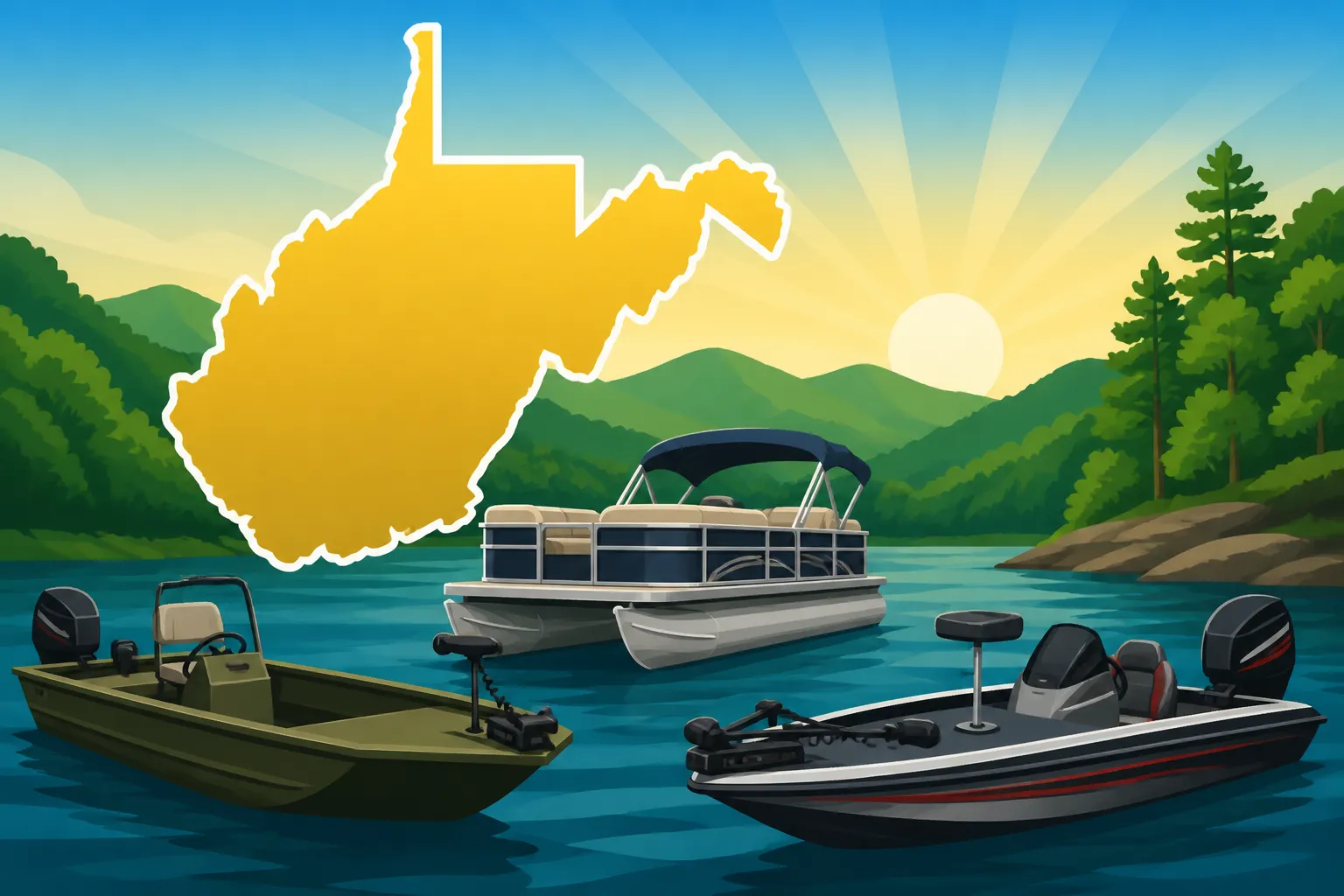
- Bass Boats: These are highly specialized, typically low-profile fiberglass boats designed for speed and optimal casting platforms. They feature powerful outboards, multiple livewells, expansive deck space, and integrated electronics. They excel at quickly covering water on lakes for largemouth and smallmouth bass, but their low freeboard can make them wet in rough conditions, and their deep draft limits them to good ramps.
- Multi-Species Boats (Walleye Boats): Often aluminum or fiberglass, these boats feature a deeper V-hull and higher freeboard than bass boats, making them much more capable in rougher water. They are designed for trolling, jigging, and casting for a variety of species like walleye, muskie, and even larger smallmouth bass on big waters. They typically have ample rod storage, larger livewells, and robust electronics.
- Deep-V Aluminum Boats: These are incredibly popular in West Virginia for their balance of durability, affordability, and rough-water capability. Brands like Lowe, Tracker, and Crestliner (often found at Bass Pro Shops) make excellent deep-V aluminum boats that can handle many of our larger lakes and rivers. They are lighter than fiberglass, often easier to tow, and can withstand more abuse. Many come in utility versions or more fully equipped models with casting decks and storage.
- Runabouts/Deck Boats (with fishing packages): While not purely fishing boats, many runabouts or deck boats can be outfitted with fishing features like rod holders, livewells, and trolling motors. These are great for families who want a versatile boat for tubing, skiing, and casual fishing on large lakes. They offer comfort and space but may not be as optimized for serious angling as dedicated fishing boats.
| Boat Type | Primary Use Cases | Key Advantages | Key Disadvantages | Best for WV Waters |
|---|---|---|---|---|
| Jon Boat | Shallow rivers, small lakes, ponds | Shallow draft, durable, lightweight, affordable | Poor rough water performance, less stable at speed | Greenbrier River, Cheat River, smaller impoundments, remote access |
| V-Hull (Bass) | Large lakes, fast bass fishing | Speed, casting platforms, integrated features | Deep draft, wet in rough water, specialized | Summersville Lake, Stonewall Jackson Lake (for largemouth tournaments) |
| V-Hull (Multi-Species) | Large lakes, wide rivers, varied species | Excellent rough water, versatile, good storage | Deeper draft, heavier, more expensive | Summersville, Bluestone, Tygart, Ohio River, New River (lower sections) for walleye, muskie, smallmouth |
| Kayak/Canoe | Small streams, quiet lakes, remote access | Portable, stealthy, affordable, environmentally friendly | Limited space, speed, weather dependent | Cranberry River, Shavers Fork, remote sections of any river, small ponds, Best Kayaks for West Virginia Fishing |
| Drift Boat | Moderate to swift rivers | Excellent control in current, stable, quiet | Requires specific river conditions, specialized | New River (fly fishing sections), Elk River tailwater, scenic river floats |
| Pontoon Boat | Family lake outings, leisurely fishing | Spacious, stable, comfortable, social | Slow, not for rough water, not very agile | Large calm lakes (Summersville, Bluestone) for family fishing, leisurely trips |
Kayaks and Canoes: Paddle Power for Intimate Waters
For a growing number of West Virginia anglers, the quiet simplicity and intimate access offered by kayaks and canoes are completely unrivaled. These human-powered vessels allow you to explore waters that larger boats can't touch, offering a completely different, often more serene, fishing experience. If getting off the beaten path and connecting with nature is your goal, paddlecraft might just be your perfect companion.
Pros and Cons of Kayaks and Canoes
The major advantage of kayaks and canoes is their unparalleled access to remote and shallow waters. They can glide over mere inches of water, be easily portaged around obstacles or across short land sections, and launched from virtually any bank, even where no traditional ramp exists. This opens up countless miles of smaller rivers and streams, as well as secluded coves and hidden pockets on larger lakes. They are also incredibly stealthy, allowing you to approach wary fish without the noise of an outboard motor. Cost-wise, they are significantly more affordable than most motorized boats, with lower maintenance and no fuel costs. Their portability is also a huge plus, as many can be car-topped or transported in the bed of a truck. Best Kayak for the New River provides specific recommendations for challenging waters.
On the flip side, kayaks and canoes have inherent limitations. Speed and distance covered are restricted by your paddling ability; long runs across large lakes can be exhausting. They offer limited storage capacity compared to larger boats, especially for multiple anglers or extensive gear. While modern fishing kayaks are very stable, they are still generally less stable than a powered boat, especially when standing. They are also weather dependent; strong winds can make paddling arduous, and they offer little protection from rain or sun. Finally, the safety factor in large, swift rivers or open, choppy lakes requires careful consideration and appropriate safety gear.
Ideal Use Cases for Fishing Kayaks and Canoes
Kayaks and canoes are absolutely ideal for small to medium-sized rivers throughout West Virginia. Think of places like the Greenbrier River for smallmouth bass, sections of the Cheat River, or the middle and upper reaches of the New River. Their maneuverability in current, combined with their shallow draft, allows anglers to drift fish, paddle upstream to favorite holes, or quietly stalk fish along the banks. For Fly Fishing for Trout in West Virginia in smaller streams, a canoe or a short, maneuverable kayak is often the perfect tool for reaching prime spots.
They also excel on smaller, calmer lakes and ponds, where you can quietly explore shorelines and submerged structure without disturbing the water. Many anglers use them for a quiet day chasing panfish or largemouth bass on farm ponds or state park lakes. Even on larger reservoirs, a kayak can be a fantastic tool for exploring specific coves or backwaters that bigger boats can't access, especially if you plan to launch close to your target area. For the angler who values solitude, intimate connection with the water, and minimalist fishing, kayaks and canoes are unmatched.
Fishing-Specific Features for Paddlecraft
Modern fishing kayaks, in particular, have evolved tremendously to cater to anglers. When choosing one, look for stability, often achieved through wider hulls or pontoon-style designs (like "tunnel hulls"). Many come with pedal drive systems (e.g., Hobie, Old Town) that free up your hands for fishing, offering efficient propulsion. Integrated track systems (like those found on many Wilderness Systems or Perception models) allow for easy mounting of rod holders, fish finders (many available on Amazon), and other accessories without drilling.
Comfortable seating is crucial for long days on the water; adjustable, elevated seats are a common feature. Storage options like front and rear hatches, tankwells with bungee systems, and even insulated cooler spaces are important for gear and keeping your catch. For canoes, consider models with square sterns that can accommodate a small electric trolling motor, greatly extending your range and ease of movement, especially on calmer waters. Always prioritize safety features like ample flotation and a good personal flotation device (PFD) for any paddlecraft adventure.
Drift Boats: Specialized for River Anglers
For a particular breed of river angler, especially those who prefer fly fishing or a more controlled, tactical approach to river fishing, the drift boat is an iconic and highly specialized vessel. While not as common as jon boats or kayaks in West Virginia, they hold a revered status among those who understand their unique capabilities on flowing water.
Pros and Cons of Drift Boats
The standout "pro" for drift boats is their exceptional control and maneuverability in current. Designed specifically to be rowed and drifted downstream, they allow an experienced oarsman to position anglers with pinpoint precision, holding the boat perfectly still in a seam or swinging it through a riffle. This level of control is unparalleled for presenting flies or lures to specific targets. They are also incredibly stable, providing a solid platform for standing and casting, even for multiple anglers. Their quiet operation is another huge benefit, allowing for stealthy approaches to undisturbed fish. Furthermore, they are typically built with robust construction (often fiberglass or aluminum), designed to handle bumps and scrapes against river rocks.
However, drift boats are highly specialized, which comes with significant "cons." They are designed almost exclusively for downstream travel and are extremely difficult, if not impossible, to motor back upstream effectively. This means you need a shuttle vehicle at your takeout point, adding a logistical layer to every trip. They require a skilled and experienced oarsman to operate safely and effectively, especially in technical rapids or strong currents. Drift boats are also relatively expensive compared to jon boats, and their size can make storage and transport challenging. They are generally not ideal for broad, flat sections of river or large lakes where motoring is preferred.
Ideal Use Cases for Drift Boats
Drift boats are the ultimate tool for float fishing moderate to swift flowing rivers, especially for species like trout and smallmouth bass where precise presentations are key. They are a common sight on renowned fly fishing waters, allowing anglers to systematically work stretches of water with unmatched control. In West Virginia, they might be seen on the Elk River's tailwater for its famous trout, or certain sections of the New River where fly fishing for smallmouth bass is popular. Elk River Trout Fishing is a prime example of a fishery where a drift boat can truly shine, allowing anglers to cover miles of prime water effectively.
They are particularly suited for scenarios where you want to cover significant river mileage while maintaining excellent fishing conditions. Imagine drifting through a series of runs and pools, with the oarsman precisely holding the boat in the best position for each cast. This method allows anglers to fish thoroughly and efficiently, maximizing their chances of success over diverse river habitats. For anglers who prioritize the art of river fishing and the experience of a smooth, controlled float, the drift boat offers an unparalleled platform.
Operating Considerations and Safety
Operating a drift boat safely and effectively requires a specific skillset. The oarsman is paramount; they need to be proficient at reading water, understanding current dynamics, and maneuvering the boat with precision. This isn't a boat you just hop in and go; it takes practice and river knowledge. When purchasing a drift boat, consider the length and beam relative to the rivers you'll fish; shorter, wider boats might be more agile in tighter spots, while longer boats handle larger waves better.
Safety gear is even more critical in a drift boat. Always have multiple PFDs, a throw bag, a first aid kit, and an emergency repair kit. Understanding river hazards like strainers, sweepers, and rapids is essential. Many drift boats come with integrated anchor systems (often with chain and rope) that allow for quick deployment and retrieval, crucial for holding position in current or setting up for a specific fishing spot. The best drift boats are often built by specialized manufacturers like Hyde or Clackacraft, known for their durable construction and thoughtful angler-focused designs.
Pontoon Boats: Family Fun with Fishing Capabilities
While often seen as leisure cruisers, modern pontoon boats have increasingly embraced the fishing world, offering a unique blend of family comfort and angling functionality. For those whose fishing trips are often a family affair, or who prioritize stability and space over speed and extreme access, a pontoon boat can be a surprisingly effective and enjoyable choice, especially on West Virginia's larger, calmer lakes.
Pros and Cons of Pontoon Boats
The overwhelming "pro" of pontoon boats is their incredible stability and spaciousness. With multiple pontoons providing a wide, flat deck, they are exceptionally stable at rest, making them ideal for multiple anglers, children, or those with mobility challenges. The sheer amount of deck space allows for multiple fishing stations, comfortable seating, and plenty of room for coolers, gear, and even a barbecue. They are generally very comfortable with plush seating and often have amenities like bimini tops for shade, making them perfect for all-day family outings on the water. Their relatively shallow draft also allows them to get into shallower coves on lakes.
However, pontoon boats have significant "cons" for serious fishing. They are inherently slow and not designed for speed, so covering large distances quickly on a big lake is not their forte. Their large, flat design makes them vulnerable to strong winds and rough chop, often leading to a bouncy ride and reduced control in adverse conditions. They are also not suitable for rivers with strong currents or shallow, rocky areas due to their size and limited maneuverability. Maneuvering in tight spots can be challenging, and they often require a larger boat ramp and a substantial towing vehicle.
Ideal Use Cases for Pontoon Boats
Pontoon boats are an excellent choice for family-friendly fishing trips on large, calm West Virginia lakes such as Summersville Lake, Bluestone Lake, and Tygart Lake. They excel when the goal is a relaxed day on the water, combining fishing with swimming, picnicking, or simply enjoying the scenery. For anglers targeting crappie, bluegill, catfish, or even largemouth bass around docks and open water, the stability and space of a pontoon boat can be a huge advantage. They allow for multiple lines in the water, plenty of room to net fish, and comfortable seating for everyone.
They are particularly good for group fishing outings, where you might have several generations or friends wanting to fish together. The ability to move around, stretch out, and socialize while fishing makes the experience enjoyable for everyone, not just the hardcore angler. While not the choice for professional bass tournaments, they can be fantastic for casual angling and introducing new people to the joys of fishing in a comfortable, low-stress environment.
Fishing Modifications and Features
Many manufacturers now offer dedicated "fishing" or "fish & cruise" pontoon packages, recognizing their growing appeal to anglers. When looking for a fishing pontoon, prioritize features like built-in livewells, which are essential for keeping bait and catch fresh. Swivel fishing seats are a must-have, often replacing some of the lounge seating to provide dedicated casting positions. Rod holders, both flush-mount and rail-mounted, are important for keeping rods organized and accessible.
Consider models that offer open casting areas (sometimes replacing a forward lounge) for easier casting. A bow-mounted electric trolling motor is a game-changer for pontoon fishing, providing silent propulsion and precise boat control, allowing you to creep along shorelines or hold over submerged structure. Many pontoons also have enough deck space to accommodate portable fish finders, tackle storage boxes (which you can find readily on Amazon), and even small casting nets. Brands like Harris, Bennington, or Lowe offer great options, often available through marine dealerships that might also carry gear from Bass Pro Shops.
Boat Accessories and Essential Gear
Once you've settled on the perfect boat for your West Virginia fishing adventures, your journey isn't over. Outfitting your vessel with the right accessories and essential gear is just as crucial as choosing the boat itself. These items not only enhance your fishing experience but, more importantly, ensure your safety and compliance with regulations.
Safety Equipment: Beyond the Basics
Safety on the water is non-negotiable, and West Virginia has specific boating laws that require certain equipment. The absolute most important piece of gear is a personal flotation device (PFD) or life jacket for every person on board. Make sure they are U.S. Coast Guard approved, properly sized, and easily accessible. Children under 13 typically have specific requirements for wearing PFDs. Life Jacket Requirements for West Virginia Boaters outlines these rules clearly. Beyond PFDs, you’ll need a throwable flotation device, such as a cushion or ring buoy, readily available for emergencies.
Other critical safety items include a sound-producing device (whistle or horn) to signal other boats or in distress, and visual distress signals for night boating (like flares or an electronic signal). Always carry navigation lights if you plan to be on the water from sunset to sunrise. A fire extinguisher is required on most motorized boats. A first-aid kit stocked for minor injuries, a paddle or oar (even on motorized boats for emergencies), and a basic tool kit for minor repairs are also smart additions. Finally, carrying a fully charged cell phone (in a waterproof bag) and informing someone of your float plan are excellent practices.
Electronics: Enhancing Your Fishing Success
Modern electronics have revolutionized fishing, making anglers more efficient and successful. A fish finder is arguably the most valuable electronic accessory for many boaters. These devices use sonar to detect fish, bottom structure, and even water temperature, giving you a real-time view of what's beneath your boat. For deep lakes like Summersville or Bluestone, a good fish finder is essential for locating submerged humps, ledges, and schools of baitfish. Brands like Humminbird and Lowrance offer a range of models, from simple black-and-white units to advanced side-imaging and down-imaging systems. Best Fish Finders for West Virginia Lakes provides more detailed information.
A trolling motor is another game-changer, especially for bass and walleye anglers. These electric motors, typically mounted on the bow or transom, provide silent, precise boat control, allowing you to creep along shorelines, hold over structure, or slowly present baits without using your main engine. Many modern trolling motors feature GPS-based "spot-lock" technology, which automatically holds your boat in place, effectively acting as a digital anchor.
Storage and Transport: Keeping Your Gear Organized and Safe
Good tackle organization is key to a smooth fishing trip. Consider tackle storage systems that fit your boat, whether it's built-in compartments, specialized tackle bags, or crates for kayaks. Rod holders are essential for keeping rods secure while traveling or when you're running multiple lines. A cooler is a must-have for keeping drinks, snacks, and your catch fresh, with many high-quality options available at Bass Pro Shops.
For transport, a reliable boat trailer that is properly sized for your boat is crucial. Make sure your trailer has working lights, good tires, and a spare. Regularly check wheel bearings and ensure proper tie-downs are used to secure your boat. A boat cover is an excellent investment to protect your boat from the elements during storage, extending its lifespan and keeping it cleaner. Finally, a dry bag for valuables like wallets, keys, and phones is always a good idea, especially on smaller boats or during inclement weather. Thoughtful organization and proper care of your gear ensure you spend more time fishing and less time fumbling or worrying about your equipment.
Disclaimer
This article is for general informational purposes only and does not constitute professional advice. Laws, prices and regulations vary by location and change over time. Consult a qualified professional for guidance on your specific situation.