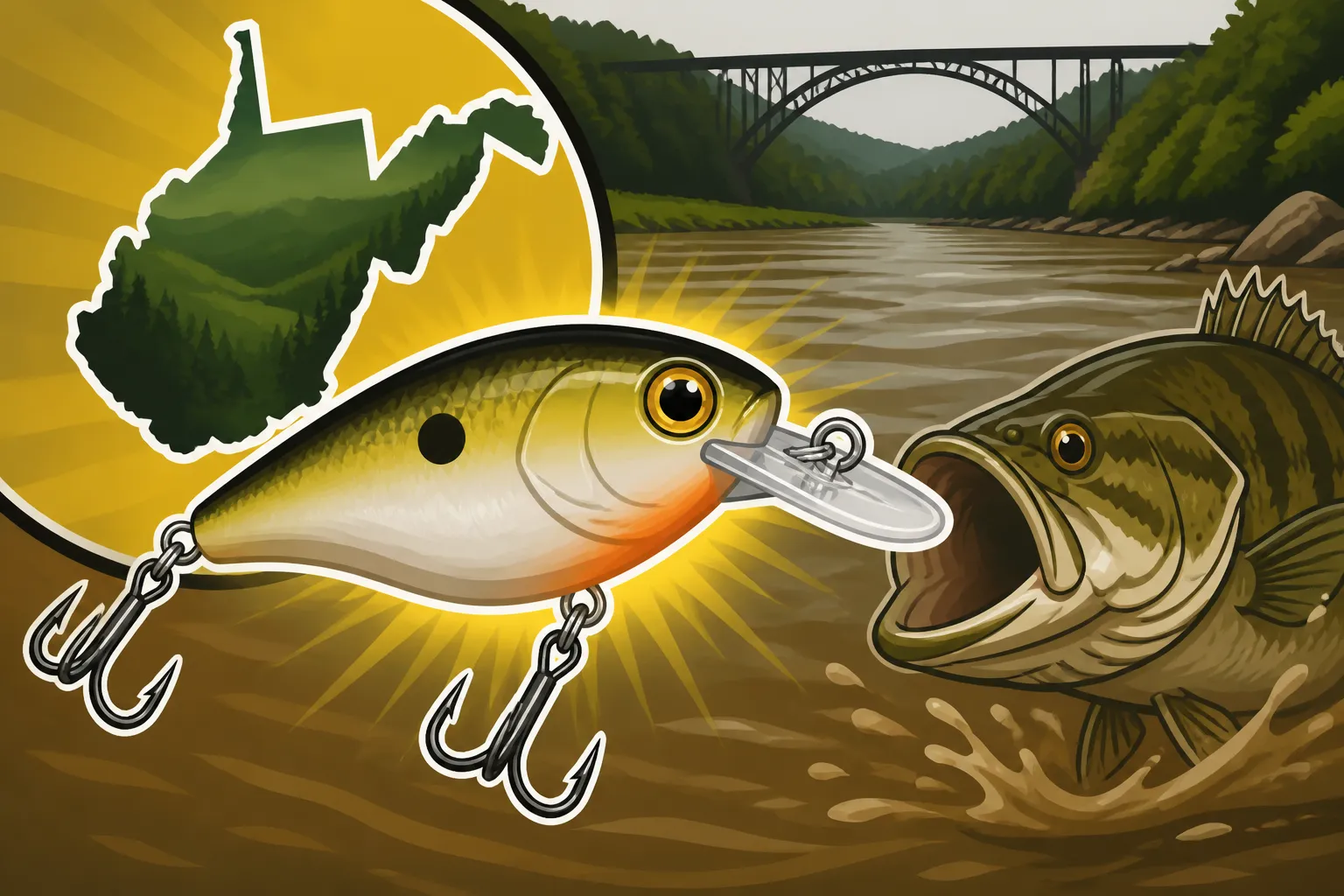
Best crankbait for stained river water
There's nothing quite like a beautiful day on a West Virginia river, rod in hand, ready to chase some smallmouth bass or a feisty walleye. But then you get to your favorite spot, and the water looks like chocolate milk after a heavy rain, or maybe it's just consistently a bit cloudy, stained by runoff or natural tannins. It's a common frustration many of us face, trying to figure out how to get fish to bite when they can barely see what they're doing. This guide is all about helping you cut through that murkiness and find success by choosing and using the best crankbaits specifically designed for stained river water.
Understanding Stained Water and Its Challenges for Anglers
Stained river water isn't just a minor inconvenience; it completely changes the dynamics of fishing. It affects fish behavior, visibility, and how they perceive your lures. For us anglers, it means we need to adjust our tactics significantly to stand a chance.
What Makes West Virginia Rivers Stained?
Our beautiful West Virginia rivers, like the New River, the Kanawha, or even smaller creeks after a deluge, can become stained for a variety of reasons. One of the most common culprits is runoff from heavy rains. When it rains hard, sediment, mud, and other debris from the surrounding land wash into the river, clouding the water. This can last for days, sometimes even a week or more, depending on the river system and continued rainfall. You'll often see this as a muddy, brown hue.
Another factor, particularly in our mountain streams and some reservoirs, is tannins. These are natural organic compounds leached from decaying leaves and vegetation, giving the water a tea-stained, often brownish-red or even dark amber color. Think of the Cranberry River in certain sections – it has that characteristic tannin stain. While not as opaque as muddy water, it still significantly reduces visibility for fish and anglers alike. Additionally, some rivers naturally carry more silt, like parts of the Ohio River, which can contribute to a perpetual slight stain. Understanding the type of stain can sometimes give you clues about fish behavior and preferred depths, but for the most part, the principles of fishing stained water remain consistent.
How Stained Water Affects Fish Behavior
Imagine trying to find your dinner in a dark room. That's pretty much what a fish in stained water is dealing with. Their primary sense of sight, which is often crucial for identifying prey, becomes severely hampered. This doesn't mean they stop feeding; it just means they adapt.
Fish in stained water tend to:
- Relocate to shallower water: Often, the clearest water might be found in very shallow areas or near feeder creeks that aren't as muddy. They might also move closer to the surface if the surface light penetration is better.
- Hug cover and structure more tightly: With reduced visibility, fish often seek out logs, rocks, drop-offs, and current breaks where they can ambush prey from close quarters. They rely on their lateral line to detect vibrations from passing food.
- Become less selective: If they can't see perfectly, they're more likely to strike at anything that looks, sounds, or feels like food. This is where high-vibration, high-contrast lures truly shine.
- Be more active during daylight: Sometimes, in very clear water, bright sunlight can make fish skittish. In stained water, however, that same sunlight can help cut through the murk a bit, making them more comfortable and potentially more active during midday hours.
They lean heavily on their other senses: their lateral line to detect vibrations and pressure changes, their olfactory senses (smell) to pick up on chemical cues, and their hearing to locate sounds. This shift in sensory reliance is precisely why crankbaits become such an effective tool.
Why Crankbaits Shine in Stained Conditions
Crankbaits are simply phenomenal in stained water, and there are a few key reasons why they earn a top spot in my tackle box when the water gets murky.
Firstly, vibration is king. Unlike soft plastics or subtle jigs, many crankbaits are designed to displace a lot of water as they move. Their wobbling, darting action sends out strong vibrations that fish can pick up with their lateral line, even if they can't see the lure. This allows fish to home in on the bait from a greater distance, which is absolutely critical when visibility is low. Think of it as a sonar ping for the fish – they feel it before they see it.
Secondly, their profile and movement mimic baitfish or crawfish effectively. Even a vague silhouette or a sudden darting motion in murky water can trigger an aggressive strike from a predatory fish. The way a crankbait deflects off cover, like a fleeing baitfish, is amplified in low visibility, often provoking a reaction strike.
Finally, while sight is reduced, it's not entirely eliminated. The colors and patterns of crankbaits, especially those designed for stained water, can create a strong contrast against the murky background, making them just visible enough to seal the deal. We'll dive into specific color choices in the next section, but the combination of bold color, strong vibration, and a realistic profile makes crankbaits an undeniable advantage when facing stained river conditions. If you're struggling to get bites, remember that the right crankbait can often make all the difference. How to Catch Smallmouth Bass in West Virginia Rivers and How to Catch Walleye in West Virginia often rely on these principles.
Choosing the Right Crankbait Colors for Stained Water
When the water's murky, your color choices aren't just about aesthetics; they're about visibility and contrast. You want colors that "pop" or create a noticeable silhouette against the stained background. Forget subtle, natural hues for a moment; it's time to get loud.
The "Go-To" Bright and Contrasting Colors
These are your bread and butter when the river looks like coffee. The goal here is maximum visibility and contrast.
- Chartreuse: This vibrant green-yellow is arguably the king of stained water. It stands out like a beacon, even in the darkest, muddiest water. Fish seem to react to its brightness with a unique aggression. Whether it's a solid chartreuse or a combination like chartreuse and black, it's a must-have.
- Orange: Bright orange, particularly "burnt orange" or those with a bit of red in them, is another fantastic choice. It mimics crawfish, which are a primary forage for smallmouth bass and other predatory fish in West Virginia rivers. The color wavelength penetrates stained water well, making it highly visible.
- Firetiger: This classic pattern combines bright green, yellow, orange, and often some black stripes. It's a powerhouse for stained water because it incorporates multiple high-contrast colors into one bait. The distinct stripes also add to the visual disturbance, making it easier for fish to detect.
- White: Sometimes, a stark white or pearl-colored crankbait can create incredible contrast. Against a dark, muddy background, white appears as a bright, distinct blob, making it easier for fish to pick out. It often works well in conjunction with a touch of chartreuse or orange.
These colors aren't subtle; they're designed to scream "here I am!" to a fish that can barely see. When in doubt, start with one of these and see what the fish tell you.
Darker Silhouettes and Natural Patterns
While bright colors get a lot of attention, sometimes a darker silhouette is what really seals the deal, especially in slightly less opaque stained water or on overcast days.
- Black/Blue: This combination is a classic for a reason. When viewed from below against a dark, stained water column, a black and blue crankbait creates a very distinct, dark silhouette. This strong contrast makes it highly visible to fish looking up for prey. The blue adds a subtle flash or pop that can catch their eye. It's especially effective for largemouth bass, but river smallmouth won't ignore it either.
- Crawfish Patterns: Even in stained water, fish still recognize their natural food sources. Crawfish patterns, often featuring combinations of browns, oranges, reds, and even some dark green or black, can be incredibly effective. The blend of colors, even if muted, still provides a decent profile, and the strong vibration of the crankbait action combined with the familiar "crawfish" look is often irresistible. This is particularly true in rivers where crawfish are abundant and a staple of the local fish diet. Brands like Rapala and Strike King offer excellent crawfish patterns. You can often find a great selection at Bass Pro Shops or even online through Amazon.
The key with these darker or natural patterns is that they still provide contrast. Instead of being brightly lit, they're offering a strong, clear shape against the murky background. Experimentation is always key; what works one day might not work the next, so having a selection of both bright and dark/natural patterns is a good strategy.
The Importance of Color Transitions and Patterns
It's not just about a single block of color; how colors are combined and transition can be just as crucial in stained water. Think of it like this: a solid block of color might get noticed, but a dynamic pattern with different hues can offer more visual stimulation and a more "natural" (or aggressively "unnatural") appearance that triggers strikes.
- Firetiger variations: The original Firetiger is fantastic, but many companies offer variations that might include more orange, more chartreuse, or different black stripe patterns. These variations can offer slightly different looks that appeal to fish on different days. The sharp contrast between the light belly, bright sides, and dark back, often broken up by stripes, is what makes it so effective.
- Perch patterns: While often considered more "natural," many perch patterns include vibrant yellows, greens, and oranges, along with distinct black bars. In stained water, these colors still offer good visibility, and the barring creates additional visual noise that can help fish zero in.
- Metallic finishes: Sometimes a crankbait with a metallic finish, like gold or brass, can provide an extra flash that catches the limited light in stained water. While not always a primary choice, a gold-sided crankbait with a chartreuse back can be deadly.
- Painted bills: Don't overlook the bill of the crankbait! Many stained water crankbaits feature a brightly colored bill (often chartreuse or orange) that adds to the visual disturbance and acts as a leading "attractor" as the lure moves through the water. This can be particularly important for fish looking to strike at the head of the bait.
The best approach is to carry a variety of patterns that offer different combinations of your high-visibility and contrasting colors. Pay attention to what the fish are reacting to on a given day, and don't be afraid to switch it up frequently. Even small differences in pattern can sometimes make a big impact.
| Crankbait Color | Primary Use in Stained Water | Why it Works | Best Conditions |
|---|---|---|---|
| Chartreuse | Maximum Visibility | Highly reflective, stands out sharply | Very muddy, dark stains |
| Orange | Contrast, Crawfish Imitation | Penetrates water well, natural forage | Brown, tannin-stained, muddy |
| Firetiger | Dynamic Contrast | Combines bright colors, strong pattern | All types of stained water |
| Black/Blue | Strong Silhouette | Clear, dark profile against light sky | Slightly clearer stains, overcast |
| Crawfish | Natural Forage | Mimics common prey, good contrast | Brown, tannin-stained, rocky areas |
| White/Pearl | High Contrast | Bright blob against dark background | Very dark, muddy water |
Crankbait Styles and Actions for Maximum Impact
Beyond color, the shape and internal workings of a crankbait play a huge role in its effectiveness in stained water. You're trying to appeal to senses other than sight, so vibration, depth, and how the bait interacts with its environment become paramount.
Shallow-Diving and Square Bill Crankbaits
When the water is stained, fish often move shallower, seeking out warmer water or areas where light penetration is slightly better. This is where shallow-diving crankbaits truly excel.
- Shallow-Diving: These crankbaits typically have a smaller lip and are designed to run anywhere from just below the surface down to about 4-6 feet. They're perfect for covering expansive shallow flats, along the edges of weed beds (if present), or over submerged rock piles and fallen timber. Their tight wobble or wide swim can still displace a lot of water, sending those crucial vibrations. They're also less prone to snagging in shallower, debris-filled stained water.
- Square Bill Crankbaits: Oh, the square bill! These are a personal favorite for stained river fishing, especially for smallmouth. They get their name from their square-shaped bill, which gives them a distinctive, erratic deflection off cover. In stained water, fish are often holding tight to logs, rocks, and current seams. A square bill crankbait, with its ability to "crash" into these objects and kick out erratically, perfectly mimics a fleeing baitfish or crawfish. This unpredictable movement, combined with its strong vibration, is an absolute strike trigger when fish have limited visibility. You can literally feel it bouncing off rocks and wood, and that's exactly what you want it to do. Look for brands like Strike King and SPRO for excellent square bill options. Best Crankbaits for West Virginia Smallmouth Bass often include these types.
The key with both shallow-divers and square bills in stained water is to keep them close to cover and structure. Make repeated casts to the same areas, bumping into everything you can. That erratic action is gold.
Medium to Deep Diving Crankbaits
Just because the water is stained doesn't mean all the fish are in the shallows. Sometimes, especially in deeper river pools, tailwaters below dams, or larger reservoirs like Summersville Lake, fish might still be holding deeper. This is where your medium and deep-diving crankbaits come into play.
- Medium-Diving: These crankbaits typically dive from 6 to 12 feet. They're excellent for targeting transition areas, like where a shallow flat drops off into a deeper channel, or along bluff walls. In a stained river, these depths might still offer fish enough cover or comfortable water temperature to reside. The key is finding those current breaks or submerged structure at these depths.
- Deep-Diving: When you need to get down to 15 feet or more, a true deep-diver is essential. These are characterized by their long, prominent bills. While you might think "too deep for stained water," there are situations, especially in very large river pools or lakes with stained water, where fish are suspended or holding on deep structure. Think of areas around bridge pilings, deep rock piles, or channel swings. The larger profile and intense wobble of a deep-diving crankbait can still send out significant vibrations, making them detectable even at greater depths in reduced visibility.
When fishing medium or deep divers in stained water, focus on areas where fish can comfortably ambush prey. This means current breaks, deep eddies, or structure that rises from the bottom. Best Fishing Lakes in West Virginia often feature opportunities for this kind of fishing. Fan casting to cover a wider area can help you locate where fish are holding, then you can pinpoint your casts.
Rattle Chambers and Sound
When sight is compromised, sound becomes a superpower. This is why crankbaits with internal rattle chambers are absolutely non-negotiable for stained water fishing.
- The Power of Sound: The rattles inside a crankbait create audible noise as the lure moves through the water. This sound, combined with the vibrations, acts as an additional beacon for fish in low visibility. It helps them pinpoint the lure from further away and often triggers an aggressive reaction strike. Think of it as shaking a can of beans in a dark room to get someone's attention – it works!
- Different Rattle Types: Not all rattles are created equal. Some crankbaits have subtle, high-frequency rattles, while others have loud, low-frequency thumps from larger ball bearings. Experiment with both. Sometimes fish prefer a more subtle sound, while other times, a loud commotion is exactly what's needed to cut through the murk and get their attention.
- No-Rattle vs. Rattle: While some anglers swear by silent crankbaits in clear water, in stained water, I almost always reach for a rattling version. The benefit of increased detectability far outweighs any potential for spooking fish. The fish are already less wary due to their reduced vision, so the added noise is usually a positive.
When browsing crankbaits, either at your local tackle shop or online at retailers like Bass Pro Shops, make sure to check if they have rattles. Often, this will be indicated on the packaging or in the product description. Give the lure a shake to hear the sound for yourself! It's an essential feature for any crankbait destined for murky West Virginia waters.
Fishing Techniques for Stained River Water with Crankbaits
Having the right crankbait is only half the battle. Knowing how to present it effectively in stained river water is what truly makes the difference between a frustrating day and a successful one. It's all about playing into the fish's reliance on senses other than sight.
Targeting Structure and Cover
In stained water, fish become even more reliant on ambush points. Their reduced visibility means they don't want to chase prey far; they want it to come to them. This makes targeting structure and cover paramount.
- Fallen Logs and Laydowns: These are absolute magnets for smallmouth, especially in rivers like the New River or the South Branch Potomac. In stained conditions, fish will hug the dark shadows and current breaks provided by these natural features. Cast your square bill or shallow-diver parallel to the log, allowing it to bump and deflect off the wood. The erratic action triggers reaction strikes.
- Rock Piles and Boulders: Rocky bottom sections, especially those with larger boulders, create eddies and current seams where fish can hold out of the main current. Run your crankbait right through the rocks, letting it bang and deflect. The sound and vibration against the hard structure are key. Don't be afraid of getting snagged occasionally; it often means you're in the strike zone.
- Current Seams and Eddies: Look for areas where faster current meets slower current, creating a distinct seam. Fish will often sit in the slower water, facing the current, waiting for food to wash by. Target these seams, allowing your crankbait to drift into the slower water, or retrieve it to run along the edge of the seam. Eddies behind large rocks or bridge pilings are also prime ambush spots.
- Drop-offs and Ledges: In deeper river sections or reservoir arms, look for sudden changes in depth. These ledges provide a vertical ambush point. Use medium to deep-diving crankbaits to trace these contours, keeping your lure in the strike zone for as long as possible.
Remember, in stained water, fish are usually right on the cover or structure, not a few feet away. Be precise with your casts and work the cover thoroughly from multiple angles. This intensive approach drastically increases your chances. New River Smallmouth Bass Fishing thrives on these techniques.
Retrieval Speeds and Pauses
The way you retrieve your crankbait is just as important as the lure itself, especially when fish are relying on vibration and sound in stained conditions.
- Vary Your Retrieve Speed: There's no single "best" speed. Sometimes, a fast, aggressive retrieve that maximizes the lure's wobble and rattle is what's needed to get attention. Other times, a slower, more methodical retrieve with subtle bumps and pauses can be more effective. Start by experimenting. Make a few casts with a steady, medium retrieve, then try a faster one, then a slower one.
- The Importance of the "Stop and Go": This technique is particularly deadly with crankbaits in stained water. Retrieve the lure a few feet, then pause for a second or two, allowing it to float up slightly or suspend (depending on the bait). This sudden change in action often triggers a strike from a fish that was following but hesitant. It mimics a disoriented or injured baitfish, an easy meal.
- Deflection is Key: As mentioned before, actively deflecting your crankbait off cover is crucial. When your lure hits a rock or log, that sudden change in direction and speed often gets an immediate reaction. It's not just about retrieving; it's about making the bait interact with its environment.
- Rip and Pause: For square bills in particular, a "rip and pause" can be effective. Retrieve steadily, then give your rod a sharp twitch or "rip" to make the bait dart aggressively, then pause. This can be especially effective for triggering those reaction bites from fish hiding in cover.
Pay close attention to your rod tip and line. Even a subtle tick or change in pressure can indicate a strike. In stained water, bites can often feel duller or like simply hitting a snag. Set the hook!
Gear Considerations for Crankbait Fishing
Using the right gear makes a huge difference in how effectively you can present and fight fish on crankbaits in stained river water.
- Rods:
- Action: A medium-heavy power rod with a moderate-fast action is generally ideal for crankbaits. The moderate action allows the rod to load up more, helping to absorb the shock of a strike and prevent hooks from pulling out, especially with treble hooks. It also helps with casting accuracy.
- Length: A 6'10" to 7'6" rod is common. Longer rods can help with longer casts, which are beneficial for covering water, while shorter rods offer more control for target casting around tight cover.
- Reels:
- Gear Ratio: A retrieve speed in the 6.1:1 to 6.8:1 range is a good starting point for baitcasting reels. This allows you to burn the bait if needed, but also slow down. For deep-diving crankbaits, some anglers prefer a slightly slower ratio (5.x:1) to reduce fatigue and provide more power.
- Baitcasters vs. Spinning: While baitcasting reels offer superior casting accuracy and power for heavier crankbaits, don't shy away from spinning gear for smaller, lighter crankbaits.
- Line:
- Fluorocarbon: This is my top choice for crankbait fishing in stained water. Fluorocarbon is nearly invisible underwater (though less crucial in murky water), but more importantly, it has low stretch, which enhances sensitivity. This allows you to feel those subtle bumps and deflections off cover, as well as light bites. Its sinking property also helps deep-diving crankbaits get to their maximum depth. A 10-15lb test is a good range.
- Monofilament: Some anglers prefer monofilament for its stretch, which can act as a shock absorber. It also floats, which can be beneficial for shallow-running crankbaits you want to keep higher in the water column. If using mono, stick to slightly heavier tests (12-17lb) for abrasion resistance.
- Braided Line (with leader): While braid offers incredible strength and sensitivity, its lack of stretch can sometimes rip treble hooks out of a fish's mouth. If you use braid, always tie on a fluorocarbon leader (10-20lb) of 3-5 feet. This provides some shock absorption and makes the presentation less visible. Best Fishing Rods for West Virginia Rivers will give you more options.
No matter your specific setup, ensure your line is fresh and your knots are strong. Fishing crankbaits around sharp rocks and wood in stained water can be tough on your line, so inspect it regularly for nicks and abrasions.
Maintaining and Organizing Your Crankbait Arsenal
Once you start accumulating an array of crankbaits for stained water, keeping them organized and in good condition becomes important. A well-maintained tackle box ensures you can quickly find the right lure and that it performs optimally when you need it most.
Tackle Storage Solutions
Crankbaits, with their multiple treble hooks, can quickly become a tangled mess if not stored properly. Nobody wants to waste precious fishing time untangling lures.
- Compartmentalized Trays: The absolute best way to store crankbaits is in tackle trays with individual compartments. These trays prevent hooks from tangling with each other and keep your lures from getting scratched or chipped. Look for trays that have adjustable dividers so you can customize the size of the compartments for different crankbait sizes. Clear plastic trays are excellent because they allow you to see exactly what's inside without having to open every box. Many anglers use dedicated trays for specific types of baits, such as "stained water crankbaits," "shallow square bills," or "deep divers."
- Soft-Sided Bags vs. Hard Boxes: Both have their place. Soft-sided tackle bags, often featuring multiple utility boxes, are great for portability and protecting your lures from impacts. Hard tackle boxes offer rigid protection and can be easier to organize if you have a lot of trays. Consider your typical fishing environment. If you're often hiking to spots, a soft-sided bag is probably more comfortable. For boat fishing, a sturdy hard box might be better.
- Hook Protectors: For your most prized or heavily-hooked crankbaits, consider using hook bonnets or rubber bands to secure the treble hooks together. This further prevents tangles and keeps hooks from damaging other lures or your fingers. While not necessary for every bait, it's a good practice for your go-to lures. Best Tackle Box Setup for West Virginia Anglers might give you even more ideas.
Hook Maintenance and Replacement
Treble hooks are crucial for crankbait fishing, but they can take a beating, especially when constantly bouncing off rocks and wood. Dull or damaged hooks will lead to missed fish.
- Sharpening Hooks: Regularly check your treble hooks for sharpness. A dull hook simply won't penetrate a fish's mouth effectively, resulting in frustrating short strikes or lost fish. Carry a good hook sharpener (a small file or stone) with you and give your hooks a quick touch-up frequently. You want hooks that are "sticky" – if you touch the point lightly to your thumbnail, it should dig in, not slide off.
- Replacing Damaged Hooks: If a hook is bent, rusted, or severely dull and can't be sharpened, replace it. It's a small investment that makes a huge difference. Ensure you match the replacement hook size to the original hooks on the crankbait. Too large, and it can interfere with the lure's action; too small, and you might lose fish.
- Split Rings: Also, check the split rings that attach your hooks to the lure. If they're rusted or sprung open, replace them. Strong split rings are essential to prevent hooks from detaching during a fight. Keep a pair of small split ring pliers in your tackle box for easy hook and ring replacement.
Proper hook maintenance is probably one of the most overlooked aspects of fishing, but it's arguably the most critical for converting bites into landed fish, especially when dealing with aggressive strikes on crankbaits in low visibility.
Cleaning and Inspection
After a day on the river, especially if you've been in muddy or silty water, your crankbaits will need a little TLC.
- Rinse Off Mud and Debris: Even if your lures look clean, a quick rinse under freshwater can remove any lingering silt, mud, or river grime that could build up over time. This is especially important for baits that have internal rattles, as debris can sometimes affect their sound.
- Check for Cracks and Damage: Give each crankbait a quick inspection for any cracks in the body or lip, especially after hitting heavy cover. While crankbaits are durable, a damaged lip can significantly alter the lure's action and make it ineffective. Sometimes a small ding can be ignored, but a major crack might mean it's time to retire the lure or attempt a repair.
- Dry Thoroughly: Before storing your lures back in their trays, ensure they are completely dry. Storing wet lures can lead to rusted hooks and split rings, even with stainless steel components over time. Lay them out on a towel or hang them to air dry before putting them away. This simple step extends the life of your hooks and lures significantly.
By taking a few extra minutes after each trip to properly maintain and organize your crankbait collection, you'll ensure that your go-to lures are always ready to perform, giving you the best chance for success on those stained West Virginia rivers.
Disclaimer
This article is for general informational purposes only and does not constitute professional advice. Laws, prices and regulations vary by location and change over time. Consult a qualified professional for guidance on your specific situation.