Best ultralight rod for panfish
There's nothing quite like the subtle tug, the quick dart, and the satisfying bend of a rod when a panfish grabs your offering. But let's be honest, trying to feel that delicate bite with a heavy bass rod or an old, stiff hand-me-down is just plain frustrating. You miss strikes, you don't enjoy the fight, and sometimes you just feel disconnected from the whole experience. This guide is all about connecting you to that magic, helping you choose the best ultralight rod that will make every bluegill, crappie, or perch feel like a trophy in West Virginia waters.
The Undeniable Joy of Ultralight Panfishing in West Virginia
Many anglers, especially those who grew up chasing bigger game, might scoff at the idea of investing in a specialized rod for panfish. But I’m here to tell you, it completely transforms the experience. It takes those often-overlooked little fighters and puts them center stage, turning a casual afternoon into a genuinely engaging battle of wits and finesse. When you’re dealing with the subtle takes of a crappie or the feisty tug of a bluegill, having the right tool makes all the difference.
Feeling Every Nibble: Why Sensitivity Matters
Imagine you’re fishing a quiet cove on a West Virginia state park lake, a place where the water is calm and the bluegill are known to hang out. With a standard medium-action rod, a panfish might pick up your bait, carry it a few inches, and spit it out before you even register a twitch in your rod tip. It's a silent, missed opportunity. That's where sensitivity comes in. An ultralight rod acts like an extension of your fingertips, telegraphing even the most minuscule investigation of your bait.
The difference in sensitivity is truly night and day. Ultralight rods are designed with lighter blanks and often have more flexible tips, allowing them to bend and transmit vibrations with incredible efficiency. You’ll feel the faintest "tick" or "tap" that signifies a panfish has inhaled your tiny jig or bait. This heightened awareness means more hooksets, fewer missed bites, and a much more rewarding fishing experience. It allows you to become a better, more responsive angler because you're constantly in tune with what's happening beneath the surface, especially when you're exploring different depths.
The Thrill of the Fight: Even Small Fish Deserve Respect
While a ten-inch crappie might not spool your reel or break your line, putting one on an ultralight rod is an absolute blast. It's a completely different kind of fight than battling a big bass on heavy gear. On an ultralight, that crappie bends the rod into a deep arc, and you feel every head shake, every dive, and every last burst of energy. The lightweight setup lets the fish really show its stuff, making you appreciate its fighting spirit.
This isn't just about fun; it's about skill. When you’re using such light tackle, you learn to play the fish more effectively, using the rod's flex and the reel's drag to your advantage. It teaches you valuable lessons in finesse, line management, and controlled pressure that can transfer to all other forms of fishing. Plus, let's be honest, it just feels good to have that rod loaded up, even if it's "just" a bluegill. You can find excellent options for this kind of sport at retailers like Bass Pro Shops, which often have dedicated sections for ultralight gear.
Decoding Ultralight Rod Specifications for Panfish Perfection
Choosing the right ultralight rod isn't just about grabbing the lightest thing on the shelf. There are specific features and specifications that make one rod better suited for panfish than another. Understanding these nuances will help you select a rod that truly enhances your time on the water, whether you're targeting bluegill in a farm pond or crappie in a deep reservoir.
Rod Length: Finding Your Sweet Spot
The length of your ultralight rod plays a significant role in its usability and effectiveness for different panfishing scenarios. You'll typically find ultralight rods ranging from 4 feet to 7 feet or even a bit longer.
Shorter rods, generally in the 4 to 5.5-foot range, are fantastic for close-quarters fishing. Think about those times you’re wading a small stream, fishing from a kayak, or navigating tight brush along a pond bank. Their compact size makes them easier to maneuver, reduces the chance of snagging on overhead branches, and can offer incredible accuracy for pitching small jigs into precise spots. However, their shorter length can limit casting distance, which might be a drawback if you need to reach schooling crappie further offshore. Many anglers find these shorter rods offer a more intimate connection with the fish, especially when using tiny jigs or live bait.
Medium-length ultralight rods, from 6 to 7 feet, are often the most versatile choice for West Virginia panfish anglers. They offer a good balance of casting distance and accuracy, making them suitable for a wide range of situations, from open lake shores to larger creeks. A 6.5-foot rod, for instance, provides enough leverage for a decent cast to cover more water, while still being sensitive enough to detect light bites and make those panfish feel substantial. These are often excellent for both shore fishing and fishing from a small boat or canoe, giving you enough reach to present your bait effectively without being cumbersome. When you're browsing online, especially on sites like Amazon, you'll see a vast selection in this popular length range.
Power and Action: The Heart of the Ultralight Rod
These two terms are often confused, but they describe distinct characteristics that are vital for panfish success. Understanding them is key to picking the right stick for your style.
Rod Power refers to the lifting strength or backbone of the rod, essentially how much pressure it takes to bend the rod. For panfish, you want an "Ultralight" power. This means the rod is designed for very light lines (typically 2-6 pound test) and tiny lures (often 1/32 to 1/8 ounce). Using an ultralight power rod ensures that even small panfish bend the rod significantly, making the fight more exciting, and also prevents you from overpowering the delicate mouths of crappie or bluegill, reducing tear-outs. If the rod feels too stiff, it's not truly an ultralight for panfish purposes.
Rod Action describes where the rod bends when pressure is applied.
- Fast Action rods bend mostly in the tip. They are incredibly sensitive, allowing you to feel every bump and nibble. They also offer quick hooksets due to their stiff backbone, which is great for single-hook jigs.
- Moderate Fast Action rods bend in the top third to half. This offers a good blend of sensitivity and a bit more forgiveness, often preferred for baits with treble hooks or when you want a little more flex for casting very light lures.
- Moderate (or Slow) Action rods bend throughout their entire length. While less common for dedicated panfish rods, they can be excellent for casting extremely light baits or for fishing with live bait where a softer, more subtle presentation is desired. The full bend acts like a shock absorber, which can be beneficial with delicate presentations.
For most panfishing, a fast or moderate-fast action ultralight rod is ideal. It gives you the sensitivity to detect those subtle bites and the quick responsiveness needed to set the hook on a fast-mouthing fish. However, for those who truly love the feel of every head shake, a moderate action ultralight can be a delightful choice, especially for fishing small spoons or tiny crankbaits.
Here’s a quick overview of how power and action combine for panfish:
| Rod Power | Rod Action | Ideal Lure Weight | Ideal Line Weight | Best For |
|---|---|---|---|---|
| Ultralight | Fast | 1/64 – 1/8 oz | 2 – 4 lb mono/fluoro | Micro jigs, single hook baits, maximum feel |
| Ultralight | Moderate Fast | 1/32 – 3/16 oz | 2 – 6 lb mono/fluoro | Small spoons, tiny crankbaits, versatile |
| Ultralight | Moderate | 1/32 – 1/8 oz | 2 – 4 lb mono/fluoro | Live bait, casting ultra-light presentations |
Material, Guides, and Handle: Comfort and Durability
The construction materials and components of an ultralight rod also contribute to its performance and your comfort.
Most quality ultralight rods are made from graphite or a graphite composite. Graphite is prized for its lightweight nature and exceptional sensitivity, allowing you to feel even the slightest tap. Some rods may use a blend of graphite and fiberglass, often referred to as a composite, which adds a bit more durability and a slightly softer action, making them less prone to snapping under stress but often at a slight cost to sensitivity. A good balance of these materials can provide both the feel you need and the robustness to handle those occasional "mystery fish" that crash your panfish party.
The guides on your rod are crucial as they manage your line and reduce friction. Look for guides with smooth, durable inserts, often ceramic, which allow your light line to glide freely and prevent premature wear. Quality guides will also be securely wrapped and aligned properly. Cheap, rough guides can severely hamper casting distance and even fray delicate ultralight lines, leading to frustrating break-offs.
Finally, the handle and reel seat are about comfort and balance. Cork handles are popular for their lightweight feel, warmth in cold weather, and good grip, even when wet. EVA foam is another common material, offering similar benefits. The reel seat should securely hold your tiny spinning reel without wobbling and be positioned to help balance the overall setup. A well-balanced ultralight combo feels weightless in your hand and minimizes fatigue over a long day of casting and reeling. You want something that feels natural to hold for extended periods, especially when you're meticulously working a brush pile for West Virginia crappie.
Completing Your Setup: Reels, Line, and Lures for West Virginia Panfish
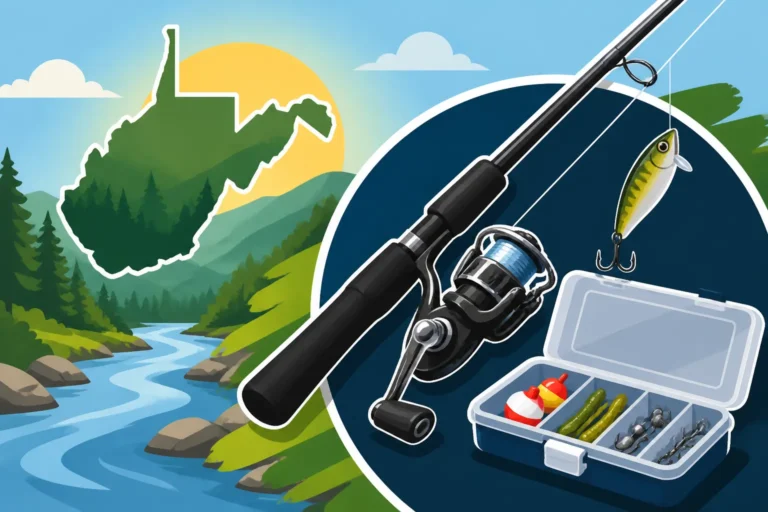
An ultralight rod is only one piece of the puzzle. To truly unlock its potential and enjoy the subtle nuances of panfishing, you need to pair it with the right reel, line, and lures. Each component works in harmony to create a balanced, sensitive, and effective system for catching those feisty West Virginia panfish.
The Perfect Match: Balancing Your Reel with an Ultralight Rod
Choosing the right reel for an ultralight rod is paramount for achieving proper balance and smooth operation. A reel that's too heavy will throw off the rod's delicate feel, making it tip-heavy and uncomfortable to cast all day. You'll want to look for a small, lightweight spinning reel, typically in the 500 to 1000 size range. These reels are designed to hold lighter lines and have smaller spools, which are perfect for matching the light action of an ultralight rod.
When you mount the reel on your rod, the goal is for the combo to balance naturally just in front of your hand when holding it. This balance point minimizes fatigue and maximizes sensitivity, allowing you to feel every subtle take. Many of these smaller reels feature incredibly smooth drags, which is vital when you're fighting a surprisingly strong bluegill or crappie on 2- or 4-pound test line. A smooth drag prevents line breakage and ensures the fish can make runs without putting too much pressure on your delicate tackle. Don't underestimate the importance of a good drag system, as it's your primary defense against a spirited fish trying to snap your light line.
Line Choices: Going Light for Less Detection
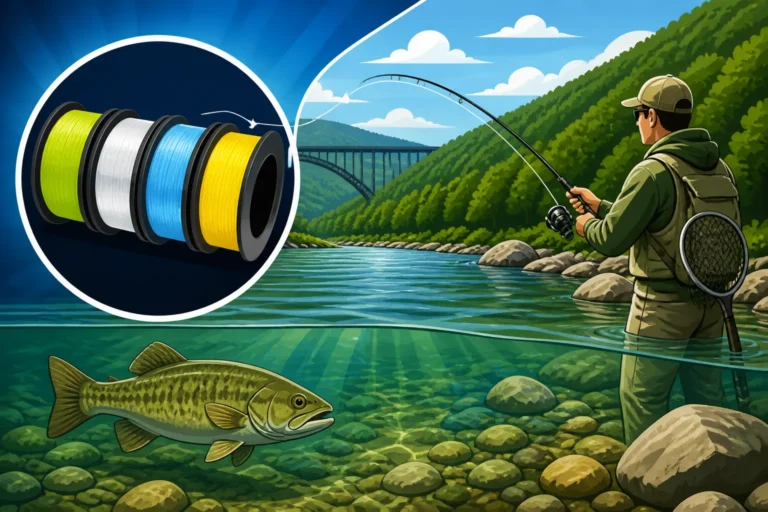
The line you choose for your ultralight setup is just as critical as the rod and reel. The whole point of ultralight fishing is to present small baits subtly, and that means using line that's barely visible and doesn't hinder your lure's action.
- Monofilament (Mono): This is a classic choice for panfish. It's affordable, has a good amount of stretch (which acts as a shock absorber against sudden runs), and is relatively easy to tie knots with. For panfish, stick to 2 to 4-pound test monofilament. The slight stretch can also help prevent small hooks from tearing out of delicate fish mouths.
- Fluorocarbon (Fluoro): Many anglers opt for fluorocarbon leaders or even full spools. It's much less visible underwater than mono due to its refractive index, making it an excellent choice for clear waters or spooky fish. It also has less stretch than mono, offering more sensitivity, and is quite abrasion-resistant. However, it can be stiffer and more expensive. A 2 to 4-pound fluorocarbon leader tied to a monofilament or braid mainline is a popular, effective setup.
- Braided Line (Braid): While less common as a primary line for panfish, some anglers use 4- to 6-pound braided line for its incredible sensitivity and zero stretch. The thin diameter allows for longer casts, but it's crucial to tie on a fluorocarbon leader (2-4 lb test) as braid is highly visible and has no stretch, which can lead to pulled hooks if you're not careful. Braid's no-stretch quality means you'll feel absolutely everything, which can be an advantage in certain situations like deep water jigging for crappie. Just remember to use a quality leader to maintain stealth and prevent undue stress on the fish's mouth. When you're fishing in waters like the many ponds and small lakes around Charleston West Virginia, having a low-visibility line can definitely give you an edge.
Tiny Baits, Big Results: Lures and Jigs for Ultralight Rods
With an ultralight rod, you're embracing the world of minuscule presentations. This means small jigs, tiny spoons, and micro soft plastics are your bread and butter. The beauty of these baits is their ability to tempt even the most finicky panfish.
- Micro Jigs: These are the workhorses of panfish fishing. Think 1/64 to 1/16 ounce jigs, often tipped with a tiny plastic grub, tube, or a piece of live bait like a minnow or worm. The weight needs to match your rod's capabilities for optimal casting and feel. Colors can vary widely, but always have some black, white, chartreuse, and pink options on hand. These jigs are incredibly versatile and can be fished under a bobber, slow-reeled, or vertically jigged. If you're looking for Best Tackle for Panfish, jigs will always be at the top of the list.
- Tiny Spoons: Small casting spoons, often 1/16 to 1/8 ounce, can be incredibly effective, especially for crappie or yellow perch. Their flash and flutter imitate small baitfish, and they can be cast a good distance with an ultralight setup.
- Micro Soft Plastics: These imitate everything from minnows to insects. Small swimbaits, grubs, worms, and even creature baits in 1-2 inch sizes, rigged on a small jig head, are deadly. The action of these tiny plastics is often irresistible to panfish. Experiment with different shapes, sizes, and colors until you find what the fish are keying in on.
- Live Bait: Of course, don't forget the classics! A tiny hook (size 8 or 10) with a piece of worm, a wax worm, or a small minnow under a bobber is still one of the most effective ways to catch panfish, and an ultralight rod makes even this simple method a pure delight. The sensitivity lets you know the exact moment a fish is toying with your bait.
The key is to use baits that match the hatch, so to speak, and that are light enough for your ultralight rod to cast comfortably and detect strikes effectively. You’ll be surprised how many panfish you can catch when you match your gear to their size and their prey.
Where to Deploy Your Ultralight Panfish Rod in West Virginia
West Virginia is a panfisher's paradise, offering an abundance of lakes, ponds, and slow-moving rivers perfect for an ultralight setup. From the smallest farm pond to the state's larger impoundments, there's always a spot to enjoy the subtle thrills of panfish angling. An ultralight rod truly shines in these diverse environments, allowing you to adapt to various conditions and species.
Ponds, Lakes, and Calm Rivers: Ideal West Virginia Panfish Haunts
Your ultralight rod will feel right at home across a spectrum of West Virginia waters. Ponds, whether they're public access or private farm ponds, are often teeming with bluegill and sometimes crappie. The relatively small size of these waters makes casting distance less of a concern, allowing you to focus on pinpoint accuracy and subtle presentations near structure like lily pads, downed trees, or docks. You'll truly appreciate the sensitivity of your ultralight as you work these areas, feeling every tap.
State park lakes, like those at Cacapon State Park or Watoga State Park, are fantastic destinations. These managed waters are often regularly stocked and maintain healthy panfish populations. You can explore shorelines, fish from designated piers, or drift quietly from a kayak. An ultralight rod is perfect for these settings, whether you're casting small jigs, working a tiny spinner, or simply dangling a worm under a bobber. For specific areas, you might want to consult a West Virginia State Park Fishing Guide to plan your trip and maximize your panfish opportunities. Many local bait and tackle shops also provide great tips on nearby hotspots for various panfish species.
Even some of West Virginia's larger, slower-moving rivers can be ideal, particularly in calmer backwaters, eddies, and small feeder creeks. Rivers like sections of the Greenbrier or the lower stretches of the Elk River offer sheltered areas where panfish thrive. The ultralight setup allows you to present tiny baits naturally in the gentler currents, without spooking fish. It’s a great way to explore the hidden gems of our river systems.
Targeting Specific Panfish: Bluegill, Crappie, and Perch Strategies
While an ultralight rod is versatile, you can slightly fine-tune your approach for different panfish species.
Bluegill: These feisty sunfish are often found in shallow, weedy areas, around docks, and submerged timber. A slightly shorter ultralight rod with a fast action is excellent for dropping small jigs, crickets, or worms into tight spots. Bluegill hit aggressively, so the fast action helps with quick hooksets. You'll feel their signature "thump" immediately, and on an ultralight, even a 6-inch bluegill puts up a surprisingly strong fight. Learning about Bluegill Habits in West Virginia Ponds can greatly increase your success.
Crappie: Crappie tend to prefer deeper water and structure, especially submerged brush piles, standing timber, and bridge pilings. They often school, so once you find one, you're likely to find more. A 6 to 7-foot ultralight with a moderate-fast action is often preferred for crappie. This allows for a good casting distance to reach those offshore brush piles and provides a bit more flex to keep those papery mouths from tearing. Vertical jigging small tubes or minnow-tipped jigs is a deadly technique, and your ultralight will broadcast every light "tap" or "slight weight" that indicates a crappie has taken your offering. When you’re focused on specific strategies, like Jigging for Crappie in West Virginia Lakes, the sensitivity of an ultralight rod is non-negotiable.
Yellow Perch: While not as widespread as bluegill or crappie, yellow perch can be found in some of West Virginia's cooler lakes and larger impoundments. They often school and prefer areas with cooler water and some depth. Ultralight rods are perfect for targeting perch with small spoons, blade baits, or minnow-imitating jigs. Their subtle bites are easily detected with sensitive gear, and their firm, flaky flesh makes them a fantastic table fish. A quick search on Yellow Perch in West Virginia Lakes can point you to prime locations.
No matter which panfish you're chasing, the ultralight rod ensures you get the most out of every single catch. It's a testament to the idea that sometimes, less truly is more.
Disclaimer
This article is for general informational purposes only and does not constitute professional advice. Laws, prices and regulations vary by location and change over time. Consult a qualified professional for guidance on your specific situation.