Best line color for clear river water
One of the trickiest parts of fishing in West Virginia's beautiful, clear rivers and streams is feeling confident that your fishing line isn't spooking every fish in the area. When those waters are crystal clear, it can feel like your line is glowing under the surface, causing fish to dart away the moment it hits the water. This guide is all about helping you understand why line color matters so much in these conditions and how to choose the best line to disappear into the environment, giving you a much-needed edge.
Why Line Color Matters So Much in Clear Water
Let's face it, we've all been there: you're on a gorgeous, sun-drenched day on the Cranberry River or the South Branch Potomac, the water is so clear you can count the pebbles on the bottom, and you just know those fish can see every single thing you're throwing at them. It's frustrating when you see fish scatter, and you can't quite pinpoint why. Often, the culprit is right there, staring them in the face: your fishing line.
The Predator's Perspective
Imagine you're a smallmouth bass in the New River, constantly on the lookout for a meal, but also perpetually on guard against predators like eagles or even larger fish. Your survival depends on your acute senses, especially sight. When something unnatural enters your world – like a brightly colored line – it sets off alarm bells. Fish don't just see shapes; they perceive movement, reflections, and contrasts. A line that stands out against the natural backdrop of the water column, the sky, or the bottom can make all the difference between a curious bite and a spooked fish.
This isn't just about fish being "smart"; it's an instinctual reaction. A flash of color, an unnatural shimmer, or a thick, visible strand in their peripheral vision can be interpreted as a threat or simply something that doesn't belong. This is particularly true for wary, pressured fish in popular angling spots or in waters known for their clarity. Their eyesight might not be exactly like ours, but they are incredibly tuned to their aquatic environment.
The Angler's Advantage (or Disadvantage)
As anglers, we're always looking for an edge, whether it's the right lure, the perfect cast, or the most stealthy approach. Line color falls squarely into this category. Choosing the wrong line color can turn your fishing trip into a frustrating exercise in watching fish ignore your offerings. Conversely, picking a line that blends seamlessly can transform a slow day into a successful one. It allows your bait or lure to present naturally, free from the distracting visual cue of a bright string connecting it to the surface.
Think about how much effort goes into making lures look realistic – the intricate paint jobs, the lifelike profiles. All that effort can be undone if your line screams "human intervention." The goal is to make your presentation appear as if it's drifting naturally, or swimming independently. This is especially critical in clear water situations where light penetrates deeply, making everything more visible. It's a subtle factor, but one that seasoned anglers quickly learn to appreciate and exploit.
Water Clarity Factors in West Virginia
West Virginia is blessed with an incredible diversity of waterways, from crystal-clear mountain streams like the Cranberry River to the vast, sometimes turbid, Ohio River. The New River, for instance, often boasts excellent clarity, especially during stable weather periods, making line choice paramount for New River Smallmouth Bass Fishing. Even some of our larger lakes, like Summersville Lake, can have remarkably clear sections, particularly in deeper water or away from heavy boat traffic after a spell of dry weather.
However, water clarity isn't constant. It can change dramatically after heavy rains, turning gin-clear streams into chocolate milk. Runoff from agricultural areas or construction can also affect visibility. The key is to observe the conditions on any given day. If you can clearly see the bottom in a few feet of water, or if you notice your lure's subtle details from a distance, then it's a clear-water day, and your line choice will be critical. On the flip side, if the water is murky, line color becomes less of a concern, and you might prioritize strength or abrasion resistance instead.
Understanding Line Types and Their Colors
Before we dive into specific colors, it's important to understand the different types of fishing line available, as their properties — including visibility — vary significantly. Each type has its strengths and weaknesses, and what works best for one situation might be terrible for another. When you're browsing the aisles at Bass Pro Shops or looking through options on Amazon, knowing these distinctions will help you make an informed decision.
Monofilament: The Classic Choice
Monofilament, often simply called "mono," is a staple for many anglers, and for good reason. It's affordable, easy to tie knots with, and offers a good amount of stretch, which can be forgiving when fighting fish or dealing with sudden strikes. Mono lines are extruded as a single strand of plastic, usually nylon, and can be dyed a wide array of colors.
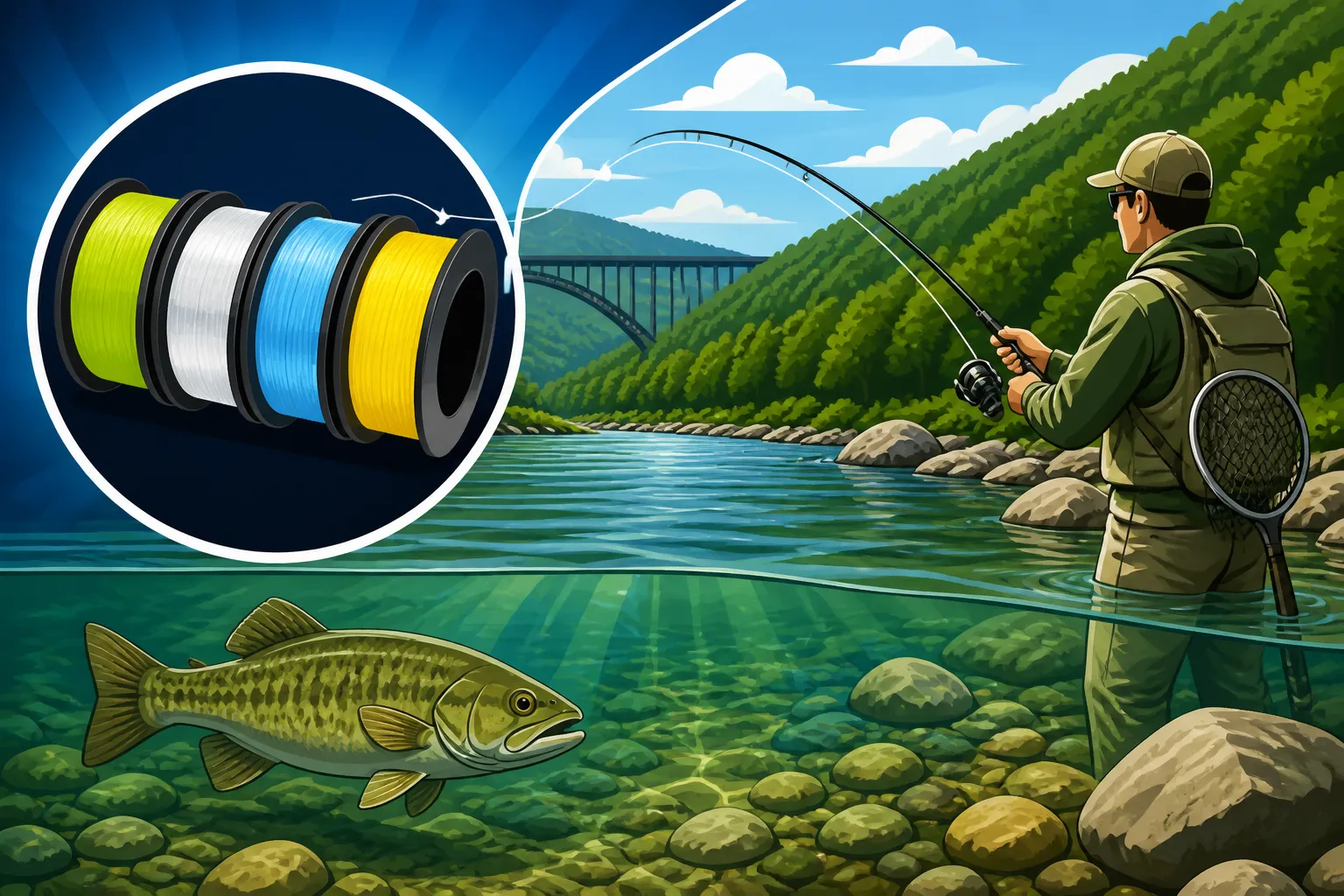
In clear water, the choice of monofilament color becomes crucial. While brightly colored mono might be great for an angler to see (which can be an advantage for strike detection or managing multiple lines), it can be a huge disadvantage when trying to fool wary fish. Clear monofilament has long been a go-to for many, as it allows light to pass through it, making it somewhat "invisible" in the water. However, clear mono isn't truly invisible; it can still create a shadow or refract light, especially under direct sunlight. Light green or light blue mono can also be effective in blending with certain water conditions, mimicking algae or sky reflections.
Fluorocarbon: The Nearly Invisible Option
Fluorocarbon is often hailed as the "invisible" line, and there's a lot of truth to that. Its refractive index is very close to that of water, meaning light passes through it with very little distortion or reflection. This makes it incredibly difficult for fish to detect, especially in clear water conditions. This is why you often hear experienced anglers recommending it as a leader material for various techniques, from fly fishing for trout to finesse fishing for bass.
Beyond its low visibility, fluorocarbon offers excellent abrasion resistance, which is a huge plus when fishing around rocks, submerged timber, or shell beds common in many West Virginia rivers. It also has very little stretch, providing excellent sensitivity, allowing you to feel even the most subtle bites. The main downsides are its higher cost compared to mono and that it can be a bit stiffer and harder to tie knots with initially. However, for those challenging clear water scenarios, its benefits for stealth often outweigh these drawbacks. Many anglers, especially those targeting skittish fish like trout or wary smallmouth, will opt for a full fluorocarbon main line or at least a long fluorocarbon leader. Best Fluorocarbon Line for Clear River Water covers this in more detail.
Braided Line: Strength and Sensitivity
Braided line is a powerhouse when it comes to strength, castability, and sensitivity. Made by braiding multiple strands of synthetic fibers together, it has virtually no stretch, transmitting every bump, tap, and bite directly to your hands. It also boasts an incredibly thin diameter for its breaking strength, allowing for longer casts and cutting through water with less resistance.
However, braided line is generally very visible to fish. Because it's opaque and often comes in colors like dark green, yellow, or even bright white, it creates a distinct visual presence in clear water. This is why braided line is almost always used with a fluorocarbon or monofilament leader when fishing in clear conditions. The braid provides the main line strength and sensitivity, while the leader provides the stealth necessary to fool fish. Without a leader, that bright green or yellow line would likely send fish scurrying. It's a fantastic main line for many situations, but rarely the best choice on its own in clear, shallow waters.
Choosing the Right Color for Different Conditions
The "best" line color isn't a one-size-fits-all answer; it often depends on the specific water conditions, target species, and even the ambient light. What works perfectly on a sunny day might be less effective under cloudy skies. The goal is always to make your line disappear as much as possible, or at least blend in with the background.
Clear and Light Green Lines
When those West Virginia waters are running crystal clear, especially in smaller mountain streams or tailwaters like the Elk River, clear fishing line is a popular choice for good reason. Clear mono or fluorocarbon allows some light to pass through it, making it less opaque and therefore less noticeable than a solid color. It essentially tries to take on the qualities of the water around it.
Light green lines, often a translucent shade, can also be incredibly effective. Many natural environments, particularly those with vegetation or algae, have a greenish tint. A light green line can mimic this natural color, making it blend in with submerged weeds, moss, or the general green hue often present in freshwater ecosystems. This can be particularly effective in streams where fish are accustomed to seeing natural debris of similar coloration. It’s a good compromise if you want a little more visibility for yourself than completely clear line, but still want stealth for the fish.
Blue and Camouflage Lines
Blue fishing lines are another excellent option for clear water, especially on bright, sunny days when the sky's reflection dominates the water's surface. A light blue line can essentially disappear into the overhead light and sky, making it very difficult for fish looking up from below to detect. This strategy works particularly well in open water situations on larger lakes or wider rivers where there's no overhead cover or strong bottom structure to draw attention to the line.
Camouflage lines, which often feature a mix of greens, browns, and blacks, are designed to break up the line's profile, making it harder for fish to discern a continuous strand. While they might not be "invisible," the idea is that the mottled pattern creates visual confusion, much like military camouflage. These can be effective in highly varied environments, such as rivers with a mix of rocky bottoms, aquatic vegetation, and woody debris. The varying shades help the line blend into different elements of the underwater landscape as it moves, making it a versatile choice for many West Virginia angling scenarios.
High-Visibility Lines (and how to use them)
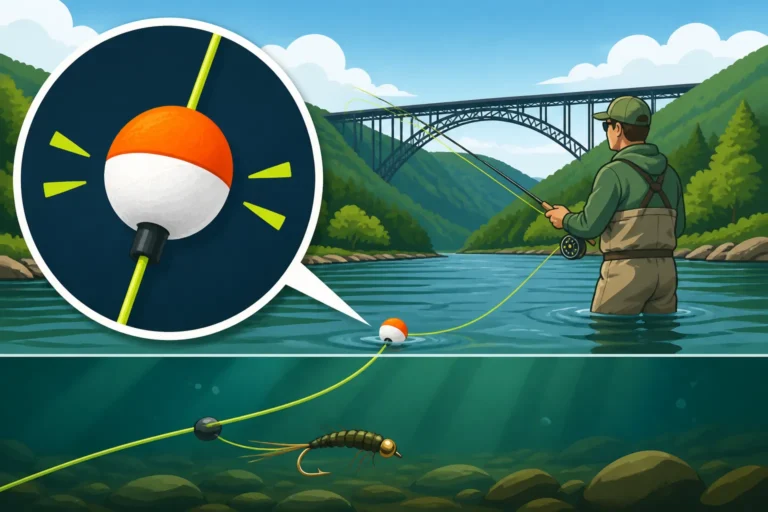
It might seem counterintuitive to talk about high-visibility lines in an article about clear water fishing, but there's a place for them, especially when combined with a stealthy leader. High-vis lines come in bright colors like fluorescent yellow, orange, or even neon green. Their primary advantage is for the angler: they make it incredibly easy to see your line. This is fantastic for detecting subtle bites, tracking your lure, or managing your line in windy conditions. For fly anglers, a high-vis fly line can make all the difference in seeing a strike indicator or the delicate drift of your dry fly.
The trick to using high-vis lines in clear water is to always, always pair them with a long, invisible leader. You might have a bright yellow braided main line, but then you tie on 6-10 feet of 6lb fluorocarbon leader. The high-vis main line helps you manage your rig and spot strikes, while the fluorocarbon leader does the actual work of fooling the fish by presenting your bait naturally. This hybrid approach gives you the best of both worlds: angler advantage and fish-fooling stealth. This is a common setup for How to Catch Smallmouth Bass in West Virginia Rivers when using braid as a main line.
Here’s a quick overview of line types and their clear water effectiveness:
| Line Type | Primary Benefit for Angler | Visibility in Clear Water | Ideal Application (WV) |
|---|---|---|---|
| Monofilament | Easy to use, forgiving | Moderate (Clear/Light Green best) | General purpose, subtle stretch for fighting fish |
| Fluorocarbon | Nearly invisible, sensitive | Very Low | Leaders, finesse fishing, wary fish, high abrasion areas |
| Braided | Strong, sensitive, casts far | High (requires leader) | Main line for heavy cover, long casts, paired with leader |
Tips for Maximizing Stealth and Success
Choosing the right line color is a huge step, but it's not the only piece of the puzzle. To truly maximize your stealth and increase your chances of success in West Virginia's clear waters, you need to combine your line choice with smart techniques and an understanding of how fish react to their environment. It’s about creating an overall presentation that whispers, not shouts.
Using Leaders Effectively
This is arguably the most critical tip for clear water fishing, especially if you're using braided line. As discussed, braided line offers incredible advantages for casting distance and sensitivity, but its visibility is a major drawback for pressured fish. The solution is a fluorocarbon leader. A leader allows you to leverage the benefits of your main line while presenting your lure or bait with minimal detection.
A good rule of thumb is to use a leader that is at least as long as your rod, often 6 to 10 feet. This ensures that the visible main line is far enough away from your bait to not spook the fish. Tie your leader to your main line using a strong knot that passes smoothly through your rod guides, such as an FG knot or an Albright knot. When fishing for species like trout in clear streams, even if you're using monofilament as your main line, a lighter, thinner fluorocarbon leader can significantly increase your bites. Consider looking into Best Fluorocarbon Leader for Clear River Water for more specific recommendations on leader length and material.
Matching Line to Habitat
Beyond just water clarity, consider the specific habitat you're fishing. Are you targeting brook trout in a clear mountain stream with lots of green moss and fallen leaves? A light green or even a subtle brown fluorocarbon might blend better than a clear line that could stand out against the dark bottom. Are you fishing for smallmouth bass over a bright, sandy bottom in the New River? A clear or light blue line might be best, mimicking the sky and the natural reflections.
If you're fishing around heavily vegetated areas, a mossy green line could be a fantastic choice. If you're in a section of river with a lot of dark, rocky bottom, a smoke-colored fluorocarbon or mono might vanish more effectively. The idea is to think about what the fish are seeing behind your line as they look at your bait. Try to choose a line color that provides the least contrast against that background. This can involve carrying a few different spools of line or pre-tying leaders of varying tints to quickly adapt to changing conditions.
Considering Light Conditions
Light conditions play a significant role in how visible your line will be. On bright, sunny days, lines tend to be more visible due to direct light reflection. This is when the refractive properties of fluorocarbon truly shine, as it minimizes light reflection. Overcast days or low-light conditions (dawn, dusk, or deep shade) can make lines less visible overall, but also make bright, unnatural colors stand out more sharply.
The angle of the sun also matters. If the sun is directly overhead, a clear or light blue line might blend into the sky. If the sun is low on the horizon, creating glare on the water, fish might be less able to see your line due to the surface disturbance, but also might be more sensitive to unnatural shadows or objects. In very low light, such as during Night Fishing Techniques for West Virginia Lakes, line color becomes much less critical, and you might prioritize a line you can feel easily or one that stands up to abrasion from nocturnal critters.
Proper Presentation Techniques
Even the most perfectly chosen, nearly invisible line can be compromised by a poor presentation. A heavy, unnatural splash when your line hits the water, or constantly dragging your line across a fish's nose, will alert them regardless of color. Focus on gentle, precise casts that allow your lure or bait to enter the water softly and naturally.
When fly fishing, a good mend can reduce drag and allow your fly to drift freely, minimizing any unnatural movement from your line. For spin or baitcasting, ensuring there's not too much slack in your line can help with sensitivity without creating a visible "bow" in the water that could spook fish. Always try to approach the water stealthily, keeping a low profile and avoiding sudden movements that might cast shadows or vibrations into the water. A subtle approach, combined with the right line color and material, gives you the ultimate advantage in West Virginia's clear river fishing.
Disclaimer
This article is for general informational purposes only and does not constitute professional advice. Laws, prices and regulations vary by location and change over time. Consult a qualified professional for guidance on your specific situation.