Best bobber stopper setup for catfish
There's nothing quite like the anticipation of a bite when you're catfish fishing, especially when you're suspended a juicy piece of bait at just the right depth. But let's be honest, trying to get your bobber to stay put in the current, or consistently at that perfect depth, can be an absolute headache. Many anglers struggle with stoppers that slip, fray, or are just a pain to adjust. This guide is here to walk you through the ins and outs of the best bobber stopper setups for catfish, ensuring your bait stays exactly where it needs to be, so you can focus on landing that next big one in West Virginia's fantastic waters.
The Unsung Hero: Why Your Bobber Stopper Matters for Catfish
When you're chasing catfish, whether it's the feisty channel cats in a local pond or the big flatheads in the Ohio River, precision in your bait presentation can make all the difference. A bobber stopper might seem like a small, insignificant piece of gear, but it plays a monumental role in keeping your bait in the strike zone. Think about it: without a reliable stopper, your bait could be drifting too deep into the murky bottom, or too shallow, far above where those whiskered behemoths are lurking.
Maintaining Optimal Bait Depth
Catfish aren't always on the bottom, as many people assume. Especially with channel catfish and sometimes even blue cats, they can suspend at various depths in the water column, particularly in lakes or slower river sections. If you're trying to fish a specific depth, say just above a weed line or a thermocline, a secure bobber stopper is paramount. It allows your free-sliding bobber (often called a slip bobber) to stop consistently at the knot, presenting your bait precisely where you've scouted fish or where you know they're feeding. This precision is especially critical when you're experimenting with different depths to locate active fish, helping you replicate success once you find that sweet spot.
Moreover, if you're fishing a deep hole, you want your bait to get down there without tangling. A slip bobber rig, controlled by a reliable stopper, lets your weight and bait plummet quickly, then stop exactly where you've set it. This method drastically reduces tangles that can occur with fixed bobbers in deeper water, saving you precious fishing time and bait. For more on targeting specific depths, you might find our guide on How to Catch Catfish in West Virginia Lakes helpful.
Battling Current and Cover
West Virginia's rivers, like the Kanawha or parts of the New River, often have varying currents. A flimsy bobber stopper can give way under this pressure, sending your bait drifting to an unintended depth, potentially snagging on underwater obstructions, or moving out of the prime feeding lane. A robust stopper ensures your rig holds its position against the flow, keeping your bait in that crucial eddy or along that current seam where catfish often ambush prey.
Beyond current, catfish love structure – submerged logs, rock piles, and brush. When fishing near such cover, you might want to suspend your bait just above it to avoid snags while still being in the catfish's domain. A well-placed bobber stopper allows you to do this confidently. It prevents your bait from sinking into the snag-laden depths, saving you from lost hooks, weights, and valuable fishing time. For tips on navigating these challenges, check out Bottom Fishing for Catfish in West Virginia Rivers.
Diving Deep: Types of Bobber Stoppers and Their Traits
The world of bobber stoppers might seem simple, but there's more variety than you might think, each with its own advantages and ideal applications. Understanding the different types available will empower you to choose the best option for your specific catfish adventures. From the traditional thread knots to modern rubber and plastic creations, each has a place in a well-rounded angler's tackle box.
Thread or String Bobber Stoppers
These are arguably the most common and versatile bobber stoppers. Typically made of Dacron or a similar durable thread, they come as small pre-tied knots on a plastic sleeve that you slide onto your main line, or as bulk material you tie yourself. Once on your line, you snug the knot down, trim the tag ends, and it's ready to go. They're incredibly adjustable, sliding up and down your line with relative ease, yet gripping firmly when tension is applied.
The beauty of thread stoppers lies in their adjustability and minimal interference. They can pass through rod guides smoothly, which is a huge plus when you're casting long distances or fishing deep water that requires your bobber to slide all the way up to the rod tip. They also don't damage your line, which is a common concern with some other stopper types, especially after repeated adjustments. You can find large packs of these at most tackle shops or online retailers like Bass Pro Shops, making them a very economical choice for various Catfish Fishing in West Virginia scenarios.
Rubber Bobber Stoppers
Rubber stoppers are another popular choice, known for their strong grip and ease of use. They usually come in small, cylindrical or oval shapes and are applied by threading your line through a wire loop that then pulls the rubber stopper onto the main line. Once on, they cinch down tightly, providing excellent stopping power. They are often a little quicker to put on than tying a thread knot, and for many, offer a more secure feel right out of the package.
While rubber stoppers offer great grip, they can sometimes be a bit bulkier than thread knots. This can be an issue if you're using very small rod guides, as they might catch during casting, especially if you have to reel them deep into your spool for a long cast. However, for shorter casts, shallower depths, or when using larger guides on heavy catfish rods, they perform exceptionally well. They are especially handy if you need to quickly change depth frequently and want a stopper that won't budge once set. Just be mindful of how tight you pull them, as excessive force can sometimes weaken lighter monofilament or fluorocarbon lines over time.
Plastic Bobber Stoppers
Less common but still available are plastic stoppers, often in the form of small beads or cones. These typically work by wedging against the main line or, in some cases, are part of a larger slip-float system that incorporates a small plastic peg. Their primary advantage is often their durability and the fact that they are impervious to fraying, unlike thread stoppers. They can also be very visible, which can be useful for quick adjustments.
However, plastic stoppers generally have a harder surface and can potentially abrade your line if not designed well. They might also be less adjustable than thread or rubber stoppers, often requiring more effort to slide up or down the line, and sometimes losing their grip after multiple adjustments. They are usually found in specific pre-packaged slip bobber kits rather than sold individually, though you can find various bead-style stoppers on Amazon that serve a similar purpose when used in conjunction with a small split shot or piece of rubber to prevent slippage.
Setting Up Your Ideal Catfish Bobber Rig
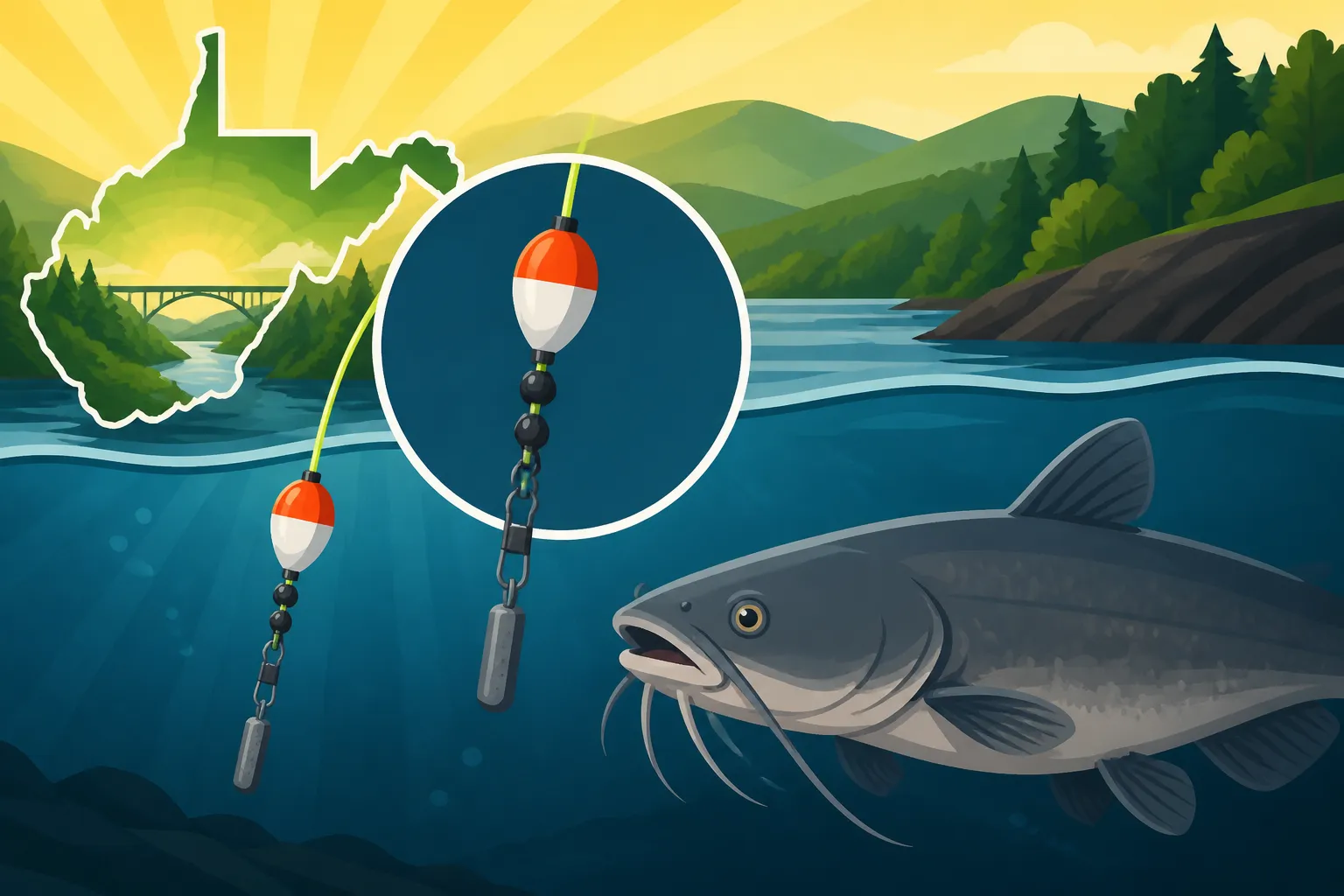
Once you've chosen your preferred bobber stopper, it's time to assemble your catfish rig. A proper setup ensures smooth operation and maximum effectiveness on the water. The classic slip bobber rig is often the go-to for many catfish anglers, offering versatility for different depths and conditions.
The Standard Slip Bobber Rig
This is the bread and butter for many anglers, allowing your bait to be presented at virtually any depth without casting limitations. Here's a step-by-step breakdown:
- Slide on the Bobber Stopper: First things first, get that bobber stopper on your main line. If it's a thread stopper, follow the instructions on the package to slide it off the wire loop and cinch it down. For a rubber stopper, thread your line through the wire loop and slide the rubber piece onto your line. Don't tighten it completely just yet; you'll adjust the depth later.
- Add a Bead (Crucial Step): This is a small but mighty detail often overlooked. Immediately after the bobber stopper, slide a small plastic or glass bead onto your line. This bead acts as a buffer, preventing the bobber stopper knot from getting pulled into or through the eye of your slip bobber. Without it, your stopper could easily disappear into the bobber, rendering it useless. Make sure the bead is large enough not to pass through the bobber's line hole.
- Thread on Your Slip Bobber: Next, thread your main line through the eye of your slip bobber. Ensure it slides freely.
- Attach Your Weight: After the bobber, tie on your sinker. This could be a split shot, an egg sinker, or a bullet weight, depending on the current and how fast you want your bait to sink. The weight needs to be sufficient to pull your line through the bobber, allowing the stopper to engage.
- Tie on Your Hook: Finally, tie your chosen catfish hook to the end of your line. Circle hooks are incredibly popular for catfish as they are excellent for catch and release and typically result in a hook-up in the corner of the fish's mouth. Consider reading Best Circle Hook Size for Catfish for more detailed information on hook selection.
- Adjust the Depth: Now, bait your hook and cast out. If you're using a depth finder, you can set your stopper to put your bait just off the bottom or suspended in the water column. For example, if you're fishing a 15-foot deep channel, you might set your stopper to 14 feet to keep your bait just above the muck. Simply slide the bobber stopper up or down your line until you reach your desired depth.
| Stopper Type | Grip Strength | Adjustability | Rod Guide Friendliness | Durability | Ideal Use Case |
|---|---|---|---|---|---|
| Thread/String | Good | Excellent | Excellent | Moderate | Versatile, deep water, long casts, finesse |
| Rubber | Excellent | Good | Moderate | Good | Shorter casts, heavier tackle, quick setup |
| Plastic (Bead) | Variable | Moderate | Moderate | Excellent | Specific float systems, minimal adjustments |
Tips for Optimizing Your Setup
To truly get the most out of your bobber stopper setup, a few extra considerations can go a long way. These are the little tricks that experienced anglers use to fine-tune their rigs and increase their chances of success.
For instance, when using thread stoppers, it’s a good idea to moisten them slightly before sliding them to a new position. This lubrication helps prevent friction that can wear down your line over time, especially with monofilament, and makes adjustments smoother. Always trim the tag ends of your thread stopper knot, but don't cut them too short; leaving a small "whisker" can actually help the knot grip better and make it easier to locate for future adjustments. For longer casts, consider using a larger diameter main line, as it will be less prone to tangles when combined with a slip bobber and stopper.
Another valuable tip is to match your bobber size to your weight and bait. An oversized bobber with too little weight won't sit right in the water, giving you false bites or making it difficult to detect subtle takes. Conversely, too much weight for a small bobber will pull it under. Finding that perfect balance ensures your bait is presented naturally and any nibble is clearly telegraphed to your rod tip. If you're planning a night fishing trip, consider a slip bobber with a glow stick insert or an illuminated design, which pairs perfectly with this stopper setup and is excellent for Night Fishing Techniques for West Virginia Lakes.
Troubleshooting Common Bobber Stopper Issues
Even the best bobber stopper setup can run into snags (pun intended!). Knowing how to quickly troubleshoot common problems can save you frustration and keep you fishing effectively. From stoppers that slip to lines that fray, understanding the root cause is half the battle.
Slipping Stoppers
Perhaps the most common frustration is a bobber stopper that just won't stay put, especially after a few casts or when a fish tugs. If your thread stopper is slipping, it might be due to a few factors. First, ensure you've cinched it down tightly enough. Sometimes, a simple re-tightening after a few casts will solve the problem as the knot settles. If it continues to slip, your line might be too slick, or the stopper material itself might be worn out. Switching to a fresh stopper or opting for a slightly larger diameter stopper can help. Some anglers also swear by adding an extra wrap or two when tying their own thread stoppers for increased grip.
For rubber stoppers, slippage usually indicates that the stopper is either too large for your line, or it has stretched out over time and lost its elasticity. If it's too large, it simply won't grip effectively. If it's old, the rubber can become less pliable and lose its holding power. The solution here is often to replace it with a new, fresh rubber stopper that's appropriately sized for your line diameter. Always check the package for recommended line sizes when purchasing rubber stoppers, as they come in various small sizes.
Line Fraying or Damage
Nobody wants to damage their fishing line, especially when a trophy catfish is on the other end! Thread stoppers, if adjusted too aggressively without moistening, or if they have sharp tag ends, can sometimes cause slight abrasion to your main line. While typically not a major issue with quality lines, it's something to be aware of. To minimize this, always moisten the stopper before moving it, and ensure your tag ends are trimmed neatly, not jagged.
Rubber and plastic stoppers, due to their harder composition, have a slightly higher potential for line damage if they are repeatedly pulled too tight or if they have any rough edges. Periodically inspect the section of your line that the stopper interacts with, especially after a long day of fishing or if you've been moving the stopper frequently. If you notice any fraying or weakening, it's always best to re-tie your entire rig and perhaps switch to a different stopper type or size. Protecting your line is critical for landing those bigger fish, particularly if you're pursuing larger species like Flathead Catfish in the Ohio River.
Difficult Adjustments and Casting Issues
Sometimes, a stopper is too tight, making adjustments a real chore. If your thread stopper is hard to move, again, try moistening it first. If it's still stubborn, it might be tied too tight or the thread is simply gripping too well. This is a trade-off: strong grip versus ease of adjustment. You might need to find a balance by experimenting with different stopper brands or tying techniques.
When it comes to casting, a common issue is the stopper catching on your rod guides. This usually happens with rubber or plastic stoppers, or if the tag ends of a thread stopper are left too long. The simple solution for thread stoppers is to trim those tags a bit shorter. For rubber or plastic stoppers, if they're consistently catching, you might need to reconsider using them for situations that require reeling the stopper deep into your spool (i.e., very deep water fishing). In these cases, a thread stopper is almost always the superior choice, as it passes through guides with minimal friction. Using a good Best Fishing Rods for West Virginia Rivers with appropriately sized guides can also make a difference.
Maintenance and Best Practices for Longevity
Taking a little extra care of your bobber stopper setup can extend its life and ensure it performs flawlessly when you need it most. After all, the last thing you want is a faulty stopper ruining a perfect day on the water.
Regular Inspection and Replacement
Just like any other piece of fishing gear, bobber stoppers don't last forever. Over time, thread stoppers can fray, especially after many casts and retrieves through rod guides or after battling strong currents. Rubber stoppers can lose their elasticity, becoming less effective at gripping your line. It's a good habit to inspect your stopper before each fishing trip, especially if you plan on targeting powerful fish like channel catfish or the bigger flatheads.
If you see any signs of wear, fraying, or if the stopper feels noticeably less grippy, it's time for a replacement. A few cents for a new stopper is a small price to pay to avoid losing a potential trophy fish due to a preventable gear failure. Keep a small bag of spare stoppers in your Best Tackle Bag for Bank Fishing or on your boat, so you're always ready for a quick swap. This proactive approach saves you headaches and keeps your focus on the fish.
Matching Stopper to Line Type and Diameter
Not all fishing lines are created equal, and neither are all bobber stoppers. For instance, a stopper that grips a monofilament line perfectly might slip more easily on a super-slick braided line. Conversely, a stopper designed for heavier lines might not cinch down effectively on a very thin fluorocarbon. Always consider the type and diameter of your main line when choosing stoppers. Many stopper manufacturers will indicate a recommended line weight or diameter range on their packaging.
For braided lines, some anglers find that thread stoppers made of a slightly rougher or thicker material provide better grip. When using very thin lines for finesse applications, you might need a stopper specifically designed for ultra-light fishing to avoid slippage without damaging the line. Taking the time to match your stopper to your line will ensure the most reliable performance and prevent unnecessary frustration while you're out enjoying the fantastic West Virginia fishing opportunities. Remember, a well-matched setup contributes to overall fishing success.
Disclaimer
This article is for general informational purposes only and does not constitute professional advice. Laws, prices and regulations vary by location and change over time. Consult a qualified professional for guidance on your specific situation.