Best Tackle Bag for Bank Fishing
There's nothing quite like the freedom of bank fishing in West Virginia, whether you're stalking elusive trout in a mountain stream or casting for bass along a peaceful lake shore. But that freedom often comes with a challenge: how do you carry all your essential gear without feeling like you're hauling a small tackle shop on your back? This guide is all about helping you find and organize the best tackle bag for bank fishing, ensuring your time on the water is productive and enjoyable, not a test of your carrying capacity.
The Bank Angler's Dilemma: Why a Specialized Tackle Bag Matters
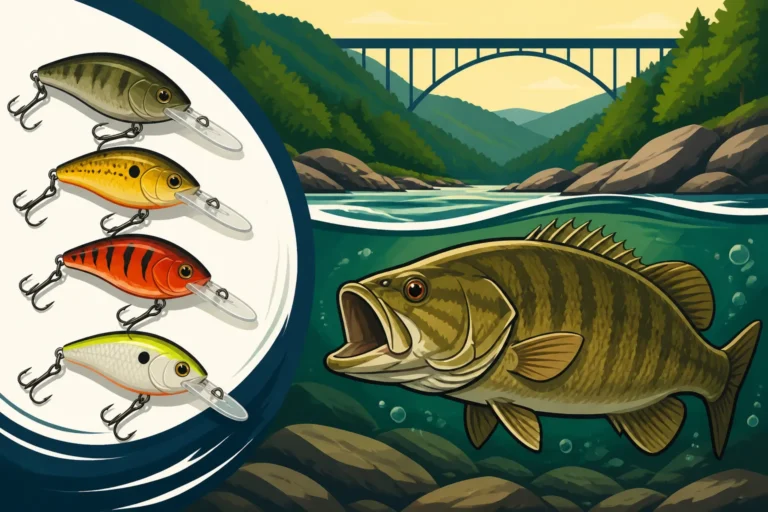
Picture this: you’ve found the perfect spot along the New River, the smallmouth are biting, and you need to switch from a crankbait to a tube jig. You reach for your old duffel bag, only to find everything tangled, hooks everywhere, and that crucial jig buried under a coil of line and a half-eaten sandwich. Sound familiar? Bank fishing presents unique logistical challenges that a generic bag or even a large boat-centric tackle box just can't handle.
The Pitfalls of Disorganized Gear
A poorly organized bag can ruin a fishing trip faster than a broken line. When you're constantly digging, untangling, and searching for the right lure, you're not fishing. Beyond the frustration, disorganized gear leads to lost time, missed bites, and even damaged tackle. Imagine trying to quickly swap out a leader when your scissors are lost at the bottom of a jumbled mess, or worse, pricking your finger on an exposed treble hook. It's not just about convenience; it's about safety and efficiency. A dedicated bank fishing tackle bag is designed with specific compartments and features to keep everything in its place, making those crucial moments of tackle changes smooth and swift.
This isn't just about your lures, either. Think about all the little things you need: extra hooks, weights, swivels, leader material, a measuring tape, a small first-aid kit, and maybe a snack. Without a system, these items become a chaotic pile. Having a bag that allows you to compartmentalize means you spend less time fumbling and more time focusing on the water, the presentation of your bait, and ultimately, catching more fish. It’s about being prepared for any situation without being overburdened.
Mobility and Efficiency on the Bank
Unlike boat fishing where you have a stable platform and ample storage, bank fishing often means covering ground. You might be hiking along a rocky riverbank, navigating dense brush to reach a secluded eddy, or walking a long pier at Summersville Lake. Lugging a heavy, unwieldy tackle box or a flimsy backpack not designed for fishing can be exhausting and downright dangerous. A specialized tackle bag prioritizes mobility.
These bags are designed to distribute weight comfortably, often featuring padded straps and ergonomic designs that make long treks much easier. They allow you to move freely, cast unencumbered, and navigate challenging terrain without your gear constantly shifting or snagging. This efficiency isn't just about comfort; it's about maximizing your fishing time. The less energy you spend wrestling with your gear, the more you have for casting, retrieving, and enjoying the wild beauty of West Virginia. You might even want to check out our guide on Best Tackle Bag for Bank Fishing to see how others approach this crucial choice.
Protecting Your Investment
Let's be honest, fishing tackle isn't cheap. From your prized custom-painted crankbaits to your high-quality fluorocarbon line, you've invested good money in your gear. Leaving it exposed to the elements or crammed into an unsuitable bag can lead to damage. Hooks can rust, soft plastics can melt or deform, and delicate electronics can get crushed.
A good bank fishing tackle bag provides protection. Many models feature robust, water-resistant fabrics, reinforced bottoms, and padded compartments that shield your gear from bumps, scrapes, and moisture. This is especially important in West Virginia, where you can go from bright sunshine to a sudden downpour in minutes, or find yourself slipping on wet rocks. Protecting your tackle means it lasts longer, performs better, and saves you money in the long run by avoiding unnecessary replacements. Think of it as insurance for your fishing essentials, keeping them safe from both the journey and the unpredictable outdoor environment.
What to Look For: Essential Features of a Great Bank Fishing Tackle Bag
When you start looking for that perfect bank fishing tackle bag, you'll quickly realize there are a ton of options out there. It can be overwhelming! To cut through the noise, focus on three main areas: storage and organization, durability and weather resistance, and comfort and portability. These are the cornerstones of a truly effective bag for the roving angler.
Storage Capacity and Organization
This is probably the most critical feature. A bank fishing tackle bag needs to hold enough gear without becoming a bottomless pit or an overstuffed beast. What "enough" means for you will depend on your target species and fishing style. Are you targeting smallmouth bass on the New River with a variety of lures, or sticking to a few key baits for Best Gear for West Virginia Trout Fishing?
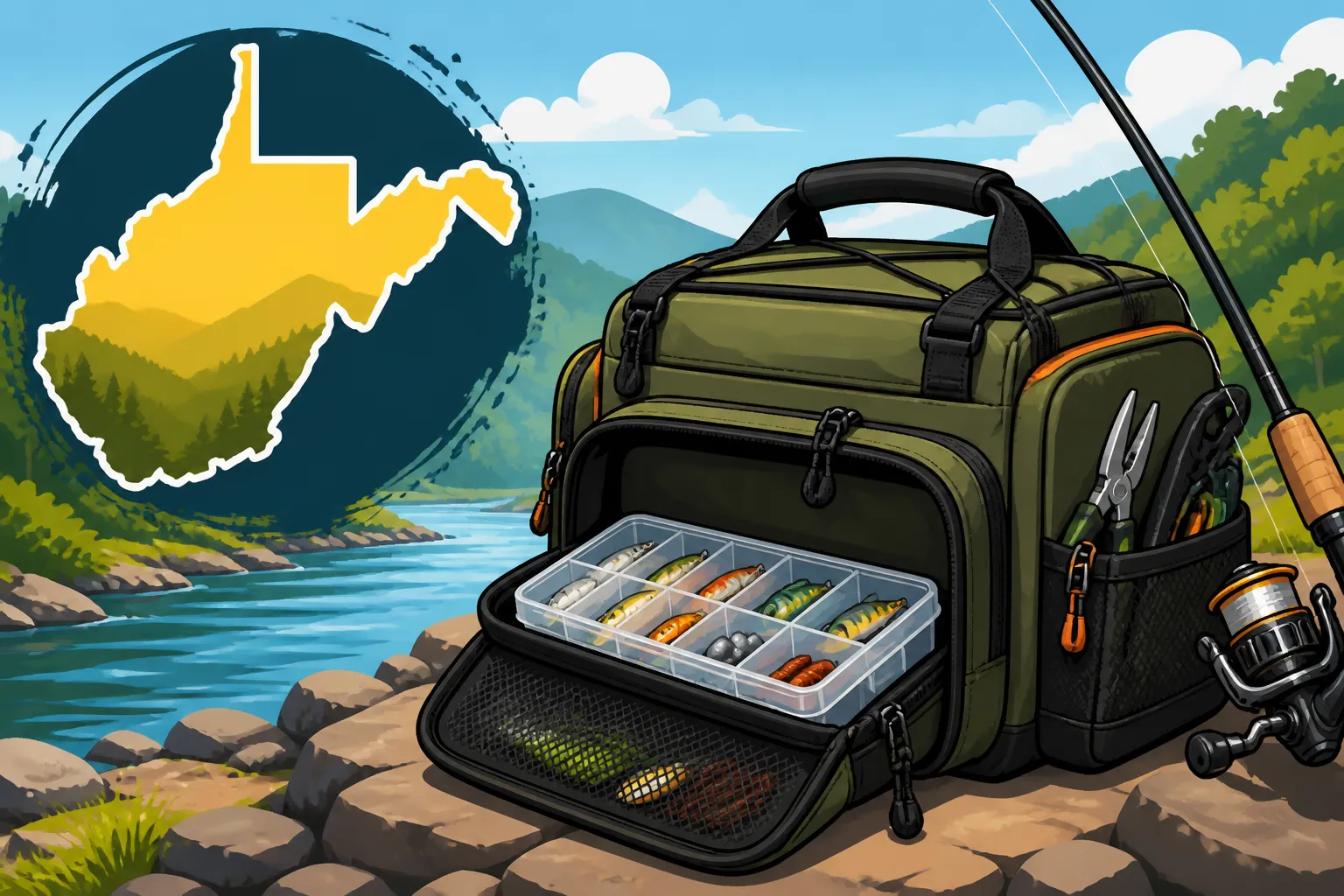
Look for bags that come with multiple clear, removable utility boxes (often called 3600 or 3700 series by brands like Plano). These are invaluable for organizing lures, terminal tackle, and soft plastics. Beyond the main compartment for these boxes, you’ll want external pockets:
- Zippered Pockets: Ideal for leader material, pliers, multi-tools, and a first-aid kit.
- Mesh Pockets: Great for items you need quick access to or want to air out, like wet gloves, a small towel, or a water bottle.
- Dedicated Tool Holders: Some bags have external sleeves or holsters for pliers, line cutters, or a measuring tape, keeping them instantly accessible.
Think about how you fish. Do you carry a lot of different baits, or do you stick to a few tried-and-true favorites? If you're someone who likes to experiment, a bag with more utility boxes and versatile compartments will serve you well. If you're a minimalist, a smaller bag with just a couple of boxes might be perfect. The key is finding a balance that supports your fishing style without leading to excess bulk.
Durability and Weather Resistance
West Virginia weather can be temperamental, and fishing conditions are rarely pristine. Your tackle bag needs to be built to withstand mud, rain, sun, and abrasive surfaces.
- Materials: Look for bags made from heavy-duty, water-resistant fabrics like denier nylon or polyester. Materials with a waterproof coating or a DWR (Durable Water Repellent) finish are a huge plus. While few bags are fully submersible, good water resistance will keep your gear dry during a sudden shower or when splashed. Best Rain Gear for West Virginia Anglers is also crucial for staying dry yourself!
- Zippers: Cheap zippers are often the first thing to fail. Invest in a bag with robust, corrosion-resistant zippers, ideally self-healing nylon zippers or even waterproof zippers on key compartments. Larger pulls are easier to operate with wet or cold hands.
- Reinforced Bottom: The bottom of your bag is going to get dragged, set down on wet ground, and generally abused. A reinforced, waterproof, or hard molded bottom protects your gear from moisture seeping in and adds an extra layer of durability against punctures and abrasions. This feature is a game-changer when you're setting your bag down on rocky creek beds or wet grass.
Brands like Bass Pro Shops often have bags specifically designed with these durable features in mind, knowing that anglers put their gear through its paces. Similarly, a quick search on Amazon will show countless options, but always read reviews to ensure quality construction.
Comfort and Portability
Since you’ll be carrying this bag on your person, comfort is non-negotiable. An uncomfortable bag can quickly turn a pleasant fishing trip into an agonizing hike.
- Padded Straps: Whether it's a backpack, sling, or shoulder bag, look for wide, generously padded straps. These distribute weight more effectively and prevent digging into your shoulders. Adjustable straps are also key to getting a custom fit.
- Back Padding (for Backpacks): If you opt for a backpack style, breathable back padding is essential, especially during warmer months or on longer hikes to keep you cool and comfortable.
- Weight Distribution: A well-designed bag will carry its weight close to your body, reducing sway and making it feel lighter. Hip belts on backpack-style bags can further enhance weight distribution, taking some strain off your shoulders.
- Handles: Even if it's primarily a shoulder or backpack bag, a sturdy top handle is useful for quick grabs, loading it into your vehicle, or carrying it short distances.
Consider the terrain you typically fish. If you mostly stick to flat, easy-access spots, portability might be less of a concern than if you're bushwhacking to remote trout streams. Your personal preference for carrying style (backpack, sling, etc.) will also heavily influence this, leading us into the next section.
Choosing Your Weapon: Different Types of Tackle Bags for Bank Anglers
Just like there are different fishing techniques for different species, there are various styles of tackle bags, each with its own strengths for bank fishing. Your choice will largely depend on how much gear you carry, how far you walk, and your personal comfort preferences.
Backpack-Style Tackle Bags
The backpack-style tackle bag is a fantastic choice for the angler who covers a lot of ground or needs to carry a significant amount of gear. Think about those longer hikes into the backcountry of the Monongahela National Forest for wild trout, or trekking along the extensive banks of a large reservoir like Sutton Lake.
These bags often have a large main compartment that can hold several utility boxes, plus numerous external pockets for everything from rain gear to a packed lunch. The advantage here is superior weight distribution; with two shoulder straps and often a sternum strap and hip belt, the weight is spread across your back and hips, making even a heavier load feel more manageable. This means less fatigue on long walks and more stability when navigating uneven terrain. Many backpack bags also feature external rod holders or straps, allowing you to carry a Best Fishing Rods for West Virginia Rivers hands-free. They are excellent for those multi-hour expeditions or when you want to be prepared for anything. However, accessing gear can sometimes require taking the pack off, which can be a minor inconvenience if you're frequently changing lures.
Shoulder Sling Bags and Messenger-Style Bags
For anglers who prefer quick access to their tackle and a lighter, more agile setup, shoulder sling bags or messenger-style bags are excellent options. These bags typically feature a single, padded strap that goes over one shoulder and across your chest. The beauty of these designs is that you can often swing the bag around to your front without removing it, allowing you to access compartments and retrieve tackle with minimal interruption to your fishing.
They usually have enough space for one or two utility boxes, a few smaller pockets for essentials, and perhaps an external water bottle holder. This makes them ideal for shorter trips, wade fishing, or when you know exactly what kind of tackle you'll need for a specific species, like using specific lures for Best Tackle for West Virginia Smallmouth Bass. They are less cumbersome than a full backpack, offering great freedom of movement for casting and walking. The trade-off is often less overall storage capacity, and if overloaded, the weight on one shoulder can become uncomfortable over extended periods. Brands like Bass Pro Shops offer a wide range of these compact, functional bags.
Waist Packs and Hip Bags
At the lighter end of the spectrum, waist packs and hip bags are perfect for the minimalist angler, fly fishers, or those who truly value unrestricted movement. These bags buckle around your waist, keeping your essential gear right at your fingertips. They are fantastic for wade fishing in smaller streams, where you might only need a couple of fly boxes, some tippet, and a few small tools.
While they offer the least storage, what they lack in capacity, they make up for in convenience and mobility. You can easily access your items without breaking your stride or even looking down. Many waist packs are designed to carry one small utility box or a few individual bait packages, along with leaders, weights, and a small pair of pliers. Some even integrate rod holders. If you're heading out for a quick hour of fishing, or you're focusing intensely on Fly Fishing for Trout in West Virginia and only need very specific tackle, a waist pack keeps you nimble and unencumbered. They're also great as a supplementary bag for carrying highly essential items, even if you have a larger pack.
Here’s a quick comparison of these styles:
| Feature/Bag Type | Backpack Tackle Bag | Shoulder Sling Bag | Waist Pack / Hip Bag |
|---|---|---|---|
| Capacity | High (multiple utility boxes, extra gear) | Medium (1-2 utility boxes, essentials) | Low (1 small utility box, minimal essentials) |
| Comfort for Long Hikes | Excellent (even weight distribution) | Moderate (can strain one shoulder if heavy) | Excellent (light, unrestricted movement) |
| Access to Gear | Requires removal, but organized | Fast, can swing to front | Very Fast, always at hand |
| Best Use Case | Long hikes, all-day trips, varied tackle | Shorter trips, wade fishing, quick changes | Minimalist fishing, fly fishing, highly mobile |
| Terrain Suitability | Rugged, uneven trails | Moderate trails, wading | Easy to moderate trails, wade fishing |
Packing Smart: Maximizing Your Tackle Bag's Potential
Once you’ve got the perfect tackle bag, the next step is to pack it intelligently. It's not just about fitting everything in; it’s about strategic organization so that every item has its place and is easily accessible when you need it most. This is especially true for West Virginia's diverse fishing environments, where a quick change from a deep-diving crankbait to a topwater popper could mean the difference between a bite and a slow day.
Essential Lures and Baits for West Virginia Waters
When bank fishing, you can't carry every single lure you own. You need to be selective and pack a versatile array that covers the conditions and species you're likely to encounter.
- For Trout Streams: If you're hitting one of West Virginia's famous trout streams, like the Elk River tailwater or the Cranberry River, your tackle bag should prioritize small inline spinners, spoons, artificial baits like PowerBait, and a selection of jigs. For fly anglers, multiple fly boxes with dries, nymphs, and streamers are paramount. Consider a small container for natural bait like worms or corn if allowed. Remember that West Virginia Catch and Release Rules for Trout might influence your hook choices.
- For Bass Lakes and Rivers: Smallmouth bass on the New River or largemouth in a pond require a different arsenal. Pack a variety of soft plastics (tubes, creature baits, worms), jig heads, topwater lures, crankbaits, and spinnerbaits. Choose a few key colors and sizes rather than every variation. A specific selection of Best Lures for Muskie Fishing in West Virginia might also be in order if you're targeting those toothy critters.
- For Panfish: If bluegill and crappie are your targets, you’ll want tiny jigs, small bobbers, a few hooks, and perhaps some grubs or crickets. This setup is usually minimal and can fit into a small utility box.
The key is to think about the "what ifs." What if the water is murky? What if the fish are hitting topwater? What if they're holding deep? Pack enough variety to adapt, but not so much that you're overburdened. Utilizing the clear utility boxes that come with many bags, or that you can purchase from Bass Pro Shops or Amazon, is essential for keeping different lure types separated and visible.
Tools and Terminal Tackle Organization
Beyond the lures, you need your essential tools and terminal tackle. These are the small, yet vital, components that often get lost in the shuffle.
- Pliers/Line Cutters: A good pair of multi-purpose fishing pliers with line cutters is non-negotiable. Many bags have external pockets or holsters specifically for these, ensuring they're always within reach for unhooking fish or retying.
- Hooks, Weights, Swivels: Organize these small items in the tiny compartments of your utility boxes or in small, labeled plastic bags within a pocket. Having a range of sizes is important for adapting to different presentations and bait sizes.
- Leader Material: A spool or two of fluorocarbon or monofilament leader in different strengths is crucial. Store it in a zippered pocket to protect it from the elements and tangles.
- Measuring Tape/Scale: For documenting your catches, especially if you're practicing West Virginia Catch and Release Rules for Trout.
- Small First-Aid Kit: Accidents happen. A small kit with bandaids, antiseptic wipes, and pain relievers can turn a minor mishap into a non-issue.
Remember, the goal is quick access. If you have to empty your bag to find your pliers, you've defeated the purpose of smart packing. Some anglers even use small, color-coded bags within their larger tackle bag to further organize terminal tackle by type or size.
Personal Essentials and Safety Gear
Fishing, especially bank fishing, means you're often exposed to the elements and sometimes quite a distance from immediate help. Your tackle bag should also carry a few personal essentials.
- Hydration: A water bottle is a must, especially on warm West Virginia summer days. Many bags have external mesh pockets designed specifically for this.
- Snacks: Energy bars, nuts, or fruit can keep you going when the bites are hot.
- Sun Protection: Sunscreen, a hat, and polarized sunglasses (check out Best Sunglasses for Sight Fishing Clear Rivers) are vital for comfort and safety.
- Headlamp/Flashlight: Even if you plan to be back before dark, delays can happen. A small light can be a lifesaver.
- Phone/Keys: A waterproof dry bag or a secure, zippered internal pocket is the best place for these valuables.
- Bug Spray: Depending on the season and location, this can make or break your comfort.
By thinking through these categories and packing thoughtfully, your tackle bag becomes a well-oiled machine, supporting your fishing rather than hindering it. Consider what you absolutely need for a successful and safe trip, and leave the "just in case" items that add unnecessary bulk at home.
Keeping Your Gear Prime: Maintenance and Longevity
You've invested time and money into finding and stocking the perfect bank fishing tackle bag. Now, the crucial step is to maintain it properly. A little care goes a long way in extending the life of your bag and keeping your tackle in top shape, ready for your next adventure on West Virginia's beautiful waters. Neglecting your bag can lead to rusty hooks, mildewed soft plastics, and a prematurely worn-out bag.
Post-Trip Cleaning and Drying
This is perhaps the most overlooked aspect of tackle bag ownership. After every trip, especially if you've been out in wet conditions or near saltwater (like the Ohio River, which can have brackish influences depending on rainfall and tides), a quick cleanup is essential.
- Empty and Inspect: Take everything out of your bag. This is a great opportunity to check your lures for rust, dry out any damp items, and assess what tackle you used and what you didn't. You might discover a forgotten snack or a tangled mess that needs attention.
- Wipe Down: Use a damp cloth to wipe down the interior and exterior of the bag, removing any dirt, mud, or fish slime. For stubborn grime, a mild soap solution can be used, but avoid harsh chemicals that might degrade the fabric.
- Dry Thoroughly: This is critical for preventing mildew and rust. Open all zippers and pockets and let the bag air dry completely in a well-ventilated area, out of direct sunlight. Never store a damp bag. If your utility boxes got wet, take the lids off and let them dry too. This step alone can drastically improve the longevity of both your bag and the tackle stored inside.
- Check Zippers: Give zippers a quick wipe and ensure they are free of grit. A small drop of silicone lubricant can keep them running smoothly if they start to stick.
By following these simple steps, you prevent odors, mildew, and corrosion from setting in, which means your gear will be fresh and ready for your next outing, whether it's a West Virginia Gold Rush trout event or a quiet afternoon chasing bluegill.
Storage Tips for Off-Season
When the fishing season slows down, or you're just taking a break, proper storage ensures your tackle bag emerges ready for action.
- Deep Clean: Before long-term storage, give your bag a more thorough cleaning than usual. Remove all tackle, scrub out any lingering grime, and ensure it's bone dry.
- Remove Perishables: Take out any soft plastics that might melt or degrade, and certainly any natural baits. If you leave soft plastics in their original packaging, make sure they aren't stored where they will be exposed to extreme heat or direct sunlight, which can cause them to fuse together or deform.
- Protect Metal: Consider adding small desiccant packets (like silica gel) to your utility boxes to absorb moisture and prevent rust, especially in humid environments. Many anglers also wipe down metal lures with a light coating of WD-40 or a similar protective spray before long-term storage.
- Store Open: Keep zippers slightly open to allow for air circulation, preventing musty odors from developing. Store the bag in a cool, dry place, away from extreme temperatures and direct sunlight. An attic that gets scorching hot in summer or a damp basement isn't ideal.
Proper off-season storage isn't just about preserving the bag itself; it's about safeguarding all the valuable tackle inside it, so you don't discover a rusted mess when spring rolls around.
Repairing Minor Wear and Tear
Even the most durable tackle bags will eventually show signs of wear. Knowing how to perform minor repairs can extend its life significantly.
- Patching Tears: Small tears or punctures can often be repaired with heavy-duty fabric glue or a repair patch kit designed for outdoor gear. Make sure the area is clean and dry before applying any patch.
- Zipper Repair: If a zipper slider is failing, sometimes it can be replaced with a new one. For separated teeth, a quick dab of super glue might temporarily fix it, but often a professional repair or replacement of the entire zipper is needed for a lasting solution.
- Strap Reinforcement: If stitching on a strap starts to come undone, reinforcing it with heavy-duty thread and a strong needle can prevent a catastrophic failure mid-trip.
Don't let minor damage escalate. Addressing small issues promptly can prevent them from becoming major problems that render your bag unusable. Many companies, including those you might find on Amazon, also sell repair kits or offer warranty services if the damage is due to a manufacturing defect. Treating your tackle bag with care means it will serve you faithfully on countless future fishing adventures throughout West Virginia.
Beyond the Bag: Complementary Gear for the Bank Angler
While a well-chosen tackle bag is central to efficient bank fishing, it's just one piece of the puzzle. There's a host of other gear that can significantly enhance your experience, making your time on the water more comfortable, productive, and safe. These are the items that complement your tackle bag, making your overall bank fishing setup truly complete.
Rod Transport and Protection
Trying to navigate brushy trails or crowded access points with an assembled rod can be a recipe for disaster—snapped tips, tangled lines, or worse, poking an unsuspecting bystander.
- Rod Sleeves/Covers: Simple fabric or mesh rod sleeves can protect your rod guides and tip from damage during transport and prevent your line from tangling with other gear. They're lightweight and don't add bulk.
- Breakdown Rods: If you hike long distances, a multi-piece spinning or casting rod (2-piece or even 4-piece travel rods) can be a game-changer. They break down into shorter, more manageable sections that can be easily strapped to the side of a backpack tackle bag or carried in a dedicated rod case. This makes navigating dense areas much easier and protects your investment, ensuring your Best Rod and Reel Combo for Beginners stays in prime condition.
- External Rod Holders: Many backpack-style tackle bags feature external straps or pockets specifically designed to secure a broken-down rod or even a lightweight, assembled rod. This keeps your hands free for scrambling over rocks or carrying other essentials. For those who frequently visit rivers like the Greenbrier or South Branch Potomac, protecting your rod during the trek is just as important as protecting your tackle.
Landing Nets and Fish Handling Gear
Catching a fish is exciting, but landing and handling it properly is crucial for both the fish's health and your safety, especially if you plan to release it.
- Compact Landing Net: For bank anglers, a large, unwieldy net is impractical. Look for compact, telescoping, or fold-up landing nets with rubberized mesh. Rubber mesh is kinder to fish slime coats, reduces tangles, and is easier to clean. A net that can be clipped to your belt or the outside of your tackle bag keeps it out of the way until needed, but readily accessible. This is particularly important for species like trout, where careful handling increases survival rates, or when trying to land a trophy fish without damaging your line or losing your catch. Check out options like Best Landing Net for Trout for specific recommendations.
- Fish Grips: For larger, toothier species like muskie (if you're brave enough to target them from the bank!), a fish lip grip tool can be invaluable. It allows you to control the fish safely without putting your hands near sharp hooks or teeth. Paired with a large net, this is a must-have for the serious trophy angler. Best Landing Net for Muskie will also guide you on the right tools for these powerful fish.
- Hook Removers/Pliers: While your multi-tool might have pliers, a dedicated long-nosed pliers or a specialized hook remover can make de-hooking much easier and safer, especially with deep-hooked fish.
Hydration and Sun Protection
These aren't fishing tackle per se, but they are absolutely critical for a safe and enjoyable day out, especially during West Virginia's warm and sunny seasons.
- Water Bottle/Hydration Reservoir: Dehydration can quickly sap your energy and focus. Always carry plenty of water. A durable, reusable water bottle in an external mesh pocket of your tackle bag is convenient. For longer hikes, a hydration reservoir (CamelBak style) in a backpack can be even better, allowing you to drink hands-free without stopping.
- Sunscreen and Lip Balm: Even on cloudy days, UV rays can cause sunburn. Apply sunscreen regularly to exposed skin and use a lip balm with SPF.
- Wide-Brimmed Hat: A hat provides shade for your face and neck, reducing sun exposure and glare.
- Polarized Sunglasses: Beyond protecting your eyes from harmful UV rays, polarized sunglasses cut through glare on the water, allowing you to see structure, fish, and subtle movements that you'd otherwise miss. This can significantly improve your sight-fishing capabilities, especially in clear streams or lakes. Our guide on Best Sunglasses for Sight Fishing Clear Rivers has more detailed information on choosing the right pair.
By considering these complementary items, you're not just assembling gear; you're building a system that allows you to focus less on logistical challenges and more on the pure joy of fishing West Virginia's incredible waters.
Disclaimer
This article is for general informational purposes only and does not constitute professional advice. Laws, prices and regulations vary by location and change over time. Consult a qualified professional for guidance on your specific situation.