Best Rod and Reel Combo for Beginners
Stepping into the world of West Virginia fishing can be an incredibly exciting journey, but for many new anglers, the sheer volume of rod and reel options can feel overwhelming. You walk into a tackle shop or browse online, and suddenly you're faced with terms like "fast action," "medium-heavy power," "spinning," "baitcasting," and a dizzying array of lengths and materials. This guide is here to cut through that confusion, helping you understand the fundamental components of a rod and reel combo and empowering you to choose the perfect setup to confidently cast your first line in West Virginia's incredible waters.
Why the Right Combo Matters for New Anglers
Imagine trying to learn to drive in a car with a manual transmission, but the clutch is slipping, the brakes are soft, and the steering pulls to one side. It would be frustrating, to say the least, and likely discourage you from ever wanting to drive again. The same goes for fishing. Starting with the wrong rod and reel combo can turn a potentially joyous experience into a tangle of frustration, making it harder to learn the basics and truly enjoy your time on the water.
The Frustration of Mismatched Gear
One of the biggest pitfalls for beginners is using gear that isn't suited for the type of fishing they're trying to do. Perhaps you've tried fishing with an old, stiff rod meant for heavy saltwater fish, attempting to catch panfish in a local pond. The result? You can't feel the delicate bites, the rod doesn't cast light baits well, and you end up missing most of the action. Or maybe you picked up a cheap, poorly balanced combo where the reel wobbles on the rod, making casting awkward and retrieval uncomfortable. These kinds of experiences can quickly lead to discouragement, making you question if fishing is even for you.
An ill-suited rod and reel combo can manifest in many ways. You might experience constant line tangles, known as "bird's nests," especially with baitcasting reels for novices. Your casts might fall short, or they might be wildly inaccurate, missing your target entirely. When you do get a bite, a rod that's too stiff won't allow the fish to "load" into it properly, making it easier for the hook to pull out. Conversely, a rod that's too flimsy for the size of fish you're targeting can feel inadequate, offering little control when you hook into a spirited bass or catfish, potentially leading to lost fish and broken lines. It's truly a barrier to entry that many new anglers face without even realizing it.
Building a Foundation for Success
On the flip side, starting with a well-matched, beginner-friendly rod and reel combo provides a solid foundation for learning and enjoyment. It removes many of the technical obstacles, allowing you to focus on developing core skills like casting accuracy, feeling bites, and properly fighting a fish. A good beginner combo is designed to be forgiving, making it easier to cast and retrieve smoothly, minimizing frustrating tangles, and helping you build confidence with every successful cast and catch.
Think of it as having the right tools for the job. With a rod and reel that are balanced and appropriate for the target species and fishing conditions, you'll feel more in tune with your bait and the fish. You'll be able to detect subtle bites, make accurate presentations, and handle fish effectively. This positive early experience is crucial for fostering a lifelong love of fishing. It allows you to celebrate those first catches, understand the rhythm of the water, and truly appreciate the tranquility and excitement that fishing offers in places like the beautiful Best Fishing Lakes in West Virginia or the winding Best Fishing Rivers in West Virginia.
Understanding the Core Components: Rods
The fishing rod is much more than just a stick; it's a finely tuned instrument designed to cast lures, detect bites, and fight fish effectively. Understanding its key characteristics is vital to choosing the right one for your style of fishing.
Rod Action: Explaining Fast, Moderate, and Slow
When we talk about rod "action," we're referring to where along the rod's length it bends when pressure is applied to the tip. This characteristic is incredibly important because it dictates how sensitive the rod feels, how quickly you can set a hook, and how well it handles different types of lures and fish fights.
A fast action rod bends primarily in the upper third or quarter of its blank. This means the tip is very flexible, but the rest of the rod remains stiff. This design offers exceptional sensitivity, allowing you to feel even the most subtle bites, which is fantastic when you're trying to detect a light tap from a shy trout or the faintest tick from a smallmouth bass in a river current. The stiff backbone also provides quick, powerful hook sets, making it ideal for single-hook presentations like jigs, worms, or Texas-rigged plastics where you need to drive the hook home instantly. However, the stiffer nature can make it more challenging for a beginner to cast lightweight lures smoothly, and it offers less "forgiveness" during a fish fight, potentially leading to pulled hooks on soft-mouthed fish.
Moderate action rods, sometimes called medium action, bend through the upper half of the rod blank. This more parabolic bend offers a good balance between sensitivity and casting ability. They are excellent for casting a wider variety of lures, especially those with treble hooks like crankbaits or topwater plugs, because the slightly softer action allows the fish to fully engulf the lure before the rod loads up, preventing premature hook sets. The slower bend also acts as a shock absorber during a fight, reducing the chance of pulling the hook out of a fish's mouth, which can be a common issue for beginners. Many all-around freshwater combos feature a moderate or moderate-fast action for this very versatility.
Slow action rods bend almost uniformly from the tip to the butt section. These rods are incredibly flexible and bend deep into the blank. They excel at casting very light baits and lures, as the full flex of the rod loads up easily with minimal weight. They're also superb for protecting light lines and absorbing the shocks of a fighting fish, making them a favorite for ultra-light panfish applications or delicate fly fishing presentations. However, their slower action makes quick, powerful hook sets difficult, and they're not generally suited for heavier lures or targeting larger, hard-fighting species where you need more backbone to control the fish. For a general beginner combo in West Virginia, you'll most likely encounter fast or moderate action rods.
Rod Power: From Ultralight to Heavy
Where rod action describes where the rod bends, rod "power" (or "weight") describes how much force it takes to make the rod bend. This is essentially the rod's strength or lifting power, and it dictates the size of fish the rod can effectively handle and the range of lure weights it's designed to cast. Choosing the right power ensures you're not overpowered for tiny fish or underpowered for a trophy catch.
Ultralight rods are designed for the smallest lures and lightest lines, typically targeting panfish like bluegill and crappie, or small stocked trout. They're incredibly sensitive and make even a small fish feel like a giant, which can be a blast for beginners. If you're planning on focusing on smaller species in local ponds or some of the gentler West Virginia special regulation trout streams, an ultralight setup could be a fantastic starting point.
Light power rods step up slightly, capable of handling larger trout, smaller bass, and bigger panfish. They offer more backbone than ultralight rods but still maintain excellent sensitivity for finesse presentations. This power is great for stream fishing where you might encounter a variety of smaller to medium-sized fish.
Medium-light power rods are incredibly versatile for many freshwater applications. They can handle a wide range of lure weights and are suitable for targeting larger trout, smaller to medium-sized bass, and even some walleye. This is often a sweet spot for beginners looking for a general-purpose rod that isn't too heavy but offers enough muscle.
Medium power rods are arguably the most common and versatile choice for general freshwater fishing in West Virginia. They excel at targeting largemouth and smallmouth bass, walleye, and even smaller catfish. They can cast a good range of lures, from spinnerbaits and soft plastics to crankbaits. Many beginner combos fall into the medium power category because it provides a good balance for a variety of common fishing scenarios, such as exploring the bass populations on Summersville Lake or the South Branch Potomac River.
Medium-heavy and heavy power rods are designed for larger, stronger fish and heavier lures. Medium-heavy is excellent for punching through heavy cover for bass, handling larger catfish, or even smaller muskie. Heavy power rods are for serious battles with large catfish in the Ohio River, big muskie, or heavy jigging for deep-water walleye. While a beginner might not start with heavy power, understanding that it exists helps conceptualize the spectrum. For muskie specifically, a dedicated Best Muskie Gear for West Virginia Rivers setup would be far beyond a typical beginner combo.
Rod Length and Material
The physical characteristics of a rod – its length and the material it's made from – significantly influence its performance and suitability for different fishing styles. These factors impact everything from casting distance to durability and sensitivity.
Rod length typically ranges from around 4.5 feet up to 8 feet or more for specific applications. Shorter rods (5-6 feet) are generally easier for beginners to handle in tight quarters, like fishing from a small boat or a brushy bank, and offer greater accuracy for short casts. However, they sacrifice casting distance. Longer rods (6.5-7.5 feet) provide increased casting distance, allow for better line control, and can absorb more shock during a fish fight, making them popular for open water fishing. For a beginner in West Virginia, a rod in the 6-foot to 7-foot range is usually a versatile sweet spot, offering a good balance of castability and control for a variety of species. If you're fishing smaller streams for trout, a slightly shorter rod might be advantageous for navigating tight cover, while open lake fishing benefits from a longer rod.
The material a rod is constructed from affects its weight, sensitivity, and durability. The three most common materials are fiberglass, graphite (carbon fiber), and composites (a blend of both).
- Fiberglass rods are known for their durability and flexibility. They are generally heavier and less sensitive than graphite, but they are very forgiving, making them excellent for beginners, especially for fishing with crankbaits or for species like crappie and bluegill where a slower action is beneficial. They are also typically more affordable.
- Graphite rods are lighter, more sensitive, and generally more powerful than fiberglass. The increased sensitivity allows anglers to feel subtle bites and the texture of the bottom, which is a huge advantage for finesse fishing or targeting wary fish. Graphite rods tend to be stiffer and offer faster actions, making them ideal for quick hook sets. However, they can be more brittle than fiberglass and more prone to breaking if mishandled.
- Composite rods aim to combine the best attributes of both. They offer a good balance of sensitivity, durability, and flexibility. Many mid-range and even some higher-end beginner combos use composite blanks to provide a well-rounded performance. For a new angler, a composite or fiberglass rod often provides a more forgiving and durable entry point, standing up better to the inevitable bumps and scrapes that come with learning.
Understanding the Core Components: Reels
The reel is where your line is stored, and it's responsible for casting your lure out and retrieving your catch back in. Just like rods, reels come in various types, each with its own strengths and ideal applications. For beginners, certain types are far more forgiving and easier to learn on.
Spinning Reels: The Beginner's Best Friend
If there's one type of reel that truly stands out as the beginner's best friend, it's the spinning reel. These reels are designed for ease of use, making them incredibly intuitive for new anglers to learn casting techniques and manage their line. The design features an open-face spool where the line peels off freely during the cast, dramatically reducing the likelihood of backlashes that plague baitcasting reels for novices.
Spinning reels mount under the rod, with the bail wire being the key component that you manually flip open before a cast and close to begin retrieving. The handle, typically on the left side for right-handed casters (though it can often be switched), rotates a rotor that wraps the line back onto the stationary spool. This simplicity in operation means less time untangling and more time fishing. They excel at casting lighter lures and baits, which are often preferred for smaller species like panfish and trout in West Virginia's stocked waters. Their drag systems, which allow line to be pulled out under tension to prevent it from breaking, are generally smooth and easy to adjust, providing crucial forgiveness when a fish makes a strong run.
You'll find spinning reels in a vast array of sizes, from tiny ultralight models perfect for stream trout to larger ones capable of handling bigger bass or even some saltwater applications. For a beginner in West Virginia, a medium-sized spinning reel (often labeled in the 2000 to 3000 series, or a "medium" size on a combo package) paired with a 6- to 8-pound monofilament line is an incredibly versatile setup. They're excellent for fishing lighter jigs, small spinnerbaits, live bait under a bobber, or even a simple piece of PowerBait for trout. This combination of user-friendliness, versatility, and efficiency makes the spinning reel the go-to recommendation for almost any new angler looking to get started in freshwater fishing.
Baitcasting Reels: When to Consider the Next Step
While spinning reels are the entry point for most, baitcasting reels represent a more advanced option that many anglers eventually migrate to for specific advantages. Baitcasters mount on top of the rod, and the spool itself rotates directly as the line goes out and comes in. This direct connection offers greater control, sensitivity, and power, but it comes with a significant learning curve, primarily centered around avoiding the dreaded "bird's nest" or backlash.
The primary advantage of a baitcasting reel is its precision and power. Because the spool rotates, it allows for more accurate casting, especially when "flipping" or "pitching" lures into tight cover for bass. They also excel at handling heavier lines and lures, making them ideal for targeting larger, hard-fighting species like muskie (though dedicated muskie reels are often specialized versions) or when fishing with heavy jigs and big soft plastics for big bass in places like Stonewall Jackson Lake. The direct drive system also provides better torque and retrieval power, making it easier to reel in big fish or heavy baits.
However, for a beginner, the learning process with a baitcaster can be frustrating. The spool overruns if not properly thumbed during a cast or if the tension isn't set correctly, leading to massive tangles of line that take significant time to pick out. While modern baitcasters have magnetic and centrifugal braking systems to help prevent this, it still requires a delicate touch and practice. For this reason, baitcasting reels are typically not recommended as a first rod and reel combo. They are best considered once you have gained confidence and proficiency with a spinning reel and are ready to tackle more specialized techniques or target species that demand their unique strengths.
Other Reel Types: Fly and Spincast (Briefly)
While spinning and baitcasting reels dominate the general freshwater scene, there are other reel types worth a brief mention, particularly for specialized fishing.
Fly reels are specifically designed for fly fishing, a unique style of angling where the weight of the line carries the virtually weightless "fly" lure to the target. Fly reels are relatively simple, primarily serving to store line and provide drag for fighting fish. They don't have the internal mechanisms for casting heavy lures like spinning or baitcasting reels. Fly fishing is a distinct discipline with its own learning curve, rod types, and techniques, popular for chasing trout in pristine waters like the Cranberry River or the Elk River. While incredibly rewarding, it's generally considered a separate path from conventional spin or baitcasting for beginners. If Fly Fishing for Trout in West Virginia sounds appealing, you'd be looking for a dedicated fly rod and reel combo.
Spincast reels are perhaps the most beginner-friendly reel type, even more so than spinning reels. They are often found on "kid's combos" or very inexpensive starter kits. Spincast reels feature a closed face with a cone covering the spool, and a simple push-button mechanism releases the line for casting. They are extremely easy to use, almost impossible to backlash, and very durable. However, their internal mechanisms often lead to less smooth operation, shorter casting distances, reduced line capacity, and less durable drag systems compared to spinning reels. While great for very young children or those who want the absolute simplest casting experience, most adult beginners quickly outgrow spincast reels and find spinning reels offer a much better balance of ease of use and performance.
Matching Your Combo to West Virginia's Waters and Fish
Now that we've broken down the characteristics of rods and reels, let's put it all together. The best beginner combo isn't a one-size-fits-all solution; it depends largely on what you plan to fish for and where in West Virginia you'll be casting your line.
Panfish and Stocked Trout: Ultralight Fun
If your goal is to spend leisurely afternoons catching numbers of feisty bluegill, sunfish, or freshly stocked rainbow trout in a local pond or smaller stream, an ultralight spinning combo is an absolute blast and highly recommended for beginners. These setups are perfectly designed for the task, making every panfish feel like a trophy.
An ideal combo for this scenario would feature an ultralight power rod, typically between 5 to 6.5 feet in length, with a moderate to fast action. This will allow you to cast tiny lures like micro jigs, small spinners, or light bait rigs (such as a worm under a bobber) a good distance while still feeling the most delicate bites. Pair this with a small spinning reel (e.g., a 1000-series or "ultralight" size) spooled with 2 to 6-pound test monofilament line. The lighter line is less visible to wary fish and allows for optimal casting performance with small baits. The flexible nature of an ultralight rod provides ample forgiveness during the fight, minimizing the chances of breaking off a feisty fish on light line. Places like Watoga State Park's trout pond or many smaller community fishing lakes are perfect proving grounds for an ultralight setup, giving you plenty of bites and successful catches to build confidence. Learning Panfish Fishing in West Virginia techniques is a great way to start your angling journey.
Smallmouth and Largemouth Bass: Versatile Mediums
For those looking to tackle the exciting world of bass fishing in West Virginia, whether it's the hard-fighting smallmouth in the New River or the chunky largemouth hiding in the cover of Summersville Lake, a medium power spinning combo or even a versatile medium-light setup is an excellent starting point. Bass fishing often requires a bit more versatility and power than panfish or trout fishing.
A good bass combo for beginners would typically consist of a medium to medium-light power spinning rod, around 6.5 to 7 feet in length, with a fast action. This rod will give you the sensitivity needed to feel subtle bass bites on soft plastics or jigs, as well as the backbone to set the hook firmly and control a strong bass during the fight. The fast action also provides decent casting accuracy, which is helpful when targeting specific cover. Match this with a 2500- or 3000-series spinning reel spooled with 8 to 12-pound test monofilament or fluorocarbon line, or even braided line with a fluorocarbon leader for added sensitivity and strength. This type of combo is incredibly versatile, allowing you to throw a wide range of popular bass lures like spinnerbaits, crankbaits, jigs, and Texas-rigged worms. Many anglers consider this their "workhorse" setup. Learning How to Catch Smallmouth Bass in West Virginia Rivers will be much easier with appropriate gear.
Catfish and Larger Species: Stepping Up in Power
If your sights are set on landing some of West Virginia's larger residents, like channel catfish, flathead catfish, or even the occasional hybrid striped bass, you'll need to step up to a more robust combo. While true muskie fishing typically demands highly specialized gear, a heavier spinning combo can serve well for large catfish and some of the smaller muskie you might encounter by chance.
For serious catfish angling, particularly on larger rivers like the Ohio or Kanawha, consider a medium-heavy power spinning combo. The rod should be 7 to 8 feet long, with a moderate to fast action, leaning towards moderate for live bait fishing or bottom fishing. The length provides leverage for casting heavy weights and baits, while the medium-heavy power offers the backbone needed to absorb powerful runs and haul in substantial fish. Pair this with a larger spinning reel, perhaps a 4000-series or even a 5000-series, spooled with 15 to 25-pound test monofilament or heavy braided line. This heavier line will withstand the rough mouths of catfish and the abrasive structures they often inhabit. How to Catch Catfish in West Virginia Lakes provides specific tactics that pair well with this kind of setup. While not a dedicated muskie combo, this heavier setup offers a taste of the power needed for bigger fish and can certainly handle an unexpected surprise!
Here's a quick comparison of typical beginner combos for different West Virginia fishing scenarios:
| Target Species | Rod Power | Rod Length (Approx.) | Rod Action (Typical) | Reel Size (Spinning) | Line Weight (Mono) | Primary Use |
|---|---|---|---|---|---|---|
| Panfish (Bluegill, Crappie) | Ultralight | 5'0" – 6'6" | Moderate to Fast | 1000 – 2000 | 2 – 6 lb | Small baits, light lures, high sensitivity |
| Stocked Trout | Ultralight – Light | 5'6" – 7'0" | Moderate to Fast | 1000 – 2500 | 4 – 8 lb | Small spinners, PowerBait, delicate presentations |
| Smallmouth/Largemouth Bass | Medium-Light – Medium | 6'6" – 7'6" | Fast | 2500 – 3000 | 8 – 12 lb | Versatile lure fishing, jigs, soft plastics, crankbaits |
| Channel Catfish | Medium-Heavy | 7'0" – 8'0" | Moderate to Fast | 4000 – 5000 | 15 – 25 lb | Bottom fishing, heavy weights, live bait |
Top Considerations When Buying a Beginner Combo
Choosing your first rod and reel combo goes beyond just matching it to a fish species. There are practical considerations that will impact your enjoyment and success on the water.
Budget vs. Quality: Finding the Sweet Spot
It's tempting for beginners to gravitate towards the absolute cheapest option, but when it comes to fishing gear, you often get what you pay for. Extremely cheap combos can lead to frustration due to poor casting performance, sticky drags, flimsy components, and overall lack of durability. On the other hand, you don't need to break the bank for your first setup. The goal is to find a good balance between affordability and decent quality.
A "sweet spot" for a beginner combo often lies in the mid-range of entry-level prices. Look for brands known for reliable, value-driven products. You might find excellent starter combos at large outdoor retailers like Bass Pro Shops, where you can often physically hold and compare different setups. Online retailers like Amazon also offer a vast selection, often with customer reviews that can provide insight into real-world performance. A good quality beginner combo should feature a smooth drag system on the reel, a rod that feels balanced in your hand, and components that don't feel excessively flimsy. Investing a little more upfront in a reputable combo will likely save you headaches and potentially more money in the long run by avoiding the need for immediate upgrades or replacements. Remember, a less frustrating experience means you're more likely to stick with fishing!
Comfort and Ergonomics
Fishing should be an enjoyable and relaxing experience, not an exercise in discomfort. The comfort and ergonomics of your rod and reel combo are critical, especially when you're spending hours holding it. What feels comfortable to one person might not feel right to another, which is why it's so important to try before you buy if possible.
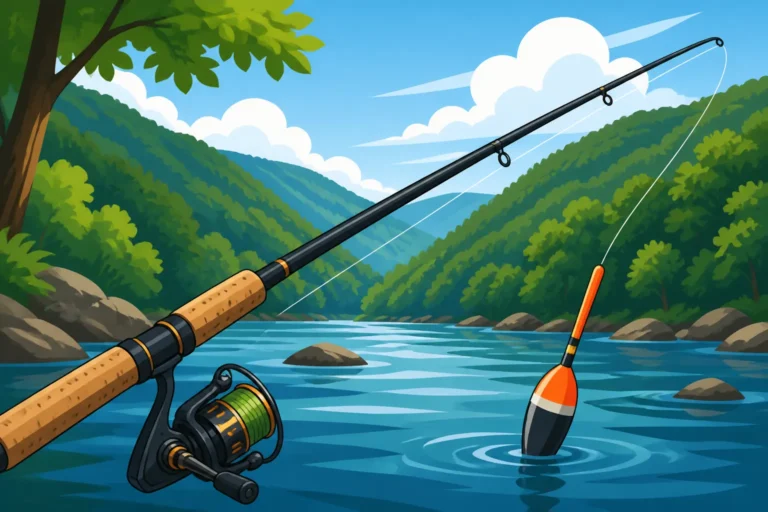
When you hold a combo, does it feel balanced in your hand? A well-balanced combo won't feel tip-heavy or butt-heavy; the weight should be distributed evenly. The reel seat, where the reel attaches to the rod, should feel secure and comfortable against your hand. Consider the grip material – cork and EVA foam are common and offer different feels. Do your fingers naturally fall into a comfortable position around the reel stem? Can you easily reach the reel handle? If shopping online, like on Amazon, pay close attention to reviews that mention comfort, grip, and balance. If you have the opportunity to visit a store like Bass Pro Shops, pick up several different combos, hold them as if you're casting or retrieving, and see how they feel. A comfortable combo will reduce fatigue, improve your casting mechanics, and ultimately make your time on the water much more enjoyable.
Pre-Spooled vs. DIY Line Winding
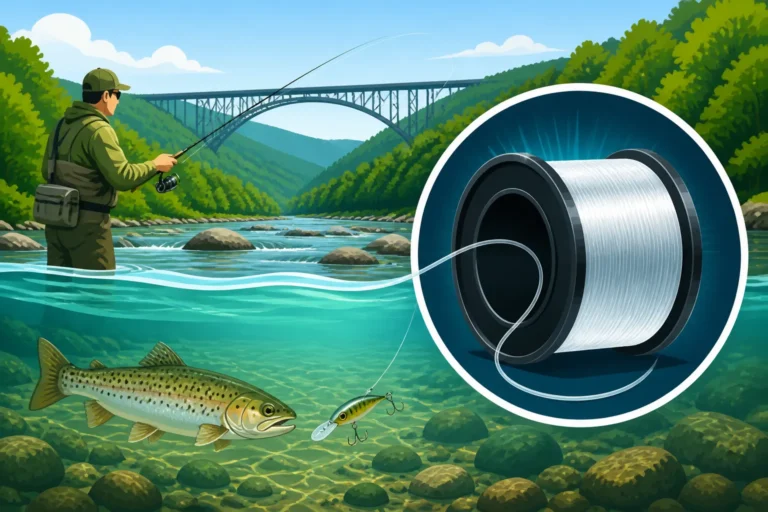
Many beginner rod and reel combos, especially those marketed towards new anglers, come "pre-spooled" with fishing line. This can be a huge convenience for a first-time buyer, as it means you can literally buy the combo, tie on a lure, and go fishing almost immediately. The line that comes pre-spooled is typically monofilament, which is a good, forgiving choice for beginners due to its stretch and ease of handling.
However, opting for a combo that isn't pre-spooled gives you the freedom to choose your own line. While this means an extra step of winding the line onto the reel yourself (or having a tackle shop do it for you), it allows you to select a specific type, brand, and breaking strength of line that might be better suited for your exact fishing goals. For example, you might prefer a specific brand of fluorocarbon for its lower visibility or a particular type of monofilament known for its abrasion resistance if you're fishing around rocky areas common in many West Virginia rivers. For true beginners, the convenience of pre-spooled line often outweighs the customization benefits, allowing them to focus on fishing rather than gear setup. As you gain experience, however, you'll likely want to experiment with different lines to optimize your setup for specific techniques or conditions, such as the best line for chasing Smallmouth Bass Fishing in West Virginia in clear river water.
Setting Up Your First Combo and Getting Started
Once you've chosen your beginner rod and reel combo, the next step is to get it ready for action. Don't worry, it's not as complicated as it might seem! A few basic steps will have you casting with confidence in no time.
Spooling Line (If Not Pre-Spooled)
If your combo didn't come pre-spooled, this is the first crucial step. Properly spooling line onto your reel is essential to prevent tangles and ensure smooth casting. For spinning reels, the general rule is to ensure the line comes off the filler spool in the same direction it's going onto your reel spool.
Here's a simple method:
- Attach the reel to the rod. This provides a stable platform for spooling.
- Thread the line through the first guide (the largest one nearest the reel) on the rod.
- Tie the line to the reel spool. Use a simple arbor knot or a double overhand knot to secure the line firmly to the spool. Make sure it's snug so it doesn't slip.
- Close the bail on your spinning reel.
- Place the filler spool of line on the floor with the label facing up, or hold it between your knees. It's often helpful to have someone hold a pencil through the spool so it can spin freely.
- Begin reeling slowly, applying light tension to the line with your non-reeling hand (often by pinching it between your thumb and forefinger). Watch the line going onto the reel. If it's twisting excessively, flip the filler spool over. The key is for the line to lay flat and even on the reel spool.
- Fill the spool to about 1/8th inch from the rim. Overfilling will cause tangles, while underfilling will reduce casting distance. Once filled, cut the line from the filler spool.
Learning this skill yourself will pay dividends down the road, giving you confidence and independence on the water.
Tying Basic Knots
You don't need to be a knot-tying expert to start fishing, but knowing a few essential knots is non-negotiable. These will allow you to attach your lure or hook to your line securely.
The Improved Clinch Knot is a fantastic all-around knot for attaching lures, hooks, and swivels to your line. It's strong and relatively easy to learn. There are many excellent videos online that demonstrate this knot step-by-step.
Another useful knot, especially if you plan to use a leader (a shorter piece of heavier or less visible line tied to your main line), is a Palomar Knot or even a simple Uni Knot to connect two lines. However, for most beginners, focusing on mastering the Improved Clinch Knot for direct tie-offs to lures will get you fishing immediately. Practice these knots at home before you go out. The more confident you are in your knots, the less likely you are to lose that trophy fish or expensive lure!
Practice Casting
Once your reel is spooled and you've tied on a practice weight (or a cheap lure with the hooks removed), it's time to practice casting. The backyard or an open field is a perfect place to start. The goal here isn't distance, but accuracy and smooth motion.
For a spinning reel, the basic casting technique involves:
- Hold the rod comfortably with the reel stem between your middle and ring fingers.
- Grab the line with your index finger against the rod handle.
- Open the bail with your other hand.
- Bring the rod tip back over your shoulder (like throwing a dart, not a baseball), allowing the rod to load up with the weight of the lure.
- Sweep the rod forward with a smooth, controlled motion. As the rod tip reaches roughly eye level or slightly forward, release your index finger from the line.
- Watch your lure fly. As it approaches your target, gently place your index finger on the spool to feather the line and slow the lure if needed, improving accuracy.
- Close the bail manually or by cranking the handle (manual closing is often preferred to reduce line twists).
Focus on smooth, controlled movements rather than brute force. Different rod actions will require slight adjustments, but the core mechanics remain the same. The more you practice, the more natural casting will feel, and soon you'll be confidently placing your lure exactly where you want it, whether you're targeting smallmouth bass on the New River Smallmouth Bass Fishing or trying out Spring Trout Fishing Techniques for West Virginia Streams. Remember, every seasoned angler started right where you are, and practice truly makes perfect.
Disclaimer
This article is for general informational purposes only and does not constitute professional advice. Laws, prices and regulations vary by location and change over time. Consult a qualified professional for guidance on your specific situation.