Panfish Fishing in West Virginia
Ah, West Virginia. The Mountain State calls to us with its rugged beauty and endless opportunities to connect with nature. But let's be honest, sometimes the idea of targeting trophy muskie or battling a feisty smallmouth on the New River can feel a little intimidating, especially if you're new to fishing or bringing the kids along. The truth is, some of the most consistent, enjoyable, and downright delicious fishing experiences come from chasing panfish, those smaller but incredibly abundant species that are often overlooked. This guide is here to shed light on the often-underestimated world of panfish fishing in West Virginia, offering everything you need to know to enjoy fantastic days on the water, whether you're a seasoned angler or just starting out.
Why Panfish Are Perfect for West Virginia Anglers
When you think of fishing, grand tales of epic battles with giant fish often come to mind. But for many, the simple joy of a bobber dancing on the water and the consistent tug of a willing fish on the line is what it’s all about. That’s where panfish shine in West Virginia. They are truly the unsung heroes of our waterways, providing endless entertainment and some of the best eating you can find.
Accessibility for All Skill Levels
One of the biggest frustrations for new anglers is feeling like they need a degree in ichthyology and a boatload of expensive gear just to catch a fish. Panfish completely eliminate that barrier. Whether you're a seasoned pro looking for a relaxing day or teaching a grandchild how to cast for the very first time, panfish offer a forgiving and rewarding experience. They’re often found close to shore, in easily accessible ponds and slow-moving river sections, meaning you don't need a fancy boat or complex techniques. A simple rod, a hook, a bobber, and some bait are often all it takes to get into the action. It's the perfect entry point into the world of angling, building confidence and fostering a love for the outdoors without the pressure of a difficult catch.
Abundance and Availability Across the State
You know, one of the best things about West Virginia is just how much water we have, and thankfully, panfish have made themselves right at home in almost all of it. From the smallest farm pond tucked away in a hollow to sprawling reservoirs like Summersville Lake, and even many of our smaller streams and the slower sections of our major rivers, panfish are there. You don't have to travel far or spend hours scouting secret spots. They're genuinely everywhere, which makes planning a fishing trip incredibly easy. This widespread availability means that whether you live in the northern panhandle or down in the southern coalfields, there's likely a fantastic panfish spot just a short drive away, ready to offer a productive day on the water.
Excellent Table Fare and Family Fun
Let’s be honest, while the thrill of the catch is paramount, sometimes it's also about bringing home a delicious meal. Panfish, particularly crappie and bluegill, are absolutely superb table fare. Their white, flaky meat is perfect for frying, baking, or grilling, making for a truly satisfying dinner after a day outdoors. Beyond the plate, panfish fishing is arguably the best way to introduce children and families to the sport. The frequent bites keep young ones engaged, preventing boredom and frustration. Imagine a sunny afternoon at a local pond, watching a child's eyes light up as they reel in their first fish, a vibrant bluegill or a speckled crappie. Those are the memories that stick, forging a lifelong connection to fishing and the natural world, all thanks to these small but mighty fish.
Identifying Common West Virginia Panfish Species
West Virginia is home to a delightful variety of panfish, each with its own unique charm and fishing appeal. Knowing what you're trying to catch can make a big difference in where you look and what baits you use. While they share the "panfish" moniker due to their size (fitting perfectly in a frying pan!), each species has distinct characteristics.
Bluegill: The Sunny King of Ponds
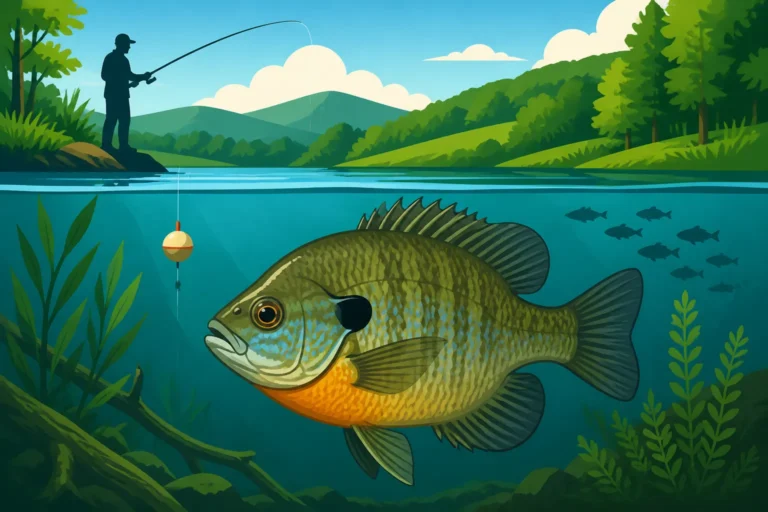
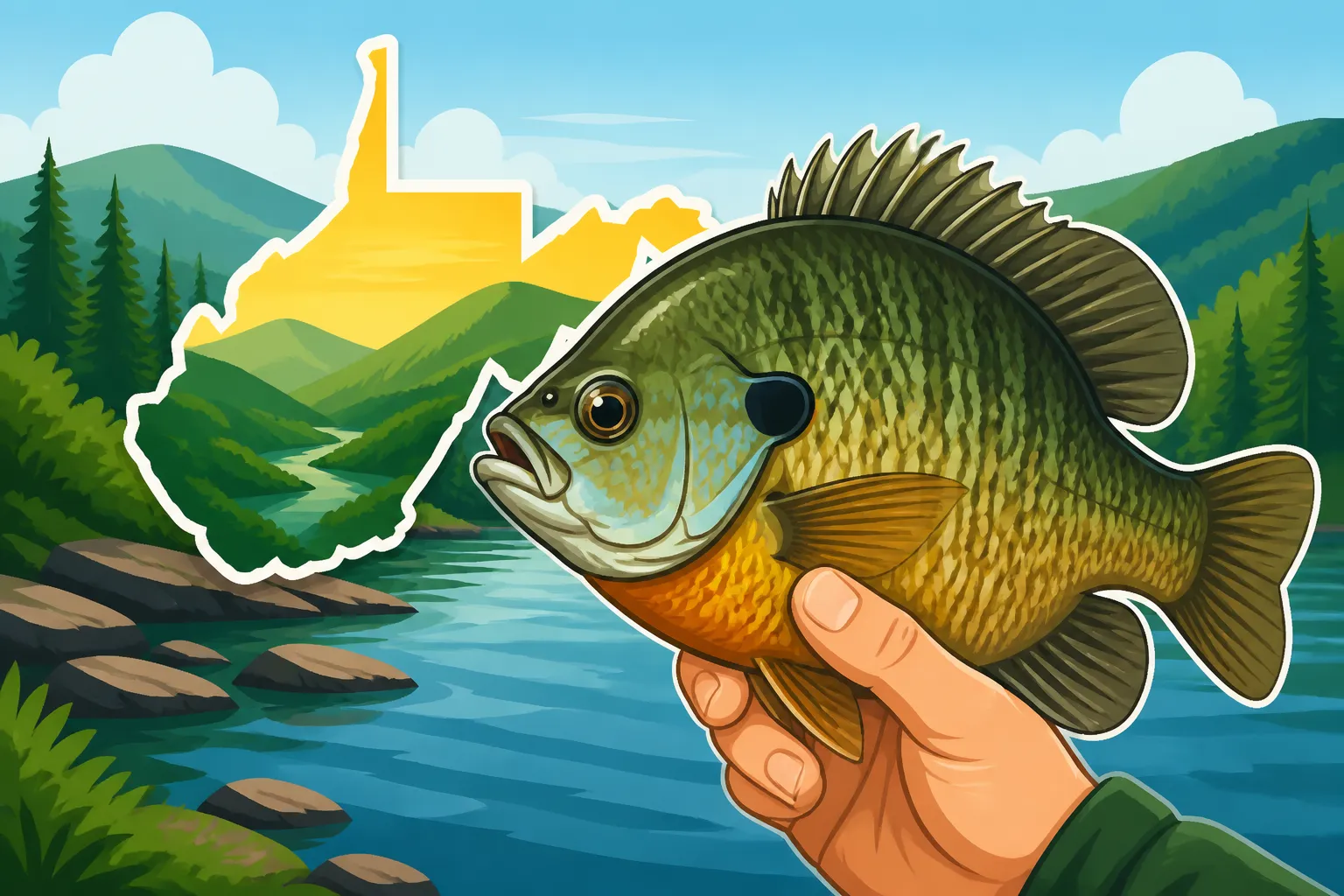
The bluegill is often the first fish a child ever catches, and for good reason. They are incredibly common, feisty for their size, and readily take a wide variety of baits. You'll recognize them by their distinctively round, compressed bodies, usually with a dark spot at the base of the dorsal fin, and often some iridescent blue or green hues on their cheeks and gill plates. They love to hang out in shallow, weedy areas, especially around docks, lily pads, and submerged timber. You can find them in nearly every pond, small lake, and slower-moving stream across West Virginia. They tend to school up, so where you catch one bluegill, you're likely to find many more. For a deeper dive into their behavior, check out Bluegill Habits in West Virginia Ponds.
Crappie: Black and White Slab Hunters
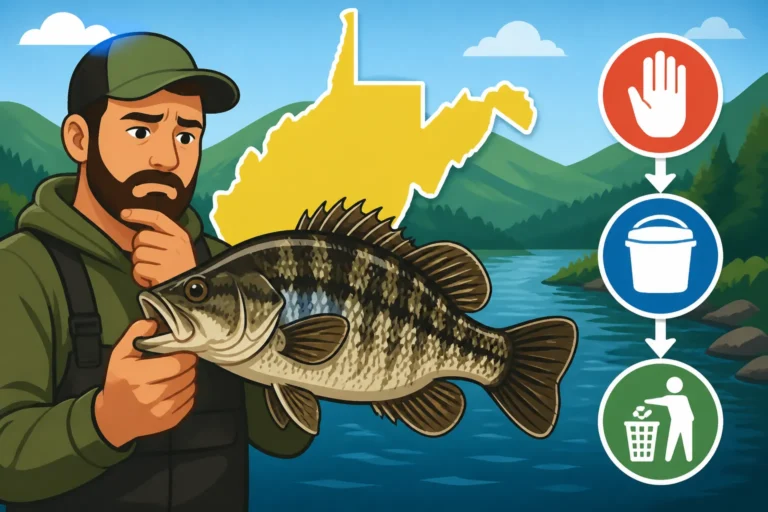
Crappie are another panfish favorite, known for their larger size and incredible taste. West Virginia hosts both black crappie and white crappie, and while they look similar, there are a few key differences. Black crappie tend to have more irregular, scattered black spots over their silvery bodies, and typically have seven or eight dorsal fin spines. White crappie, on the other hand, usually have more distinct, vertical bar patterns on their sides and possess six dorsal fin spines. They prefer clearer water with plenty of submerged structure like brush piles, fallen trees, and bridge pilings. You'll find them in many of our larger lakes and reservoirs, as well as the slower, deeper pools of bigger rivers. They are often targeted during their spring spawn when they move into shallower waters, but can be caught year-round. Understanding the nuances between these two species can help you target them more effectively; for more detail, refer to Black Crappie vs White Crappie Identification.
Other Popular Panfish: Perch, Rock Bass, and Sunfish
While bluegill and crappie get a lot of the spotlight, West Virginia waters are also home to other fantastic panfish species that offer great angling opportunities.
- Yellow Perch: These beauties are easily identified by their golden-yellow sides marked with 6-8 distinct dark vertical bars. They have two dorsal fins, with the first being spiny. Yellow perch are schooling fish that prefer cooler, deeper waters of lakes and larger ponds, but can also be found in slower sections of rivers. They are incredibly tasty and a prized catch, especially for ice anglers.
- Rock Bass: Often mistaken for a smallmouth bass by beginners, rock bass are chunkier, darker-bodied fish with large red eyes. They typically have 10-12 spines in their dorsal fin. As their name suggests, they love rocky bottoms, clear streams, and rocky lake shores. They’re aggressive feeders and a blast to catch on light tackle, though they don't grow particularly large. You'll often find them in the same waters as smallmouth bass.
- Other Sunfish: Beyond the popular bluegill, West Virginia has several other species of sunfish that are often caught while targeting panfish. These include species like green sunfish, pumpkinseed sunfish, and redbreast sunfish. While smaller than bluegill on average, they are just as aggressive and colorful, adding a delightful surprise to any panfish outing. They share similar habits to bluegill, favoring shallow, weedy areas and readily biting on small baits.
| Species | Average Size | Key Identification Markers | Preferred Habitat | Common Baits/Lures |
|---|---|---|---|---|
| Bluegill | 6-10 inches | Round body, dark spot on dorsal fin, often blue/green on cheeks | Shallow, weedy ponds, lakes, slow rivers, docks | Worms, crickets, small jigs, tiny spinners |
| Black Crappie | 8-14 inches | Irregular black spots, 7-8 dorsal spines | Clear lakes, reservoirs, brush piles, submerged timber | Minnows, jigs, small crankbaits |
| White Crappie | 8-14 inches | Distinct vertical bars, 6 dorsal spines | Murky to clear lakes, reservoirs, brush piles, bridge pilings | Minnows, jigs, small crankbaits |
| Yellow Perch | 7-12 inches | Golden-yellow with 6-8 dark vertical bars, spiny dorsal fin | Cooler, deeper lakes, larger ponds, slow rivers | Minnows, worms, small jigs, spoons |
| Rock Bass | 5-8 inches | Chunker body, large red eyes, dark mottled pattern, 10-12 dorsal spines | Rocky streams, lake shores, clear water | Worms, small spinners, jigs |
Top Habitats and Where to Find Panfish in West Virginia
Knowing what panfish look like is only half the battle; the real trick is knowing where to find them. Luckily, panfish aren't particularly shy about where they live, as long as their basic needs for food, cover, and spawning grounds are met. West Virginia offers a diverse range of aquatic environments, each holding its own panfish treasures.
Lakes and Ponds: Stillwater Sanctuaries
For many anglers, especially those with families, lakes and ponds are the quintessential panfish destinations. These stillwater bodies are teeming with bluegill, crappie, and yellow perch. Look for areas with a good mix of shallow water, aquatic vegetation, and submerged structure.
- Shallow Coves and Bays: These areas warm up quickly in the spring, attracting panfish for spawning. Look for lily pads, cattails, and submerged grasses. In summer, they provide shade and ambush points.
- Docks and Piers: Man-made structures are magnets for panfish. They offer shade, cover from predators, and often have algae growth that attracts small insects and baitfish. Pitching a small jig or bait under a dock can be incredibly productive. Places like Cacapon State Park Fishing or Pipestem State Park Fishing often have accessible piers perfect for this.
- Brush Piles and Submerged Timber: Crappie, in particular, absolutely love brush piles. These can be natural (fallen trees) or man-made (fish attractors). They provide vertical cover, ambush points, and a habitat for the smaller baitfish crappie feed on. If you're on a lake like Summersville Lake Fishing Guide or Burnsville Lake Fishing Guide, finding these hotspots is key to success. You might even find dedicated fish attractor maps for some larger reservoirs, so it’s worth checking the state's DNR website.
Rivers and Streams: Current Dwellers
While not as commonly associated with panfish as lakes, many of West Virginia's rivers and larger streams hold excellent populations of crappie, bluegill, and especially rock bass. The key is to look for areas where the current is slowed down or broken.
- Slack Water and Eddies: These calmer pockets behind rocks, fallen trees, or along the inside bends of a river are prime panfish territory. The slower current allows them to conserve energy and ambush food.
- Backwaters and Oxbows: Away from the main flow, these areas often resemble ponds within a river system. They’re usually shallower, have more vegetation, and can hold surprisingly large numbers of panfish. Rivers like the Greenbrier River Fishing Guide or the Kanawha River Fishing Spots can offer great opportunities in these types of areas.
- Bridge Pilings and Riprap: Similar to docks in lakes, these structures in rivers break the current and provide cover. Crappie will often stack up around bridge pilings, especially in deeper channels. Even on bigger rivers like the Ohio River Fishing Guide for West Virginia Anglers, you can find panfish in the calmer areas near the banks or around man-made structures.
Structure Is Key: Cover, Weeds, and Docks
Regardless of whether you're on a lake, pond, or river, understanding the concept of "structure" is paramount to consistent panfish success. Structure refers to any feature on the bottom or in the water column that differs from its surroundings and provides cover, food, or current breaks for fish.
- Aquatic Vegetation (Weeds): From lily pads to submerged grass beds, weeds provide essential cover for panfish to hide from predators and ambush smaller insects and baitfish. Bluegill are particularly fond of these green havens. They also attract tiny organisms that panfish feed on.
- Submerged Timber (Laydowns, Stumps, Brush Piles): These woody features are absolute magnets for panfish, especially crappie. A fallen tree that extends into the water, a cluster of stumps, or a purposefully placed brush pile creates a multi-layered habitat. Fish will hold at various depths within this cover depending on the time of day, water temperature, and pressure. A good fish finder can help pinpoint these, but even without one, you can often spot visible timber or find them by slowly probing with your bait.
- Man-Made Structures (Docks, Piers, Bridge Pilings): As mentioned, these structures offer both shade and protection. The pilings themselves often become encrusted with algae and mussels, providing a food source. They create vertical habitat that fish can relate to, moving up and down the water column as conditions change. Don't be afraid to cast right up against the pilings or under the docks – that's often where the biggest panfish are lurking.
- Depth Changes (Ledges, Drop-offs): While panfish often hold shallow, especially during spawn, they will retreat to deeper water during harsh weather or in the heat of summer. Ledges and drop-offs provide easy access to different depths, allowing them to move up to feed and quickly retreat to deeper, cooler, or more stable water. Finding these transitions can be key, especially on larger lakes.
Essential Gear for Panfish Success in West Virginia
One of the beautiful things about panfish fishing is that you don't need to break the bank to get started. In fact, many anglers already have most of what they need tucked away in their garage. The key is lightweight and sensitive gear that allows you to feel those subtle bites. You don't need heavy rods or lines to tackle a six-inch bluegill, and trying to do so will only diminish the fun.
Rods, Reels, and Line: Lightweight and Sensitive
The right rod, reel, and line combination can make all the difference in enjoying your panfish outing.
- Rods: Think light and flexible. An ultralight or light action spinning rod, typically 5 to 7 feet long, is perfect. The light action allows even a small panfish to put a good bend in the rod, making the fight more exciting. A softer tip helps detect those delicate nibbles. If you're looking for specific recommendations, you can find a great selection of "ultralight" options on Amazon that are perfect for panfish.
- Reels: Pair your ultralight rod with a small spinning reel (typically a 500 or 1000 series). These reels are lightweight, balance well with the rod, and have a smooth drag system, which is crucial for fighting larger crappie on light line.
- Line: Light monofilament or fluorocarbon line is the way to go, usually in the 2 to 6-pound test range. Monofilament is more forgiving and has some stretch, which can be helpful. Fluorocarbon is less visible underwater and more sensitive, but can be a bit stiffer. For ultimate sensitivity, some anglers will use 4-6 lb braided line with a short fluorocarbon leader, but for most panfish situations, good quality mono is perfectly fine. For general panfish gear advice, refer to Best Tackle for Panfish.
Baits and Lures: Natural and Artificial Favorites
Panfish aren't usually picky eaters, which is another reason they're so much fun to catch. You have a wide array of options when it comes to tempting them.
- Natural Baits: These are often the easiest and most effective, especially for bluegill and smaller sunfish.
- Worms: Earthworms, red wigglers, or even pieces of nightcrawlers are universally loved by panfish. They’re easy to get and stay on the hook well.
- Crickets/Grasshoppers: These insect baits are irresistible to many panfish, especially in warmer months. They're particularly effective when drifted under a bobber near weed lines.
- Minnows: Small live minnows are absolute crappie magnets. They can be rigged under a bobber or slowly retrieved on a small jig head.
- Maggots/Mealworms: Tiny and often used for ice fishing or very finicky fish, these can be deadly when presented on small hooks.
- Corn: Believe it or not, canned corn can be effective, particularly for stocked panfish that have been conditioned to feed on pellets.
- Artificial Lures: For a more active fishing experience, artificial lures can be incredibly productive.
- Small Jigs: These are perhaps the most versatile panfish lures. Tiny lead-head jigs (1/32 to 1/8 ounce) tipped with soft plastic bodies (grubs, tubes, tiny minnow imitations) or even small feathers work wonders. Experiment with colors – chartreuse, white, black, and pink are often popular.
- Tiny Spinners: Inline spinners like Rooster Tails or Mepps in sizes #0 or #1 are fantastic for active bluegill, perch, and even aggressive crappie. The flash and vibration can trigger strikes from a distance.
- Micro Crankbaits: For larger crappie or aggressive sunfish, especially in bigger lakes, tiny crankbaits that dive only a few feet can be very effective.
- Flies: For fly anglers, small nymphs, wet flies, and dry flies (especially ant or beetle patterns) can be incredibly effective, particularly for bluegill and rock bass in clear streams.
Accessories: Making Your Trip Easier
While basic gear will get you catching fish, a few key accessories can make your panfish outing much more comfortable and successful.
- Bobbers/Floats: Essential for still fishing, bobbers suspend your bait at a set depth and signal bites. Everything from a classic red-and-white round bobber to more sensitive slip bobbers works.
- Small Hooks: Size 8 to 12 Aberdeen or Kahle hooks are perfect for panfish mouths. They're thin, sharp, and easy to remove.
- Split Shot Weights: Small, removable split shot sinkers help get your bait down to the desired depth.
- Pliers/Forceps: Crucial for safely removing hooks, especially from smaller fish. A good pair of fishing pliers, readily available on Amazon, can save your fingers and the fish.
- Bucket/Cooler: For keeping your catch fresh if you plan to keep them for dinner.
- Tackle Box/Bag: A compact Best Tackle Bag for Bank Fishing or a small tackle box to keep your hooks, weights, and lures organized.
- Sunscreen and Hat: Don't forget sun protection, especially when spending hours on the water.
- Chair/Seat: A comfortable folding chair can make a bank fishing session much more enjoyable.
Effective Techniques for Catching Panfish in West Virginia
Knowing where the fish are and what gear to use is a great start, but how you present your bait makes all the difference. Panfish respond well to a variety of techniques, from the classic and relaxed to more active and strategic approaches.
Still Fishing: The Classic Approach
This is probably the most common and beloved method for panfish, especially for beginners and families. It's incredibly simple, relaxing, and effective.
- Bobber and Bait: The quintessential setup. You rig a small hook with natural bait (worm, cricket, minnow), add a few small split shot weights a few inches above the hook to get it down, and then attach a bobber at a depth where you expect the fish to be. Cast it out, let it sit, and watch that bobber. When it starts to twitch, dance, or disappear, it's time to set the hook! This technique is particularly effective around docks, weed edges, and submerged brush in ponds and lakes. For a quiet evening or teaching a child, there's nothing quite like it.
- Bottom Fishing (No Bobber): Sometimes, panfish are holding deeper or are just a bit shy of a bobber. In this scenario, you can ditch the float. Use a slightly heavier sinker (a small egg sinker or a few larger split shot) to get your bait right on the bottom. Keep your line relatively tight to feel the bites. This can be great for crappie or larger perch in deeper channels or cooler parts of a lake. Just be mindful of snags if the bottom is particularly cluttered with timber or rocks.
Casting and Retrieving: Active Hunting
For those who prefer a more active approach, casting and retrieving small lures can be incredibly productive, allowing you to cover more water and entice aggressive feeders.
- Spinnerbaits and Inline Spinners: Cast these small, flashy lures out and retrieve them steadily. The blade rotation and vibration mimic baitfish or insects, drawing attention from curious panfish. Vary your retrieve speed and depth until you find what the fish prefer. This is a fantastic way to target bluegill and rock bass, especially in clear water where they can see the flash. Experiment with retrieving it slowly just above submerged weeds or quickly over open water.
- Small Crankbaits: Micro crankbaits, often designed for trout or even ice fishing, can be deadly for larger crappie or yellow perch. These lures dive to a specific depth as you retrieve them, allowing you to target different parts of the water column. Cast them along drop-offs, parallel to weed lines, or near submerged timber. Again, vary your retrieve speed – a stop-and-go retrieve can often trigger a strike.
- Soft Plastic Jigs: This is perhaps the most versatile active technique. Rig a tiny soft plastic grub, tube, or minnow imitation on a small jig head. Cast it out and use a variety of retrieves:
- Steady Retrieve: Simple and effective, letting the tail of the grub wiggle.
- Lift and Drop: Lift the rod tip to make the jig swim up, then let it fall on a semi-slack line, mimicking a dying baitfish. Many strikes occur on the fall.
- Twitch and Pause: Subtle twitches of the rod tip give the jig an erratic, injured action, often irresistible to crappie.
This technique, along with others, is covered in more detail in Best Techniques for Panfish in West Virginia.
Vertical Jigging: For Deepwater Slabs
When panfish are holding deep, whether in winter or during hot summer months, vertical jigging from a boat, kayak, or even a deep pier can be incredibly effective, especially for crappie and perch.
- Boat or Kayak: Position your vessel directly over submerged structure or known fish schools (often found with a fish finder). Drop a small jig or a spoon straight down to the desired depth. Use a subtle jigging motion – small lifts and drops – to impart action to the lure. The key is to keep the lure in the strike zone for as long as possible.
- Ice Fishing: Vertical jigging is the primary technique for ice fishing panfish in West Virginia. Drill a hole, drop your tiny jig or spoon, and work it up and down. Adding a single maggot or mealworm to the hook can significantly increase your bites. The small movements required for vertical jigging are perfect for lethargic winter fish. Ensure you're familiar with safe ice fishing practices and check ice thickness before heading out.
- Depth Control: Using a fish finder is a huge advantage for vertical jigging, as it shows you exactly at what depth the fish are holding. If you don't have one, start by dropping your lure to the bottom and slowly working it up through the water column, pausing at different depths, until you find where the fish are active. Remember, panfish often stack up at very specific depths.
Panfish Fishing Through the Seasons in West Virginia
One of the great joys of panfish fishing in West Virginia is that it truly is a year-round sport. Each season presents unique opportunities and challenges, requiring slight adjustments to your approach. Understanding these seasonal patterns will dramatically increase your success.
Spring: Pre-Spawn and Spawning Frenzy
Spring is arguably the best time of year for panfish, especially crappie and bluegill. As water temperatures begin to rise after the cold winter, these fish become incredibly active.
- Pre-Spawn Movement: As early spring progresses and water temperatures hit the mid-40s to low 50s (Fahrenheit), panfish start moving from their deeper wintering holes into shallower, sun-warmed areas. They're looking to feed heavily to build energy for the upcoming spawn. Focus on the northern banks of lakes and ponds, shallow coves, and the mouths of creeks, which warm up faster. Small jigs or minnows fished slowly can be very effective during this period.
- The Spawn: Once water temperatures reach the mid-60s for bluegill and high 50s to low 60s for crappie, the spawning ritual begins. This is when panfish move into very shallow water (often just a few feet deep) to build nests. Bluegill will create distinct circular "beds" in sandy or gravelly areas, often in large colonies. Crappie will seek out submerged brush, roots, and vegetation in slightly deeper but still shallow water. During this time, the fish are aggressive and highly concentrated, making them relatively easy to catch. They'll readily strike small jigs, worms, or crickets presented near their nests. This is a fantastic time to take children fishing, as the action can be non-stop. Just be mindful of over-harvesting during this vulnerable period.
Summer: Deep and Shady Retreats
As the heat of summer sets in, panfish often adjust their behavior to find cooler, more comfortable water. This means they'll typically move out of the super-shallow spawning grounds.
- Seeking Cooler Water: In most West Virginia lakes and ponds, this means moving to deeper areas, especially during the brightest parts of the day. Look for them along drop-offs, points, and humps that offer access to deeper, cooler water. They might move shallower again during low light periods like dawn and dusk.
- Relating to Cover: Even in deeper water, panfish will still relate to structure. Submerged brush piles, standing timber, rock piles, and bridge pilings become prime locations. They offer shade and ambush points. Using a fish finder to locate these deeper structures can be a game-changer.
- Night Fishing: For crappie, summer nights can be incredibly productive. They often feed actively after dark, moving up in the water column or closer to the surface. Fishing under lights (which attract baitfish) from a boat or dock is a popular and effective summer night technique. Make sure you check West Virginia Night Fishing Rules if you plan to extend your trip.
Fall and Winter: Feeding Patterns and Ice Fishing
Don't put your panfish gear away after summer! Fall offers a "second spring" of activity, and for many, winter brings the unique thrill of ice fishing.
- Fall Feeding Frenzy: As water temperatures cool down in the fall, panfish embark on a pre-winter feeding frenzy, bulking up for the lean months ahead. They become more active and can often be found in areas similar to early spring – shallow flats near deeper water, weed lines, and around transition areas. Crappie especially will school up tightly in brush piles. Small jigs, minnows, and spinners are excellent choices.
- Winter and Ice Fishing: Once the water truly gets cold, panfish become much more lethargic. They often congregate in large schools in deep water, typically near the bottom or suspended over deep structure. This is prime time for ice fishing (where safe ice allows) or targeting them from boats in open water. Tiny jigs tipped with a grub, wax worm, or a small minnow, presented vertically, are the go-to baits. The key is to use very subtle presentations, as their metabolism is slow. For those brave enough to venture onto the hard water, Ice Fishing in West Virginia offers valuable insights. Always prioritize safety and check local ice conditions before venturing out.
Regulations and Conservation for West Virginia Panfish
As much as we love catching panfish, it’s our responsibility as anglers to ensure these populations remain healthy for generations to come. This means understanding and adhering to West Virginia's fishing regulations and practicing good conservation habits. It's about respecting the resource.
Understanding Bag and Possession Limits
One of the most important regulations to be aware of are the daily bag and possession limits. These limits are set by the West Virginia Division of Natural Resources (DNR) to prevent overfishing and ensure a sustainable fishery.
- Daily Bag Limit: This is the maximum number of fish of a particular species (or group of species, like panfish) you can keep in a single day. For instance, West Virginia generally has generous limits for panfish like bluegill and crappie, but it's crucial to consult the most current regulations summary.
- Possession Limit: This refers to the total number of fish you can have in your possession at any given time, whether they are in your cooler, at your campsite, or at home. Often, the possession limit is twice the daily bag limit. This prevents anglers from catching a limit day after day without consuming or properly storing their catch.
- Check the Summary: Regulations can change, and there might be special regulations for specific bodies of water. Always, always check the official West Virginia Fishing Regulations Summary before you go fishing. This document is your best friend on the water. For more general information on this, see West Virginia Fishing Regulations Explained and West Virginia Bag and Possession Limits by Species.
Promoting Catch and Release for Bigger Fish
While panfish are excellent table fare, and keeping a mess of them for dinner is a cherished tradition, there are times when catch and release makes a lot of sense, especially if you're targeting bigger specimens or fishing heavily pressured waters.
- Protecting Large Breeders: The biggest bluegill and crappie are often the most prolific spawners, contributing significantly to the health of the population. Releasing these "trophy" fish helps ensure there are plenty of strong genetics for future generations. If you catch a truly exceptional fish, consider taking a quick photo and releasing it.
- Maintaining Quality Fisheries: In some smaller ponds or highly popular spots, constant harvesting of all sizes of panfish can lead to stunted populations where most fish are small. Selective harvest – keeping some of the medium-sized fish for dinner but releasing the largest and smallest – can actually improve the overall quality of the fishery over time.
- Proper Handling: If you plan to release a fish, handle it carefully. Wet your hands before touching the fish to protect its slime coat, which is vital for its health. Use needle-nose pliers or hemostats (easily found on Amazon) to quickly remove hooks. Avoid dragging the fish on the bank or pavement. Support its body if it's a larger fish, especially around the belly, and gently release it back into the water.
Responsible Angling Practices
Beyond bag limits and catch and release, there are other aspects of responsible angling that contribute to a healthy environment and a positive experience for everyone.
- Leave No Trace: Pack out everything you pack in. This includes old fishing line, bait containers, and any other trash. Our beautiful West Virginia waters deserve to remain pristine.
- Respect Private Property: Always be aware of property lines. If you're fishing from the bank, ensure you have permission to be there or are on public access land. Trespassing is not only illegal but also damages the reputation of anglers.
- Boating Safety and Etiquette: If you're fishing from a boat or kayak, understand and follow all West Virginia Boating Laws for Anglers. Give other anglers plenty of space, especially those fishing from the bank or anchored. Excessive wake can disturb others and even be dangerous.
- License Requirements: Always ensure you have a valid West Virginia fishing license. It's not just a legal requirement; the funds from license sales directly support conservation efforts, fish stocking programs, and habitat improvement. Whether you're a resident or a nonresident, you'll need one, and there are different options available. Don't forget that Do Kids Need a Fishing License in West Virginia? at certain ages, and there are specific West Virginia Fishing License Age Requirements for young and old alike. You can purchase them easily online through services like WVhunt.com.
Fishing for panfish in West Virginia is more than just catching fish; it's an opportunity to create lasting memories, enjoy the stunning outdoors, and connect with nature on a fundamental level. By understanding their habits, using the right gear and techniques, and practicing responsible angling, you're set for countless rewarding days on the water. So grab your ultralight, a handful of worms, and head out to explore the amazing panfish opportunities that the Mountain State has to offer!
Disclaimer
This article is for general informational purposes only and does not constitute professional advice. Laws, prices and regulations vary by location and change over time. Consult a qualified professional for guidance on your specific situation.