Golden Rainbow Trout in West Virginia
There’s something truly magical about seeing that flash of brilliant gold beneath the water, isn't there? For many anglers in West Virginia, catching a golden rainbow trout isn't just about the fish itself, it's about the chase, the unique challenge, and the unforgettable memory of reeling in a living treasure. This guide is dedicated to helping you understand everything about these elusive, dazzling fish, from where they come from to the best ways to bring one to the net, ensuring your next angling adventure is filled with golden opportunities.
What Makes a Golden Rainbow Trout So Special?
Let's be honest, when you hear "golden rainbow trout," your mind immediately conjures an image of something spectacular, right? And you wouldn't be wrong. These fish truly stand out from their more common rainbow relatives, not just in appearance but also in the excitement they bring to the West Virginia fishing scene. But what exactly are they, and where did they come from?
The Unique Genetics Behind the Gold
It's a common misconception that golden rainbow trout are a separate species, or perhaps even a hybrid. The truth is, they're not. They are, in essence, a genetic variant of the standard rainbow trout (Oncorhynchus mykiss), specifically bred for their distinct golden-yellow coloration. This isn't some accident of nature in the wild; it's the result of selective breeding programs. Think of it like a specialty breed of dog – still a dog, but with unique traits.
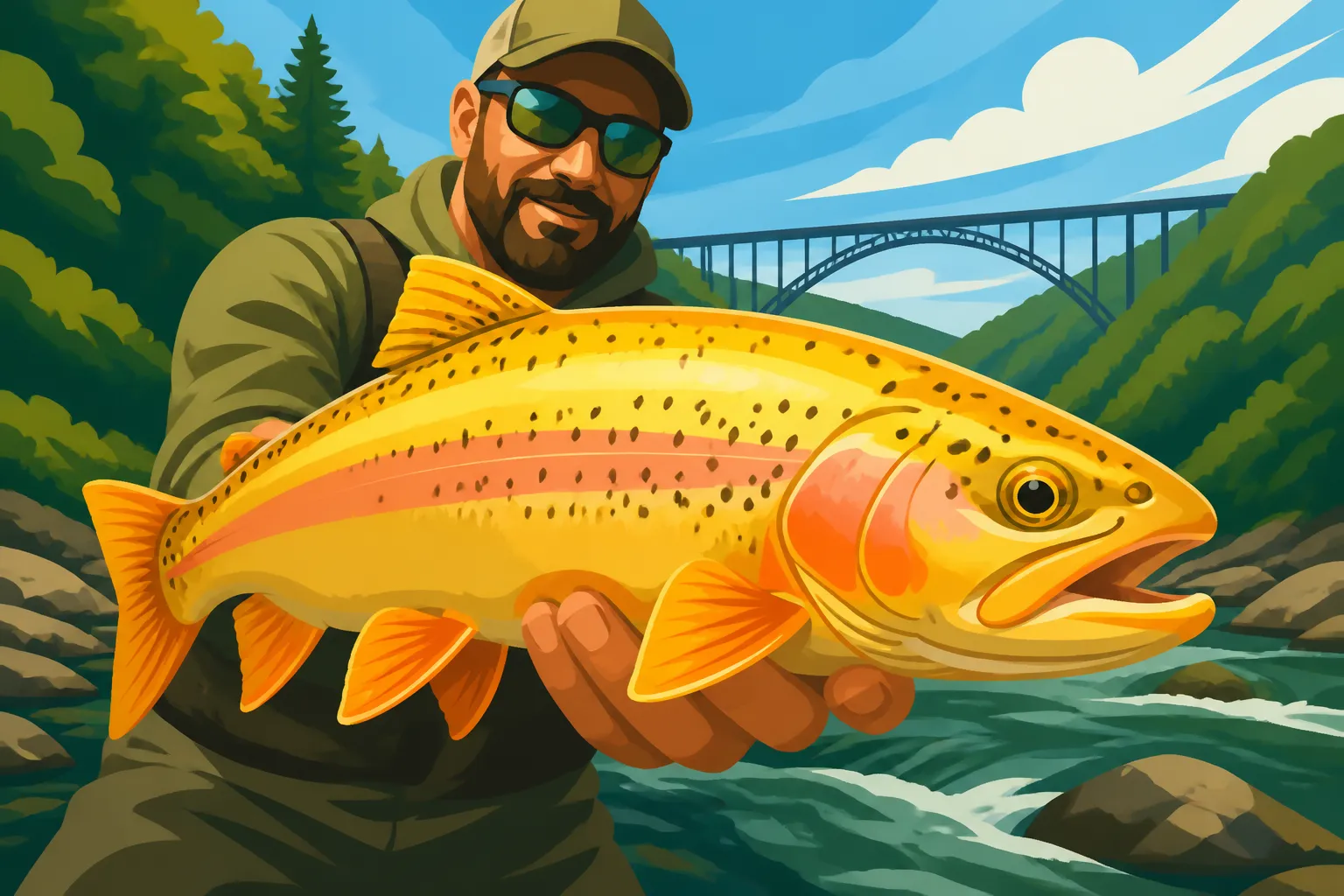
The vibrant golden hue is due to a natural, recessive genetic mutation that affects the pigmentation. Instead of the typical silvery-green body with a pink stripe, these fish exhibit a striking xanthic coloration. Sometimes, they might have a faint pinkish stripe, but it's often overshadowed by the dominant gold. This genetic trait was first observed and then carefully cultivated in hatcheries, primarily in West Virginia, to create a fish that is both beautiful and a powerful draw for anglers. It’s an amazing testament to the careful work of fisheries biologists. For a deeper dive, you can explore Are Golden Rainbow Trout Genetically Modified?.
Distinguishing Golden Rainbows from Other Trout
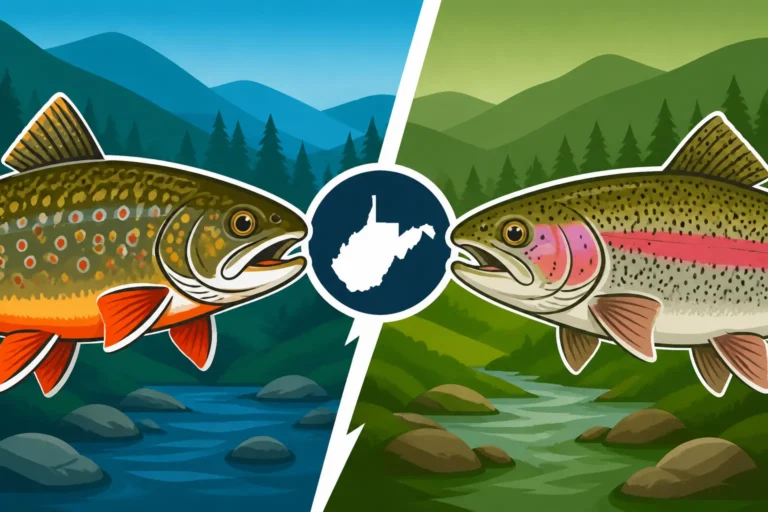
When you're out on the water, especially in West Virginia's diverse trout streams, it's easy to get excited and maybe misidentify a fish. However, distinguishing a golden rainbow from other trout species, like a brown trout or a brook trout, is usually quite straightforward due to its unmistakable color. Brown trout tend to be yellowish-brown with distinct dark spots, often with a halo, and red spots on their sides. Brook trout, West Virginia's state fish, are incredibly beautiful with worm-like markings (vermiculations) on their backs and dorsal fins, and vibrant red or orange fins with white leading edges.
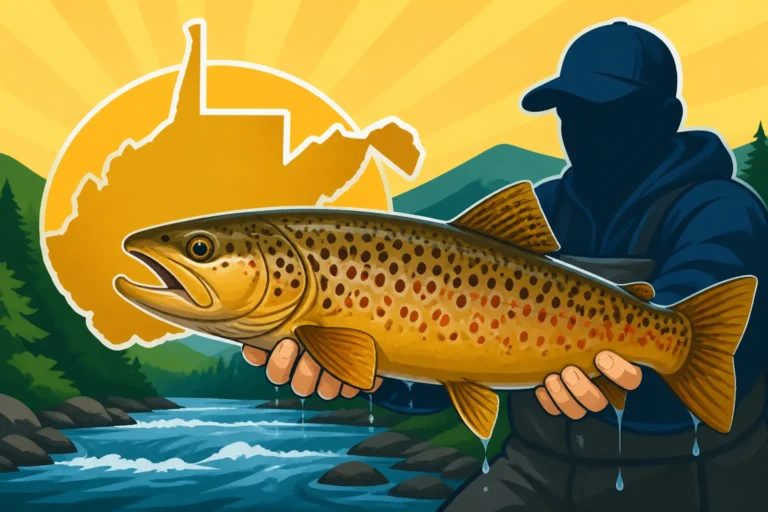
A regular rainbow trout, while sharing the same species name, will have that classic silver body, often with a reddish-pink stripe running along its lateral line, and small black spots. The golden rainbow, however, is almost entirely gold, a color that truly pops, especially in clear water. Their fins will often reflect this golden hue as well. This distinct appearance is a big part of their appeal, making every catch feel like finding a piece of buried treasure. You can learn more about this in What color is a golden rainbow trout.
West Virginia's "Gold Rush" Stocking Program
The mention of "golden rainbow trout" in West Virginia is almost synonymous with the state's incredible "Gold Rush" stocking program. This event is a cornerstone of the state's trout fishing culture, creating a palpable buzz among anglers every year. It’s more than just stocking fish; it’s an event, a celebration, and a huge draw for local and visiting anglers alike.
The History and Purpose of the Gold Rush
The West Virginia Gold Rush program began as a brilliant initiative by the state’s Division of Natural Resources (DNR) to enhance trout fishing opportunities and inject excitement into the spring fishing season. The idea was simple yet effective: stock a significant number of these uniquely colored golden rainbow trout in various waters across the state over a concentrated period. This concentrated stocking effort, coupled with the allure of the golden fish, has turned it into a highly anticipated annual event.
The primary purpose is multi-faceted. Firstly, it generates immense interest in trout fishing, encouraging more people, particularly families and new anglers, to get out and experience West Virginia's beautiful waterways. Secondly, it provides an economic boost to local communities through increased tourism and sales of fishing licenses, gear, and supplies. And thirdly, let's be honest, it’s just plain fun! The thrill of landing a golden rainbow is a unique experience that keeps anglers coming back year after year. For specific event regulations, check out Gold Rush Golden Rainbow Trout Event Rules.
How the Gold Rush Program Works
Each year, the West Virginia DNR announces the dates and locations for the Gold Rush, creating a schedule that's eagerly awaited by the angling community. Typically, this event occurs in the spring, often coinciding with prime trout fishing conditions. Thousands of golden rainbow trout, sometimes reaching impressive sizes, are distributed to numerous lakes and streams.
The stocking locations are carefully chosen to provide widespread access, ensuring that anglers across different regions of the state have an opportunity to participate. The DNR often utilizes its own social media channels, website, and a dedicated West Virginia Trout Stocking Hotline and Schedule to disseminate this information, so anglers can plan their trips. The sheer number of these fish released during this period makes the odds of encountering one significantly higher, adding to the excitement. It transforms a regular fishing trip into a treasure hunt, and that's a feeling you just can't beat.
Where and When to Find Golden Rainbow Trout
Knowing what a golden rainbow trout is and how special the Gold Rush program is, your next logical question is, "Alright, where and when can I actually catch one of these beauties?" Well, you're in luck because West Virginia makes it relatively easy to find this information, though success still relies on your angling prowess!
Prime Locations for Golden Rainbow Stockings
Golden rainbow trout are stocked in a wide variety of West Virginia's public fishing waters. These typically include many of the same lakes and streams that receive regular rainbow trout stockings, but during the Gold Rush, the focus shifts specifically to the golden variety. You'll often find them in popular trout impoundments, smaller lakes, and easily accessible sections of larger rivers. Think of places like popular state park lakes, community ponds, and certain river sections with good public access.
Some perennial favorites for Gold Rush stockings include various state park lakes like Cacapon State Park Lake, Pipestem State Park Lake, and Watoga State Park Lake. Community fishing ponds, often managed for easy access and family fishing, are also key targets. Rivers and larger streams like the Elk River, Williams River, and portions of the Shavers Fork often see significant stockings. The DNR meticulously plans these locations to ensure broad distribution across the state, giving everyone a fair shot. For a comprehensive list, consult List of West Virginia stocked trout waters and look specifically for Gold Rush updates.
Timing Your Golden Rainbow Trout Expedition
Timing is absolutely everything when it comes to intercepting golden rainbow trout, especially during the Gold Rush. As mentioned, the Gold Rush usually takes place in the spring, typically running for a few weeks. The DNR will announce the specific dates and which waters will be stocked on which days. Being aware of this schedule is paramount. If you arrive too late after a stocking, the fish might have been heavily pressured or dispersed.
Your best bet is to plan your trip for as close to a stocking date as possible. This means keeping a keen eye on the official West Virginia DNR stocking schedule. Many anglers even try to be at a stocking location on the day of the release, if possible, to maximize their chances. However, even a few days later can still yield great results, as these fish often remain concentrated in the areas they were released. West Virginia Trout Season and Stocking Rules offers broader context on trout seasons, but for golden rainbows, the Gold Rush schedule is your go-to.
| Location Type | Typical Waters | Best Time to Fish | Accessibility |
|---|---|---|---|
| Small Lakes/Ponds | State Park Lakes, Community Ponds | Within 1-3 days post-stocking | High (shore access, piers) |
| Larger Rivers/Streams | Elk, Williams, Shavers Fork sections | Within 3-5 days post-stocking | Moderate (wading, boat ramps) |
| Tailwaters | Below certain dams (if stocked) | Consistent, but peak after stocking | Variable (can be swift current) |
Remember, while the Gold Rush is the peak time, sometimes stray golden rainbows can be caught outside this window, especially "holdovers" from previous stockings. These can be even more rewarding, as they've had time to grow larger and become more wary.
Essential Gear and Techniques for Golden Rainbow Trout
Alright, you know what they are, and you know when and where to find them. Now comes the exciting part: how do you actually catch one of these golden beauties? Luckily, many of the techniques and gear you'd use for regular rainbow trout will work wonderfully for golden rainbows, but a few subtle adjustments can really up your game.
Rods, Reels, and Line Choices
For golden rainbow trout, just like their rainbow cousins, a light to ultralight spinning setup is often ideal. You're looking for sensitivity to feel those subtle bites and enough backbone to handle a surprisingly strong fight from these fish. A rod in the 5'6" to 6'6" range with a fast action will give you good casting distance for light baits and lures, while still allowing you to feel every head shake.
Pair that with a small spinning reel (think 1000 to 2000 series) spooled with 4 to 6-pound test monofilament or fluorocarbon line. Monofilament offers a bit of stretch, which can be forgiving when a trout makes a sudden run, while fluorocarbon is nearly invisible in the water and offers greater sensitivity. Some anglers prefer braided line for its strength and zero stretch, but you'll definitely want a fluorocarbon leader (4-6 lb test) with braid to maintain stealth, especially in clear West Virginia waters. You can often find excellent combos and line options on Amazon, which can be a great place to compare brands and read reviews.
Baits, Lures, and Flies that Attract Goldens
Golden rainbow trout aren't particularly picky, especially when freshly stocked, but certain offerings tend to be more effective.
PowerBait and Live Baits
When the fish are fresh from the hatchery, they are often accustomed to pelleted food, so scented baits can be incredibly effective. Dough baits like PowerBait (in bright colors like chartreuse, orange, or even the classic "rainbow" blend) are a staple. Mold it onto a small treble or single hook, let it float just off the bottom with a small split shot weight, and wait for that rod tip to twitch. Best PowerBait color for early season trout is a helpful read here. Live baits are also fantastic. Small garden worms, mealworms, or wax worms fished under a bobber or on the bottom are highly appealing. Minnows can also work, especially for larger, more aggressive fish.
Spinners and Spoons
For active, cruising golden rainbows, artificial lures can be deadly. Small inline spinners (like Panther Martins, Mepps, or Rooster Tails) in gold, silver, or bright colors can trigger aggressive strikes. Cast them out, let them sink a bit, and retrieve steadily. The flash and vibration mimic small baitfish or insects, which can be irresistible. Similarly, small spoons, like Thomas Buoyants or Kastmasters, can be jigged or retrieved to cover water. Again, check out a variety of options on Amazon to find what might work for your local waters.
Fly Fishing for Golden Rainbows
If you're a fly angler, golden rainbows offer a unique challenge. While not always as discerning as wild trout, they will readily take flies. Nymph patterns that imitate aquatic insects (like Pheasant Tails, Hare's Ears, or Prince Nymphs) fished under an indicator or with a tight-line technique are highly effective. When hatches occur, or if fish are looking up, small dry flies can also draw strikes. Streamers, like Woolly Buggers (in olive, black, or white), can entice larger, more aggressive fish. The key is to match the hatch or present a convincing imitation. For specific advice, consider Best fly size for Elk River trout in spring which covers similar stocked trout scenarios.
Mastering the Catch and Release
Catching a golden rainbow trout is exciting, and for many, the goal is to capture that stunning fish in a photograph before carefully releasing it. Proper handling is crucial to ensure these beautiful fish survive and thrive after their encounter with you.
Playing and Landing the Fish
When you hook a golden rainbow, especially a larger one, be prepared for a spirited fight. They often make powerful runs and impressive jumps. The key is to keep constant pressure on the fish, but don't horse it in. Let your rod and reel drag do the work. If you're fishing with light tackle, this means allowing the fish to take line when it runs, then slowly gaining it back when it pauses. This protects your line and prevents the hook from tearing out.
When it's time to land the fish, use a net if possible. A soft, rubberized landing net is ideal as it minimizes damage to the fish's protective slime coat and fins. Avoid dragging the fish onto rocks or sand, as this can severely injure them. If you don't have a net, try to gently guide the fish into very shallow water and secure it by hand. Best landing net mesh for catch and release offers some great insights into net choices.
Safe Handling and Release Practices
Once the fish is in your net or gently secured, act quickly and thoughtfully.
- Keep it Wet: The absolute golden rule (pun intended) of catch and release is to keep the fish in the water as much as possible. This means minimizing its time out of the water, especially for photos.
- Wet Hands: If you must handle the fish directly, wet your hands thoroughly beforehand. Dry hands can strip away the fish's protective slime coat, making it vulnerable to disease.
- Support its Body: When lifting the fish for a quick photo, support its body horizontally with both hands. Avoid holding it vertically by the jaw or tail, which can damage its internal organs and spine.
- Remove the Hook Carefully: Use needle-nose pliers or a hemostat to quickly and gently remove the hook. If the fish is deeply hooked, it might be better to cut the line as close to the hook as possible. Barbless hooks also make release much easier and less damaging.
- Revive if Necessary: After hook removal, hold the fish gently in the water, facing upstream into the current. Allow water to flow over its gills. It might take a minute or two for the fish to regain its strength. When it starts kicking and tries to swim away, you can release it. Don't throw it back; let it swim off on its own terms.
Practicing these methods ensures that the golden rainbow trout you release can go on to fight another day, perhaps even growing larger for another angler to enjoy.
The Experience of Fishing for Golden Rainbow Trout
Fishing for golden rainbow trout in West Virginia is more than just the act of catching a fish; it's an immersive experience that taps into the heart of what makes angling so special. It’s about the anticipation, the camaraderie, and the connection to the beautiful Appalachian landscape.
The Thrill of the "Treasure Hunt"
There’s an undeniable element of a treasure hunt when you’re targeting golden rainbow trout. Their vibrant, distinct color makes every flash in the water a moment of heightened excitement. You're not just looking for "a fish"; you're looking for that specific, radiant hue. This adds a layer of adventure to your outing, turning a regular fishing day into a quest for a living gem.
Imagine standing by a serene West Virginia stream, the crisp spring air invigorating your senses, and suddenly, you see it – a golden flicker in the clear water near a submerged log. That immediate surge of adrenaline is what makes the experience so addictive. It's the moment you realize your "treasure map" has led you to the prize. This thrill is what keeps countless anglers coming back to the Gold Rush events year after year.
Family Fun and Community Spirit
The Gold Rush program, with its focus on accessible stockings and a specific, exciting target fish, has fostered a wonderful sense of community among anglers. It's truly a family-friendly event. Parents bring their kids, teaching them the ropes of fishing, and the potential to catch a "golden fish" makes it even more engaging for younger ones. The joy on a child's face when they reel in a golden rainbow is truly priceless, creating memories that will last a lifetime. Do Kids Need a Fishing License in West Virginia? is a good resource if you're planning a family trip.
You'll often find a friendly atmosphere at stocking locations during the Gold Rush. Anglers share tips, show off their catches, and bond over the shared pursuit of these unique fish. It’s a fantastic way to connect with fellow enthusiasts and experience the welcoming spirit of West Virginia's outdoors community. It's a testament to how a well-planned fisheries program can bring people together and ignite a passion for nature.
Regulations and Conservation for Golden Rainbow Trout
Even with the excitement of the Gold Rush, it's vital to remember that golden rainbow trout are still subject to West Virginia's fishing regulations. Adhering to these rules not only keeps you on the right side of the law but also helps ensure the sustainability of the state's excellent trout fishing opportunities.
Understanding Trout Regulations
While golden rainbow trout have a unique appearance, they typically fall under the general trout regulations for rainbow trout in West Virginia. This includes specific season dates, daily creel (bag) limits, and minimum length requirements. These regulations can vary by specific water body, so always check the latest West Virginia Fishing Regulations Summary. This summary is available online through the West Virginia DNR website and is an indispensable tool for any angler. West Virginia Fishing Regulations Explained provides a great overview, and for trout-specific rules, Trout Stamps and Trout Fishing Rules in West Virginia is a must-read.
A crucial point for trout fishing in West Virginia, including for golden rainbows, is the requirement of a West Virginia fishing license and often a trout stamp. Even if you're only planning to catch and release, these are typically necessary. Confirm your specific license needs before heading out. Information like West Virginia Fishing License Age Requirements and West Virginia's Conservation Stamp, Explained will help you get squared away.
Catch Limits and Special Rules
During the Gold Rush, specific rules often apply, particularly regarding catch limits. For instance, the general statewide daily creel limit for trout is usually a certain number per day, but some specific waters might have different regulations. It's absolutely essential to be aware of these. The purpose of these limits is to distribute the catch among more anglers and manage the fish population. Overharvesting, even of stocked fish, can quickly deplete the resource and diminish the quality of the experience for others.
Furthermore, some waters in West Virginia are designated as "catch and release only" or have specific gear restrictions (e.g., fly fishing only, artificial lures only). While golden rainbows are typically stocked in general regulation waters, always double-check the signs at your chosen fishing spot or the regulations summary to avoid any misunderstandings. Respecting these rules, whether it's about West Virginia Bag and Possession Limits by Species or specific restrictions for West Virginia Catch and Release Rules for Trout, contributes to a thriving fishing environment for everyone.
By understanding and following these regulations, you're not just fishing; you're participating in a larger conservation effort that ensures the magic of golden rainbow trout fishing continues for generations to come.
Disclaimer
This article is for general informational purposes only and does not constitute professional advice. Laws, prices and regulations vary by location and change over time. Consult a qualified professional for guidance on your specific situation.