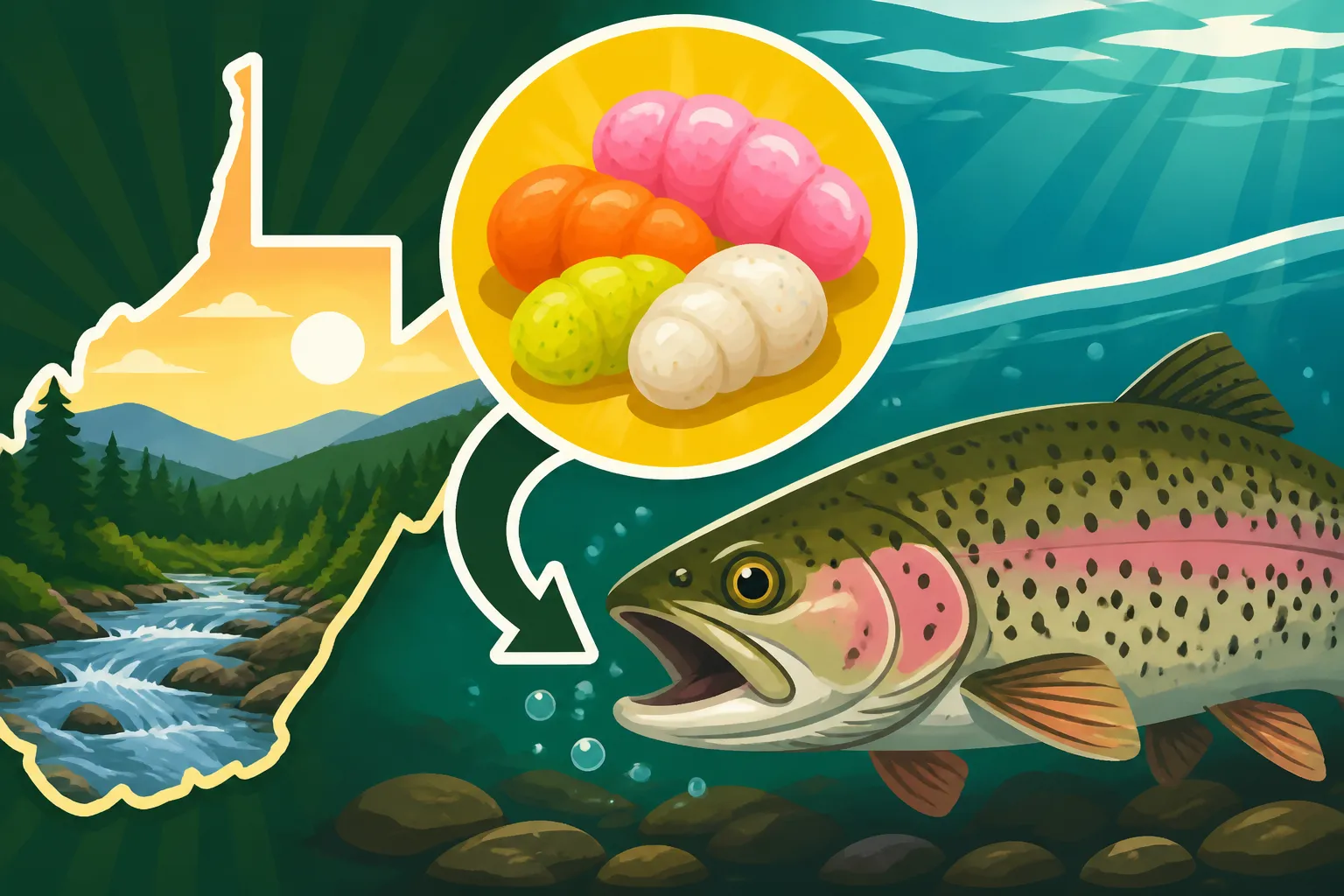
Best PowerBait color for early season trout
Early season trout fishing in West Virginia can be a truly magical experience, with crisp air, stunning scenery, and the promise of a fresh catch. However, it can also be incredibly frustrating when the fish are sluggish, the water is cold, and your usual baits just aren't cutting it. This guide is all about helping you cut through that early season puzzle by focusing on one of the most reliable baits out there: PowerBait. We'll dive deep into which colors tend to perform best when the water is still chilly, and how to maximize your chances of reeling in some beautiful West Virginia trout.
Understanding Early Season Trout Behavior and Conditions
When the calendar flips to early spring in West Virginia, trout are emerging from winter, and their behavior is quite a bit different than what you might expect later in the year. The water temperature is a huge factor, and it dictates everything from their metabolism to their feeding patterns. You can't just throw out any old bait and expect consistent results; you need to think like a trout waking up from a long, cold nap.
The Impact of Cold Water on Trout Metabolism
Imagine trying to run a marathon right after rolling out of bed on a freezing morning – that's kind of how trout feel in cold water. Their metabolism slows down significantly when water temperatures hover in the low 40s or even 30s. This means they're not as active, they don't expend as much energy chasing down prey, and their digestive processes are much slower.
Because of this sluggishness, trout are often looking for an easy meal. They're not going to chase a fast-moving spinner quite as eagerly, and they might be less inclined to go after something subtle that requires a lot of effort to locate. This is where bright, high-visibility baits like PowerBait can really shine. The vibrant colors can grab their attention without requiring the trout to expend much energy, making it an appealing, effortless target. Think of it as a glowing diner sign for a hungry, but tired, fish.
Stocked Trout vs. Wild Trout Preferences
West Virginia is renowned for its excellent trout stocking program, especially in the early season. Many anglers will be targeting these recently stocked fish, and it's important to remember that stocked trout often behave differently than their wild counterparts. Wild trout, especially native brook trout in high-mountain streams, are often more wary, more attuned to natural food sources, and can be easily spooked. Stocked trout, on the other hand, are often "pellet-fed" in hatcheries, making them less selective about natural prey initially.
This distinction is crucial for PowerBait selection. Stocked trout are often attracted to a wide array of artificial colors and scents, as they're used to being fed brightly colored pellets. They're less shy about an unnatural presentation. Wild trout might require a more subtle approach, though a well-placed PowerBait can still tempt them. When you're fishing a popular put-and-take stream, don't be afraid to experiment with bolder colors. For those tiny, secluded native brook trout streams, you might find that smaller, more subdued presentations of PowerBait in natural colors might work better, if you decide to use it at all. Often, for wild trout, traditional fly fishing or small spinners are preferred.
Water Clarity and Light Penetration
Early spring can bring a mix of water conditions. You might have crystal-clear streams fed by melting snow, or you could encounter turbid, muddy water after heavy rains. Both scenarios influence what PowerBait colors will be most effective. In clear water, fish have excellent visibility. This means super bright, unnatural colors might sometimes spook them if they're particularly wary. However, clear water also means light penetrates deeply, making bright colors still highly visible, especially in deeper pools.
Conversely, in stained or muddy water, visibility is severely reduced. This is where those neon-bright, glow-in-the-dark, or fluorescent colors become absolutely essential. They create a strong visual silhouette and reflect what little light is available, making them stand out in otherwise opaque conditions. Even on overcast days, darker water benefits from these "hot" colors. Consider the conditions you're facing that day. Is it sunny and clear, or cloudy with a hint of runoff? Your PowerBait choice should adapt.
Top PowerBait Colors for Early Season Trout in West Virginia
Now that we understand the "why," let's get into the "what." While trout can be finicky, there are a few PowerBait colors that consistently prove their worth when the water is cold and the fish are just waking up. These are the colors that savvy West Virginia anglers often reach for first.
Chartreuse and Bright Yellow: The Attention Grabbers
If there's one category of PowerBait that screams "eat me!" to early season trout, it's the bright, almost obnoxious, fluorescent colors. Chartreuse and bright yellow are absolute powerhouses, especially in freshly stocked waters or when the water has a bit of a stain to it. These colors offer incredible visibility, even in low light conditions or cloudy water, making them easy for sluggish trout to spot from a distance.
Think of those vibrant green and yellow glow sticks – that's the kind of visual punch these colors deliver. They don't necessarily mimic any natural prey, but that's often their strength. They're an anomaly, an irresistible curiosity that a trout, especially a recently stocked one, can't help but investigate. Many anglers will tell you that after a fresh stocking, a ball of chartreuse PowerBait is almost a guaranteed bite. You can find these vibrant options easily at places like Bass Pro Shops or through online retailers like Amazon, ensuring you're always stocked up for those crucial early season trips.
White and Natural Shad: Mimicking Prey
While bright colors are often the go-to for attention, don't underestimate the power of more natural-looking presentations, especially as the season progresses slightly or in clearer water. White PowerBait, sometimes infused with glitter for added flash, can be incredibly effective. It often mimics dying baitfish, small insects, or even fish eggs that might be drifting in the current.
Similarly, PowerBait in natural shad or even a subtle, light pearl can work wonders. These colors offer a more understated appeal, which can be exactly what a more cautious or slightly more acclimated trout might prefer. They suggest an easy, natural meal rather than a flashy advertisement. When the sun is high, and the water is crystal clear, or if you're fishing waters that hold more wild or holdover trout, a white or natural colored PowerBait might just be the ticket to tricking those smarter fish. It's about providing a subtle contrast without being overtly aggressive in its appearance.
Pink and Orange: The Irresistible Attractors
Rounding out the list of top early season PowerBait colors are pink and orange. These hues often sit in a sweet spot between the loud, fluorescent colors and the more natural tones. Pink, especially "bubblegum" or "hot pink," has a storied history of catching trout, particularly rainbow trout. It’s thought to mimic salmon eggs or other natural protein sources that trout instinctively key in on.
Orange, whether a bright fluorescent orange or a slightly softer peach, also has a strong reputation. It's another color that stands out in varied water conditions and often reminds trout of roe or even certain aquatic insects. Both pink and orange offer excellent visibility without being quite as aggressively "unnatural" as chartreuse might appear to some fish. They create a strong profile in the water and often trigger an aggressive feeding response, making them a must-have in any early season trout angler's tackle box.
The "Secret" Color: Rainbow and Multi-Color
Sometimes, the best color isn't just one color, but a blend. PowerBait often comes in swirled or multi-color combinations, with "rainbow" being a perennial favorite. These varieties combine several appealing colors – often chartreuse, orange, pink, and white – into a single marbleized ball. The idea is that the different color strands create a varied light reflection and appeal to different visual triggers simultaneously.
In essence, if you're unsure which single color to choose, a rainbow or multi-color option gives you a little bit of everything. It's a great "search bait" when you're trying to figure out what the trout are keying in on that day. The subtle variations in hue and shimmer can sometimes be the trick that makes a difference, especially on days when the fish seem particularly finicky. Don't overlook these blended options; they can be surprisingly effective for early season trout that might be looking for something a bit more complex than a solid block of color.
Tips for Maximizing Your PowerBait Success
Just picking the right color isn't the whole battle; how you present that PowerBait makes a world of difference, especially when the water is cold and trout are less inclined to chase. Mastering your rigging and understanding the water will significantly increase your hook-ups. This is where the art of fishing really comes into play, blending your chosen bait with smart technique.
Presentation is Key: Float vs. Bottom Rigs
The goal with PowerBait is often to get it to drift naturally or settle right in the trout's strike zone. For early season trout, which are often holding close to the bottom in deeper, slower pools, a simple bottom rig is usually your best bet. This involves a small hook (often a size 10 or 12 treble or single bait holder), a swivel, and a sinker heavy enough to get your bait down. You want to use just enough line between your sinker and your PowerBait ball (usually 18-36 inches of fluorocarbon leader like what you can pick up from Bass Pro Shops) to allow the bait to float just off the bottom. Best Hook Size for Stocked Trout Bait Fishing is a great resource if you're unsure.
Alternatively, if you're fishing shallower runs or wanting to drift your PowerBait through a pool, a slip bobber rig can be effective. This allows your PowerBait to drift naturally with the current, suspended at a predetermined depth, making it appear like a free-floating meal. The key is to let the PowerBait do its thing without much input from you; often, the less action you impart, the better for sluggish trout.
Reading the Water for Early Season Trout
Early season trout aren't spread out everywhere. They'll congregate in areas where they can conserve energy and find what little food is available. Look for deeper pools, especially those with some current break or structure like submerged logs, large rocks, or undercut banks. These spots provide shelter from the current and a slightly more stable water temperature.
Below riffles or small rapids, where the current slows down, can also be excellent. The churning water can dislodge small food items, and trout will often sit in the calmer water just downstream, waiting for an easy meal to drift by. Pay close attention to eddies and seams where slower water meets faster water. Don't just cast blindly; take a few moments to observe the water, identify potential holding lies, and then place your PowerBait precisely where a trout is likely to be resting. Spring Trout Fishing Techniques for West Virginia Streams has more insights on this.
Scent and Action: More Than Just Visual Appeal
While color is important, PowerBait's other secret weapon is its scent and unique texture. The proprietary scent formula is designed to attract trout, and its moldable dough texture allows you to shape it around your hook in a way that often creates a buoyant, appealing presentation. When you pinch off a piece of PowerBait and mold it onto your hook, try to make it just large enough to cover the hook and float freely. A small, roughly pea-sized or slightly larger ball is usually plenty.
The slight buoyancy of PowerBait is critical. It lifts your bait off the bottom, making it more visible and preventing it from being buried in silt or debris. This subtle "action" of floating just above the substrate can be incredibly enticing to a trout that's not willing to chase. Some anglers even add a tiny split shot a few inches above the PowerBait to control its buoyancy and ensure it's presented perfectly in the strike zone. Remember, it's not just a colorful blob; it's a scented, floating meal designed to entice even the most reluctant early season trout.
Beyond Color: Other PowerBait Considerations
While the hue of your PowerBait is undeniably a major factor in early season success, there are other aspects of this versatile bait that deserve your attention. From the form factor to the tackle you pair it with, every detail can contribute to a more productive day on West Virginia's trout streams. Taking a holistic approach will always yield better results than focusing on just one variable.
PowerBait Forms: Dough, Nuggets, and Jigs
When most people think of PowerBait, they picture the classic moldable dough. This is by far the most popular and versatile form, allowing you to create custom-sized balls that perfectly conceal your hook. However, Berkley (the maker of PowerBait) offers several other forms that can be equally effective, depending on your fishing style and the conditions.
PowerBait nuggets or "power eggs" are pre-formed, scented baits that are incredibly convenient. They're great for quick rigging, especially for younger anglers or when you're dealing with cold fingers. While you don't get the same customization as with dough, their uniform size and bright colors make them excellent for drifting or floating under a bobber. Then there are PowerBait jigs or "Power Nymphs" which combine a small jig head with a scented, soft plastic body. These are more active baits, often fished with a slow retrieve or gentle jigging motion, and can be fantastic for enticing more aggressive trout in specific holding lies. Having a variety of these forms in your tackle box, readily available from retailers like Amazon, gives you options for different scenarios.
Hook Selection and Leader Material
The best PowerBait in the world won't do you any good if your hook isn't right. For PowerBait dough or nuggets, small, sharp hooks are paramount. Sizes 10 or 12 are common, with a short shank and wide gap to accommodate the bait ball. Many anglers prefer a treble hook for a better hook-up ratio, but a single bait holder hook can also work, especially if you're trying to minimize harm for catch and release. Whichever you choose, ensure it's razor-sharp. Dull hooks mean missed bites, especially with light-biting early season trout.
Your leader material is just as important. In the clear waters common in early spring, invisibility is key. Fluorocarbon leader material, ranging from 4-6 lb test, is an excellent choice because it's nearly invisible underwater and has good abrasion resistance. Use a leader length of 18-36 inches between your swivel and your hook to allow the PowerBait to float naturally. A longer leader might be necessary in very clear, still water to keep the weight away from spooky fish. Best Gear for West Virginia Trout Fishing often touches on these precise details.
| PowerBait Color Category | Primary Conditions | Trout Species Target | Why it Works |
|---|---|---|---|
| Chartreuse/Bright Yellow | Stained water, low light, recently stocked waters | Stocked Rainbow, Brook | High visibility, curiosity, pellet mimicry |
| White/Natural Shad | Clear water, sunny days, wary fish | Wild Brown, Holdover Rainbow | Mimics natural prey (eggs, baitfish), subtle appeal |
| Pink/Orange | Varied conditions, post-stocking, all trout | Rainbow, Brook, Brown | Mimics roe, stands out, triggers aggression |
| Rainbow/Multi-Color | Uncertain conditions, finicky fish | All trout species | Combines multiple attractants, broad appeal |
Storage and Freshness of Your PowerBait
PowerBait's effectiveness relies heavily on its scent and texture. Proper storage ensures it maintains these qualities. Always keep your PowerBait in its original container, tightly sealed, when not in use. Exposure to air will cause it to dry out and harden, making it difficult to mold and significantly reducing its scent dispersal.
Avoid leaving PowerBait in direct sunlight or extreme heat, as this can also degrade its consistency and scent. If you find your PowerBait has dried out a bit, some anglers claim adding a few drops of water can sometimes revive it, but it's often best to start with a fresh jar for optimal performance. Regularly check your PowerBait supply, especially before an early season trip to West Virginia, to ensure you're not heading out with dried-up, ineffective bait. A fresh jar, easily purchased from any local tackle shop or online from Amazon, can make all the difference between a frustrating day and a successful one.
Early season trout fishing is a fantastic way to kick off the angling year in West Virginia. By understanding trout behavior in cold water and strategically choosing and presenting your PowerBait, you'll be well on your way to a memorable experience. So pack your gear, check the West Virginia Trout Season and Stocking Rules, and get ready to enjoy the beautiful waters of the Mountain State!
Disclaimer
This article is for general informational purposes only and does not constitute professional advice. Laws, prices and regulations vary by location and change over time. Consult a qualified professional for guidance on your specific situation.