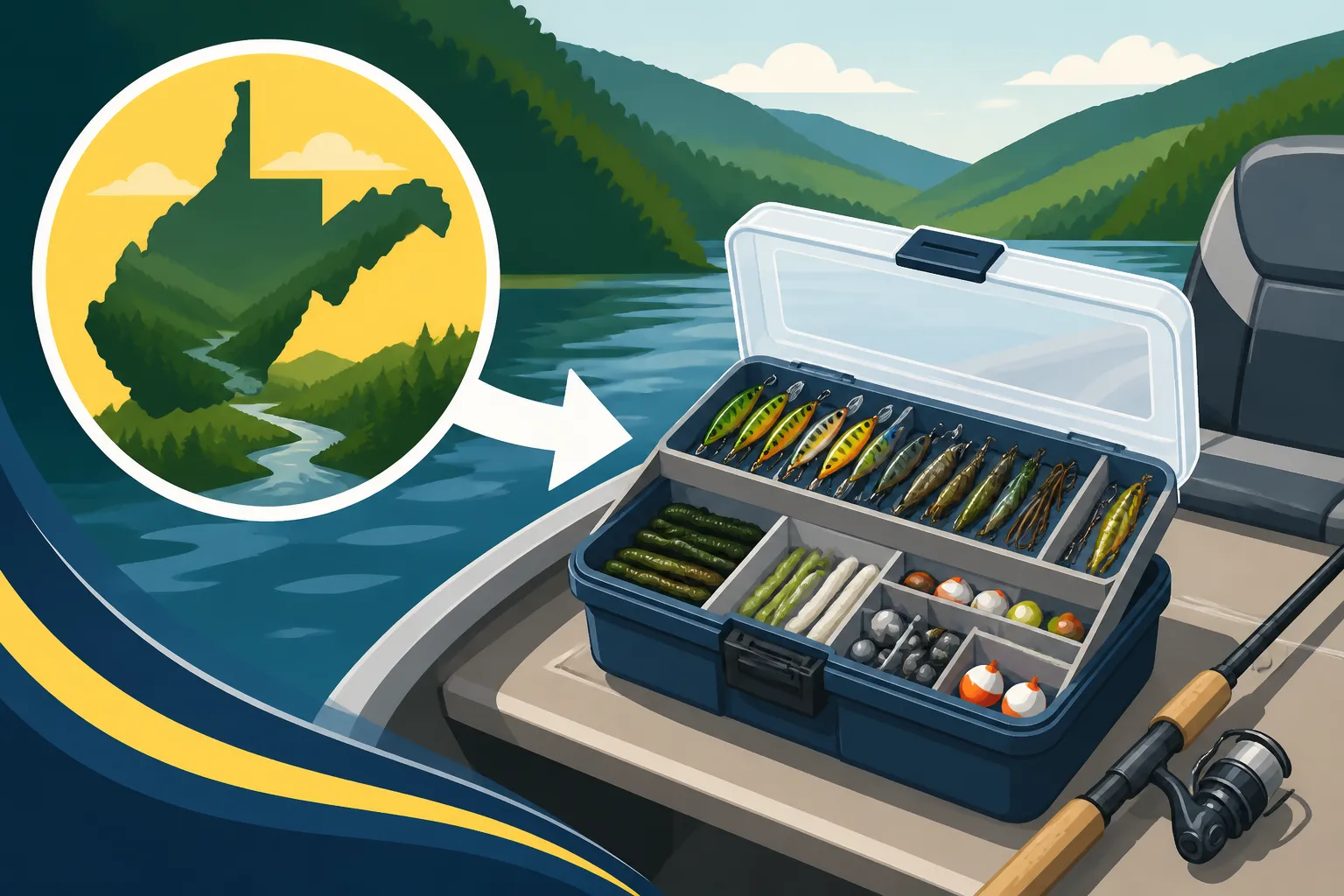
Best tackle organizer for a small boat
Ah, the eternal struggle of the small boat angler! You’ve got your trusty jon boat or maybe even a kayak, perfectly suited for sneaking into those hidden coves on Summersville Lake or drifting quietly down the Greenbrier. But then you look around, and it hits you: where on earth are you going to put all your gear without tripping over it, losing it overboard, or just having it become a tangled, muddy mess? It's a real frustration trying to keep everything organized and accessible when space is at a premium. This guide is all about helping you conquer that clutter and find the best tackle organizer solutions for your small boat, making your West Virginia fishing trips smoother and more enjoyable.
Why Small Boat Tackle Organization is a Unique Challenge
Fishing from a small boat in West Virginia is an incredible experience, offering access to waters that bigger vessels simply can't reach, whether it's navigating the shallower sections of the New River or exploring tight streams. But with that freedom comes a universal truth: space is a luxury you rarely have. Every inch counts, and a disorganized boat can quickly turn a peaceful outing into a frustrating scramble for the right lure.
The Cramped Quarters Conundrum
Think about it: you've got your rods, a cooler, maybe a landing net, life jackets, and then all your tackle. On a small boat, all these items compete for very limited real estate. If your tackle boxes are bulky or not designed for stacking, they quickly eat up valuable floor space. Before you know it, you're stepping on spinnerbaits or accidentally kicking your favorite jig box into the bilge. This isn't just an annoyance; it can be downright dangerous, creating tripping hazards, especially when the water gets a little choppy or you're trying to net a feisty smallmouth.
Battling the Elements and Movement
West Virginia waters, while beautiful, aren't always glass-smooth. A sudden wake from a passing boat or a quick turn can send unsecured gear flying. Rain, spray, and unexpected splashes are also constant threats to your precious tackle, leading to rusty hooks and corroded weights if not properly protected. Standard home-style tackle boxes often aren't designed to withstand these conditions or to stay put. You need solutions that are secure, water-resistant, and able to handle the dynamic environment of a small boat, especially if you're venturing out on a lively river like the Cheat after a good rain.
The Need for Quick Access, Always
When a school of crappie suddenly pops up at Beech Fork Lake or you see a muskie follow your bait on the Little Kanawha, you don't have time to dig through a chaotic pile of gear. You need specific lures, tools, or leaders at your fingertips, instantly. A well-organized tackle system ensures that your pliers, your preferred crankbait, or that spare hook are exactly where you expect them to be, letting you focus on the fish, not the fumble. This quick access can be the difference between a memorable catch and a missed opportunity.
Top Tackle Organizer Types for Small Boats
When it comes to keeping your gear tidy on a small boat, there isn't a one-size-fits-all solution. Different types of organizers cater to different needs, fishing styles, and the specific kind of small boat you're running. Let's break down the most popular and effective options.
Hard Plastic Tackle Boxes and Systems
These are the traditional workhorses of fishing tackle storage, and for good reason. Hard plastic boxes offer excellent protection for your lures, hooks, and weights, shielding them from impacts and often providing a good degree of water resistance. For small boats, look for models that are designed with vertical storage in mind or those that are compact enough to tuck away. Many modern systems utilize standardized utility trays (often 3600 or 3700 series) that slide into a main console or stack neatly. This modular approach is fantastic because you can pull out just the tray you need for a specific species or technique, leaving the rest secure. You can find a huge variety of these, from basic single-tray boxes to multi-drawer systems, both online and in stores like Bass Pro Shops.
One common frustration with older hard boxes is their bulk, but manufacturers have gotten smarter. Some now offer slim-profile boxes, or even "worm-proof" ones that won't melt soft plastics, which is a game-changer if you're frequently tossing plastic worms for largemouth bass at Plum Orchard Lake. The rigid construction means they can take a beating, which is crucial when they might be jostled around in a jon boat. Just be sure to check for robust latches that won't pop open unexpectedly.
Soft-Sided Tackle Bags and Backpacks
Soft-sided bags have gained immense popularity, especially among kayak anglers or those who frequently move their gear from vehicle to boat. Made from durable, often water-resistant fabrics, these bags typically hold multiple utility trays in a main compartment, with additional pockets for tools, soft plastics, and other accessories. Their flexibility means they can often conform to odd spaces better than rigid boxes, and many come with comfortable shoulder straps, making transport a breeze. If you’re hauling gear down to the New River Gorge Fishing Guide access points, a backpack-style bag can be a lifesaver.
The primary advantage is portability and often a lighter weight. Many feature exterior tool holders, D-rings for attaching accessories, and specialized pockets for items like your fishing license or a small first-aid kit. While most are water-resistant, few are completely waterproof, so be mindful in heavy downpours or if they're sitting in standing water. However, many quality options from brands available on Amazon now incorporate waterproof bottoms or rain covers, adding an extra layer of protection. These are fantastic for keeping everything in one grab-and-go package, perfect for impromptu trips or when you're quickly moving between fishing spots on different waterways.
Built-In Storage Solutions and Customization
Sometimes, the best organizer isn't something you buy off the shelf, but something you integrate into your boat's existing structure. Many small boats, especially john boats and some aluminum fishing boats, have limited built-in storage. This might mean small compartments under seats, a bow storage locker, or even just open areas that scream for a custom solution. For kayak anglers, adding aftermarket rod holders, milk crate systems, or even custom PVC pipe setups for tackle and rods can transform a cramped cockpit into an efficient fishing machine. If you're looking into Best Kayaks for West Virginia Fishing, consider models with existing track systems for easy accessory mounting.
Customization can also involve simple additions like bungee cords to secure tackle boxes in place, marine-grade mesh bags screwed into bulkheads for quick-access items like sunscreen or a measuring tape, or even magnet strips to hold pliers and clippers. The goal here is to utilize every nook and cranny. You might even consider building simple wooden inserts or dividers for larger compartments to keep your trays from sliding around. This approach often requires a bit of DIY spirit but results in a tackle organization system perfectly tailored to your boat and your fishing habits.
Key Features to Look For in a Small Boat Tackle Organizer
Choosing the right tackle organizer isn't just about picking one that holds your lures. For a small boat, certain features become absolutely critical to ensure efficiency, durability, and safety on the water.
Compact Size and Footprint
This is perhaps the most obvious, yet most overlooked, factor. A small boat demands a small footprint from its tackle organizer. Bulky, wide, or irregularly shaped boxes will quickly become hindrances, turning walkways into obstacle courses. Look for organizers that are slim, tall, or stackable. Vertical storage systems that hold several utility trays are often ideal as they minimize the horizontal space consumed. Think about where it will sit in your boat—will it fit under a seat, slide into a narrow cubby, or tuck neatly against a bulkhead? Even if you're just using a small jon boat on a river like the South Branch Potomac, every square inch of deck space is precious.
Consider how the organizer's dimensions will impact your movement. Can you still easily cast, reel, and navigate around it? Sometimes, multiple smaller organizers are better than one large one. For instance, a small dedicated box for trout lures when you're targeting brookies on Shavers Fork, and another for your bass gear, allows you to take only what's absolutely necessary for that particular trip.
Durability and Water Resistance
Small boats are exposed to the elements constantly. Your tackle organizer needs to be tough enough to handle splashes, rain, direct sunlight, and the occasional bump or drop. Look for organizers made from robust, impact-resistant plastics or heavy-duty, marine-grade fabrics. Latches should be sturdy and secure, ideally made from corrosion-resistant materials. Gasketed lids are a huge plus for hard cases, creating a tight seal that prevents water from seeping in and rusting your expensive hooks and weights.
When considering soft-sided bags, check for materials like heavy-denier nylon or polyester with a water-resistant coating. Rubberized or reinforced bottoms are also excellent features, preventing water from wicking up into the bag if it sits in a puddle in the bottom of your boat. Investing in an organizer with good water resistance will save you money in the long run by protecting your tackle from rust and mildew, especially crucial in humid West Virginia summers.
Modular and Customizable Storage
The ability to customize your storage is invaluable on a small boat. Fixed compartments can be limiting, but modular systems that use removable utility trays offer incredible flexibility. These trays allow you to swap out tackle setups quickly, carry only the lures needed for a specific trip or target species, and reconfigure your storage as your needs change. Brands like Plano or Flambeau often provide these types of versatile systems.
Beyond the trays, look for features like adjustable dividers within compartments, external pockets for pliers, scissors, and other quick-access tools, and attachment points (like D-rings or MOLLE webbing on soft bags) for accessories. Some larger bags might even have dedicated slots for a fishing license, maps, or a small first aid kit. The more you can tailor the organizer to your specific gear and fishing style, the more efficient your small boat setup will be. This customization allows you to be highly specific, whether you're loading up for Muskie Fishing in West Virginia or a day of Fly Fishing for Trout in West Virginia.
Tips for Maximizing Space and Keeping Things Tidy
Having the right tackle organizer is a huge step, but truly mastering small boat organization requires a little extra thought and some smart habits. Every square inch is valuable, so let’s make the most of it.
Downsize and Declutter Regularly
The biggest culprit for small boat clutter is often simply carrying too much gear. Before every trip, or at least before the season truly kicks off, take a hard look at what you’re bringing. Do you really need five different colors of senkos if you only ever use two? Are you carrying a dozen spinnerbaits when you primarily throw crankbaits for walleye at Tygart Lake? The less you carry, the more organized your boat will naturally be.
Make it a habit to declutter after each trip. Remove any broken lures, empty bait bags, or trash. Consolidate partially used soft plastics. By regularly culling unnecessary items, you free up space in your organizer and keep your small boat lighter and more manageable. This also extends to other gear – do you need two nets, or just one Best Landing Net for Trout or Best Landing Net for Muskie?
Utilize Vertical Storage and Boat Features
Think vertically, not just horizontally. Many small boats have open gunwales, seat backs, or even transom areas that can be fitted with vertical rod holders, mesh organizers, or tool caddies. Rather than having a tackle box take up precious floor space, can it be stored in a compartment under a seat? Can you add a vertical storage system for your utility trays that slips into a narrow spot?
If you have a kayak, a common and effective strategy is to use a milk crate system. You can customize a standard milk crate with PVC rod holders, attach small tackle boxes to the sides, and even add a lid for extra storage. For jon boats, consider mounting small tackle trays or magnetic tool holders to the inside of the hull or on seat frames, keeping frequently used items off the floor but still within easy reach. Small dry bags from brands found on Amazon are also excellent for keeping essentials safe and secure in tight spaces.
Secure Everything to Prevent Shifting
An organized boat quickly becomes disorganized if everything slides around with every bump or turn. Utilize bungees, straps, and non-slip mats to keep your tackle organizers firmly in place. Many boats have tie-down points or cleat systems that are perfect for this. If your organizer doesn't have built-in loops, you can often add them or use external straps.
For smaller, loose items like pliers, line clippers, or sunscreen, consider using magnetic strips, tool lanyards, or small suction-cup caddies. This keeps them from rolling around and ensures they are always accessible. Nothing is more frustrating than needing your pliers to remove a hook and having them slide under a seat when you hit a wave. A secure setup is also vital for safety, preventing hazards and keeping your valuable gear from going overboard, especially on those swift Best Fishing Rivers in West Virginia.
Conclusion
Angling from a small boat in West Virginia is a special kind of freedom, but it comes with the challenge of maximizing every bit of space. With the right tackle organizer and a few smart habits, you can transform your cramped quarters into an efficient, enjoyable fishing platform. From hard cases that protect your precious lures to flexible soft bags that move with you, there's a perfect solution out there to keep your hooks sharp, your plastics un-melted, and your mind focused on the next bite, not the mess at your feet. So, go ahead, get organized, and enjoy those wild and wonderful waters!
Disclaimer
This article is for general informational purposes only and does not constitute professional advice. Laws, prices and regulations vary by location and change over time. Consult a qualified professional for guidance on your specific situation.