Muskie Fishing in West Virginia
Many anglers dream of battling a true freshwater behemoth, but the pursuit of the muskellunge, or muskie as we affectionately call them, can feel like chasing a ghost. These elusive predators, often dubbed the "fish of 10,000 casts," present a formidable challenge that can be incredibly frustrating for those just starting out or even seasoned veterans. It's easy to get discouraged when you spend a full day on the water without a single follow, let alone a strike. But don't let their mystique intimidate you! This comprehensive guide is here to demystify muskie fishing in West Virginia, offering realistic advice, tactical insights, and practical tips to help you understand, locate, and ultimately hook into these incredible freshwater titans right here in the Mountain State.
Understanding West Virginia Muskie
Before you even think about casting a line, getting to know your quarry is paramount. Muskies aren't just big fish; they're apex predators with specific habits, preferred environments, and behaviors that dictate how and where you'll find them. Understanding these nuances is the first step in cracking the code of the muskie.
Biology and Behavior
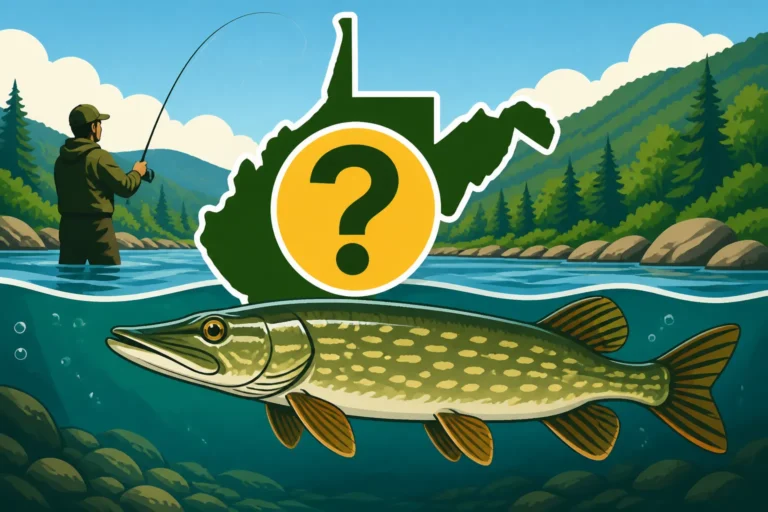
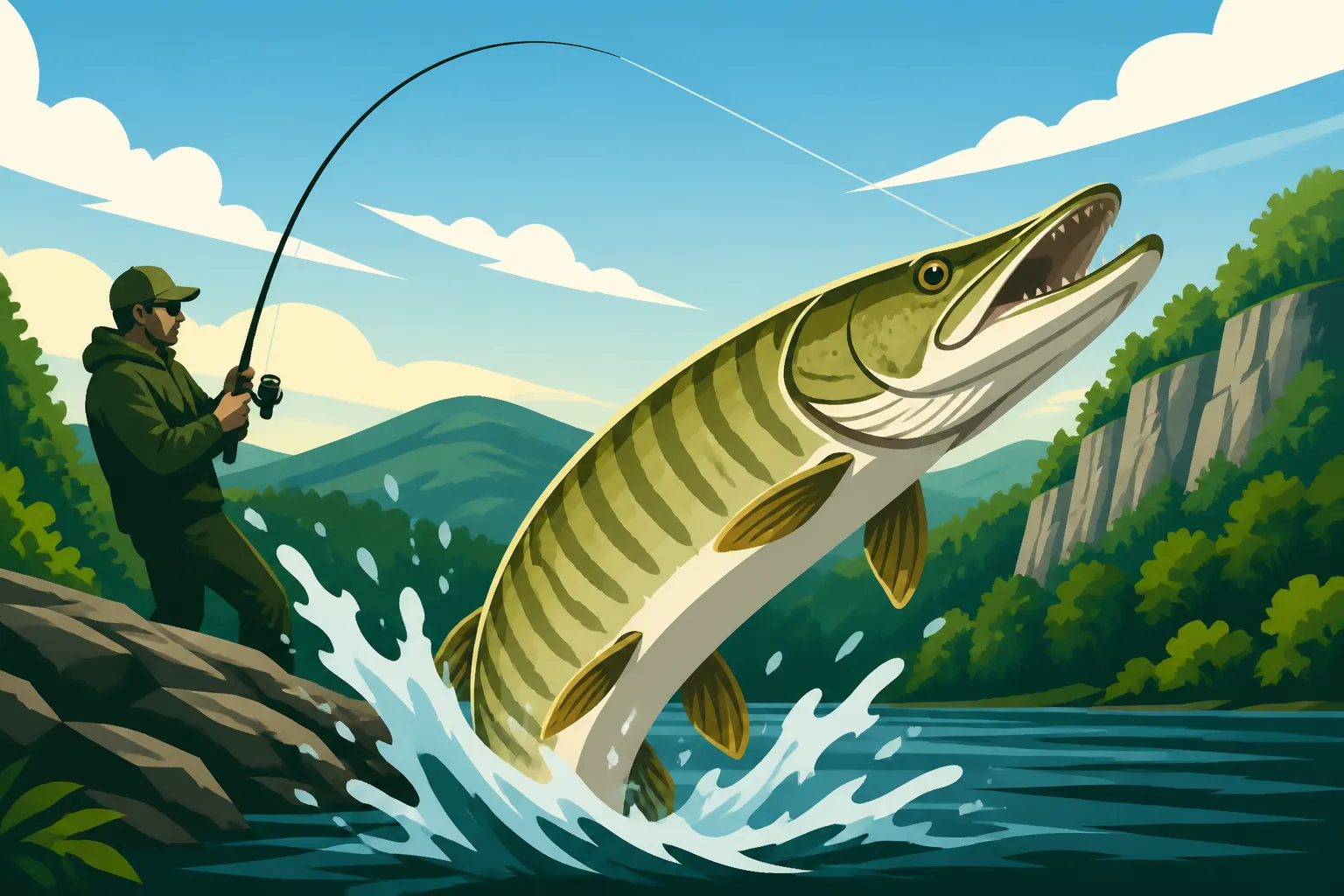
Muskellunge ( Esox masquinongy ) are the largest members of the pike family, instantly recognizable by their long, cylindrical bodies, duckbill-like snouts, and formidable teeth. What truly sets them apart is their incredible predatory nature. They are ambush hunters, often lying in wait amidst submerged structure, weed beds, or rocky outcrops, ready to explode on unsuspecting prey. Their coloration typically blends in with their surroundings, ranging from silvery-green to brownish with distinct vertical bars or spots, though this can vary greatly depending on the water body.
They are generally solitary creatures, preferring to stake out their own territories. Don't expect to find a whole school of them. When you find one, it's often the dominant fish in that particular piece of cover. Their diet consists almost exclusively of other fish – anything from suckers and shad to smaller bass and panfish. They also have a reputation for being somewhat moody. One day they might hit anything you throw, the next they'll follow a dozen baits to the boat without so much as a sniff. This unpredictable behavior is a huge part of the muskie's allure and frustration. They are incredibly powerful, with explosive strikes and headshakes that can test even the most experienced angler's resolve. Knowing their natural tendencies, like preferring cooler water temperatures but also basking in sunnier spots to aid digestion, will help you anticipate their movements.
Where Muskies Roam in West Virginia
West Virginia is truly blessed with fantastic muskie waters, providing ample opportunities for anglers willing to put in the time. These fish thrive in larger river systems and substantial reservoirs that offer a good forage base and plenty of cover. They aren't going to be in every little creek, so targeting the right kind of water is crucial. Think about places with a good mix of shallow and deep water, current breaks, submerged timber, rock piles, and healthy weed growth. These areas provide the perfect blend of ambush points and safe havens.
Many of West Virginia's larger rivers, with their diverse bottom structures and abundant baitfish, are prime muskie habitat. Reservoirs, especially those with significant standing timber or extensive coves, also hold impressive populations. The key is to find areas that offer food, cover, and reasonable water temperatures throughout the year. Muskies are highly sensitive to changes in their environment, so understanding the specific characteristics of your chosen fishing spot will give you a significant advantage. Best Muskie Waters in West Virginia is a great resource if you're looking for specific locations to start your adventure.
Muskie Growth Rate to Trophy Size
West Virginia muskies are known for their impressive size and fighting ability, making the pursuit of a true "trophy" fish a bucket-list item for many. These fish can grow surprisingly fast in ideal conditions, but reaching those truly massive lengths takes years, sometimes decades. A muskie's growth rate is heavily dependent on factors like food availability, water temperature, genetics, and overall habitat quality. In rich, fertile waters with abundant prey, a muskie can put on several pounds a year.
It's not uncommon to catch muskies in the 30-to-40-inch range in West Virginia, which are fantastic fish by any standard. However, the true giants, those pushing or exceeding 50 inches, are what really get the heart pounding. These are the fish that have survived countless fishing attempts, natural predators, and environmental challenges. Reaching that trophy status means a fish has been incredibly successful at its job of being an apex predator. If you want to learn more about how these magnificent fish develop, check out Muskie Growth Rate to Trophy Size and Muskie Life Cycle and Growth Rate in West Virginia Waters. Catching one of these big ones is a testament not only to your skill and persistence but also to the health and vitality of West Virginia's muskie fisheries.
Best Muskie Fishing Spots in West Virginia
Now that we understand the muskie a bit better, let's talk about where you can actually find them. West Virginia boasts several world-class muskie fisheries, each with its unique character and challenges. Knowing these spots is the bedrock of any successful muskie campaign.
Top Rivers for Muskie
When it comes to river muskies, West Virginia shines. Rivers offer a constantly changing environment with current, varying depths, and natural cover that keeps these predators on the move and often highly aggressive.
- The New River: Often considered one of the best muskie rivers in the entire country, the New River offers incredible opportunities. From Hinton all the way up through the New River Gorge, you'll find vast stretches of prime muskie water. Look for muskies around current breaks, large boulders, submerged timber, and deep pools below rapids. Access can be challenging in some areas, but the reward of a New River muskie is unparalleled. Many anglers swear by the stretch in the New River Gorge National Park. You can learn more about this specific area in New River Muskie Fishing.
- The Kanawha River: This large, navigable river is another muskie hotspot. With its locks and dams, the Kanawha offers different fishing scenarios than the New River's free-flowing character. Focus your efforts around wing dams, power plant discharges, rocky points, and the deeper channels. The Kanawha is known for producing some truly massive fish, but it also presents navigational challenges with barge traffic and strong currents.
- The Little Kanawha River: A fantastic, often overlooked muskie river, the Little Kanawha is known for its more intimate feel and excellent populations. This river offers a mix of deep holes, shallow riffles, and plenty of woody debris. It's a great choice for smaller boats or even kayak anglers who want to explore its winding banks. Little Kanawha River Muskie Fishing can give you even more in-depth information on this gem.
Premier Lakes for Muskie
While rivers get a lot of attention, West Virginia's lakes and reservoirs also hold significant muskie populations, often producing big fish due to abundant forage and stable environments.
- Burnsville Lake: Located in Braxton County, Burnsville Lake is a fantastic muskie fishery. The lake offers extensive standing timber, numerous coves, and varying depths where muskies can hide and ambush prey. Target main lake points, creek channels, and the edges of the submerged timber. It's a great lake for both casting and trolling.
- Stonecoal Lake: This smaller, more intimate lake near Buckhannon is managed specifically for muskie and provides a unique challenge. With its clear water and dense vegetation, Stonecoal often demands a stealthier approach. Look for fish cruising weed lines, around submerged brush piles, and near deeper drop-offs. It's a beautiful lake to fish and offers a real sense of wildness.
- Tygart Lake: Situated in Taylor and Barbour counties, Tygart Lake is another excellent choice for muskie. This large reservoir has significant depth and a good forage base. Muskies here can often be found relating to main lake points, submerged humps, and the dam area. Trolling can be very effective in this lake, especially when fish are suspended.
Hidden Gems and Lesser-Known Waters
Beyond the big names, West Virginia has numerous smaller lakes and quieter river stretches that can offer incredible, unpressured muskie fishing for those willing to explore. These waters might not yield the same numbers as the premier destinations, but they often hold surprisingly large fish and offer a more solitary angling experience.
For example, sections of the Cheat River, particularly below Cheat Lake, can hold some respectable muskies, especially where there are deeper pools and current breaks. The Elk River, known for its trout, also has muskie in its lower reaches where it widens and slows. Sometimes, checking smaller, often unpublicized impoundments or river bends that have a good flow and cover can surprise you. These "hidden gems" often require more research and scouting, perhaps even some bushwhacking, but the thrill of finding an untouched muskie lair is incredibly rewarding. Always consult the West Virginia Fishing Regulations Explained for any specific rules that might apply to these lesser-known areas, as regulations can sometimes differ on smaller bodies of water.
Muskie Fishing Seasons and Times
Muskies are active year-round in West Virginia, but their behavior and your chances of success will vary significantly with the seasons. Understanding these patterns is key to being in the right place at the right time.
Year-Round Muskie Opportunities
Unlike some species that have very defined "on" and "off" seasons, muskies can be caught throughout the entire year in West Virginia. Even in the dead of winter, adventurous anglers can find success, often targeting deeper areas or slower sections of rivers. The cooler water of winter can make muskies less active, but a well-placed bait during a warming trend can still trigger a strike from a giant.
Spring, after the ice recedes and water temperatures begin to rise but before they get too warm, can be fantastic. These fish are often hungry after a long winter and become more aggressive. Summer fishing can be challenging due to high water temperatures and dense vegetation, but dawn, dusk, and even night fishing can be productive. And then there's fall—the undisputed king of muskie season, which we'll dive into next. The takeaway here is that if you're determined, there's always a chance to catch a muskie, no matter the month.
Seasonal Patterns and Peak Times
Each season brings its own set of muskie fishing dynamics.
- Spring (Pre-spawn and Post-spawn): As water temperatures climb into the 40s and 50s Fahrenheit, muskies become more active, moving to shallower bays and coves to spawn. Pre-spawn can be a fantastic time to target big, hungry females. After spawning, they might be lethargic for a short period, but soon they'll be on the prowl again to replenish their energy reserves. Focus on warming flats, new weed growth, and ambush points near spawning areas.
- Summer: Summer can be tough due to increased boat traffic, higher water temperatures, and often dense weed growth. Muskies may retreat to deeper, cooler water or become more nocturnal. Early mornings, late evenings, or even Night Fishing for Muskie in West Virginia can be highly effective. Look for them along thermoclines in lakes or in the deeper, oxygen-rich pools of rivers. Topwater lures can also be thrilling in low light conditions.
- Fall (Prime Time!): This is when many muskie anglers live. As water temperatures drop, muskies enter their "feedbag" period, aggressively bulking up for winter. They're often found in slightly shallower areas than summer, relating to main lake points, rocky structures, and prominent weed edges. This is the time for big baits and long hours on the water. The cooler temperatures mean more comfort for anglers, and the fish are often at their most aggressive. If you want to know the absolute best months, check out Best months to catch muskie in West Virginia.
- Winter: For the truly dedicated, winter muskie fishing can be surprisingly rewarding. With less fishing pressure and cold, clear water, muskies can be found in predictable deep holes in rivers or suspended over deep basins in lakes. Slow, deliberate presentations with large jerkbaits or blade baits can entice a strike. Just be sure to dress warmly and practice extreme caution on frozen lakes or cold, swift rivers.
Best Time of Day for Muskie
While muskies can strike at any time, certain periods of the day are generally more productive. Like many predatory fish, muskies often feed most actively during periods of low light.
- Dawn and Dusk: These twilight hours are often prime time. The reduced light gives muskies an advantage over their prey, making them more confident in venturing out from cover. It's also when baitfish are often most active. If you can be on the water and casting as the sun rises or sets, you're putting yourself in an excellent position.
- Overcast Days: Don't shy away from cloudy, rainy, or even drizzly days. Overcast skies reduce light penetration, mimicking low-light conditions throughout the day. Some of my most memorable muskie catches have come on dreary, less-than-pleasant days.
- Barometric Pressure Changes: While not strictly a time of day, paying attention to sudden drops in barometric pressure, often preceding a storm front, can be highly effective. Muskies often go on a feeding binge just before a significant weather change. Conversely, a high-pressure system after a front can make them lethargic and less willing to bite. Understanding these subtle cues can make a huge difference in your success.
Essential Muskie Gear and Tackle
Muskie fishing isn't for the faint of heart, and neither is the gear required. These powerful fish demand specialized, heavy-duty equipment that can withstand their explosive strikes and brutal fights. Trying to land a trophy muskie on bass gear is a recipe for broken rods, lost fish, and serious disappointment.
Rods, Reels, and Line for Muskie
Your rod and reel are your primary tools, and they need to be up to the task.
- Rods: Forget your average spinning rod. Muskie rods are typically heavy to extra-heavy power, ranging from 7 feet 6 inches to 10 feet in length. The longer rods are crucial for casting large, heavy baits and for effective figure-eight maneuvers at the boat. Look for a fast action tip with plenty of backbone to drive hooks home and control a thrashing fish. Brands like St. Croix, G. Loomis, and Abu Garcia make excellent muskie-specific rods that you can often find on Amazon. Best Fishing Rods for West Virginia Rivers might offer some general insights, but for muskie, you need to step up the power.
- Reels: Baitcasting reels are the standard for muskie fishing. You'll need a heavy-duty, low-profile baitcaster or a round reel designed for large lures and strong lines. Look for models with a strong drag system, a high gear ratio (6.0:1 or higher) for quickly taking up slack and battling fast-running fish, and a large line capacity. Shimano, Daiwa, and Abu Garcia are popular choices. A quality reel is an investment that will pay off.
- Line: Braided line is king for muskie fishing. Its zero stretch provides direct contact with your lure, allowing for better feel and stronger hooksets. It's also incredibly strong and abrasion-resistant, which is critical when fishing around sharp rocks and timber. You'll typically want 65 to 100 lb test braid. Always use a heavy fluorocarbon or wire leader (100-150 lb test) to prevent bite-offs from their razor-sharp teeth. Best Line Weight for Muskie Fishing has more specifics on this.
Lures and Baits That Entice Muskie
Muskie lures are often as impressive as the fish themselves—big, flashy, and designed to grab attention. Don't be afraid to throw truly massive baits; muskies have huge mouths and aren't shy about eating something substantial.
- Bucktails and Inline Spinners: These are arguably the most popular and productive muskie lures. They create a huge vibration and flash in the water, mimicking fleeing baitfish. Sizes can range from single #7 blades to massive tandem #10s. Experiment with different blade colors (silver, gold, copper) and skirt patterns.
- Jerkbaits and Gliders: These lures are designed to be retrieved with a jerking motion, creating an erratic, wounded-baitfish action. They come in both "glide bait" styles that swim side-to-side and "crankdown" jerkbaits that dive and suspend. Companies like Salmo and Musky Mania offer effective options.
- Crankbaits: Large, deep-diving crankbaits are excellent for trolling or casting to deeper structure. They cover a lot of water and can be effective when muskies are holding in specific depth ranges. Shallow-running models can be great over weed beds.
- Soft Plastics and Swimbaits: Giant soft plastics, often weighted with heavy jig heads, can be deadly, especially when a slower presentation is needed. Large swimbaits also provide a very realistic profile and action.
- Topwater Lures: Prop baits, walk-the-dog baits, and even large poppers can create some of the most exciting muskie strikes imaginable. They are best used in low light, over weed beds, or around shallow cover.
The selection available on Amazon is vast, but always double-check reviews for muskie-specific durability. For a deeper dive into lure choices, check out Best Lures for Muskie Fishing in West Virginia.
Safety Gear and Essential Accessories
Muskie fishing isn't just about catching the fish; it's also about safety—for you and for the muskie.
- Long-Handled Net: A very large, muskie-specific landing net is non-negotiable. It should have a sturdy hoop and a long handle to safely control a thrashing fish. The net material should be knotless, rubberized mesh to minimize damage to the fish's fins and slime coat.
- Heavy-Duty Pliers and Bolt Cutters: You will need long-nosed pliers to remove hooks. Sometimes, hooks are so deeply embedded or bent that bolt cutters are necessary to snip them, protecting both the fish and your fingers.
- Hook File/Sharpener: Always keep your hooks razor-sharp. Muskie mouths are bony, and a dull hook will often bounce off.
- Gloves: Heavy-duty gloves (e.g., leather or Kinkaid-style) are a good idea for handling a toothy muskie.
- First Aid Kit: Accidents happen, especially when dealing with sharp hooks and thrashing fish. A well-stocked first aid kit is essential.
- Life Jacket: Always wear a life jacket, especially when fishing from a boat in rivers with current. Life Jacket Requirements for West Virginia Boaters reminds us that safety is paramount on the water.
- Measuring Device and Camera: Once you've successfully landed and photographed your trophy, you'll want to quickly measure and release it. Have a bump board or tape measure ready. A waterproof camera is ideal for those precious moments.
| Muskie Gear Essential | Purpose | Key Features | Where to find |
|---|---|---|---|
| Rod | Casting heavy lures, setting hooks, fighting large fish | Heavy to Extra-Heavy Power, Fast Action, 7'6" – 10' length | Specialized tackle shops, online retailers like Amazon |
| Reel | Handling heavy line, powerful drag for big fish | Baitcasting (low-profile or round), Strong Drag, High Gear Ratio (6.0:1+), Large Line Capacity | Specialized tackle shops, online retailers like Amazon |
| Line | Strength, no stretch for hooksets, abrasion resistance | 65-100 lb Braided Line | Any fishing tackle retailer |
| Leader | Preventing bite-offs from sharp teeth | 100-150 lb Fluorocarbon or Wire | Any fishing tackle retailer |
| Large Net | Safely landing and controlling muskie | Long handle, large hoop, knotless rubberized mesh | Specialized tackle shops, larger outdoor stores |
| Hook Removal Tools | Safely removing hooks from a toothy fish | Long-nosed pliers, Bolt Cutters | Hardware stores, fishing tackle retailers |
| First Aid Kit | Addressing cuts, punctures, and minor injuries | Antiseptics, bandages, gauze, pain relievers | Drug stores, outdoor retailers |
Muskie Fishing Techniques and Strategies
Muskie fishing is as much an art as it is a science. It's about presentation, patience, and persistence. While there are countless tactics, these core strategies will form the backbone of your muskie pursuit in West Virginia.
Casting and Retrieving Big Baits
The most common and often most effective way to catch muskie is through active casting and retrieving. This isn't subtle finesse fishing; it's about making noise, creating vibration, and triggering a predatory response.
- Fan Casting: Systematically cover an area by fan-casting in a grid pattern. Start by casting to obvious structure, then work your way out. Don't just cast in one direction; cover all angles around a point, weed bed, or timber.
- Vary Your Retrieve: Don't just reel in at a constant speed. Experiment! Speed up, slow down, add pauses, twitch the rod. A muskie will often follow a bait for a long distance, only striking when something about the retrieve triggers their predatory instinct. Sometimes a sudden erratic movement is all it takes.
- Hit the Edges: Muskies love edges – where deep water meets shallow, where current meets slack water, where weeds meet open water, or where rock meets sand. These are prime ambush points. Cast your lures right along these transition zones.
- Cover Lots of Water: Muskies are solitary and often spread out. To find them, you need to cover a lot of water. This means making hundreds, sometimes thousands, of casts in a day. It's a grind, but it's how you put the odds in your favor. If you're struggling to even find them, consider what it means to How to Catch Muskie in West Virginia.
Trolling for Deepwater Muskies
Trolling is an incredibly effective method, especially on larger lakes and reservoirs like Summersville Lake or Tygart Lake, where muskies might be suspended over deeper water or spread out across expansive flats.
- Covering Water Efficiently: Trolling allows you to cover vast amounts of water and present baits at precise depths for extended periods. This is particularly useful when fish are widely dispersed or holding in deeper, less accessible areas.
- Depth Control: Use crankbaits designed to dive to specific depths, or incorporate lead core line, snap weights, or downriggers to get your lures to where the fish are holding. Your fish finder will be invaluable here, helping you identify baitfish schools and potential muskie marks.
- Speed and Lure Selection: Experiment with different trolling speeds, typically ranging from 3 to 6 mph, although some anglers go slower or faster depending on water temperature and fish activity. Use large crankbaits, swimbaits, or even oversized spoons. The vibration and profile of the lure are key. Watch for fish on your sonar and adjust your depth and speed accordingly.
Figure Eight and Boatside Tactics
This is perhaps the most critical technique in muskie fishing, and it's often the difference between a "follow" and a "catch." Muskies are notorious for following lures right up to the boat, inspecting them, and then turning away. The figure eight is designed to trigger a strike at this crucial moment.
- The Boatside Maneuver: As your lure approaches the boat (or kayak), instead of simply lifting it out of the water, smoothly guide your rod tip into a large, continuous figure-eight pattern directly beside the boat. Keep the lure moving, making wide turns, and vary the depth within the figure eight.
- Triggering the Strike: The sudden change in direction and speed, mimicking a panicked or disoriented baitfish trying to escape, can often trigger an aggressive strike from a following muskie. They might hit it hard, or just gently inhale it, so be ready to set the hook immediately.
- Be Ready at All Times: Every cast needs to end with a figure eight. You never know when a muskie will appear from the depths. This requires focus and quick reflexes. It's exhilarating when a giant muskie erupts on your lure just feet from your face!
Catch and Release Best Practices for Muskie
Muskies are a precious resource in West Virginia, and practicing proper catch and release is absolutely vital for the sustainability of our fisheries. These fish take a long time to grow, and every released muskie contributes to future angling opportunities. Your actions at the boat side can directly impact a fish's survival.
Minimizing Stress During the Fight
The fight itself can be incredibly taxing on a muskie, especially in warmer water. Your goal is to land the fish as quickly and efficiently as possible without overstressing it.
- Don't Play the Fish Out: While it's tempting to enjoy the battle, prolonging the fight exhausts the muskie, making it harder for it to recover after release. Use appropriately heavy gear that allows you to subdue the fish relatively quickly.
- Maintain Pressure: Keep consistent pressure on the fish throughout the fight. This helps to control its runs and prevents slack line, which can lead to thrown hooks or the muskie regaining energy.
- Avoid Landing Net Alternatives: Never try to grab a muskie by the gill plates (they're sharp!) or jaw (you can damage its jaw). A large, rubberized landing net is the only safe and effective way to land a muskie without harming it.
Proper Handling and Photography
Once the muskie is in the net, the clock is ticking. You need to be efficient and gentle.
- Keep the Fish in the Water: Whenever possible, unhook and handle the muskie in the water while it's still in the net. This minimizes its time out of its natural element.
- Use the Right Tools: Use long-nosed pliers to carefully remove hooks. If a hook is deeply embedded or tangled, use your bolt cutters to snip the hooks instead of tearing at the fish's mouth. Don't be afraid to leave a small piece of the hook in if removal would cause more damage.
- Quick Measurements and Photos: If you want a photo, be prepared. Have your camera and measuring device ready before the fish is landed. Lift the fish horizontally, supporting its belly with one hand and grasping it firmly but gently by the base of the tail with the other. Avoid vertical hangs; they can damage the muskie's internal organs. Get your shot quickly and return the fish to the water immediately. For more tips, check out Muskie catch and release survival tips.
Reviving and Releasing Muskies Safely
The release is just as important as the catch. A muskie that swims away strong is a muskie that can be caught again.
- Support the Fish: Hold the muskie gently in the water, supporting its belly, and allow fresh water to flow over its gills. If in a river, position it facing upstream into the current.
- Watch for Signs of Recovery: Don't release the fish until it shows clear signs of recovery. It should be able to hold itself upright and make strong tail kicks. This might take a few minutes, especially if it was a long fight or the water is warm.
- Let it Swim Away on Its Own: When the muskie is ready, gently let go and allow it to swim away under its own power. Don't toss it back or force it. If it struggles, continue revival efforts.
- Understanding Regulations: It's also vital to remember that in West Virginia, like most places, Is It Legal to Release a Muskie You Catch in West Virginia? and it's highly encouraged, especially for larger fish. Always check West Virginia Fishing Regulations Explained for species-specific rules.
West Virginia Muskie Regulations
Fishing legally and ethically is paramount. West Virginia has specific regulations in place to protect its muskie populations and ensure sustainable angling for future generations. Ignorance of the law is no excuse, and violating these rules can result in significant penalties.
Understanding Size and Creel Limits
Muskie regulations are designed to allow fish to reach maturity and spawn multiple times, contributing to the health of the fishery.
- Minimum Size Limits: West Virginia generally has a statewide minimum size limit for muskellunge. This means any muskie caught below this length must be immediately released unharmed. These limits are in place to ensure that muskies have the chance to reproduce and grow to a healthy size before being harvested. Always carry a measuring tape or bump board with you to quickly and accurately measure your catch.
- Creel Limits: A creel limit dictates how many muskies you can keep in a single day. For muskie, this is usually a very low number, often just one fish per day, if any. This reinforces the importance of catch and release for these slow-growing, long-lived predators.
- Possession Limits: While less common for muskie due to the low creel limits, a possession limit refers to the maximum number of fish you can have in your possession at any given time, regardless of when they were caught. Always double-check these limits, as they can sometimes differ from daily creel limits.
It's your responsibility to know the current regulations before you head out. The West Virginia DNR website is your go-to source.
Special Regulation Waters for Muskie
While there are statewide regulations, certain water bodies in West Virginia may have additional or different rules regarding muskie. These "special regulation waters" are often managed intensively to promote trophy fisheries or protect sensitive populations.
- Specific Length Restrictions: Some lakes or river sections might have higher minimum size limits or even slot limits (e.g., you can keep fish below a certain size, or above a certain size, but not within a specific "slot"). These are usually implemented to protect prime breeding-age fish.
- Gear Restrictions: Occasionally, special regulation waters might have restrictions on certain types of bait or tackle. For instance, some areas might be fly-fishing only, though this is rare for muskie.
- Seasonal Closures: While muskie are generally open year-round, specific areas might have temporary closures for spawning protection or other conservation efforts.
Before fishing any new body of water, always check for special regulations that apply to that specific location. For a comprehensive overview, look up Muskie Regulations in West Virginia Waters.
The Importance of the West Virginia Fishing Regulations Summary
The official West Virginia Fishing Regulations Summary is your Bible when it comes to understanding what you can and cannot do. Don't rely on word-of-mouth or outdated information.
- Accessible Information: The summary is typically available online as a PDF, at license vendors, and at WVDNR offices. Make it a habit to review it annually, as regulations can change from year to year.
- Legal Responsibility: As an angler, you are legally responsible for knowing and adhering to all fishing laws. Not knowing the rules is not a defense if you're caught in violation.
- General License Requirements: Remember that before you even cast a line, you'll need a valid West Virginia fishing license. If you're a resident, there are specific requirements, and non-residents also have their options. Take a look at West Virginia Fishing License Guide for 2026 and Where and How to Buy a West Virginia Fishing License to ensure you're squared away. Always carry your license with you when fishing.
Common Challenges and Troubleshooting for Muskie Anglers
Muskie fishing isn't always glamorous; it's often a test of patience, skill, and mental fortitude. There will be days when the fish simply don't cooperate, when your gear malfunctions, or when you feel like giving up. Understanding and anticipating these challenges can help you push through and ultimately find success.
Dealing with Finicky Fish and Tough Conditions
The "fish of 10,000 casts" nickname isn't just a catchy phrase; it's a harsh reality. Muskies are notoriously finicky, and tough days are part of the game.
- The Follow, No Strike: This is perhaps the most frustrating scenario. A muskie follows your lure right to the boat, then turns away. This is where the figure eight is crucial, but even then, they sometimes just aren't interested. Don't dwell on it. Change lures, change retrieve speed, change casting angles, or move to a new spot. Sometimes, a completely different bait profile or color can make all the difference.
- Weather and Water Conditions: Extreme heat, cold fronts, high pressure, muddy water, or exceptionally clear water can all make muskies lethargic or spooky. In these conditions, slow down your presentation, use more natural colors, or target deeper holding areas. Conversely, a warming trend in fall or a drop in barometric pressure before a storm can trigger a feeding frenzy, so pay attention to the forecast.
- "Shut Down" Fish: Sometimes, despite your best efforts, the fish are simply not biting. This is when persistence truly matters. Keep casting, keep experimenting, and maintain a positive attitude. Remember that even on the toughest days, a single cast can produce the fish of a lifetime. The sheer mental grind of muskie fishing is a challenge in itself, but pushing through it builds character and makes every catch that much sweeter.
Equipment Failures and On-the-Water Repairs
Muskie fishing puts immense strain on your gear. Heavy lures, powerful casts, and explosive strikes mean that equipment failures are not uncommon. Being prepared for minor repairs can save your day.
- Broken Lines and Leaders: Frayed leaders, knots failing, or nicks in your main line are common culprits for lost fish. Regularly inspect your line and leader for any damage and re-tie often. Keep extra leader material and scissors handy.
- Bent or Broken Hooks: Muskie mouths are incredibly bony, and their violent headshakes can bend or break hooks. Carry spare treble hooks and the necessary split ring pliers to swap them out. A hook file is also essential for maintaining sharp points.
- Reel Issues: A sticky drag, a seizing bail, or a line tangle can ruin a perfect cast. Learn basic reel maintenance and troubleshooting. Keep a small screwdriver set or multi-tool with you for minor adjustments.
- Netted Lure Disasters: Occasionally, your giant muskie lure can get hopelessly tangled in your net. Having bolt cutters on hand to snip hooks from the net mesh can quickly free your net and lure, saving both from permanent damage. A sturdy pair of fishing pliers, like those from a well-known brand you might find on Amazon, is invaluable for everything from cutting line to crimping split shot.
Persistence and Mental Toughness
Ultimately, muskie fishing is as much a mental game as it is a physical one. The odds are often stacked against you, and it takes a special kind of dedication to succeed.
- Embrace the Grind: Accept that there will be long stretches without action. Enjoy the beauty of West Virginia's waterways, the camaraderie of fishing partners, and the anticipation of that next cast.
- Learn from Every Follow and Strike: Even a missed strike or a fish that follows and turns away offers valuable information. What was the retrieve speed? What cover was it near? What lure was it? Use every encounter as a learning opportunity to refine your approach.
- Stay Positive: A negative attitude can quickly deflate your efforts. Celebrate the small victories – a perfect cast, a clean figure eight, a glimpse of a big fish. That one explosive strike can happen at any moment, and it makes all the preceding effort worthwhile. Remember, muskie fishing is a journey, not just a destination. The thrill of the chase and the challenge of outsmarting these formidable predators are what keep us coming back for more.
Disclaimer
This article is for general informational purposes only and does not constitute professional advice. Laws, prices and regulations vary by location and change over time. Consult a qualified professional for guidance on your specific situation.