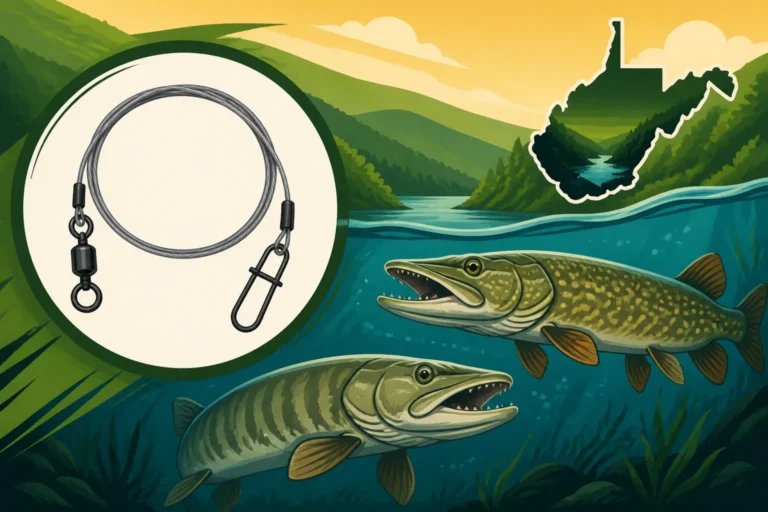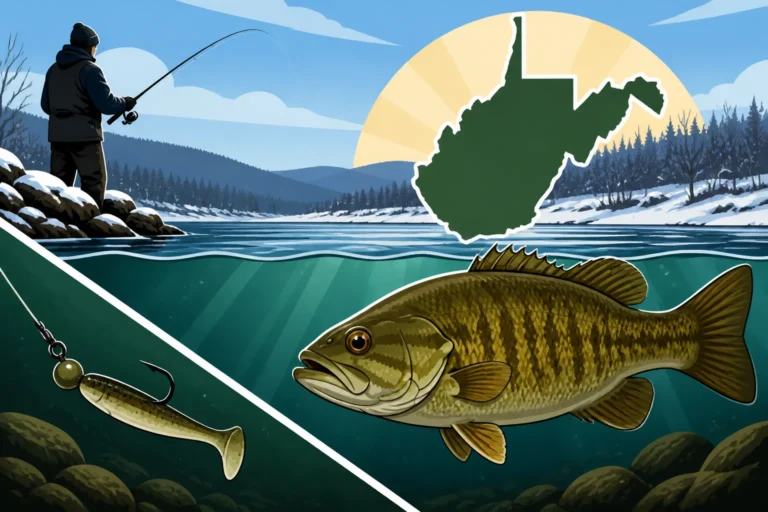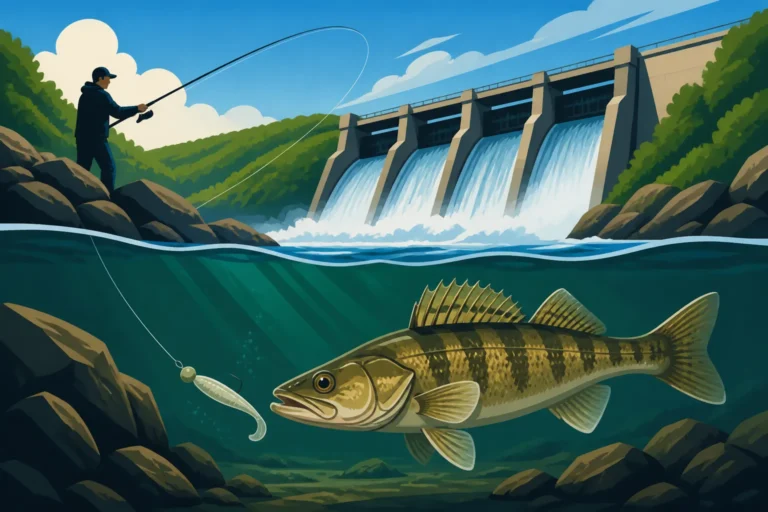
Best months to catch muskie in West Virginia
Oh, the elusive muskie! We've all been there, spending countless hours on the water, casting until our arms ache, wondering if we're even out there at the right time. It's a common frustration in West Virginia, where these apex predators can be incredibly challenging to pin down. If you're tired of guessing and want to understand the optimal windows to target trophy muskie in our beautiful Mountain State, you've come to the right place. This guide will dive deep into the best months to catch muskie in West Virginia, breaking down seasonal patterns and offering actionable insights to help you land that fish of a thousand casts.
The Year-Round Quest for West Virginia Muskie
While muskie are present in West Virginia's waters year-round, their activity levels and, more importantly, their catchability, fluctuate dramatically with the seasons. It's not just about if they're there, but when they're most likely to strike your lure. Understanding their yearly cycle is key to increasing your odds, moving you from merely fishing to strategically hunting. West Virginia boasts some truly incredible muskie fisheries, as detailed in our guide on the Best Muskie Waters in West Virginia, but even the best spots require the right timing.
From the chilly waters of late winter to the dog days of summer, these fish adapt, and so must we. Their metabolism, feeding patterns, and preferred habitats shift in response to water temperature, oxygen levels, and baitfish availability. This means that a technique that slays them in October might yield nothing but sore arms in July. It's this intricate dance with nature that makes muskie fishing so captivating and, yes, sometimes maddening. But once you crack the code of their seasonal behavior, your confidence will soar, and those long days on the water will feel much more purposeful.
Peak Performance: Fall and Early Winter Muskie Madness
If you're asking about the absolute best months to catch muskie in West Virginia, the resounding answer from seasoned anglers is almost always October, November, and early December. This window represents prime time for trophy hunters, and for good reason. As the water temperatures begin to drop from their summer highs, muskie enter a feeding frenzy. They know winter is coming, and they need to pack on calories.
The Autumnal Feast: October and November Gold
By October, many of our rivers and lakes have shed their summer crowds, and the cooling waters signal a vital shift for muskie. Water temperatures typically hover in the 50s and low 60s Fahrenheit, which is right in the sweet spot for muskie activity. Baitfish, like shad and suckers, are often schooling up in larger numbers, making them an irresistible target. Muskie become more aggressive, more willing to chase, and often feed for longer periods throughout the day. This is when you'll want to be throwing larger baits, like big crankbaits, gliders, and substantial bucktails, mimicking those ample forage fish. The cooler air is also much more pleasant for us anglers, meaning you can comfortably put in those crucial long hours. It's truly a magical time, where the vibrant fall foliage reflecting on the water only adds to the experience.
November often sees these conditions intensify, especially in areas like the Little Kanawha River or the Elk River. The water continues to cool, pushing muskie into predictable patterns around structure like fallen trees, rock piles, and current seams. Their metabolic drive to feed remains incredibly high. This is a fantastic month to experiment with slower presentations if the water gets particularly cold, but don't shy away from burning a bucktail if they're aggressive. Many of the biggest muskie of the year are caught during this late fall period. For specific lure recommendations that excel during this time, be sure to check out our detailed guide on the Best Lures for Muskie Fishing in West Virginia. You might even find some excellent deals on your next big bucktail or jerkbait on Amazon during this season.
Embracing the Chill: Early December's Last Stand
Even as winter's grip begins to tighten, early December can still offer phenomenal muskie fishing. The key here is often stable weather patterns. If you get a stretch of milder days without a significant cold front, muskie will continue to feed heavily. Water temperatures might dip into the upper 40s, but this still keeps them active. The fish tend to hold tighter to cover and deeper structure, so presentations will often slow down. Large jerkbaits, glide baits, and even big soft plastics fished slowly can be incredibly effective.
However, once ice starts forming on the shallower bays and backwaters, or a prolonged cold snap locks the fish down, the bite can become much tougher. But those early December days, especially on the bigger river systems, can produce some absolute giants before the deep winter doldrums set in. If you're willing to brave the chill, the rewards can be monumental. Our article on Best Techniques for Fall Muskie Fishing provides even more tactical advice for this exceptional time of year.
Spring and Summer: Opportunities for the Dedicated Angler
While fall and early winter get all the glory, don't write off the rest of the year entirely. Muskie can certainly be caught during spring and summer, but the approach needs to be different, often more nuanced, and sometimes demanding longer stretches of patience. For a comprehensive overview, read our main guide on Muskie Fishing in West Virginia.
Spring's Awakening: March through May
Spring brings its own set of challenges and rewards. As the ice melts and water temperatures slowly climb, muskie begin to stir. March and April are pre-spawn months, where muskie are often staging and beginning to move into shallower areas. They can be very aggressive during this period as they prepare to spawn. Look for them around spawning flats, warmer coves, and areas with new weed growth.
However, the spawn typically occurs in late April or May, depending on water temperatures. During the actual spawn, muskie activity can be extremely slow. It's generally best to let them do their thing and recover post-spawn. Once they've finished, usually by late May, they'll be hungry again. Post-spawn muskie can be found recuperating in nearby cover, and they'll readily hit a well-presented lure. The trick in spring is timing it right around the spawn. Flow is also a huge factor in spring; rising, muddy water from snowmelt or heavy rains can make fishing nearly impossible.
Summer's Heat: June through September
Summer fishing for muskie in West Virginia demands resilience and a willingness to adapt to the heat. While often considered tougher, summer can still yield fantastic catches for anglers who know where to look and how to present their baits. As water temperatures rise, muskie often retreat to cooler, deeper water, or seek out oxygenated areas like current breaks, springs, or shade lines.
Early mornings and late evenings, or even Night Fishing for Muskie in West Virginia, become prime windows during the summer. Topwater lures can be incredibly exciting at dawn or dusk, as muskie explode on the surface. During the day, focus on deeper edges, channel breaks, and areas with submerged timber. They might not chase as far, so precise casts and slower retrieves are often key. You might find some excellent deals on muskie topwater lures or other specialized summer tackle on Amazon's fishing section. Also, remember that Muskie Regulations in West Virginia Waters are always in effect, so be sure to check the latest rules before heading out, regardless of the season.
Seasonal Factors and Muskie Behavior Shifts
Beyond just the calendar month, several environmental factors play a massive role in muskie behavior and, consequently, your success. These are the details that separate the good days from the legendary ones.
Water Temperature: The Master Key
Water temperature is arguably the single most important factor influencing muskie activity.
- Cold Water (Below 45°F): Muskie are sluggish, metabolism is slow. They will feed, but presentations need to be very slow and right in their face. Think large, soft plastic swimbaits, vertical jigs, or slow-rolled oversized spinnerbaits.
- Cool Water (45°F – 55°F): This is where activity picks up. Muskie start to roam more and chase. This covers much of the early spring and late fall. Jerkbaits, glide baits, and medium-speed bucktails work well.
- Optimal Range (55°F – 70°F): The sweet spot! Muskie are very active, aggressive, and willing to chase. This is prime fall, post-spawn spring, and sometimes early summer. All bait types can be effective, from fast bucktails to topwaters.
- Warm Water (Above 70°F): Muskie will seek cooler, more oxygenated water. Activity decreases during the heat of the day. Early morning, late evening, and night are best. Deep-diving crankbaits, jigs, and topwaters in low light are excellent choices.
Water Clarity and Flow: Reading the River
West Virginia's rivers can be fickle, and water clarity and flow are huge variables.
- Clear Water: Muskie can be spooky. Longer casts, fluorocarbon leaders, and natural lure colors might be necessary. Finesse presentations can sometimes outperform brute force.
- Stained/Lightly Muddy Water: Often ideal! A slight stain provides cover for muskie to ambush prey without completely obscuring their vision. Bright, contrasting colors (chartreuse, orange) and lures that create a lot of vibration (thumping crankbaits, large spinnerbaits) can be deadly.
- Heavy Flow/Muddy Water: Tough conditions. Muskie will often tuck into eddies, slack water, and behind structure to avoid fighting the current. Focus on these areas, and use baits that can be fished slowly and effectively in tight spaces. Safety is paramount when boating in high water.
Baitfish Movement and Forage Availability
Muskie are opportunistic predators, and they will follow their food. Understanding the seasonal movements of West Virginia's primary muskie forage (like suckers, shad, and even smaller bass or panfish) can give you a significant edge. In fall, when baitfish school up, muskie will often be found nearby. In summer, if baitfish are deeper, so too will be the muskie. Pay attention to your fish finder or look for signs of baitfish activity on the surface. For more on their diet, see What muskie eat in West Virginia rivers.
Essential Gear Considerations by Season
Having the right gear makes a difference, especially when you're targeting a fish as powerful as a muskie. While the core setup remains the same—heavy-duty rods, stout reels, and strong line as discussed in Best Muskie Gear for West Virginia Rivers—some nuances apply to different seasons.
| Season | Primary Muskie Behavior | Ideal Water Temp (°F) | Go-To Lures & Techniques |
|---|---|---|---|
| Early Spring | Pre-spawn staging, aggressive, moving shallow | 45-55 | Large Jerkbaits, Gliders, Spinnerbaits, slow retrieves |
| Late Spring | Post-spawn recovery, hungry but can be sluggish | 55-65 | Softer plastics, smaller jerkbaits, slower presentations |
| Summer | Seek deep, cool water; active at dawn/dusk | 70+ | Topwaters (low light), deep cranks, jigs, soft plastics |
| Fall | Peak feeding frenzy, highly aggressive, active | 55-65 | Bucktails, Crankbaits, Gliders, Jerkbaits, varied speeds |
| Early Winter | Intense feeding before deep cold, hold to structure | 45-55 | Jerkbaits, Gliders, Soft Plastics, slower retrieves |
| Deep Winter | Slow metabolism, hold deep; very slow presentations | <45 | Vertical jigs, large soft plastics, deadsticking |
- Fall and Early Winter: This is when you want your biggest, most durable baits. Heavy bucktails, magnum crankbaits, and large jerkbaits are key. Ensure your reels are well-lubricated for cold weather, and consider warmer, insulated fishing apparel, which you can find on Amazon, to stay comfortable during long casting sessions.
- Spring: You might start with heavier gear, but as muskie move pre-spawn, you can sometimes downsize slightly to more versatile crankbaits and spinnerbaits. Be prepared for changing weather; rain gear is a must.
- Summer: Topwater fishing demands a sturdy rod with enough backbone to set hooks but also a sensitive tip for accurate casting. Deep-diving crankbaits and jigs require a rod with good sensitivity to detect subtle bites in deeper water. And never forget a good pair of polarized sunglasses to cut the glare.
Ultimately, the best time to catch muskie in West Virginia is whenever you can get out on the water. However, by understanding their seasonal patterns and focusing your efforts during the prime fall and early winter months, you significantly stack the odds in your favor. Combine this knowledge with a good understanding of How to Catch Muskie in West Virginia and a solid plan, and that fish of a thousand casts might just become a fish of a hundred. Knowing How big muskie get in West Virginia and what kind of dedication it takes makes every one caught a true trophy.
Disclaimer
Fishing conditions and regulations in West Virginia can change. Always consult the latest West Virginia Division of Natural Resources fishing regulations before heading out. This guide is for informational purposes only and does not supersede official government regulations.