Drift Fishing for Trout in West Virginia
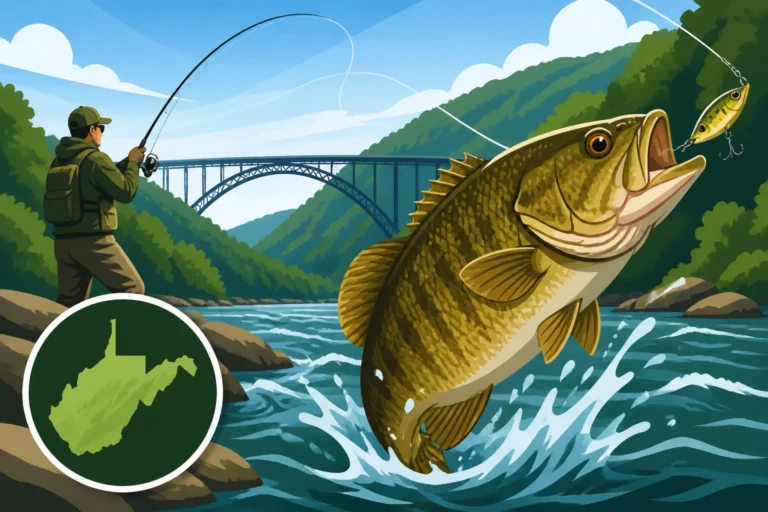
There’s nothing quite like the feeling of watching your line dance in a West Virginia trout stream, hoping for that tell-tale tug. But if you've ever found yourself struggling to get your bait or lure into the strike zone, battling currents, or just not getting any bites, you’re not alone. Many anglers find traditional casting methods frustrating in dynamic river environments. This guide is all about drift fishing for trout, a highly effective technique that leverages the natural flow of our mountain streams to present your offering irresistibly to hungry trout, solving that constant battle against the current.
Understanding Drift Fishing for Trout
Drift fishing, at its heart, is about letting the river do the work. Instead of actively retrieving your lure or bait, you're using the current to carry your offering downstream in a way that perfectly mimics natural food sources. It’s a subtle yet incredibly potent method that can unlock bites in waters where traditional casting and retrieving might fall short. In West Virginia, where our trout streams are often a beautiful mosaic of riffles, runs, and deep pools, understanding this technique can drastically improve your success.
What is Drift Fishing?
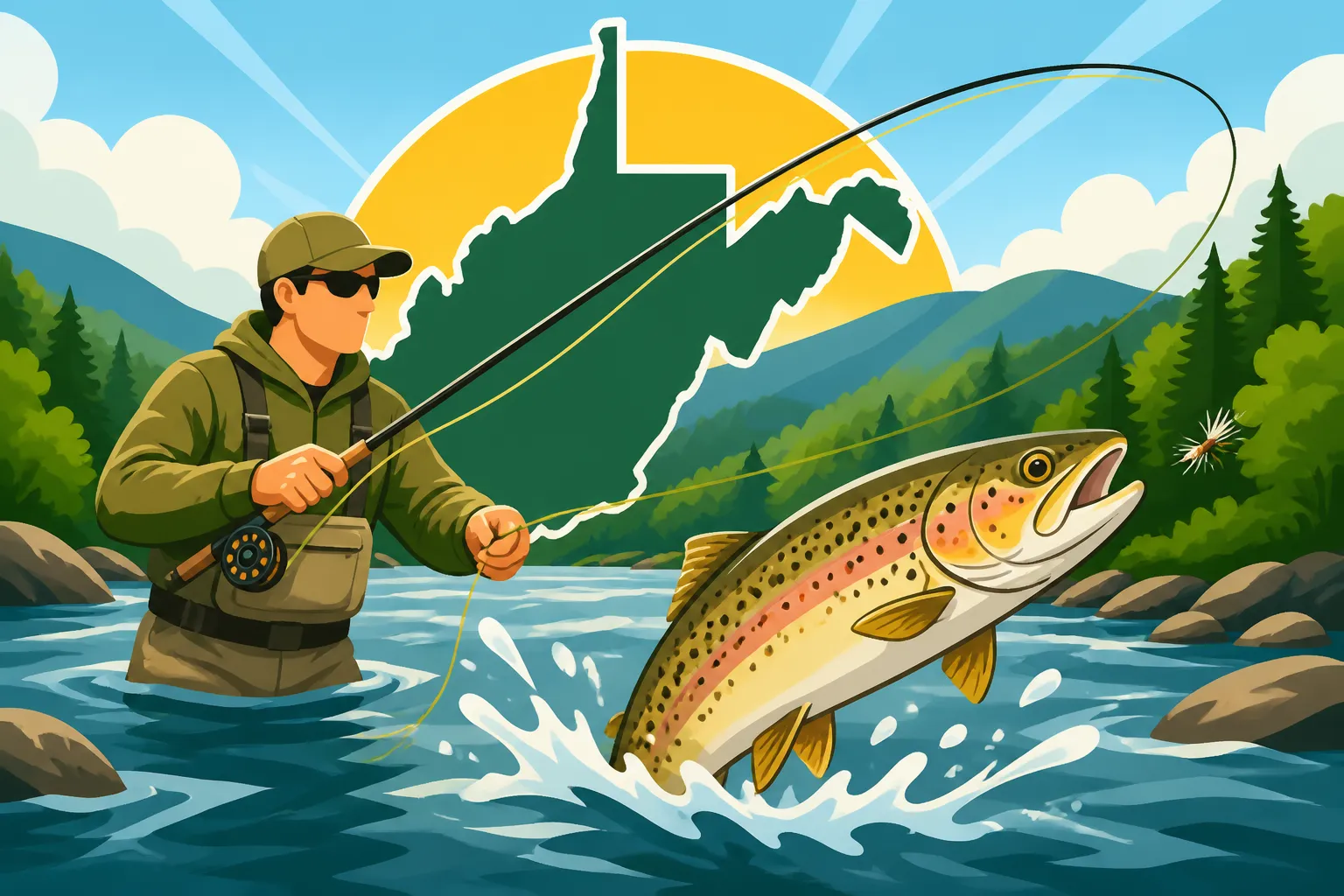
Imagine a natural insect or a small minnow being swept along by the current. It tumbles, it glides, it doesn't fight the flow in an unnatural way. That's exactly what drift fishing aims to replicate. You cast your bait or lure upstream, allow it to sink to the desired depth, and then let the current carry it naturally downstream. The goal is a "drag-free drift," meaning your line isn't pulling your offering faster or slower than the water around it. When executed correctly, your bait or lure appears completely natural, presenting an easy meal that trout find incredibly hard to resist. This technique requires a keen eye for reading the water and good line control, but the rewards are well worth the effort.
The beauty of drift fishing lies in its simplicity and effectiveness. It removes the artificiality of a hard retrieve, which can often spook wary trout, especially in our clear mountain streams. By letting your bait or lure move at the same speed as the current, you're tapping into the trout's instinctive feeding behavior. They are constantly on the lookout for food being delivered by the current, so a properly drifted offering is often met with an aggressive strike. This technique is particularly valuable in sections of a river where fish are holding close to the bottom or tucked behind structure, as it allows your presentation to reach them without resistance.
Why Drift Fishing Excels in West Virginia
West Virginia's trout streams are incredibly diverse, from the boulder-strewn rapids of larger rivers to the tight, cascading pocket water of high-country brooks. This varied terrain, characterized by a mix of fast riffles, deeper runs, and calm pools, is precisely why drift fishing is so effective here. Trout in these environments spend a lot of energy fighting currents, so they are always looking for an easy meal that the river brings to them. A perfectly drifted bait or lure presents itself as exactly that: an effortless food source.
Our waters often have clear visibility, especially in smaller mountain streams. In such conditions, trout can be incredibly discerning. A lure retrieved with unnatural speed or a bait dragged against the current will immediately alert them to danger. Drift fishing, however, allows for a stealthy approach. Your offering approaches the trout from an angle and speed that mimics nature, increasing your chances of a take. Whether you're targeting stocked rainbow trout in a popular waterway or pursuing elusive native brook trout in a remote tributary, the natural presentation of a drift rig is often the key to success.
Key Principles of a Natural Presentation
Achieving a truly natural presentation is the cornerstone of successful drift fishing. It’s not just about casting and letting go; it involves a delicate balance of weighting, line management, and a deep understanding of how water moves. The first principle is to match your weight to the current and depth. Too much weight, and your bait will drag unnaturally on the bottom; too little, and it won’t sink fast enough or stay in the strike zone. You want just enough weight to tick the bottom occasionally without getting snagged constantly.
The second critical principle is maintaining a drag-free drift. This means ensuring your main line doesn't create resistance that pulls your bait faster or slower than the current it's in. This is primarily achieved through "mending" – periodically lifting and repositioning your line upstream to allow the bait to continue its natural journey. Finally, reading the water is paramount. Understanding where trout are likely to hold, how currents interact with structure, and where natural food sources would be carried helps you anticipate the perfect drift path. Without a good grasp of these elements, even the best bait or lure will look suspicious to a discerning trout.
Essential Gear for West Virginia Drift Fishing
Having the right tackle can make all the difference when you're trying to achieve that perfect, drag-free drift. While drift fishing can be adapted to various setups, optimizing your gear for sensitivity, line control, and precise presentations will significantly boost your catch rate in West Virginia's diverse trout waters.
Rod and Reel Selection
For effective drift fishing, a longer, lighter rod is generally preferred. I typically recommend a medium-light to light power spinning rod, anywhere from 7 to 9 feet in length. The extra length isn't just for casting distance; it's crucial for managing your line on the water. A longer rod allows you to keep more line off the surface, which helps to reduce drag from conflicting currents and facilitates better line mending. It also provides greater leverage for controlling your drift in complex current situations and for setting the hook quickly on subtle bites.
Paired with this, a small, smooth spinning reel in the 1000 to 2500 size range is ideal. Look for a reel with an exceptionally smooth drag system, as even light trout can put up a surprisingly strong fight in swift currents, and a sticky drag can lead to break-offs. The reel should balance well with your chosen rod to prevent fatigue during long days of casting and holding your rod tip high. While you don't need the most expensive gear on the market, investing in a quality rod and reel that offers sensitivity and smooth operation will pay dividends in your drift fishing endeavors.
Line Choices and Leaders
The type of line you choose plays a huge role in the success of your drift fishing. For your main line, you have a couple of solid options. Many anglers prefer a braided line in the 4-8 pound test range. Braid offers incredible sensitivity, allowing you to feel even the most subtle taps, and it has no stretch, which aids in solid hook sets. However, braid is highly visible in clear water, so it's essential to pair it with a good leader. Alternatively, a high-quality monofilament line, also in the 4-8 pound test, can be a great choice. Mono has a bit of stretch, which can act as a shock absorber, and it's generally more forgiving for beginners.
Regardless of your main line choice, a fluorocarbon leader is almost non-negotiable for trout drift fishing in West Virginia. Fluorocarbon is nearly invisible underwater, which is a massive advantage when fishing for wary trout in clear water. It also has excellent abrasion resistance, a benefit when your rig is constantly bouncing off rocky bottoms. I typically use a 4-6 pound test fluorocarbon leader, anywhere from 2 to 6 feet long, depending on water clarity and depth. You can connect your leader to your main line using a small barrel swivel or a knot like the FG or Double Uni. Remember, for the best results, always check your leader frequently for nicks and abrasions, especially if you’re fishing a run and pool trout stream with lots of rocky structure.
Terminal Tackle Essentials
Your terminal tackle is where the magic happens for drift fishing. It's the collection of small but crucial components that connect your line to your bait or lure and allow for that natural presentation. First up are weights. You'll need an assortment to match varying current speeds and depths. Small split shot are common and easy to add or remove, but they can damage your line. For a more line-friendly option, consider using small pencil lead or "slinkies" – small sections of lead molded into a soft, flexible tube. These sink well and tend to snag less often on rocky bottoms.
Next are your hooks. For trout, smaller is usually better. Sizes ranging from #10 to #16 are common, depending on your bait size and the trout you're targeting. Opt for sharp, light-wire hooks that penetrate easily. Finally, strike indicators or small floats are invaluable. They visually tell you when a trout has taken your bait, even if the bite is incredibly light. There's a huge variety available on Amazon, from small foam indicators that clip onto your line to sophisticated yarn indicators preferred by fly anglers. Having a selection of these items in your tackle box means you can quickly adapt to the specific conditions of any West Virginia trout stream you encounter.
Top Baits and Lures for Drifting in West Virginia
The effectiveness of drift fishing hinges on presenting something that trout naturally recognize and want to eat. Fortunately, West Virginia's trout are not overly picky when it comes to a well-presented meal, whether it's alive and wiggling or a cunning artificial imitation.
Natural Baits
When it comes to natural baits for drift fishing, it's hard to beat the classics. Live worms are universally appealing and incredibly effective, especially for freshly stocked trout. Red wigglers are excellent for their lively action, while pieces of nightcrawler can entice larger fish. Thread a small piece onto a hook, allowing it to wiggle naturally in the current. Another highly effective natural bait, especially for bigger brown trout or wild rainbows in larger streams, is a small minnow. Rig them lightly through the lips or dorsal fin, again letting them drift naturally downstream.
Beyond the live options, prepared baits also have their place. PowerBait, in its various forms and colors, is a staple for stocked trout, particularly in heavily fished waters or on the West Virginia Trout Stocking Hotline and Schedule waters. Small balls or worms of PowerBait can be molded onto a hook and drifted effectively. Similarly, salmon eggs, either single or in a cluster, are another tried-and-true option that trout find irresistible. The key with all natural baits is to use enough weight to get them to the desired depth but not so much that their natural movement is inhibited.
Artificial Lures for Drifting
Artificial lures might not be alive, but when drifted correctly, they can be incredibly convincing. Small jigs are probably the most versatile artificial for drift fishing. Marabou jigs, with their pulsating feathers, or tiny soft plastic grubs and worms rigged on a jig head, can be deadly. Choose jig heads from 1/32 to 1/8 ounce, varying the weight based on current speed and depth. Earthy tones like olive, brown, and black often mimic natural insects, while brighter colors can sometimes trigger a reaction strike, especially for recently stocked fish. Many anglers find a wide selection of these versatile jigs and soft plastics on Amazon, allowing them to stock up on various colors and sizes.
Another artificial option for drift fishing, particularly in slightly faster or deeper water, is a small inline spinner. While often thought of as a retrieve bait, you can "drift" a spinner by casting it upstream and letting it tumble downstream with the current, only giving it enough retrieve to keep the blade spinning. This technique can be very effective for aggressive trout that might be looking for a more active meal. Soft plastic trout worms and imitation salmon eggs also mimic natural food sources and can be fished with the same rigging as their natural counterparts, offering a convenient, mess-free alternative.
Fly Fishing Nymphs and Streamers for Drift
For fly anglers, drift fishing is practically the foundation of nymphing. Techniques like Euro Nymphing West Virginia Trout Streams rely entirely on achieving a perfect, drag-free drift with nymph patterns. These patterns, like the Pheasant Tail, Hare's Ear, Prince Nymph, or various stonefly imitations, mimic the aquatic insects that make up the bulk of a trout's diet. Rigged with appropriate weight (often built into the fly itself with tungsten beads) and a sensitive leader system, these flies drift along the bottom, appearing as easy prey.
Smaller streamers, such as a black or olive Wooly Bugger, can also be drift-fished, though often with a slight "swing" or active retrieve at the end of the drift to simulate a darting baitfish. For more detailed insights into this approach, explore the nuances of Fly Fishing for Trout in West Virginia. The beauty of drifting flies is the sheer variety of patterns available to match almost any natural insect hatch or forage. Understanding the local entomology of your chosen stream will significantly increase your success with this incredibly precise and often highly rewarding method of drift fishing.
Mastering Drift Fishing Techniques in West Virginia Streams
Drift fishing isn't just about the gear; it's an art that requires observation, precision, and practice. Mastering the techniques will allow you to present your offering to trout in a way that’s virtually indistinguishable from their natural food sources.
Reading the Water for Trout
Before you even make a cast, take the time to read the water. This is arguably the most critical skill for any angler, but especially for drift fishing. Trout are creatures of comfort and efficiency; they'll hold in places where food is delivered to them with minimal effort, and where they can find protection from predators and strong currents. Look for current seams – the lines where fast water meets slow water. Trout often sit just inside the slower current, waiting for food to be swept past them from the faster flow.
Structure is another key indicator. Boulders, fallen logs, undercut banks, and submerged rocks all provide hiding spots and current breaks. Trout will tuck behind these features, darting out to grab drifting food. Deeper runs and pools also hold fish, especially larger ones, providing both depth and consistent food delivery. Pay attention to changes in bottom contour, areas of turbulence, and any subtle indicators of fish activity. Understanding these holding areas, whether you're on a small creek or exploring some of the Best Fishing Rivers in West Virginia, will guide your cast and ensure your drift passes directly through a trout’s feeding lane.
Casting and Presentation Strategies
The way you cast and manage your line during a drift is paramount. A common technique is to cast slightly upstream and across the current, allowing your bait or lure time to sink to the desired depth before it reaches the suspected holding water. As your rig drifts downstream, you'll need to continuously "mend" your line. This involves lifting your rod tip and flipping a loop of line upstream, effectively taking out any slack that might cause drag and keeping your line moving at the same speed as your bait. Think of it as steering your line.
Maintaining a clean, drag-free drift can be challenging in West Virginia's complex currents, especially when dealing with multiple current speeds across the stream. Your goal is to keep as much line off the water as possible, minimizing the contact points where currents can grab your line and pull your bait unnaturally. This is where those longer rods really shine. Practice casting to different angles and depths, and constantly adjust your mends based on the flow. Patience and repetition are key here; the more you practice, the more intuitive your line control will become, allowing your presentation to glide effortlessly through the strike zone.
Detecting Bites and Hook Sets
One of the trickier aspects of drift fishing, especially with subtle presentations, is detecting a bite. Trout strikes can range from a violent yank to a barely perceptible hesitation or slight twitch of your line or strike indicator. This is why a highly visible strike indicator is so important – it acts as an early warning system. Watch it constantly. Any dip, pause, or unnatural movement that isn't consistent with the current usually signals a take. Sometimes, all you'll feel is a slight pressure or a "tick" through your rod, so sensitivity in your rod and line is key.
When you detect a bite, your hook set needs to be swift but not overly aggressive. Instead of a hard jerk straight up, a smooth, sweeping motion of the rod to the side or slightly upstream is often more effective. This allows the hook to properly embed in the fish's mouth without tearing it out, especially important for fish caught in the delicate tissues around the mouth. It also minimizes the risk of breaking off a lightly hooked fish or snapping your leader. Be prepared for immediate action, as trout in current can use the flow to their advantage, making even small fish feel much larger. And remember, if you're practicing catch and release, handle the fish carefully; for more guidance, check out West Virginia Catch and Release Rules for Trout.
Strategic Considerations for West Virginia Trout Drift Fishing
To truly excel at drift fishing for trout in West Virginia, it's helpful to consider various factors that influence trout behavior and how you can adapt your approach to maximize success.
Targeting Different Trout Species
West Virginia is home to a few different trout species, and while drift fishing is effective for all of them, understanding their unique habits can help you refine your tactics. Rainbow and brown trout, which are frequently stocked in many West Virginia waters, are often more aggressive and less particular about their food source. They'll readily hit a variety of natural baits, PowerBait, and artificial jigs or spinners drifted naturally. These are the fish you'll commonly encounter in destinations like the Elk River Trout Fishing areas or during seasonal stockings.
Native brook trout, West Virginia's state fish, are a different story. These beautiful, often smaller trout inhabit the colder, higher-elevation streams and tend to be warier. They prefer smaller presentations, often tiny nymphs or natural insects, and demand the most stealthy approach. You'll find them in places like Shavers Fork Brook Trout Fishing, where delicate drifts with light leaders are crucial. Understanding How many trout species live in West Virginia and their general habitats will guide your bait selection and presentation, ensuring you're offering the right meal to the right fish.
Seasonal and Water Condition Adjustments
Trout behavior changes dramatically with the seasons and water conditions, requiring anglers to adapt their drift fishing strategies. In spring, especially after heavy rains or during peak stocking season, water levels can be higher and flows stronger. You'll likely need to use heavier weights to get your bait down to the fish, and fish might be less spooky, making them more forgiving of slight presentation imperfections. For specific tips on fishing this time of year, consider exploring Spring Trout Fishing Techniques for West Virginia Streams.
Summer brings lower, clearer water and often warmer temperatures. This is when stealth and finesse become paramount. Downsize your leaders, use smaller baits or flies, and ensure your drifts are absolutely drag-free to avoid spooking wary fish. Trout will often seek cooler water in deeper pools or shaded areas. Fall can be a fantastic time, as trout become more active feeders in preparation for winter. They might be more willing to chase slightly larger artificials. Always be mindful of the Best water temperature for trout fishing in West Virginia, as extreme heat or cold can dictate how active trout are and where they hold.
Safety and Etiquette for Anglers
Drift fishing often involves wading, and West Virginia's rivers can be unforgiving. Always prioritize safety. Wear appropriate wading boots with good traction, and consider a wading staff for stability, especially in swift currents or over slippery rocks. Never wade alone, and always let someone know where you're going and when you expect to return. For comprehensive guidance on safe movement in water, refer to Wading Techniques for West Virginia Trout Streams.
Beyond personal safety, practicing good etiquette is crucial. Many popular trout streams see a lot of angler traffic. Give other anglers plenty of space, especially those who are already fishing a run. If you're drifting downstream, try not to "fish over" someone who is already in position. Pack out all your trash, and if you're handling fish for release, do so quickly and gently. Familiarize yourself with the West Virginia Fishing Regulations Explained and make sure you have your West Virginia Fishing License Guide for 2026 readily available, as knowing and following the rules ensures a positive experience for everyone and helps conserve our precious fisheries.
Localized Drift Fishing Tips for West Virginia
West Virginia offers an incredible array of trout fishing opportunities, each with its own characteristics that favor specific drift fishing approaches. Understanding these local nuances can elevate your success significantly.
Mountain Freestone Streams
Our mountain freestone streams, found throughout the Monongahela National Forest and other rugged areas, are characterized by their clear, cold water, rocky bottoms, and a mix of riffles, runs, and small pockets. These streams often hold wild brook trout, sometimes with populations of wild brown and rainbow trout as well. When drift fishing here, subtlety is key. Because the water is often crystal clear and the streams can be narrow, trout are easily spooked.
Focus on lighter leaders, smaller baits or flies (like tiny nymphs or worms), and approaches that minimize your disturbance. Cast upstream and keep your profile low. You'll often be fishing short drifts into pocket water – the small, calmer areas behind boulders or logs. Understanding how to fish a run and pool trout stream is paramount in these environments. The fast, broken water provides excellent cover, but it also means your presentation needs to be precise and immediate. Often, one perfect drift through a productive pocket is all you'll get before moving on.
Tailwater Fisheries
West Virginia has several excellent tailwater fisheries, streams located below large dams (such as those below Sutton Lake or Summersville Lake). These waters typically have more stable temperatures and consistent flows, often supporting robust populations of trout that can grow quite large. Drift fishing in tailwaters often means dealing with more powerful currents and deeper water than mountain streams.
You’ll likely need heavier weights to get your offerings down to the fish, and longer, stiffer rods can help manage the line in the strong flow. Understanding the dam release schedules is a huge advantage, as fish often become more active during periods of increased flow. For comprehensive strategies in these specific environments, check out How to Fish a Tailwater in West Virginia. Tailwater trout can become accustomed to a steady diet of insects and baitfish washing down from the reservoir, making a natural drift presentation exceptionally effective, especially with patterns that mimic these food sources.
Stocked Lake Outflows and Larger Rivers
Beyond the classic mountain streams and tailwaters, drift fishing can also be incredibly productive in the outflows of stocked lakes and larger river systems that receive trout stockings. Lakes like Cheat Lake or the larger sections of the Cranberry River system, particularly below dams or areas where tributaries flow in, can create unique drift fishing opportunities. These areas often have varying current speeds and depths, providing diverse habitats for trout.
In these wider, sometimes more open waters, you might need to adapt your gear for longer casts and more substantial fish. While the core principle of a natural drift remains, the scale might change. You might employ slightly heavier lines, larger strike indicators for visibility at a distance, and more robust baits to stand out in the flow. Keep an eye on the water temperature and clarity, as these larger bodies of water can be more susceptible to changes from weather events. Regardless of the specific spot, a carefully executed drift that mimics a helpless food item will almost always entice a West Virginia trout.
Disclaimer
The information provided in this guide is for general informational purposes only. Fishing regulations, seasons, and licensing requirements in West Virginia can change. Always consult the latest official West Virginia Division of Natural Resources (WVDNR) regulations guide before fishing to ensure compliance with all laws. Fishing involves inherent risks; always prioritize safety and exercise caution while on or near the water.